If you’re struggling with weight loss, the treadmill can feel almost too basic to matter. From our experience, that’s exactly why it works so well. It’s consistent, adjustable, and easy to repeat, which is a big deal when motivation comes and goes.
As Registered Dietitians, we also see how treadmill for weight loss routines pair beautifully with nutrition changes that support steady, realistic progress.
This guide walks you through what actually drives results, how to build a treadmill plan you’ll stick with, and how to eat in a way that makes your workouts count.
Key Takeaways
You can lose weight on a treadmill with walking, running, or incline training, as long as your weekly activity and nutrition support a consistent calorie deficit.
Incline is a powerful tool. It raises heart rate and calorie burn without forcing you to run, which makes it effective and joint-friendly for many people.
Thirty-minute sessions can be enough when done 4 to 6 days per week at a meaningful effort. Weekly totals matter more than one intense workout.
Running burns more calories per minute, but walking often leads to better long-term consistency because it’s easier to recover from.
The best results come from pairing structured treadmill workouts with balanced meals, adequate protein, and habits you can realistically maintain.
Disclaimer: Check with your doctor before starting or changing any exercise routine. Stop immediately if you experience pain, dizziness, shortness of breath, or any symptoms your medical team has advised you to avoid.

Can You Really Lose Weight on a Treadmill?
Yes. You can lose weight on a treadmill when your weekly routine helps you maintain a consistent calorie deficit over time.
The treadmill is simply a tool, but it’s a powerful one because it lets you control intensity, duration, and incline predictably. That predictability makes it easier to stay consistent, and consistency is where results come from.
How Weight Loss Actually Happens
Weight loss comes down to energy balance. When you consistently take in fewer calories than you burn, your body pulls from stored energy over time.
Here’s where people get frustrated: exercise alone often doesn’t create a large enough deficit to overcome habitual overeating, liquid calories, or “reward eating” after workouts. That’s not a willpower problem. It’s just math plus appetite.
You need to include healthy nutrition alongside exercise. The Berry Street app can help with this by calculating your calories and macronutrients for weight loss.
Treadmill workouts can support a sustainable deficit because they’re scalable. You can start with walking to lose weight, build to longer sessions, layer in incline, and add intervals later. That progression helps you burn more calories without needing an extreme routine you can’t repeat.
If you want help aligning your meals with your treadmill training, connect with a Registered Weight Loss Dietitian at Berry Street for a personalized 7-day meal plan designed to support a healthy calorie deficit while keeping your energy steady and workouts strong.

Does the Treadmill Help You Lose Weight Faster Than Other Cardio?
Not automatically. A treadmill can help you lose weight faster than some cardio options if it helps you train more consistently, at a higher total weekly volume, or at a higher intensity you can actually tolerate.
Calorie burn comparisons are tricky because they depend heavily on body size, speed, incline, and how hard you’re working.
Still, treadmills do have a practical edge. You can dial in a brisk walk, a steady jog, or intervals in seconds, regardless of weather or daylight. That control tends to improve adherence, which often beats the “perfect” workout you only do twice.
How Much Weight Can You Realistically Lose?
A realistic pace for many people is about 0.5 to 1 pound per week when nutrition and activity are aligned. Faster loss can happen early, but it’s often water shifts.
After two weeks, you may notice better stamina, improved mood, better sleep, and clothes fitting slightly differently before the scale changes much. You’re building consistency and conditioning first.
After 30 days, with a steady plan and nutrition structure, many people see measurable changes in weight, waist circumference, or how their workouts feel. The key is repeating the basics week after week.
Dramatic transformations in a few weeks are usually lighting, posing, “best day” timing, or aggressive tactics that aren’t sustainable. We’d rather you build the kind of routine you can still do in six months.
How to Lose Weight on a Treadmill (Step-by-Step Strategy)
If you want your treadmill workouts to actually move the needle, you need more than random sessions and guesswork. A simple, structured approach makes it easier to stay consistent, build intensity safely, and see measurable progress over time:
Step 1: Choose Your Primary Style
Start by choosing the style you can realistically repeat most weeks: walking, running, or intervals. The best plan is the one you will actually follow on busy days, low-motivation days, and stressful weeks.
Walking is lower impact and easier to recover from, which often allows for more total weekly minutes. That adds up.
Running for weight loss burns more calories per minute and can improve cardiovascular fitness quickly, but it also increases soreness and recovery needs. Intervals combine short bursts of harder effort with easier recovery periods, which can feel more engaging and time-efficient.
From our experience, beginners often thrive with incline walking first, then layer in jogging or intervals once their endurance improves.
Step 2: Set Weekly Frequency and Duration
Consistency across the week drives results. Most people benefit from starting with 3 to 5 treadmill sessions per week, allowing lighter or rest days between harder efforts. Once recovery feels solid, building toward 4 to 6 sessions can increase weekly calorie burn without overwhelming your body.
For duration, 30 minutes per workout is a strong starting point. It’s manageable and effective. As endurance improves, adding one or two sessions of 45 to 60 minutes can meaningfully raise total weekly volume.
A practical target is 150 minutes of moderate activity per week, divided across several days. Spread your sessions out. Regular movement throughout the week supports better energy balance than occasional long workouts.
Step 3: Progress Intensity Gradually
Progression should feel steady and controlled. That’s how fitness improves without setbacks. Increase speed in small increments, such as 0.1 to 0.3 mph, and hold that pace for one to two weeks before adjusting again. This allows your cardiovascular system and joints to adapt.
If jogging feels uncomfortable, use an incline to increase intensity instead of forcing faster speeds. A 3 to 6 percent incline can raise your heart rate quickly while keeping impact lower than running.
Pay attention to recovery signals like lingering soreness, poor sleep, or unusual fatigue. Those signs mean you may need to hold steady. Sustainable improvement comes from gradual increases you can maintain consistently, not dramatic jumps that lead to burnout.
Step 4: Pair Treadmill Work With Smart Nutrition Habits
This is where results often accelerate. Exercise increases calorie burn, but nutrition determines whether you stay in a healthy deficit.
As Registered Dietitians, we emphasize consistent meal timing, adequate protein at each meal, and fiber-rich carbohydrates to support fullness. For example, pairing eggs with fruit at breakfast or adding grilled chicken and vegetables to lunch can stabilize energy for workouts.
Planning a balanced post-treadmill snack can prevent overeating later in the day. Hydration matters too, especially after incline sessions. Structured meals improve workout performance and weight loss consistency.
If you want personalized support, connect with a Registered Health Dietitian at Berry Street for tailored guidance that fits your goals.

Step 5: Track Metrics That Actually Matter
Treadmill calorie readouts are estimates and often inaccurate. Instead of focusing on that number, track metrics you can control and repeat.
Start with total time per session and total minutes per week, since weekly volume strongly influences results. Monitor effort using the talk test or a 1 to 10 exertion scale so you can see endurance improving over time. Notice how consistently you complete your planned sessions each week. That pattern matters.
You can also track waist measurements, sleep quality, recovery, and overall energy levels. Those indicators often shift before the scale moves. When you measure habits and trends instead of single calorie numbers, progress becomes clearer and easier to maintain long-term.
The Best Treadmill Workouts for Weight Loss (From Beginner to Advanced)
Not all treadmill workouts are created equal, and the right structure can make a big difference in how quickly you build endurance and see results. Below, you’ll find options that meet you where you are, whether you’re just getting started or ready for more advanced training.
Beginner Treadmill Workouts for Weight Loss
If you’re new to treadmill training, start simple and build confidence first. A clear, manageable plan helps you develop consistency, improve stamina, and avoid early burnout or unnecessary soreness:
20-minute walking starter plan: Warm up for 5 minutes gently. Walk 10 minutes at a brisk pace where you can talk but not sing. Cool down for 5 minutes easy. Repeat 3 to 5 days per week.
Walk-jog progression model: Warm up 5 minutes. Then alternate 1 minute easy jog and 2 minutes brisk walk for 15 minutes. Cool down for 5 minutes. Do this 2 to 3 times per week, with walking-only days in between if needed.
4-week beginner build: Week 1, 3 days x 20 minutes brisk walking. Week 2, 4 days x 25 minutes. Week 3, 4 days x 30 minutes, adding one light incline day. Week 4, 5 days total, including one longer walk of 40 minutes.
Steady-State Cardio for Sustainable Fat Loss
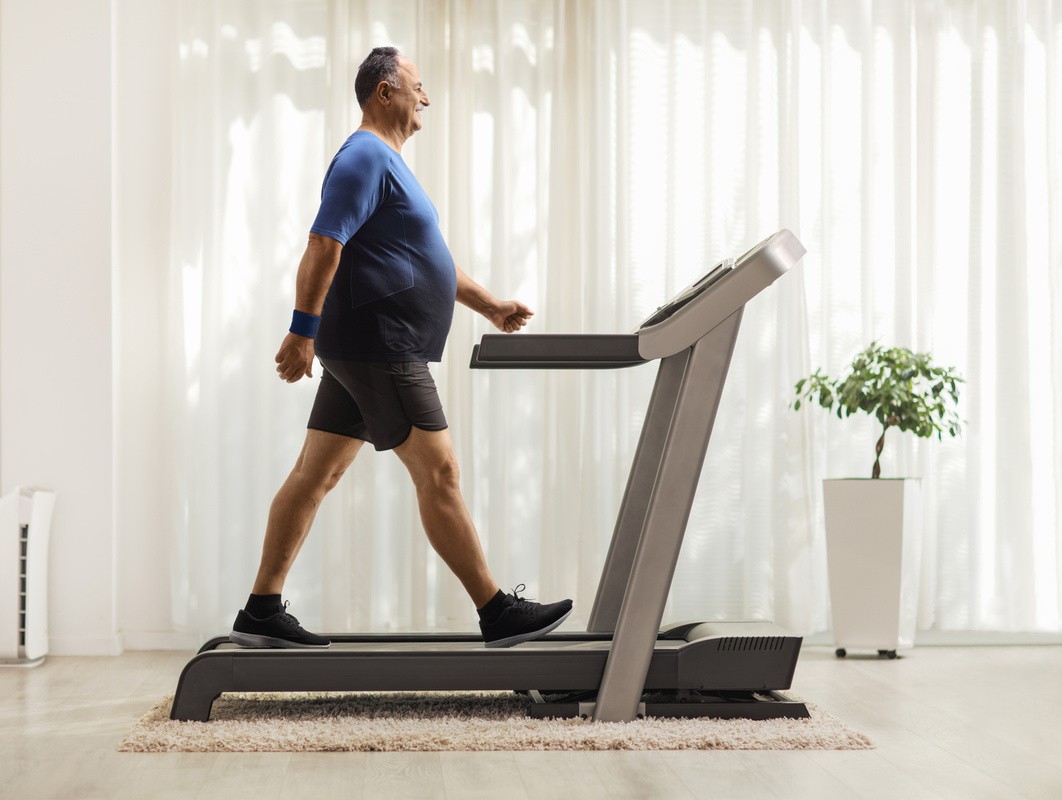
Steady-state cardio is your reliable foundation. It may not feel flashy, but it works when done consistently.
Choose a moderate pace you can maintain for 30 to 60 minutes without needing frequent breaks. You should be breathing harder than normal but still able to speak in short sentences.
This style of training supports fat loss by increasing total weekly calorie burn while keeping stress on the body manageable. It’s especially helpful when you’re building routine, improving aerobic capacity, or balancing a busy schedule.
Steady-state sessions are easier to recover from and less likely to trigger extreme hunger, which makes nutrition goals easier to maintain over time.
HIIT Treadmill Workouts for Maximum Calorie Burn
HIIT can be effective, but it’s not a daily tool. It’s a once or twice per week option for many people, and only if recovery is solid.
30-Second Sprint Intervals
This workout is time-efficient and intense, making it ideal for experienced exercisers who want a short, challenging session:
Warm up properly: Spend 8 to 10 minutes walking or lightly jogging to gradually raise your heart rate and prepare your muscles for faster movement.
Sprint with purpose: Increase your speed for 30 seconds at a pace that feels hard and unsustainable beyond that short burst. You should not be able to talk.
Recover fully: Slow to an easy walk for 90 seconds to allow breathing to steady before the next round.
Repeat strategically: Complete 8 to 12 rounds depending on fitness level and recovery capacity.
Cool down gradually: Walk 5 minutes at an easy pace and maintain an upright posture without gripping the rails.
Pyramid Intervals
Pyramid intervals gradually build intensity, then bring it back down, creating a structured and mentally engaging workout:
Start with a warm-up: Walk or jog easily for 8 to 10 minutes to prepare your body for changing intensities.
Build intensity step-by-step: Run hard for 1 minute, then recover for 2 minutes at an easy pace.
Climb the pyramid: Increase to 2 minutes hard and 2 minutes easy, then 3 minutes hard and 2 minutes easy, finishing with 4 minutes hard and 2 minutes easy.
Work back down: Reverse the sequence with 3, 2, and 1-minute hard efforts, each separated by 2 minutes of recovery.
Finish with control: Cool down for 5 minutes at a relaxed walking pace.
Incline + Speed Combo Intervals
This workout blends strength and cardio by combining incline walking with controlled bursts of speed:
Warm up gradually: Walk at a flat incline for 8 to 10 minutes to elevate heart rate and loosen calves and hips.
Increase incline intentionally: Raise the incline to a moderate level and walk briskly for 3 minutes while maintaining an upright posture.
Add a speed burst: Lower the incline to flat and increase speed for 1 minute at a challenging but controlled pace.
Repeat the sequence: Alternate 3 minutes incline and 1 minute faster flat pace for 6 to 8 rounds.
Cool down slowly: Walk easily for 5 minutes to allow heart rate and breathing to return to baseline.
HIIT can work well for people with a solid cardio base, good recovery, and no major joint limitations. If you’re newer, managing joint pain, or already exhausted, start with incline walking and steady-state first.
Incline Treadmill Workouts That Elevate Results
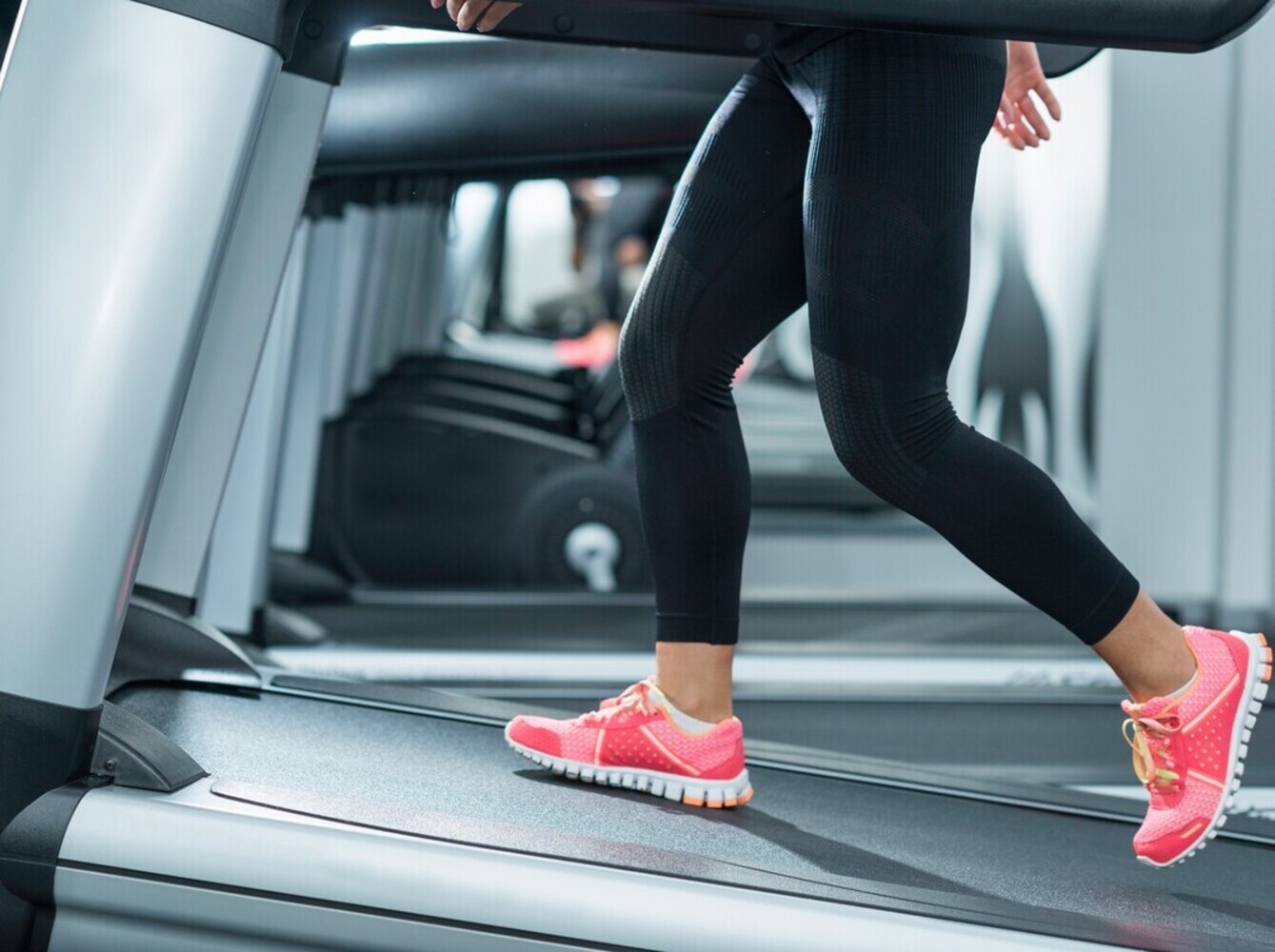
Incline training can dramatically increase the intensity of your workout without requiring you to run. By adjusting the grade instead of just the speed, you can boost calorie burn, challenge different muscle groups, and build endurance in a joint-friendly way.
The incline walking method: Walk briskly and add incline in small steps. Even a moderate incline can raise your heart rate quickly, which is why incline walking is so useful for people who don’t want to run.
12-3-30 style workout with modifications: The classic format is 12 percent incline, 3.0 mph, for 30 minutes. It’s structured and simple, but it can be intense. We often modify it as a progression plan instead of a day-one workout.
Try these on-ramps: Start at a 6 to 8 percent incline for 15 to 20 minutes. Or keep a 12 percent incline but reduce speed to a comfortable, steady pace. Or alternate 10 minutes incline, 5 minutes flat, then 10 minutes incline.
Combining incline and endurance: One of our favorite approaches is a longer, moderate incline walk once per week, paired with shorter, easier walks on other days. This builds endurance without beating up your legs.
Sample Weekly Treadmill Weight Loss Plan
This is a balanced schedule that mixes steady-state, incline, and intervals while protecting recovery:
Monday: 30 minutes steady-state brisk walk + 5-minute cool down
Tuesday: 30 minutes incline walking at a conversational effort
Wednesday: 20 to 30 minutes easy walk, recovery pace
Thursday: Interval day, walk-jog intervals or incline-speed combo, 25 to 35 minutes total
Friday: 30 to 45 minutes steady-state, slightly faster than Monday, still controlled
Saturday: Longer session, 45 to 60 minutes at a comfortable pace, walk or easy jog
Sunday: Rest or gentle 20-minute walk + mobility work
Progression example: Add 5 minutes to one session per week, or add 1 percent incline to Tuesday’s session every 1 to 2 weeks.
Can You Lose Weight Just by Walking on a Treadmill?
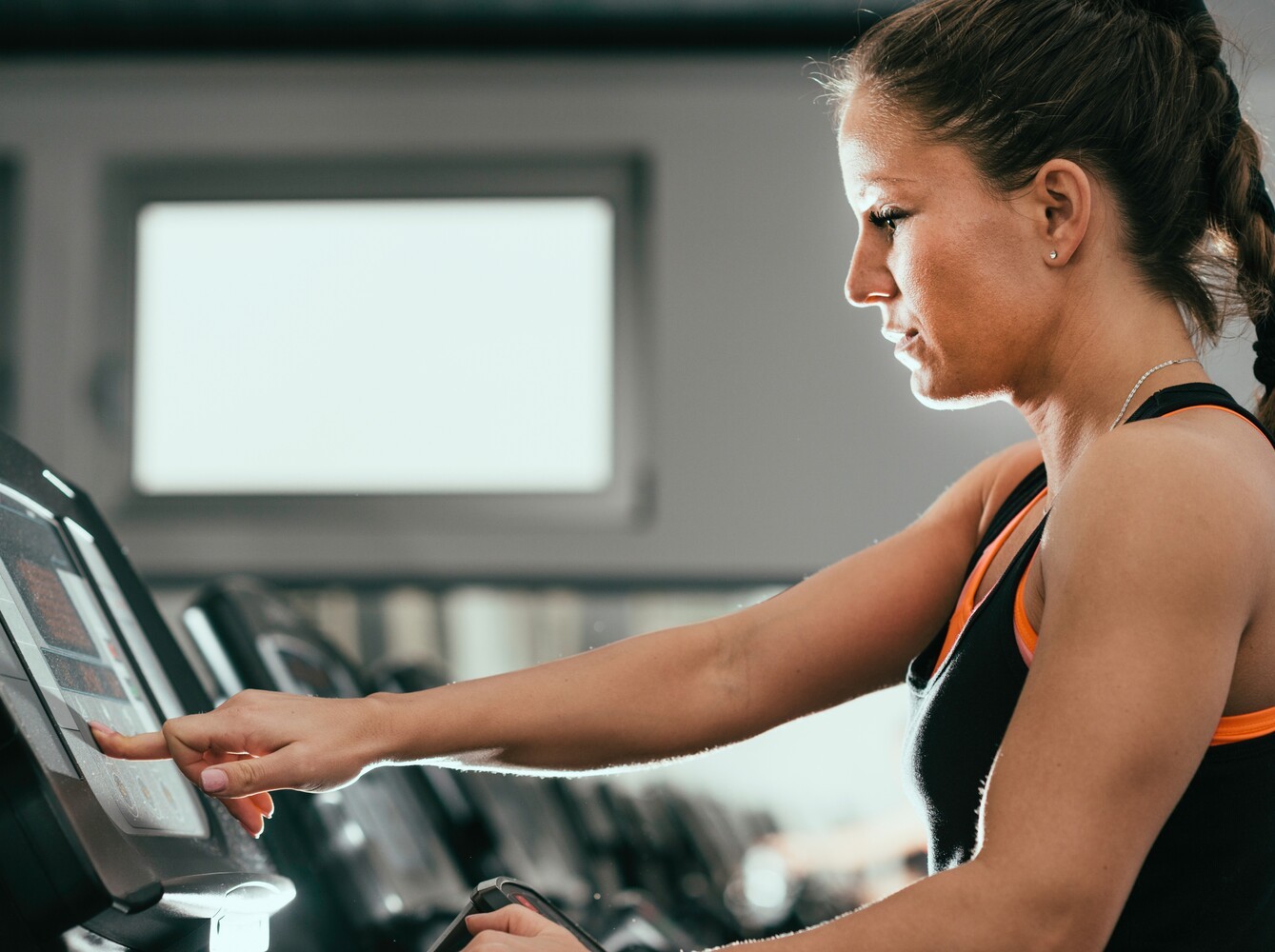
Yes, you can lose weight by walking on a treadmill when your weekly volume is high enough, and your nutrition supports a calorie deficit. Walking is sustainable. That matters. You can recover quickly, walk more frequently, and maintain consistency without extreme soreness or burnout.
While calorie burn per minute is lower than running, most people can tolerate more total walking minutes each week. That often balances out the difference. For example, five 45-minute brisk walks may burn as much or more over a week than two short, intense runs.
In our experience, walking works especially well for people who want steady progress without feeling physically drained after every session.
Best Speed to Walk on a Treadmill for Weight Loss
Aiming for a brisk pace is a smart strategy. For many adults, that falls between 3.0 and 4.0 mph, but the right speed depends on stride length, fitness level, and comfort. Instead of focusing only on the number, pay attention to effort.
Use the talk test as your guide. You should be breathing harder than normal but still able to speak in short sentences. If you can sing easily, increase the pace or add a slight incline.
If speaking feels impossible, ease back slightly. A purposeful arm swing and upright posture also increase intensity. Small speed adjustments can meaningfully raise heart rate without requiring a transition to running.

How Much Walking Is Needed to See Results?
Results depend on total weekly movement and how consistently you follow your plan. A realistic starting point is 90 to 150 minutes of brisk walking per week, which might look like 30 minutes on three to five days.
Once that feels manageable and recovery stays solid, gradually increase toward 200 to 300 minutes weekly to support more noticeable fat loss. Distributing sessions across 4 to 6 days helps maintain energy and reduce excessive soreness. Including one longer walk each week can build endurance and mental resilience. Small increases truly add up.
Adding just 10 minutes per day creates 70 additional minutes weekly, which meaningfully increases overall calorie expenditure and supports steady, sustainable weight loss.
Who Should Focus on Walking Instead of Running?
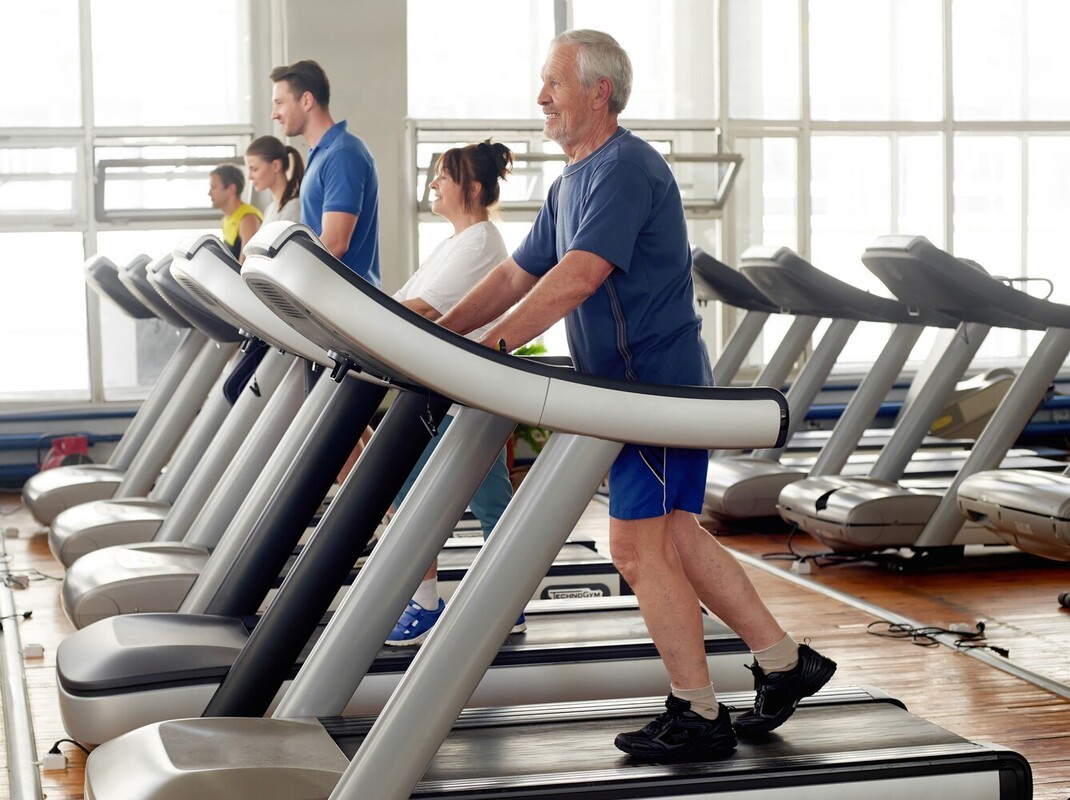
Walking first is often the most strategic choice for beginners, building cardiovascular fitness and overall exercise confidence. It’s also ideal for individuals managing knee, hip, ankle, or lower back discomfort who may not tolerate the repetitive impact of running.
Higher body weight individuals frequently find walking more comfortable while still elevating their heart rate and improving endurance. Walking allows for more frequent training sessions because recovery demands are lower. That consistency supports better long-term results.
We’ve seen walking produce steady fat loss because people can stick with it. It also pairs well with strength training, which helps preserve lean muscle mass and maintain metabolic health during weight reduction.

Does Running on a Treadmill Burn More Fat?
Yes, running on a treadmill typically burns more calories per minute than walking, which can support fat loss when your nutrition aligns with your goals. The higher intensity elevates heart rate, increases energy expenditure, and can improve cardiovascular fitness efficiently. That efficiency appeals to many people.
However, more calorie burn per minute does not automatically mean better long-term results. Running increases stress on muscles and joints, and it can significantly raise appetite in some individuals. If you feel extremely sore, overly fatigued, or hungrier than usual after runs, consistency may suffer.
Sustainable fat loss depends on repeatable training patterns. A plan you can maintain consistently will outperform one that leaves you depleted.
How Long Should You Run to Lose Weight?
Most people see progress with 20 to 40 minutes per running session, performed two to four times per week. The exact duration depends on intensity, fitness level, and recovery capacity.
Shorter, harder runs can be effective because higher effort increases calorie burn in less time. Longer, steady runs work well when pace is controlled and sustainable.
A smart approach is to build weekly running volume gradually rather than forcing long sessions early. For example, begin with 20-minute run-walk intervals and add five minutes every one to two weeks as endurance improves.
Monitor soreness, sleep, and overall energy. Those recovery markers help determine whether your current duration supports consistent progress.

Who Should Focus on Running?
Running can be a strong focus for individuals who tolerate impact well and recover efficiently between workouts. If you already have a foundation of walking or aerobic training, running may help increase calorie burn and cardiovascular capacity more quickly.
It often suits people who enjoy measurable goals such as improving pace, extending distance, or completing structured interval sessions.
Running can also work well for those who manage post-workout hunger effectively and maintain consistent eating patterns. When paired with strength training and adequate recovery, running supports lean muscle preservation while reducing body fat.
If joints feel stable and energy levels remain steady, incorporating regular runs can enhance overall progress.
Common Running Mistakes That Stall Progress
Even a well-structured running plan can stall if a few key habits slip. Understanding the most common mistakes can help you protect your progress, avoid unnecessary setbacks, and keep your weight loss moving forward.
1. Overtraining
Overtraining usually starts with good intentions. You feel motivated, so every run becomes a hard run. Then fatigue builds fast. You may notice lingering soreness, heavier legs, and workouts that feel harder at the same pace. Appetite often spikes too, which can lead to extra snacking that wipes out your deficit.
A common example is doing intervals on Monday, a fast run on Wednesday, and a hill session on Friday, then wondering why you feel run down.
The fix is simple and effective: keep most runs easy and conversational, and limit hard sessions to one or two per week. Add at least one true rest or walking day. Your body needs recovery to adapt and improve.
2. Poor Pacing
Poor pacing can stall progress even when you’re running consistently. The most common issue is starting too fast, especially in the first five minutes. It feels fine at first, then breathing spikes, form falls apart, and you end up slowing down or stopping early.
That pattern turns every run into a struggle. It also limits total weekly volume because you cannot recover well.
A better approach is to start intentionally slower than you think you need. Keep the first 10 minutes controlled and easy, then settle into a steady pace you can hold.
If you want a simple cue, aim to speak short sentences without gasping. Save speed for planned intervals, not every run. Consistent pacing builds endurance and supports repeatable training.
3. Skipping Recovery
Skipping recovery often looks productive, but it quietly chips away at consistency. When you stack hard sessions without easier days, your legs stay heavy, and your runs start to feel like a grind. Sleep can worsen. Mood can dip. Hunger may rise, too, which makes weight loss harder to manage.
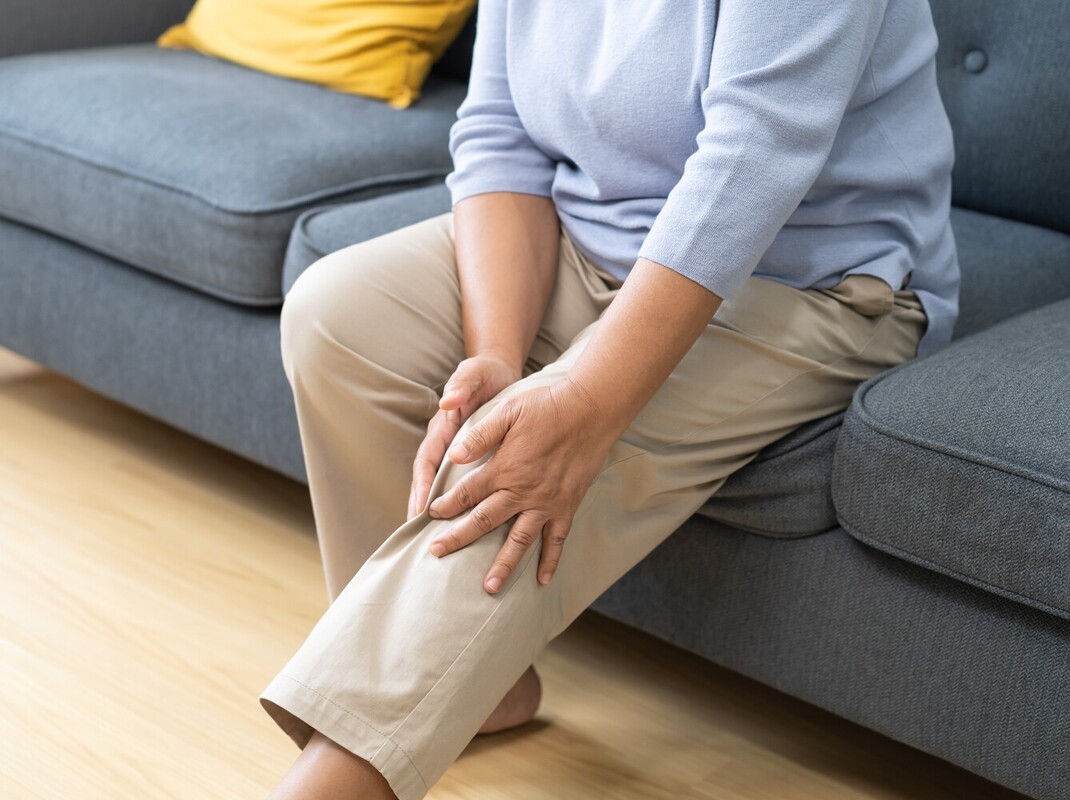
Many runners also notice small aches that linger, especially in the shins, knees, or hips. That’s your body asking for a lighter day.
Recovery doesn’t mean doing nothing all the time. It can be an easy walk, a short incline stroll, gentle mobility work, or a relaxed run at a true conversational pace. Build recovery into your schedule the same way you schedule workouts. Your progress depends on it.

4. Ignoring Strength Training
Many runners skip strength training because they assume running alone will carry their progress. Over time, that decision can limit both performance and fat loss.
Weak glutes, hips, and core muscles often lead to inefficient stride mechanics and increased stress on knees and ankles. You might notice recurring tightness, small aches, or a plateaued pace despite consistent mileage.
Strength training two to three times per week supports muscle balance and joint stability. Movements like squats, lunges, Romanian deadlifts, step-ups, and planks build resilience.
Stronger muscles also improve running economy, meaning you use less energy at the same pace. That efficiency allows longer, more comfortable runs and better overall calorie expenditure week after week.
5. Letting Nutrition Drift
Running increases calorie burn, but it can also increase appetite in subtle ways. Without a plan, portion sizes may grow gradually. An extra handful of nuts, a larger bowl of pasta, or frequent sports drinks can quietly erase your calorie deficit.
Some runners under-fuel earlier in the day, then overeat at night when hunger intensifies. Others rely heavily on processed convenience foods after workouts, which can lead to energy crashes and cravings.
A structured approach helps. Build meals around protein, fiber-rich carbohydrates, and healthy fats to stabilize hunger. For example, a balanced post-run meal with lean protein, whole grains, and vegetables supports recovery without overshooting calories. Intentional fueling keeps progress steady. A Registered Sports Dietitian can help.

Incline, Speed, and Settings: What Actually Works Best
Speed and incline are the two most powerful tools on your treadmill, but using them strategically makes all the difference. Understanding how to adjust these settings based on your goals and fitness level helps you burn more calories, build endurance, and avoid unnecessary strain.
Best Treadmill Speed for Weight Loss
The best treadmill speed depends on your current fitness, your goal for the session, and how well you can keep good form.
For brisk walking, many people land around 3.0 to 4.0 mph, but the better target is a pace that makes you breathe harder while you can still speak in short sentences.
For a steady jog, 5.0 to 6.0 mph is common, assuming your stride stays smooth and you are not bouncing or gripping the rails.
For intervals, use two speeds: an easy recovery pace you can sustain, and a hard pace that feels challenging for 30 to 90 seconds. If your pace forces you to shorten your steps dramatically, it is too fast.
Best Incline for Weight Loss
The best incline depends on what you are trying to accomplish and how your joints feel. A 1 to 3 percent incline is a smart default for many walkers because it slightly increases effort and can feel more natural than perfectly flat walking.
A 4 to 8 percent incline is where many people find the workout gets real without needing to run, especially at a brisk pace. Use it for steady-state sessions or longer walks.
High inclines around 10 to 12 percent can be effective, but they load the calves and Achilles more. Start with shorter blocks, like 2 to 4 minutes, and keep your posture tall to avoid leaning forward.
Combining Speed and Incline for Maximum Burn
Combining speed and incline works best when one variable stays steady while the other changes.
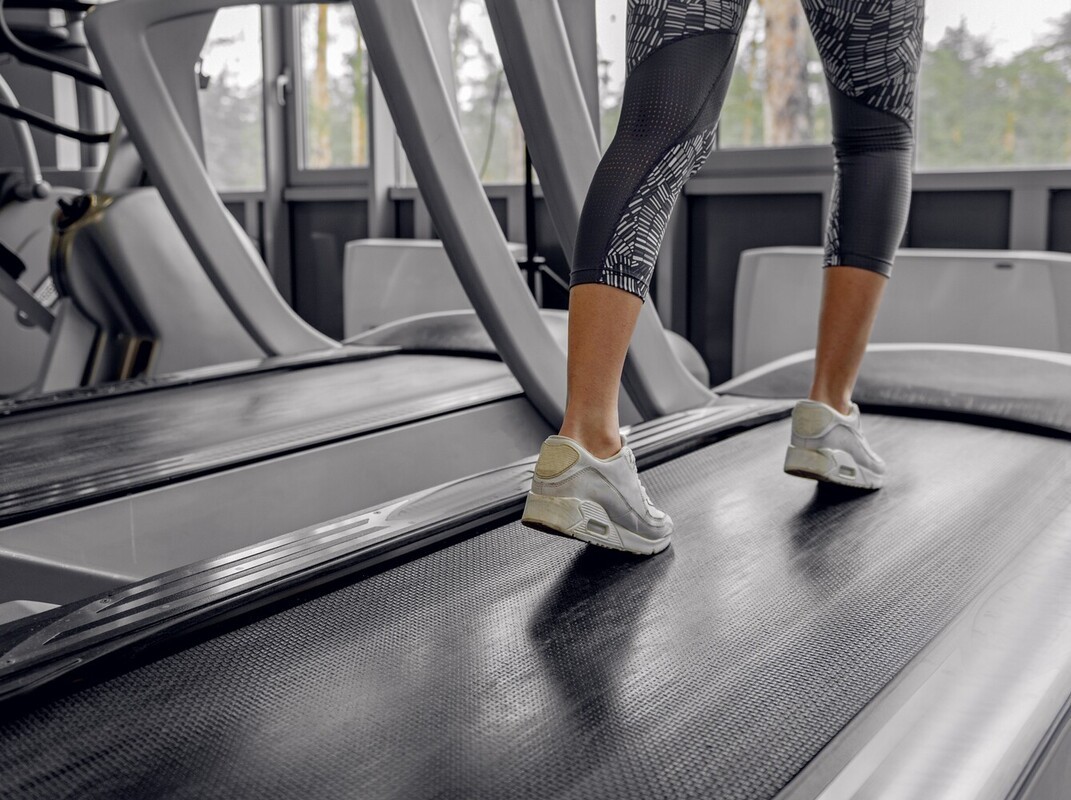
Start with a brisk walk you can hold for 20 to 30 minutes, like 3.3 mph. Then use incline as your intensity dial. Try 4 minutes at 2 percent, 3 minutes at 6 percent, and 2 minutes at 8 percent, then return to 2 percent and repeat.
Your breathing should rise on the climbs and settle on the flats. Keep steps quick and light. If calves tighten, drop the incline and lengthen the warm-up.
This approach boosts heart rate without forcing a run, so many people recover faster and can do it more often. It also keeps boredom from creeping in.
Is No Incline Still Effective?
Yes, flat treadmill walking can support weight loss when you stack enough minutes across the week and pair it with a healthy calorie deficit.
A simple example is 30 minutes at a brisk pace, five days per week. Focus on effort. Swing your arms, stand tall, and avoid shuffling.
If flat walking feels too easy, you can progress without incline by adding time, nudging speed up slightly, or inserting short “pickups” where you walk faster for 30 to 60 seconds.
Flat sessions are also great on recovery days because they stress your calves and Achilles less. Many people stay consistent longer when the workout feels comfortable and repeatable over months.
Should You Hold the Handrails?
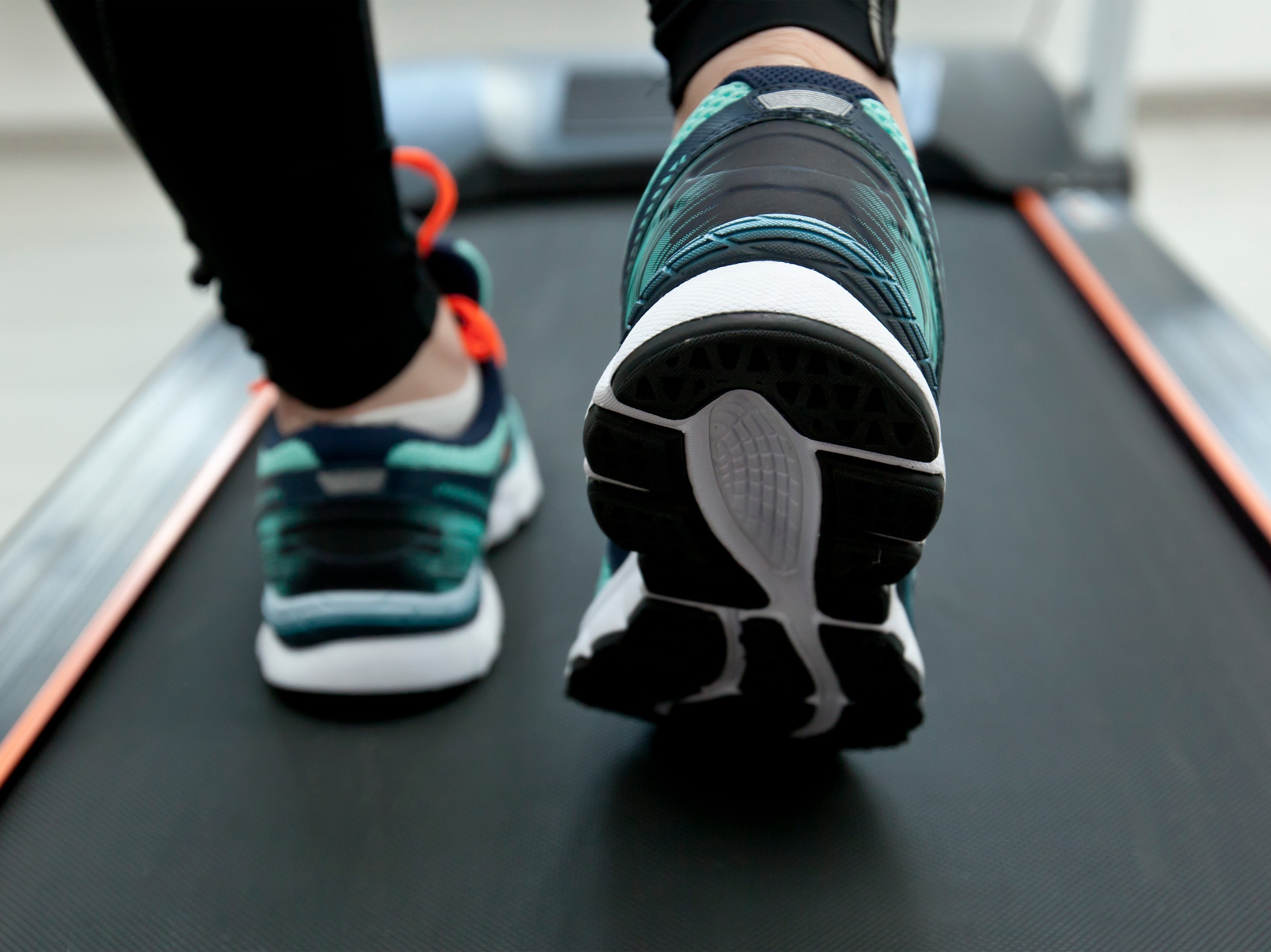
When you lean back and grip the rails, you reduce the amount of body weight your legs have to move, so calorie burn and muscle demand drop. It can also throw off posture, leading to tight shoulders and an awkward stride.
If your balance feels shaky, slow the belt down first, then lower the incline. Practice walking with a light arm swing and eyes forward, not down.
You can tap the rails briefly to adjust settings, but let go again. If you truly need support to stay safe, choose a slower pace and build confidence gradually. A treadmill near a wall can help, too.
Is 30 Minutes on the Treadmill Enough to Lose Weight?
30 minutes on the treadmill can be enough for weight loss when it fits into a consistent weekly routine, and your food choices support a calorie deficit. Think in totals, not single workouts. Five 30-minute sessions gives you 150 minutes a week, which is a strong baseline for many adults.
The key is making those minutes count with a pace that feels purposeful. Brisk walking, a moderate incline, or simple intervals can all raise effort without turning every session into a grind.
If you finish and feel lightly challenged, you’re in a good zone. Pair that with regular meals and adequate protein, and you have a realistic, repeatable setup.

When 30 Minutes Is Enough
Thirty minutes is often enough when you can repeat it most days and keep the intensity honest. Aim for 4 to 6 sessions per week. Use brisk walking where you can speak in short sentences, or add an incline for a stronger cardiovascular push.
A simple option is 10 minutes easy, 15 minutes brisk or incline, then 5 minutes easy. Intervals work too, like 1 minute faster and 1 minute easier, repeated for 10 rounds.
Nutrition matters here. If your post-workout routine includes large coffee drinks, extra snacks, or oversized portions, your deficit disappears quickly. Keep meals structured, and add small movement like a 10-minute walk after lunch or dinner most days.
When You May Need Longer Sessions
You may need longer sessions when your overall daily movement is low, or your treadmill pace has to stay easy for joint comfort.
If you sit most of the day, a single 30-minute workout can be a small slice of your total activity. In that case, adding 10 to 20 minutes to two sessions per week can help.
Longer workouts can also be useful when you’ve hit a weight loss plateau for several months, especially if nutrition is already consistent.
Another sign is when 30 minutes no longer feels challenging at the same speed and incline. Try 45 minutes at a comfortable pace, or split it into two 25-minute walks, morning and evening. More weekly minutes often moves the needle.

Calories Burned in 30 Minutes (Walking vs Running vs Incline)
Calories burned in 30 minutes vary based on body size, speed, incline, and fitness, so treat the treadmill display as a rough estimate. As a general pattern, brisk walking on flat will usually burn the least, running burns the most, and incline walking can fall in the middle or even close to jogging if the grade is high.
For example, a 30-minute walk at 3.5 mph might feel moderate, while 3.0 mph at 8 percent incline can feel tough and drive a higher heart rate.
Instead of chasing a single number, watch trends: weekly minutes, average pace, and how hard the session feels. Progress comes from repeating the plan and nudging it up over time.
Flat Stomach Treadmill Workouts: What’s Real and What’s a Myth
Let’s clear this up directly. Treadmill workouts can absolutely help reduce belly fat over time, but they cannot specifically target fat from your stomach alone. Fat loss follows overall energy balance, not exercise selection. If you create a consistent calorie deficit through structured eating and regular treadmill sessions, body fat will gradually decrease.
Where it comes off first varies from person to person. Some people notice changes in their face or arms before their midsection. Others see waist measurements drop earlier.
The key is patience and consistency. Visible abdominal changes typically happen after overall body fat decreases, not because of a specific treadmill speed, incline, or workout format.

Why Spot Reduction Doesn’t Work
Spot reduction is a common fitness myth. Your body decides where stored fat is released based on genetics, hormone patterns, and total energy balance. Doing incline walking or running while engaging your core does not force fat loss specifically from your stomach.
Fat loss happens system-wide. As total body fat decreases, the midsection gradually follows. The order varies. That’s normal.
Strengthening abdominal muscles can improve tone and posture, but the layer of fat above those muscles changes only when consistent calorie expenditure exceeds intake over time.
How Treadmill Workouts Reduce Overall Body Fat
Treadmill workouts support fat loss by increasing total energy expenditure and building cardiovascular capacity. When you walk briskly, add incline, or perform intervals, your heart rate rises, and calories are burned. Over weeks of consistent training, that contributes to a sustained calorie deficit when paired with balanced meals.
Regular treadmill sessions also improve endurance, making longer workouts feel more manageable. That leads to greater weekly volume.
For example, progressing from three 20-minute walks to five 40-minute sessions significantly increases total calorie burn. Combined with structured nutrition, this gradual increase reduces overall body fat. As total fat decreases, changes in the midsection become more noticeable over time.
The Role of Core Strength Training
Core training enhances posture, spinal stability, and movement efficiency during treadmill workouts. Strong abdominal and back muscles help you maintain upright alignment, especially during incline walking or steady running.
Better posture improves breathing mechanics and reduces strain on your hips and lower back. Core exercises such as planks, side planks, and controlled rotational movements build deep stabilizing muscles that support daily activity.
While these exercises improve muscle tone, they don’t directly remove abdominal fat. Fat reduction still depends on overall energy balance.
When paired with consistent treadmill training and structured nutrition, regular core sessions two to three times per week can improve how your midsection looks as body fat decreases.
Treadmill vs Stairmaster for Weight Loss
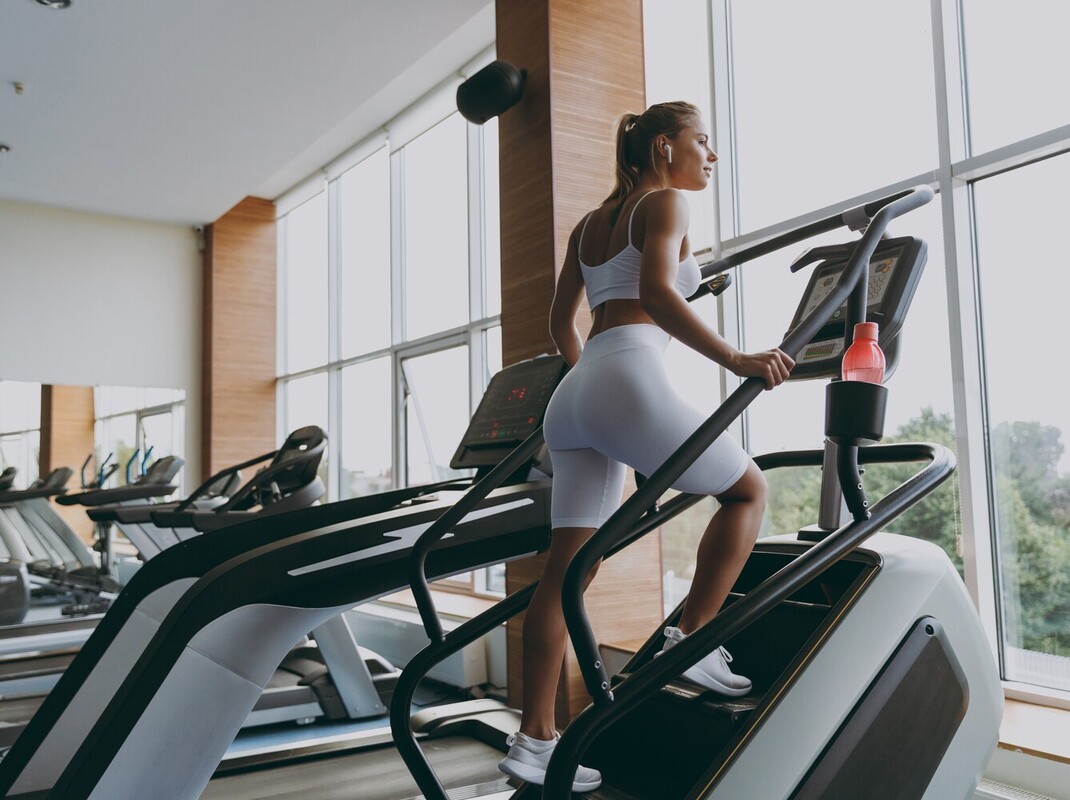
Both the treadmill and StairMaster can support weight loss when used consistently and paired with structured nutrition. Similar to a treadmill and an elliptical for weight loss, the biggest difference comes down to movement pattern and how each machine loads your body.
Using a StairMaster for weight loss keeps you stepping upward against resistance, which often elevates heart rate quickly and creates noticeable leg fatigue. Many people feel their glutes and quads working within minutes.
A treadmill offers more variety. You can walk flat, increase the incline, jog, or run, all within the same session. That flexibility makes it easier to adjust intensity based on energy level, joint comfort, or training goals. Choosing between them depends on preference, recovery capacity, and long-term consistency.
Calorie Burn Comparison
Calorie burn depends more on intensity and duration than on the specific machine. A challenging StairMaster session can elevate heart rate rapidly, which may increase calorie expenditure in a shorter timeframe.
However, treadmill workouts can also reach high calorie burn levels, especially when incorporating incline walking or running intervals.
The advantage of the treadmill lies in scalability. You can adjust pace and incline in small increments, which allows longer sessions for many people.
If one machine leaves you overly fatigued or sore, weekly volume may decrease. Sustainable calorie burn across the week matters more than a single hard workout. The better option is the one you can repeat consistently without excessive recovery demands.
Muscle Activation Differences
The StairMaster heavily recruits the glutes, quadriceps, calves, and hip stabilizers due to the repeated stepping motion. Each step requires pushing your body upward against resistance, which strengthens the lower body over time. Many people notice muscle fatigue quickly, particularly in the glutes.
The treadmill also activates these muscles, especially during incline walking or hill intervals. Increasing the incline shifts more demand to the posterior chain and calves while maintaining forward movement. It also provides greater variation in stride length and pace, which distributes stress differently across muscles.
If muscle balance and joint comfort are priorities, alternating between machines can challenge different muscle groups while reducing repetitive strain.
Which Is Better for Beginners?
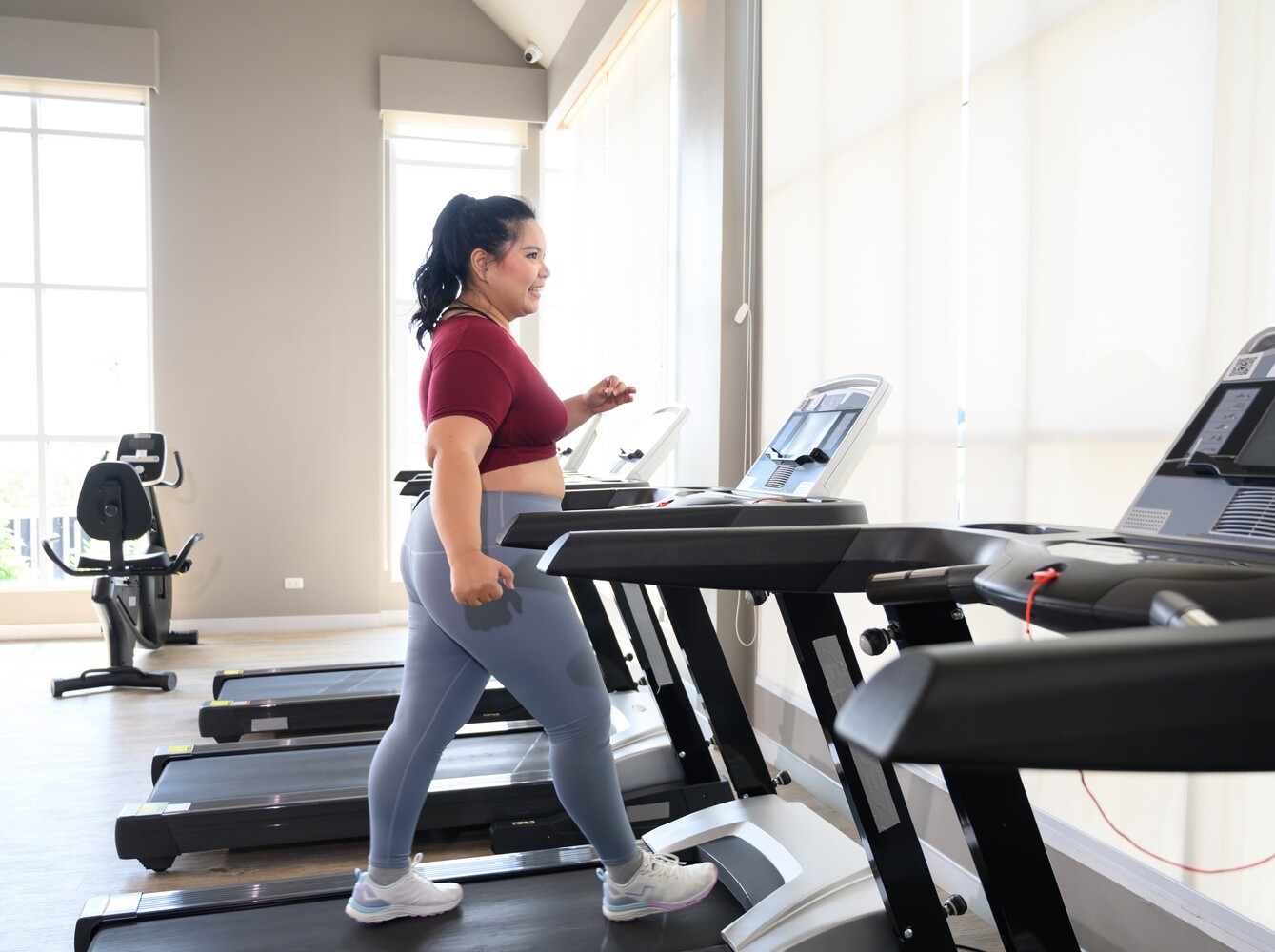
For many beginners, the treadmill feels more approachable and easier to control. You can start at a slow walking pace, build time gradually, and increase the incline in small, manageable steps as endurance improves. That sense of control builds confidence quickly.
The StairMaster often feels demanding right away because the stepping motion continuously loads the legs without a true flat recovery phase. New exercisers may feel muscular fatigue before their cardiovascular system has time to adapt, which can shorten sessions and reduce motivation.
The treadmill also tends to feel more stable for balance. Starting with consistent, manageable treadmill workouts helps establish an aerobic base and lets you practice good posture and breathing.
Should You Combine Both?
Combining both machines can improve conditioning while reducing boredom and repetitive strain from using only one pattern. Alternating treadmill and StairMaster sessions spreads work across different muscles and energy systems, which can help soreness stay manageable.
A simple week could include two incline treadmill walks, one StairMaster session focused on steady climbing, and one longer flat treadmill walk for endurance. This mix keeps intensity varied without turning every day into a grind.
It also gives your joints a break from constant impact or stepping. Variety improves adherence. When workouts feel fresh, and you have a clear purpose for each session, you are more likely to show up consistently, and that consistent weekly volume supports fat loss.
Treadmill Desk Weight Loss: Can Low-Intensity Movement Help?
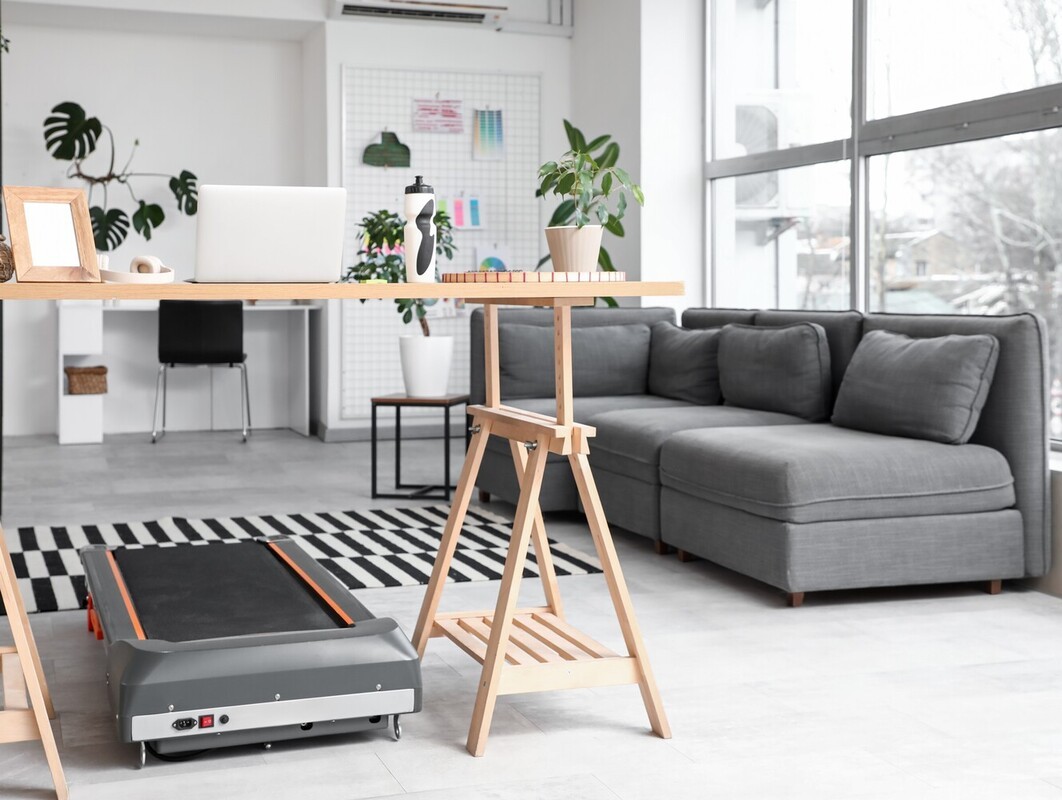
Yes, low-intensity movement can help with weight loss, especially if you spend most of the day sitting. Using a treadmill desk increases your daily movement without needing a separate workout window.
It works best as a complement to structured exercise, not a complete replacement. Think of it as a way to add consistent, low-stress activity that supports a healthy calorie deficit. Many people find it easier to stay on track when movement is built into their workday.
Start conservatively. Ten to 20 minutes at a slow pace a few times per day is plenty at first. Comfort matters too. Supportive shoes, good posture, and a stable workstation reduce fatigue and help you stick with it.
How Treadmill Desks Increase Daily Energy Expenditure
Treadmill desks raise daily energy expenditure by turning sitting time into light walking time. Even at 1 to 2 miles per hour, you’re contracting leg muscles, keeping blood moving, and adding steps per day to lose weight that would otherwise be zero.
The magic is duration. Thirty extra minutes spread across meetings, emails, or focused work can meaningfully increase your daily total. Two hours of slow walking can add thousands of steps for many people.
To make it sustainable, use a pace that lets you type and think clearly. Alternate walking and standing blocks, and keep a water bottle nearby. Pair the extra movement with steady meals so increased activity doesn’t turn into constant grazing.
What Results Can You Expect?
You can expect modest, meaningful changes, mainly through higher daily step counts and better consistency. Many people notice improved afternoon energy, fewer aches and pains, and a clearer sense of routine within the first couple of weeks. Scale changes are usually gradual because the intensity is low, but the extra calories burned can add up over months.
Results depend on how often you use it and what your eating pattern looks like. If the desk makes you hungrier, plan a balanced snack instead of grazing.
Aim for a steady pace you can maintain without sweating through meetings. Progress by adding minutes first, then adding another short walking block later in the day.
Who Benefits Most From This Approach
This approach fits best for people with desk jobs who spend long stretches seated and struggle to hit daily step goals. It’s also helpful if your schedule makes workouts inconsistent, like parents juggling pickups or professionals with back-to-back calls.
Low-impact walking can be a smart option for those easing into activity, managing joint discomfort, or returning after time off. It can also support people who do well with smaller habits repeated daily rather than intense sessions a few times per week.
That said, it’s not ideal for tasks that require fine hand control or deep concentration at higher speeds. Keep walking slow, prioritize safety, and use it as a steady movement that supports the rest of your plan.

How to Choose the Best Treadmill for Weight Loss at Home
Choosing the right treadmill for your home setup can make staying consistent much easier. The best option is one that fits your space, supports your training goals, and feels comfortable enough that you’ll actually use it several times a week.
1. Motor Strength
A treadmill’s motor affects how smoothly it runs, especially when you increase speed, incline, or time. If you plan to jog or run, look for a motor that can handle sustained use without surging, lagging, or overheating.
A stronger motor also matters for incline walking because the belt has to work harder under load. If multiple people will use the treadmill, durability becomes even more important.
Think about your longest realistic session. A machine that feels fine for 15 minutes may struggle at 45 minutes, particularly at higher speeds. In practice, a steadier motor means fewer interruptions, more consistent pacing, and a workout that feels safer and more comfortable overall.
2. Incline Capability
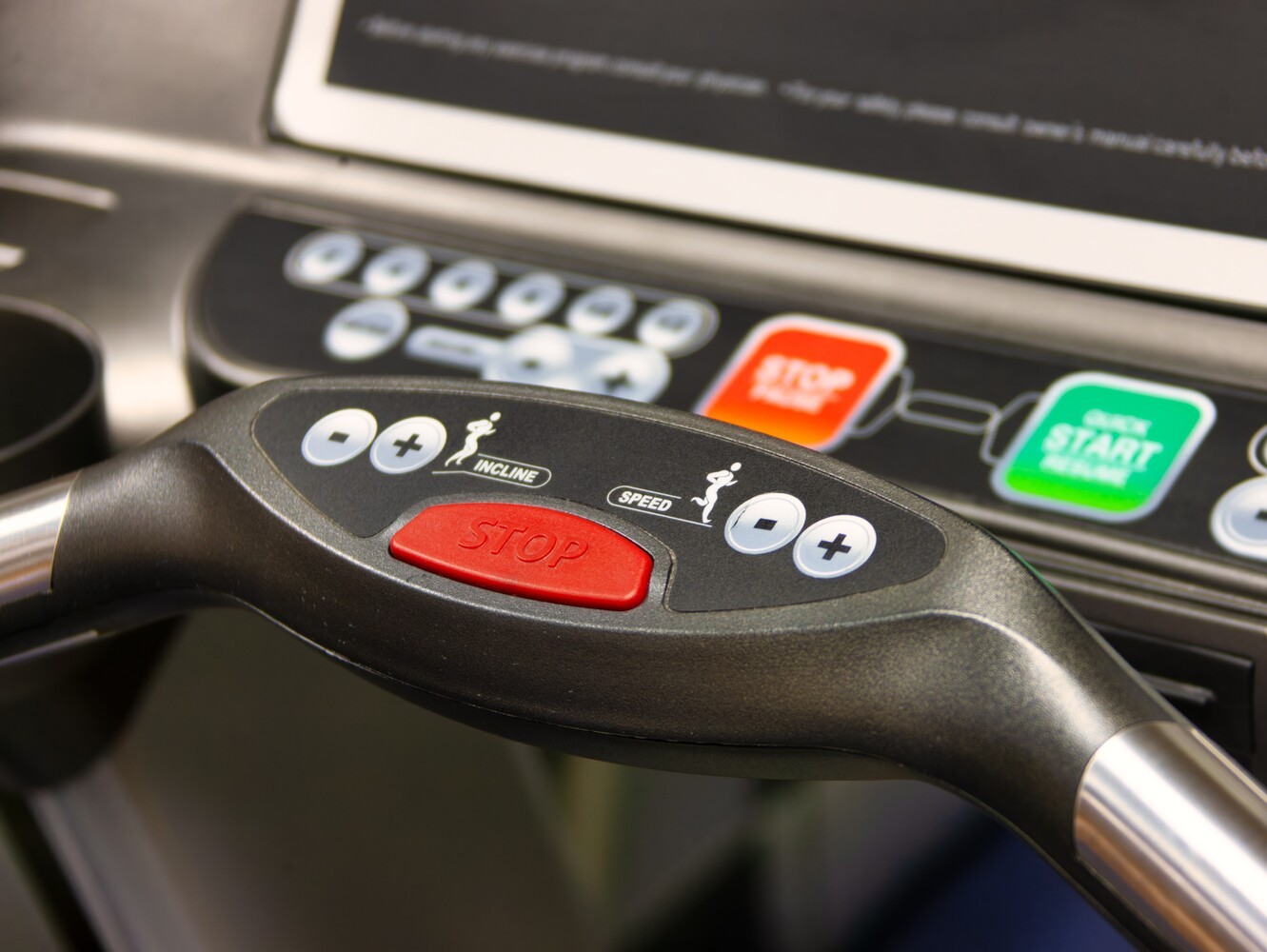
Incline capability is a big deal for weight loss because it increases effort without requiring you to run. If walking is your main plan, incline options give you a clear way to progress when flat walking starts to feel easy. Even small grades can raise heart rate and make the same pace feel more challenging.
A treadmill that offers multiple incline levels lets you vary workouts across the week, such as a steady incline walk one day and short hill intervals the next. Consider whether the incline changes quickly and smoothly, since abrupt jumps can feel awkward.
Also, think about the maximum incline you can realistically use, not just the highest number on the spec sheet.
3. Cushioning
Cushioning can make treadmill training feel noticeably better, especially if you have knee, hip, or lower back sensitivity. A cushioned deck can reduce impact compared with harder surfaces, which may help you stay consistent when you are building a routine. Comfort matters. If every session leaves you achy, it’s harder to keep showing up.
That said, cushioning is not a substitute for supportive shoes, gradual progression, and good form. You still want to walk or run with an upright posture and a stable stride. If possible, test a treadmill in person. Pay attention to how your joints feel during a brisk walk and during a light jog if you plan to run.
4. Manual vs Motorized
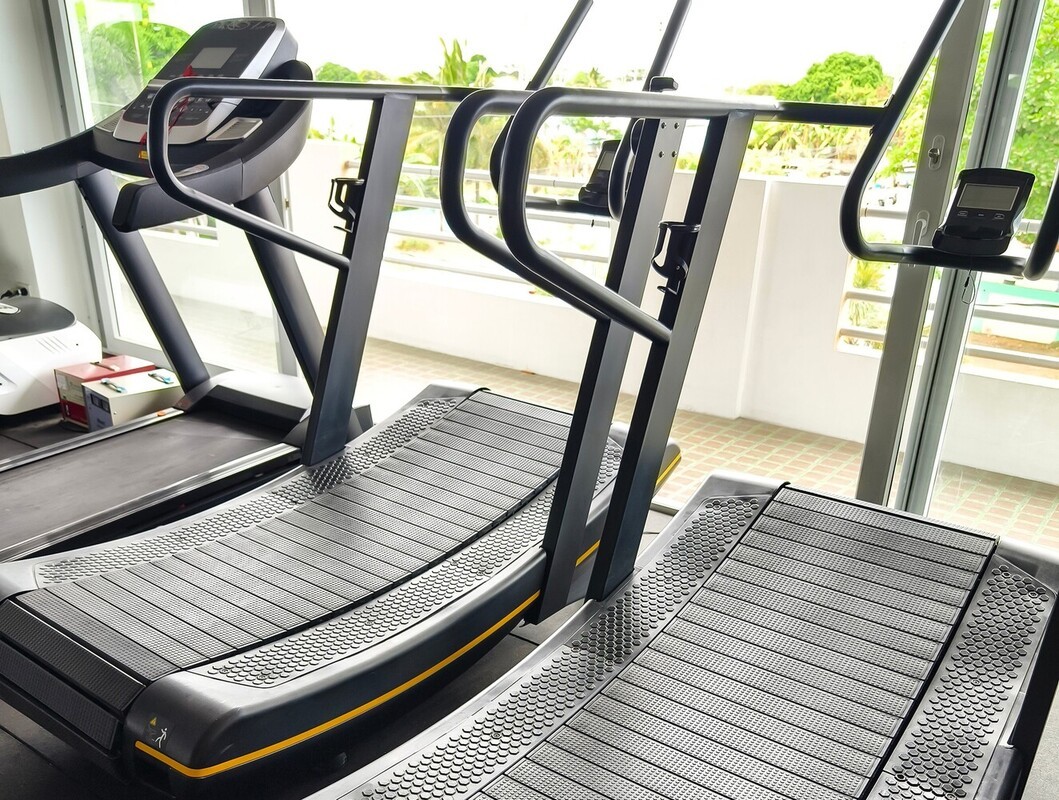
Manual and motorized treadmills can both work for weight loss, but they feel very different. Manual treadmills are powered by your movement, so belt speed changes based on how hard you push. That can be great for effort-based walking and short bursts, and it often keeps you engaged.
However, it can be challenging to maintain a steady pace, especially for longer sessions or incline walking.
Motorized treadmills excel at consistency. You can set a speed, follow a structured interval plan, and keep effort predictable. Many people find it easier to build a routine.
If you like clear pacing targets, motorized is usually the better match. If you prefer self-paced control, a manual may suit you.
5. Belt Size and Running Surface
Belt size determines how comfortable the treadmill feels, especially as you increase speed or add incline. If you mainly walk, a shorter deck may work fine. If you plan to jog or run, you’ll want more length so your stride doesn’t feel cramped.
Width matters, too. A wider belt gives you room to land naturally without worrying about stepping on the side rails. Test this by walking at your typical brisk pace and noticing whether you’re drifting forward or back.
If you share the treadmill with taller family members, prioritize length. Also, check side rail height, since very tall rails can limit natural arm swing. A comfortable deck makes longer sessions feel safer and more repeatable.
6. Stability and Weight Capacity
A treadmill should feel steady under your feet. If the frame wobbles during a brisk walk, it’s going to feel worse when you add incline or pick up the pace. Look for a weight capacity that comfortably exceeds the user’s current weight, since that often signals a sturdier build.
Stability matters for confidence. It’s easier to stay consistent when you aren’t worried about shaking or slipping.
Pay attention to the handrails and console. If they rattle, that’s a red flag. If possible, test by increasing speed gradually and adding a short incline segment.
Quiet, smooth operation usually goes hand in hand with better stability. A stable platform helps you focus on effort, not on staying balanced.
Safety Guidelines Before You Start With Treadmill Workouts for Weight Loss
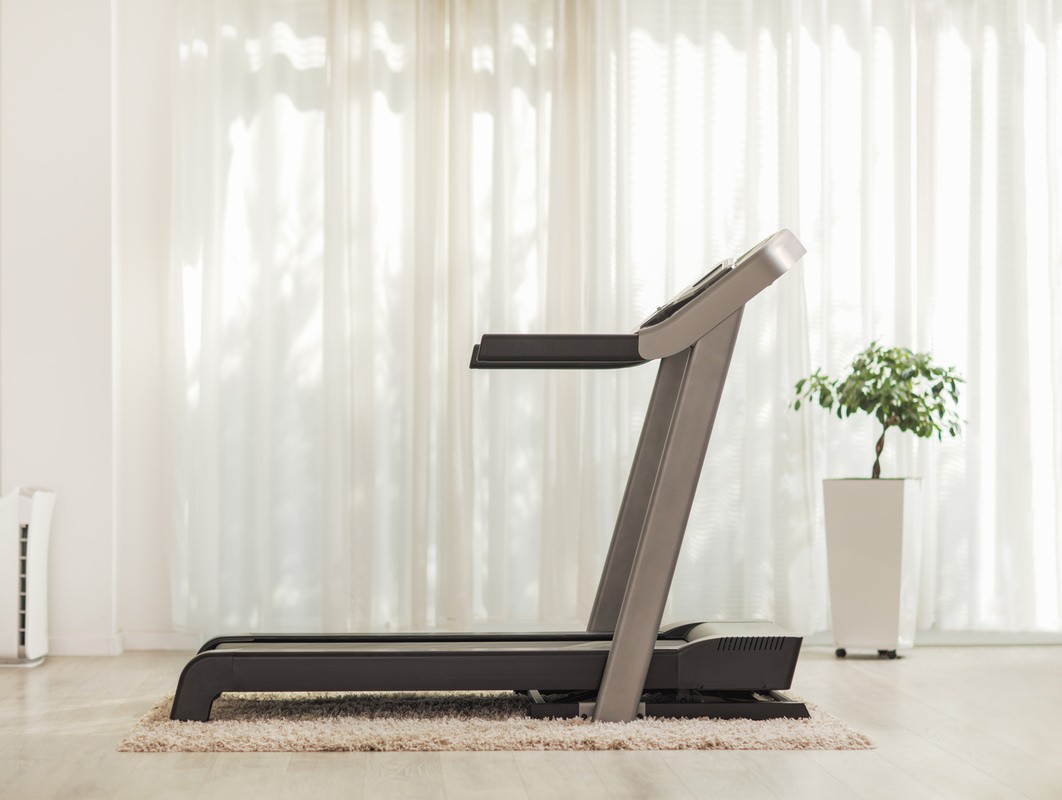
Before you step onto the treadmill, it’s important to set yourself up for safe and sustainable progress. A few simple precautions can reduce injury risk, improve performance, and help you stay consistent with your weight loss plan:
Warm-Up and Cool-Down Protocol
A proper warm-up prepares your body to move efficiently and reduces the risk of strain. Start with 5 to 10 minutes at an easy walking pace to gradually raise your heart rate and increase blood flow to working muscles. Let your stride lengthen naturally. Add gentle arm swings to support circulation.
On incline or interval days, this gradual build is especially important because calves, hamstrings, and hips will work harder once intensity increases.
At the end of your workout, avoid stepping off abruptly. Slow the belt and walk easily for at least 5 minutes to bring breathing and heart rate down. A calm finish supports recovery and makes the next session feel better.
Nutritional Requirements for Exercise
You don’t need expensive supplements or complicated meal timing strategies. You do need consistent fueling.
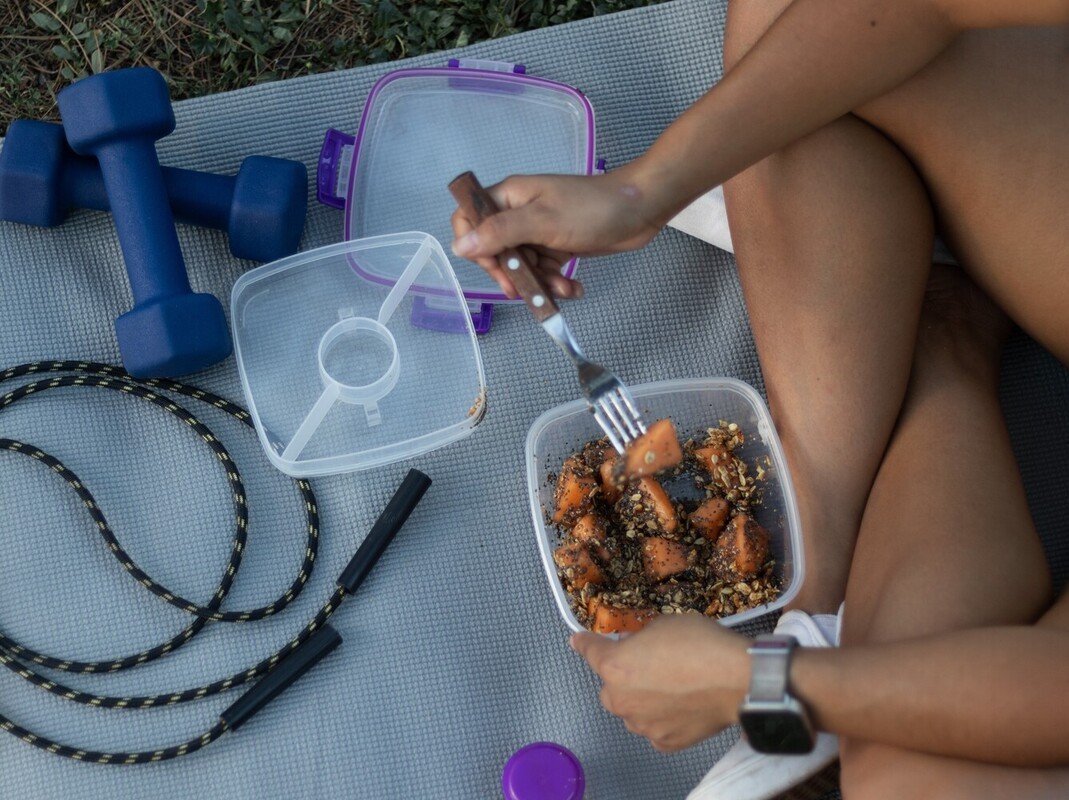
If you exercise first thing in the morning, a light snack can improve energy and performance. A banana with peanut butter, yogurt with fruit, or toast with eggs are practical options that provide carbohydrates and protein.
After your treadmill session, prioritize a balanced meal with protein and fiber to support recovery and fullness. Hydration matters as well, especially if you use incline or intervals that increase sweat loss. Aim to drink water before and after your workout.
If you want help building a flexible, sustainable eating pattern that supports your workouts without feeling restrictive, a Registered Intuitive Eating Dietitian at Berry Street can guide you.
Warning Signs to Stop Exercise
Listening to your body is critical during treadmill workouts. Pushing through discomfort can turn a manageable issue into a serious setback. Pay attention to new or unusual symptoms and respond quickly. Symptoms include:
Chest pain or pressure
New dizziness or faintness
Severe shortness of breath that doesn’t settle with rest
Sharp or escalating joint pain
Numbness, tingling, or weakness
Irregular or racing heartbeat that feels unusual
Symptoms your medical team has told you to avoid
If any of these occur, stop the treadmill immediately and seek medical guidance when appropriate. Safety comes first. Consistency only works when your body feels supported and protected.
Medical Considerations
Treadmill training can support weight loss and cardiovascular health, but individual medical history matters. Conditions such as heart disease, uncontrolled high blood pressure, joint disorders, or metabolic concerns may require exercise modifications.
If you’ve been inactive for a long period, begin gradually and consider professional guidance. Monitor how you feel during and after sessions, especially when increasing speed or incline. All movement guidance in this program is intended for general wellness support.

Treadmills for Weight Loss FAQs
Can you lose weight in 2 weeks on a treadmill?
Yes, it’s possible, but it’s usually modest. Two weeks is often when you notice improved consistency and conditioning first, with smaller-scale changes.
How many calories should I burn per session?
There isn’t a perfect number. We typically focus on a session you can repeat, then build weekly minutes, incline, or intensity over time. Consistency beats chasing a single calorie target.
Is incline better than speed for fat loss?
Often, yes. Incline raises effort without the impact of running, which can improve adherence and reduce soreness. Speed can work too. The best option is the one you can do consistently.
Is a treadmill better than outdoor walking?
Neither is universally better. The treadmill offers control and predictability. Outdoor walking offers variety and natural terrain changes. Choose what fits your schedule and keeps you showing up.
How often should I use a treadmill to lose weight?
Most people do well with 4 to 6 days per week, mixing easier and harder days so recovery stays solid. If you’re new, start with 3 to 4 days and build from there.
Can beginners safely do HIIT on a treadmill?
Yes, with modifications. Start with walking intervals, keep intensity controlled, and prioritize good form. As your conditioning improves, you can gradually increase speed or incline.
Will walking every day be enough?
Yes, it can be, especially if you build toward 150 to 300 minutes per week and keep nutrition aligned with your goal. Daily walking also tends to be easier to recover from than daily running.
Conclusion
Real progress on a treadmill comes from a clear plan, steady effort, and nutrition that supports your goals. Walking, running, incline work, and intervals can all help you build endurance and increase calorie burn, but consistency is what drives lasting change.
After years of experience, we’ve seen that the people who succeed are the ones who repeat manageable workouts, fuel their bodies with balanced meals, and adjust intensity gradually instead of chasing extremes. Small weekly improvements add up. Strong habits matter more than perfect sessions.
If you’re ready to pair your treadmill routine with personalized nutrition guidance, connect with a Registered Dietitian at Berry Street and get expert support tailored to your goals.
If you want to learn more, why not check out these articles below: