
If you are wondering how many steps a day to lose weight and whether there’s a number that finally makes progress click, then it’s a fair question. Step counts are easy to track, easy to compare, and easy to obsess over.
As Registered Dietitians, we see how appealing that simplicity can be, especially when weight loss feels confusing or stalled. The truth is that steps absolutely play a role, but they’re only one part of the equation.
In this guide, we’ll break down what research actually says about step ranges, whether 10,000 steps is enough, what happens if you walk less or more, and how to calculate a realistic goal that fits your life.
Key Takeaways
7,000 to 10,000 daily steps is a helpful benchmark, but your ideal number depends on your baseline and habits.
You can lose weight below 10,000 steps if you increase movement and maintain a calorie deficit.
Steps support weight loss, but nutrition, strength training, sleep, and stress management drive results.
More steps are not always better. Consistency and sustainability matter most.
The most effective plan pairs a personalized step goal with a structured nutrition strategy that supports steady fat loss.

Why Everyone Asks “How Many Steps a Day to Lose Weight”
People gravitate toward this question because steps feel clear and concrete. You can open your phone, glance at your watch, and see a number. It feels objective.
Walking more does increase daily calorie burn, which can help create the calorie deficit required for weight loss. That part is true.
However, what’s also true is that there is no single step count that guarantees results for everyone. Research points to a general range that supports health and weight changes, but that range shifts depending on your baseline, pace, and eating habits.

Where the Step Count Obsession Came From
The widely accepted 10,000-step benchmark did not originate from a medical guideline or large-scale weight loss study. It began in Japan in the 1960s as part of a marketing campaign for a pedometer called the manpo-kei, which translates to 10,000 step meter.
The number was chosen because it was easy to remember and appealing to consumers. Over time, it became embedded in public health conversations and later reinforced by fitness trackers and workplace wellness programs.
While research does support the health benefits of increasing daily steps, 10,000 was never established as a personalized requirement for weight loss. It gained traction because it was simple, standardized, and easy to communicate.
Why Steps Feel Simpler Than Calories or Workouts
Counting steps feels easier than tracking macros or logging every bite of food. You don’t need to measure portions or calculate percentages. You just move.
Most smartphones and wearables track steps automatically, which removes friction. There’s no gym membership required. No complicated programming.
From our experience, that simplicity lowers the barrier to entry. People are more likely to stick with habits that fit naturally into their day. Watching your step total climb creates quick feedback. It feels productive.
Those small, visible wins build confidence, and confidence supports consistency. Consistency, over weeks and months, is what ultimately drives sustainable weight loss.

What Steps Can (and Can’t) Do for Weight Loss
Walking to lose weight increases daily calorie burn, improves circulation, and reduces sedentary time. For someone moving from 2,000 steps to 7,000 steps per day, that shift can meaningfully increase total energy expenditure. It’s especially helpful for beginners or those easing back into activity.
At the same time, steps alone don’t control calorie intake, manage stress hormones, or preserve muscle mass. If increased walking leads to increased snacking, the calorie deficit may disappear. If sleep is poor, hunger hormones can rise.
Strength training plays a key role in maintaining muscle during weight loss. Walking supports the process. Nutrition, recovery, and resistance training complete the picture.
How Walking and Steps Actually Contribute to Weight Loss
Before deciding on a daily step target, it helps to understand what those steps are actually doing inside your body. Walking influences calorie burn, metabolism, and overall energy balance in ways that directly affect weight loss outcomes.
Steps, Calorie Burn, and Energy Balance
Every step burns calories, even the ones you take pacing during a phone call or walking through the grocery store. Those calories add up over the course of a day.
Weight loss occurs when you consistently maintain a calorie deficit, meaning you burn more energy than you consume. Increasing daily steps raises your total daily energy expenditure, which can help create that deficit.
However, steps alone do not guarantee progress if calorie intake rises alongside activity. Nutrition plays a central role. Walking supports the equation, but food choices determine whether the deficit actually happens.
If you’d like structure, connect with a Registered Weight Loss Dietitian for a personalized 7-day meal plan designed to support your activity level.

Why Pace, Terrain, and Body Size Matter
Two people can log 8,000 steps and have very different calorie outcomes. Pace plays a major role. A brisk walk that elevates your heart rate burns more calories per minute than a casual stroll while scrolling your phone.
Terrain also changes the equation. Walking uphill, on sand, or on uneven trails requires more effort and increases energy expenditure.
Even body size influences results. Larger bodies typically burn more calories per step because more energy is required to move more mass.
Stride length matters too. Your step count alone doesn’t tell the full story. Intensity, environment, and individual physiology determine how impactful those steps really are.
Steps vs Structured Exercise
Walking adds valuable movement to your day, but structured exercise serves a different purpose. Strength training helps preserve lean muscle mass during weight loss, which supports metabolic rate over time. Cardio workouts such as cycling, interval training, or running to lose weight challenge the heart and lungs in ways casual walking often does not.
Walking fills the gaps. It reduces sedentary time, supports recovery, and keeps calorie burn steady throughout the day.
As Registered Dietitians, we often encourage clients to use walking as a foundation while incorporating two to three strength sessions per week. Together, these strategies support fat loss while maintaining muscle and overall health.

Why Consistency Beats Chasing High Numbers
Hitting 18,000 steps on Saturday and 3,000 steps the rest of the week rarely produces meaningful results. A steady daily average creates a stronger foundation.
Moderate step goals that you can maintain five to seven days per week lead to more predictable calorie burn and better habit formation. Consistency also reduces injury risk and burnout. When walking becomes part of your normal routine, it requires less willpower.
Small, repeatable actions compound over time. A daily 7,500-step habit maintained for months will often support more sustainable weight loss than occasional extreme pushes that are difficult to repeat.
How Many Steps a Day Do You Actually Need to Lose Weight?
Research often points to a daily range of about 7,000 to 10,000 steps as a practical target for improving health and supporting weight loss when paired with nutrition changes. This range generally reflects moderate physical activity spread throughout the day. It gives structure without being extreme.
Some studies suggest health benefits begin closer to 6,000 to 8,000 steps, particularly for adults over 60, which shows progress does not require perfection.
More steps typically mean more calorie burn, but only if eating habits support a calorie deficit. Think of this range as a starting framework. Your baseline, pace, and overall lifestyle determine where you land within it.

What Happens Below That Range
Weight loss can still happen below 7,000 steps per day, especially if that number represents a meaningful increase from your current average. Context is everything.
If you typically take 2,000 steps and increase to 5,000, you have more than doubled your daily movement. That shift raises calorie expenditure in a noticeable way. Pair that increase with mindful portion sizes and adequate protein, and early progress is common.
Many beginners see momentum from these manageable jumps rather than aiming immediately for 10,000 steps. Lower step counts can also feel less overwhelming, which improves adherence. Sustainable increases often produce better long-term results than aggressive targets.
When Higher Step Counts Make Sense
There are situations where aiming above 10,000 steps may be helpful. If weight loss has plateaued and calorie intake is already appropriate, increasing daily movement can raise total energy expenditure. Individuals with higher calorie needs, such as taller adults or those who enjoy longer walks, may also benefit from higher step goals.
However, more steps require more time and recovery. Feet, joints, and overall energy levels need attention. If pushing to 14,000 or 15,000 steps leads to fatigue or skipped strength sessions, progress may slow. Higher counts can work well when they fit comfortably into your schedule and feel sustainable week after week.

Why There’s No Universal “Magic Number”
Bodies respond differently to the same activity levels. Metabolism, muscle mass, hormonal shifts, stress exposure, sleep quality, and dietary patterns all influence weight change.
Two people walking 9,000 steps daily may see very different outcomes if one consistently overeats or sleeps poorly. Personal baselines matter. Lifestyle realities matter.
A parent balancing childcare and work may have a different capacity for daily movement than someone with a flexible schedule. That’s why rigid step rules often fall short. A personalized goal based on your starting point, energy levels, and nutrition habits will always be more effective than chasing a single universal target.
Is Walking 10,000 Steps a Day Enough to Lose Weight?
Yes, walking 10,000 steps per day can support weight loss when paired with balanced nutrition and consistent habits. Hitting that number increases daily calorie expenditure and significantly reduces sedentary time. For many adults, that shift alone improves overall energy balance.
However, steps do not automatically create a calorie deficit if food intake rises in response to increased hunger. Weight loss still depends on consuming fewer calories than you burn over time.
Ten thousand steps can be an effective framework, particularly for those transitioning from a sedentary routine. The results depend on how those steps fit into your broader lifestyle, including food choices, sleep quality, and strength training.
What 10,000 Steps Typically Looks Like in Daily Life
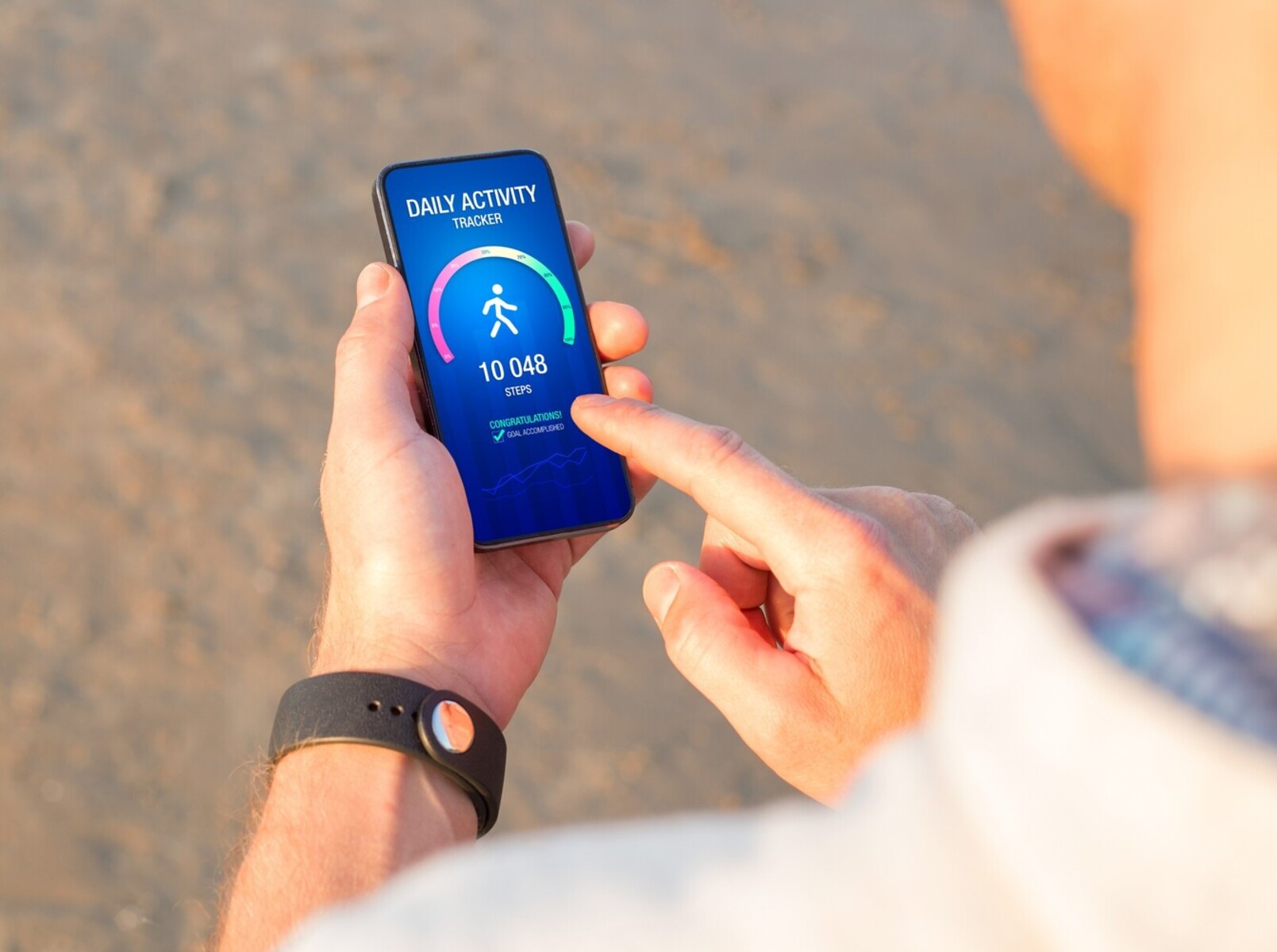
For most adults, 10,000 steps equals roughly five miles of movement spread across the day. Depending on the pace, that can take 60 to 90 minutes of total walking time. Few people complete it in one session.
Instead, it often comes from multiple shorter walks, errands, household movement, parking farther away, or walking during phone calls. A brisk 30-minute walk may account for 3,000 to 4,000 steps, with the rest accumulating naturally.
Desk jobs may require more intentional planning to reach this total. Active jobs may hit it without structured exercise. The key is recognizing how your daily routine contributes to the number.
How Much Weight People Commonly Lose at 10,000 Steps
Weight loss outcomes vary widely. Some individuals may lose approximately 0.5 to 1 pound per week when 10,000 daily steps are combined with appropriate calorie control and adequate protein intake. Others may experience slower changes if walking pace is leisurely or if additional hunger leads to higher calorie intake.
Metabolism, starting weight, and overall activity levels also influence results. 10,000 steps can create a meaningful increase in daily calorie burn, but it does not determine weight loss on its own.
Consistent nutrition habits and realistic expectations play a central role in how much progress occurs over weeks and months.

When 10,000 Steps Works Well
This goal tends to work well for individuals who already enjoy walking and can integrate it naturally into their schedule. It also benefits people aiming to reduce prolonged sitting, which supports metabolic and cardiovascular health.
Those with flexible workdays may find it easier to accumulate steps through mid-day walks or active commutes. It can also be motivating for people who enjoy tracking progress and responding to measurable targets.
When 10,000 steps feels achievable rather than overwhelming, it often becomes a sustainable routine. That consistency strengthens calorie balance over time and supports steady weight loss when paired with supportive eating habits.
When 10,000 Steps Isn’t Enough on Its Own
There are scenarios where 10,000 steps may not produce noticeable weight loss. If calorie intake increases due to increased appetite, the calorie deficit may disappear. Walking at a very slow pace may not substantially elevate heart rate or energy expenditure. Chronic stress and insufficient sleep can also influence hunger hormones and recovery, which affects progress.
In addition, individuals with higher calorie needs may require more overall activity or adjustments in nutrition to see a change.
When weight loss stalls, reviewing both step intensity and dietary intake often provides clarity. Steps support the process, but the overall energy equation determines the outcome.
Should You Aim Higher Than 10,000 Steps?
Increasing beyond 10,000 steps can raise daily calorie burn, but benefits tend to taper if recovery, sleep, or strength training are compromised.
For some individuals, 12,000 to 14,000 steps feels energizing and sustainable. For others, it creates fatigue or joint discomfort. More movement requires more time and physical capacity.
If higher step counts interfere with resistance training sessions, protein intake, or adequate rest, overall progress may slow. The most effective step goal is one you can repeat consistently without burnout.
Evaluate how you feel physically and mentally. Sustainability and balance should guide your decision rather than chasing a higher number for its own sake.

What If You Walk Less Than 10,000 Steps?
Walking fewer than 10,000 steps per day can still support weight loss, especially if it represents a meaningful increase from your current routine.
Many people assume they must hit five digits daily to see progress. That’s not the case. If your baseline is 3,000 steps and you consistently move to 6,000, your daily calorie burn rises.
Pair that with a modest calorie deficit through balanced meals and adequate protein, and weight loss can follow. The key is progression. Small, sustainable increases in movement combined with supportive nutrition habits often produce steady results without overwhelming your schedule or recovery capacity.
Can You Lose Weight Walking 5,000 to 6,000 Steps a Day?
Yes, particularly for individuals transitioning from a sedentary lifestyle. Moving from prolonged sitting to 5,000 or 6,000 daily steps measurably increases total energy expenditure.
For example, adding a 30-minute brisk walk may contribute 3,000 to 4,000 of those steps and elevate heart rate enough to boost calorie burn. When that activity is paired with mindful portion sizes and consistent meal timing, gradual weight loss is realistic.
Results may be modest at first, often around half a pound per week, depending on intake. The goal is steady improvement. Early success builds confidence and encourages long-term adherence.
How Baseline Activity Changes the Equation
Baseline activity level dramatically influences how impactful a new step goal will be. Someone already averaging 8,000 steps may see minimal change by adding 1,000 more.
In contrast, increasing from 2,000 to 6,000 steps more than doubles daily movement. That difference can raise daily calorie burn by several hundred calories, depending on pace and body size.
Early progress often comes from these shifts away from a highly sedentary routine. Even light walking breaks throughout the day improve circulation and reduce prolonged sitting.
The larger the gap between your starting point and your new goal, the more noticeable the initial changes may feel.
When Lower Step Goals Are the Smarter Choice
Lower step targets can be the most strategic option for beginners, older adults, or individuals managing joint pain or fatigue. Starting with 4,000 to 6,000 consistent daily steps may reduce injury risk and support recovery. It also feels achievable. That sense of success matters.
Consistency builds habit strength and prevents burnout. For someone balancing work, family, and limited free time, a realistic goal increases the likelihood of long-term follow-through. Gradual increases can always be added later.
A manageable target completed five to seven days per week supports more progress than an ambitious goal abandoned after two weeks.
What If You Walk More Than 10,000 Steps a Day?
Walking beyond 10,000 steps per day can further increase calorie burn, particularly if those extra steps are taken at a brisk pace. For active individuals or those with physically demanding jobs, this level of movement may feel natural.
However, higher step counts place greater stress on muscles, joints, and connective tissue. Energy needs may also rise, which can increase hunger. If calorie intake climbs in response, the expected weight loss may slow.
More movement can support fat loss when paired with appropriate nutrition and recovery. The key question becomes sustainability. Can you maintain this level of activity consistently without fatigue, pain, or burnout?

15,000 to 20,000 Steps: What Changes
At 15,000 to 20,000 steps per day, total calorie expenditure can increase substantially, sometimes by several hundred additional calories, depending on body size and pace. That level of movement often requires intentional planning. It may take two hours or more of cumulative walking throughout the day.
Footwear, hydration, and recovery strategies become more important. Soreness in the feet, calves, or hips is common if progression is too rapid. Adequate protein intake and strength training help maintain muscle mass during higher activity phases.
While this range can support weight loss for some individuals, it demands careful attention to rest, sleep, and overall workload.
Does Walking 20,000 Steps Speed Up Weight Loss?
Walking 20,000 steps increases energy expenditure, which can contribute to a larger calorie deficit if food intake remains controlled. However, weight loss still depends on total calorie balance across the week.
For example, burning an extra 400 calories through walking can be offset by a large restaurant meal or frequent snacking. Recovery also plays a role. Excess fatigue can elevate stress hormones and increase hunger cues.
In some cases, high step counts lead to reduced strength training performance, which may affect muscle preservation. Faster weight loss isn’t guaranteed. Consistency, adequate fueling, and balanced training determine whether higher step totals translate into meaningful progress.

Risks of Pushing Step Counts Too High
Increasing your daily steps can support weight loss, but there is a point where more is not always better. When step goals climb too quickly or remain excessively high without adequate recovery, the body often pushes back. Paying attention to early warning signs can prevent setbacks and keep progress sustainable:
Increased fatigue: Persistently high step counts can drain energy stores, especially if calorie intake does not increase appropriately. You may feel sluggish, irritable, or struggle to complete normal workouts.
Overuse injuries such as shin splints or plantar fasciitis: Repetitive impact without gradual progression can inflame muscles, tendons, and connective tissue, leading to nagging pain that limits movement.
Joint strain: Knees, hips, and ankles absorb repeated stress with high volumes of walking, particularly on hard surfaces or in unsupportive footwear.
Reduced recovery from strength training: Excessive daily steps can interfere with muscle repair, limiting strength gains and increasing soreness.
Burnout or loss of motivation: Extremely high targets may feel manageable at first, but mental fatigue can build, making consistency harder over time.
How to Decide if High Step Counts Fit Your Life
Before committing to 15,000 or more steps per day, pause and evaluate how that goal fits into your overall routine. Higher step counts require time, energy, and recovery capacity. They should enhance your life, not compete with it. A thoughtful assessment helps prevent frustration and setbacks:
Time availability: Reaching very high step counts may require 90 minutes or more of walking daily. Consider whether your schedule realistically allows for that without sacrificing sleep, meals, or strength training.
Energy levels: Pay attention to how you feel at the end of the day. Consistent exhaustion, brain fog, or irritability may signal that the workload is too high.
Physical comfort: Ongoing foot, knee, or hip discomfort suggests the volume may exceed your current conditioning. Gradual progression matters.
Nutrition support: Higher activity increases calorie and protein needs. If fueling is inconsistent, recovery and results may suffer.
Long-term sustainability: Ask yourself if you can maintain this step count for months, not just weeks. Sustainable habits drive lasting weight loss.
If you have underlying health conditions or a history of injuries, discuss significant activity increases with a healthcare professional to ensure your weight loss plan supports both safety and progress.

How to Calculate Your Personal Step Goal for Weight Loss
Before picking a random number from the internet, it helps to look at your own data first. The most effective step goal is based on where you’re starting and how your body responds, not someone else’s tracker total.
1. Start With Your Current Daily Step Average
Before setting a goal, gather real data. Track your steps for seven consecutive days and calculate your true daily average. Weekdays and weekends often look very different, so include both.
You might discover you are already averaging 6,500 steps without trying, or that your typical day sits closer to 3,000. That baseline gives you context.
It also prevents setting a goal that feels overwhelming from day one. If your average is 4,200 steps, jumping straight to 10,000 may lead to fatigue or frustration. A target built from your starting point feels achievable. Sustainable progress begins with accurate information, not guesswork.
2. Consider Weight, Height, and Pace
Your body size and walking style influence how effective each step is. Taller individuals often have longer strides, which means fewer steps per mile compared to someone shorter.
Body weight also plays a role. Larger bodies typically expend more energy per step because more mass is being moved.
Pace matters just as much. A brisk 20-minute mile elevates heart rate and burns more calories than a relaxed 25-minute stroll. If two people both hit 8,000 steps, their calorie burn can differ significantly.
Understanding these variables helps you personalize expectations and avoid comparing your numbers to someone else’s tracker.

3. Outline a Gradual Increase
Once you know your baseline, build up slowly. Increasing your daily steps by 500 to 1,000 per week is a practical approach for most people.
For example, if you average 5,000 steps, aim for 6,000 next week. Then reassess. Gradual progression reduces the risk of shin splints, foot pain, and excessive fatigue. It also gives your schedule time to adapt.
Small additions, such as a 10-minute walk after dinner or parking farther away, can add up quickly. Progress feels manageable when it is incremental. Over several weeks, those steady increases compound into a meaningful rise in daily energy expenditure.
4. Adjust When Necessary
Your step goal should evolve as your life changes. If weight loss stalls for several weeks despite consistent nutrition and movement, a modest increase in steps or intensity may help.
On the other hand, if you notice persistent soreness, declining workout performance, or low energy, it may be time to scale back slightly.
Travel, work demands, and family obligations can also shift your capacity. Flexibility keeps habits sustainable. Regular check-ins with yourself help you identify patterns and respond early.
The most effective plan is one you can adapt without abandoning altogether. Long-term success depends on realistic adjustments.
5. Monitor Trends, Not Daily Fluctuations
Daily step counts and scale numbers naturally fluctuate. One low day does not undo your progress. One high day does not guarantee results. Focus on weekly averages instead of single data points.
If your weekly step average increases gradually and your body weight trends downward over several weeks, you are moving in the right direction.
Tracking patterns reduces emotional reactions to normal variation. It also helps you make informed adjustments. For example, if your weekly average plateaus and weight loss slows, a small increase of 750 daily steps may be appropriate. Consistent trend monitoring keeps your plan data-driven and grounded in reality.

Step Goals for Different People and Situations
Step goals are not one size fits all. Your age, schedule, health history, and daily responsibilities all influence what a realistic and effective target looks like.
Step Goals for Women
Women benefit from tailoring step goals to hormonal patterns, life stage, and recovery needs. During the follicular phase of the menstrual cycle, energy and exercise tolerance often feel higher, which can make 8,000 to 10,000 steps plus strength training realistic.
In the late luteal phase, fatigue, sleep disruption, or increased appetite may call for a slight reduction, such as 6,000 to 8,000 steps with a focus on gentle movement.
When doing weight loss during pregnancy, daily steps may range widely depending on trimester and medical guidance, with comfort and safety prioritized over numbers.
In perimenopause and menopause, pairing 7,000 to 9,000 daily steps with two to three strength sessions weekly helps support muscle mass and metabolic health. Flexibility supports consistency across changing seasons of life.
Step Goals by Age and Mobility Level
Older adults often experience meaningful health benefits at step counts lower than 10,000 per day. Research suggests improvements in cardiovascular health and longevity may occur around 6,000 to 8,000 steps for many adults over 60.
For individuals returning from injury or long periods of inactivity, starting even lower can be appropriate. Joint comfort, balance, and endurance should guide progression. Adding 500 steps per day each week may feel far more manageable than doubling activity overnight.
Supportive footwear and strength exercises for the hips and legs can also improve walking tolerance. The goal is steady improvement while protecting joint health and minimizing injury risk.

Busy Schedules and Non-Traditional Routines
Not everyone has time for a long, uninterrupted walk. Parents, shift workers, and remote employees often need creative solutions.
Breaking steps into smaller segments works well. A 10-minute walk after breakfast, a quick loop during a lunch break, and another short walk after dinner can add several thousand steps. Walking meetings or pacing during phone calls also count.
For night shift workers, indoor walking routes or treadmill weight loss sessions may feel safer and more practical. Consistency matters more than perfection. When movement fits naturally into your existing routine, you are far more likely to maintain it even during busy seasons of life.
How to Make Steps Work Better for Weight Loss
Reaching a step goal is a great start, but knowing how to lose weight with walking effectively makes a difference. A few simple adjustments can increase calorie burn, support muscle retention, and improve overall results without adding hours to your day:
1. Increase Intensity Without Increasing Time
You can make your steps more effective without adding extra minutes to your schedule. Pick up the pace. A brisk walk that slightly elevates your breathing will burn more calories than a relaxed stroll. Add hills or stairs when possible. Even short intervals help.
For example, walk at a challenging pace for one minute, then recover for one to two minutes, and repeat several times. These small bursts raise heart rate and increase overall energy expenditure. They also improve cardiovascular fitness.
If you already hit 8,000 steps daily, increasing intensity may create more impact than simply adding another 2,000 slow steps.
2. Pair Walking With Strength Training
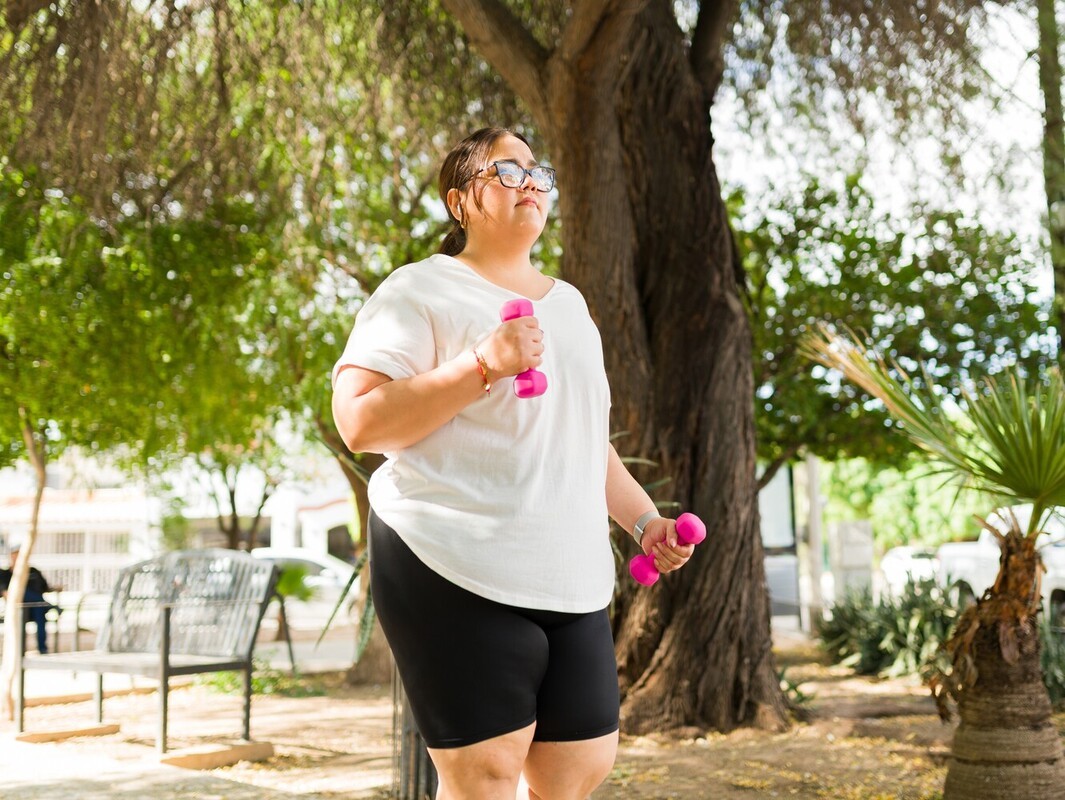
Walking supports calorie burn, but strength training protects muscle mass during weight loss. That matters. Muscle tissue helps maintain metabolic rate, which influences how many calories you burn at rest. Without resistance training, some weight loss may come from muscle rather than fat.
Aim for two to three strength sessions per week, focusing on major muscle groups such as legs, back, chest, and core. Bodyweight squats, lunges, pushups, and resistance band rows are effective starting points.
Even 20 to 30 minutes can make a difference. When walking and strength training work together, you support fat loss while preserving strength and long-term metabolic health.
3. Include Nutrition Habits That Support Step-Based Weight Loss
Increased steps can stimulate appetite. Planning meals intentionally helps maintain a calorie deficit. Prioritize protein at each meal, such as eggs at breakfast, grilled chicken or tofu at lunch, and fish or beans at dinner. Protein supports muscle repair and helps manage hunger.
Add fiber from vegetables, fruits, and whole grains to improve fullness. Balanced meals that include healthy fats also stabilize energy.
Avoid using added steps as a reason for unplanned snacking. Fueling strategically keeps progress steady. If you want guidance in building a plan that matches your activity level, connect with a Registered Sports Dietitian through Berry Street for personalized support.

4. Find Movement That Isn’t Just Walking
Walking is accessible and effective, but variety keeps your body challenged and reduces repetitive strain. Cycling, elliptical for weight loss, swimming, rowing, StairMaster for weight loss, dance classes, or recreational sports like tennis provide cardiovascular benefits while engaging different muscle groups.
These options can increase calorie burn and improve overall fitness. They may also feel more enjoyable, which supports long-term adherence.
For example, replacing one walking session per week with a 45-minute cycling class can raise intensity without adding joint stress.
Mixing activities helps prevent boredom and overuse injuries. A well-rounded movement routine supports weight loss while improving strength, endurance, and overall physical resilience.
5. Break Up Long Periods of Sitting
Hitting a step goal matters, but so does how often you move throughout the day. Long stretches of sitting can reduce overall energy expenditure and negatively affect blood sugar control, even if you walk later.
If possible, set a timer to stand or walk for five minutes every hour. Take the stairs instead of the elevator. Walk while taking phone calls. These short movement breaks can add 1,000 to 2,000 extra steps without a formal workout.
They also help maintain steady circulation and prevent stiffness. Frequent light movement keeps your metabolism more active across the day and supports the calorie deficit you are working to create.

6. Use Post-Meal Walks Strategically
A short walk after meals can improve blood sugar response and increase daily calorie burn. Even 10 to 15 minutes of light to moderate walking after lunch or dinner makes a measurable difference.
This habit is practical and time-efficient. It supports digestion and may reduce afternoon energy crashes. For individuals working toward fat loss, better blood sugar control can help manage hunger and cravings later in the day.
Three short post-meal walks can add up to 30 to 45 minutes of movement without feeling overwhelming. Small, consistent habits like this often produce more reliable results than occasional long walks.
Why You’re Not Losing Weight Even Though You’re Walking a Lot
It can feel incredibly frustrating to increase your steps and still see the scale stay the same. When that happens, it usually means something else in the energy balance equation needs attention.
Common Reasons Progress Stalls
When weight loss slows down, there is usually a clear explanation once you look closely. Several common factors can quietly offset the calories you are working hard to burn.
1. Calorie Compensation
Walking more can increase appetite. That response is normal. Your body senses higher energy output and may signal you to eat more. The challenge arises when extra snacks quietly replace the calories you just burned.
For example, a 45-minute walk might burn 200 to 300 calories depending on pace and body size. A large specialty coffee and pastry can exceed that in minutes.
Portions can also creep up without awareness. A slightly larger dinner or handful of nuts adds up over time. Tracking intake for a short period or focusing on structured meals with adequate protein can help maintain a consistent calorie deficit.
2. Low Intensity
All steps count toward movement, but pace influences calorie burn. A relaxed stroll while browsing your phone may not elevate heart rate enough to significantly increase total daily energy expenditure.
For instance, walking a mile at a slow 25-minute pace burns fewer calories than covering the same distance in 18 minutes. If most daily steps come from light household movement, the overall impact may be modest.
Adding short bursts of brisk walking, hills, or intervals can change the equation. Even 10 minutes of faster-paced walking within your routine can meaningfully increase energy output without requiring additional time.
3. Stress and Sleep
Chronic stress and inadequate sleep can quietly interfere with weight loss. Elevated stress hormones may increase cravings for high-calorie foods and reduce motivation for structured exercise.
Poor sleep can disrupt hormones such as ghrelin and leptin, which regulate hunger and fullness. As a result, appetite may rise while satiety signals weaken.
Fatigue also lowers daily movement intensity. You may still hit your step goal, but with less vigor. Prioritizing seven to nine hours of sleep, managing stress through relaxation techniques, and maintaining consistent meal timing can help regulate these hormonal shifts and support more predictable progress.
4. Lack of Strength Training
Walking increases calorie burn, but it does not provide the resistance needed to preserve muscle mass during weight loss. When calorie intake drops without strength training, some weight loss may come from lean tissue rather than fat.
Over time, reduced muscle mass can slightly lower resting metabolic rate, meaning you burn fewer calories at rest. Incorporating two to three resistance sessions per week helps counter this effect.
Exercises such as squats, lunges, rows, and presses stimulate muscle retention and growth. Maintaining muscle supports long-term calorie expenditure and improves body composition, which ultimately enhances the results you see from daily steps.

5. Adaptation Over Time
The body adapts to repeated activity. When you first increase from 3,000 to 8,000 steps, calorie burn rises noticeably. After several weeks, your body becomes more efficient at that workload. The same 8,000 steps may burn slightly fewer calories than they did initially because movement becomes more efficient.
This adaptation is normal. It simply means your body has become conditioned. To continue progressing, you may need small adjustments such as increasing pace, adding short intervals, or pairing walking with strength training.
Monitoring trends over several weeks helps identify when adaptation has occurred so you can respond strategically rather than assuming failure.
Signs Your Step Goal Needs Adjustment
Even a well-planned step goal may need fine-tuning over time. Your body and your results will usually give you clear signals when it is time to reassess.
Persistent Fatigue
Feeling tired after a long walk is normal. Feeling drained every day is not. If you are consistently exhausted, sore, or struggling to complete regular workouts, your step goal may be too aggressive. Persistent fatigue can also show up as poor sleep, irritability, or reduced motivation.
For example, if you previously handled strength training well but now feel weak or unusually sore, your recovery may be compromised.
High step counts increase the overall workload on the body. Without adequate calories, protein, hydration, and sleep, recovery suffers. Reducing daily steps slightly or adding a rest day can restore energy and improve long-term adherence.

No Progress After Several Weeks
If you have maintained consistent nutrition habits and a steady step average for four to six weeks with no change in weight or measurements, it may be time to reassess.
This doesn’t mean you’ve failed. It often signals that your body has adapted to your current activity level.
Review portion sizes and total calorie intake first. Small increases can happen gradually without awareness. If intake is appropriate, consider increasing walking intensity or adding resistance training.
Even adding 750 additional brisk steps per day can create a new stimulus. Progress requires periodic adjustment based on real data, not frustration.
Nagging Injuries
Ongoing foot, ankle, knee, or hip discomfort should not be ignored. Mild soreness after increasing activity is common, but sharp or persistent pain may indicate overuse.
Conditions such as plantar fasciitis, shin splints, or knee irritation often develop when step volume rises too quickly. For example, jumping from 5,000 to 12,000 steps daily places significant stress on connective tissue.
Proper footwear, gradual progression, and strength training for supporting muscles reduce injury risk. If pain continues despite adjustments, consult a healthcare professional. Addressing small issues early prevents longer interruptions that can derail your overall weight loss plan.
When to Look Beyond Steps Altogether
Step tracking can be helpful, but it should not create anxiety or take over your day. If you find yourself pacing late at night to hit a number, skipping social plans to protect your total, or feeling guilty on lower step days, it may be time to shift your focus. Obsessive tracking can increase stress, which may indirectly affect appetite, sleep, and recovery.
Instead, consider prioritizing movement quality. Are you walking briskly enough to raise your heart rate? Are you strength training consistently? Are your meals balanced and supportive of a calorie deficit? Long-term health depends on sustainable habits, not a single daily metric.

Steps for Weight Loss FAQs
How many miles is 10,000 steps?
For most adults, 10,000 steps equals roughly 4.5 to 5 miles, depending on stride length and height. Taller individuals may cover slightly more ground with fewer steps.
Can walking alone really lead to weight loss?
Yes, especially if you’re increasing activity from a low baseline. Results are more consistent when walking is paired with balanced, calorie-aware eating habits.
Is brisk walking better than slow walking?
Brisk walking burns more calories per minute because it raises your heart rate. Increasing your pace can make the same number of steps more effective for weight loss.
How long does it take to see results from walking?
Many people notice small changes within four to eight weeks when walking consistently. Weight loss is typically gradual and depends on overall energy balance.
Are step trackers accurate enough for weight loss goals?
Trackers are not perfectly precise, but they are reliable enough to monitor trends. Consistency matters more than the exact number displayed.
Conclusion
Step counts can be a powerful part of a weight-loss plan, but the right number depends on your starting point, your schedule, and your overall habits.
Research suggests many adults see benefits in the 7,000 to 10,000 step range, yet meaningful progress can happen below or above that depending on calorie intake, intensity, recovery, and consistency.
More steps can increase calorie burn, but sustainability always matters more than chasing the highest number on your tracker. Small increases add up. Brisk walks help. Strength training supports long-term results. The goal is a routine you can maintain without burnout.
If you want support aligning your eating habits with your activity level, connect with a Registered Dietitian covered by insurance at Berry Street to build a personalized nutrition plan that complements your steps and supports steady, realistic weight loss.