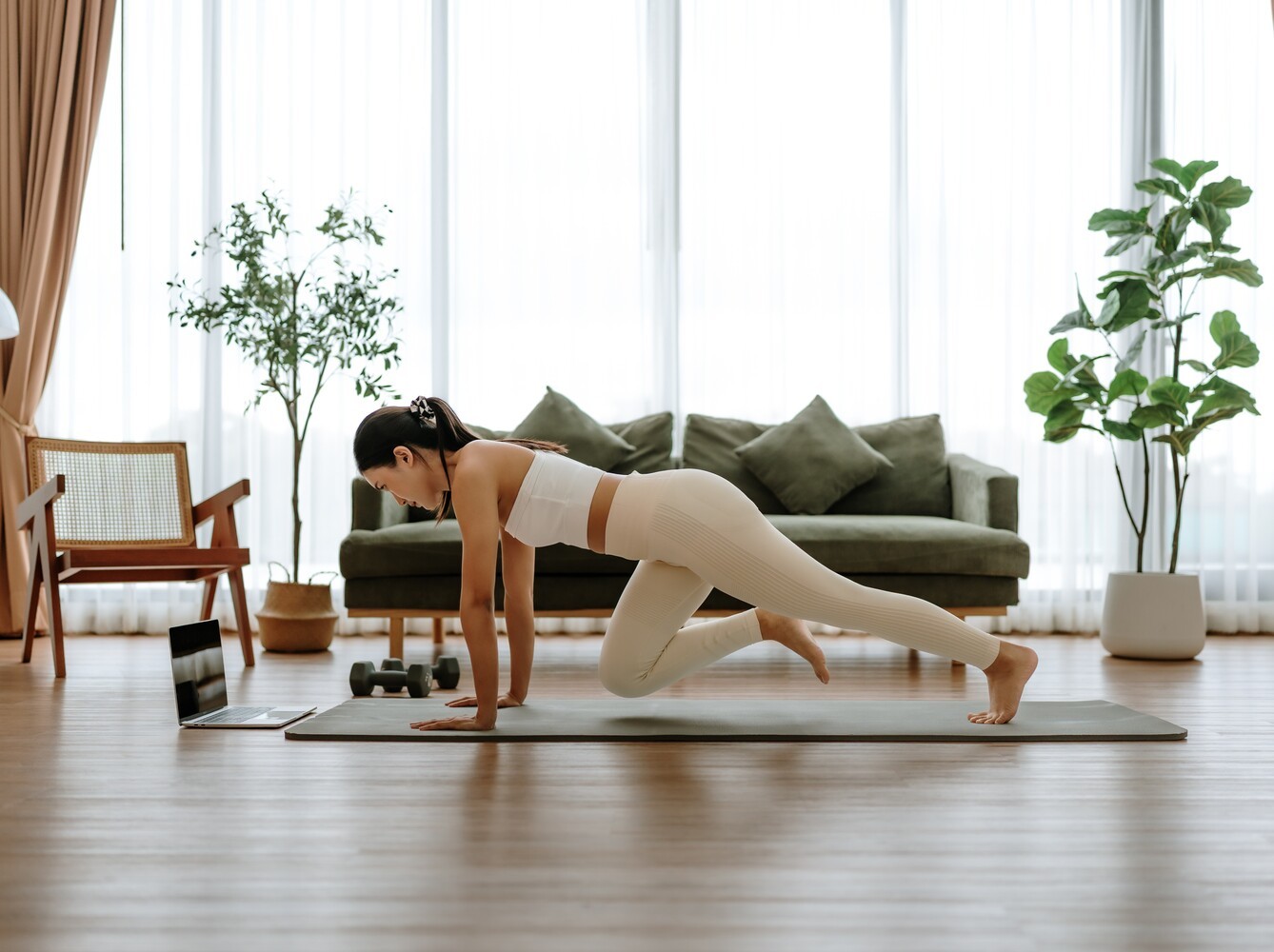
Weight loss exercises at home can be a practical and effective way to build strength, increase daily movement, and support long-term weight management without needing a gym.
We often see people feel stuck because they’re unsure where to start or assume they need complicated routines to see results. In reality, simple, well-structured workouts that combine cardio, strength, and consistency can go a long way.
As Registered Dietitians, we’ve seen how effective home workouts can be when they’re realistic and easy to stick to.
In this guide, we’ll walk through how weight loss works at home, the best exercises to include, and how to build a routine that fits your schedule so you can stay consistent and keep making progress.
Key Takeaways
Weight loss exercises at home can be effective when you stay consistent and combine cardio with strength training.
Simple, full-body movements like squats, push-ups, and walking can deliver strong results without equipment.
Progress comes from small changes over time, such as increasing reps, adjusting intensity, or improving form.
A routine that fits your schedule and energy levels is easier to maintain and leads to better long-term outcomes.
Recovery, sleep, and supportive nutrition all play an important role in helping your workouts feel effective and sustainable.

Can You Really Lose Weight With Home Workouts?
You absolutely can lose weight with home workouts. You don’t need a gym to burn calories, build strength, or improve your health. What matters is how consistently you move and how much effort you put into each session.
A simple circuit with squats, push-ups, and fast-paced cardio can elevate your heart rate and challenge your muscles. Over time, these workouts support fat loss while helping you maintain or build lean muscle.
Why At-Home Exercise Can Work for Weight Loss
Home workouts make it easier to get started and stay consistent. There’s no commute, no waiting for machines, and no pressure to keep up with others. That convenience adds up. From our experience, people are more likely to follow through when exercise feels accessible and manageable.
Many bodyweight movements also combine strength and cardio, so you’re working multiple muscle groups while keeping your heart rate up, which supports calorie burn and overall fitness.
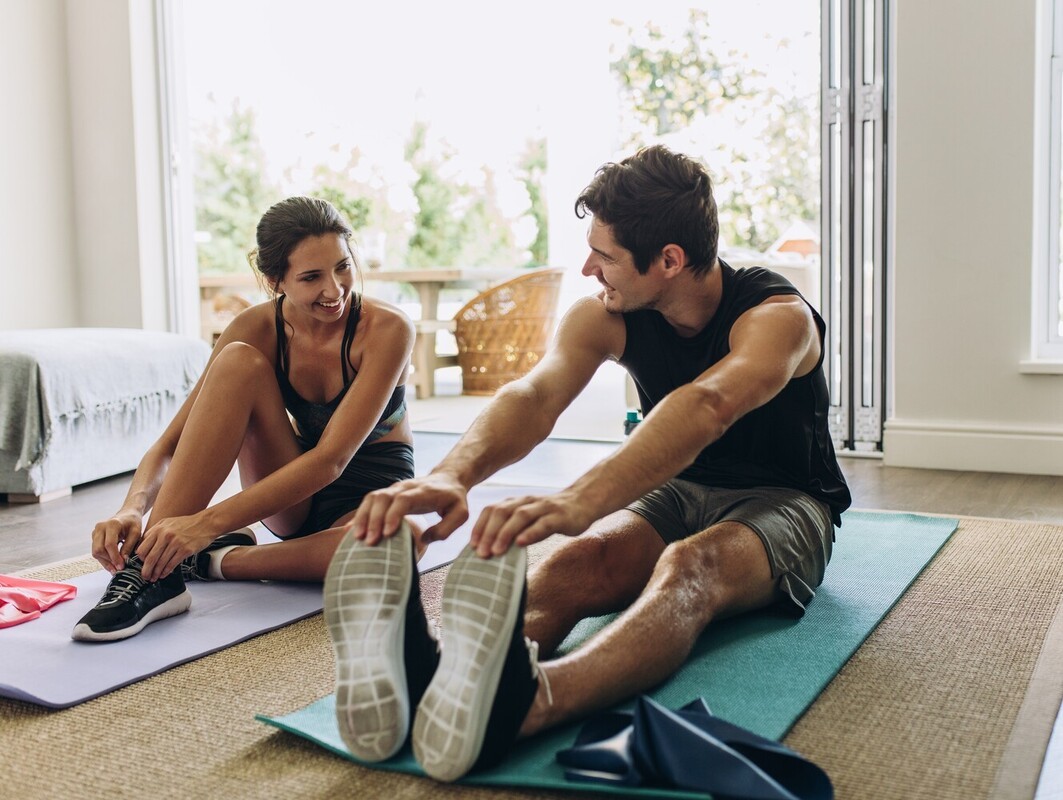
What Matters More Than Location: Consistency, Effort, and Progression
Where you exercise matters far less than how you approach your workouts. Showing up regularly is the first step. Then comes effort. You want your workouts to feel challenging, whether that’s through faster pacing or controlled strength work.
Progression is what keeps results moving forward. This can look like adding extra reps, reducing rest time, or moving from knee push-ups to full push-ups as you get stronger. Small changes like these make a big difference over time.
What to Expect From Home Workouts in the First Few Weeks
The first few weeks often bring subtle but important changes. You may notice more energy during the day or feel less winded when moving around. Strength starts to build quietly. Physical changes tend to come later, and that’s completely normal.
Some soreness is expected, especially when you’re trying new movements. Stay consistent and keep sessions manageable. Within a few weeks, most people begin to notice improved endurance, better coordination, and gradual changes in how their body feels and performs.
How Weight Loss Exercise at Home Actually Works
Weight loss comes down to creating a consistent calorie deficit while still supporting your body with enough fuel and muscle-building activity. Exercise helps increase energy output, but it also plays a role in preserving lean muscle as you lose weight. That balance matters.
In our experience, combining regular movement with strength-focused exercises leads to better long-term results than relying on calorie burn alone or short bursts of intense effort.
Cardio, Strength Training, and Daily Movement All Play a Role
Cardio increases your heart rate and helps burn calories during the workout. Strength training builds muscle, which supports your metabolism over time and helps you maintain progress. Daily movement adds another layer.
Walking around your home, doing chores, or taking short movement breaks throughout the day all contribute. These smaller actions may seem minor, but they add up and can make a meaningful difference in overall energy expenditure.
Why Full-Body Workouts Tend to Work Best at Home
Full-body workouts are efficient and practical, especially when time or space is limited. Exercises like squats, push-ups, and lunges target multiple muscle groups at once, which helps increase your heart rate while building strength. You get both cardio and resistance training in a single session. This makes it easier to stay consistent.
It also removes the need to follow complex workout splits, which can feel overwhelming when you’re just getting started at home.
The Difference Between Burning Calories and Building a Sustainable Routine
Focusing only on calorie burn can lead to inconsistent habits. A tough workout might feel productive, but it doesn’t always translate into long-term results if it’s hard to repeat. What works better is building a routine you can stick with week after week.
This could mean shorter workouts on busy days or alternating between higher and lower intensity sessions. Consistency, even at moderate intensity, often leads to better progress than occasional intense efforts.
Why Recovery, Sleep, and Nutrition Still Matter
Exercise is important, but recovery, sleep, and nutrition directly affect how your body responds to it. Sleep supports hormone balance, energy levels, and muscle repair after workouts. Nutrition fuels performance and helps regulate appetite throughout the day. Without these in place, progress can slow even if you’re exercising regularly.
As Registered Dietitians, we often see better outcomes when these areas are aligned. You can connect with a Registered Weight Loss Dietitian through Berry Street for a personalized 7-day meal plan tailored to your routine.
The Best Weight Loss Exercises at Home
Finding the right exercises can make home workouts feel more effective and easier to stick with. The following moves are simple, require little to no equipment, and can help you build strength while increasing calorie burn:
1. Jumping Jacks
Jumping jacks are a simple way to get your heart rate up quickly and warm up your entire body. They work your legs, shoulders, and core while adding a light cardio boost. You can start at a steady pace, then increase speed as you feel more comfortable.
If jumping feels too intense, step one foot out at a time instead. This small adjustment still keeps the movement effective while making it more joint-friendly.
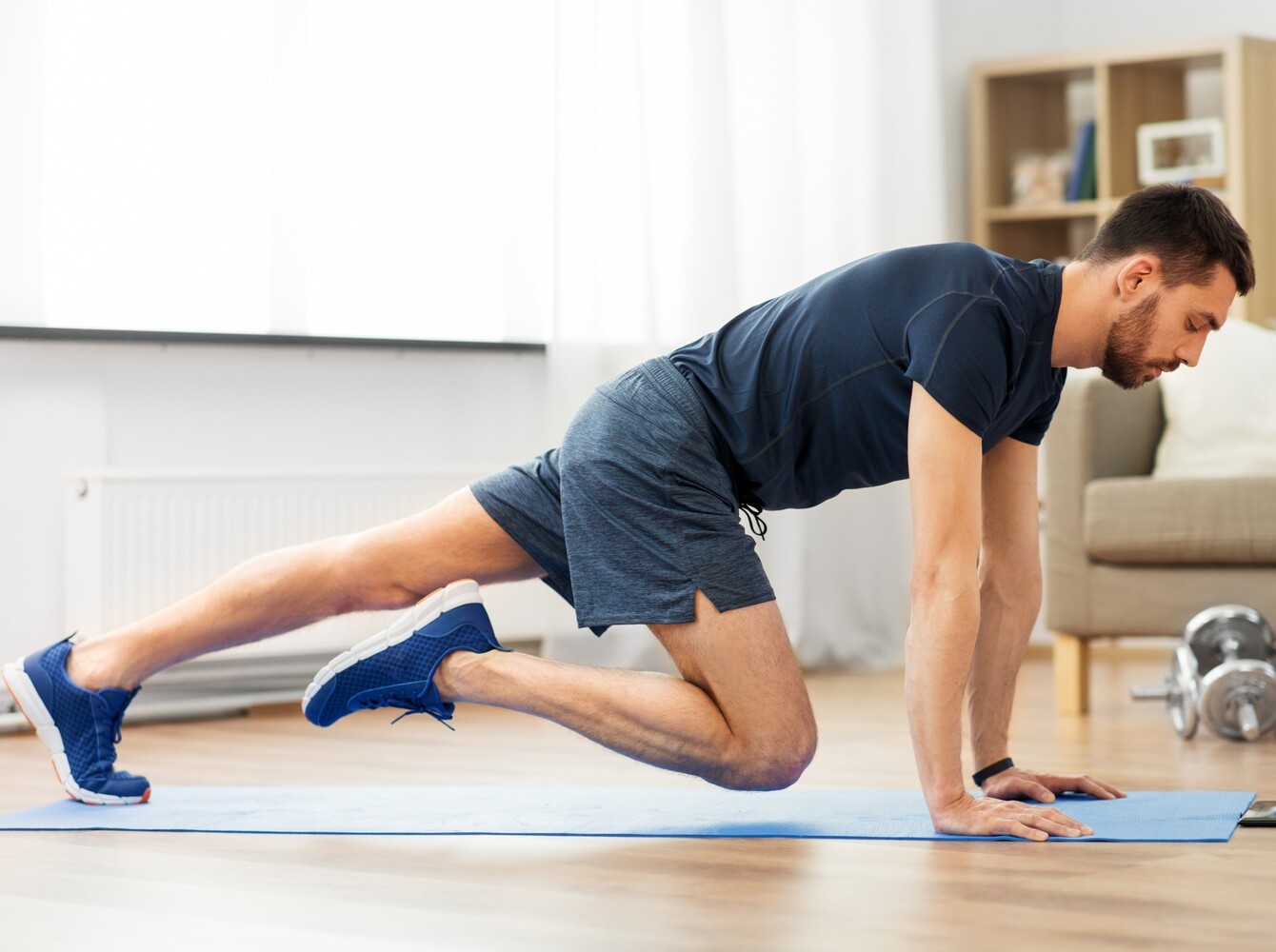
2. Mountain Climbers
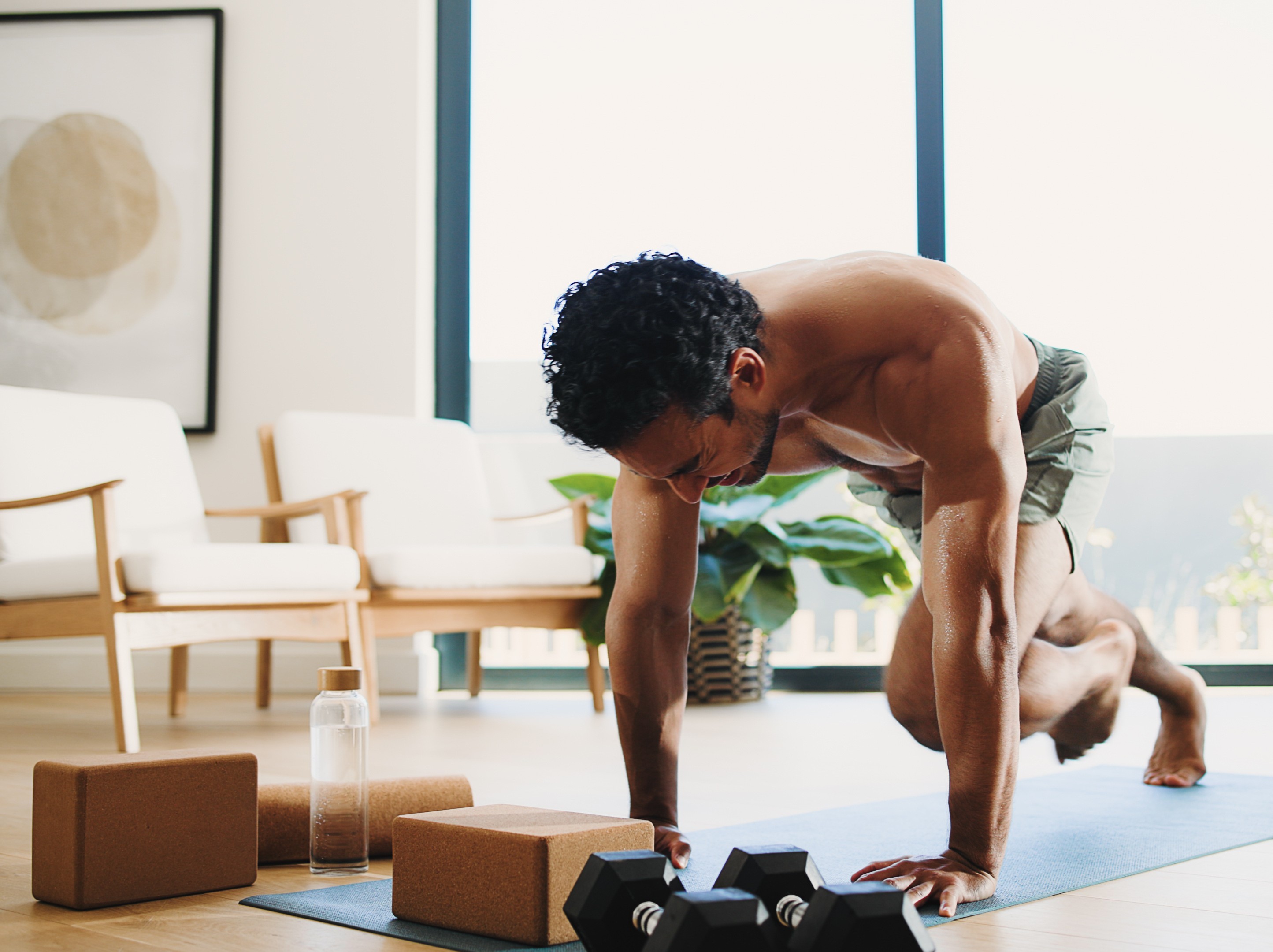
Mountain climbers bring together core strength and cardio in one efficient movement. Starting in a plank position, you alternate driving your knees toward your chest while keeping your upper body stable.
This challenges your shoulders, core, and legs all at once. Moving at a steady pace builds endurance, while faster intervals increase intensity. If needed, you can slow the movement down to maintain good form and reduce strain.
3. High Knees
High knees are a great way to combine cardio with core engagement. As you drive your knees up toward your chest, your abs and hip flexors stay active while your heart rate climbs. Keep your chest upright and pump your arms to build momentum.
You can go faster for a higher intensity or slow it down to focus on control. Even short bursts of high knees can leave you feeling challenged and energized.
4. Burpees
Burpees are a full-body exercise that quickly raises your heart rate while building strength. You move from standing to a squat, then into a plank, and back up again in one continuous flow. This sequence challenges your legs, core, and upper body in a short amount of time.
You can remove the jump at the top or step back instead of jumping to make it more manageable while still keeping the movement effective.
5. Reverse Lunges
Reverse lunges are a great option for building lower-body strength while being easier on your knees than forward lunges. Stepping backward allows for better control and stability, which can help you maintain proper form.
This movement targets your glutes, hamstrings, and quads while also challenging your balance. You can hold onto a wall or chair for support if needed, then progress by increasing reps or adding a pause at the bottom.
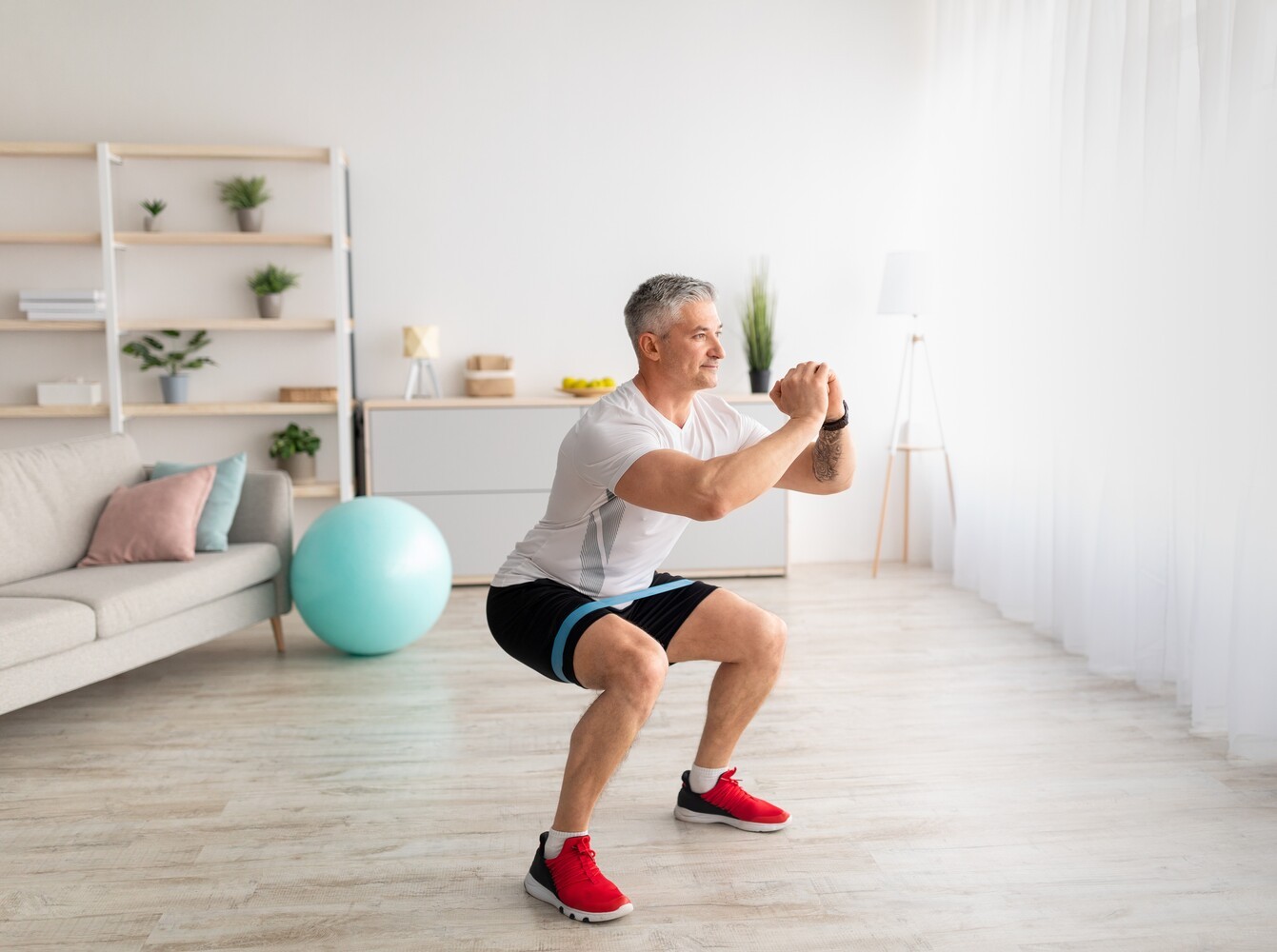
6. Bodyweight Squats
Bodyweight squats are a foundational movement that targets your glutes, quads, and core. Lowering your hips back and down helps build strength while improving balance and mobility. Focus on keeping your chest lifted and your weight evenly distributed through your feet.
You can adjust depth based on comfort, or pause at the bottom to increase difficulty. Over time, adding reps or a resistance band, or slowing the movement can make this exercise more challenging.
7. Step-Ups
Step-ups are a practical, functional movement that mimics everyday activities like climbing stairs. Using a sturdy chair, bench, or step, you push through one leg to lift your body up, then step back down with control.
This exercise strengthens your glutes and thighs while also raising your heart rate. You can alternate legs for balance or focus on one side at a time. To increase intensity, move faster or add an extra knee drive at the top.
8. Push-Ups
Push-ups are a powerful upper-body exercise that also engages your core. As you lower and lift your body, your chest, shoulders, and arms do most of the work while your core helps stabilize.
If full push-ups feel too challenging, you can modify by dropping to your knees or using a wall or countertop. Focus on keeping your body in a straight line. Over time, building strength here can improve posture and overall upper-body endurance.
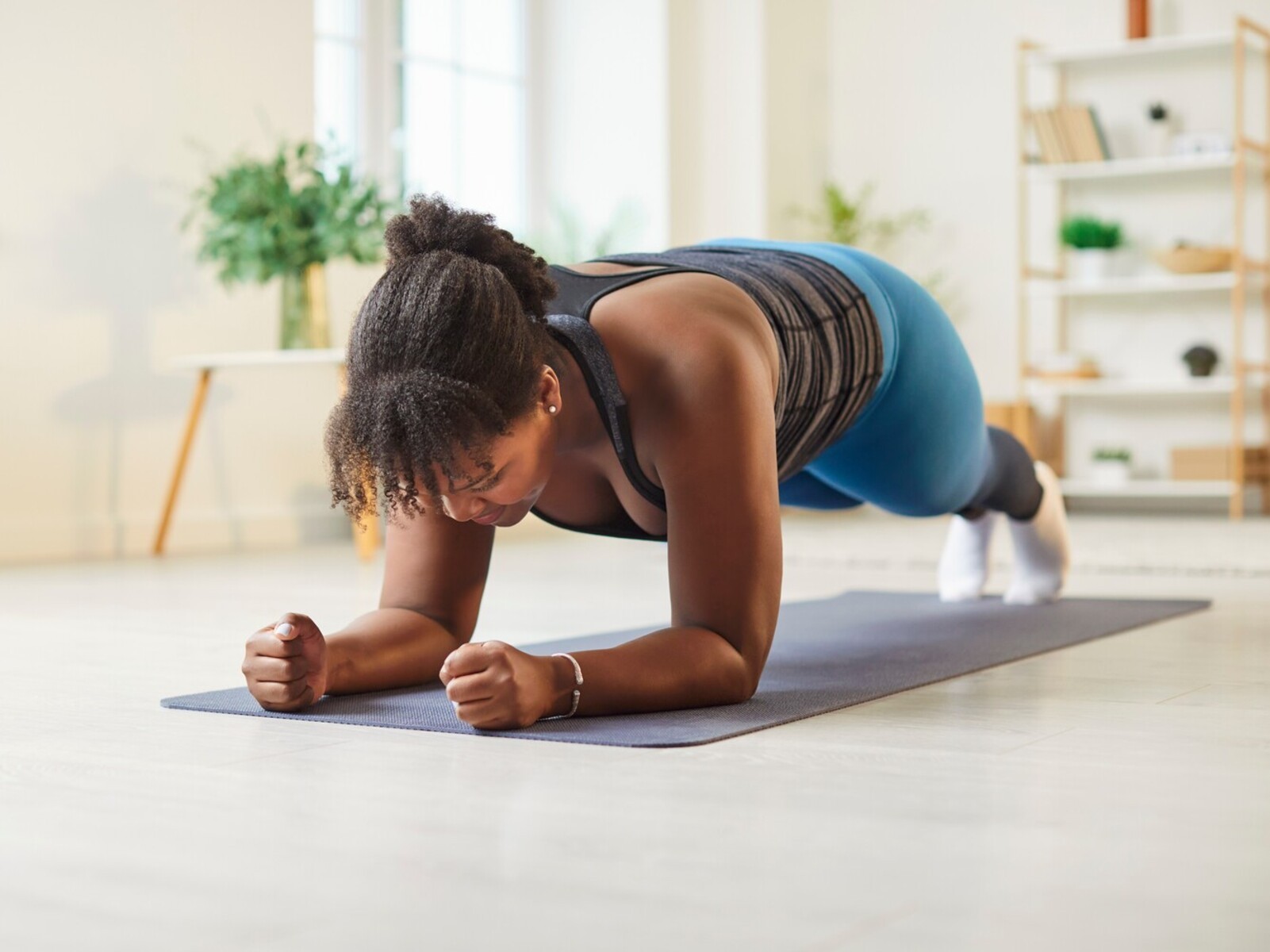
9. Plank Variations
Planks are excellent for building core stability and improving overall strength. Holding a plank position engages your abs, shoulders, and back while teaching your body to stay stable under tension.
You can start with a basic forearm plank, then progress to side planks or add shoulder taps for more challenge. Keeping your hips level and your core tight is key. Even short holds can feel intense when done with proper form and focus.
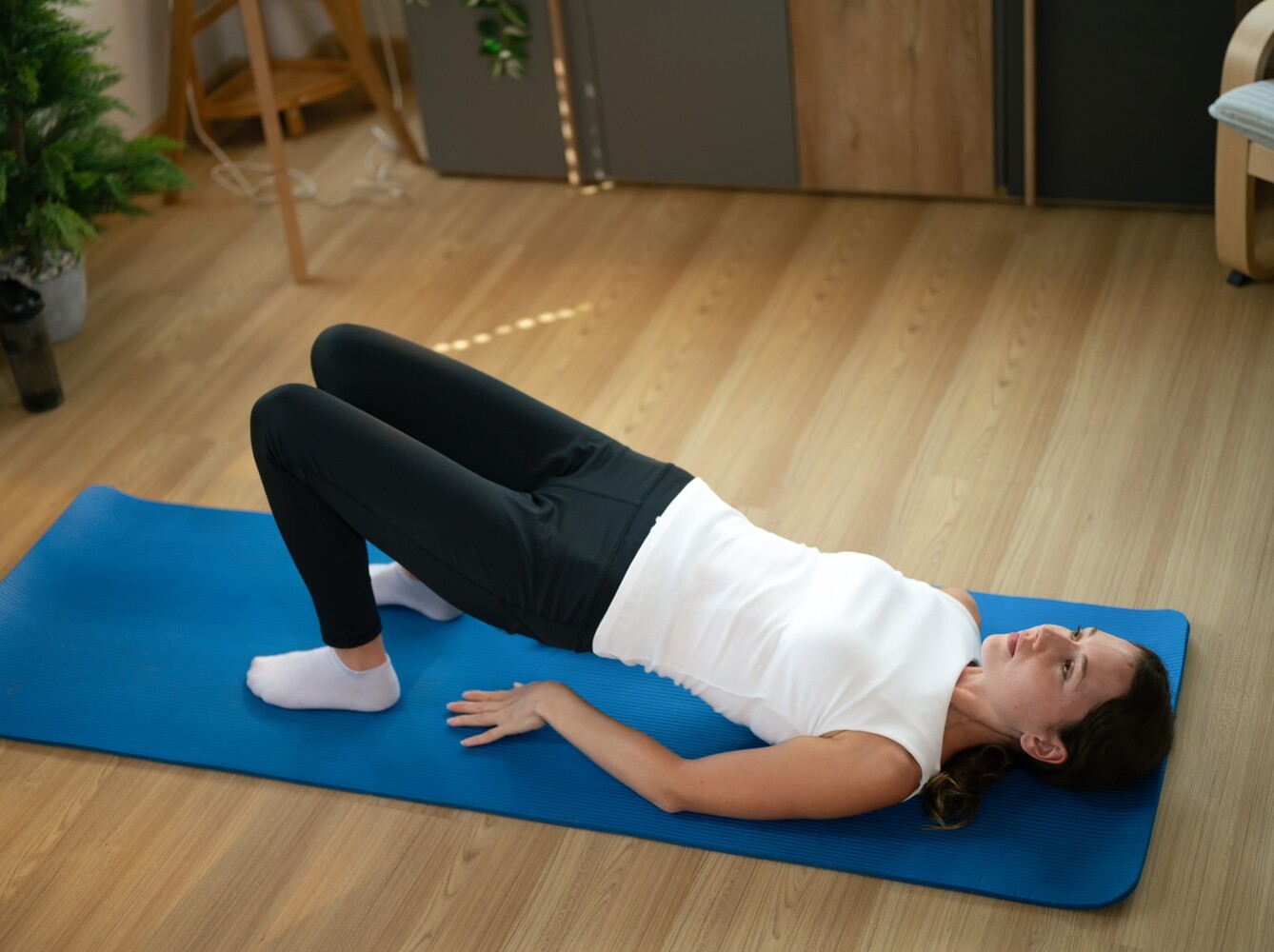
10. Glute Bridges
Glute bridges are a simple but effective way to strengthen your glutes and support your lower back. Lying on your back with your feet planted, you lift your hips upward by squeezing your glutes.
This movement is especially helpful if you spend long hours sitting, as it activates muscles that often become underused. You can hold at the top for a few seconds or add extra reps to increase difficulty. Consistent practice can improve strength and stability.
11. Fast Marching or Power Walking Indoors
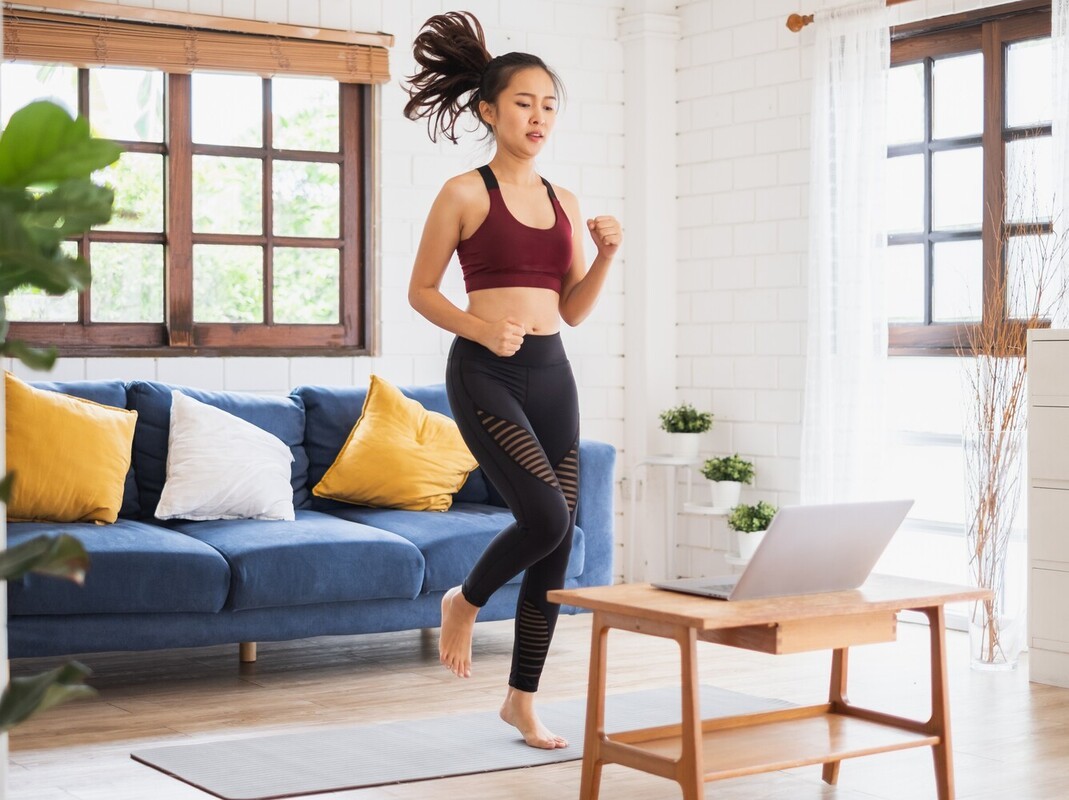
Fast marching or power walking indoors is an easy way to stay active without needing much space. By picking up your pace and swinging your arms, you can raise your heart rate and increase calorie burn.
It may feel simple, but done consistently, it adds up. You can turn on music or set a timer to stay engaged. This is a great option for beginners or for days when you want a lower-impact workout.
How to Choose the Right Exercises for Your Fitness Level
Choosing the right exercises can make your routine feel manageable instead of overwhelming. When your workouts match your fitness level, you’re more likely to stay consistent and see steady progress.
1. Current Fitness Level
Starting at the right level makes a big difference in how your workouts feel and how long you stick with them. If you’re new to exercise, focus on simple movements like squats, marching in place, and wall push-ups. Short sessions are enough in the beginning.
As Registered Dietitians, we often see better progress when people build confidence first, then increase intensity. Gradually adding reps or trying harder variations helps you improve without feeling overwhelmed.
2. Joint Health and Mobility
Joint comfort matters more than pushing through discomfort. If you have knee, hip, or ankle concerns, choosing lower-impact movements can help you stay consistent without unnecessary strain. Exercises like step-ups, glute bridges, or slow marching can still elevate your heart rate while protecting your joints.
Paying attention to how your body feels during and after workouts can guide your choices. Small adjustments often make workouts more sustainable and easier to repeat.
3. Available Space
Limited space doesn’t mean limited results. Many effective exercises can be done in a small area, including squats, planks, and standing cardio movements. You don’t need a full workout room to get started.
From our experience, having a simple setup that’s easy to access makes it more likely you’ll follow through. Even a few square feet can support a full-body routine when you choose movements that don’t require large ranges of motion.
4. Time Availability
Your schedule plays a big role in how consistent you can be. Short workouts can still be effective when done regularly. A focused 15 to 20-minute session with minimal rest can elevate your heart rate and challenge your muscles.
Planning workouts around your day helps remove decision fatigue. Whether it’s early morning or a quick session between tasks, building a routine that fits your time makes it easier to stay on track.
5. Enjoyment and Exercise Preferences
Enjoyment plays a bigger role than most people expect. If you don’t like the exercises you’re doing, it becomes harder to stay consistent over time. Choosing movements you find engaging, like shadow boxing or step-based cardio, can make workouts feel less like a chore.
People who enjoy their workouts are more likely to stick with them. Trying different styles can help you find what feels right for you.
How to Combine Cardio and Strength Moves for Better Results
Combining cardio and strength exercises can make your workouts more efficient and help you get better results in less time. When you structure your sessions thoughtfully, you can build strength while keeping your heart rate elevated throughout.
1. Alternate Between Cardio and Strength
Alternating between cardio and strength moves helps you keep your heart rate up while giving specific muscles a brief break between exercises. For example, you might do squats, then jumping jacks, followed by push-ups and high knees.
This setup keeps the workout moving and makes efficient use of your time. It also helps shorter sessions feel more productive. From our experience, this format can make home workouts feel more engaging and easier to repeat consistently.
2. Use Circuits
Circuit training means moving through several exercises in a row with very little rest between them. A simple circuit could include lunges, mountain climbers, glute bridges, and planks, followed by a short recovery break before repeating. This style of training keeps your body active and your workouts efficient. It’s also helpful when you don’t have much time.
Instead of overthinking your plan, you can repeat a small group of exercises and still get a strong full-body workout.
3. Adjust Intensity
Adjusting intensity helps you match your workout to your energy level, fitness level, and recovery needs. Some days, you may feel ready for faster intervals and more challenging combinations.
Other days, slower strength work or low-impact cardio may be the better choice. That flexibility matters. It can help you stay active without burning out. For example, you might do high knees and burpees one day, then choose marching, squats, and planks when your body needs a lighter session.
4. Focus on Form Before Speed
Moving faster can make a workout feel harder, but strong form should always come first. Controlled movement helps you target the right muscles and lowers the risk of injury.
For example, a slow squat with a full range of motion will usually do more for your strength than rushing through shallow reps. The same goes for push-ups, lunges, and planks. Once your technique feels solid, you can gradually increase speed or add more reps to raise the challenge.
5. Structure Your Work and Rest Intervals
The way you organize work and rest periods can make a big difference in how your workout feels. Shorter rest keeps your heart rate elevated, while slightly longer recovery can help you maintain good form during strength exercises.
You might do 30 seconds of work followed by 15 seconds of rest, then repeat for four or five rounds. This structure gives your workout a clear rhythm and makes it easier to stay focused from start to finish.
Simple and Easy Exercises to Lose Weight at Home
Getting started with simple exercises can make weight loss feel more approachable and less overwhelming. These options are easy to follow, require minimal setup, and can be adjusted as you build strength and confidence:
The Best Beginner-Friendly Moves to Start With
Starting with simple, familiar movements can help you build confidence and stay consistent. These exercises are easy to learn and can be adjusted as you improve:
Bodyweight squats: Strengthen your legs and glutes while improving balance and coordination.
Wall push-ups: A gentle way to build upper-body strength without too much strain.
Marching in place: Keeps your body moving and raises your heart rate at a manageable pace.
Glute bridges: Activate your glutes and support lower back strength.
Seated knee lifts: Engage your core while staying supported.
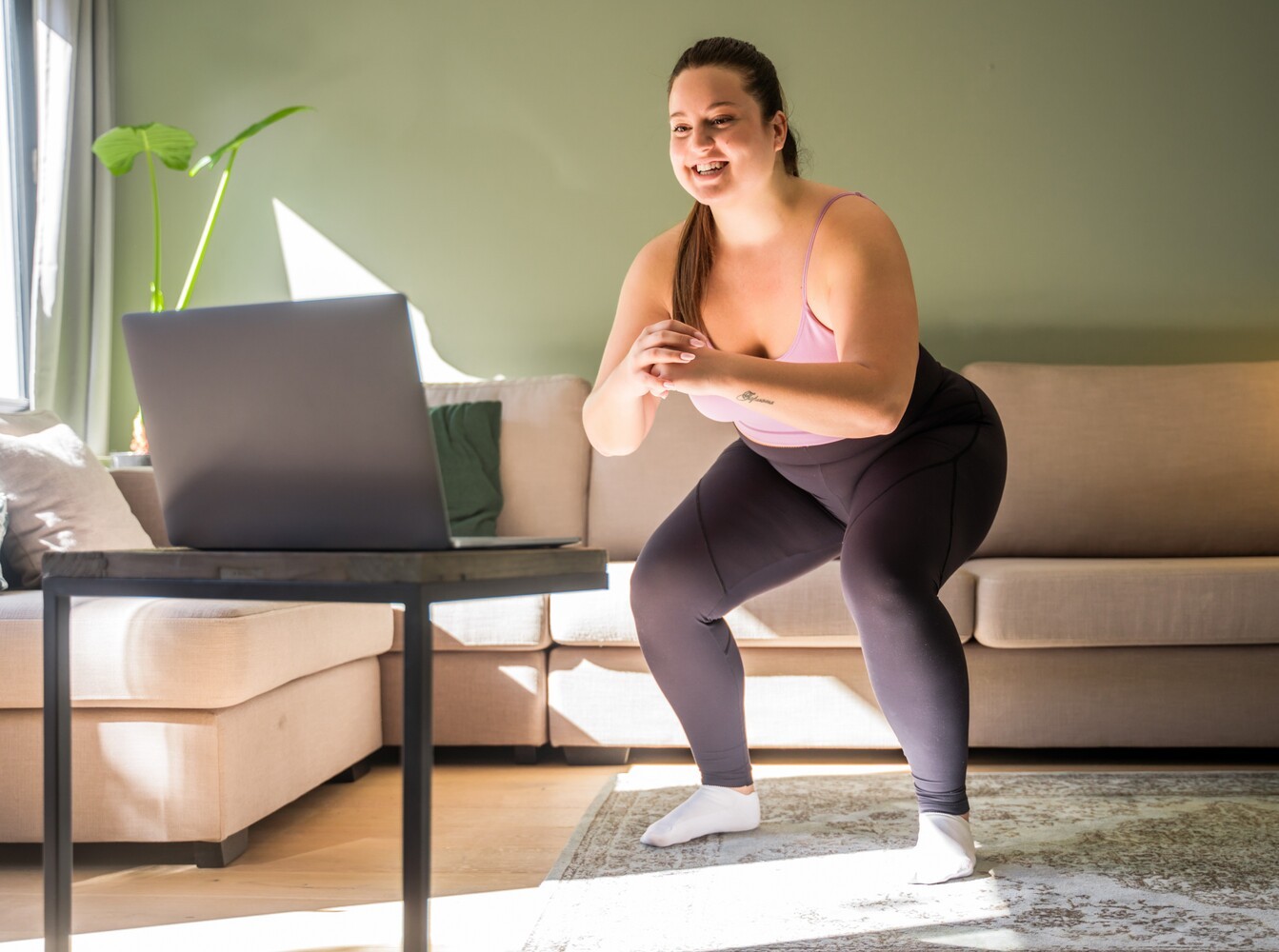
Standing Exercises for Small Spaces
Even with limited space, you can still get an effective workout. These standing exercises require minimal room and can be adjusted based on your fitness level:
High knees: Increase your heart rate while working your core and legs.
Standing side leg raises: Strengthen your hips and improve stability.
Shadow boxing: Adds variety while engaging your upper body and core.
Calf raises: Build lower leg strength and support balance and stability.
Seated or Supported Modifications for New Exercisers
If you need extra support, seated and assisted movements can still provide meaningful results. These options reduce strain while helping you stay active and build strength over time:
Seated marches: Keep your legs moving while reducing pressure on joints.
Chair squats: Practice squat form with added stability and control.
Wall push-ups: Strengthen your upper body in a supported position.
Seated arm raises: Improve shoulder strength and mobility with simple movement.
How to Make Easy Workouts More Challenging Over Time
As you get stronger, small changes can help keep your workouts effective without needing new exercises. Progression is key to continued results.
Increase reps or duration: Gradually build endurance by doing more over time.
Reduce rest time: Keep your heart rate elevated between exercises.
Add tempo: Slow down movements to increase muscle engagement.
Progress to harder variations: Try more advanced versions to continue improving strength and fitness.
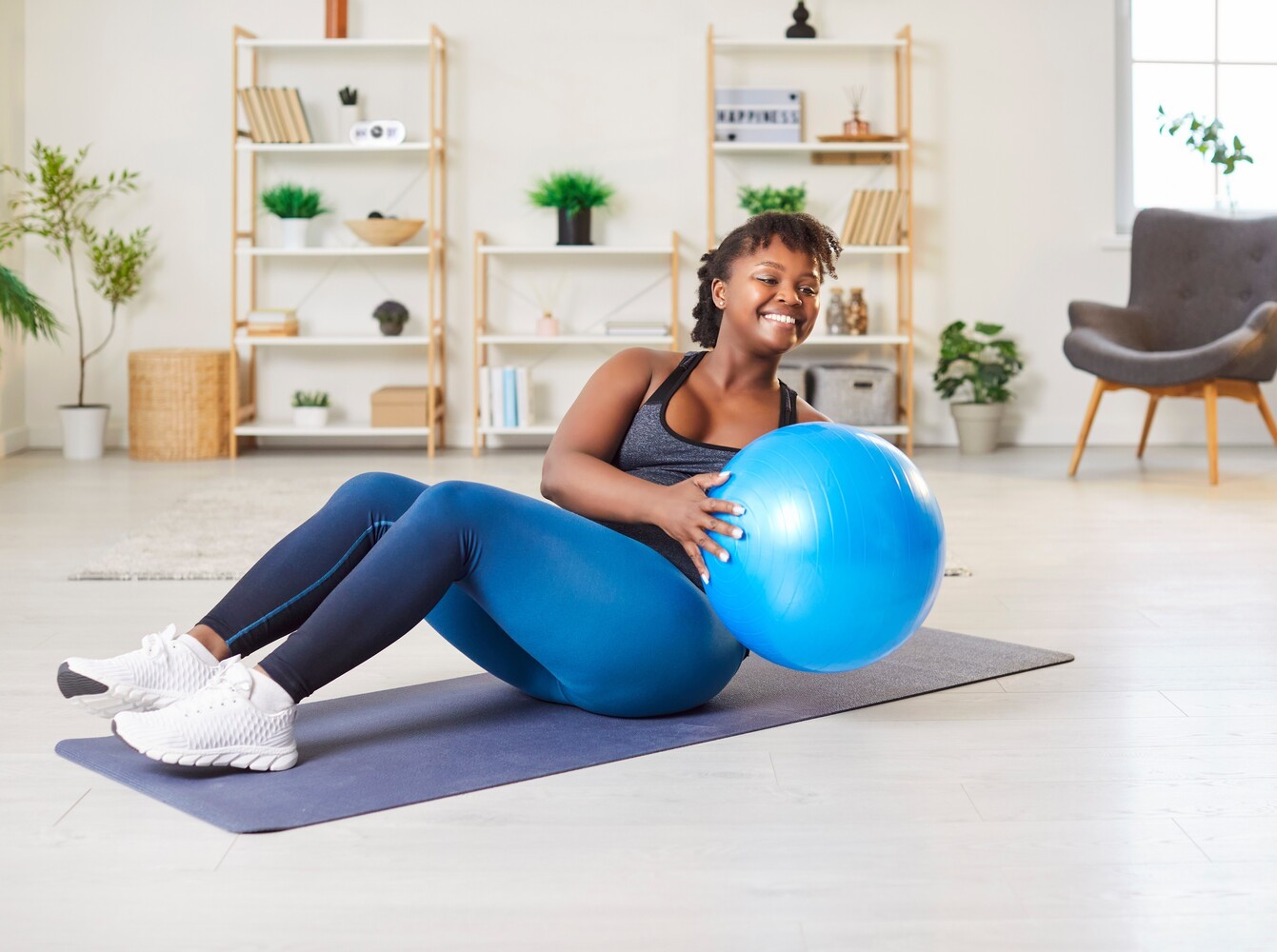
Beginner Weight Loss Workouts at Home
Building a simple workout routine can make it much easier to stay consistent and see progress over time. When your plan feels clear and manageable, you’re more likely to follow through week after week.
What a Good Beginner Workout Should Include
A good beginner workout should feel structured but not overwhelming, with a clear start, middle, and finish. Begin with a short warm-up like marching or light movement to prepare your body. Then include a mix of strength exercises such as squats and push-ups, along with simple cardio to raise your heart rate.
Keep the pace manageable. Finish with a few minutes of stretching to support recovery and help your body feel ready for the next session.
A 20-Minute Beginner Routine
This routine keeps things simple while giving you a balanced mix of cardio and strength. It’s short enough to fit into a busy day but still effective when done consistently. Move at a pace that feels challenging but manageable.
3 minutes marching or walking in place: Gradually raise your heart rate and warm up your muscles.
10 squats: Build lower-body strength and improve stability.
8 push-ups (modified if needed): Strengthen your upper body and core.
20 seconds high knees: Add a quick burst of cardio.
20-second plank: Engage your core and improve control.
Repeat for 3 rounds, then stretch: Helps reinforce consistency and supports recovery.
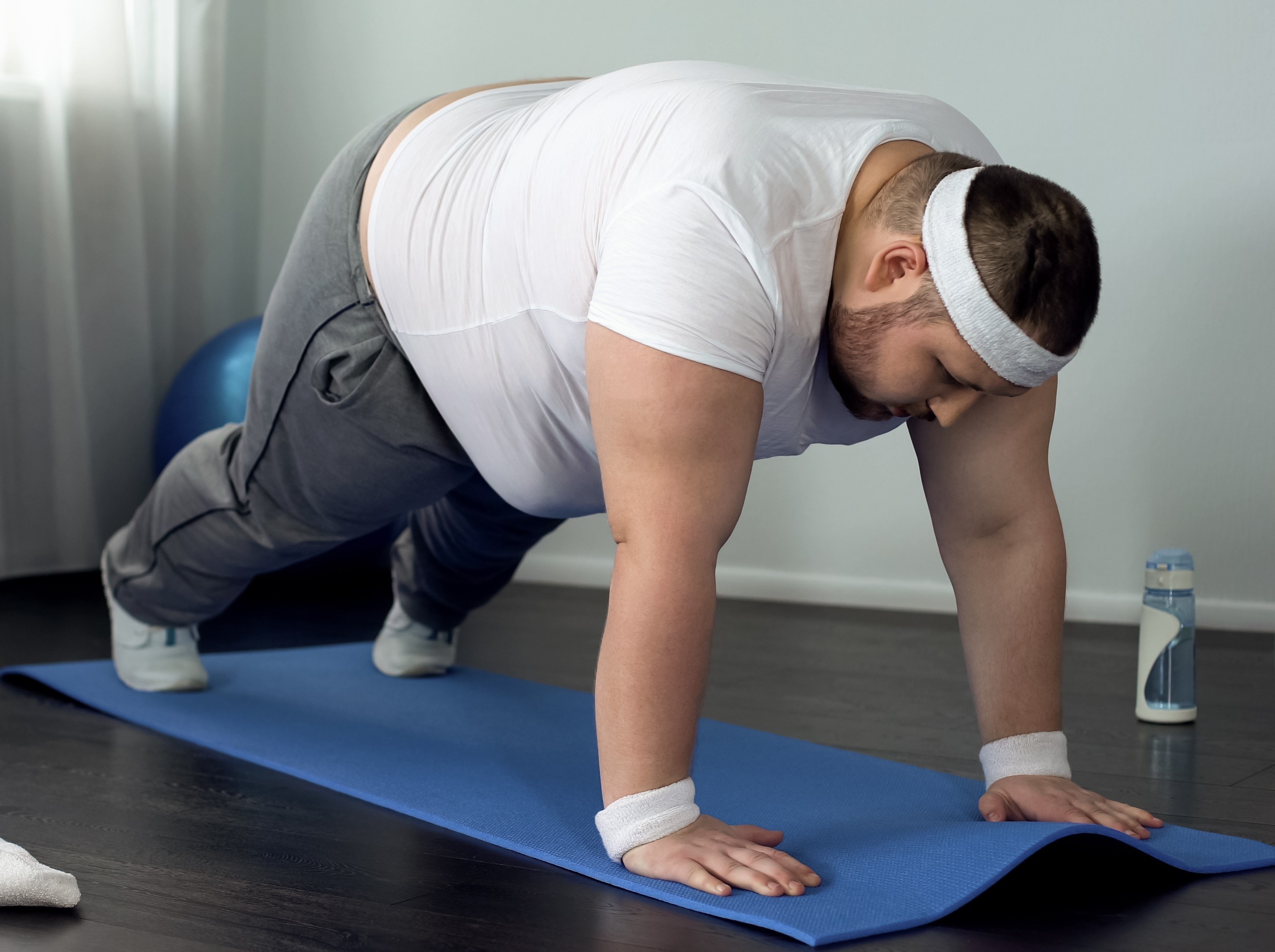
A Beginner Weekly Schedule You Can Actually Stick To
A simple weekly structure helps remove guesswork and makes it easier to stay consistent. The goal is to balance activity with recovery so your body can adapt over time.
Monday: Full-body workout: Focus on strength and light cardio to start the week strong.
Tuesday: Walking or light movement: Keep your body active without adding strain.
Wednesday: Strength + cardio: Repeat a short circuit to build consistency.
Thursday: Rest or gentle movement: Allow time for recovery while staying lightly active.
Friday: Full-body workout: Reinforce progress with another structured session.
Weekend (optional activity): Choose something enjoyable like walking or stretching to stay engaged.
Common Mistakes That Can Hold Back Weight Loss at Home
Even with the best intentions, a few common habits can slow down your progress without you realizing it. Being aware of these mistakes can help you make small adjustments that lead to more consistent and effective results.
1. Doing the Same Workout Every Day
Repeating the same workout every day can slow your progress more than you might expect. Your body adapts quickly to familiar movements, which means you gradually burn fewer calories and build less strength over time.
Adding variety keeps your muscles challenged and your workouts engaging. You might alternate between strength-focused sessions and cardio circuits, or change your exercise order. Small changes like these can help you continue making steady progress without feeling stuck.
2. Focusing Only on Sweat or Soreness
It’s easy to associate a good workout with sweating a lot or feeling sore the next day, but those aren’t always reliable signs of progress. You can have an effective session without heavy sweating, especially during strength training.
What matters more is whether you’re gradually improving. This could look like better form, increased reps, or shorter rest periods. Tracking these changes over time gives you a clearer picture of how your body is adapting.
3. Ignoring Strength Training
Skipping strength training can limit your long-term results, especially when your goal is weight loss. Building muscle supports your metabolism and helps your body use energy more efficiently throughout the day.
Including exercises like squats, lunges, and push-ups a few times each week can make a noticeable difference. Strength work also improves balance and daily movement. Over time, this can make everyday tasks feel easier while supporting more consistent progress.
4. Starting Too Hard and Burning Out
Starting with high-intensity workouts right away can feel motivating at first, but it often leads to fatigue and frustration. When workouts feel too difficult, it becomes harder to stay consistent.
Beginning with shorter, manageable sessions gives your body time to adapt and helps build confidence. You might start with 15 to 20-minute workouts and gradually increase intensity. This approach supports steady progress and makes it easier to maintain a routine over time.
5. Neglecting Nutrition
Exercise is important, but nutrition plays a major role in how your body responds and recovers. Without enough fuel, workouts can feel harder, and energy levels may drop throughout the day. Balanced meals that include protein, carbohydrates, and healthy fats help support performance and recovery.
We often see better results when these habits align. If you want more personalized support, a Registered Intuitive Eating Dietitian at Berry Street can help you build a plan that fits your lifestyle.
6. Expecting Spot Reduction
Many people focus on losing fat in specific areas, such as the stomach or thighs, but the body doesn’t work that way. Fat loss tends to happen gradually across the body based on overall energy balance and individual factors.
While exercises can strengthen certain muscles, they don’t directly reduce fat in one spot. A consistent routine that includes both cardio and strength training supports more balanced changes in body composition over time.
7. Underestimating Rest and Recovery
Rest and recovery are essential parts of any effective workout routine. When you exercise, your muscles need time to repair and rebuild. Skipping rest days or pushing through constant fatigue can lead to decreased performance and a higher risk of injury.
Prioritizing sleep and spacing out intense sessions can help your body recover properly. Over time, this allows you to train more effectively and maintain consistency without feeling run down or overwhelmed.

Cardio Workouts at Home for Weight Loss: Why Are They Important?
Cardio workouts play an important role in weight loss because they help increase calorie burn and improve overall fitness. They also support heart health and make it easier to stay active for longer periods.
When done consistently, cardio can boost endurance and complement strength training, helping you create a more balanced and effective routine at home.
The Best At-Home Cardio Exercises With No Equipment
You don’t need equipment to get an effective cardio workout at home. These exercises are simple, accessible, and can quickly raise your heart rate in a small space:
Jumping jacks
High knees
Burpees
Mountain climbers
Jump rope (real or simulated)
Low-Space Cardio Ideas for Apartments or Shared Homes
Small spaces can still support effective workouts with the right approach. These low-space cardio ideas keep movement controlled while helping you stay active without needing much room:
Marching in place
Step-touch movements
Shadow boxing
Low-impact circuits
How Long Should Cardio Workouts Be?
Most people benefit from 20 to 30 minutes of cardio per session, especially when done consistently throughout the week.
That said, shorter workouts can still be effective if you increase intensity or reduce rest time. A 10 to 15-minute session with higher effort can still raise your heart rate and support calorie burn. The key is finding a duration that fits your schedule so you can stay consistent.
When Cardio Alone Is Enough and When It Isn’t
Cardio can support weight loss in the early stages, especially if it helps increase your overall activity level. Over time, though, relying on cardio alone may limit progress. Adding strength training helps build muscle, which supports metabolism and long-term results.
A balanced routine that includes both tends to be more effective. This combination also helps improve strength, endurance, and overall fitness.
What Is HIIT and Why Is It Popular?
HIIT stands for high-intensity interval training, where short bursts of effort are followed by brief recovery periods. It’s popular because it’s time-efficient and can deliver strong results in a shorter workout. Many people like that it can be done at home with no equipment, while still helping improve fitness and support weight loss goals.
Benefits of HIIT
HIIT offers several advantages, especially if you’re short on time but still want an effective workout:
Time-efficient workouts
Increased calorie burn
Improved cardiovascular fitness
Can be done without equipment
The Best HIIT Moves to Do at Home
Choosing the right exercises can make your HIIT workouts more effective and easier to follow. These moves are simple and can be adjusted based on your fitness level:
Burpees
Mountain climbers
Jump squats
High knees
A 15-Minute HIIT Workout for Weight Loss
A short HIIT workout can still deliver strong results when structured properly. This routine is designed to be quick, efficient, and easy to follow at home:
30 seconds work, 30 seconds rest
Rotate through: burpees, squats, high knees, mountain climbers
Repeat for 3–4 rounds
How Often to Do HIIT Without Overdoing It
HIIT is effective, but it also places a higher demand on your body, so recovery matters. For most people, 2 to 3 sessions per week is enough to see results without increasing fatigue. On the other days, you can focus on strength training, walking, or lower-intensity movement.
This balance helps you stay consistent while giving your body time to recover and perform well in each session.
Who Should Skip HIIT or Modify It
HIIT may not be the best starting point for everyone. Beginners, people with joint discomfort, or those returning from injury may benefit from lower-impact options first. You can still use interval training by alternating between moderate effort and rest, such as brisk walking and slower pacing.
This approach reduces strain while still improving fitness. Building a solid foundation first makes it easier to progress safely over time.
When Low-Impact Training Is the Better Choice
Low-impact training can be a great option when you want to stay active without placing extra stress on your joints. It’s especially helpful if you’re new to exercise, managing discomfort, or recovering from more intense workouts.
Movements like walking, controlled strength exercises, swimming for weight loss, and low-impact cardio can still raise your heart rate and support weight loss while allowing your body to recover and stay consistent.
Joint-Friendly Cardio Options That Still Raise Your Heart Rate
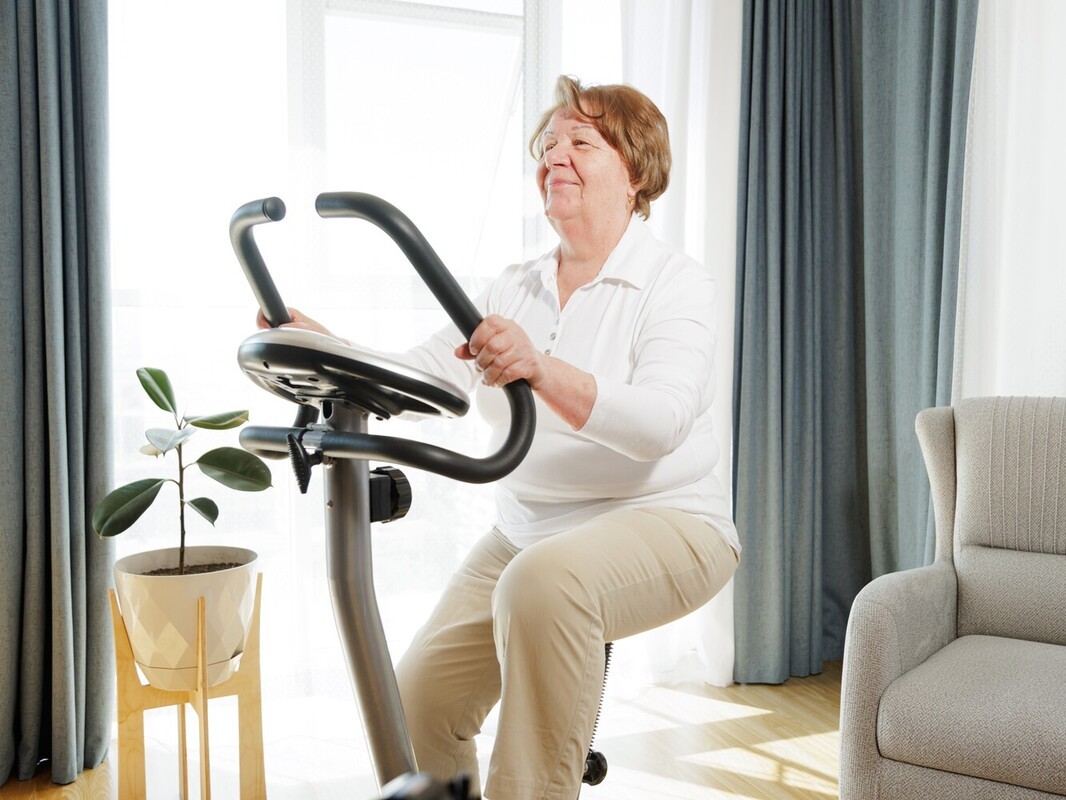
Joint-friendly options, such as cycling to lose weight, can help you stay active while being mindful of joint comfort and overall impact. They keep your heart rate elevated without relying on jumping or fast, high-impact movements:
Low-impact step touches or side steps
Stationary cycling (if available)
Walking at a brisk pace
Marching in place
Low-impact dance or aerobic routines
Swimming or water-based movement (if accessible)
How to Exercise With Bad Knees at Home
Working out with knee discomfort can still be effective when you focus on the right movements and adjustments. These steps can help you stay active while reducing strain on your joints:
Start with a gentle warm-up: Begin with light movement like marching in place or slow walking for a few minutes. This helps loosen your joints and prepares your body for exercise.
Choose low-impact exercises: Focus on movements like glute bridges, step-ups on a low surface, or seated leg lifts. These build strength while keeping pressure off your knees.
Keep movements controlled: Move slowly and with control during each exercise. This helps improve stability and reduces unnecessary stress on your joints.
Use support when needed: Hold onto a chair or wall during exercises like squats or lunges. This can improve balance and make movements feel more manageable.
Work within a comfortable range: Avoid going too deep into movements if it causes discomfort. Gradually increase the range as your strength improves.
How to Progress Without Adding Impact
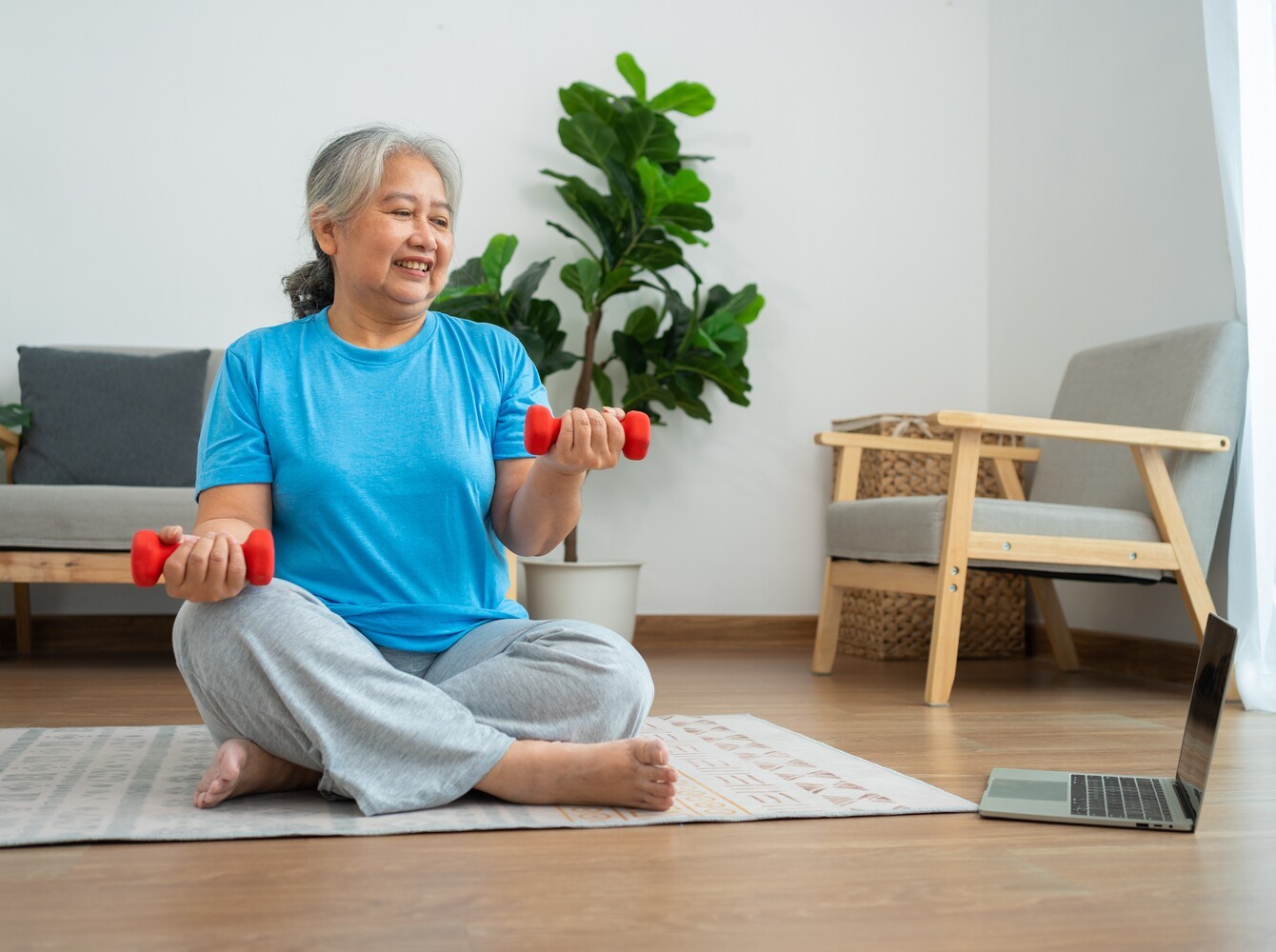
You can continue making progress without relying on jumping or high-impact movements. Small changes can still challenge your muscles and improve fitness over time.
Increase reps or time: Add a few more repetitions or extend each exercise slightly to build endurance.
Slow down your tempo: Move more slowly to increase muscle engagement and control.
Reduce rest between exercises: Shorter breaks help keep your heart rate elevated.
Add holds or pauses: Pause at the bottom of movements like squats or lunges for a few seconds. This increases time under tension and makes exercises more challenging without adding impact.
Do Women Need a Different Home Workout Strategy?
The same core principles apply across the board with both women and men. Strength training supports muscle development and metabolism, cardio helps increase energy output, and recovery allows your body to adapt and improve.
From our experience as Registered Dietitians, progress tends to come from consistency and progression, not from gender-specific routines. Focusing on well-rounded workouts and sustainable habits will lead to better long-term outcomes than following overly complicated or restrictive plans.
The Best Mix of Strength, Cardio, and Recovery
A balanced routine that includes strength training, cardio, and recovery tends to support steady and sustainable progress. Strength sessions a few times per week help build and maintain muscle, while cardio workouts improve endurance and increase overall activity levels.
Recovery days are just as important. They allow your body to repair and come back stronger. A simple weekly structure that rotates between these elements can make it easier to stay consistent and avoid feeling overwhelmed.
Beginner Home Workout Tips for Women
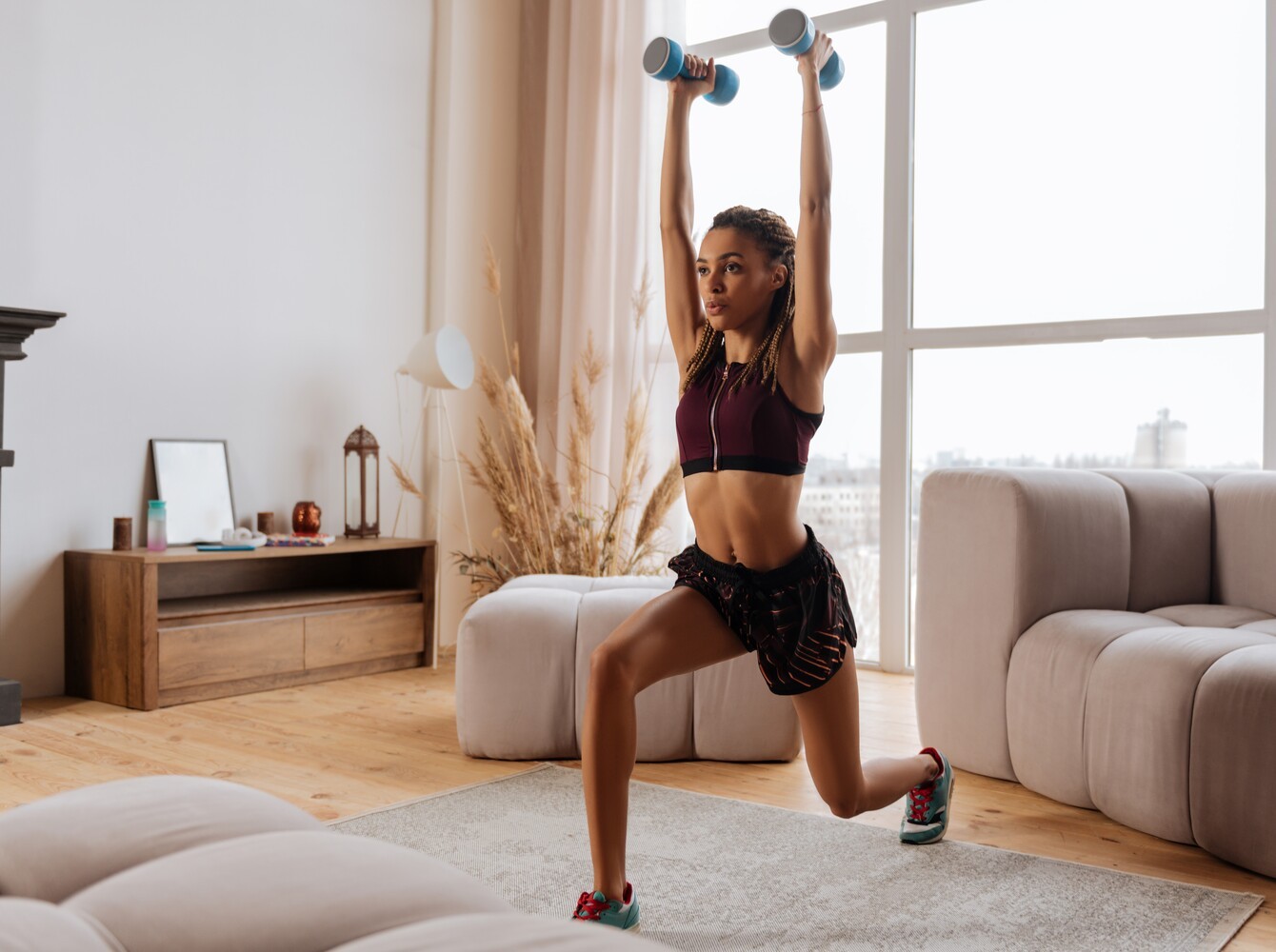
Getting started with home workouts can feel more manageable when you focus on simple, practical habits:
Prioritize strength training: Include movements like squats and push-ups to support muscle and metabolism.
Keep workouts short and consistent: Aim for sessions you can repeat each week.
Track progress beyond the scale: Notice strength, energy, and endurance improvements.
Start with manageable intensity: Build gradually to avoid burnout.
Schedule your workouts: Treat them like appointments to stay on track.
If you’re noticing changes in energy, hunger, or recovery as you increase your workouts, a Registered Women’s Health Dietitian at Berry Street can help you adjust your nutrition to better support those shifts.
PCOS Workouts for Weight Loss at Home
PCOS can affect how your body responds to exercise, especially when it comes to energy, recovery, and weight changes. The right workout approach can help support hormonal balance while still making progress feel steady and manageable.
Why Exercise Can Be Helpful for People With PCOS
Exercise can play an important role in supporting overall health for people with PCOS. Regular movement helps improve insulin sensitivity, which can influence energy levels and how the body uses glucose. It can also support hormone regulation over time.
Consistent workouts like walking, strength training, or light circuits often feel more sustainable. These routines can also support mood, reduce fatigue, and make daily movement feel more manageable. Working with a Registered PCOS Dietitian can also help align your nutrition with your exercise routine for more consistent progress.
When High-Intensity Exercise Helps and When It May Need Adjusting
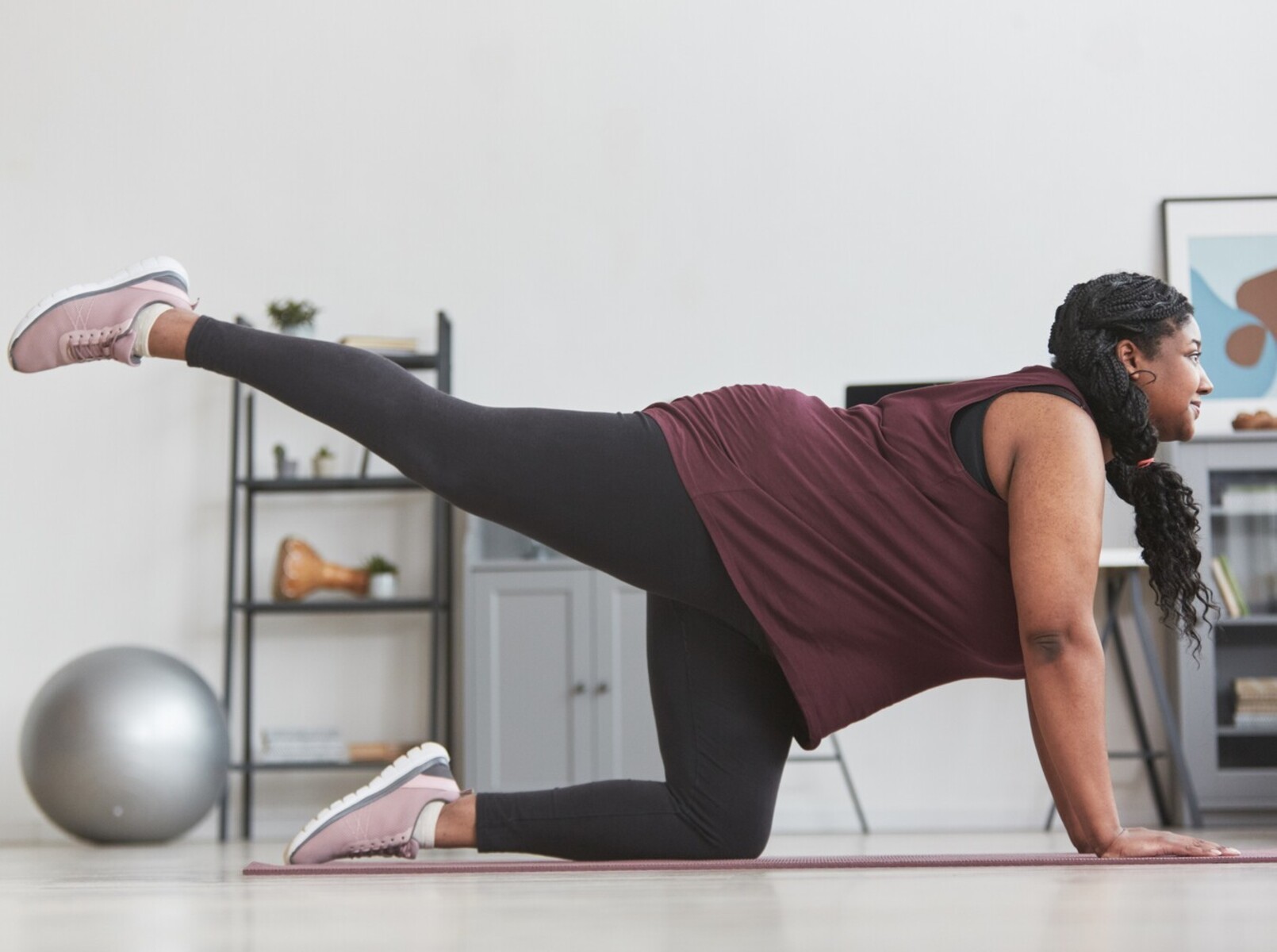
High-intensity workouts can be helpful for some people with PCOS, especially when used a few times per week. They can improve cardiovascular fitness and support metabolic health.
However, they don’t work the same way for everyone. Some people may feel overly fatigued or notice changes in energy levels. In those cases, moderate-intensity workouts like strength training or brisk walking may feel more sustainable. Paying attention to how your body responds can help guide your approach.
A Sample PCOS-Friendly Weekly Workout Structure
A balanced weekly plan can help you stay consistent without feeling overwhelmed. Starting with fewer structured workouts and building up over time often feels more manageable, especially if your energy levels vary.
Monday: Full-body strength training with simple movements like squats and push-ups
Tuesday: Rest or light movement, such as a short walk
Wednesday: Low-impact cardio like brisk walking for 20–30 minutes
Thursday: Rest or gentle stretching
Friday: Full-body strength or light circuit workout
Weekend: Optional movement like walking, yoga, or complete rest, depending on how you feel
Can Workouts Be Effective Without Equipment?
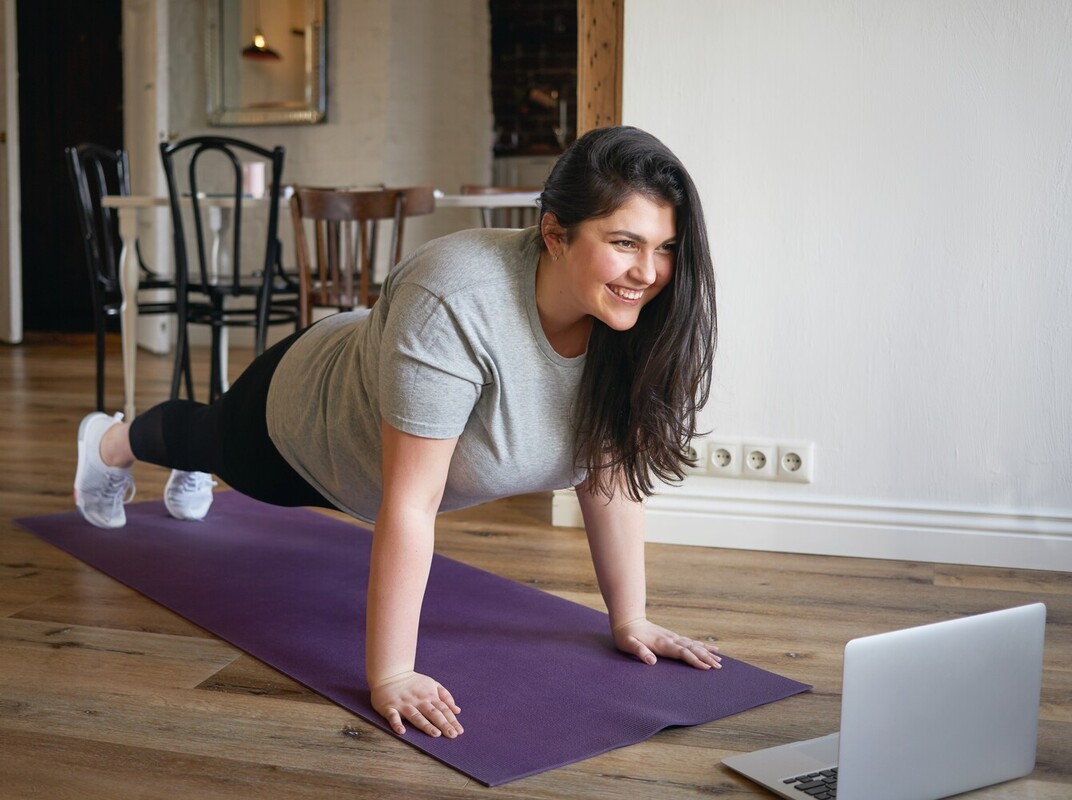
Yes, workouts can absolutely be effective without equipment. Bodyweight exercises like squats, push-ups, and lunges can challenge your muscles and raise your heart rate without needing any gear.
These movements rely on your own body for resistance, which can still build strength and support weight loss over time. Simple routines done consistently at home often lead to steady progress, especially when they fit easily into your daily schedule.
Why Bodyweight Workouts Rank So Well
Bodyweight workouts are popular because they’re easy to start and simple to adjust as your fitness improves. You can modify exercises to match your level, then increase reps or difficulty over time. Many movements also work multiple muscle groups at once, which makes workouts more efficient.
This approach helps you build strength while keeping your heart rate elevated. It also reduces the need for complicated setups, making it easier to stay consistent.
Minimal-Space Workout Ideas
You don’t need much room to get an effective workout in. With the right exercises, even a small area can support a full routine that builds strength and raises your heart rate.
Bodyweight circuits: Rotate through moves like squats, push-ups, and planks to keep your workout efficient and engaging.
Standing cardio movements: Try high knees or marching in place to elevate your heart rate without moving far.
Core-focused exercises: Planks and seated knee lifts work well in tight spaces.
Low-impact routines: Step touches or controlled movements help you stay active without needing extra room.
Interval-based workouts: Alternate short bursts of effort with brief rest to keep intensity high without needing extra space.
How to Make Bodyweight Training Harder Without Buying Gear
As your strength improves, small adjustments can make bodyweight exercises more challenging without needing extra equipment. These strategies help increase intensity while keeping your workouts simple and effective:
Slow down your tempo: Take more time during each rep to increase muscle engagement.
Add more reps or sets: Gradually increase volume to build endurance and strength.
Reduce rest time: Shorter breaks keep your heart rate elevated.
Use single-leg or single-arm variations: These increase difficulty by challenging balance and strength.
Add pauses or holds: Pause at the bottom of movements like squats or push-ups to increase tension.
Increase range of motion: Move deeper into exercises to challenge muscles more fully.
Best Home Exercise Equipment for Weight Loss
If you’re ready to add variety or increase intensity, a few simple pieces of equipment can go a long way. The right tools can make workouts more engaging while helping you build strength and stay consistent.
1. Dumbbells
Dumbbells are one of the most useful pieces of home workout equipment because they can support so many different exercises, from cardio to weight lifting for weight loss. You can use them for squats, lunges, rows, presses, and loaded carries, which makes them a strong fit for both beginners and more advanced exercisers.
They help increase resistance, which supports muscle growth and long-term strength gains. Adjustable dumbbells can be especially practical if you want more than one weight without taking up extra space. Even lighter dumbbells can feel challenging when you slow down each rep or increase your total volume.
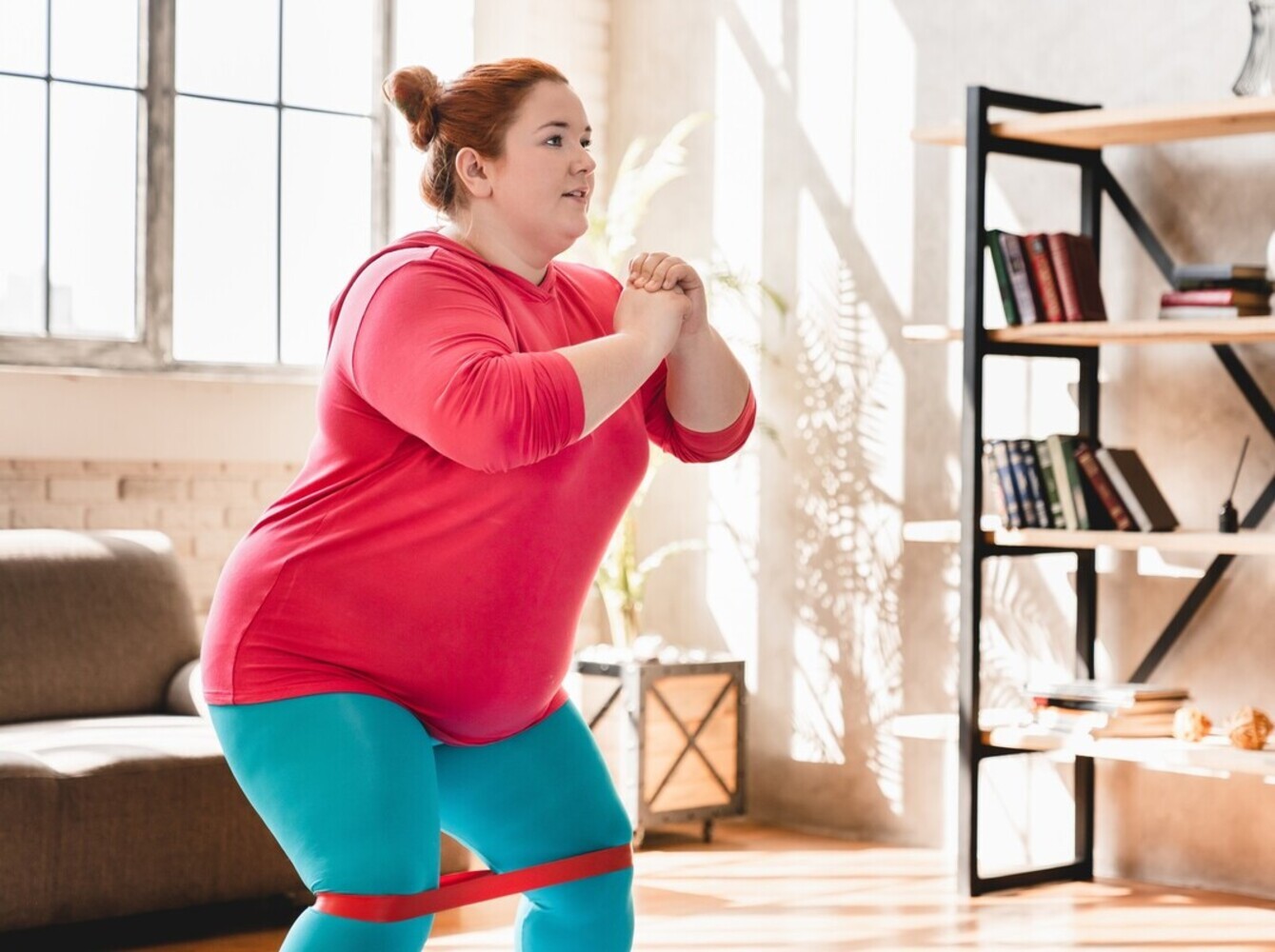
2. Resistance Bands
Resistance bands are affordable, portable, and surprisingly effective for home workouts. They add challenge to movements without requiring bulky equipment, which makes them a great option for smaller spaces. You can use them for glute bridges, rows, lateral walks, shoulder work, and even squat variations.
Bands also create steady tension throughout the movement, which can help improve muscle engagement and control. Many come in different resistance levels, so it’s easy to progress over time. They’re especially helpful if you want to add strength work to your routine without investing in heavier gear right away.

3. Jump Rope
A jump rope is a simple tool, but it can deliver a challenging cardio workout in a short amount of time. It helps raise your heart rate quickly while also improving rhythm, coordination, and lower-body endurance. Short intervals can be very effective, especially if you alternate between faster rounds and recovery periods.
It’s also easy to store, which makes it convenient for quick workouts at home. If traditional jumping feels too intense, you can mimic the motion without the rope or slow the pace down. That flexibility makes it useful for different fitness levels.
4. Kettlebells
Kettlebells are a versatile option that can add both strength and cardio to your home workouts. Their unique shape allows for dynamic movements like swings, goblet squats, and carries, which can engage multiple muscle groups at once. This makes workouts more efficient and often more engaging.
They can also help improve coordination and balance over time. Starting with a moderate weight is usually best, then increasing as you feel more comfortable. They’re a great choice if you want to combine strength work with more fluid, full-body movement patterns.
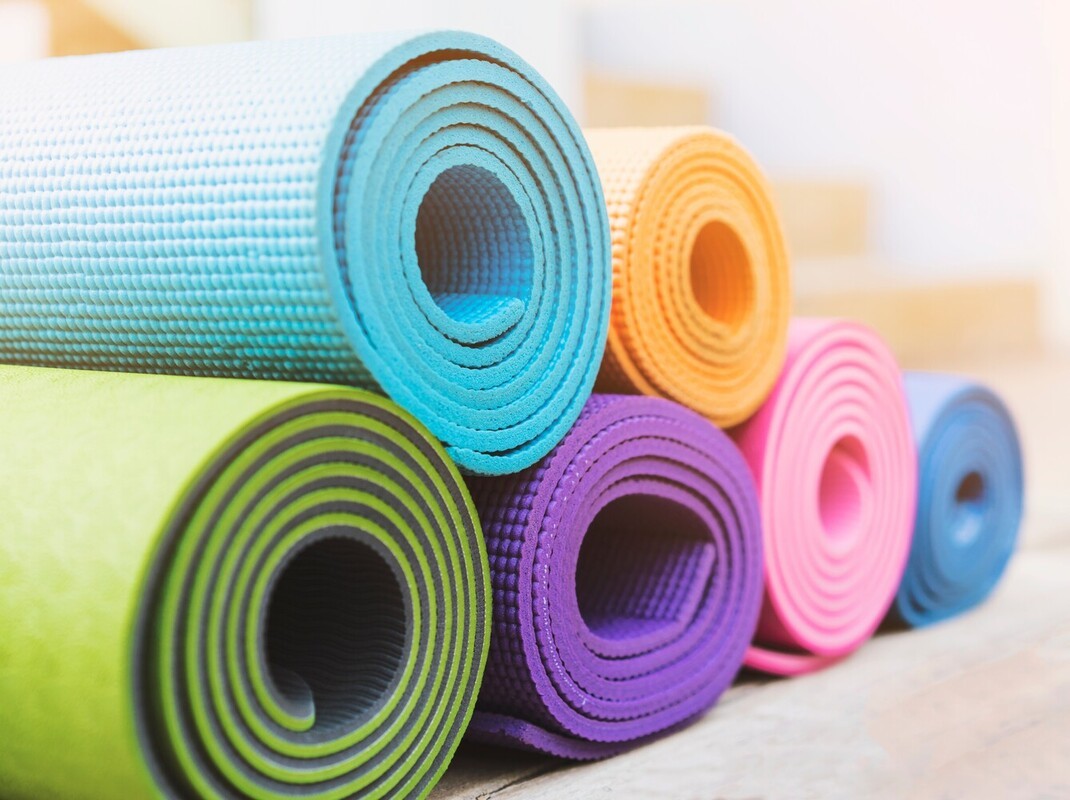
5. Exercise Mat
An exercise mat can make home workouts more comfortable, especially when you’re doing movements on the floor. It provides cushioning for exercises like planks, glute bridges, and core work, or when doing structured workouts like a pilates routine for weight loss, which can reduce pressure on your knees, hips, and hands.
A mat also gives you a more stable surface for stretching and mobility exercises, such as weight loss yoga.
That extra support can make workouts feel more approachable, particularly if you’re new to exercise. It may seem basic, but having a dedicated mat can help create a consistent workout space and make it easier to stick with your routine over time.
6. Adjustable Step or Bench
An adjustable step or bench can expand the variety of exercises you can do at home without taking up too much space. It’s useful for step-ups, incline push-ups, and elevated lunges, which can help target different muscle groups more effectively. You can also use it for low-impact cardio routines by stepping up and down at a steady pace.
Adjusting the height allows you to control intensity based on your fitness level. This simple piece of equipment can make workouts more varied and help keep your routine interesting over time.
How to Choose the Right Equipment for You
Choosing the right equipment can make your home workouts feel more effective and easier to maintain. Focusing on what fits your space, budget, and preferences can help you pick options you’ll actually use consistently.
1. Budget
Your budget should shape your equipment choices from the start. You don’t need an expensive setup to build an effective routine at home. Resistance bands, a mat, or a jump rope can all support strength and cardio without a big upfront cost.
If you’re considering larger purchases, think about how often you will realistically use them each week. The best investment is equipment that fits your routine and gets used consistently. Starting small can also help you avoid overspending before your workout habits feel established.

2. Space
Available space matters more than people often expect when choosing home workout equipment. Before buying anything, think about where you will use it, how much room you can clear, and whether it needs to be stored after each session. Dumbbells, bands, and mats work well in smaller homes because they are compact and easy to move.
Larger items may only make sense if you have a dedicated area. Choosing equipment that fits comfortably in your space can make workouts feel more practical and reduce the chances of skipping them because the setup feels inconvenient.
3. Preferences
Your personal preferences should play a major role in what equipment you choose. If you enjoy using something, you are much more likely to stay consistent with it over time. Some people like the feel of strength training with dumbbells, while others prefer cardio-focused options like a jump rope or a stationary bike.
The goal is to choose equipment that matches the kind of movement you actually look forward to doing. Routines tend to last longer when workouts feel engaging, familiar, and realistic for your day-to-day life.
4. Fitness Level and Goals
Your current fitness level and specific goals can help narrow down which equipment makes the most sense for you. If you are new to exercise, simple tools like light dumbbells, resistance bands, or a mat may feel less intimidating and easier to use correctly.
If your goal is improving strength, adjustable weights or a bench may be more useful. If you want to focus on cardio, a jump rope, step platform, or bike could be a better fit. Matching your equipment to your needs makes your routine feel more purposeful and easier to maintain.
5. Ease of Use and Setup
Ease of use can have a big impact on how often you actually work out. If equipment feels complicated, bulky, or time-consuming to set up, it can quickly become a barrier, especially on busy days. Simpler options like bands, mats, and dumbbells make it easier to start your workout without much preparation. That convenience matters.
When something is easy to grab and use, you are more likely to follow through. Choosing equipment that fits smoothly into your routine can make consistency feel more manageable and help your workouts feel like a normal part of the day.
How to Build a Workout Plan Around Your Schedule
Building a workout plan that fits your schedule can make it much easier to stay consistent over time. When your routine works with your day instead of against it, it becomes more realistic to follow through.
Step 1: Start With Realistic Goals
Starting with realistic goals can make your workout plan feel doable instead of overwhelming. Rather than aiming for daily hour-long sessions, think about what you can honestly maintain each week. That might mean three 20-minute workouts, two strength sessions, or a mix of walking and home circuits. Small goals can still lead to meaningful progress.
You’re more likely to stay consistent when your plan fits their actual routine, energy level, and responsibilities. A realistic starting point builds momentum and makes it easier to keep going when motivation naturally dips.

Step 2: Schedule Your Workouts
Scheduling your workouts can make them feel more like part of your routine and less like something you have to squeeze in later. Pick times that realistically work with your day, whether that’s before work, during lunch, or after dinner. Putting workouts on your calendar helps reduce last-minute decision fatigue. It also gives your day more structure.
Even shorter sessions can be effective when they’re planned ahead. When your workouts have a clear place in your schedule, it becomes easier to follow through consistently instead of waiting for the perfect time.
Step 3: Stay Flexible
Staying flexible can help you stay consistent, especially when life gets busy or your energy feels lower than expected. A missed workout does not mean the whole week is off track. You can shorten the session, switch to a gentler workout, or move it to another day.
For example, a planned 30-minute circuit might become a 10-minute walk and a few bodyweight exercises. That still counts. Adjusting your plan without giving up on it makes your routine more sustainable and helps you stay active even when your schedule changes unexpectedly.
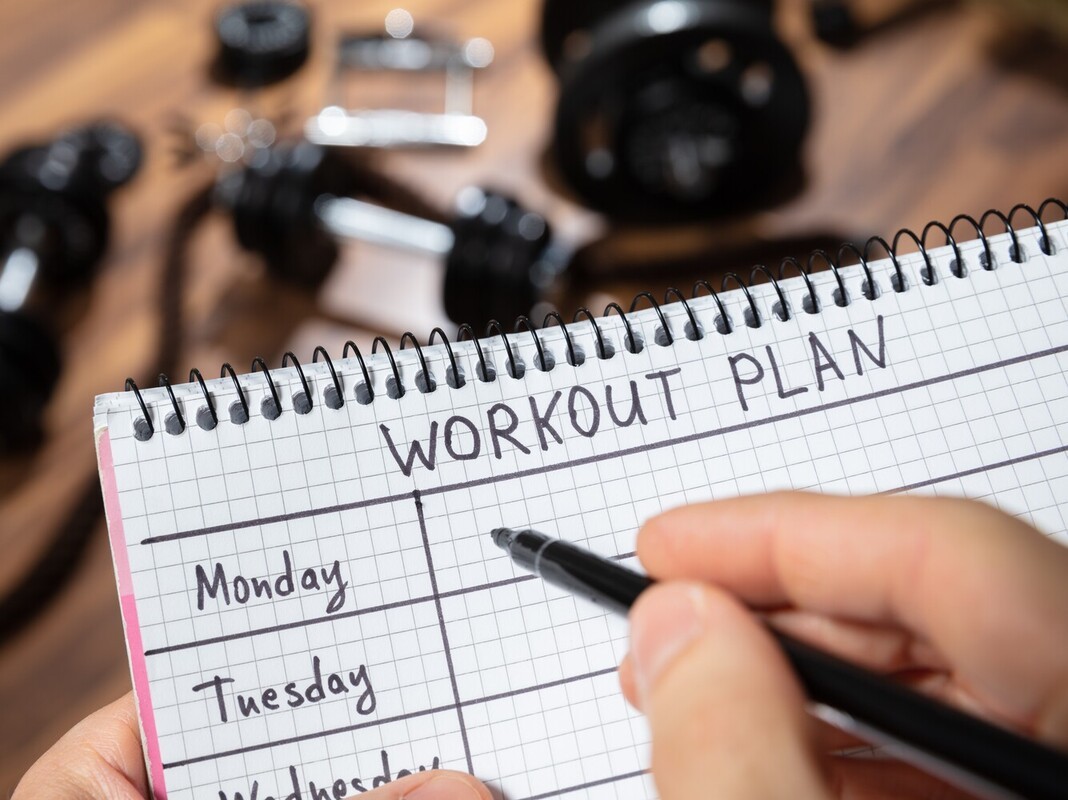
Step 4: Build a Simple Weekly Structure
Building a simple weekly structure can make workouts feel more manageable because you already know what the week looks like. You might plan two strength days, one cardio session, one lighter movement day, and a couple of rest days.
That kind of structure gives you direction without making the schedule feel too rigid. It also helps you avoid doing too much at once. Keeping your plan simple makes it easier to repeat from week to week, which is often what leads to better consistency and steadier progress over time.
Step 5: Support Your Workouts With Simple Nutrition Habits
Your workout routine tends to feel easier to maintain when your meals and snacks support your energy, recovery, and hunger cues. A little planning can help a lot. Prepping a few simple meals, keeping balanced snacks on hand, or deciding on dinners ahead of time can make busy days feel less stressful.
This can also reduce the temptation to skip meals or rely on whatever is easiest in the moment. If you want help building a plan that works with your schedule, a Registered Health Dietitian through Berry Street can help you create a meal plan that supports your routine.
At-Home Weight Loss FAQs
Can I lose weight with home workouts only?
Yes, you can lose weight with home workouts if you’re consistent and pair them with supportive nutrition habits. The key is creating a routine you can stick to and gradually increasing intensity over time.
Are cardio workouts or strength workouts better for weight loss?
Both play important roles, and combining them tends to give the best results. Cardio helps burn calories, while strength training supports muscle and long-term metabolism.
How often should I work out at home to lose weight?
Most people benefit from 3–5 workouts per week, depending on their schedule and fitness level. Consistency matters more than doing long or intense sessions occasionally.
Are HIIT workouts good for beginners?
They can be, but it’s usually better to start with lower-intensity intervals and build up gradually. This helps reduce injury risk and makes it easier to stay consistent.
Can exercise help with PCOS-related weight management?
Yes, regular exercise can support insulin sensitivity and overall metabolic health. A mix of strength training and moderate cardio often works well for many people.
How long should a home workout be for weight loss?
Most effective home workouts fall between 20 and 30 minutes. Shorter sessions can still work well if they’re done consistently and with enough effort.
Is a 30-day workout plan enough to see progress?
You may notice improvements in energy, strength, and endurance within 30 days. Long-term results depend on continuing those habits beyond the initial plan.
Conclusion
Weight loss exercises at home can be effective when you focus on the fundamentals that actually drive results, including consistency, a mix of cardio and strength training, and gradual progression over time. Simple routines, realistic expectations, and choosing exercises that fit your space and schedule make it much easier to stay on track.
We’ve seen how small, repeatable habits lead to meaningful progress, especially when workouts feel manageable instead of overwhelming. If you’re ready to take the next step, you can connect with a Registered Dietitian covered by insurance through Berry Street for personalized support that fits your lifestyle.