Pregnancy brings a mix of excitement, questions, and big changes, especially when it comes to how the body responds week by week. Many people want to know what’s normal and what deserves a closer look as the scale starts to shift.
So, can you lose weight while pregnant? From our experience as Registered Dietitians, this is a question that opens the door to important conversations about safety, typical weight gain, natural weight fluctuations, and what doctors actually recommend.
We explore why weight changes happen, when they’re expected, when they’re concerning, and how weight management differs from intentional weight loss. We also cover specific situations, common myths, and practical steps for staying healthy throughout pregnancy.

Is It Safe To Lose Weight While Pregnant?
Intentional weight loss during pregnancy is generally considered unsafe because it can interfere with the increased nutritional demands your body takes on.
Pregnancy requires more energy, more vitamins, and more minerals to support the placenta, fetal development, and the major physiological shifts that occur in every system of the body.
Cutting calories can limit the nutrients available for these vital processes and may put the baby at risk of slower growth. Most providers and Registered Dietitians prefer to focus on steady, appropriate weight gain that supports a healthy pregnancy.
The goal is to nourish both parent and baby, not to pursue weight reduction. If weight loss occurs unintentionally, it usually needs careful evaluation to determine the cause.
What Do Doctors Typically Recommend?
Doctors usually guide patients toward balanced eating patterns and gentle, consistent physical activity rather than weight loss strategies. They focus on meals that offer steady energy and a wide range of nutrients, since restrictive diets can interfere with fetal development.
Providers monitor weight gain to ensure trends align with expected growth for both the parent and the baby. When weight gain is lower or higher than anticipated, the recommendations might include increasing nutrient density, adjusting meal timing, or adding snacks that provide stable energy.
Many doctors also emphasize prenatal vitamins, hydration, and protein intake to help meet daily nutritional needs. Regular appointments allow them to track progress, address concerns early, and ensure that weight patterns support a healthy pregnancy trajectory.
Why Pregnancy Usually Involves Weight Gain
Weight gain occurs during pregnancy because the body undergoes major developmental and physiological changes. The placenta forms and grows, blood volume increases, and amniotic fluid builds to protect the baby. These components add measurable weight on their own.
In addition, the body stores extra fat to prepare for breastfeeding and to provide energy for labor and postpartum recovery. Muscle tissue also tends to increase due to changes in posture and metabolism.
All of these changes require calories and nutrients, which naturally contribute to the scale rising over time. When people understand each component, it becomes clear why weight gain is expected rather than optional. It reflects the body’s process of creating and supporting a developing human with the resources it needs.
When Weight Loss Might Be Allowed
There are limited circumstances where small, controlled weight shifts may be allowed, usually for individuals who begin pregnancy with a high BMI.
In these cases, the focus is on improving overall nutrition quality rather than reducing calories. Providers may suggest meals that stabilize blood sugar, promote heart health, and support steady fetal growth.
These adjustments sometimes result in modest fat loss, but the goal is improved metabolic health, not weight reduction. Healthcare teams monitor intake, growth scans, and energy levels to ensure the pregnancy remains well supported.
When done correctly, this approach helps reduce certain risks without compromising nutrient availability. Any plan like this requires consistent follow-up, thoughtful dietary adjustments, and clear communication between the patient and their provider and Registered Dietitian.
If you want personalized help, connect with a Registered Prenatal Dietitian through Berry Street to receive a customized plan that fits your needs.
When Weight Loss Isn’t Safe and Why
Intentional weight loss becomes unsafe during pregnancy when calorie restriction limits essential nutrients needed for maternal and fetal health. Your body requires adequate protein for tissue development, carbohydrates for energy, and fats for hormonal and neurological functions.
Micronutrients such as folate, iron, and calcium play key roles in brain development, blood production, and bone formation.
Restricting food intake can interfere with these processes and may slow fetal growth or contribute to complications. It can also increase fatigue, dizziness, and difficulty concentrating, making daily functioning harder.
Unsupervised dieting may hide underlying issues such as dehydration, nutrient deficiencies, or untreated medical conditions. Providers discourage weight loss attempts because consistent nourishment supports both healthy development and a safer pregnancy overall.

Why Some People Lose Weight Naturally During Pregnancy
Some people lose a little weight naturally during pregnancy, especially in the first trimester, and it often surprises them. Hormonal changes can affect how hungry you feel, how quickly you get full, and how appealing certain foods seem.
Morning sickness, food aversions, and strong reactions to smells can make regular meals tougher to manage. Smaller portions or more skipped meals can lead to mild weight loss without anyone trying to make it happen.
Metabolism may also shift as your body works harder to adjust to early pregnancy. For many people, this phase passes once nausea settles and appetite returns.
Mild, temporary loss is usually normal, but ongoing or noticeable drops are important to mention to your healthcare provider so they can check in on you and your baby.
Common Causes in Early Pregnancy
Early pregnancy brings a lot of rapid changes, and many of them influence appetite and eating patterns in ways people don’t expect. These shifts can lead to small, unintentional dips in weight during the first trimester, especially before routines settle and symptoms improve.
Morning Sickness
Morning sickness is one of the biggest reasons you might lose a little weight early in pregnancy. Nausea can appear at any time and make eating feel like a challenge. You may have trouble keeping food down or find yourself avoiding meals because your stomach feels unsettled.
This often reduces total intake and leads to mild, unintentional weight loss over days or weeks. Many people find short-term relief by eating smaller portions, choosing bland foods like crackers, toast, bananas, or plain yogurt, and sipping fluids slowly.
You might also discover that cold foods feel easier than hot ones and that strong smells make things worse. Symptoms usually improve as the first trimester ends, and weight often rebounds once your appetite returns and nausea fades.

Appetite Changes
Your appetite may change dramatically in early pregnancy, and these swings can feel confusing at first. Some days you might feel hungry every couple of hours, and other days you may have almost no interest in food at all.
Hormonal shifts influence hunger cues, fullness signals, and even how appealing certain textures or temperatures feel. These factors can lead to smaller meals, more skipped snacks, and mild weight loss over time.
You might notice that familiar meals suddenly sound heavy, while simple options like toast, fruit, cereal, or smoothies feel easier. Keeping easy snacks on hand and eating small, regular portions can help you stay nourished.
As hormone levels settle later in pregnancy, appetite usually becomes more predictable, and weight trends generally move upward again.
Heightened Sense of Smell
A heightened sense of smell can turn everyday scents into strong triggers during early pregnancy. You may notice that cooking odors, perfume, coffee, or even your fridge suddenly feel overwhelming or unpleasant.
When smells make you queasy, you are more likely to avoid the kitchen, skip meals, or pick at food, which can lead to mild weight loss.
Some people start eating more cold foods because they give off fewer aromas. Others keep windows open, use a fan, or ask someone else to cook when strong smells feel hard to handle.
Choosing simple foods with gentle scents, such as chilled fruit, yogurt, sandwiches, or salads, can help you eat more comfortably. This sensitivity usually eases later in pregnancy, making mealtimes feel less stressful again.

Metabolism Shifts
Early pregnancy can increase your metabolic rate, which means your body uses more energy while it adapts to new hormonal demands. You might feel tired more quickly, notice stronger hunger at odd times, or feel shaky if you go too long without eating.
When a higher energy need combines with nausea or reduced appetite, small unintentional weight loss can happen. You may also find that you need snacks more often, even if your meal sizes look similar to before pregnancy.
Choosing nutrient-dense options such as nuts, yogurt, cheese, fruit, whole-grain crackers, and smoothies can help cover that extra demand. As your body settles into the second trimester, energy levels usually improve, appetite often strengthens, and weight tends to rise more steadily.
When Weight Loss During Pregnancy Becomes a Problem
Weight loss becomes more concerning when it continues beyond the first trimester or when the amount lost feels significant compared to your usual patterns.
You might notice ongoing nausea, reduced appetite, difficulty tolerating food, or new symptoms that make eating harder, and these are all reasons to check in with your provider.
They may review your diet, hydration, and daily intake to see whether you are getting enough energy to support both you and your baby. They may also monitor your baby’s growth more closely to ensure development is on track.
Sometimes the cause is simple and easy to address, such as dehydration or unmanaged nausea, but other times it can signal a condition that needs treatment. Reaching out early helps keep you supported throughout your pregnancy.
Symptoms That Shouldn’t Be Ignored
Unexpected weight loss during pregnancy can sometimes be linked to symptoms that need closer attention. You might brush them off at first, but certain patterns provide important clues about how your body is coping and whether you are getting enough nourishment.
If you want personalized help, connect with a Registered Prenatal Dietitian through Berry Street to receive a customized plan that fits your needs.
1. Severe Nausea and Inability to Keep Food Down
Severe nausea can make it incredibly difficult to eat enough, and you may notice that even small meals feel impossible to tolerate. When food and fluids come right back up, dehydration can develop quickly, which affects your energy, digestion, and overall stability.
You might also start avoiding meals because the discomfort feels constant. This cycle can lower your calorie and nutrient intake far more than you realize.
If nausea becomes persistent or you struggle to keep fluids down for more than a day, medical support is important because untreated dehydration can impact your baby’s growth. Treatment options often include hydration support, medications to reduce nausea, and gentle strategies to help you eat comfortably again.
2. Fatigue and Weakness
Fatigue in pregnancy is common, but when it pairs with weight loss or noticeable drops in appetite, it becomes more concerning. You might feel unusually tired after simple tasks or notice that your muscles feel heavy when you move.
Weakness can signal that your body is not receiving enough calories, protein, or iron to keep your energy stable. Low intake can also affect your blood sugar, which adds to the exhaustion.
If fatigue grows stronger over several days, it may begin to interfere with daily routines like standing for long periods, preparing meals, or staying focused at work.
This symptom is worth mentioning to your provider because it helps identify whether nutritional adjustments, lab testing, or other interventions are needed to support your well-being.

3. Dizziness or Fainting
Dizziness is a symptom you should take seriously, especially if it happens repeatedly or appears alongside weight loss. You may feel lightheaded when standing up, turning your head, or going too long without eating. These sensations often indicate low blood sugar, dehydration, or reduced nutrient intake.
Some people also feel their heart race or their vision blur right before dizziness hits. Fainting episodes carry additional risks because they can lead to falls or injuries.
If these symptoms appear more than once, your provider may check your blood pressure, hydration status, and daily intake patterns.
They might also recommend eating smaller, more frequent meals to keep blood sugar stable. Addressing dizziness early helps protect both your comfort and your safety during pregnancy.
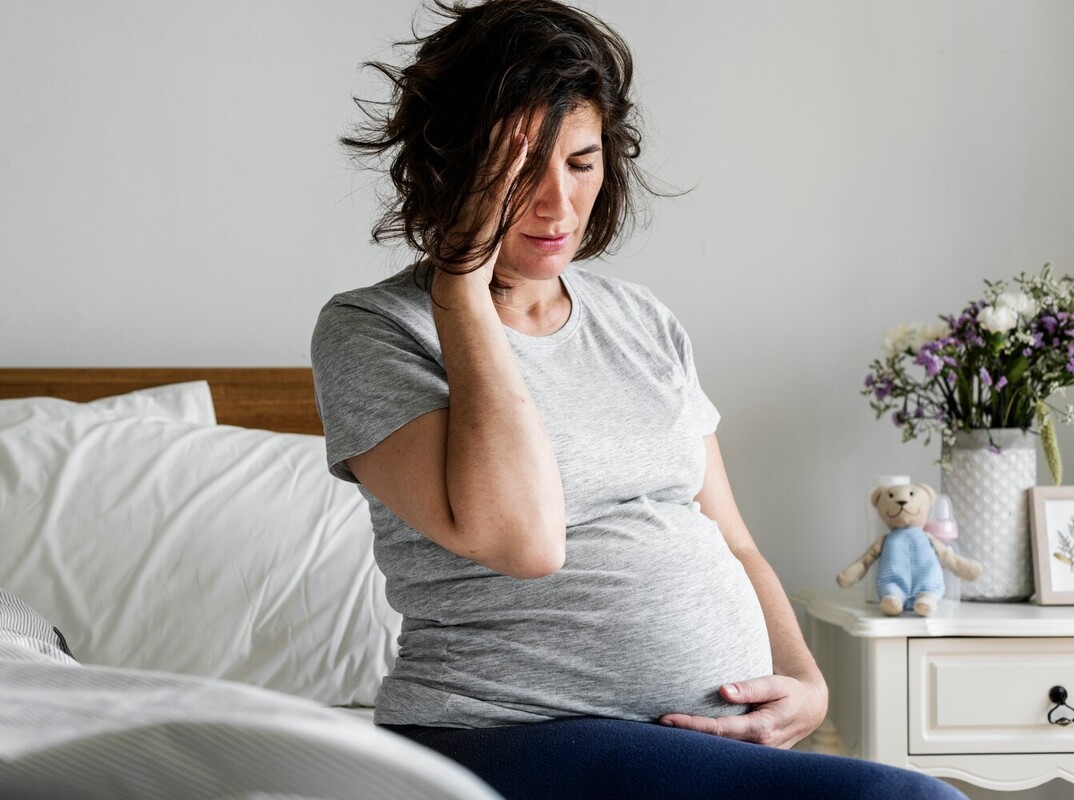
4. Headaches That Don’t Go Away
Headaches can appear for many reasons during pregnancy, but persistent or worsening headaches paired with weight loss deserve attention.
You might notice them creeping in when you have not eaten in several hours, when you are slightly dehydrated, or when stress levels rise. These headaches often feel stronger than typical tension headaches and may make you more sensitive to noise or light.
Low blood sugar, skipped meals, and inadequate nutrient intake are common contributors. When headaches become more frequent, they can affect your sleep, appetite, and ability to function comfortably throughout the day.
Your provider may suggest tracking when they occur to identify patterns. They may also check hydration, blood pressure, and nutrient levels to make sure you are receiving what your body needs during pregnancy.
5. Rapid Heartbeat or Palpitations
A suddenly fast heartbeat or fluttering sensation in your chest can feel alarming, and it should be taken seriously when paired with falling weight.
You may notice your heart racing after minimal activity or without any clear trigger at all. These sensations can occur when your body is low on calories, fluids, or essential minerals like potassium or magnesium.
They can also show up when dehydration or low blood sugar puts additional strain on your cardiovascular system. If palpitations happen repeatedly, your provider may check your electrolyte levels, hydration, and overall intake to determine what your body needs.
Treatment might involve adjusting nutrition, increasing fluids, or monitoring heart rhythm. Paying attention to this symptom helps catch imbalances before they become more problematic.
Weight Loss in Each Trimester
Weight changes can look very different from one trimester to the next, and understanding these patterns helps you know what is typical and what deserves attention. You may notice shifts that feel small or surprising, and each stage of pregnancy provides its own context for those changes.
If you want personalized help, connect with a Registered Prenatal Dietitian through Berry Street to receive a customized plan that fits your needs.
First Trimester
The first trimester is when mild unintentional weight loss is most likely, especially if you are dealing with nausea, vomiting, or sudden changes in appetite. You might find yourself eating smaller portions or avoiding certain foods altogether because they no longer appeal to you.
These changes can temporarily lower your caloric intake, which often leads to slight, unintentional weight loss. As long as you stay hydrated and can tolerate some nutrient-rich foods, most providers simply keep an eye on the trend. Many people regain this early loss naturally once nausea improves.
If you’re unable to keep fluids down, feel extremely weak, or notice your weight dropping quickly, your provider may recommend supportive treatments to help stabilize your intake and prevent dehydration.

Second Trimester
During the second trimester, most people experience more predictable appetite patterns and begin gaining weight at a steady pace. This is often the point when nausea fades, and you feel more comfortable eating a variety of foods again. You may notice your energy improving as well, which makes it easier to meet your nutritional needs.
Because fetal growth accelerates during this stage, continued weight loss becomes more concerning. If the scale keeps trending downward, your provider may look closely at your meal patterns, hydration, and any lingering symptoms that affect how much you eat.
They might recommend small adjustments to increase calorie or protein intake. This trimester is about supporting both your body’s needs and the baby’s rapid development, so consistent nourishment plays an important role.
Third Trimester
The third trimester is the phase when your body is building important nutrient reserves and your baby is growing quickly. Weight gain usually becomes more noticeable because blood volume increases, amniotic fluid levels rise, and the baby puts on fat and muscle. You may feel hungrier or find that you need more frequent meals to stay satisfied.
Weight loss at this stage is unusual and should be evaluated promptly, since it may signal dehydration, illness, or inadequate intake. Your provider may check fetal growth through measurements or an ultrasound to ensure everything is progressing well.
They may also discuss ways to boost your calories if eating has become uncomfortable due to heartburn or reduced stomach space. Paying attention to your body’s signals helps you stay nourished as you prepare for birth.

Can You Intentionally Lose Weight While Pregnant?
Intentional weight loss during pregnancy is generally not recommended because it can affect the nutrients available to support both you and your baby. Your body has increased energy demands, and meeting those needs becomes even more important as pregnancy progresses.
Instead of trying to lose weight, healthcare providers usually focus on helping you manage weight gain so it stays within a range that supports healthy development. This might involve mindful eating, gentle activity, and regular check-ins to ensure you feel your best.
You might notice that your appetite shifts from week to week, which is normal, and your care team can help you navigate those changes. The overall goal is to maintain a steady pattern that supports fetal growth and your own well-being.
If you want personalized help, connect with a Registered Prenatal Dietitian through Berry Street to receive a customized plan that fits your needs.
Why Traditional Dieting Isn’t Safe During Pregnancy
Traditional dieting often relies on calorie cuts, strict food rules, or meal plans that reduce energy intake too sharply. These approaches can limit essential nutrients like iron, folate, protein, and healthy fats, which are all needed in greater amounts during pregnancy.
You may also feel more fatigued or dizzy when intake drops too low, which can interfere with your daily functioning. Pregnancy already brings shifts in appetite and digestion, and layering restriction on top of those changes can make eating even more challenging.
Providers prefer approaches that emphasize balance, variety, and steady energy instead of weight loss. Eating enough helps support tissue growth, blood volume expansion, and your baby’s developing organs. A safe plan focuses on nourishment, not reduction.

What Controlled Weight Loss Actually Means
Controlled weight loss during pregnancy is not the same as dieting. It usually refers to situations where someone with a high BMI follows a supervised plan that improves nutrient quality without cutting calories drastically.
In some cases, this shift toward balanced meals, stable eating patterns, and healthier food choices leads to small decreases in body fat. These changes happen because the body responds well to consistent nourishment and improved metabolic balance.
You might feel more energized, more satisfied after meals, and better able to maintain steady daily routines. Providers track your weight, labs, and fetal growth to make sure the plan supports both of you. The priority stays centered on health, nutrient intake, and overall stability rather than pushing the scale downward.
How Weight Management Differs From Weight Loss
Weight management during pregnancy focuses on supporting healthy trends rather than reducing body mass. You might work on eating at regular intervals, choosing nutrient-rich foods, and staying active in ways that feel comfortable. These habits help prevent excessive gain and keep your energy levels steadier throughout the day.
Weight loss, on the other hand, aims to make the body smaller, which does not align with the increased nutritional needs of pregnancy. Your provider may check your growth charts, review your meals, and help you adjust portions or timing to meet recommended ranges.
This approach supports your baby’s development while still keeping your weight in a safe, individualized zone. Managing weight is about maintaining stability, not creating a deficit.
Situations Where Your Doctor Might Approve a Plan
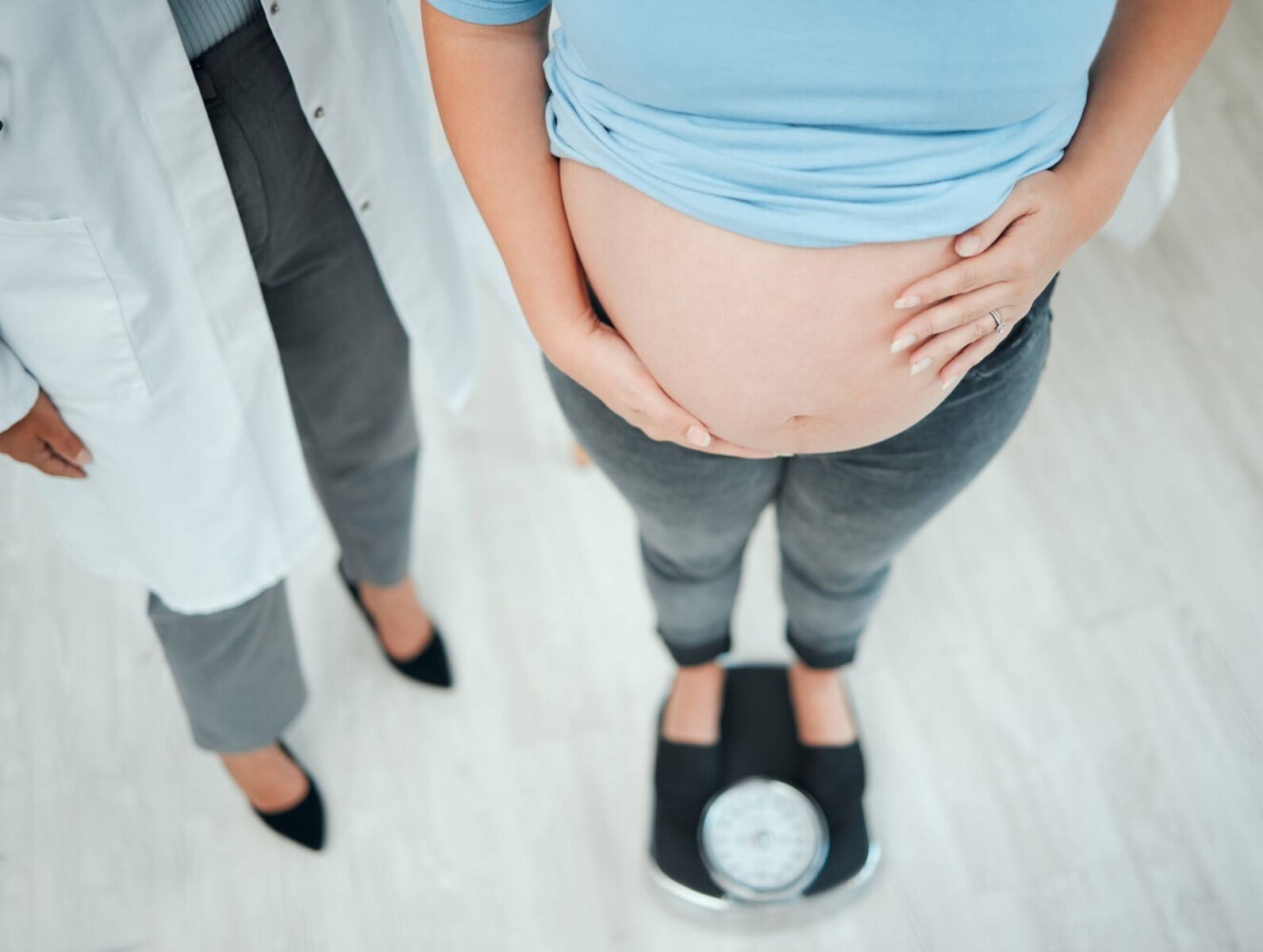
There are certain scenarios where your doctor may introduce a structured nutrition plan, especially if you begin pregnancy with obesity or have conditions such as insulin resistance or hypertension.
These plans emphasize balanced meals that support steady blood sugar, controlled portions that feel satisfying, and gentle physical activity that fits your comfort level. It is important to note that these plans will still consist of adequate caloric intake. You might receive guidance on how often to eat, how to build meals that keep you energized, or how to stay hydrated throughout the day.
Providers typically monitor fetal growth closely to ensure that any adjustments support development. They may also check labs or review symptoms to help tailor recommendations.
If you want personalized help with your eating routine, connect with a Registered Prenatal Dietitian through Berry Street to receive a customized 7-day meal plan that fits your needs.
How To Keep Nutrition High Even if Calories Shift
Nutrition needs rise during pregnancy, even when your appetite feels unpredictable. These strategies help you get what your body needs on days when eating feels easier and on days when it doesn’t.
1. Emphasize Nutrient-Dense Foods
Choosing nutrient-dense foods gives you more value from each bite, especially when your appetite is inconsistent. You might notice that smaller meals feel more manageable during certain phases of pregnancy, so focusing on items rich in protein, vitamins, minerals, and healthy fats becomes even more important.
Lean poultry, eggs, tofu, beans, whole grains, nuts, avocado, and colorful produce all help you meet higher nutrient demands without needing large portions at every meal. These foods also support blood sugar stability, digestive health, and steady energy, which can make your day feel smoother and less draining.
If you struggle with full plates, adding nutrient-dense toppings, sauces, or sides can boost your intake without overwhelming your stomach. This approach keeps each bite working harder for both you and your baby.

2. Frequent, Smaller Meals
Frequent, smaller meals can help you stay nourished on days when nausea, bloating, or quick fullness get in the way. Large portions may feel heavy or uncomfortable, especially early in pregnancy or later on when your growing baby takes up more space.
Eating every two to three hours helps keep your blood sugar steadier and can prevent the crashes that leave you wiped out. You might choose simple options such as toast with peanut butter, yogurt with fruit, cheese and whole grain crackers, or hummus with vegetables.
These snack-sized meals are easier to tolerate but still provide meaningful nutrition. Planning a loose schedule, like three small meals and two or three snacks, can give your day structure without feeling strict. Over time, this rhythm supports steady energy.
3. Stay Hydrated
Hydration plays a big role in how you feel during pregnancy, and it becomes even more essential when your eating patterns vary from day to day. You may notice headaches, dizziness, constipation, or dry mouth when fluids are low, and these symptoms can make mealtimes less appealing.
Drinking water regularly supports circulation, digestion, temperature regulation, and amniotic fluid levels. If plain water is unappealing, you can try flavored water, herbal teas, diluted juice, or broths. Foods such as watermelon, oranges, cucumbers, and soups also contribute to your fluid intake in a gentle way.
Many people find it helpful to keep a water bottle within reach and take small sips throughout the day. This simple habit makes it easier to stay hydrated and feel more comfortable overall.
4. Add Calories Strategically
If your appetite is low, adding calories in small, strategic ways can help you meet your needs without feeling overwhelmed at meals. You might stir nut butter into oatmeal, blend seeds into smoothies, or drizzle olive oil over cooked vegetables and grains. These tweaks raise the energy and nutrient content of foods you already like.
Sauces, dips, and spreads such as tahini, pesto, guacamole, or hummus can also lift your intake without increasing portion size too dramatically. This approach is especially helpful when nausea or early fullness makes large plates unappealing.
It allows you to gently increase calories while respecting your current comfort level. Over the course of a day, these small changes add up and help support both your health and your baby’s growth.
5. Choose Easy-to-Digest Options
When your stomach feels sensitive, focusing on easy-to-digest foods can make eating feel much more manageable. You may find that bland, soft, or cool foods sit better than spicy, fried, or very rich meals.
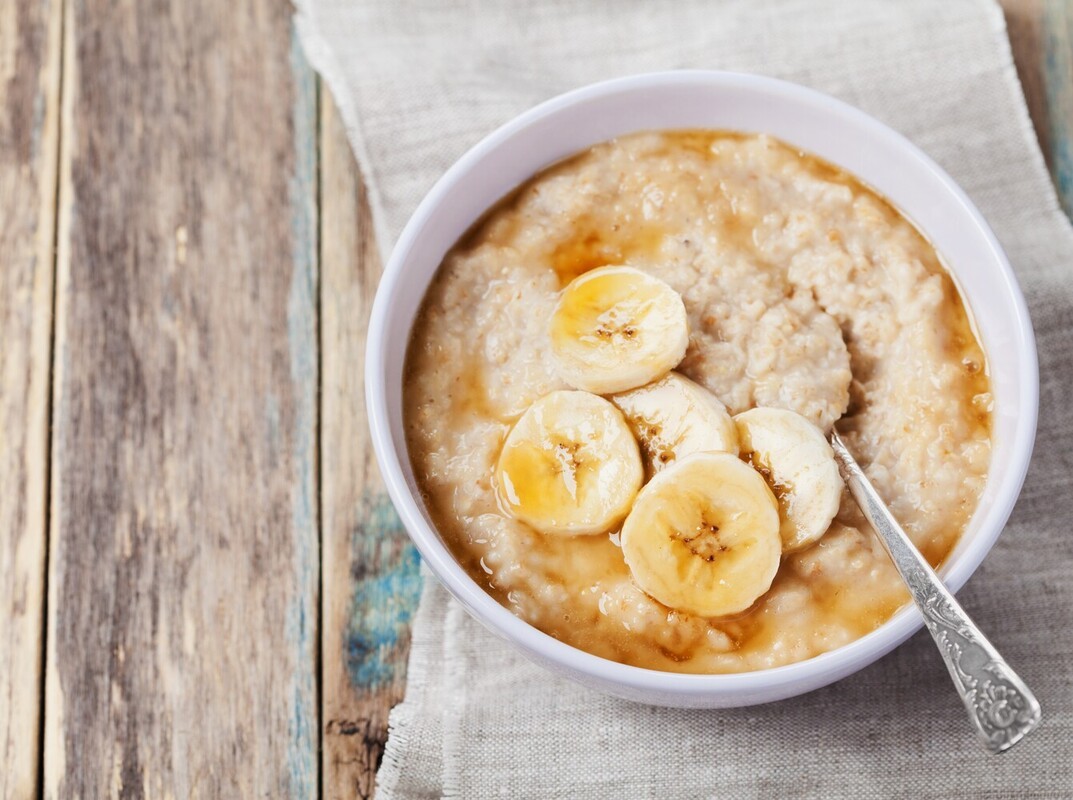
Options such as oatmeal, rice, bananas, applesauce, broth-based soups, yogurt, and smoothies often work well. Simple sandwiches, plain pasta with a light sauce, or baked potatoes can also provide steady fuel without overwhelming your system.
This style of eating still delivers key nutrients while reducing discomfort like nausea, bloating, or heartburn. You can gradually reintroduce more variety as your symptoms improve. Keeping a short list of “safe” foods on hand makes it easier to decide what to eat when you feel unsure or worn out.
6. Plan for Low Appetite Days
Planning ahead can make a big difference on days when your appetite is low or your schedule feels packed. Preparing a few easy options in advance means you always have something nourishing ready when cooking sounds like too much effort.
You might batch cook soup, chili, or grain bowls, then portion them into single servings you can quickly reheat later. Keeping pre-cut fruits and vegetables, hard-boiled eggs, cheese sticks, or yogurt cups in the fridge provides instant snack choices. Frozen options such as veggie burgers, cooked chicken, or mixed vegetables can also save time.
When you know there are simple, balanced foods waiting for you, it feels easier to eat regularly and avoid long gaps without fuel or fluids.
How To Manage Your Weight Safely During Pregnancy
Managing your weight during pregnancy works best when the focus is on steady habits rather than big changes. These strategies help you stay nourished, supported, and in tune with what your body needs as it adapts each week.
If you want personalized help, connect with a Registered Prenatal Dietitian through Berry Street to receive a customized plan that fits your needs.
1. Focus on Whole, Balanced Meals
Building meals with protein, carbohydrates, and healthy fats helps keep your blood sugar stable and your energy steady.
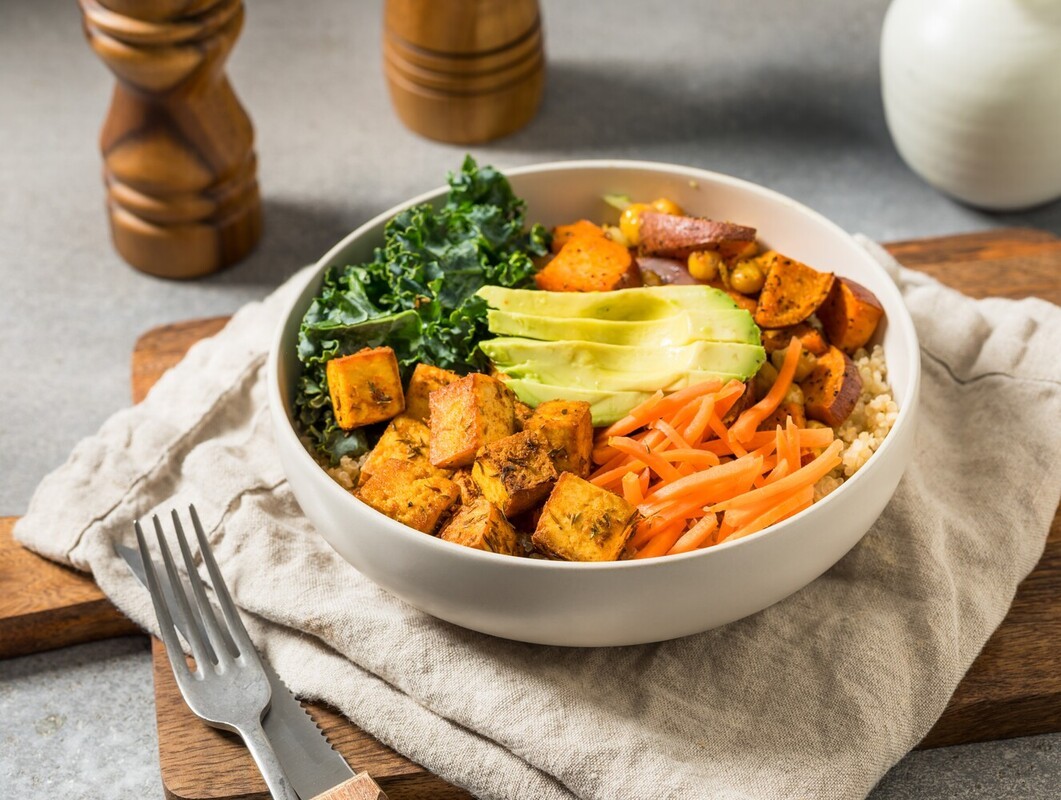
You might choose eggs with whole grain toast, chicken with quinoa and vegetables, or tofu with brown rice and edamame. These combinations provide fiber, iron, folate, and healthy fats that support fetal development and your own health.
Whole foods also tend to keep you fuller for longer, which can reduce late-night cravings. If large plates feel uncomfortable, you can split the same balanced meal into two smaller portions and eat them a few hours apart. This still gives you the same nutrition in a way that feels manageable.
2. Moderate, Pregnancy Approved Activity
Gentle movement helps your body handle the physical changes of pregnancy while also supporting your mood. Walking, swimming, and prenatal yoga are great options because you can easily adjust the pace, distance, or intensity.
You might walk around your neighborhood after dinner, join a prenatal yoga class once or twice a week, or enjoy a few easy laps in the pool. Regular movement can improve circulation, reduce stiffness, and support digestion.
It can also help with sleep, which indirectly supports more balanced eating choices. Always check with your provider about what is safe for your situation, especially if you have medical conditions or pregnancy complications.
3. Regular Prenatal Check-ins
Prenatal check-ins are one of the most helpful tools for keeping weight changes in perspective. At each visit, your provider looks at trends instead of single weigh-ins and pairs that information with blood pressure, lab work, and your baby’s growth.
You can talk through symptoms like nausea, constipation, heartburn, or low appetite, and how they are affecting your eating. This context helps your provider decide whether anything needs to change.
They might suggest adjusting meal timing, trying a different prenatal vitamin, or adding a snack before bed. These visits are also a chance to ask questions and feel reassured that you are on the right path.

4. Build Consistent Eating Rhythms
Eating at regular intervals can make your days feel steadier and more predictable. You might aim for three smaller meals and two or three snacks, depending on your hunger level and schedule.
Regular eating helps prevent long gaps that lead to energy crashes or intense hunger later, which can trigger overeating. It also supports more stable blood sugar patterns, which can reduce headaches and irritability.
Simple habits help, like having breakfast within an hour or two of waking and packing snacks for work or errands. Over time, this rhythm makes it easier to meet your nutrient needs without constantly thinking about food or counting every calorie.
5. Create a Supportive Eating Environment
Your eating environment can either support your goals or make meals feel stressful. Small tweaks often help a lot. You might keep a bowl of fruit on the counter, store cut vegetables at eye level in the fridge, or set the table before meals so you are more likely to sit and eat slowly.
Reducing strong cooking smells, using softer lighting, or playing calm music can make eating feel more pleasant when you feel sensitive. Having water nearby encourages you to sip regularly. When your space feels inviting and practical, it becomes easier to follow through on the habits that keep you nourished.
For personalized care and guidance throughout your pregnancy, connect with a Registered Women’s Health Dietitian through Berry Street to build a plan that truly supports you, whether you’re going through pregnancy, aiming for menopause weight loss, or struggling with losing weight with PCOS.

Recommended Weight Ranges During Pregnancy
Recommended weight gain during pregnancy varies based on your pre-pregnancy BMI, and these ranges help support your baby’s growth while keeping you comfortable.
Most providers and Registered Dietitians use these numbers as a general guide, then adjust for your personal health history and symptoms.
These ranges can feel helpful when you want clarity without getting stuck on daily fluctuations. They give you a framework for what is typical, and they also reassure you when your progress feels slower or faster than expected.
If you want personalized help, connect with a Registered Prenatal Dietitian through Berry Street to receive a customized plan that fits your needs.
Here are the most common targets:
BMI under 18.5: 28-40 pounds
BMI 18.5–24.9: 25-35 pounds
BMI 25–29.9: 15-25 pounds
BMI 30 or higher: 11-20 pounds
What a Balanced Pregnancy Diet Looks Like
A balanced pregnancy diet focuses on steady nourishment, variety, and satisfying meals that give your body what it needs to support fetal development.
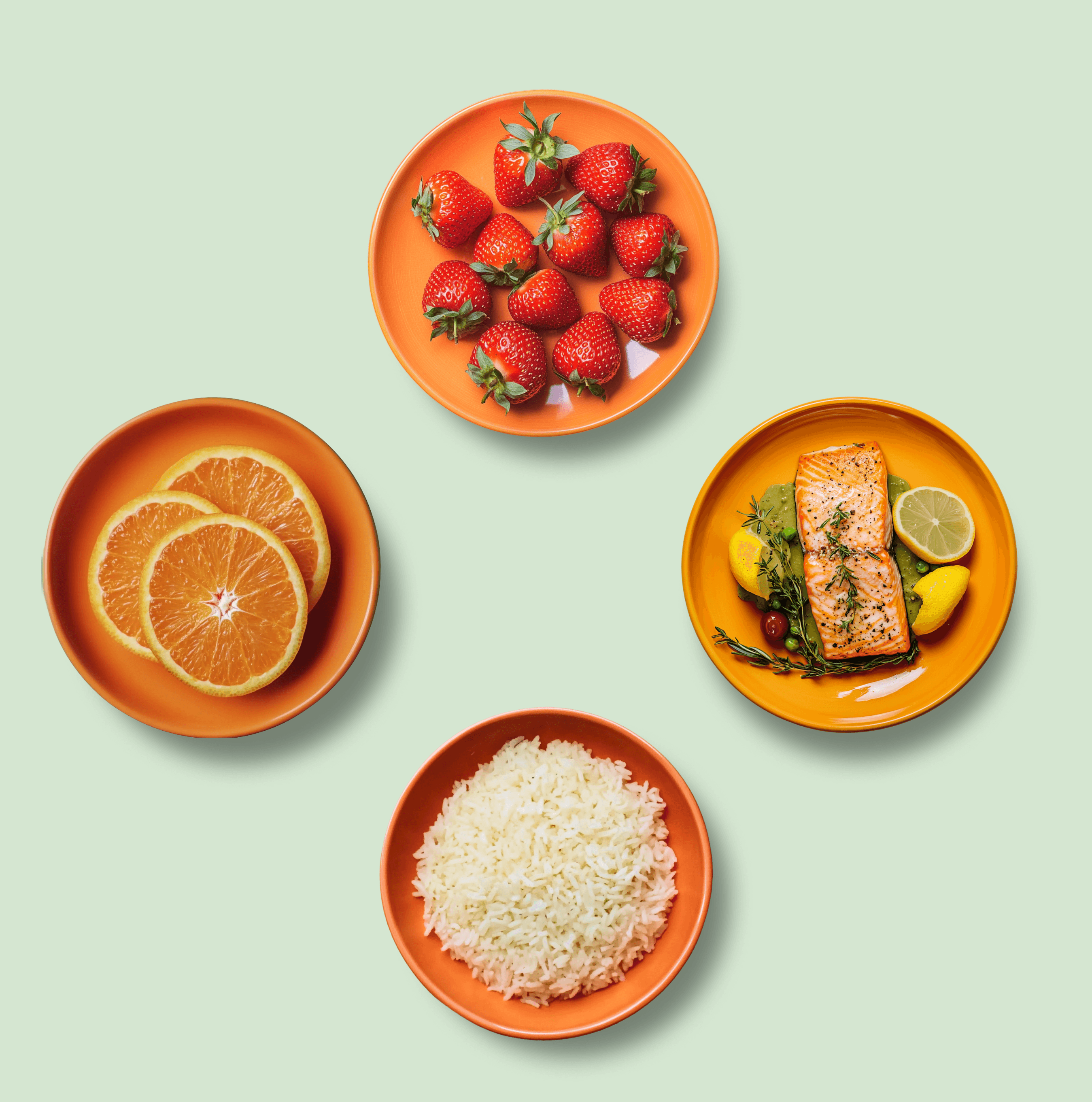
You might picture your plate filled with colorful fruits and vegetables, whole grains like oats or brown rice, and proteins such as eggs, beans, tofu, poultry, or fish. Healthy fats from nuts, seeds, olive oil, and avocado help support your baby’s brain development and keep you fuller for longer.
Getting enough iron can help reduce fatigue, while calcium supports your bones and your baby’s growing skeleton. Folate remains crucial in early pregnancy, and omega-3s can be found in foods like salmon or chia seeds. These foods work together to support both energy and comfort throughout your pregnancy.

Smart Swaps That Help Prevent Excess Gain
Smart swaps allow you to improve nutrition without feeling restricted or overwhelmed. Small changes can make meals feel lighter and more nourishing at the same time.
You might start by choosing water or sparkling water instead of sugary drinks during meals. Reaching for fresh fruit instead of packaged sweets can satisfy cravings with more fiber and vitamins.
Grilled chicken, baked salmon, or tofu can replace fried options on nights when you want something satisfying without the heaviness. Whole-grain bread or pasta adds staying power compared to refined versions.
These swaps help stabilize blood sugar and reduce extra calories without drastically changing your eating habits. Over time, they support comfortable, steady weight gain.
Pregnancy-Safe Exercise Options
Pregnancy-safe exercise is all about movement that feels good for your changing body while supporting strength, circulation, and mood.
Many people enjoy walking because it is gentle, accessible, and easy to fit into busy days. Swimming offers buoyancy and reduces pressure on your joints, which can feel great in the second and third trimesters.
Stationary cycling keeps your heart rate up without requiring balance, and prenatal strength training builds muscles that support your back, hips, and core. Guided prenatal yoga can help with flexibility and relaxation.
Light to moderate movement a few times a week tends to work well for most people. Listening to your body helps you find the right routine.

Small Habits That Support a Healthier Pregnancy
Small daily habits often make the biggest difference in how you feel during pregnancy. Eating consistent meals helps you avoid energy crashes and supports stable blood sugar.
Keeping a water bottle nearby throughout the day encourages steady hydration, especially if you feel warmer or more tired than usual. Prioritizing sleep gives your body time to recover and supports your appetite regulation.
Stress management techniques like deep breathing, journaling, or gentle stretching can calm your nervous system and improve digestion.
These habits don’t need to be complicated to be effective. When practiced regularly, they create a foundation that supports your physical comfort, emotional well-being, and healthy weight trends.
Losing Weight While Pregnant if You’re Overweight or Obese
When you begin pregnancy with a higher BMI, your provider may offer guidance that looks slightly different from standard recommendations. The goal is to support a healthy pregnancy while minimizing risks like gestational diabetes or high blood pressure.
You might have more conversations about meal balance, activity levels, and how your weight changes over time. These discussions help you understand what is realistic for your body and what supports your baby’s growth.
Tailored recommendations can also reduce pressure by showing you that healthy pregnancy weight trends are not one size fits all. Your care team uses your history, symptoms, and growth measurements to decide what makes the most sense for you.

How Recommendations Change by Starting BMI
When someone has a higher BMI at the start of pregnancy, recommended weight gain ranges are often lower to reduce strain on the body. Your dietitian might suggest focusing more on nutrient density and balanced meals instead of increasing calories.
You may be encouraged to pay attention to hunger cues and eat in a way that supports comfort and steady energy. Even though the recommended range is smaller, the goal is still a gradual gain rather than intentional weight loss.
Your healthcare team monitors fetal growth closely to ensure your baby is developing appropriately. If weight trends fall outside expectations, they may adjust your plan to help you stay well-nourished and supported.
What “Controlled Gain” Looks Like in Real Life
Controlled gain during pregnancy means your weight increases slowly and consistently based on your provider’s guidance. You might focus on meals that combine protein, fiber, and healthy fats, which keep you satisfied without leaving you overly full.
This type of eating naturally encourages moderate portions and stable blood sugar. Light activity, such as walking or prenatal yoga, helps you maintain muscle and support circulation.
Controlled gain might also mean noticing appetite shifts and choosing foods that feel nourishing instead of eating by habit alone. It is not a diet, and it does not involve strict rules. It is a steady, balanced approach that supports your health and your baby’s growth.
Why Some Providers Allow Weight Maintenance
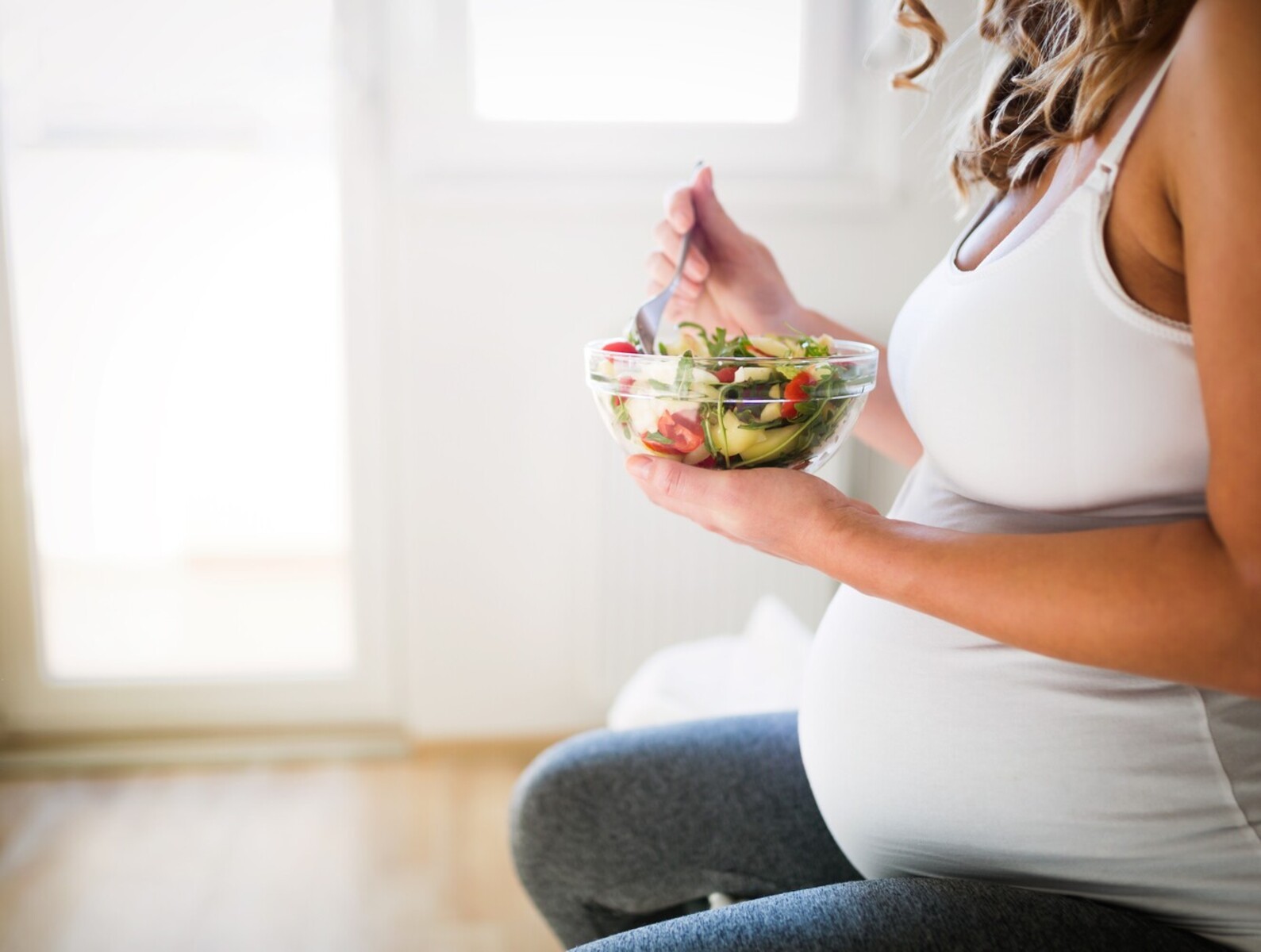
Some providers may approve weight maintenance during pregnancy for individuals with a higher BMI, especially when fetal growth remains right on track. This approach can feel reassuring because it focuses more on nutritional quality than on numbers.
Your provider might emphasize consistent meals, adequate protein, and hydration rather than encouraging additional calories. Weight maintenance can occur naturally when you shift toward whole foods and reduce highly processed choices without trying to restrict.
It also reflects how your metabolism functions during pregnancy and how your symptoms influence appetite. Providers only recommend this when your overall health supports it, and they monitor growth to ensure your baby receives everything needed for development.
How To Build a Safe, Personalized Plan
Creating a personalized plan during pregnancy works best when you combine professional guidance with your own lived experience. These steps help you stay informed, supported, and confident as your body and needs evolve.
If you want personalized help, connect with a Registered Prenatal Dietitian through Berry Street to receive a customized plan that fits your needs.
1. Collaborate With Your Care Team
Working closely with your care team gives you a strong foundation for understanding what your body needs throughout pregnancy. Your doctor and Registered Dietitian can help you determine appropriate meal patterns, safe activity levels, and nutrition goals that match your symptoms and health history.
You might talk through challenges like ongoing nausea, early fullness, or shifting cravings. These conversations help refine your plan, so it feels practical instead of overwhelming.
Your care team also monitors important markers such as fetal growth, blood pressure, blood sugar, and nutrient levels. Regular communication keeps your plan aligned with your body’s changes and ensures both you and your baby stay supported.
2. Track Trends, Not Day-to-Day Numbers
Focusing on weekly trends rather than daily numbers helps you see the bigger picture without creating unnecessary stress. Weight naturally fluctuates due to hydration, digestion, sleep, and even the timing of meals.
Tracking patterns across several days gives you more accurate insight into how your pregnancy is progressing. You might jot down meals, hunger cues, or how certain foods make you feel to identify useful patterns.
These notes become valuable during check-ins with your provider because they reveal what is working and what may need adjusting. Looking at trends helps you stay grounded, makes decision-making easier, and supports a more confident relationship with your changing body.
3. Adjust as Pregnancy Progresses
Your body’s needs shift throughout pregnancy, and giving yourself room to adjust allows you to stay well-nourished. Early on, you may prefer smaller meals or blander foods, while later trimesters might bring stronger hunger or different preferences.
By the third trimester, you may need lighter meals again because your stomach fills quickly. These changes are normal and helpful to acknowledge. Adjusting your plan might include increasing snacks, changing portion sizes, or shifting your meal timing.
Your provider can help you understand whether these adjustments support your overall goals. Staying flexible makes eating feel more comfortable and helps you meet your nutrient needs even when your symptoms change.

4. Prioritize Foods That Support Comfort
Comfort plays a huge role in staying consistent with your eating habits during pregnancy. Choosing foods that feel good helps you avoid skipping meals and keeps your energy steadier.
You might find that cool foods like yogurt or smoothies work better on queasy days, while warm soups or soft grains feel comforting when digestion feels slow. Paying attention to what sits well in your stomach allows you to meet your nutritional needs without added stress.
This approach also helps you identify which foods make you feel energized or overly full. Over time, these observations shape a diet that supports both comfort and nourishment, making your daily routine more manageable.
5. Lean on Routine for Stability
A steady routine can make eating feel easier and more predictable throughout pregnancy. You might choose general times for meals and snacks to prevent long gaps that leave you tired or overly hungry. This rhythm helps stabilize blood sugar, which can reduce headaches, mood swings, and late-night cravings.
Routine also makes it simpler to notice changes in your appetite or symptoms because you have a clear sense of what is normal for you. Preparing meals or snacks ahead of time can support this structure without feeling restrictive.
With a flexible but consistent pattern in place, you give yourself a reliable foundation that supports your health, energy, and comfort each day.

6. Communicate Changes Early
Keeping your care team updated about new symptoms or changes in appetite helps your plan stay safe and effective. If you begin struggling with meals, feeling unusually fatigued, or noticing faster weight shifts, sharing these details early allows your provider to adjust your plan promptly.
These updates help them catch potential issues such as dehydration, nutrient deficiencies, or rising blood pressure. Discussing what feels difficult also gives you the chance to explore practical solutions together.
You might receive new meal ideas, alternative supplements, or updates to your activity recommendations. Clear communication reduces uncertainty and ensures your plan keeps pace with your body’s changing needs throughout pregnancy.
Unusual or Concerning Weight Loss During Pregnancy
Unusual or unexplained weight loss during pregnancy can be a sign that something in your body needs attention. You might notice your appetite dropping, your energy dipping, or symptoms like nausea or dizziness becoming more frequent.
These changes can point to issues such as dehydration, thyroid imbalances, poorly controlled nausea, or problems with nutrient absorption. In some cases, weight loss may indicate that your body is not getting enough fuel to support your baby’s growth.
That is why providers take these shifts seriously and often move quickly to evaluate what is happening. Early assessment helps identify the cause, whether it is medical, nutritional, or related to stress or illness. Addressing the root issue protects your health and ensures your baby continues to grow as expected.
Red Flags to Watch For
Certain symptoms paired with weight loss can reveal important clues about your health during pregnancy. Paying attention to these signs helps you act quickly and get support when your body needs it most.
1. Sudden, Consistent Weight Loss
A rapid or steady drop in weight during pregnancy can be a sign that your body is not getting enough fuel. You might notice your clothes loosening, your rings feeling looser, or the scale going down several check-ins in a row without any effort. This pattern can point to issues such as unmanaged nausea, thyroid changes, infections, or difficulty absorbing nutrients.
Over time, a consistent calorie gap can affect your baby’s growth and your own energy, mood, and immune function. If you see this trend, write down when it started and any other symptoms you feel. Share that information with your provider so they can investigate and respond quickly.
2. Severe Nausea or Vomiting
Severe nausea or vomiting can turn simple eating and drinking into a daily struggle and quickly affect your weight. You may find that even small sips of water, crackers, or toast come right back up, leaving you weak and drained.
When this continues, dehydration and electrolyte imbalances can develop, which increases the risk of dizziness, headaches, and hospital visits. Long-term, poor intake can limit the nutrients available for your baby’s growth.
This can be a sign of hyperemesis gravidarum or another condition that requires treatment. Contact your provider promptly if you cannot keep fluids down for a day or if your urine becomes very dark and infrequent. This deserves attention.

3. Dizziness or Lightheadedness
Dizziness or lightheadedness, especially when combined with weight loss, is a red flag that deserves attention. You might feel the room tilt when you stand, notice black spots in your vision, or worry you could faint in the shower.
These symptoms can signal low blood pressure, low blood sugar, dehydration, or anemia. Each of these affects how well oxygen and nutrients reach your organs and your baby. They also raise the risk of falls or accidents at home or work.
If dizziness appears often, keep notes about when it happens, what you were doing, and how long it lasts. Share those details with your provider so they can check your blood pressure, labs, and hydration.
4. Persistent Fatigue
Fatigue is common in pregnancy, but exhaustion that feels overwhelming and keeps getting worse can point to a deeper concern. You may feel wiped out after small tasks, notice heavy limbs when climbing stairs, or struggle to stay awake during the day.
When this level of tiredness pairs with weight loss or poor appetite, it can signal anemia, thyroid issues, or simply not eating enough. Your body may be pulling from its own stores to keep the baby growing.
That leaves less energy for daily life, mood, and immunity. Let your provider know if rest does not help. Blood tests and nutrition changes can often improve how you feel. That is worth exploring.

5. Loss of Appetite
A fading appetite during pregnancy can sneak up on you and easily lead to unintentional weight loss. You might skip meals because nothing sounds appealing, push food around your plate, or feel full after just a few bites.
Over days and weeks, this means your body and baby receive fewer calories and fewer key nutrients such as protein, iron, and healthy fats.
Loss of appetite can be linked to depression, anxiety, digestive discomfort, medication side effects, or hormonal shifts. It’s crucial not to ignore it. Track when your appetite feels lowest and what you can manage to eat. Bring this information to your provider so you can troubleshoot together.
Medical Conditions That Can Cause Weight Loss
Some medical conditions can quietly affect how your body uses food, absorbs nutrients, or regulates hormones during pregnancy. Knowing the possibilities helps you spot issues early and feel more confident when you talk with your provider.
1. Hyperemesis Gravidarum
Hyperemesis gravidarum is a severe form of pregnancy-related nausea and vomiting that goes far beyond typical morning sickness. You may struggle to keep fluids down, feel weak after small meals, or notice your weight dropping quickly.
These symptoms can cause significant dehydration and low electrolyte levels, which affect your heart, muscles, and energy. Many people also notice dizziness, headaches, or very dark, infrequent urine as dehydration worsens.
Because of these risks, providers recommend early treatment, which may include IV fluids, anti-nausea medications, and nutrition support. Prompt care helps protect your strength, stabilize hydration, and maintain the calories and nutrients your baby needs for healthy growth throughout pregnancy.

2. Thyroid Disorders
Thyroid disorders, especially an overactive thyroid, can increase metabolism and lead to unintentional weight loss during pregnancy. You might notice a racing heartbeat, heat intolerance, anxiety, loose stools, or trouble sleeping, along with dropping weight.
These symptoms suggest that your body is burning energy faster than you can comfortably replace through food. Providers confirm thyroid changes through blood tests and may recommend medication to regulate hormone levels safely in pregnancy.
Extra nutritional support is also helpful. Working with a Registered Thyroid Dietitian can help you meet higher energy needs with balanced meals and snacks. With proper treatment and tailored nutrition, weight trends usually stabilize, and your baby’s growth can stay on track at each visit.
3. Gastrointestinal Conditions
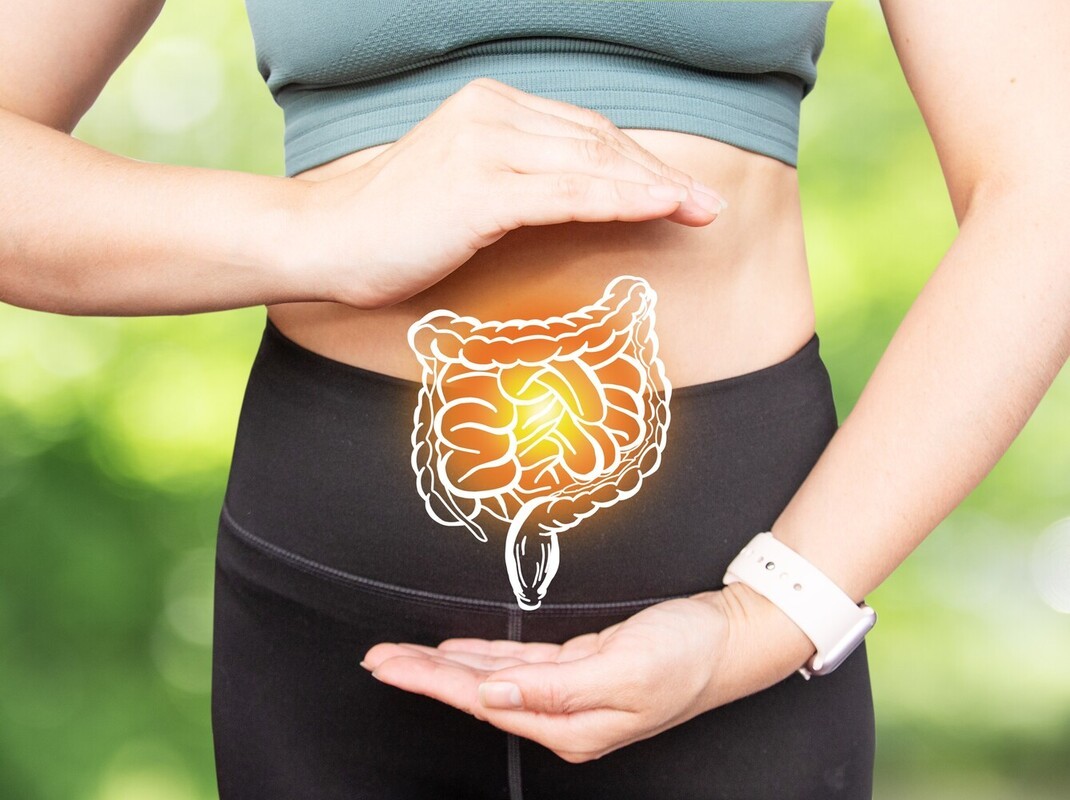
Gastrointestinal conditions such as irritable bowel syndrome, inflammatory bowel disease, celiac disease, or chronic reflux can affect appetite, digestion, and nutrient absorption. You may experience bloating, abdominal pain, diarrhea, constipation, or nausea that makes eating feel uncomfortable or unpredictable.
Over time, these symptoms can reduce how much you eat and lead to gradual weight loss. Some people also avoid entire food groups because they fear triggering symptoms, which limits the variety needed for balanced nutrition.
Providers assess your symptoms, hydration, and key nutrients such as iron, B12, and vitamin D. Working with a Registered Gut Health Dietitian can help you ease symptoms, protect your gut, and keep your baby’s nutrient supply steady.
4. Uncontrolled Diabetes
Uncontrolled diabetes can lead to weight loss because your body struggles to use glucose effectively for energy. You may feel very thirsty, need to urinate often, or notice blurry vision, yeast infections, or slow-healing cuts.
When blood sugar stays high, the body may break down fat and muscle for fuel, which causes unintended weight loss and fatigue. During pregnancy, this pattern can affect your baby’s growth and raise risks around delivery if not addressed.
Providers diagnose and monitor diabetes through blood tests and glucose checks, then adjust medications or insulin.
If you’re struggling with uncontrolled diabetes, we recommend working with a Registered Diabetes Dietitian alongside your primary care doctor to match carbohydrates, meals, and snacks to your treatment so weight and blood sugars stay steadier.
5. Infections or Chronic Illness
Infections or chronic illnesses can temporarily increase your body’s energy needs or reduce your appetite, leading to weight loss during pregnancy. You might notice fever, chills, ongoing fatigue, body aches, or digestive upset that makes regular meals difficult.
Some infections also affect hydration and nutrient absorption, which further impacts your weight and overall well-being. Your provider may order blood tests, urine tests, or imaging to find the cause and decide whether antibiotics, antivirals, or other treatments are needed.
Once the underlying issue is treated, appetite, energy, and weight trends usually improve. Tracking new or persistent symptoms helps your care team respond quickly and protect both your health and your baby’s growth.

When Sudden Weight Loss Becomes Risky
Sudden or persistent weight loss during pregnancy becomes risky when it starts interfering with the nutrients available to support your baby’s growth and your own health. You may notice fatigue, dizziness, or a sharp drop in appetite, and these changes can signal that your body is struggling to meet increasing demands.
Providers often take this seriously because ongoing loss can affect fetal development, placental function, and your energy levels. They may check for dehydration, anemia, thyroid changes, infections, or nutritional gaps to understand what is causing the decline.
Early evaluation helps determine whether you need medical treatment, anti-nausea support, or changes to your eating routine. Addressing issues quickly helps protect both you and your baby.
How Doctors Monitor Baby Growth if You’re Losing Weight
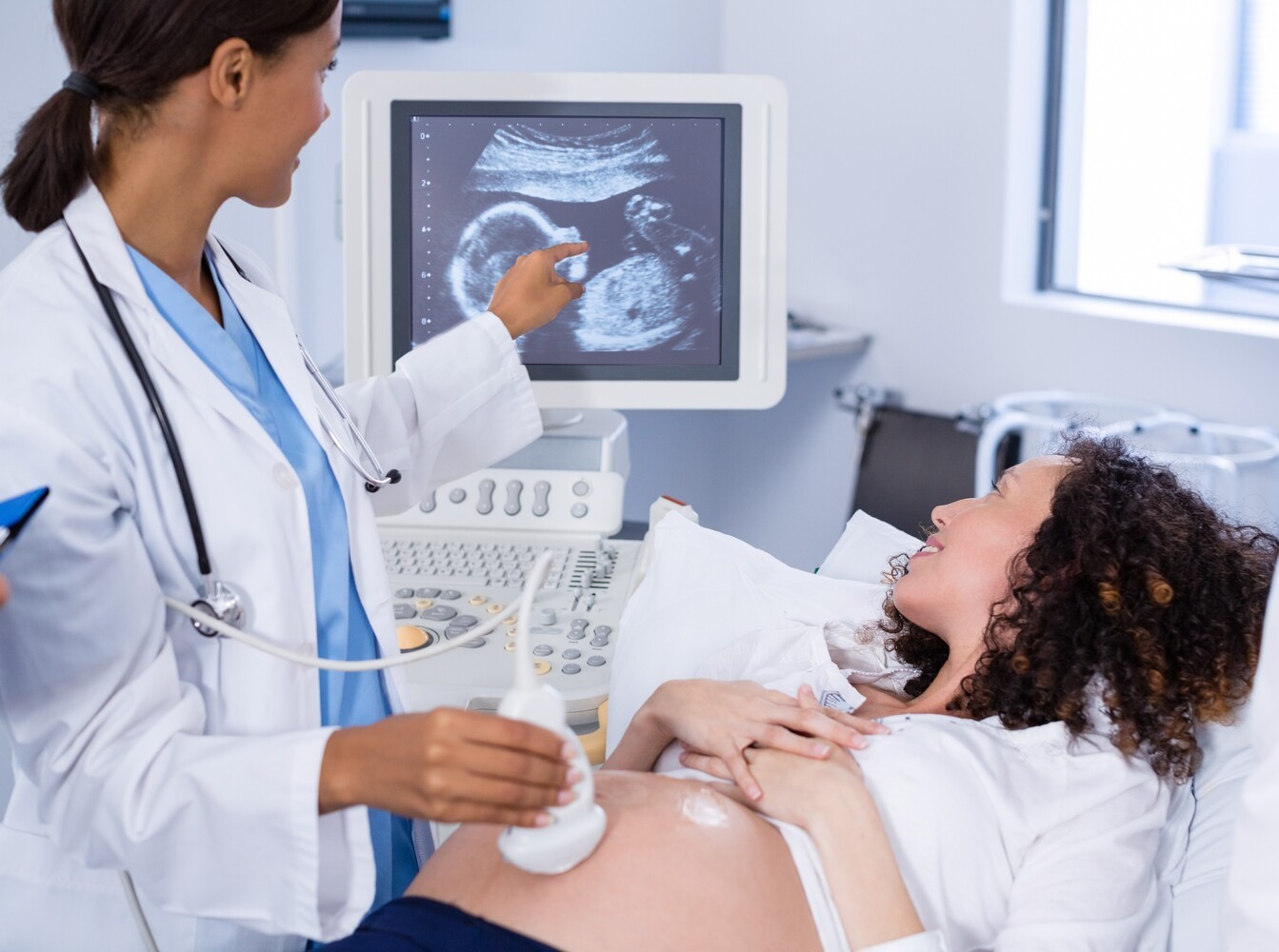
When weight loss continues, doctors closely monitor your baby’s growth to ensure development stays on track. They may start with fundal height measurements to see how your uterus is growing from visit to visit. Growth scans offer a more detailed look at your baby’s size, organ development, and fluid levels.
Providers may also review your nutrient intake, check iron or thyroid levels, and evaluate hydration to understand how well your body is supporting pregnancy.
If the baby’s growth slows, your care team may adjust your nutrition plan or increase monitoring frequency. These steps help catch concerns early and give you a clearer picture of how your baby is progressing.
What to Do Between Appointments
Between appointments, small daily habits can help you feel more in control while your provider evaluates weight changes. Tracking your meals, symptoms, and hunger patterns gives helpful clues about what affects your intake.
You might also monitor how much water you drink each day, since dehydration can make nausea and fatigue worse. Writing down questions ensures nothing gets forgotten when you meet with your provider.
If eating feels difficult, gentle adjustments like lighter meals, nutrient-dense snacks, or cooler foods may help. Noticing patterns early allows you to bring clear information to your appointment. These simple steps support steadier energy and help your care team fine-tune your plan.
Pregnancy Weight Loss Myths and Misconceptions
Pregnancy comes with a lot of advice, and not all of it is accurate. These common myths can create confusion, especially when you are trying to understand what healthy weight patterns really look like.
1. Eating for Two
Many people hear the phrase eating for two and assume they need to eat twice as much, which can lead to uncomfortable weight gain. Most pregnancies only require a modest calorie increase in the second and third trimesters.
What matters more is the quality of what you eat day to day. A breakfast of eggs, whole-grain toast, and fruit supports you better than a second plate of pancakes. Snacks like yogurt, nuts, or hummus with vegetables add protein, fiber, and healthy fats.
Focusing on satisfying, nutrient-rich meals helps you feel energized, manage hunger, and support your baby’s growth.

2. Extreme or Fast Weight Loss is Possible
Extreme or fast weight loss during pregnancy may sound appealing if you’re worried about gaining weight, but it can create problems.
Rapid loss often means your body is losing water, muscle, or key nutrients, not just fat. You might notice dizziness, headaches, or trouble concentrating as your body struggles to keep up.
Over time, these changes can affect your energy and your baby’s growth. These are warning signs, not something to celebrate. Providers prefer steady patterns that come from balanced meals and gentle movement. If you feel tempted by a quick fix, mention it at your next visit and ask what is safe for you.
3. Hormones Explain Everything
Hormones change a lot during pregnancy and definitely influence hunger, mood, and digestion, but they do not explain every shift on the scale. If you’re losing weight without trying, it is important to look closer.
Ongoing loss can suggest thyroid problems, high stress, infections, or gastrointestinal conditions that interfere with eating. You might notice other clues, such as a racing heart, frequent bathroom trips, or new digestive pain.
These details help your provider separate normal hormonal changes from something that needs treatment. When weight loss appears, it always deserves a conversation, not just an assumption that hormones are the only cause.

4. Detoxes and Cleanses Are Helpful
Detoxes and cleanses often sound appealing because they promise quick results, but they can be risky during pregnancy. These plans usually restrict calories, limit food choices, or rely on juices and teas that do not supply enough protein, fiber, or healthy fats. Some products contain herbal ingredients that are not tested for pregnancy safety.
You might feel lightheaded or nauseated because your blood sugar drops too quickly. Cleanses also increase the risk of dehydration, which can affect your energy and your baby’s growth.
Instead of detoxing, providers encourage balanced meals, hydration, and gentle activity. These habits support natural detoxification without putting you at risk.
5. Skipping Meals to “Reset”
Skipping meals may feel like an easy shortcut when you want to manage weight, but it can make pregnancy symptoms worse. Long gaps between meals lead to low blood sugar, which can trigger headaches, nausea, shakiness, and irritability.
You may also overeat later because your hunger spikes, making the whole pattern less predictable. Skipping meals reduces the steady supply of nutrients your baby relies on for development.
It also puts extra stress on your digestive system, which is already changing. Eating smaller meals or snacks every few hours supports comfort, energy, and healthy weight trends. Consistency matters more than cutting meals.

6. Influencer “Pregnancy Diet Hacks”
Social media is full of pregnancy diet hacks that look clever but lack medical grounding. You might see suggestions like cutting carbs completely, replacing meals with protein bars, or using supplements that promise fast results.
These shortcuts rarely consider your increased nutrient needs or your baby’s developing organs. Cutting carbs can cause dizziness and low energy, while meal replacements often miss key nutrients like iron and choline.
Some supplements marketed as metabolism boosters can even be unsafe. When advice comes from influencers instead of healthcare providers, it’s easy to get steered off course. Validated nutrition guidance is always safer and more effective than trendy shortcuts.
What to Do if You’re Losing Weight Without Trying
Unintentional weight loss during pregnancy can feel worrying, especially when you are doing your best to eat well. These steps help you understand what is going on and give your provider clear, useful information:
Track What’s Really Happening
Tracking what is really happening gives you solid information instead of guesswork. Start by writing down what you eat and drink, roughly how much, and how you feel before and after.
Include things like nausea, heartburn, bowel changes, headaches, or times you feel unusually tired. You might also note skipped meals, cravings, and days when eating feels easier. After a few days, patterns usually start to show. Maybe mornings are hardest, or certain foods never sit well. Bring these notes to your appointments.
They help your provider or Registered Dietitian see the full picture and suggest changes that match your real life. This gives you real clarity.

Tweak Nutrition to Increase Intake Safely
When weight is dropping, small tweaks can gently raise your intake without making meals feel overwhelming. Focus on energy-dense additions rather than huge plates of food. Stir nut butter into oatmeal or yogurt, add cheese to eggs or vegetables, and drizzle olive oil over pasta, rice, or potatoes.
Smoothies with fruit, yogurt, and oats can work well when chewing feels like too much. Keep snacks like nuts, trail mix, granola bars, or hummus and crackers nearby.
Liquids often feel easier than solids. These little boosts add up across the day and support your energy, even when your appetite feels unreliable or unpredictable.
Check In With Your Provider if Necessary
If your weight keeps sliding down, even after you make small changes, it is time to check in with your provider. You are not overreacting by mentioning it. Sudden or ongoing loss can point to dehydration, infections, thyroid shifts, or other conditions that deserve attention.
Your provider may ask detailed questions, review your notes, and order blood work or other tests. They might adjust medications, treat nausea more aggressively, or refer you to a specialist. Clear communication helps them respond quickly and safely.
Reaching out early protects both your health and your baby’s growth over the coming weeks. Don’t wait for things to worsen.
If you want personalized help, connect with a Registered Prenatal Dietitian through Berry Street to receive a customized plan that fits your needs.
Support Healthy Weight Gain if Needed
Sometimes the goal during pregnancy is not only to stop weight loss, but to gently support weight gain again. Your provider may suggest adding one extra snack, fortifying meals with healthy fats, or slightly increasing portion sizes.
A Registered Weight Gain Dietitian can help you build a plan that feels realistic, not overwhelming. Together, you can choose foods that you enjoy, tolerate well, and can prepare on busy days.
You might focus on smoothies, hearty snacks, and balanced, comforting meals. Progress is measured over weeks, not days. The aim is steady, comfortable gain that supports your energy and your baby’s development. You deserve that level of care.
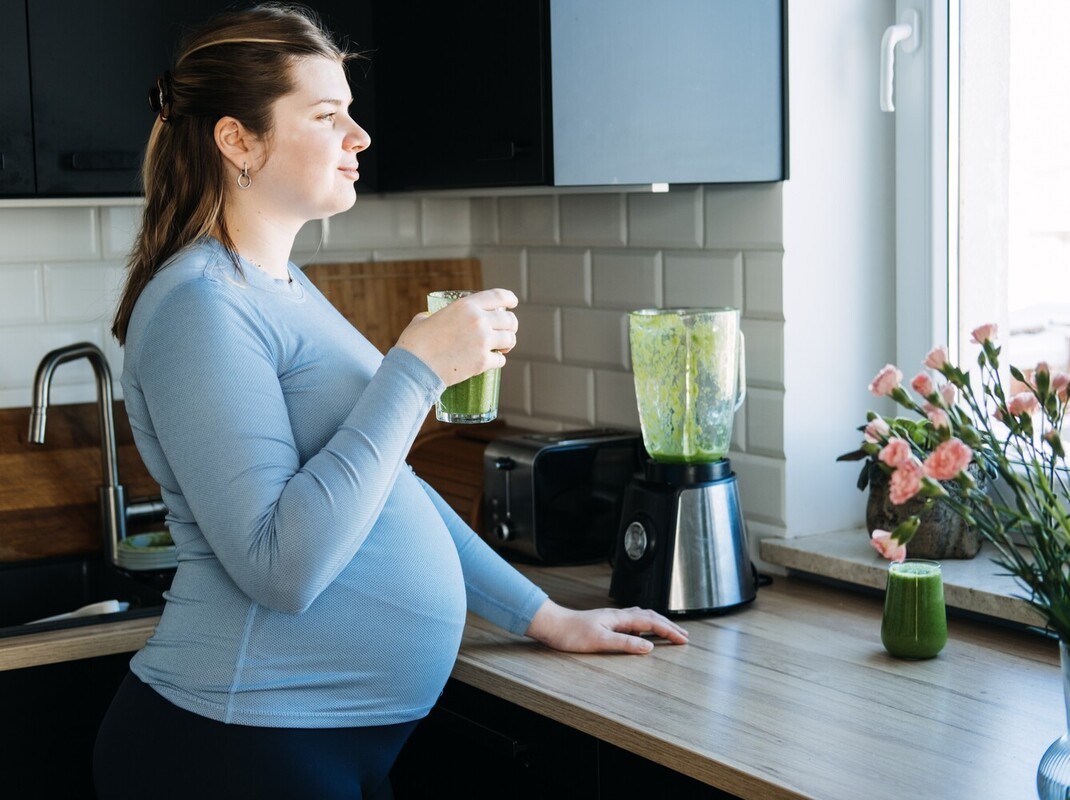
Preparing for Weight Loss After Pregnancy
The postpartum period brings its own rhythm, and your body often changes in ways that surprise you. These shifts happen gradually, and understanding them helps you feel more grounded as you settle into life after birth.
What Happens in the First Few Weeks After Birth
During the first few weeks after birth, your body releases a surprising amount of fluid. This includes the weight of the placenta, amniotic fluid, and the extra blood volume your body built during pregnancy.
Many people notice their rings fitting differently or experience more frequent urination as their body resets. Swelling in the legs, feet, and hands often decreases during this time as well.
These natural shifts explain why the scale may drop quickly at first. It is not fat loss but a normal release of pregnancy-related fluids. Understanding this helps set a calm, realistic starting point for your postpartum journey.
When Do Most People Start Losing Baby Weight?
Most people begin noticing gradual weight changes in the weeks and months after birth, once their routine becomes more settled. Some lose weight faster, while others move at a slower pace due to sleep disruption, stress, or healing needs.
Hormones also play a role, and appetite can vary widely in the early postpartum phase. Breastfeeding may increase calorie needs, but it does not guarantee rapid breastfeeding weight loss.
Gentle consistency with meals, hydration, and movement tends to matter more than anything else. There is no universal timeline, and comparing yourself to others rarely helps. Your weight will change at the pace that matches your recovery and lifestyle.
When Is It Safe to Return to Exercise?
Most providers recommend waiting until your postpartum checkup, typically around six weeks, before restarting structured exercise. That timeline can shift depending on whether you had a vaginal birth, a cesarean, or complications during delivery.
Early on, walking, light stretching, and simple mobility can help you reconnect with your body without pushing too hard. Many people notice that their core feels different, and exercises that were easy before pregnancy may feel challenging at first.
Returning slowly helps prevent injury and supports long-term strength. Listening to your body’s signals and checking in with your provider ensures your routine matches your recovery stage.
Why Postpartum Dieting Still Requires Care
Postpartum weight loss needs a gentle, thoughtful approach because your body is still healing from pregnancy and delivery. If you’re breastfeeding, your nutrient and energy needs remain higher than usual, which makes strict calorie cuts risky.
Fatigue, hormonal shifts, and disrupted sleep also influence appetite and metabolism in powerful ways. Quick fixes, detoxes, and restrictive plans can worsen these challenges instead of helping.
Focusing on steady meals, hydration, and balanced nutrition supports your recovery more effectively. Gradual changes create long-term results without draining your energy. If you want guidance built for your needs, connect with a Registered Postnatal Dietitian through Berry Street for personalized support.

Pregnancy Weight Loss FAQs
Is losing weight a sign of pregnancy?
Not typically. Early appetite shifts can cause mild loss, but it’s not a diagnostic sign.
Can you lose weight in early pregnancy without morning sickness?
Yes. Appetite changes alone can lead to small weight decreases.
Is it normal to lose weight at the end of pregnancy?
Not usually. Any notable loss should be mentioned to your provider.
How much weight loss is too much?
If you’re losing more than a few pounds unintentionally or consistently trending downward, seek medical guidance.
Can being overweight make pregnancy weight loss safer?
No. Even with a higher BMI, intentional weight loss isn’t the goal. Controlled gain or maintenance may be appropriate with medical oversight.
Conclusion
Pregnancy brings a wide range of normal weight changes, and understanding what’s safe helps remove a lot of stress from the experience. This includes knowing when natural weight loss can happen, why intentional dieting isn’t recommended, and how providers guide healthy weight management based on individual needs.
It also means recognizing symptoms that need attention and understanding that controlled gain or maintenance can be appropriate in certain situations. Clear guidance helps people feel more confident as their bodies shift and their babies grow.
If you’re ready for personalized support, connect with a Registered Dietitian covered by insurance through Berry Street to build a plan that fits your pregnancy journey.