We know many people want clear, practical guidance on how to lose weight with hypothyroidism, and they’re tired of advice that doesn’t match their real experiences. At Berry Street, we’ve worked with countless clients navigating fatigue, medication adjustments, and slower progress, so we understand how frustrating the process can feel.
In this guide, we walk through what hypothyroidism actually is, how it affects metabolism, why weight changes happen, and what you can do from both a medical and nutritional standpoint. We also cover meal timing, diet shifts, exercise strategies, supplements, and simple lifestyle habits that truly make a difference.
Our goal is to make the science easy to understand and the steps doable, with support rooted in the expertise of Registered Dietitians who help people manage these challenges every day.

What Is Hypothyroidism?
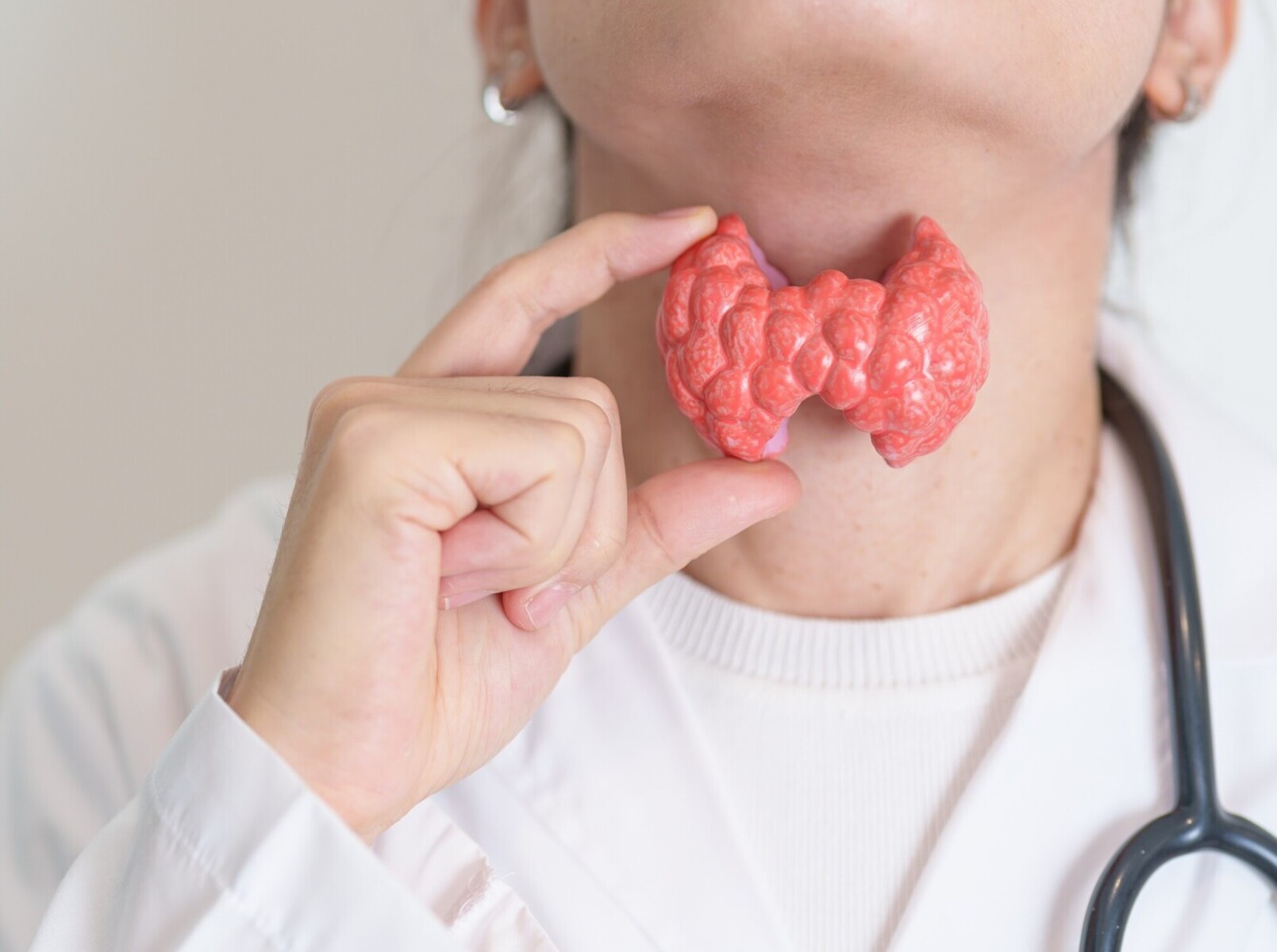
Hypothyroidism means the thyroid gland is not producing enough thyroid hormone to meet the body’s needs. These hormones influence energy production, temperature control, metabolism, and digestive function, so even a small drop can affect how you feel day to day.
It can have a number of causes, such as Hashimoto’s disease or congenital hypothyroidism. Just like losing weight with Hashimoto’s disease, hypothyroidism can make weight loss challenging.
People often notice fatigue, constipation, or feeling unusually cold long before they understand the cause. Weight gain can occur gradually because the body slows down in several areas at once. Many individuals only receive a diagnosis after symptoms build enough to affect daily routines.
How Does Hypothyroidism Affect Metabolism?
Hypothyroidism slows metabolism by reducing the amount of active thyroid hormone available to regulate energy use. This hormone helps determine how many calories you burn at rest, so low levels mean your body uses less energy for basic functions.
You might notice digestion slowing or general sluggishness. Even walking, cooking, or working at your usual pace may require more effort because the body is not converting energy as efficiently.
Why Weight Gain and Difficulty Losing Weight Are Common
Weight gain becomes more likely when metabolism slows, and hypothyroidism affects several systems at once. Lower thyroid hormone levels shift calorie needs downward, so eating the same amount may gradually lead to weight changes.
Some people experience fluid retention, which can raise the number on the scale faster than expected. When dealing with hypothyroidism, it can be helpful to know how to lose water weight.
Hormonal changes may influence hunger cues or encourage the body to hold on to energy. Fatigue and constipation also reduce comfort and activity levels.
With all these factors combined, weight loss requires thoughtful adjustments and steady routines. In some cases, when medically appropriate, weight loss surgery can be used as part of a holistic plan.

Is Weight Loss Possible with Hypothyroidism?
Weight loss is possible when thyroid levels are well-managed and daily habits are structured intentionally. Many people see progress once medication is adjusted, meals are balanced, and movement becomes consistent. The process is often slower than it is for someone without thyroid challenges, but slower progress still leads to meaningful results.
As Registered Dietitians, we encourage clients to focus on sustainable habits like regular meals, strength training, stress management, and consistent sleep. When these pieces work together, the body responds in a predictable and manageable way.
If you want personalized support, connect with a Registered Thyroid Dietitian through Berry Street for guidance tailored to your needs.
Common Misconceptions About Thyroid-Related Weight
Many people hear mixed messages about how thyroid conditions affect weight, and that confusion can make progress feel harder than it needs to be. Clearing up these misconceptions helps you understand what is actually within your control and what can be improved with the right support:
Some believe it’s impossible to lose weight with hypothyroidism, which is untrue when treatment and habits align.
Others think thyroid issues always cause weight gain, even though some people experience weight loss depending on the type and severity of the condition.
Many assume thyroid hormone alone controls weight, when factors like nutrition, movement, and sleep patterns also play important roles.
Some think weight will come off automatically once medication begins, but dosage adjustments often take time, and lifestyle habits still matter.
Others believe that taking extra iodine or “thyroid boosting” supplements will speed up weight loss, even though these products rarely help and can sometimes make symptoms worse.
How to Optimize Medical and Hormonal Foundations for Weight Loss with Hypothyroidism
Before modifying your diet or workouts, it’s important to ensure your medical foundation is solid.
Get Your Thyroid Medication Balance Right
Thyroid medication only works well when the dose supports your actual hormone needs, so staying consistent and monitoring levels is essential. Start by taking your medication on an empty stomach and keeping the timing the same each day.
Schedule regular blood tests to track TSH and Free T4, and bring symptoms like fatigue or appetite changes to your provider’s attention. Even small shifts in dose can improve energy and metabolic function. From our experience, many clients see progress once their medication is adjusted correctly.
Address Other Hormonal and Metabolic Factors
Weight loss can stall when hormones like insulin, cortisol, or leptin become imbalanced, and this is common for people managing hypothyroidism. Discuss symptoms such as cravings, disrupted sleep, or persistent fatigue with your care team so they can explore underlying issues.
It’s also helpful to review medications like antidepressants, hormonal birth control, or steroids, since some can influence metabolism. A full hormonal review makes it easier to create a plan that supports weight loss instead of unintentionally slowing it down.
When to Consider Additional Medical Interventions
Some people benefit from adding weight-loss medications once their thyroid levels are steady and lifestyle changes are already in place. This approach can help bridge the gap when progress feels stalled despite consistent effort.
It’s important to work closely with your endocrinologist to review which options are safe, what side effects to expect, and how the medication fits into your thyroid treatment plan. These tools work best when paired with nutrition strategies, movement, and ongoing monitoring.

Practical Treatment Tips for Weight-Loss Success
Small medical habits can make a big difference when you’re working toward weight loss with hypothyroidism. These tips help keep your treatment plan steady and easier to manage day to day.
1. Take Medication Properly
Taking thyroid medication correctly helps your dose work as intended. Most people absorb it best on an empty stomach with water, followed by a wait of at least 30 to 60 minutes before eating. This routine helps keep hormone levels steady rather than fluctuating.
Try taking it first thing in the morning so the timing becomes automatic. Consistency helps your metabolism respond more predictably.
2. Avoid Absorption Blockers Too Close to Dosing
Certain supplements and medications can reduce how much thyroid hormone your body absorbs. Calcium, iron, magnesium, high-fiber supplements, and some antacids often interfere when taken too close to your dose. Spacing these items several hours apart helps protect the effectiveness of your medication.
Adjusting your schedule may feel tedious at first, but the payoff is smoother energy and fewer dips throughout the day. This simple separation keeps your treatment working as expected.
3. Keep Up With Regular Labs
Thyroid levels shift over time, especially when weight changes, stress increases, or new medications are added. Regular bloodwork helps your provider understand whether your current dose still fits your needs.
If you notice fatigue, appetite changes, or new symptoms, bring them up during your appointments. These details help guide dosage adjustments that support your metabolism. Staying proactive with labs makes treatment smoother and helps prevent long periods of feeling off.

4. Coordinate Your Care Team
Hypothyroidism management works best when everyone involved shares the same plan. Your endocrinologist, primary care provider, and Registered Dietitian each see different pieces of your health, so open communication keeps recommendations aligned. This prevents conflicting advice and helps your treatment and nutrition strategies support one another.
Many people find that regular check-ins reduce confusion and speed up progress. A coordinated approach also makes it easier to troubleshoot when something feels out of balance.
How Should You Shift Your Diet to Lose Weight with Hypothyroidism?
Rather than chasing the best cleanse for weight loss, shifting your diet for hypothyroidism means choosing foods that work with your metabolism instead of against it. Whole foods like lean proteins, vegetables, whole grains, and healthy fats give your body steady energy and essential nutrients.
A moderate calorie deficit is more effective than extreme cuts because your thyroid responds better to consistency. It also helps prevent drops in energy that make cravings harder to manage.
Focusing on nutrients like iodine, selenium, zinc, magnesium, and iron supports hormone production and helps your body use energy more efficiently.
How Meal Timing and Portioning Strategies Can Help
Meal timing plays a bigger role than many people expect, especially when energy dips or cravings show up throughout the day. Eating at predictable intervals stabilizes blood sugar and prevents the fatigue that often appears when meals are skipped.
It also helps with medication timing, since thyroid medication absorbs best away from food and supplements. Paying attention to portion sizes keeps meals satisfying without feeling restrictive. These small habits create structure, which is incredibly helpful when you’re managing hypothyroidism.

Sample 3-Day Meal Plan for Weight Loss with Hypothyroidism
Meal planning helps create structure, boosts consistency, and takes the stress out of deciding what to eat when you’re tired or short on time. These examples give you a feel for how balanced meals can look across a few days while supporting energy, digestion, and stable blood sugar.
Day 1
Breakfast: Scrambled Eggs with Spinach and Mushrooms, Whole-Grain Toast, and an Orange
This breakfast delivers protein, fiber, and vitamins that support energy and digestion. To make it, sauté mushrooms and spinach in a small amount of olive oil, add whisked eggs, and cook until fluffy. Toast a slice of whole-grain bread and add a small orange on the side for vitamin C and natural sweetness. It’s a simple morning routine that fuels metabolism and keeps you full.
Snack: Greek Yogurt with Blueberries
The probiotics and protein in yogurt support gut health and steady hunger. Stir a handful of fresh or frozen blueberries into a small bowl of yogurt and you’re done. It’s quick, refreshing, and packed with antioxidants that support overall health.
Lunch: Grilled Salmon Salad with Greens, Avocado, and Olive Oil
Start by grilling a salmon fillet until it flakes easily. Toss mixed greens with sliced avocado and a drizzle of olive oil, then place the salmon on top. This combination offers omega-3 fats, fiber, and slow-digesting nutrients that help stabilize energy throughout the afternoon.
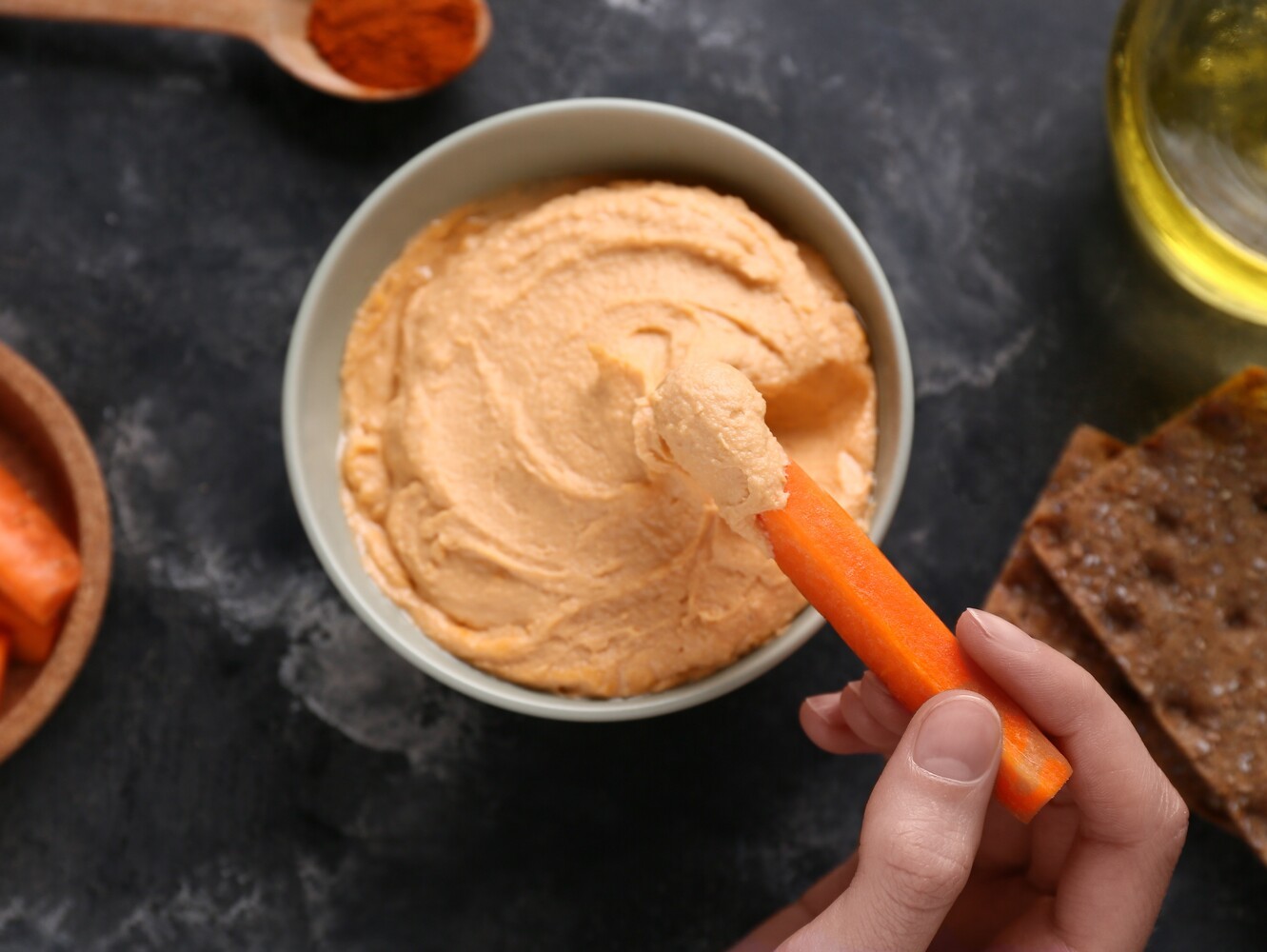
Snack: Carrot Sticks with Hummus
Carrots offer crunch and beta carotene, while the hummus adds protein and healthy fat. Slice fresh carrots or use pre-cut sticks, then portion out a scoop of hummus. It’s convenient and helps prevent late-day cravings.
Dinner: Quinoa Bowl with Roasted Vegetables, Chickpeas, and Tahini
Roasted vegetables bring fiber and antioxidants, and chickpeas add plant-based protein to support satisfaction. Cook quinoa on the stovetop, roast your choice of vegetables, and warm a serving of chickpeas. Assemble everything in a bowl and drizzle with tahini for creamy richness.
Day 2
Breakfast: Oatmeal with Milk, Almonds, Chia Seeds, and Banana
Start by simmering oats in milk or a plant-based alternative, then top with sliced banana, almonds, and chia seeds. The combination provides fiber, protein, and healthy fats that support digestion and keep you comfortably full. It’s warm, easy to customize, and ideal for steady morning energy.
Snack: Apple Slices with Almond Butter
Apples offer natural sweetness and fiber, while almond butter adds healthy fat and protein. Slice the apple, spread or dip with almond butter, and enjoy. This snack helps bridge the gap between meals and prevents blood sugar dips.
Lunch: Turkey Wrap with Hummus, Spinach, and Cucumber
Spread hummus on a whole-grain wrap, layer sliced turkey, add spinach and thin cucumber slices, and roll it tightly. It’s fresh, easy to pack, and offers a balance of lean protein and veggies. This meal supports stable energy without feeling heavy.
Snack: Hard-Boiled Egg and Cherry Tomatoes
A hard-boiled egg provides high-quality protein, and cherry tomatoes add hydration and vitamin C. Boil several eggs in advance to make this snack effortless. Pairing them keeps things light while still delivering nutrients your body needs.

Dinner: Baked Cod, Sweet Potato Mash, and Steamed Green Beans
Cod is mild, lean, and rich in minerals that support thyroid and metabolic health. Bake the fillet with lemon and herbs, steam a sweet potato and mash it lightly, then finish with steamed green beans for fiber. The plate feels comforting but still aligns with weight-supportive goals.
Day 3
Breakfast: Spinach and Berry Protein Smoothie
This smoothie packs antioxidants, fiber, and protein into one glass. Blend spinach, frozen berries, pea protein, flaxseed, and almond milk until smooth. It’s perfect for mornings when you want something nourishing without much effort.
Snack: Cottage Cheese with Pineapple
Cottage cheese offers slow-digesting protein that helps with satiety, and pineapple adds bright flavor along with enzymes that support digestion. Spoon a serving into a bowl and top with pineapple chunks. It’s a simple blend of creamy and sweet.
Lunch: Lentil Soup with a Side Salad
Lentils bring fiber, iron, and plant-based protein that help maintain hunger levels. Heat or prepare a pot of lentil soup, then pair it with a small salad dressed in olive oil. This combo supports digestion while feeling hearty and satisfying.
Snack: Mixed Nuts and a Small Pear
Mixed nuts provide healthy fats and minerals, while the pear adds fiber and natural sweetness. Portion a small handful of nuts and pair with a ripe pear. It’s portable and helps keep afternoon cravings in check.
Dinner: Chicken Stir-Fry with Vegetables over Cauliflower Rice
Start by cooking sliced chicken breast in a skillet, then add a mix of colorful vegetables like bell peppers, carrots, and broccoli. Stir in your preferred seasonings and cook until tender. Serve everything over cauliflower rice for a lighter, fiber-rich meal that supports steady blood sugar.

If you want a fully personalized 7-day plan tailored to your goals, connect with a Registered Weight Loss Dietitian through Berry Street and get expert support from the start.
Foods to Eat for Weight Loss with Hypothyroidism
Choosing the right foods can help support thyroid function, steady your energy, and make weight loss feel more manageable. These options create a balanced foundation that works well alongside medication and daily habits:
Lean proteins
Whole grains
Healthy fats
Colorful vegetables
Fruits
Foods rich in iodine, selenium, zinc, iron, and magnesium
Foods to Limit or Avoid for Weight Loss with Hypothyroidism
Some foods make it harder for your body to regulate hormones, manage hunger, or maintain steady energy. Limiting the items below can help your thyroid treatment work smoothly and support your weight-loss goals:
Refined carbohydrates
Sugary drinks and desserts
Excessive soy if taking thyroid medication
Large amounts of raw goitrogenic vegetables
Ultra-processed foods
Very low-calorie crash diets
Weight-Loss Meal Prep Tips for Hypothyroidism
Meal prep can make a noticeable difference when you’re working toward weight loss with hypothyroidism. It creates structure and helps you stay consistent on days when symptoms feel heavier than usual.
1. Batch-Cook Protein and Grains
Batch-cooking makes the week feel easier and keeps you from scrambling when fatigue shows up. Prepare a few proteins like chicken, tofu, or fish alongside grains such as quinoa or brown rice. Store them in containers so you can mix and match without much effort.
This approach gives you balanced building blocks for quick meals. It also reduces the temptation to rely on takeout when you’re too tired to cook.

2. Portion and Freeze Meals
Pre-portioned frozen meals create built-in structure and prevent accidental overeating. Cook a few larger recipes, divide them into individual containers, and freeze. This gives you ready-to-go options that take zero thought on busy days.
You’ll always have something balanced on hand, which helps keep blood sugar steady and energy more reliable. The convenience alone makes sticking to your plan far easier.
3. Prep Vegetables in Advance
Chopping vegetables ahead of time removes a major barrier on low-energy days. Wash and cut a mix of options like carrots, peppers, zucchini, or leafy greens, then store them in airtight containers.
Having them ready encourages you to add fiber and nutrients to your meals without extra work. It also speeds up cooking during the week. This simple step makes healthy choices more accessible when weight loss motivation dips.
4. Keep Ready-to-Eat, Thyroid-Friendly Snacks
Easy snacks can save the day when hunger strikes unexpectedly. Stock items like hard-boiled eggs, Greek yogurt, nuts, or hummus with vegetables.
These foods offer steady energy and help you avoid turning to sugary or ultra-processed options. Having them visible and within reach makes healthy choices more automatic. It also supports stable blood sugar, which is especially helpful when managing hypothyroidism.
How to Adjust Your Diet When Symptoms Flare
When symptoms intensify, small shifts in your eating pattern can make the day feel more manageable. These strategies help reduce discomfort and give your body the support it needs during flare-ups.
1. Use Softer Textures and Smaller, Frequent Meals
Softer foods are easier on digestion when bloating or constipation feels stronger than usual. Try options like cooked vegetables, smoothies, soups, or lightly mashed meals to reduce the physical effort of breaking down food.
Eating smaller portions more often can also help minimize pressure on your digestive system. This approach keeps energy steady and reduces discomfort after meals. It’s a gentle way to support your body while symptoms settle.

2. Increase Hydration and Fiber Gradually
Hydration plays a major role in managing constipation and bloating, especially during thyroid-related flare-ups. Sipping water throughout the day helps digestion move more comfortably. Adding fiber slowly through foods like oats, beans, or cooked vegetables supports bowel regularity without causing extra gas or discomfort.
The gradual increase is important because large jumps in fiber can backfire. This steady approach keeps your gut calm while still supporting good digestive health.
3. Reduce Highly Stimulating Foods
Caffeine, sugary snacks, and very heavy meals can intensify fatigue or disrupt sleep when symptoms flare. Cutting back on these foods gives your body a smoother recovery window and reduces digestive stress.
Try replacing them with gentler options like herbal tea, fruit, or balanced mini meals that feel lighter but still satisfying. These swaps help maintain steadier energy throughout the day.
If you’re unsure which foods to scale back or substitute, working with a Registered Health Dietitian can help you create a plan that fits your symptoms and preferences.
Lifestyle and Exercise Strategies Tailored to Hypothyroidism
Aggressive dieting or high-intensity overtraining can raise stress hormones and worsen symptoms. Balance, recovery, and consistency matter more than intensity.
Best Exercise Types for Hypothyroid Weight Loss
Regular movement supports energy, mood, and metabolism, which matters a lot when you’re managing hypothyroidism. The key is choosing exercises that feel sustainable and strengthen your body without worsening fatigue.
Resistance training: Strength-focused workouts help build and maintain muscle, which increases the calories your body burns at rest. This is especially helpful when metabolism slows due to low thyroid hormone levels.
Moderate-intensity cardio: Activities like brisk walking, swimming, or cycling support steady calorie burn and improve stamina. They offer cardiovascular benefits without causing the excessive fatigue that high-intensity workouts may trigger.
Flexibility and stress-reducing movement: Yoga, stretching, and Pilates help decrease tension and support mobility. Reducing stress is valuable because elevated cortisol can interfere with thyroid function.
Low-impact interval training: Short bursts of movement followed by rest periods create a manageable workout that boosts heart rate without overwhelming your system. It’s an energizing option for days when stamina varies.
Water-based exercise: Pool workouts like water aerobics or gentle laps reduce joint strain and support overall endurance. Many people find they can move more freely in water when fatigue or stiffness is present.
Light strength circuits: Combining simple bodyweight movements like squats, step-ups, or wall push-ups keeps sessions efficient and beginner-friendly. These circuits help build strength while staying gentle on the joints and nervous system.

Non-Exercise Lifestyle Factors for Weight Loss
Lifestyle habits outside the gym play a big role in how your body regulates energy and responds to thyroid treatment. Small daily choices can support better recovery and a more consistent weight-loss rhythm:
Quality sleep: Getting seven to nine hours each night helps regulate hormones that control appetite, metabolism, and energy. Better sleep also supports thyroid function and reduces the fatigue that often gets in the way of weight-loss routines.
Daily stress management: Consistent stress raises cortisol, which can affect hunger, energy levels, and how the body stores fat. Simple habits like short walks, breathing exercises, or quiet downtime help keep stress more manageable.
Increasing NEAT: Non-exercise activity thermogenesis includes everyday movement like standing more, taking stairs, or doing light household tasks. These small bursts of activity add up throughout the day and support calorie burn without needing a formal workout.
Tracking Progress and Adjusting Expectations
Tracking progress with hypothyroidism works best when you pay attention to more than just the number on the scale. Look for changes in energy, digestion, sleep, mood, and how easily you move through daily routines. These shifts often show up before weight changes.
Lab results can also give helpful insight into how well your treatment plan is working. Consistency matters more than fast results. Small, steady changes add up over time and create progress you can maintain.

Supplements and Weight-Loss Aids: What’s Safe and Effective for Hypothyroidism?
Supplements can be helpful for some people with hypothyroidism, but choosing the right ones requires a little strategy. Understanding what supports your thyroid and what may interfere with your treatment makes it easier to use supplements safely and effectively.
Nutrients That Support Thyroid Function
Certain nutrients play important roles in thyroid hormone production and metabolic health. Including these in your diet can help support your treatment plan:
Selenium: Supports thyroid hormone conversion and overall immune function.
Zinc: Helps regulate hormone production and supports appetite control.
Vitamin D: Contributes to immune health and may influence metabolic function.
Iron: Essential for producing thyroid hormones and maintaining steady energy.
Magnesium: Supports muscle function, sleep quality, and overall metabolic processes.
The Truth About Weight-Loss Pills and “Thyroid Boosters”
Many weight-loss pills and so-called thyroid boosters promise fast results but offer little reliable evidence. Some contain stimulants that can interfere with thyroid medication or worsen symptoms like anxiety, fatigue, or heart palpitations.
These products often mask underlying issues instead of supporting long-term progress. Choosing safe, well-studied options with your care team is always the better approach.
How to Use Supplements Safely
Supplements can be helpful when they target real nutrient needs and fit into your thyroid treatment plan. Using them thoughtfully protects your progress and reduces the risk of unwanted side effects.
Consult Your Healthcare Team
Talk with your endocrinologist and Registered Dietitian before adding any supplement. They can spot interactions, suggest safe options, and help you decide what actually supports your goals. This step prevents trial-and-error mistakes that slow progress. Expert guidance makes supplement choices far more predictable.

Test Before Supplementing
Bloodwork gives you clear data on what your body needs. Testing helps you focus on genuine deficiencies rather than taking supplements “just in case.” This prevents unnecessary products and reduces the chance of taking something that interferes with your thyroid medication. It also ensures each supplement has a specific purpose.
Use Supplements as Support, Not Replacement
Supplements work best when they fill small gaps rather than stand in for medication or balanced meals. Think of them as add-ons that support energy, digestion, or nutrient intake. Consistent habits like eating whole foods and taking medication on schedule will always matter more. When the foundation is strong, supplements can make a helpful difference.
Hypothyroidism Weight Loss FAQs
Does hypothyroidism make it hard to lose weight?
Yes, but weight loss is absolutely achievable with the right approach.
Can weight loss reverse hypothyroidism?
No. It may improve symptoms, but it doesn’t cure the condition.
Can you take weight-loss medication with hypothyroidism?
Yes, in some cases, under close medical supervision.
Conclusion
Finding a sustainable way to lose weight with hypothyroidism becomes much more manageable when medication is optimized, meals are balanced, movement is consistent, and daily habits support steady energy.
Progress often looks gradual, but those small shifts add up and create meaningful changes in how you feel and function. With the right structure, you can build routines that respect your thyroid, support your metabolism, and fit your lifestyle.
If you want personalized guidance that aligns with your goals, connect with a Registered Dietitian covered by insurance through Berry Street to get started.
If you want to learn more, why not check out these articles below: