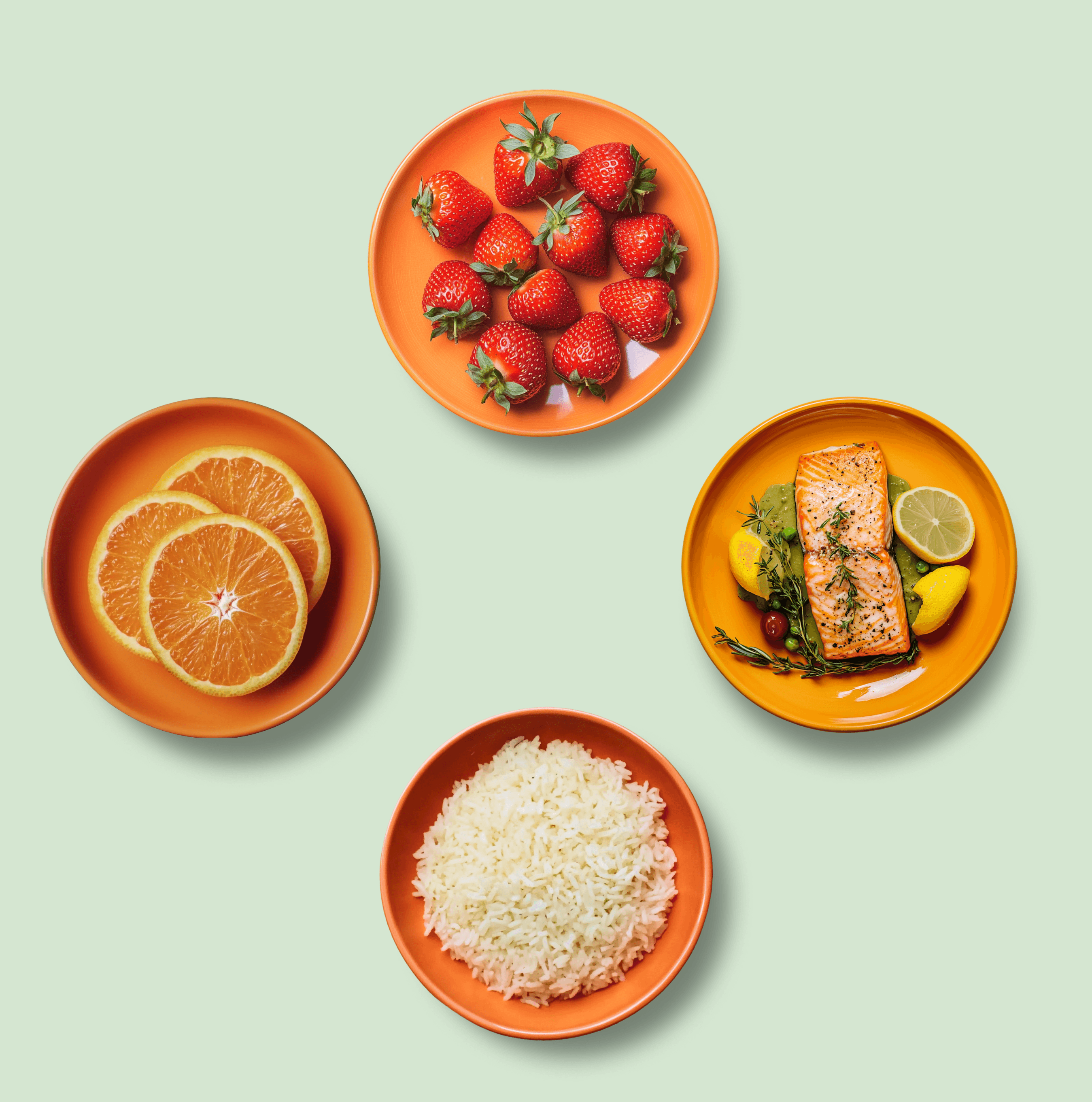
Living with Hashimoto’s often means dealing with confusing symptoms, stubborn weight changes, and advice that doesn’t match how your body actually works. As Registered Dietitians who’ve spent years helping people navigate how to lose weight with Hashimoto's, we understand how frustrating that can feel.
In this guide, we walk through why weight loss is more challenging with a thyroid-autoimmune condition, how thyroid hormones, inflammation, and metabolic changes affect progress, and what medical steps create the right foundation for results.
We also cover the best eating patterns for Hashimoto’s, practical strategies for sustainable habits, the most helpful types of exercise, and the role of supplements and medications. The goal is to give you clear, realistic steps that support your metabolism and help you feel more in control of your health.

Why Weight Loss Feels More Difficult with Hashimoto’s
Losing weight with Hashimoto’s often feels difficult because several systems are working harder in the background. The thyroid plays a major role in regulating metabolism, so when thyroid hormone production decreases, your body burns fewer calories at rest. That alone can slow weight loss, even when your eating habits are consistent.
Many people also experience increased inflammation and fluid retention, which can cause bloating and make progress look slower on the scale. Fatigue adds another layer because it reduces the energy available for movement, meal prep, and daily activity.
These challenges are real, and understanding them helps you shift the blame away from willpower and toward physiology.
As Registered Dietitians, we see how empowering it is when someone finally realizes their body is responding to a chronic condition rather than a character flaw.
Once you understand the internal roadblocks, it becomes easier to choose strategies that support your metabolism instead of fighting against symptoms you didn’t know were influencing your progress. This is the foundation for an approach that feels sustainable and genuinely effective.

The Role of Thyroid Hormones in Metabolism
Thyroid hormones are central to the way your body uses energy. They regulate how many calories you burn at rest, how quickly your cells produce energy, and how responsive your tissues are to signals related to fat burning.
With Hashimoto’s, the thyroid can struggle to produce adequate amounts of active hormones, especially T3. That means your metabolism naturally slows, and daily functions like digestion, circulation, and temperature regulation become less efficient. Even a small drop in thyroid hormones can noticeably affect energy levels and weight changes.
From our experience, many people follow balanced eating patterns and stay active, but still feel stuck because the hormonal foundation has not yet been optimized.
As thyroid hormone levels improve with proper medication and monitoring, the body becomes more responsive. Energy increases. Recovery improves. Effort finally starts to align with results. Understanding the metabolic role of thyroid hormones reinforces why medical support is just as important as nutrition and exercise when working toward weight loss with Hashimoto’s.
Inflammation and Autoimmune Effects of Hashimoto’s
Hashimoto’s is an autoimmune condition, which means the immune system regularly activates in response to thyroid tissue. This activation increases inflammation throughout the body, and inflammation affects everything from energy to fluid balance to hunger signals.
Many people notice puffiness around the face, hands, or midsection because inflammatory processes increase water retention. That’s why, when dealing with Hashimoto’s, it can be helpful to know how to lose weight in your face and how to lose water weight.
Exercise may also feel tougher because inflammation slows muscle recovery and leads to longer periods of soreness.
It can be frustrating to feel like you’re doing the right things while the scale barely moves. The hidden factor is often inflammation masking fat loss. Someone may lose inches around their waist or notice clothing fitting differently while the scale shows very little change.
Inflammation also affects mood and motivation, making healthy habits harder to maintain. Recognizing this pattern helps you understand your body’s signals with more compassion and clarity.
Anti-inflammatory nutrition, balanced movement, and stress reduction create openings for your metabolism to respond. When inflammation decreases, other weight-loss strategies become far more effective because your body is no longer working against itself.

Hormonal and Metabolic Complications
Hashimoto’s rarely affects thyroid hormones alone. It often disrupts neighboring systems, especially insulin, cortisol, and sex hormones. When insulin resistance develops, the body has a harder time moving glucose into cells for energy. This causes more frequent blood sugar swings, stronger cravings, and increased fat storage around the midsection.
Cortisol also becomes a major player. Chronic stress keeps cortisol elevated, and high cortisol encourages the body to store fat while breaking down muscle. This slows metabolism even further.
On top of that, many people experience shifts in estrogen and progesterone, which influence appetite, metabolism, and sleep. These combined hormonal disruptions can make weight loss feel unpredictable and inconsistent, even on a well-planned regimen.
Addressing these imbalances often transforms progress because each hormone influences the others. When insulin stabilizes, cravings decrease. When cortisol follows a normal pattern, abdominal fat becomes easier to lose. When sex hormones balance, energy and sleep improve.
This interconnected system explains why Hashimoto’s weight loss often requires a multi-layered approach instead of a single dietary change.
Why It’s Important to Recognize Individual Differences
People experience Hashimoto’s in very different ways. Some gain weight easily, while others maintain a steady weight without trying. A smaller group may even lose weight unintentionally due to fluctuating thyroid levels, impaired nutrient absorption, or changes in appetite.
These differences highlight why individualized care is so important. Your symptoms, lab markers, lifestyle, and health history create a unique roadmap. Assuming that everyone with Hashimoto’s has the same challenges leads to frustration and confusion.
After years of experience, we’ve seen people thrive once they shift from generic advice to a plan that reflects their personal patterns. Someone dealing with fluid retention may need a focus on inflammation and electrolytes. Someone with unexplained weight loss instead of weight gain may need nutrient-dense meals and stabilization before pursuing fat loss at all.
Recognizing your body’s specific needs makes the process feel more supportive and less discouraging. It also ensures that you prioritize the areas that genuinely matter for your metabolism, energy, and long-term progress.
If you want expert guidance tailored to your symptoms and goals, connect with a Registered Autoimmune Dietitian through Berry Street for a personalized plan that supports your health and your metabolism.

Medical and Hormonal Foundations for Weight Loss with Hashimoto’s
Understanding the medical side of Hashimoto’s makes weight loss feel far less confusing. When you know how your hormones influence metabolism, it becomes easier to make choices that actually move the needle.
Why It’s Important to Optimize Thyroid Medication
Thyroid medication is one of the strongest tools for supporting weight loss with Hashimoto’s because it restores the hormones your body struggles to produce. When levels of T4 or T3 are too low, everything from energy production to digestion slows down.
Many people feel better once their medication dose is dialed in, but finding the right fit often takes trial and adjustment. Some respond well to T4 alone, while others benefit from a combination that includes T3 to support energy, mood, and fat metabolism. This is something that needs to be discussed with a doctor or healthcare professional.
Regular testing helps make sure your medication keeps pace with changes in stress, age, or overall health. We often see progress accelerate once thyroid levels reach a truly supportive range. When medication is optimized, the body becomes more responsive to nutrition and movement, and weight loss starts to feel achievable rather than frustrating.

Essential Lab Tests to Track
Comprehensive lab testing helps you understand exactly what your body needs and prevents you from guessing your way through weight loss. Markers like TSH, Free T4, and Free T3 show how well your thyroid is functioning, while Reverse T3 helps identify whether stress or inflammation is blocking hormone conversion.
Thyroid antibodies offer insight into autoimmune activity, which can explain flare-ups or sudden fatigue. Nutrients like vitamin D, ferritin, iron, and B12 influence energy, mood, and metabolism, so identifying deficiencies can lead to meaningful improvements.
Insulin levels help reveal whether blood sugar regulation is contributing to weight plateaus. Each test highlights a different corner of your metabolic picture. When combined, they provide clarity that shapes smarter, more personalized strategies. This kind of targeted insight speeds progress because you can finally address the exact issues holding you back.
Addressing Hormone and Insulin Imbalances
Hormone imbalances often create obstacles that have nothing to do with weight loss motivation. Elevated insulin makes it difficult for your body to burn stored fat, especially around the midsection. High cortisol from chronic stress can increase appetite, reduce sleep quality, and shift fat toward the stomach. Shifts in estrogen and progesterone can impact cravings, appetite, and water retention.
These issues can occur quietly in the background, which is why many people feel confused when balanced meals and regular exercise do not create expected results. Supporting hormone balance often starts with blood sugar regulation, targeted nutrient intake, and movement that energizes rather than drains.
Stress reduction plays a major role because cortisol influences multiple metabolic pathways. When these hormones move back into a healthier range, weight loss becomes noticeably easier. It feels like your body finally stops resisting your efforts and starts cooperating with them.

When to See a Specialist
Sometimes your progress reaches a point where expert guidance becomes essential. If medication adjustments no longer relieve symptoms, or if weight remains completely stalled despite consistent lifestyle changes, it’s worth consulting a specialist who understands thyroid-autoimmune conditions.
An endocrinologist can evaluate complex hormone patterns, while a functional medicine provider can dig into root causes like gut health, adrenal function, or nutrient deficiencies. A Registered Thyroid Dietitian ties everything together by addressing nutrition, inflammation, and metabolism in a way that supports your medical plan, whether you’re dealing with Hashimoto’s or losing weight with hypothyroidism.
Specialists bring a level of precision that general practitioners often cannot provide because they work with these patterns every day. Seeking help at the right time can prevent months of frustration. With the right team, your plan becomes more personalized and far more effective.
Best Diet for Hashimoto’s Weight Loss
Finding the right way to eat with Hashimoto’s can feel confusing because your body responds differently from someone with a fully functioning thyroid. The goal is to support your metabolism rather than overwhelm it, and that starts with understanding why many traditional diets fall short.
Why Traditional Diets Often Don’t Work for Hashimoto’s
Many traditional diets fail because they focus on cutting calories instead of supporting hormone balance and overall thyroid function. When calorie intake drops too low, the body responds by slowing metabolism, increasing hunger hormones, and raising stress hormones.
This becomes especially challenging for someone with Hashimoto’s, since thyroid hormone levels are already reduced. A restrictive approach often leads to plateaus because the body conserves energy rather than burning it.
Heavy reliance on low-fat or low-carb extremes can also leave you short on nutrients like omega-3s, fiber, and protein, which are important for energy and inflammation balance.
People with Hashimoto’s often feel better and see more consistent progress when meals prioritize nutrient density, stable blood sugar, and anti-inflammatory foods. This type of pattern creates better energy during the day and supports more predictable weight loss over time.

Foods to Include for Weight Loss with Hashimoto’s
Choosing the right foods can make day-to-day energy more stable and support your thyroid at the same time. These options focus on nutrient density, steady blood sugar, and inflammation control so your body feels supported rather than stressed:
Lean proteins such as chicken, fish, turkey, eggs, tofu, and legumes
Colorful vegetables and leafy greens
Healthy fats like olive oil, nuts, seeds, avocado, and fatty fish
Whole grains or starchy vegetables, if tolerated
Anti-inflammatory foods, including berries, herbs, spices, and deeply pigmented produce
Foods rich in selenium, zinc, iron, vitamin D, and magnesium
Foods to Limit or Avoid for Weight Loss with Hashimoto’s
Some foods make weight loss more challenging by increasing inflammation or creating big swings in blood sugar. Keeping these items lower in your routine can help your metabolism stay steadier and your symptoms more manageable:
Highly processed foods
Refined carbohydrates and added sugars
Fried foods and inflammation-promoting fats
Excessive gluten or dairy, only for those who notice symptom flares
Very restrictive or low-calorie diets
Sample 3-Day Hashimoto’s Weight Loss Meal Plan
Creating meals that support thyroid health can feel surprisingly satisfying once you know what to look for. These examples show how simple ingredients can turn into nutrient-dense meals that help blood sugar stability, energy, and digestion.
Day 1
Breakfast: Scrambled Eggs with Spinach, Smoked Salmon, and Avocado
This breakfast delivers protein, healthy fats, and antioxidants that help keep energy steady through the morning.
To make it, whisk eggs and cook them slowly until soft, then fold in fresh spinach so it wilts without losing color. Add sliced smoked salmon on top and finish with creamy avocado. The combination supports muscle repair, promotes satiety, and offers omega-3s that can help reduce inflammation.
Snack: Yogurt or Dairy-Free Yogurt with Chopped Brazil Nuts
Start by choosing a yogurt that feels good on your digestion, then sprinkle chopped Brazil nuts on top.
The nuts offer selenium, a nutrient that supports thyroid function, while the yogurt contributes protein and probiotics. It’s a simple snack that you can assemble in under a minute and gives your body a steady bump in both nutrition and satisfaction.

Lunch: Grilled Chicken with Quinoa, Broccoli, Olive Oil, and Lemon
To prepare this meal, grill or pan-sear chicken breast, cook quinoa until fluffy, and steam broccoli until bright green. Finish everything with a drizzle of olive oil and a squeeze of lemon for freshness.
This plate works well for Hashimoto’s because it contains lean protein, fiber, slow-digesting carbs, and healthy fats that help control hunger and support stable blood sugar.
Dinner: Baked Salmon with Roasted Sweet Potato and Asparagus
Baked salmon is packed with omega-3s that support inflammation balance, and pairing it with sweet potatoes gives you a naturally sweet source of slow-release carbohydrates.
Roast the sweet potatoes and asparagus with a little olive oil and season to taste. Plate the baked salmon alongside the vegetables for a dinner that’s hearty, colorful, and easy to digest.
Day 2
Breakfast: Smoothie with Plant-Based Protein, Spinach, Berries, and Chia Seeds
Blend your favorite plant-based protein with a handful of spinach, frozen berries, chia seeds, and unsweetened almond milk. This creates a nutrient-dense drink that’s rich in antioxidants and fiber while still being gentle on the stomach.
It’s a refreshing choice if mornings feel rushed or your appetite is low, and the chia seeds add thickness along with healthy fats.
Snack: Hummus with Sliced Cucumbers and Carrots
This snack is high in fiber and plant-based protein, which helps keep you full between meals. Slice the cucumbers and carrots into sticks and serve them with a few spoonfuls of hummus. It takes almost no prep and delivers crunch, hydration, and steady energy without weighing you down.
Lunch: Turkey and Avocado Salad with Pumpkin Seeds and Mixed Greens
Start by layering mixed greens in a bowl, then add sliced turkey, creamy avocado, and a handful of pumpkin seeds. The healthy fats from the avocado help you feel satisfied, and the seeds provide zinc, a mineral tied to thyroid function. Toss everything with a simple vinaigrette for a crisp, balanced lunch.
Dinner: Tofu or Chicken Stir-Fry with Mixed Vegetables and Cauliflower Rice
This stir-fry works well because it’s easy to adjust based on your protein preference. Sauté tofu or chicken in a pan, add chopped vegetables like bell peppers or zucchini, and cook until tender. Serve everything over cauliflower rice for a lower-carb base that still feels hearty.
The vegetables offer antioxidants, and the protein helps support muscle maintenance.

Day 3
Breakfast: Almond-Milk Oatmeal with Cinnamon, Flaxseed, and Apple Slices
Warm oatmeal provides soluble fiber that supports digestion and steady blood sugar. Prepare it with almond milk for a creamy texture, then stir in cinnamon and flaxseed before adding fresh apple slices. This combination supports hormone balance and keeps you full longer, especially on busy mornings.
Snack: Walnuts and an Orange
This snack pairs healthy fats with vitamin C, making it a refreshing and energizing option. Simply grab a handful of walnuts and peel an orange. It’s portable, quick, and balanced, which makes it ideal if your schedule feels packed.
Lunch: Salmon or Tuna Patties with a Kale and Walnut Salad
Pan-sear salmon or tuna patties until golden, then set them aside while you massage chopped kale with olive oil to soften it. Add walnuts and cherry tomatoes before placing the patties on top.
This meal brings together omega-3s, fiber, and antioxidants, giving you a powerful mix of nutrients that support thyroid and metabolic health.
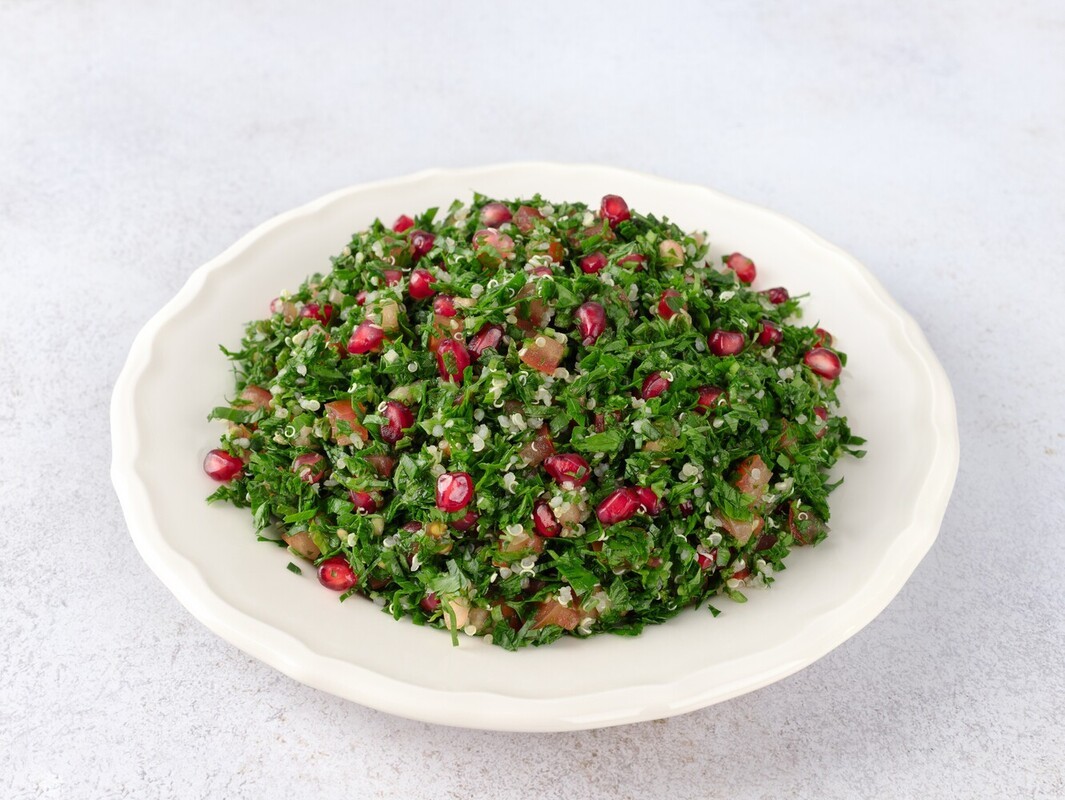
Dinner: Grass-Fed Beef or Lentils with Quinoa Tabbouleh and Steamed Green Beans
Choose grass-fed beef for iron and high-quality protein, or use lentils if you prefer a plant-based option. Serve the protein with quinoa tabbouleh for a bright, herbed grain component, and steam green beans until tender.
This dinner offers a strong balance of protein, fiber, and micronutrients that help wrap up your day on a steady note.
If you want a complete nutrition plan tailored to your goals and symptoms, connect with a Registered Weight Loss Dietitian through Berry Street for a fully personalized 7-day meal plan.
How to Build Sustainable Eating Habits
Creating eating habits that feel manageable with Hashimoto’s takes a bit of intention, but it becomes far easier once you understand what actually moves the needle. These strategies focus on consistency, structure, and listening to your body’s signals so your habits support long-term progress:
1. Start Small and Build Gradually
Small shifts are easier for your body and your schedule to handle. Begin by choosing one meal or one habit to improve, such as adding more protein at breakfast or including vegetables at lunch. This creates quick wins without overwhelming you.
As the first habit starts to feel natural, introduce a second one that aligns with your goals. Maybe it’s cooking one more meal at home each week or prioritizing balanced snacks.
These manageable steps create steady change that feels doable even on low-energy days. From our experience, gradual progress leads to far more consistency than trying to transform everything at once.
2. Prioritize Blood Sugar Stability
Stable blood sugar helps reduce fatigue, mood swings, and cravings. Start by pairing proteins, fats, and fiber-rich carbohydrates at meals, since this combination supports longer-lasting energy.
For example, a lunch with chicken, quinoa, and vegetables will leave you fuller than a meal centered around refined carbs. Balanced snacks such as nuts and fruit work well between meals.
Keeping blood sugar steady supports metabolism and helps prevent the afternoon slump that many people with Hashimoto’s experience. Over time, these choices reduce overeating and make weight loss more predictable.

3. Prep Simple Components Instead of Full Meals
Meal prepping does not need to be an all-day project. Many people find it easier to prepare components rather than complete dishes. Cook a batch of quinoa, chop vegetables, and grill chicken or tofu. These building blocks make it simple to throw together fast meals during the week.
When ingredients are ready to go, it becomes much easier to stay consistent. This also helps on days when fatigue or brain fog makes decision-making harder. Simple prep reduces stress and keeps you on track without demanding a lot of time.
4. Keep Nutrient-Dense Snacks Accessible
Planning for snacks prevents blood sugar dips and reduces the chance of grabbing something quick but unhelpful. Choose options that give you protein, fiber, or healthy fats, such as nuts, yogurt, hummus, fruit, or hard-boiled eggs. Keep them in visible places in your fridge or pantry so they are easy to reach.
This small setup supports energy and mood throughout the day. It also helps prevent the mid-afternoon crash that often leads to overeating later. Having snacks ready creates a smoother day with fewer cravings.
5. Create Meals That Match Your Day’s Energy Needs
Your energy levels can change from day to day, and your meals should reflect that. On busier or more active days, larger meals with more carbohydrates may feel supportive. On quieter days, lighter meals focused on veggies and protein may feel better. This flexible approach helps you stay in tune with hunger and fullness cues.
It also reduces the stress of feeling like you must eat the same way every day. Listening to your body helps prevent overeating while still giving you enough fuel for daily tasks.

6. Notice How Foods Affect Your Body
Paying attention to your body’s responses provides valuable information for long-term habits. Take note of meals that leave you energized versus sluggish. If certain foods cause bloating or fatigue, consider reducing them temporarily and observing the difference. This approach helps you personalize your routine based on real feedback instead of assumptions.
People with Hashimoto’s often discover that small adjustments create meaningful improvements in digestion, energy, and cravings. Over time, this awareness helps shape a style of eating that feels natural, supportive, and sustainable.
7. Aim for Consistency, Not Perfection
Perfect habits are impossible to maintain, but consistent ones are powerful. If a meal isn’t ideal, simply return to your routine at the next opportunity. This mindset keeps you from abandoning your plan after one off day. Progress comes from the overall pattern of your choices, not isolated moments. Let your habits stack up day after day.
When consistency becomes your focus, eating well feels easier and far less stressful. This approach supports long-term weight loss while still giving you flexibility in real life.

Exercise and Lifestyle Habits That Support Weight Loss
Movement and daily habits play a major role in how your body responds to thyroid challenges. The goal is to build routines that support energy, recovery, and metabolism without adding unnecessary stress.
1. Manage Fatigue and Energy Levels
Fatigue changes the way exercise needs to look with Hashimoto’s. Pushing through extreme tiredness usually backfires and makes recovery drag. We encourage patients to match workout intensity to how they feel that day.
On low-energy days, a ten-minute walk and light stretching still count. On stronger days, you might manage a full-strength session or a longer walk. This flexible approach keeps you moving without overwhelming your system.
Plan rest days instead of waiting until you crash. Shorter workouts, more breaks, and slower progression are all valid strategies.
You can also schedule your main workout at the time of day you usually feel best. Over time, this kinder pacing often leads to better consistency and more sustainable results. This approach respects both your thyroid and your nervous system.
2. Choose the Right Type of Exercise
Choosing the right exercise mix really matters when you live with Hashimoto’s. Your body often prefers steady, supportive movement over all-out intensity. Strength training is a great anchor because it builds muscle, supports joints, and raises resting metabolic rate.
Aim for two or three full-body sessions per week using simple movements like squats, rows, and presses. Low-impact cardio such as walking, cycling, or swimming helps with circulation, mood, and fat loss. Short daily walks after meals can also improve blood sugar control.
Flexibility and mobility work reduce stiffness and make other exercises feel easier. Examples include gentle yoga, stretching, or Pilates a few times each week. When you combine these styles, you support your thyroid, protect energy, and keep workouts enjoyable.

3. Improve Sleep Quality
Sleep is one of the quiet foundations of thyroid-friendly weight loss. When sleep quality is poor, hunger hormones rise and cravings often follow. Thyroid symptoms, like temperature changes or anxiety, can also disturb rest.
Start by setting a regular sleep and wake time, even on weekends. Keep your room dark, cool, and clutter-free to support relaxation. Limit screens for at least thirty minutes before bed and dim household lights. A short wind-down routine, like stretching or reading, helps your brain switch gears. Avoid large late dinners and heavy caffeine in the afternoon.
If sleep still feels difficult, track patterns and discuss them with your doctor. Better sleep usually means better energy, smoother blood sugar, and more reliable weight loss progress.
4. Reduce Stress and Cortisol
Stress management matters more than most people realize when Hashimoto’s and weight loss collide. Ongoing stress raises cortisol, which can increase belly fat, cravings, and fatigue. We see this often in people juggling work, family, and health changes.
The goal isn’t a stress-free life, but a more supported nervous system. Short, simple practices done often work well. Try three slow breaths before meals, a five-minute walk outside, or gentle stretching after work. Journaling, music, or talking with a friend can also help you decompress. Schedule small breaks the same way you would schedule appointments.
Over time, these routines lower your daily stress baseline. That makes it easier for your body to respond to nutrition, movement, and medication adjustments.

5. Maintain Motivation and Consistency
Staying motivated with Hashimoto’s often means redefining what success looks like. If the scale is your only measure, progress can feel painfully slow. We encourage people to track wins such as better energy, steadier moods, or improved strength. These changes often appear weeks before major shifts on the scale.
Set specific, realistic goals, like walking three times a week or cooking one extra dinner at home. Break big goals into actions you can repeat on busy days. Habit stacking works well, for example, doing gentle stretches while the kettle boils.
Celebrate small wins so your brain connects effort with reward. When motivation dips, return to your reasons for wanting change. Over months, consistent habits matter far more than perfect weeks.
Supplements and Medications That May Help
Supplements and medications can play a helpful role in Hashimoto’s weight loss when they’re chosen intentionally and monitored appropriately. The goal is to use them as supportive tools rather than standalone solutions, and to understand how they fit into the larger picture of thyroid and metabolic health.
Key Nutrients for Thyroid Function
Key nutrients support thyroid hormone production, immune balance, and overall metabolic function. Selenium helps reduce thyroid antibodies and supports the conversion of T4 to T3, the hormone your cells use for energy. Zinc plays a role in hormone synthesis and supports the immune system.
Iron and ferritin influence how well oxygen moves through the body, which affects energy levels and exercise tolerance. Magnesium supports muscle recovery, nervous system regulation, and sleep. Vitamin D influences immune activity and inflammation, which are important for anyone managing an autoimmune condition.
These nutrients can be found in foods like seafood, nuts, seeds, legumes, leafy greens, and fortified products.
Supplements can be useful when bloodwork shows deficiencies or when symptoms align with low levels. From our experience, people feel their best when nutrients come primarily from food and supplements are used to fill in targeted gaps rather than as a replacement for balanced eating. We recommend getting bloodwork done to test for deficiencies or talking to a healthcare professional before starting any supplements.

Weight-Loss Medications
Weight-loss medications can be helpful for some people with Hashimoto’s, especially when metabolism feels slow despite consistent nutrition and movement.
Options like GLP-1 agonists may support appetite regulation, improve blood sugar balance, and enhance satiety. These medications work by influencing hormones that affect hunger and fullness, which can be valuable if insulin resistance is part of your symptoms. Other metabolic-support tools may also be considered depending on your history and lab work.
Because thyroid disease changes how the body responds to medication, careful monitoring is essential. This is where working with a Registered GLP-1 Dietitian becomes especially helpful. They can guide you through dosing expectations, side effect management, nutrient considerations, and meal patterns that pair well with these medications.
GLP-1 medications work best when combined with supportive eating habits, strength training, and consistent sleep. Used thoughtfully, they can make progress feel more achievable while still respecting the delicate balance of thyroid, immune, and metabolic health.
When to Consider Medical Supervision
Whenever you’re thinking about supplements or medications, medical supervision provides clarity and safety. Hashimoto’s affects multiple systems at once, which means changes in one area can influence another. A healthcare team can help you understand how thyroid levels, nutrient status, and immune activity interact, especially when you’re adjusting treatments.
Regular bloodwork prevents issues like over-supplementing iron or selenium, both of which can create new problems when taken without guidance. If symptoms worsen, if weight loss stalls for months, or if fatigue becomes overwhelming, it’s a good time to check in with a clinician who understands thyroid-autoimmune patterns.
We also strongly recommend working with a Registered Dietitian who specializes in thyroid or autoimmune care. A dietitian can help interpret your symptoms through a nutrition lens and tailor a plan that complements your medical treatment. This kind of support reduces trial and error and helps you move forward with confidence and a clear understanding of your body’s needs.

Hashimoto’s Weight Loss FAQs
Why is it so hard to lose weight with Hashimoto’s?
Lower thyroid hormones, inflammation, hormone imbalances, and water retention all make weight loss more challenging.
Can Hashimoto’s cause unexplained weight loss?
Yes. Some people experience unintentional weight loss due to fluctuations in thyroid hormone or absorption problems.
Do I need a special “Hashimoto’s diet” to lose weight?
Not a single specific diet, but a tailored plan that supports thyroid health, reduces inflammation, and balances blood sugar is more effective than standard diets.
Are there medications specifically to help with weight loss in Hashimoto’s?
Not specifically for Hashimoto’s, but some medications can support weight loss when used under medical supervision alongside thyroid treatment.
Conclusion
Losing weight with Hashimoto’s becomes much more manageable when thyroid hormones are optimized, inflammation is addressed, blood sugar is supported, and daily habits work with your body rather than against it. A steady approach that includes nutrient-dense meals, intentional movement, better sleep, and stress reduction creates meaningful progress over time.
It helps to remember that small, consistent steps add up and that your metabolism responds best when your health foundations are in place. If you want guidance that’s personal and evidence-based, connect with a Registered Dietitian covered by insurance through Berry Street to get support tailored to your goals.
If you want to learn more, why not check out these articles below: