Loose skin after weight loss can feel surprising, confusing, and even discouraging, and we’ve seen this come up often in our work with clients. As Registered Dietitians, we understand how frustrating it is to lose weight successfully and still feel unsure about the changes happening to your body.
We created this guide to help explain why loose skin develops, how common it is, which areas tend to be affected, and what influences your likelihood of experiencing it. You’ll also learn how long natural tightening can take, what habits support skin health, and when medical or surgical treatments may be worth exploring.
We want this to feel supportive, clear, and practical so you can feel informed and confident as you move forward in your weight loss journey.

What Is “Loose” or “Excess” Skin?
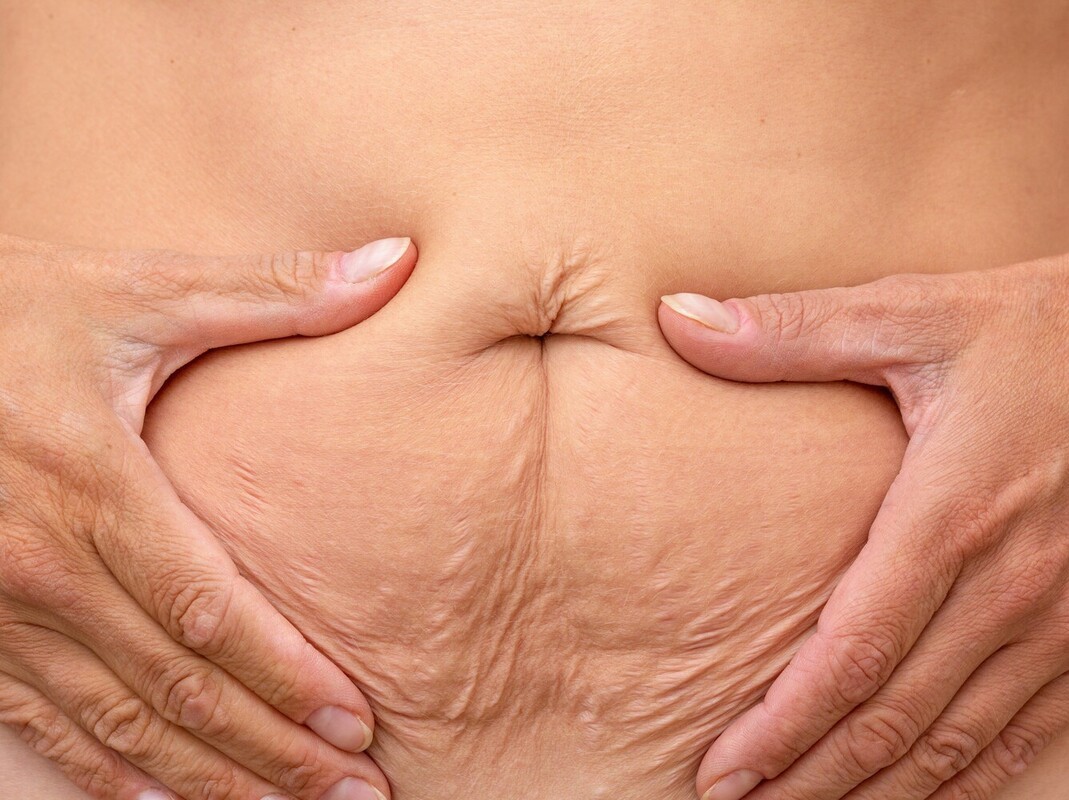
Loose or excess skin refers to skin that remains after significant weight loss and does not fully retract to match your smaller body size. It often shows up as folds, wrinkling, or sagging in areas where fat used to sit.
Skin is flexible, but it has limits. When your body carries extra weight for months or years, the skin stretches to cover that larger surface area. This stretching changes the structure of collagen and elastin, which affects how firm and responsive the skin feels later on.
After weight loss, especially if it is substantial, the skin may not tighten back the way you expected. Many people feel confused by this. They picture their body naturally returning to a firm, smooth shape once the weight is gone.
In reality, skin adapts slowly. It behaves differently depending on age, genetics, and how long it was stretched.
We see clients assume they did something wrong when loose skin appears, but this is a normal biological response, not a mistake. Understanding what loose skin is helps set clear expectations and makes the next steps feel more manageable.
Why Does Loose Skin Happen After Weight Loss?
Loose skin happens because the body changes faster than the skin can keep up. As weight is gained, the skin stretches to accommodate added fat tissue. This stretching can affect structural proteins that help skin stay firm and elastic.
Once weight is lost, the volume beneath the skin decreases, and the skin needs to tighten around a smaller frame. It does try. The process is just slower and sometimes incomplete.
Factors like age, sun exposure, long-term smoking, genetics, and how long someone lived at a higher weight all influence how well the skin rebounds. Skin exposed to years of stretching or damage has a harder time returning to its original shape.
Clients often describe this as feeling like their body and their skin are out of sync. It’s a good way to explain the timing gap that happens. Fat loss can be fast, but skin recovery isn’t.
Some areas, like the abdomen or upper arms, show this more clearly. Knowing how loose skin forms helps you focus on strategies that support healthier skin and a more comfortable transition after weight loss.
How Much Weight or What Rate of Weight Loss Increases the Risk of Loose Skin?
Larger and faster weight loss increases the likelihood of developing loose skin. Many people who lose fifty pounds or more notice some degree of laxity, although the amount varies by person.
The rate of loss also plays a role. When weight comes off very quickly, the skin doesn’t have the time it needs to gradually adapt to the shrinking shape underneath. This can leave the skin looking more relaxed or stretched.
A slower weight loss pace gives your body a better chance to preserve muscle, maintain hydration, and support collagen production. From our experience, clients who aim for steady weight loss often feel more satisfied with how their skin responds.
Rapid changes from crash diets, extreme exercise plans, or certain medications can make loose skin more noticeable. This does not mean slow weight loss eliminates the risk, but it creates a more supportive environment for skin recovery.
If you want guidance on a safe and steady pace, connect with a Registered Weight Loss Dietitian through Berry Street for a personalized 7-day meal plan designed to reduce the risk of loose skin and support long-term success.
Areas Commonly Affected by Loose Skin
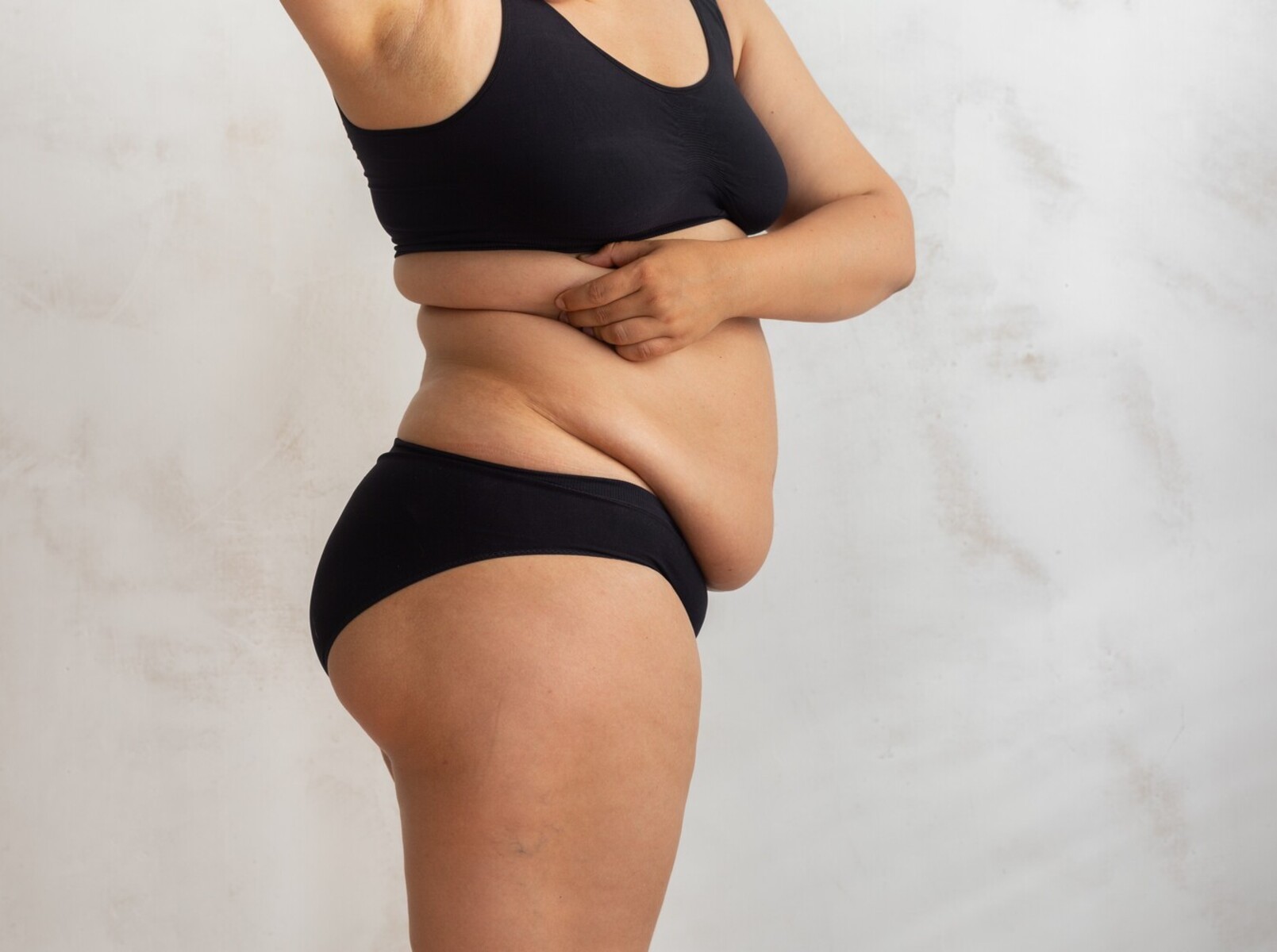
Loose skin can appear in several areas after weight loss, and some spots tend to show changes more noticeably than others. These patterns depend on where your weight was stored and how long the skin was stretched.
1. Abdomen
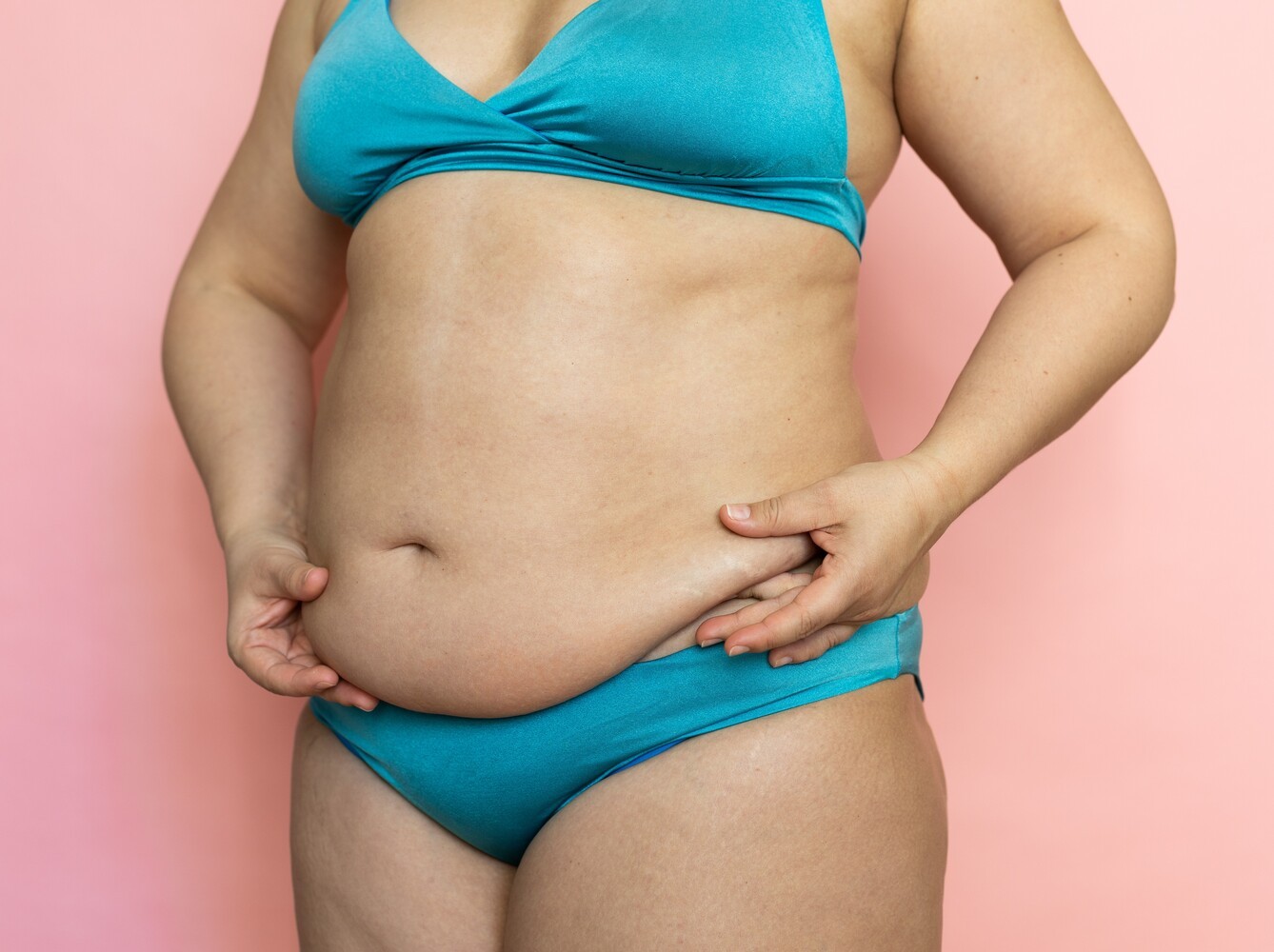
The abdomen is one of the most common places to see loose skin because this area often holds a large portion of body fat. When the belly has been stretched for years, the skin adapts to that expanded shape and loses some of its natural ability to retract.
After weight loss, people often notice wrinkling, a soft lower belly, or a fold that hangs over the waistband. This can feel frustrating because the abdomen is a central area of focus during weight loss.
Skin quality, hydration, muscle tone, age, and genetics all influence how the belly looks afterward. Strength training, especially moves that build the core and support posture, can help with overall shape.
Hydration and consistent skin care support the skin from both inside and out. Some people see gradual improvement over time, while others explore clinical treatments if the looseness affects comfort.
2. Arms
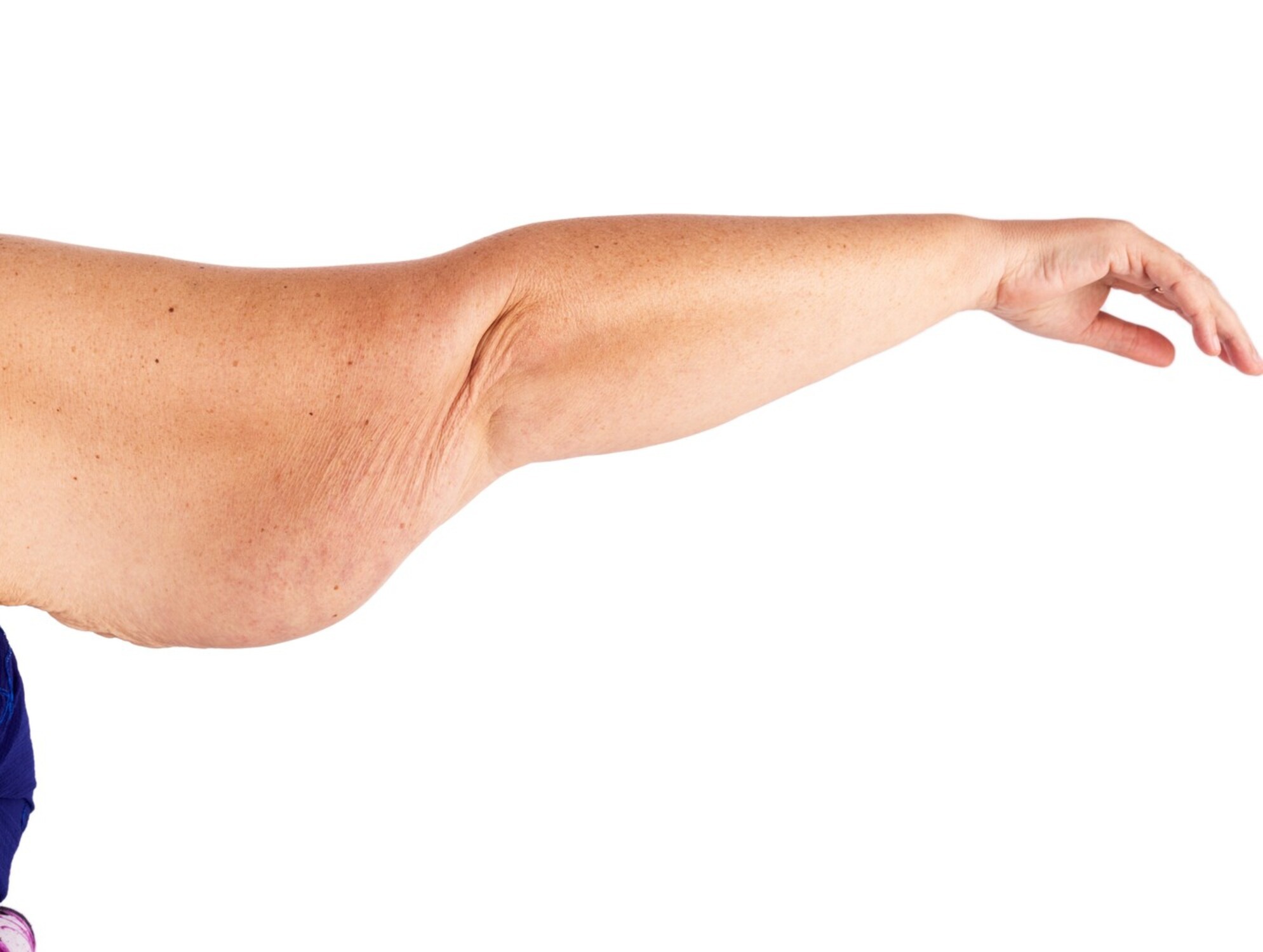
The upper arms tend to show loose skin because this area holds fat in a way that stretches the skin for long periods. After weight loss, the back of the arms may feel soft or appear to hang, which is why people often use the term bat wings.
Many clients tell us they notice this first when wearing sleeveless tops. Age and muscle mass play a major role in how the arms look after weight loss.
Building strength in the triceps, shoulders, and upper back can help create more definition under the skin. Skin care habits like moisturising and protecting from sun exposure also support elasticity.
Change in this area tends to be gradual, and some people feel more comfortable adding resistance training to improve tone. For those with significant sagging, a surgical arm lift may be an option.
3. Thighs
The thighs can show loose or rippled skin because they hold a large amount of fat tissue for many people, especially around the inner thighs. When fat decreases, the skin may not tighten evenly and can appear wavy or soft. Clients often describe this as the hardest area to tone, and that makes sense because thigh skin is naturally thinner and more delicate.
Building strength in the legs helps shape the muscle underneath, which supports the appearance of the skin. Lunges, step-ups, and glute-focused training all play a helpful role. Hydration and good nutrition also support elasticity over time.
Some people notice improvement within a year of steady habits, while others explore non-surgical treatments to help with firmness. Severe sagging may require a thigh lift, especially if loose skin interferes with movement or causes irritation.
4. Neck/Face
The neck and face can show visible changes because even small shifts in fat volume affect contour. After weight loss, some people notice loose skin under the chin, softer jawlines, or slight hollowness in the cheeks. These changes can appear suddenly and feel shocking because the face is the most visible part of the body.
Skin quality, hydration, sun exposure, and the pace of weight loss all influence how noticeable these changes become. Gentle skin care routines, adequate protein intake, consistent sun protection, and healthy hydration support the skin’s structure. Facial exercises may help with muscle tone.
For moderate concerns, non-surgical tightening treatments can provide gradual improvement. More significant sagging may be addressed with surgical options such as a neck lift or lower facelift. Many clients find that a combination of skincare and lifestyle support helps them feel more confident during this transition.
5. Breasts
Breasts often change shape after weight loss because they contain both fat and connective tissue. As weight decreases, breast volume tends to decrease too, which can leave the skin looking softer or less full. People sometimes notice that their bra size drops, but the skin doesn’t feel as firm as before.
Hormones, age, genetics, and how quickly weight was lost all influence these changes. Strengthening the chest muscles helps provide some structural support underneath the skin. Good hydration and gentle skin care help maintain elasticity, although they cannot restore lost volume.
Many people choose supportive bras that fit well and feel comfortable during daily movement. If sagging or skin laxity becomes significant, breast lift surgery may be an option to restore shape.
6. Back
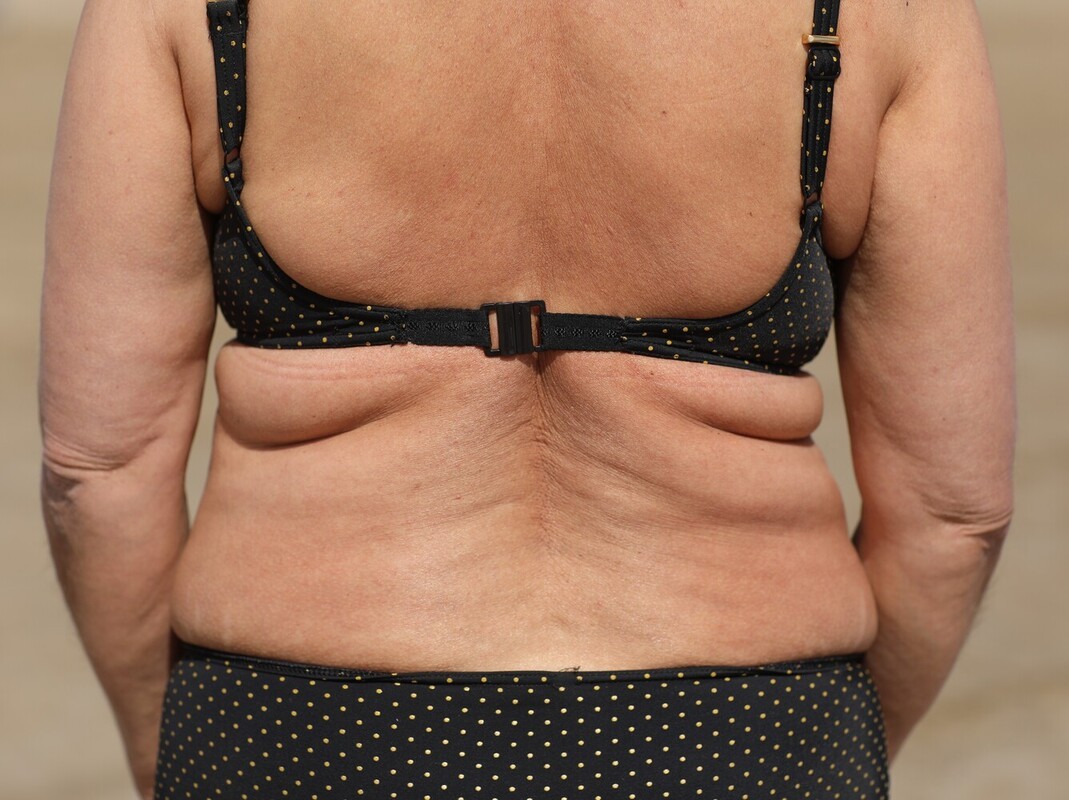
The back can show loose skin in several places, especially around the bra line or along the lower back. When weight was carried in these areas, the skin may have been stretched for a long time, which makes retraction slower after weight loss. People often notice bunching or small folds that affect how clothing fits. This can be uncomfortable, especially during exercise or warm weather.
Building strength in the upper back, lats, and core helps support posture and overall contour. Staying consistent with hydration, nutrition, and skin care also helps maintain elasticity. Some people see gradual tightening as their body adjusts over time, although larger folds may persist.
Non-surgical tightening treatments can help with texture, while surgical contouring may be considered for more significant excess skin. Each person’s experience varies depending on skin quality and how long the area was stretched.
How Likely Are You to Get Loose Skin After Weight Loss?
Loose skin after weight loss is common, but the amount varies from person to person. Some people notice only mild softness, while others see more visible folds in areas like the abdomen or arms. Factors like age, genetics, and how long the skin was stretched all play a part.
The speed and size of your weight loss matter, too. Faster loss tends to leave the skin with less time to adjust, which makes laxity more noticeable. Slower, steady loss generally gives the skin more support, although it cannot guarantee a perfectly firm result.
Clients often feel worried about whether they will develop loose skin, and that worry is understandable. The best approach is to focus on what you can influence. Building muscle, staying hydrated, eating enough protein, and caring for your skin consistently all support a healthier skin structure.
Understanding what is normal and what you can modify helps you feel more confident as your body changes. If you still have concerns, consulting with a Registered Dietitian can help you through the process.
Risk Factors You Can’t Change
Some parts of how your skin responds during weight loss are influenced by factors outside your control. Learning these factors can help you approach your goals with realistic expectations and a clearer sense of what your body needs.
Age
Age affects how flexible and resilient your skin feels during and after weight loss. Collagen and elastin production naturally decline over time, which means skin does not tighten as efficiently as it once did. This change happens gradually, but its impact becomes noticeable when someone loses a significant amount of weight.
Many clients in their forties, fifties, and beyond tell us they feel frustrated that their skin takes longer to adjust, and this is completely normal. Hydration, strength training, and consistent skin care can still make a meaningful difference, even if age plays a role.
Some people also find it helpful to work with a Registered Healthy Aging Dietitian who can guide nutrition strategies that support skin health. Age may shape the starting point, but day-to-day habits still influence how your skin responds over time.

Genetics
Genetics influence how your skin behaves throughout weight gain and weight loss. Skin structure varies from person to person, which is why two people can lose the same amount of weight and see very different outcomes.
Some individuals have naturally thicker or more collagen-rich skin that holds its shape more easily. Others have softer or more delicate connective tissue that stretches more readily.
Clients often feel discouraged when they compare their results to friends or family, but genetics shape these responses in ways you cannot see. This includes collagen density, elasticity, and how your body distributes fat.
While you cannot change genetic traits, you can still support your skin with hydration, adequate protein, antioxidants, and strength training. These habits help your skin function at its best, even if your baseline elasticity is lower.
Gender
Gender plays a meaningful role in how skin responds after weight loss because body fat distribution and connective tissue patterns differ across sexes.
For example, many women store more fat in the hips, thighs, and breasts, which can lead to more visible loose skin in those areas after weight loss. Men may see more changes in the abdomen, as that is a common place for fat storage. Hormones also influence how skin behaves and how quickly it adjusts.
Some clients benefit from checking in with a Registered Women's Health Dietitian who understands how hormonal patterns affect skin and body composition. These insights help tailor nutrition, timing of meals, and protein needs.
While gender affects where and how loose skin appears, consistent muscle building, balanced nutrition, and healthy lifestyle habits offer support no matter your starting point.

Time Spent Overweight
The length of time someone carries excess weight affects how much the skin stretches and how well it can retract. Skin that remains stretched for many years adjusts to that expanded size, and the collagen and elastin fibers gradually weaken. When weight loss happens, the skin often feels looser in areas that were stretched the longest.
If you’ve maintained a higher weight for five, ten, or twenty years, you might notice more visible laxity than someone who has gained weight more recently. This response makes sense because the skin adapts to whatever shape it holds for the longest period.
Even though this factor is not something you can change, supportive habits still help. Strength training builds structure under the skin. Adequate hydration supports elasticity. Balanced nutrition helps the skin repair itself. Over time, these choices improve the way your body feels and functions.
Modifiable Risk Factors
Some factors that influence loose skin after weight loss can be shaped by daily habits and lifestyle choices. Focusing on these gives you more control and helps support healthier, more gradual changes in your body.
Rate of Loss
The pace of weight loss makes a major difference in how your skin responds. When weight comes off slowly, the skin has more time to adjust to changes underneath it. This gives the connective tissue a better chance to adapt, especially in areas like the abdomen or upper arms.
Rapid weight loss often leads to more noticeable laxity because the skin cannot match the speed of fat loss. Clients who aim for a steady pace tend to feel more satisfied with how their skin looks during and after their journey.
A rate of one to two pounds per week supports both fat loss and muscle preservation, which benefits overall body shape. Keeping weight loss intentional and consistent helps set the skin up for better long-term results. It also reduces the roller coaster effect that makes tightening harder.
Nutrition
Nutrition plays a major role in how well your skin maintains structure and elasticity during weight loss. Skin cells rely on protein, vitamins, minerals, and healthy fats to repair and rebuild themselves. When these nutrients are consistently present, the skin handles change more smoothly.
Protein is especially important because the body uses amino acids to produce collagen. Vitamin C, zinc, and antioxidants also support collagen formation and protect the skin from damage. Hydration encourages better elasticity and keeps the skin supple.
Clients who prioritize balanced meals often feel more confident in how their skin adapts over time. If you want individualized support, you can connect with a Registered Health Dietitian through Berry Street for a personalized, evidence-based plan that aligns with your goals and supports healthy skin during weight loss.
Exercise Habits
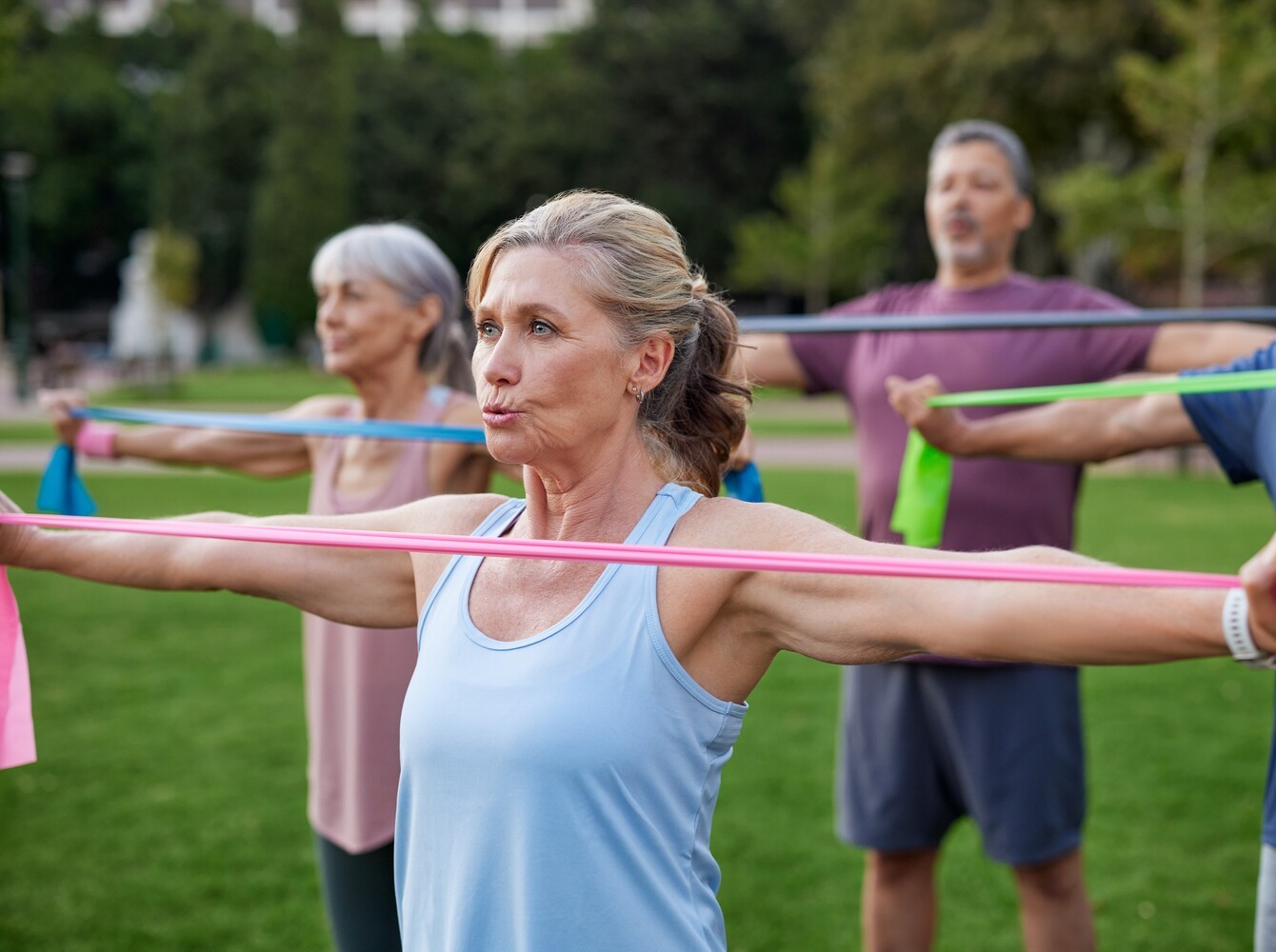
Exercise habits strongly influence how skin looks and feels after weight loss. Strength training is especially helpful because building muscle creates more structure under the skin. This gives areas like the abdomen, arms, thighs, and back a firmer appearance. Clients often notice that even small increases in muscle tone help their skin look smoother and more supported.
Cardio is still valuable for heart health and fat loss, but strength training helps maintain lean mass, which supports both metabolism and body shape. Resistance bands, weight machines, free weights, and bodyweight exercises all make a difference.
Consistency matters more than heavy lifting. Staying active also improves circulation, which supports nutrient delivery to the skin. Over time, these habits help the skin adapt to your changing body and promote a more balanced, strong appearance.
Realistic Expectations for Loose Skin
Loose skin shows up differently for everyone, and setting clear expectations can make the whole process feel less confusing. Some people see only small ripples or a slightly softer texture, while others notice more pronounced folds that affect how clothing fits or how their body feels during movement. These differences are normal.
Mild looseness often improves with time, strength training, hydration, balanced nutrition, and consistent skin care. People who build muscle usually notice changes in how their skin looks because the added structure helps shape the body.
More significant laxity may need additional support. Non-surgical treatments can help with firmness, while surgical options are often considered when loose skin causes discomfort, irritation, or emotional stress.
Clients sometimes feel discouraged when they expect their skin to tighten quickly, so giving yourself a realistic timeline makes a big difference. Skin adapts slowly. It needs steady routines, patience, and supportive habits.
Factors That Slow Down Skin Recovery
Some habits and biological factors can make skin recovery slower after weight loss. Understanding them helps you stay realistic about what your body can do and where you may want to focus your efforts.
1. Age
Age naturally slows down skin recovery because collagen and elastin production decline over time. These proteins give skin its structure, so lower levels mean the skin feels looser and takes longer to adapt.
Older clients often notice that their skin feels softer during weight loss compared to earlier years. This is completely normal. The skin is still capable of improvement; it just responds at a slower pace.
Hydration, protein intake, and strength training help support collagen formation, which gives older skin a better chance to firm up over time. Consistent skin care with gentle exfoliation and daily sunscreen also makes a noticeable difference.
Age may influence the timeline, but supportive habits still play a meaningful role in how your skin adjusts.
2. Sun Exposure
Sun exposure affects skin recovery because ultraviolet light breaks down collagen and elastin. These fibers keep skin firm, so when they weaken, the skin loses some of its natural ability to tighten after weight loss.
People who spent years in the sun without consistent SPF often see more visible laxity in the chest, face, and arms. Even moderate exposure adds up over time. You might be surprised at how much sun history shows up during weight loss because the structure underneath the skin changes so quickly.
Daily sunscreen helps prevent further collagen breakdown and supports healthier long-term skin recovery. Hydrating moisturizers and antioxidant-rich foods also help protect the skin from oxidative stress. While you cannot reverse past sun exposure, you can protect the skin you have now and support its ability to heal.
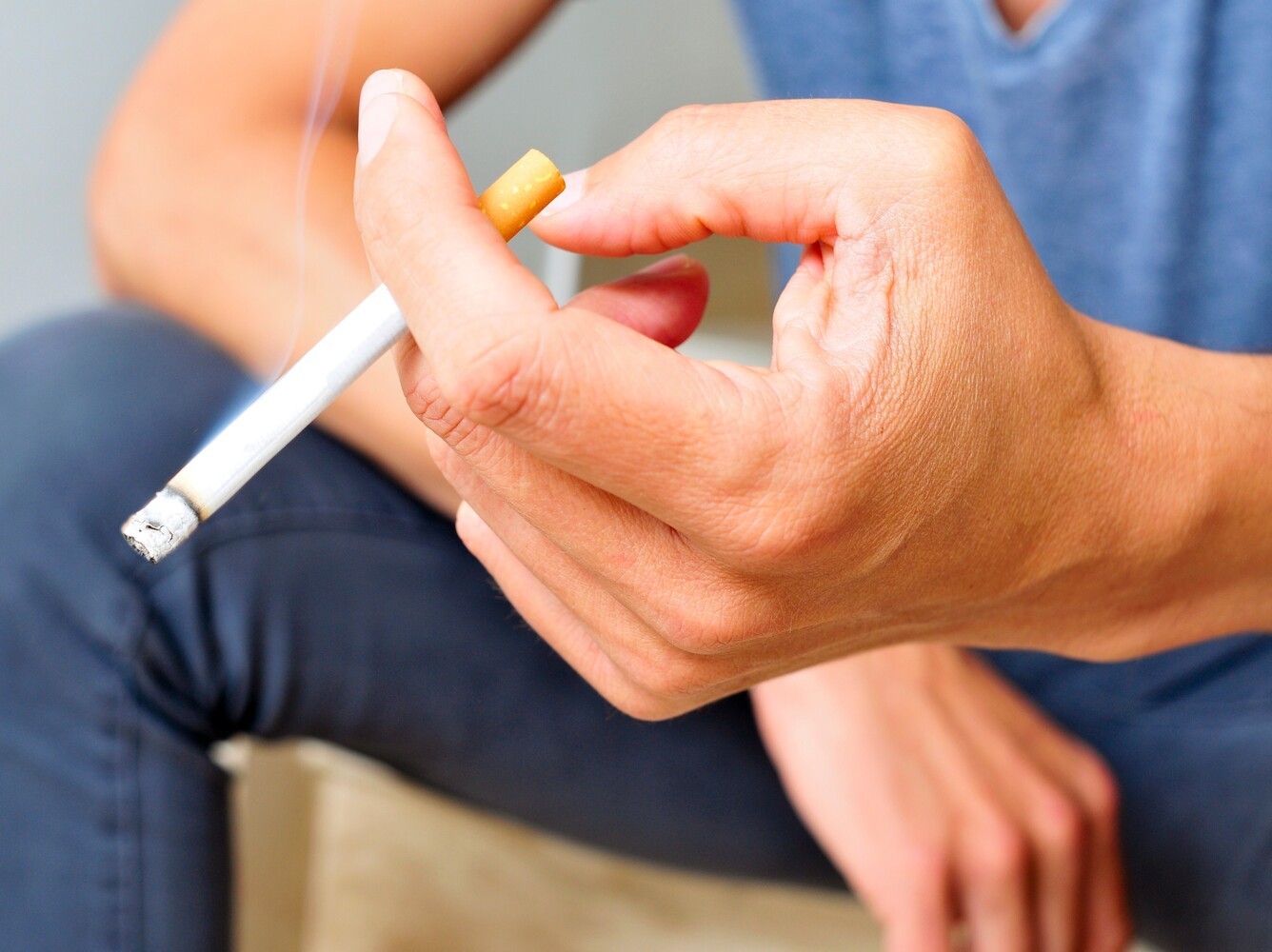
3. Smoking
Smoking slows skin recovery because nicotine reduces blood flow, which limits the oxygen and nutrients delivered to the skin. This makes healing slower and collagen production less efficient. If you smoke or have smoked for many years, you might notice that your skin looks looser or takes longer to adapt after weight loss. The skin may appear thinner or more fragile in certain areas.
Clients who quit smoking during their weight loss journey often see improvements in skin texture over time because circulation begins to recover. Consistent care supports this process. Building muscle also helps the skin look stronger and more supported.
Smoking has long-term effects, but positive changes still happen once nicotine exposure decreases. The body responds well to healthier patterns, even if the timeline is different.
4. Rapid Fat Loss
Rapid fat loss slows skin recovery because the skin simply cannot adjust as quickly as the underlying tissue changes. When weight drops quickly, there is less time for collagen remodeling and elasticity support. This often leads to more pronounced loose skin, especially in the abdomen, arms, and thighs.
Individuals who lose weight through crash dieting or extreme calorie restriction tend to notice sharper changes in their skin. Even medically supported rapid loss can create the same effect because the skin’s timeline is predictable and naturally slow.
Slower, steady weight loss paired with strength training gives the skin more time to reposition itself. Hydration and nutrient-dense meals support this process as well. Rapid loss can feel exciting at first, but maintaining long-term habits helps the skin respond more comfortably and consistently.
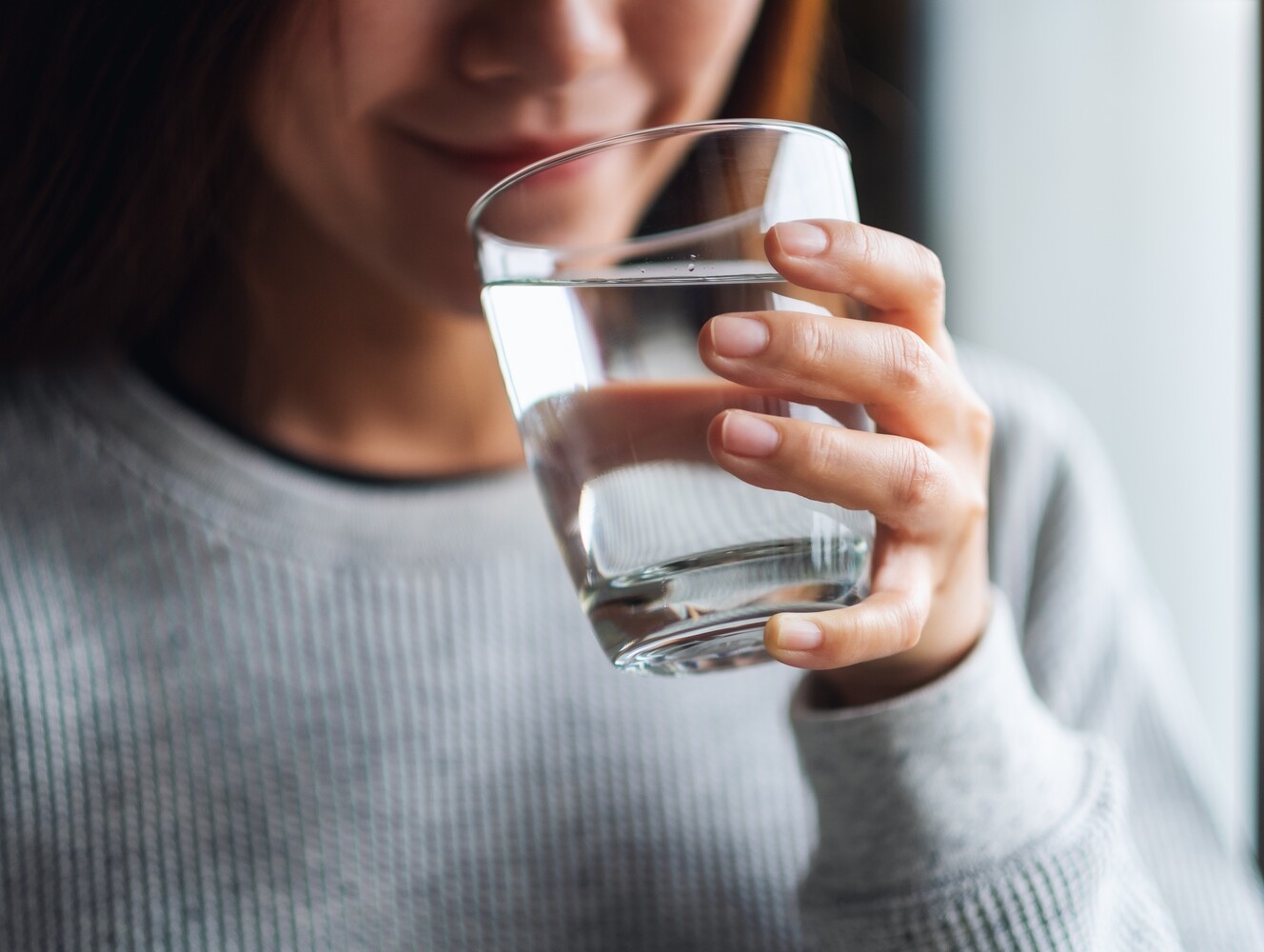
5. Hydration
Hydration plays a key role in how skin feels and responds during weight loss. Skin cells rely on water to maintain elasticity, so dehydration can make the skin look dull, dry, or more relaxed than usual. People who drink too little water often notice that their skin does not bounce back as easily.
Drinking enough water throughout the day helps support moisture levels and collagen function. Foods with high water content, such as fruits and vegetables, also contribute. Hydrated skin feels smoother and functions better, which supports recovery.
While hydration alone will not tighten deep folds, it absolutely helps the skin respond more effectively to weight loss and muscle building.
Just be sure that you understand how to lose water weight safely and effectively so that you can stay aligned with your goals.
When to Consider Medical or Surgical Help
There comes a point when loose skin affects daily life enough that a medical opinion can offer clarity. If your weight has been stable for six to twelve months and you’re dealing with discomfort, skin irritation, movement limitations, or changes in confidence, it may be time to schedule an evaluation.
A dermatologist can assess skin quality and discuss non-surgical options like radiofrequency tightening or ultrasound treatments. A plastic surgeon can explain surgical choices such as body contouring, arm lifts, or abdominoplasty if the skin folds are more significant. These consultations help you understand what is realistic and what aligns with your goals.
Medical support becomes especially helpful when loose skin interferes with exercise or creates ongoing hygiene challenges.
It’s also worth mentioning that early guidance can make a meaningful difference. Connecting with a Registered Dietitian at the start of your weight loss journey helps support slower, steady fat loss, better muscle preservation, and healthier skin, which may reduce the likelihood of needing medical or surgical intervention later on.

How to Prevent Loose Skin During Weight Loss
There are several habits that support your skin while you lose weight. Focusing on these early helps your body adapt more comfortably and predictably.
Lose Weight at a Healthy Pace
A steady pace of weight loss supports both your skin and your overall health. Losing one to two pounds per week gives your skin time to adjust to the changing shape of your body. This pace also helps you maintain lean muscle, which provides structure and makes loose skin less noticeable.
Slow progress encourages more consistent habits, such as balanced meals and regular strength training. People who take this approach often feel more comfortable with how their body changes over time.
Quick fixes and crash diets may look tempting, but they create sudden drops that the skin can’t match. Your skin needs gradual change, not dramatic shifts. A healthier pace supports long-term success and makes your results easier to maintain.
Support Skin Health through Nutrition
Good nutrition is one of the strongest tools you have for supporting skin during weight loss.
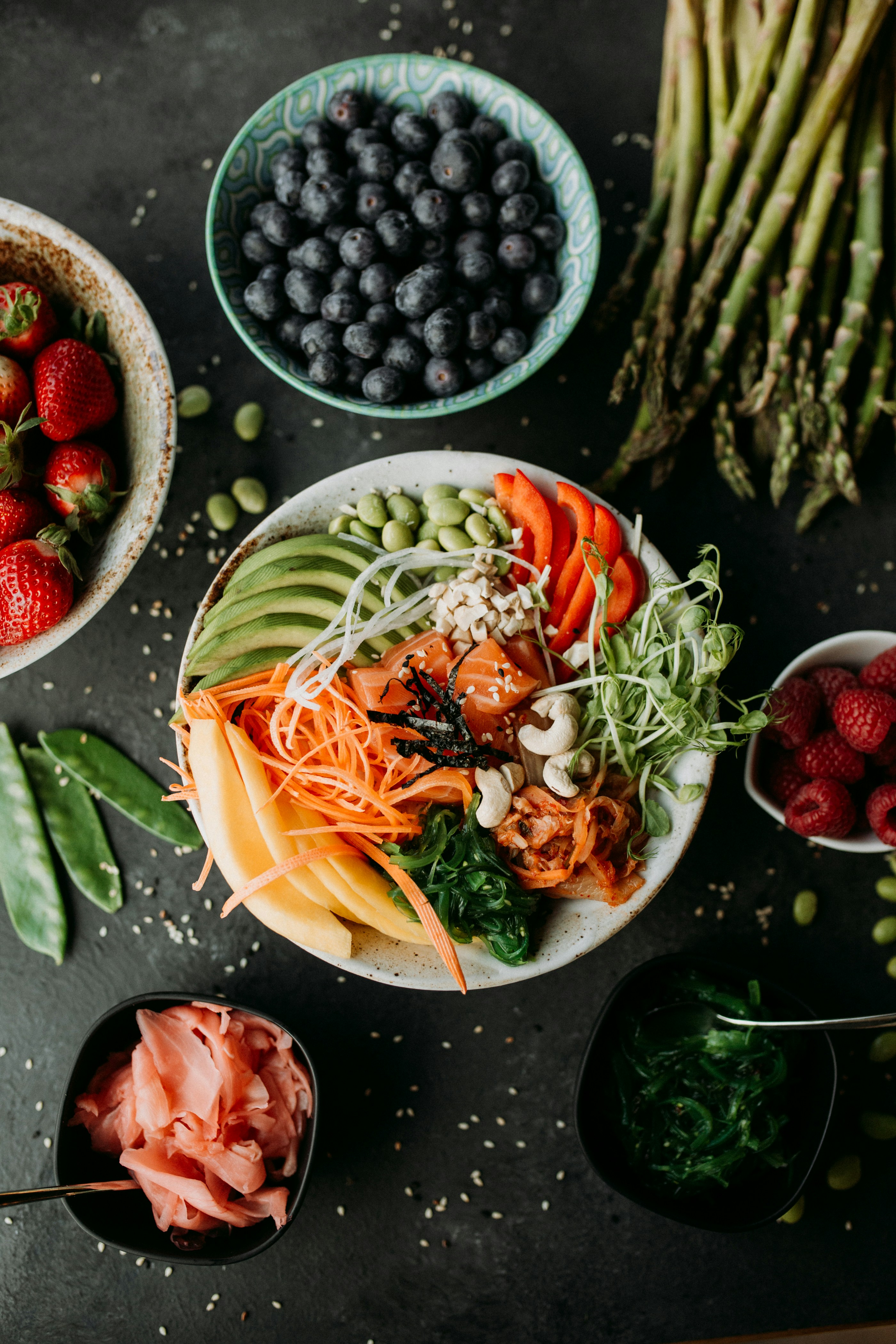
Protein helps your body build collagen, which keeps the skin firm and more resilient. Vitamin C and zinc assist with tissue repair and protect cells from damage. Omega-3 fats help maintain smooth texture and support the skin barrier. Antioxidants from fruits, vegetables, herbs, and spices reduce stress on skin cells and keep them functioning well.
Hydration improves elasticity and helps the skin feel smoother. When these nutrients show up regularly in your meals, your skin adapts more easily to changes in body composition.

Make Skin Care a Daily Habit
Daily skin care keeps your skin healthier and better prepared for changes during weight loss. Sunscreen prevents UV damage that breaks down collagen and weakens elasticity. Moisturizers maintain hydration and reduce the dry, crepey texture that becomes more visible as fat decreases. Gentle exfoliation brightens the skin and encourages natural turnover, which helps with tone and smoothness.
A simple routine performed consistently makes a meaningful difference over time. Cleanse in the morning, moisturize daily, and protect your skin whenever you’re outdoors. These habits don’t replace nutrition or strength training, but they maximize what your body can do. Taking care of your skin from the outside while supporting it internally creates a more balanced environment for healthy adaptation.
Special Considerations for Rapid or Medical Weight Loss
Rapid weight loss increases the likelihood of loose skin because the body changes faster than the skin can adjust. People using GLP-1 medications or preparing for bariatric weight loss surgery often experience quick drops in weight, which makes skin support even more important.
Working with a Registered GLP-1 Dietitian or a Registered Bariatric Dietitian ensures you’re meeting protein needs, staying hydrated, and preventing nutrient deficiencies that affect skin health. These experts understand the unique challenges of medically supported weight loss.
Gradual habit building also helps balance the speed of weight loss. With proper guidance, you can protect your skin while still moving toward your health goals.
If you’re dealing with other medical issues and are struggling to lose weight, a Registered Dietitian can help. We also have guides for how to lose weight with hypothyroidism and how to lose weight with Hashimoto's.

At-Home Skin Tightening Methods
There are several at-home strategies that support healthier, firmer skin during and after weight loss. These approaches work best when practiced consistently and paired with balanced nutrition and regular movement.
Exercise and Strength Training
Strength training is one of the most effective at-home strategies for improving how loose skin looks. Building muscle adds shape underneath the skin and helps create firmer, more defined contours.
Squats, rows, presses, and core exercises all support large muscle groups that influence overall appearance. Adding targeted training helps too. Triceps work can improve upper arm shape, while glute and leg exercises support the thighs. Even bodyweight movements like pushups or lunges make a noticeable difference when done regularly.
The goal is consistency, not perfection. Two or three strength sessions per week help maintain muscle and give your skin better structure as your body changes. Over time, this routine supports a smoother, more balanced look.
Nutrition and Hydration for Elasticity
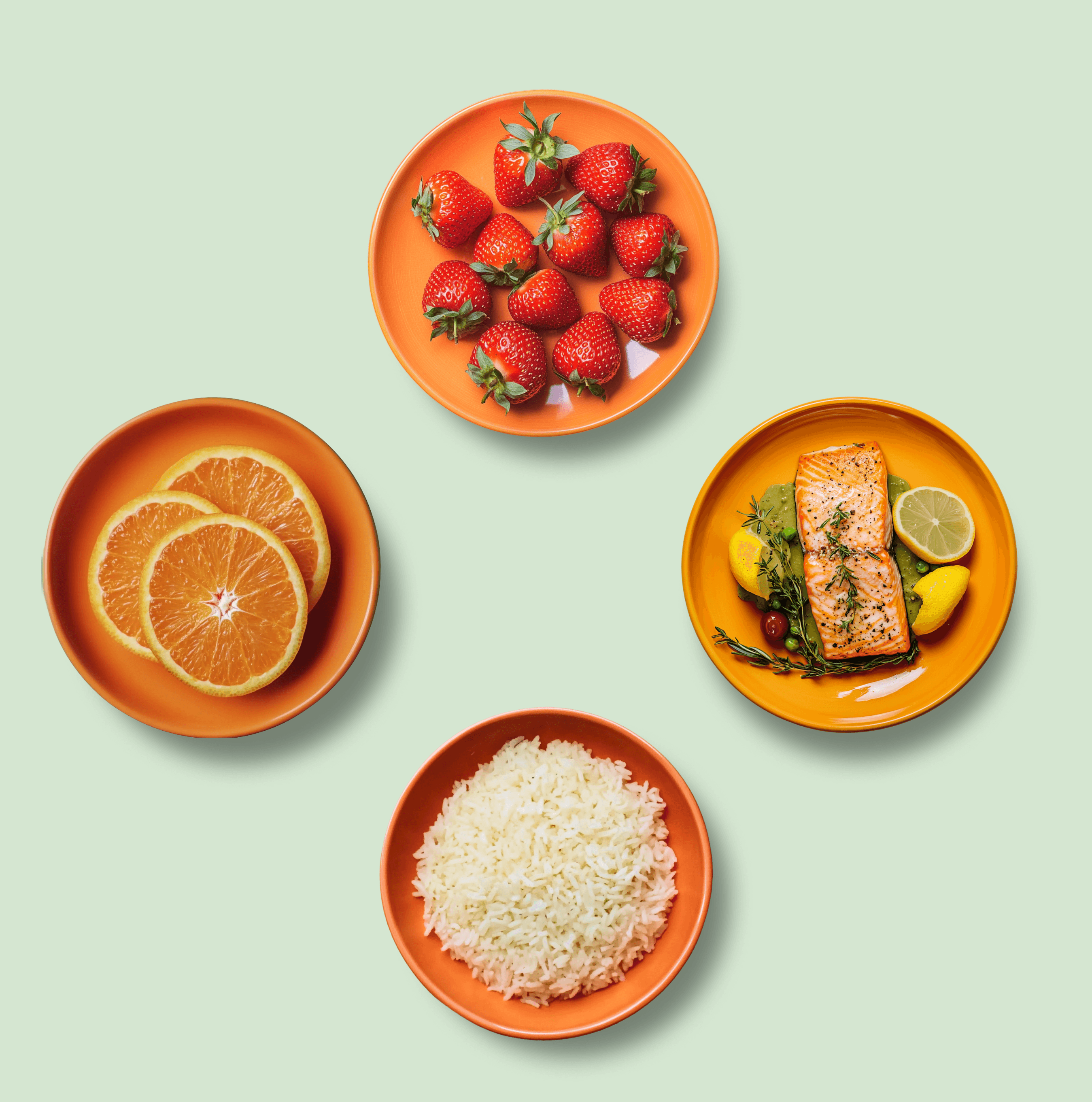
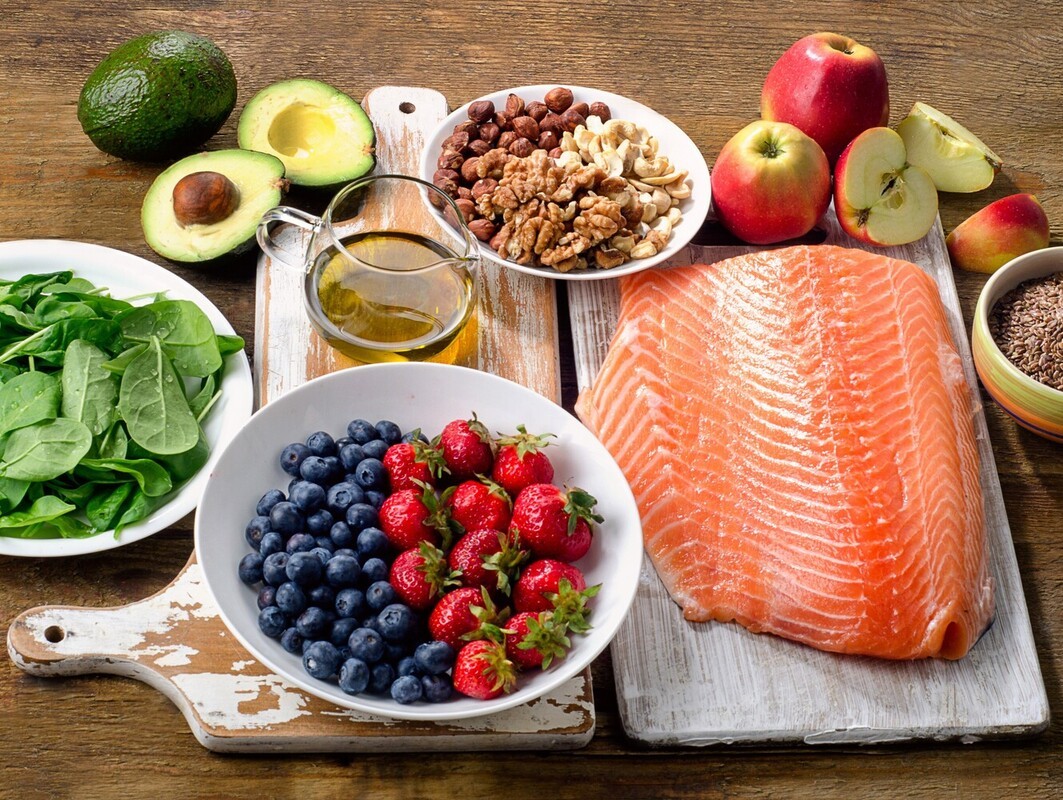
Nutrition plays a major role in how your skin maintains elasticity. Adequate protein supports collagen production, which helps the skin stay firm and resilient. Healthy fats from foods like salmon, avocado, and nuts help protect cell membranes. Antioxidants in berries, peppers, and leafy greens reduce stress on skin cells and promote healthy repair.
Hydration helps the skin stay soft and responsive. Even small improvements in daily water intake can enhance elasticity. A balanced eating pattern gives your skin the nutrients it needs to adapt during weight loss.
When meals consistently include lean protein, colorful produce, and healthy fats, the skin is better equipped to recover. These habits work together to maintain texture and overall skin quality.
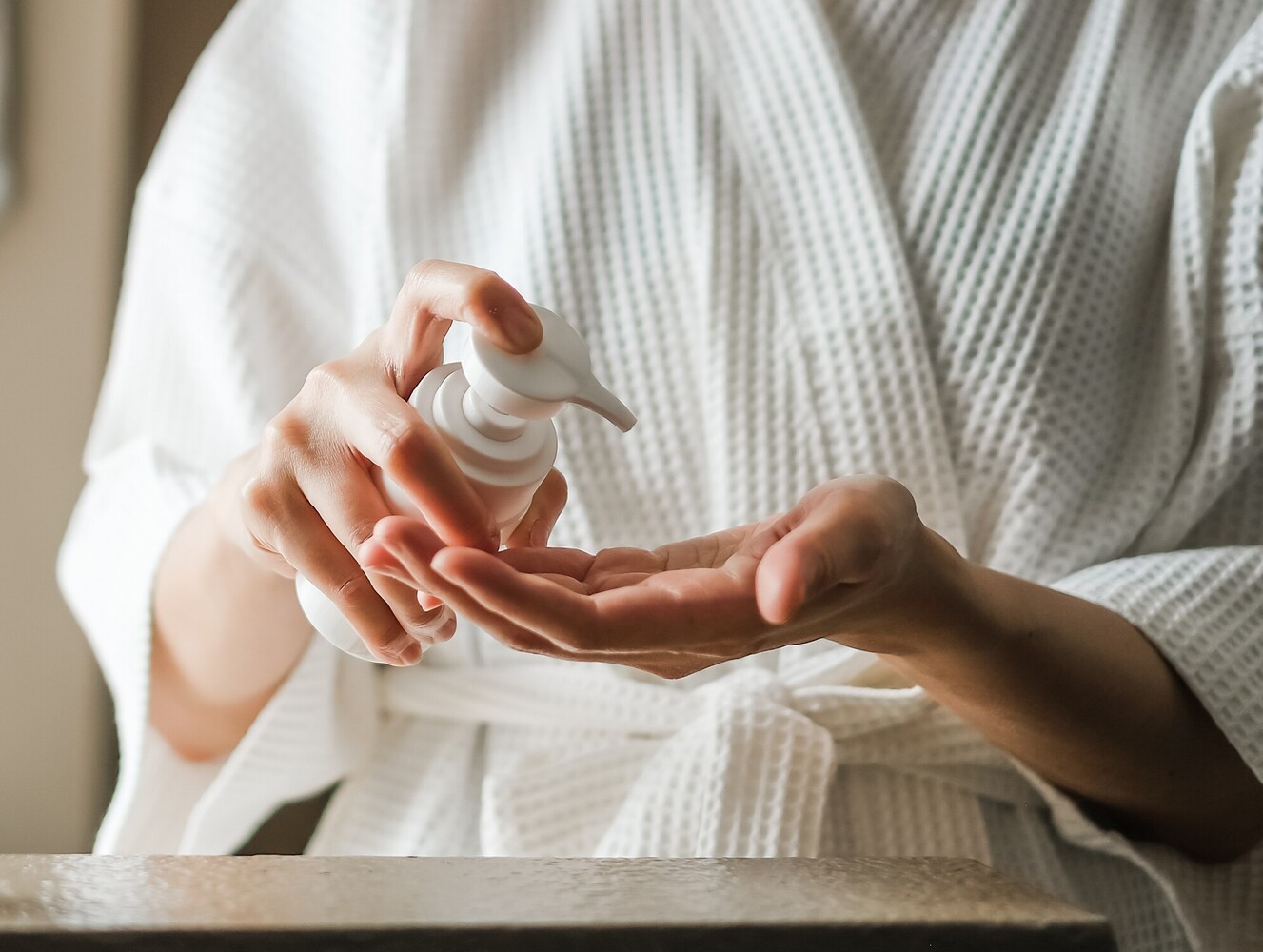
Topical Treatments and Creams
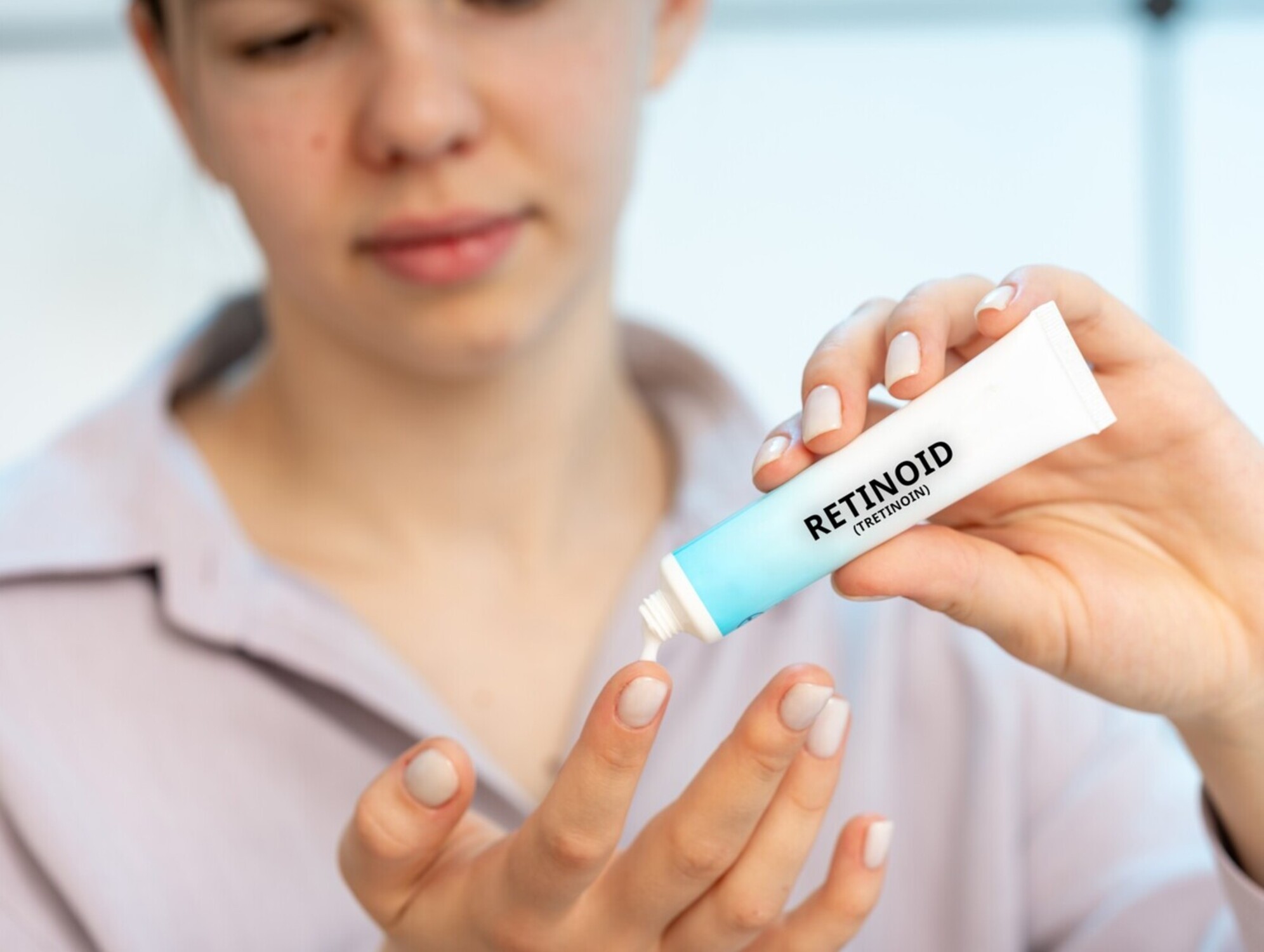
Topical products can support skin health and texture, especially when used consistently. Retinoids encourage collagen production, which helps improve firmness. Hyaluronic acid boosts hydration and softens the appearance of dryness. Firming creams may temporarily enhance texture by improving moisture levels and supporting the skin barrier.
While these products don’t tighten deeper folds, they help the skin feel smoother and healthier. Many people find that incorporating a simple routine makes their skin look more refined.
Applying products after a shower helps lock in moisture. Gentle consistency matters more than specific brands. When paired with good nutrition and steady hydration, these treatments create a more supportive environment for your skin.
Daily Skin Care and Supportive Practices
Daily habits can influence how your skin feels as your body changes. Regular massage improves circulation and may help the skin look more refreshed. Dry brushing can support exfoliation and encourage a smoother texture. Compression garments provide external support and can make movement feel more comfortable.
Sleep improves recovery because the body repairs itself at night. Stress management matters too. High stress affects hormones that influence skin health. Simple practices such as light stretching, calm evening routines, and consistent bedtimes help support your body.
These approaches may seem small, but together they create a more stable foundation for skin recovery and overall comfort.
Clinic-Based Non-Surgical Treatments for Loose Skin
Some people want more noticeable tightening than lifestyle habits alone can provide. Clinic-based treatments offer structured, science-backed options that improve firmness without committing to full surgery.
Energy-Based Treatments
Energy-based treatments use controlled heat to stimulate new collagen production in the deeper layers of the skin. Radiofrequency warms the tissue to encourage tightening, while ultrasound targets deeper structures for more precise lifting. Laser treatments can improve tone and surface texture at the same time.
These technologies work best for mild to moderate laxity, especially in areas like the face, neck, arms, and abdomen. Results build gradually over several months as collagen remodels. Most sessions take less than an hour, and downtime is minimal.
People often choose these treatments when they want visible improvement without taking time off work or disrupting their routine. While results vary, many notice firmer, smoother skin with consistent treatment plans guided by a qualified provider.
Minimally Invasive Lifts and Microneedling Options
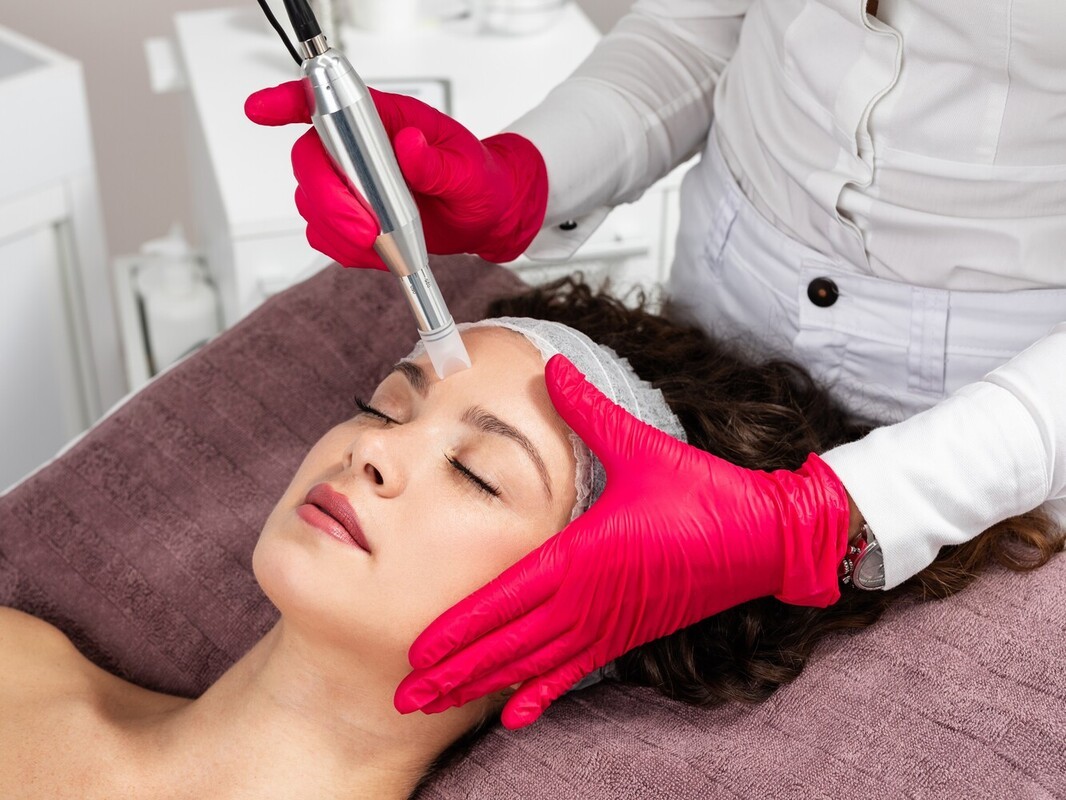
Minimally invasive options bridge the gap between topical treatments and full surgery. RF microneedling uses tiny needles combined with heat to trigger collagen remodeling, which can tighten skin on the face, neck, arms, and stomach.
Micro-coring removes small columns of skin to encourage tightening without large incisions. Collagen-stimulating injectables provide extra support in areas where the skin has thinned or softened.
These treatments often appeal to people who want meaningful improvement with shorter recovery times. There may be mild swelling or redness, but most people return to daily activities quickly.
Results build gradually and can last months to years, depending on the treatment. When combined with good skincare and healthy habits, these approaches offer a balanced, effective way to improve skin firmness.
Surgical Solutions for Excess Skin
Some people reach a point where loose skin affects their comfort, mobility, or confidence enough that surgical options become worth exploring. These procedures offer more dramatic and permanent changes than non-surgical treatments.
Common Procedures and Their Purposes
Surgical procedures for excess skin focus on removing redundant tissue and creating a smoother, more balanced contour. Abdominoplasty tightens the abdominal area and can repair separated abdominal muscles. A panniculectomy removes the lower apron of skin that can cause rashes or irritation.
Arm lifts address hanging skin along the upper arms, while thigh lifts reshape loose skin on the inner or outer thighs. Breast lifts restore shape and position after loss of volume. Lower body lifts combine several areas, often treating the abdomen, hips, and buttocks together.
These procedures offer the most noticeable improvement for significant skin laxity. People choose them when daily activities, clothing fit, or skin hygiene have become increasingly difficult due to excess folds.
Are You a Candidate for Surgery?
Candidacy for surgery depends on several factors, and each one helps ensure a safer, more predictable outcome. A stable weight for at least six to twelve months gives the surgeon a clear picture of your final body shape.
Good nutritional status supports healing, which is why consistent protein intake and balanced meals matter well before the procedure. Medical clearance ensures conditions like blood pressure, anemia, or diabetes are managed.
Readiness for recovery is also important. Surgical procedures require time away from heavy lifting and high-intensity movement.
People who understand the process and have realistic expectations tend to feel more satisfied with their results. If loose skin is causing discomfort or limiting your daily life, an evaluation can clarify whether surgery is a good fit.

Risks, Recovery, and Scar Management
Every surgery comes with risks, and understanding them helps you make informed decisions. Common concerns include infection, fluid buildup, delayed wound healing, and visible scarring. Recovery often involves several weeks of reduced activity while the body heals.
Compression garments help control swelling and support the new shape during this period. Follow-up appointments allow the surgeon to monitor progress and offer guidance.
Scar management plays a big role in long-term results. Silicone sheets or gels, gentle massage, and consistent sun protection help soften and lighten scars over time. Although scars remain, many people feel the tradeoff is worth it when excess skin has been causing pain, irritation, or interference with movement.
Cost and Insurance Coverage
Costs vary depending on the procedure, surgeon experience, and geographic location, but there are general ranges that help you plan.
A panniculectomy typically starts around $5,000 and can reach $15,000 or more when hospital fees are included. A cosmetic abdominoplasty may range from $8,000 to $20,000. Arm lifts and thigh lifts often fall between $6,000 and $14,000, depending on complexity. Breast lifts usually range from $7,000 to $12,000. Lower body lifts tend to be the most extensive and can range from $15,000 to $30,000.
Some procedures may be covered by insurance if excess skin leads to medical issues such as rashes, infections, or hygiene problems. Cosmetic-only procedures typically require full out-of-pocket payment.
Insurance companies often request photos, detailed records, and documentation of ongoing symptoms before considering approval.

Area-Specific Strategies for Loose Skin
Each part of your body may need a slightly different approach when you’re trying to firm loose skin. These area-specific strategies help you focus on what actually works and what can realistically help you feel more comfortable.
1. Abdomen and Lower Body
The abdomen and lower body respond well to a mix of muscle-building, skin support, and clinical treatment when needed. Strength training is a major player here.
Moves like planks, deadlifts, squats, and hip thrusts help build deeper core strength and create more support under the skin. Adding resistance two to four times a week helps the midsection feel firmer over time. Hydration and protein-rich meals also make a difference because they support collagen and muscle repair.
When folds cause irritation or don’t improve with consistent habits, non-surgical tightening can help with mild laxity. Significant overhangs or heavy folds often benefit most from procedures like abdominoplasty or lower-body lifts. A consultation helps you understand which option fits your goals.
2. Arms and Upper Body
Upper-arm strategies work best when you combine targeted strength training with good hydration and simple skin-supporting habits. Triceps dips, overhead presses, and rows help build muscle that fills out the upper arm. Even bodyweight exercises can create noticeable improvements with consistent practice.
Some people find retinoid creams useful for improving tone. If mild looseness remains, radiofrequency tightening can help stimulate collagen.
For larger amounts of loose skin, an arm lift tends to be the most effective option because it removes extra tissue directly. This is especially helpful if the looseness interferes with clothing or causes rubbing. Pairing daily habits with a professional assessment gives you a clear picture of what’s achievable.

3. Thighs and Legs
Thighs respond well to strength training and consistent skincare. Lunges, step-ups, leg presses, and glute-focused exercises help build muscle that gives structure beneath the skin. This creates a firmer look and improves how clothing fits.
For mild laxity, treatments like microneedling or radiofrequency can create targeted tightening. Compression garments can also help during exercise or long days on your feet, especially if the skin feels thin or sensitive.
When looseness becomes significant or starts affecting comfort during walking, a thigh lift may be the best long-term solution. Each strategy can be combined for a more layered approach, depending on your goals.
4. Face, Neck, and Chin
Face weight loss and neck strategies focus on restoring firmness, supporting collagen, and improving contour. Daily sun protection is essential because UV exposure weakens collagen over time.
Retinoids, peptides, and moisturizers help keep the skin healthy and more resilient. Gentle facial exercises may support muscle tone in areas like the jawline or neck, although results vary. Adequate protein, vitamin C, and hydration also play a big role in skin structure.
For mild changes, treatments like radiofrequency or ultrasound provide gradual tightening. Microneedling and collagen-stimulating injectables can help areas that feel hollow or loose.
Some people explore options like a mini facelift or neck lift when sagging becomes more pronounced. Combining daily habits with targeted treatments helps you maintain a firmer, more defined appearance.
5. Breasts and Back
Strategies for the breasts and back focus on building muscle, supporting skin health, and exploring clinical options when needed.
Chest exercises such as pushups, chest presses, and flyes help create shape beneath the skin and support the chest area. Strengthening the upper back also improves posture, which changes how the breasts and back appear. For the back, maintaining a consistent body-care routine reduces irritation in skin folds.
Non-surgical tightening can help mild laxity around the bra line or upper chest. When volume loss or skin drooping is more significant, a breast lift or back contouring surgery may provide the most effective and lasting results. These options can greatly improve comfort and confidence.
Why Is It Important to Address Excess Skin?
Addressing excess skin matters for both practical and emotional reasons. Many people focus on the appearance side, but excess skin can also influence comfort, daily movement, and overall quality of life. When folds of skin rub, catch on clothing, or feel heavy during activity, it becomes harder to enjoy the progress you’ve made.
Whether you choose supportive habits, non-surgical treatments, or surgical options, the goal is to help you feel comfortable, capable, and confident. Understanding the reasons behind these concerns makes it easier to decide which steps feel right for you and your lifestyle.
Physical Discomfort and Skin Conditions
Excess skin can create very real physical challenges that affect daily comfort. Folds may trap moisture, leading to rashes, irritation, or fungal infections, especially in warm climates or during exercise. Chafing can happen on the thighs, under the stomach, or around the arms, which makes walking or working out feel uncomfortable.
Some people notice an odor that comes from moisture and bacteria collecting in hard-to-clean areas. Loose skin may shift during movement, which can make running, bending, or stretching more tiring. These issues can limit activity levels and create frustration, even when someone has high weight loss motivation.
Managing excess skin through proper hygiene, moisture-wicking clothing, and targeted skin care can help. When discomfort becomes persistent, medical or surgical options may offer meaningful relief. Addressing these physical concerns often restores comfort and allows for a more active, enjoyable lifestyle.
Psychological and Emotional Impact
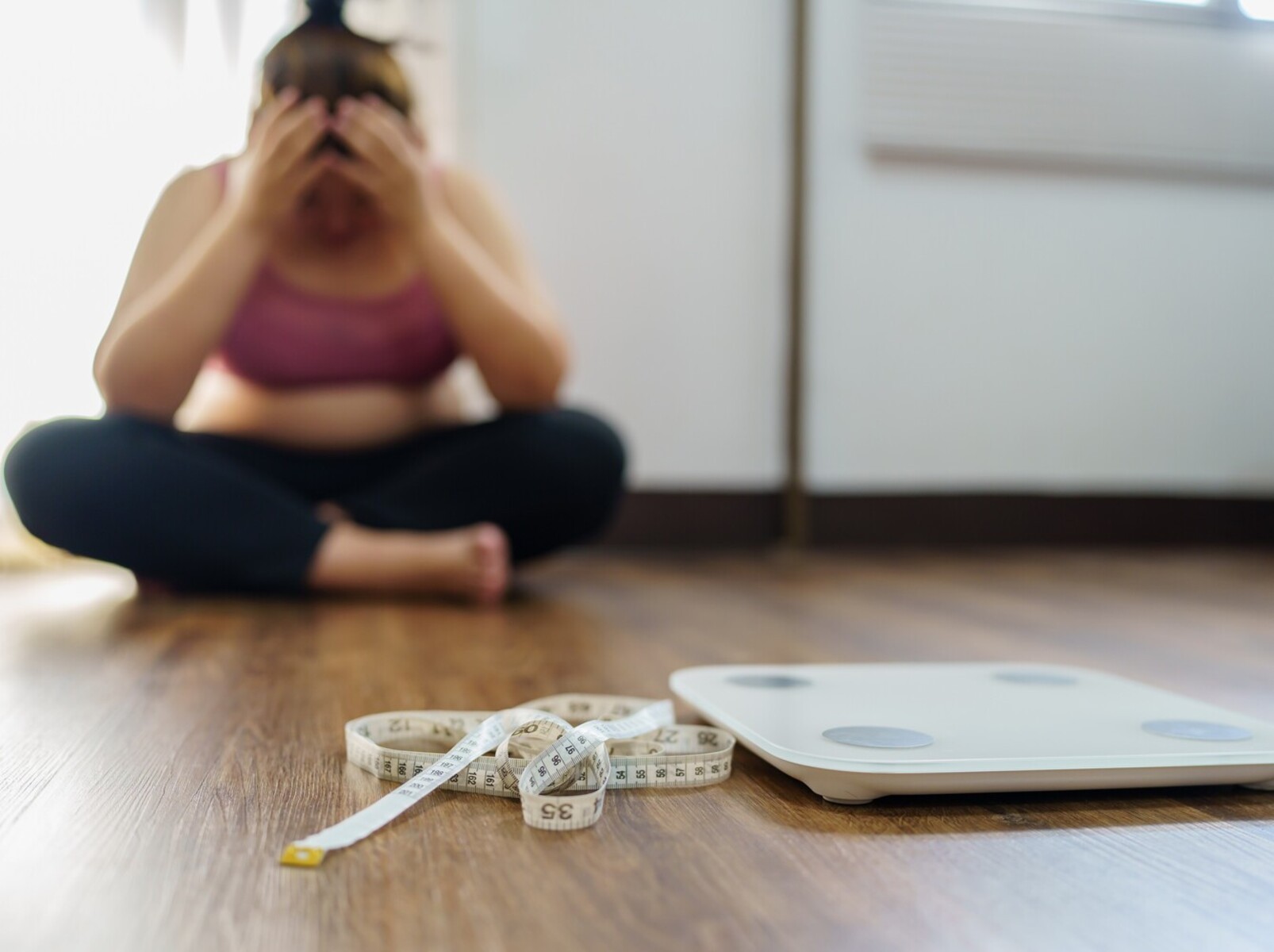
Loose skin can influence how you feel about your body, even after achieving significant weight loss. Many people expect to feel proud and confident, but are surprised when loose skin affects that sense of accomplishment.
Clothing may fit differently than expected, which can make shopping or getting dressed feel discouraging. Some people avoid certain activities like swimming or exercising in public because they feel self-conscious about visible folds.
These feelings are common and understandable. Body image is deeply personal, and the emotional adjustment after weight loss takes time. Addressing loose skin, whether through lifestyle habits or medical options, often helps people feel more comfortable in their daily routines.
Confidence grows when your physical changes align with how you want to feel. Creating a plan that fits your needs can help you reconnect with the pride you deserve to feel after your hard work.
Loose Skin FAQs
Does everyone who loses a lot of weight get loose skin?
No. Many factors influence your outcome, and not everyone develops significant laxity.
How long does it take for skin to tighten naturally?
Most natural tightening happens within 6–18 months after weight stabilization.
Are supplements or collagen powders effective?
They may support skin health, but they won’t remove large amounts of loose skin on their own.
Will insurance cover my skin removal surgery?
Coverage depends on whether the procedure is deemed medically necessary.
How can I hide loose skin in daily life?
Compression garments, structured clothing, and supportive undergarments can help.
What should I ask my surgeon during the consultation?
Ask about experience, expected results, scars, risks, recovery, and how your health and weight stability affect your outcome.
Conclusion
Loose skin after weight loss is common, understandable, and influenced by many factors, and learning how it develops helps make the process feel less confusing. Natural tightening can happen, but timelines vary, and some people benefit from supportive habits while others may consider medical or surgical options.
Skin health improves when weight loss is steady, nutrition is balanced, muscle is maintained, and daily care routines stay consistent. It’s also important to acknowledge the emotional impact, because feeling comfortable in your body matters just as much as the physical changes.
If you want personalized guidance that fits your goals, connect with a Registered Dietitian covered by insurance through Berry Street and get support that feels clear, practical, and encouraging.
If you want to learn more, why not check out these articles below: