Most people have stepped on the scale, seen an unexpected jump, and wondered what happened overnight, and that confusion often leads to searching for how to lose water weight in a way that actually works. As Registered Dietitians, we’ve seen how water retention can affect confidence and weight loss motivation, especially when someone feels like they’re doing everything right.
In this article, we break down what water weight is, why it happens, how much you can realistically lose, and when it becomes a concern. We also walk through practical strategies such as hydration, sodium awareness, movement, electrolyte balance, stress management, and smart nutrition shifts. The goal is to help you understand your body, feel more in control, and use simple habits that support real progress.

What Is Water Weight?
Water weight refers to the extra fluid your body stores in tissues when it holds onto more water than it needs for normal function. This fluid can shift quickly, which is why the scale sometimes moves in ways that don’t match your food or exercise choices.
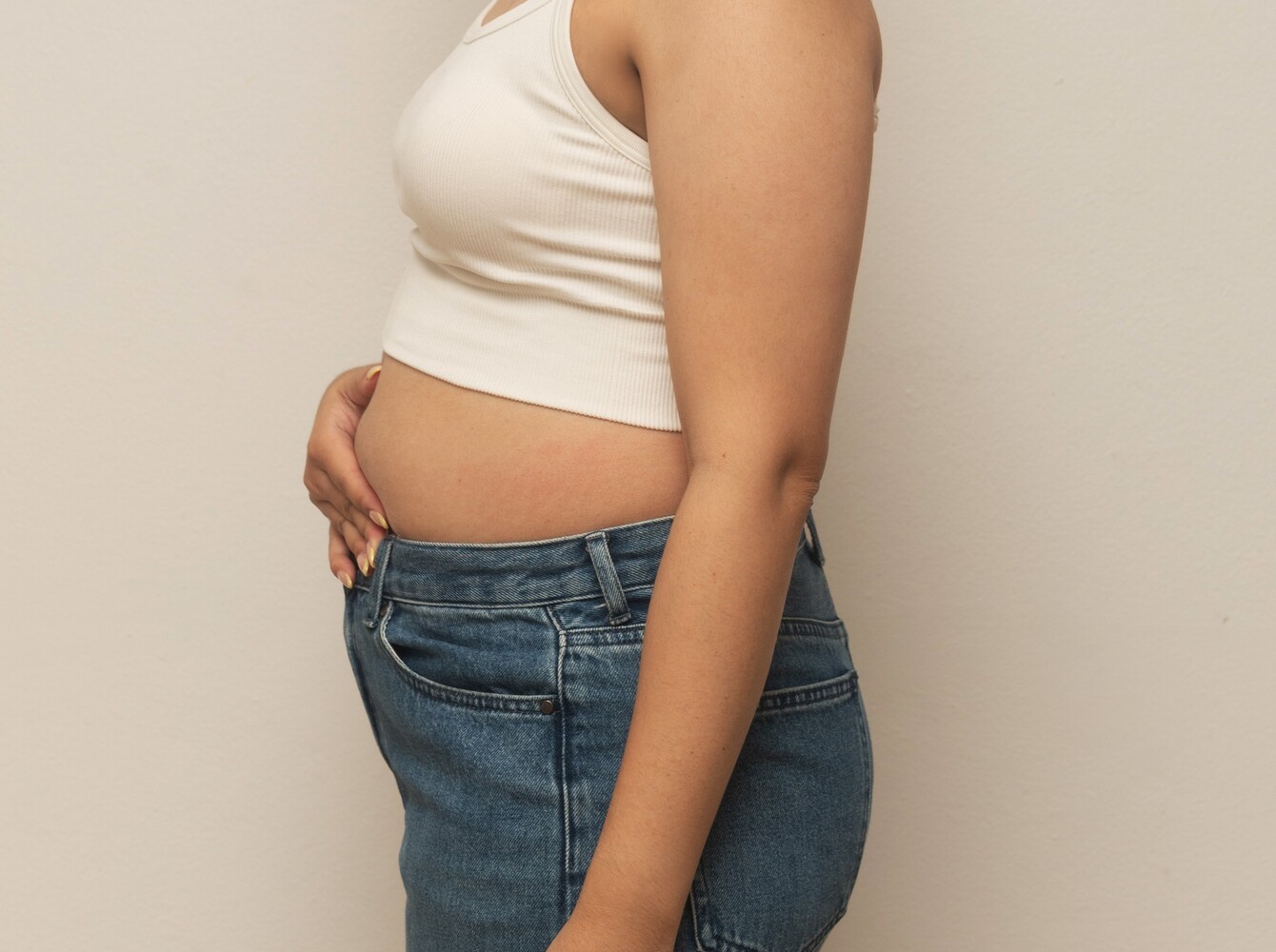
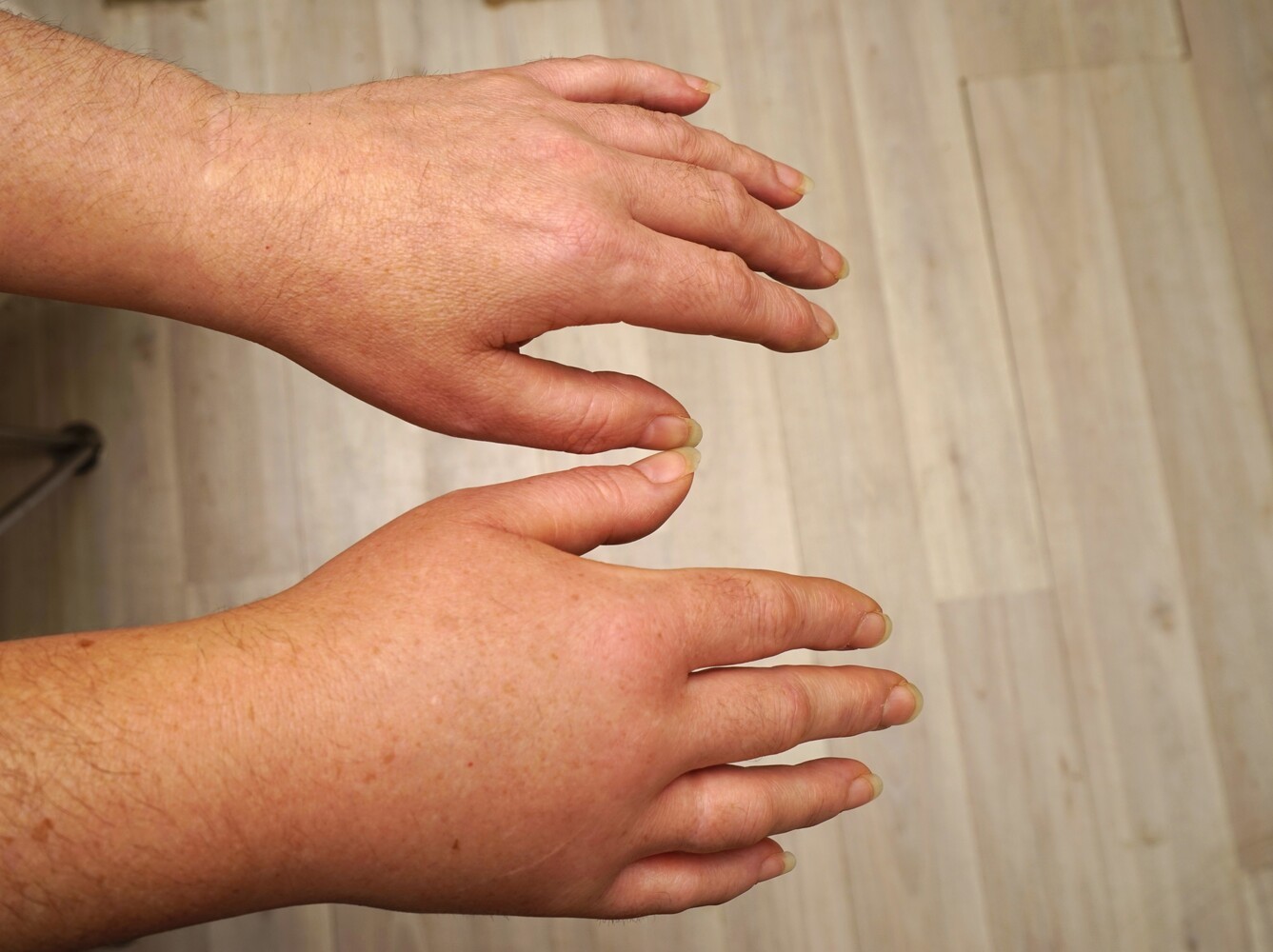
People often feel swollen in their hands, stomach, or face, and some describe a heavy or bloated feeling that’s hard to ignore. Because water makes up such a large percentage of the human body, small changes can look dramatic. From our experience working with clients, those shifts can impact mood, confidence, and comfort throughout the day.
Why Does Water Weight Happen?
Water weight builds up when the systems that regulate fluid balance fall out of rhythm. Hormones play a big role, and so do electrolytes like sodium and potassium. A salty meal, a night of poor sleep, or extended sitting can all lead to noticeable puffiness. Dehydration is another common trigger because the body holds more water when overall intake drops.
Medications and hormonal changes, including menstrual cycles, are frequent contributors too. We often see people surprised by how quickly lifestyle factors like stress or travel routines affect their fluid levels.
How Much Water Weight Can You Carry or Lose?
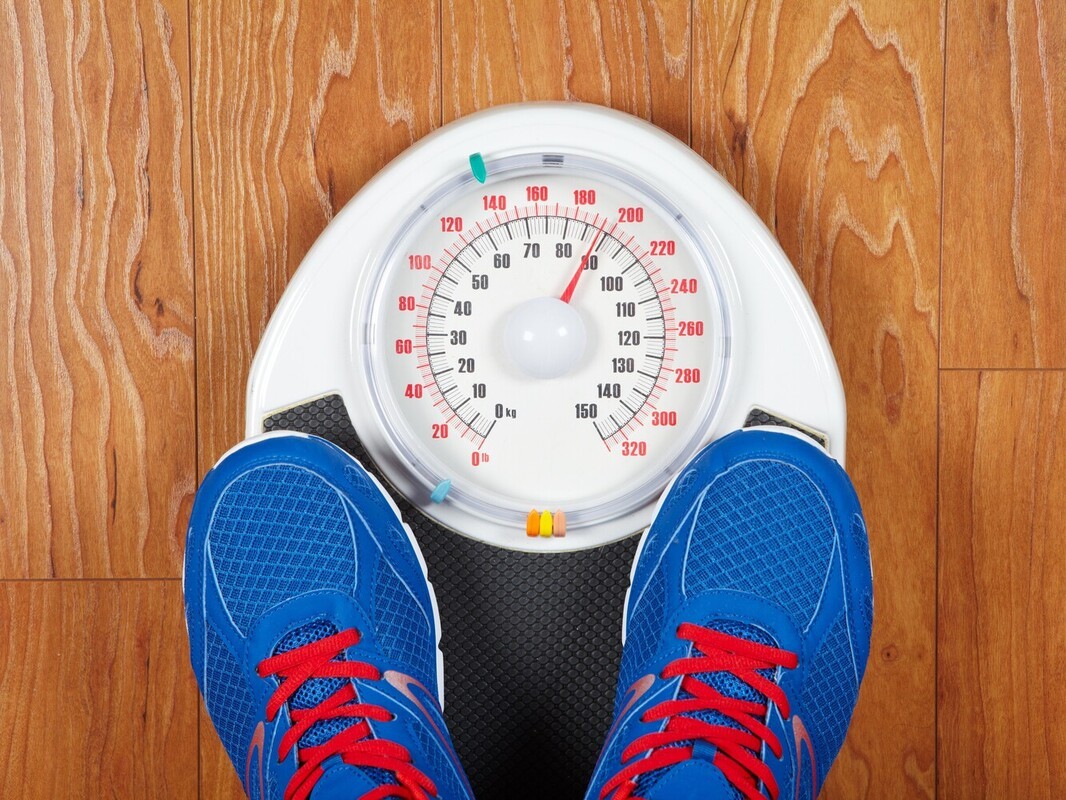
Most people carry anywhere from a couple of pounds to several pounds of extra water without realizing it. That’s why the scale can swing two to four pounds in a short time, often overnight or within a single day.
These changes reflect fluid shifts rather than body fat changes. When someone adjusts hydration, reduces excess sodium, increases movement, or moderates carbohydrate intake, the body often releases noticeable amounts of water.
We’ve seen clients feel lighter and more comfortable within a day or two once those areas fall into place. It’s a normal and expected part of weight fluctuations.
When Is Water Retention a Concern?
Water retention becomes a concern when it lingers, worsens, or appears suddenly without a clear reason. Swelling in the legs, feet, hands, or face that lasts for days can signal an underlying issue.
Fluid buildup paired with shortness of breath, chest discomfort, or rapid weight changes like unexplained weight loss or gain over a few days needs medical attention. Conditions involving the heart, kidneys, or liver can influence how the body handles water, and those effects show up through swelling.
If you’re unsure or if something feels off, a healthcare provider or Registered Health Dietitian can help determine whether the cause is harmless or something that needs further evaluation.
How to Lose Water Weight
Learning how to lose water weight starts with simple, targeted habits that help your body regulate fluid more effectively. These steps make a noticeable difference in how you feel, and they support long-term health at the same time.
1. Stay Properly Hydrated
Drinking enough water plays a major role in reducing fluid retention, and it works more quickly than most people expect. Hydration helps your kidneys release extra sodium and water instead of holding onto it. Regular sipping throughout the day is far more effective than drinking large amounts at once because it keeps your fluid levels steady.
If you work out often, spend time outdoors, or live in hot climates, you’ll need even more consistency with fluids since sweat loss increases your needs. Electrolyte-rich drinks can help in these cases, especially when exercise is intense or prolonged. When hydration is steady, bloating tends to ease within a day or two.
2. Reduce Sodium Intake
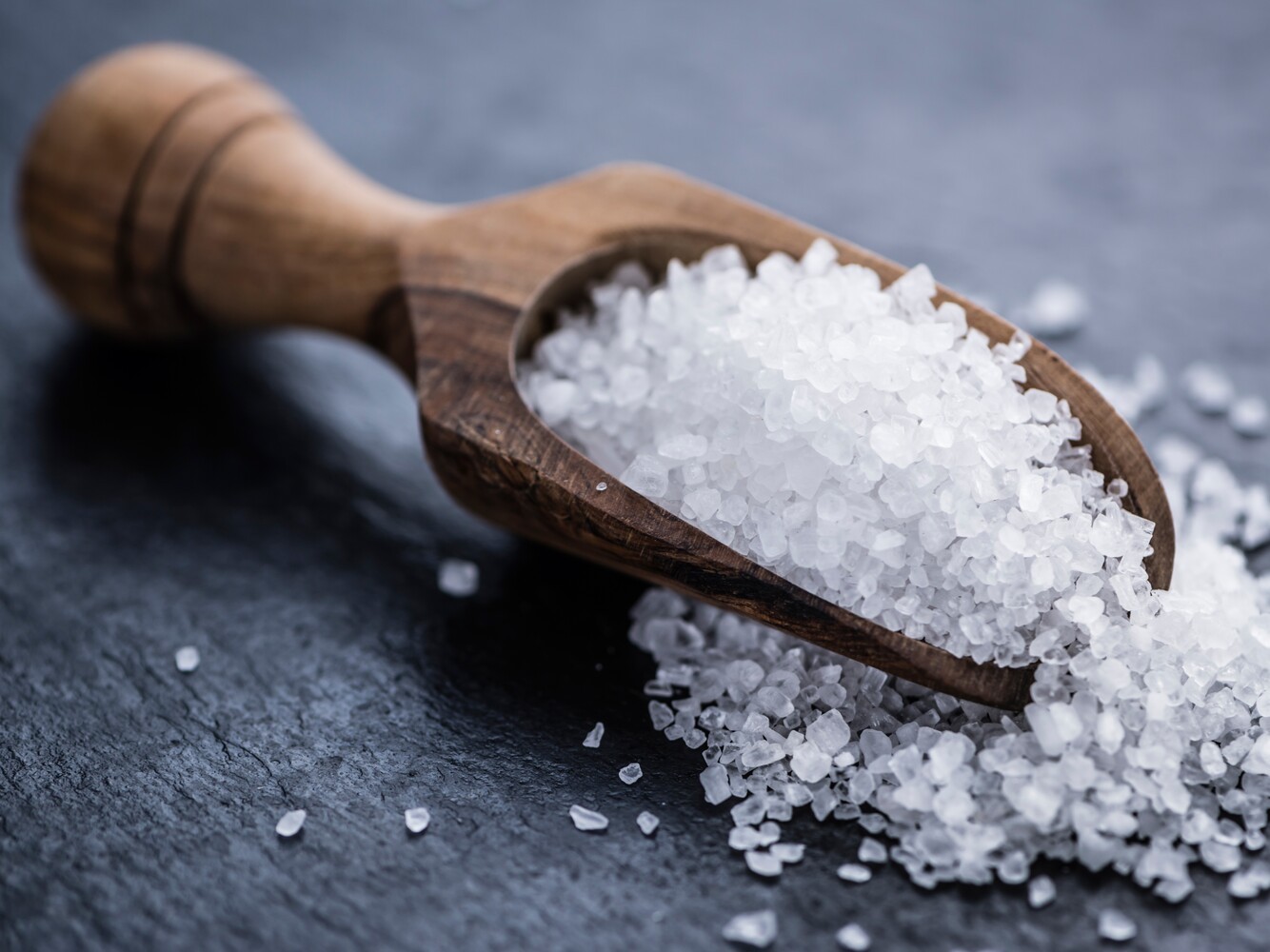
Cutting back on sodium is one of the quickest ways to shed water weight. Sodium pulls water into your tissues, which leads to puffiness and that heavy, swollen feeling many people notice after salty meals.
The tricky part is that sodium hides in countless foods, including bread, sauces, deli meats, restaurant dishes, and most packaged snacks. Preparing more meals at home helps you stay in control of your intake, and using herbs, acidic ingredients, and fresh produce keeps flavor high without relying on salt.
Even small shifts, like choosing low-sodium broth or skipping the extra soy sauce, make a clear difference within a few days.
3. Adjust Carbohydrate Intake
Carbohydrates influence water retention because they are stored as glycogen, and glycogen binds water. When carbohydrate intake decreases slightly, glycogen stores shrink, and the attached water is released. That is why people often see a quick drop on the scale during the first few days of a lower-carb pattern.
These changes reflect water shifts rather than fat loss, so the goal is never aggressive carb cutting. A moderate approach that includes whole grains, fruits, and legumes works well for most people. From our experience, pairing steady carbs with balanced meals helps your body regulate fluid better over time.
4. Increase Potassium and Magnesium
Potassium and magnesium play important roles in fluid balance, and many people do not get enough of them.
Potassium helps counter the effects of sodium, which encourages your body to release stored water. Magnesium supports muscle and nerve function, which indirectly helps the body regulate fluids more efficiently.
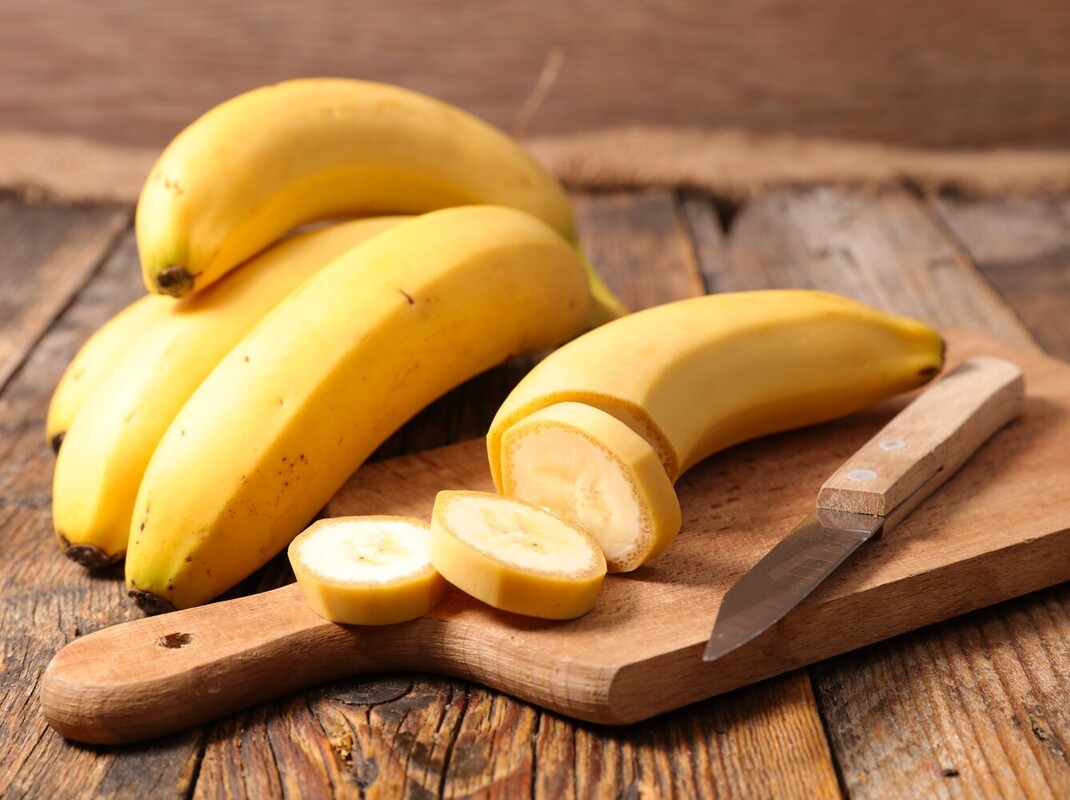
Foods like bananas, avocados, beans, leafy greens, nuts, and whole grains offer a natural supply of these electrolytes. Prioritizing nutrient-rich meals makes a noticeable difference in bloating and overall comfort.
If you want guidance that fits your personal needs, connect with a Registered Weight Loss Dietitian at Berry Street for a customized 7-day meal plan that supports healthy fluid balance.
5. Exercise and Movement
Movement boosts circulation and helps your body shift trapped fluid back into your bloodstream, where your kidneys can process it. Even a short walk can make a difference, especially if you sit for long periods during the day.
Sweating during exercise also encourages your body to release sodium and water naturally. Strength training, interval workouts, and steady-state cardio are all effective options.
Many people feel lighter and less bloated after just one workout because the circulation boost can happen fast. Consistent daily movement creates the best long-term results and helps prevent fluid from pooling.
6. Manage Sleep and Stress
Sleep and stress have more influence on water retention than many people realize. High stress increases cortisol, and elevated cortisol can cause the body to hold more water. Poor sleep disrupts the hormones that regulate hydration and sodium balance, which leads to puffiness and scale fluctuations.
Even a single night of poor sleep can trigger noticeable changes for some people. Creating a calm nighttime routine, limiting screens late at night, and practicing relaxation strategies can help. Over time, better sleep and stress management support steadier fluid levels and fewer uncomfortable shifts from day to day.

How Fast Can You Lose Water Weight?
You can lose water weight fairly quickly because fluid shifts respond fast to changes in hydration, sodium, and movement. Many people notice a difference within a single day. The exact pace depends on how much water you were holding in the first place, how consistent your habits are, and whether triggers like high-sodium meals or long sedentary days have been part of your routine.
Because the body adjusts fluid levels rapidly, these changes often show up on the scale before any actual fat loss takes place. This is why the early stages of lifestyle changes often feel so encouraging.
What’s Realistic in 24 Hours, 2 Days, or a Week
In 24 hours, dropping one to two pounds of water is common when hydration improves and sodium intake goes down. A short walk or workout can speed things up by boosting circulation.
Over two to three days, many people see a two to four pound change, especially if they’ve recently eaten salty meals or had disrupted sleep. By the end of a full week, losing up to six pounds of water is possible for someone who was retaining a lot to begin with. Some people may not have this much water weight to lose, though.
These early shifts reflect fluid changes rather than fat loss, but they make you feel lighter and less puffy.
Common Rapid Water Loss Techniques
Some people turn to quicker methods to shed water weight when they want fast results. These approaches can create noticeable changes, but they require caution and are not ideal for long-term use. The safest and most effective way to manage water retention is with the support of a Registered Dietitian who can guide you through personalized strategies.
1. Temporary Low Carb or Keto Approaches
Lowering carbohydrate intake reduces glycogen stores, and glycogen naturally holds water. When those stores shrink, the scale often drops within a day or two. This method can offer quick relief from bloating, especially after high-carb meals. The effect is temporary, though, because water returns once carbs increase again. It works best as a short-term reset rather than a daily routine.

2. Saunas and Heat Exposure
Saunas and hot environments trigger heavy sweating, which can release a noticeable amount of water and sodium in a short time. Many athletes use this technique before weigh-ins because it works quickly. The downside is the increased risk of dehydration. Anyone trying this approach must rehydrate carefully with water and electrolytes. For general health goals, moderate use is safer than relying on it regularly.
3. Short-Term Sodium Restriction and Potassium Rebalancing
Reducing sodium intake while increasing potassium helps your body shift excess water out of tissues. This combination can ease puffiness and support a lighter feeling within a day or two. Foods like bananas, greens, and potatoes naturally contribute to a better balance. The key is avoiding extreme restriction. A steady, moderate approach allows your body to adjust without feeling drained or lightheaded.
4. Herbal Diuretics
Some herbal teas and supplements have mild diuretic effects that encourage increased urination. This can lead to temporary water loss and reduced bloating. Options like dandelion tea, green tea, or certain blends are popular choices. These tools should be used thoughtfully because overuse can cause dehydration or mineral imbalances. If you try them, pair them with solid hydration habits to stay safe.

Risks of Rapid Water Loss
Quick methods can produce fast results, but they come with real downsides. These risks are important to understand so you can make informed choices about your health. Safe, steady changes supported by a Registered Dietitian will always be the better long-term approach.
1. Dehydration and Electrolyte Imbalances
Losing large amounts of water in a short time can leave you dehydrated, which often leads to dizziness, headaches, and fatigue. Electrolytes like sodium, potassium, and magnesium may drop along with the water, and that can cause muscle cramps or irregular heartbeat.
These minerals help your nerves and muscles function properly, so sudden loss creates stress on the body. People who use saunas or diuretics without careful hydration face the highest risk.
2. Unsustainable Results
Rapid water loss usually produces short-lived changes because the body restores fluid levels once normal habits return. People often feel discouraged when the scale climbs again after a salty meal or a high-carb day.
That frustration can pull them into a cycle of trying quick fixes instead of building stable routines. Long-term fluid balance responds best to consistent hydration, movement, and balanced eating rather than sudden tactics.
3. Masks Underlying Health Issues
Sometimes water retention is connected to health concerns such as heart, kidney, or liver problems. Rapid-loss methods may temporarily reduce visible swelling, but they cannot address the cause.
If someone relies on these techniques, they may miss early warning signs that need medical attention. Persistent swelling, shortness of breath, or rapid weight gain should always be checked by a healthcare provider.

4. Impact on Blood Pressure and Heart Function
Rapid water loss can cause sudden drops in blood volume, which may lower blood pressure more than your body can comfortably handle. This can leave you lightheaded or shaky when standing up. People with existing heart conditions may feel extra strain because the heart has to work harder to push less blood through the body.
These shifts can trigger palpitations or an irregular heartbeat in sensitive individuals. Gradual changes are far safer for maintaining stable cardiovascular function.
5. Strain on the Kidneys
When the body loses water too quickly, the kidneys must filter concentrated urine, which puts extra pressure on their workload. This can cause discomfort in the lower back or a noticeable decrease in urine output. In some cases, the kidneys may struggle to maintain proper electrolyte balance, especially if diuretics or dehydration are involved.
Over time, repeated strain can affect kidney health. People with existing kidney concerns should be especially cautious and seek medical guidance before attempting rapid-loss methods. Just because you can lose water weight quickly, doesn’t mean you should.
Natural and Dietary Approaches to Losing Water Weight
Supporting healthy fluid balance becomes much easier when you focus on what you eat and how consistently you nourish your body. These strategies work well on their own, but they become even more effective when paired with steady hydration and simple lifestyle adjustments.
Focus on Whole Foods and Hydration
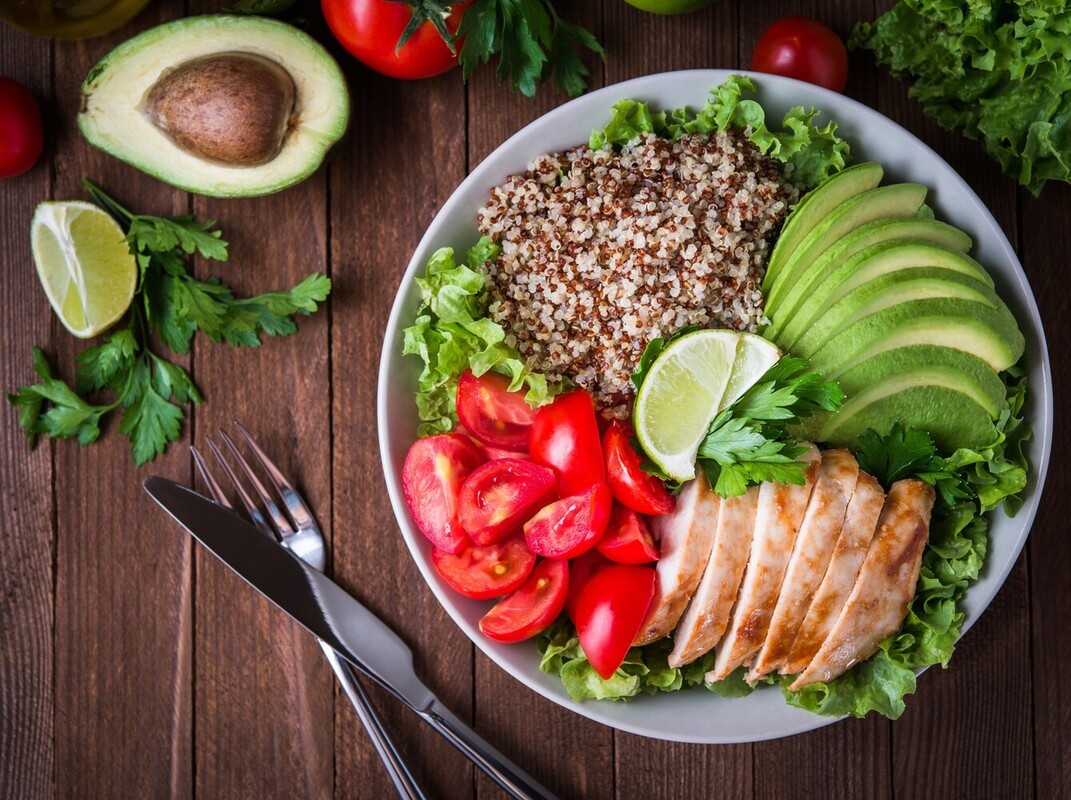
Whole foods offer the mix of nutrients, fiber, and water your body needs to regulate fluids more smoothly. Fresh fruits, vegetables, lean proteins, and whole grains naturally support hydration and help the kidneys function efficiently.
Processed foods often come packaged with added sodium, preservatives, and low-quality fats that can cause uncomfortable puffiness.
When you swap fast food for meals built around produce and whole ingredients, you’ll notice less bloating within a few days.
Water-rich foods like cucumbers, melons, and berries add volume without excess calories, which helps with both satiety and fluid control. Combined with regular water intake, this approach consistently leads to clearer, quicker results.
Make Smart Dietary Adjustments
Simple nutrition tweaks can significantly influence water retention. Moderate carbohydrate intake helps manage how much water the body stores with glycogen, and this balance can ease sudden scale fluctuations.
Potassium-rich foods like bananas, spinach, and avocados naturally encourage the release of excess fluid. Pairing them with other nutrient-dense options, such as beans and whole grains, supports electrolyte balance throughout the day.
We often see clients feel lighter and more comfortable after just a few days of including more of these foods. The goal is not strict dieting, but steady shifts in what makes up the majority of your plate.
Try Natural Diuretics and Drinks
Some drinks have naturally mild diuretic effects that can help release extra water in a gentle, supportive way. Dandelion tea, green tea, and even coffee can increase urine output and help flush out excess sodium when used thoughtfully. Warm water with lemon encourages hydration and can serve as a refreshing morning routine that jump-starts digestion.
These drinks should complement, not replace, consistent hydration and balanced eating. People often enjoy adding them as simple daily rituals that feel calming and intentional. They work best when used occasionally, especially when bloating feels more noticeable than usual.
Avoid Common Water Retention Triggers
Everyday habits play a big role in how much water your body holds. Alcohol, salty snacks, takeout meals, sugary drinks, and long periods of sitting can all lead to swelling and puffiness. Choosing fresh snacks like fruit or yogurt instead of chips can make a real difference. Taking small movement breaks during the day helps keep circulation strong and reduces fluid buildup in the legs and ankles.
These adjustments are simple but impactful, especially when you repeat them consistently. If you need help identifying your specific triggers or creating a tailored plan, working with a Registered Gut Health Dietitian can provide clear guidance and long-term support.

Special Situations and Medical Considerations
Water retention isn’t always tied to everyday habits. Sometimes it reflects deeper medical factors or unique situations that require more specialized guidance.
Health Conditions and Medications
Some health conditions make fluid retention more likely because they directly affect how the body regulates water. Kidney, liver, and heart concerns often cause swelling in the legs, hands, or abdomen, and hormonal conditions can contribute as well.
Certain medications, such as steroids, birth control, NSAIDs, and some blood pressure drugs, may also increase fluid retention.
When swelling is persistent or unclear, a medical evaluation is important. You can also benefit from guidance from a specialty Registered Dietitian, such as a Registered Cardiac Dietitian or a Registered Liver Disease Dietitian, to support safe and appropriate nutrition changes.
Although weight loss can be a struggle when you’re dealing with a chronic medical issue, it’s still possible, especially with the help of Registered Dietitians. We can help you with issues like losing weight with hypothyroidism and losing weight with Hashimoto's.
Athletic Water Weight Cutting
Athletes in weight-class sports sometimes use water-cutting techniques before competitions. These methods often involve reducing sodium, limiting fluids, spending time in saunas, or increasing sweat output through intense exercise. The goal is to temporarily lower weight for a weigh-in, but the process can strain hydration, energy, and performance.
Rehydration is essential once the weigh-in is complete. Without proper recovery, athletes risk dizziness, fatigue, and muscle cramps. These strategies should only be used under expert supervision, and they are not suitable for general water-weight management or everyday health goals.
When to Seek Medical Advice
Some signs of water retention call for prompt medical evaluation rather than home strategies. These symptoms can point to concerns involving the heart, kidneys, or circulation, so it helps to know what to watch for. If you notice any of the following, it’s best to reach out to a healthcare provider:
Sudden swelling in the legs, ankles, hands, or face
Rapid weight gain over a few days
Shortness of breath or difficulty breathing
Swelling that leaves an indentation when pressed
Chest discomfort paired with new or worsening fluid buildup
These symptoms deserve timely attention to determine the cause and ensure proper treatment.
How Long Does It Take to Lose Water Weight?
Most people lose water weight fairly quickly because the body adjusts fluid levels faster than it changes body fat. Small shifts in hydration, sodium intake, overall diet, or activity level can create noticeable changes within a day or two.
For many, the first twenty-four to forty-eight hours bring the biggest drop. Others see gradual changes over several days, especially if they were holding more fluid to begin with. The overall timeline depends on your routine, your diet, and how consistently you support healthy fluid balance.
How Much Water Weight Can You Lose?
Many people lose one to six pounds of water weight over a few days, depending on how much fluid they were retaining. Someone who recently ate a salty meal or has been sitting for long periods may see faster changes once habits shift. Hydration, movement, and carbohydrate intake also influence how quickly water levels stabilize.
The more consistent your routine becomes, the smoother and more predictable your results will feel. These changes often make you feel lighter and less bloated even before fat loss starts.
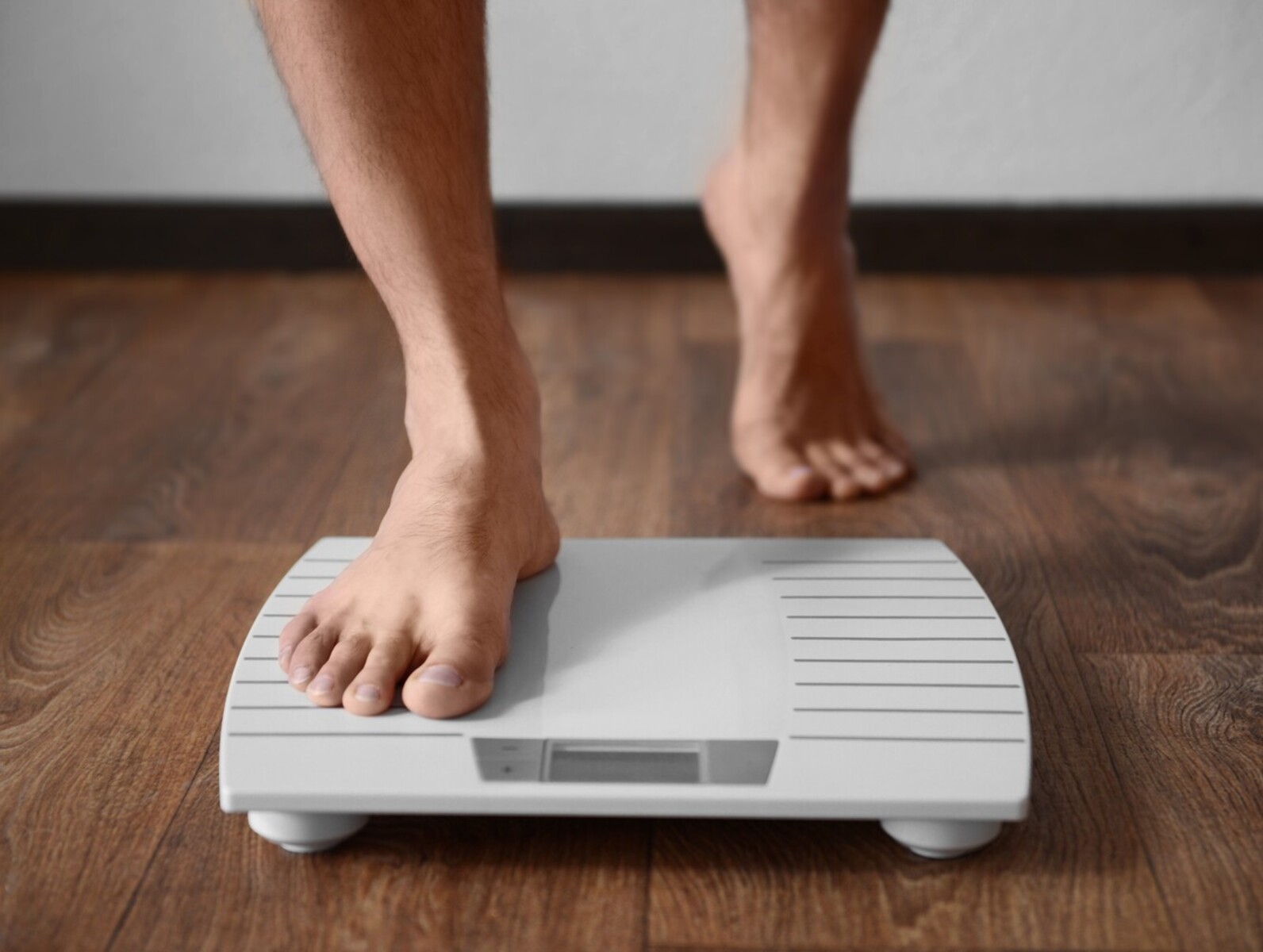
Why the Scale Drops Quickly at First
The early drop on the scale often comes from releasing stored water rather than burning body fat. When you reduce sodium, increase hydration, move more, or adjust carbohydrates, your body lets go of excess fluid and glycogen-bound water. This shift can make the scale dip within a day or two.
Fat loss happens more slowly and builds through consistent choices over time. Understanding the difference helps manage expectations and makes the journey feel less confusing.
Water Weight FAQs
How can I lose water weight in my face?
Balance your overall hydration, reduce sodium, and prioritize movement. The face often reflects general fluid retention. The best way to lose weight in your face is to take a holistic approach.
How much water weight can you lose overnight or in a day?
One to two pounds is common with changes in hydration, sodium, and movement.
Does sparkling water help with weight loss?
Sparkling water supports hydration and may help you avoid sugary drinks, which supports overall weight-loss efforts.
How do I lose sodium weight safely?
Lower sodium gradually by reducing processed food, choosing fresh options, and adding more potassium-rich foods.
Can you lose water weight with kidney disease?
Fluid changes with kidney disease need medical supervision. Always consult your care team before adjusting water or sodium.
What happens when you lose water weight?
You may look and feel less puffy, notice looser rings or clothing, and see a lower scale number. These changes reflect fluid shifts, not fat loss.
Is it easy to lose water weight?
It’s easier than fat loss because fluid shifts quickly, but it still requires consistent habits and awareness of sodium, hydration, and movement.

Conclusion
Understanding water weight gives you a clearer picture of what’s really happening when the scale moves quickly, and it helps you respond with strategies that actually make a difference.
Hydrating consistently, balancing electrolytes, reducing excess sodium, adjusting carbs when needed, staying active, sleeping well, and managing stress all play meaningful roles in reducing fluid retention and helping you feel lighter and more comfortable.
These habits also support long-term weight management, which matters far more than short bursts of rapid water loss. If your goal is to feel more in control of your body and build confidence with sustainable changes, these tools give you a strong foundation.
If you want personalized support that fits your lifestyle, connect with a Registered Dietitian through Berry Street to get guidance tailored to you.
If you want to learn more, why not check out these articles below: