Many people look for the best cleanse for weight loss when progress feels slow, and we understand why the idea seems appealing. A quick reset can sound motivating, although cleanses often work differently than people expect.
In this article, we explain what cleanses really are, how the body naturally detoxifies itself, and why rapid weight changes can be misleading. We also review the most common types of cleanses, how duration affects results, and when these approaches can become unsafe.
Our team of Registered Dietitians shares practical ways to support your health without extreme restrictions, plus a simple three-day reset plan that avoids harsh cleansing. We use a friendly and evidence-based approach so you can decide what actually helps and what only sounds helpful.

What a Cleanse Actually Is
A cleanse is usually a short stretch of eating or drinking patterns that claim to detoxify the body or speed up weight loss. In practice, the structure varies a lot. Some people follow juice-only plans, while others rely on teas, powders, or strict food rules.
Many cleanses limit calories dramatically, often to the point where energy levels drop and daily routines feel harder. There’s also no clinical definition for what a cleanse must include, so programs can range from mild resets to highly restrictive routines.
From our experience working with clients, the motivation is often the same. People want a quick way to feel lighter, reduce bloating, or regain control after overeating. The challenge is that these programs rarely deliver what they promise.
They may feel motivating for a short period, although the claims about toxin removal and rapid fat loss usually have no scientific basis. What they actually provide is a few days of low-calorie intake that leads to temporary changes on the scale.
The Marketing vs The Physiology
Cleanses are often sold as a way to eliminate toxins, reset metabolism, or flatten the stomach quickly. These messages sound convincing because they focus on dramatic results rather than on how the body truly works. Many campaigns use phrases like purify, flush, or reset to make the process feel medical or precise.
In reality, the physiology behind these claims is usually unclear or unsupported by research. The body does not rely on teas, powders, or extreme restriction for detoxification, yet the marketing often suggests otherwise.
In our experience as Registered Dietitians, people respond to these messages because they want clarity and structure. The problem is that the programs often ignore basic nutritional needs. They may reduce calories so sharply that you lose water weight, not fat.
This contrast between marketing promises and physiological reality leads many people to feel frustrated when the results do not match the hype. Understanding this gap helps you make informed decisions instead of relying on buzzwords.
How Your Body Already Detoxifies Itself
Your body has a built-in detoxification system that works continuously without special diets or cleansing routines. The liver breaks down substances so they can be excreted safely. The kidneys filter blood, remove waste, and regulate fluid balance. The digestive system plays its part by moving waste through the intestines and out of the body.
Even the skin and lungs contribute by releasing byproducts through sweat and respiration. These systems perform reliably when you support them with balanced meals, adequate hydration, and consistent sleep.
People often feel drawn to cleanses because they want to feel cleaner or lighter. The good news is that you can achieve those feelings by eating plenty of fiber, drinking enough water, and stabilizing meal patterns.
Extreme restriction does not enhance detoxification. Instead, it may strain the body or reduce the nutrients these organs rely on. When you understand how capable your internal systems already are, the appeal of expensive detox plans becomes much easier to question.

Why Rapid Weight Changes Happen
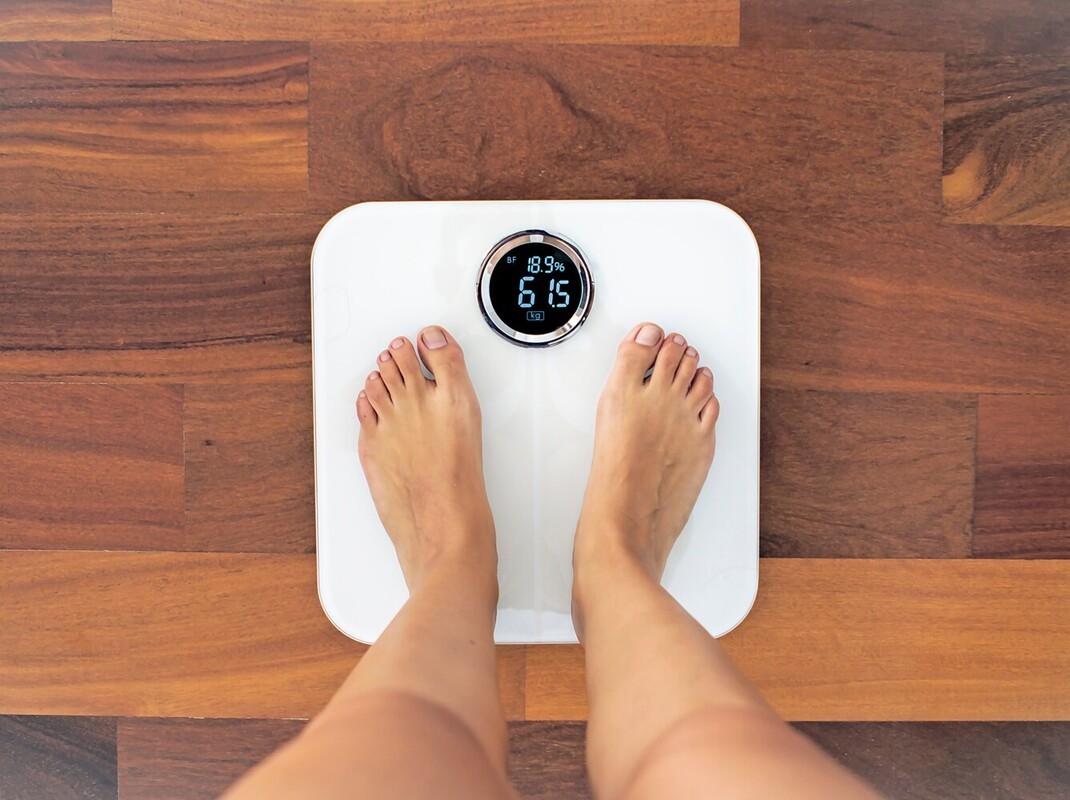
Quick drops on the scale during a cleanse are usually the result of losing water and glycogen rather than fat. Glycogen is a stored carbohydrate in your muscles and liver, and it binds to water.
When you reduce calories or carbohydrates sharply, the body uses glycogen for energy and releases the water attached to it. This can lead to several pounds lost in just a few days, which feels exciting but does not reflect true fat loss.
Fat loss takes longer and requires consistent eating patterns, protein intake, and activity. Once you return to normal meals, glycogen stores refill, and water comes back with them. The weight you lost often reappears just as quickly, which can feel discouraging even though it is a normal physiological response.
This cycle is the main reason people believe cleanses work at first but fail later. The temporary results create hope, yet the rebound leads to confusion. Understanding the science helps you recognize which changes are meaningful and which are temporary shifts in fluid balance.
Types of Weight Loss Cleanses
Many people explore cleanses hoping for quick weight loss or a fresh start. It’s helpful to understand how these approaches work so you can separate realistic benefits from marketing promises. Below are the most common types and what actually happens when you try them:
1. Supplement and Detox Kit Cleanses
Supplement-based cleanses often come as kits with powders, capsules, teas, or concentrated herbal blends. They’re sold as quick ways to boost detoxification, flatten the stomach, or reset digestion. These kits vary widely in dosing and ingredient quality, and many aren’t regulated in a way that guarantees safety.
People often report digestive upset, dehydration, or jitteriness, depending on what the supplement contains. Some formulas rely heavily on stimulants or diuretics that push out water, not toxins. Others include laxative herbs that can lead to cramping or unpredictable bathroom trips.
Even when the packaging promises improved liver or gut function, the evidence behind those claims is usually thin. In reality, supplements can’t replace the role of balanced nutrition or stable eating patterns. They may create a short burst of excitement, but the energy dips and lack of lasting results often leave people feeling let down.
2. Juice and Liquid Cleanses
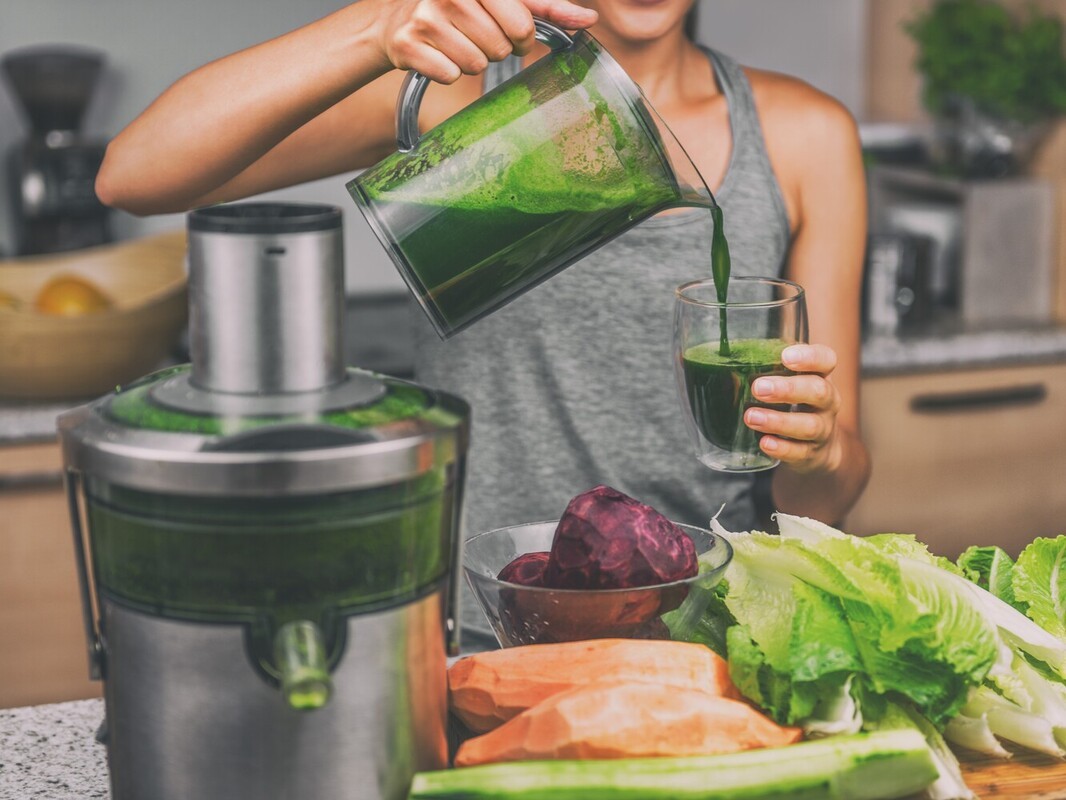
Juice and liquid cleanses usually run for three to seven days and replace solid meals with fruit and vegetable juices, broth, or specialty drinks. People often feel lighter at first because these plans sharply reduce calories and drop water weight fast.
The issue is that liquid-only plans rarely provide enough protein, healthy fats, or fiber, which makes it hard to stay full or energized. Many people notice headaches, difficulty concentrating, and stronger cravings by day two or three.
The digestive system also has less to work with, which can slow bowel movements or leave you feeling weak. Juices indeed contain vitamins and antioxidants, but relying on them alone leaves big nutritional gaps. These cleanses may look structured and simple, yet the results are almost always temporary since the scale responds mostly to fluid changes rather than fat loss.
3. Colon Cleanses and Laxative-Based Programs
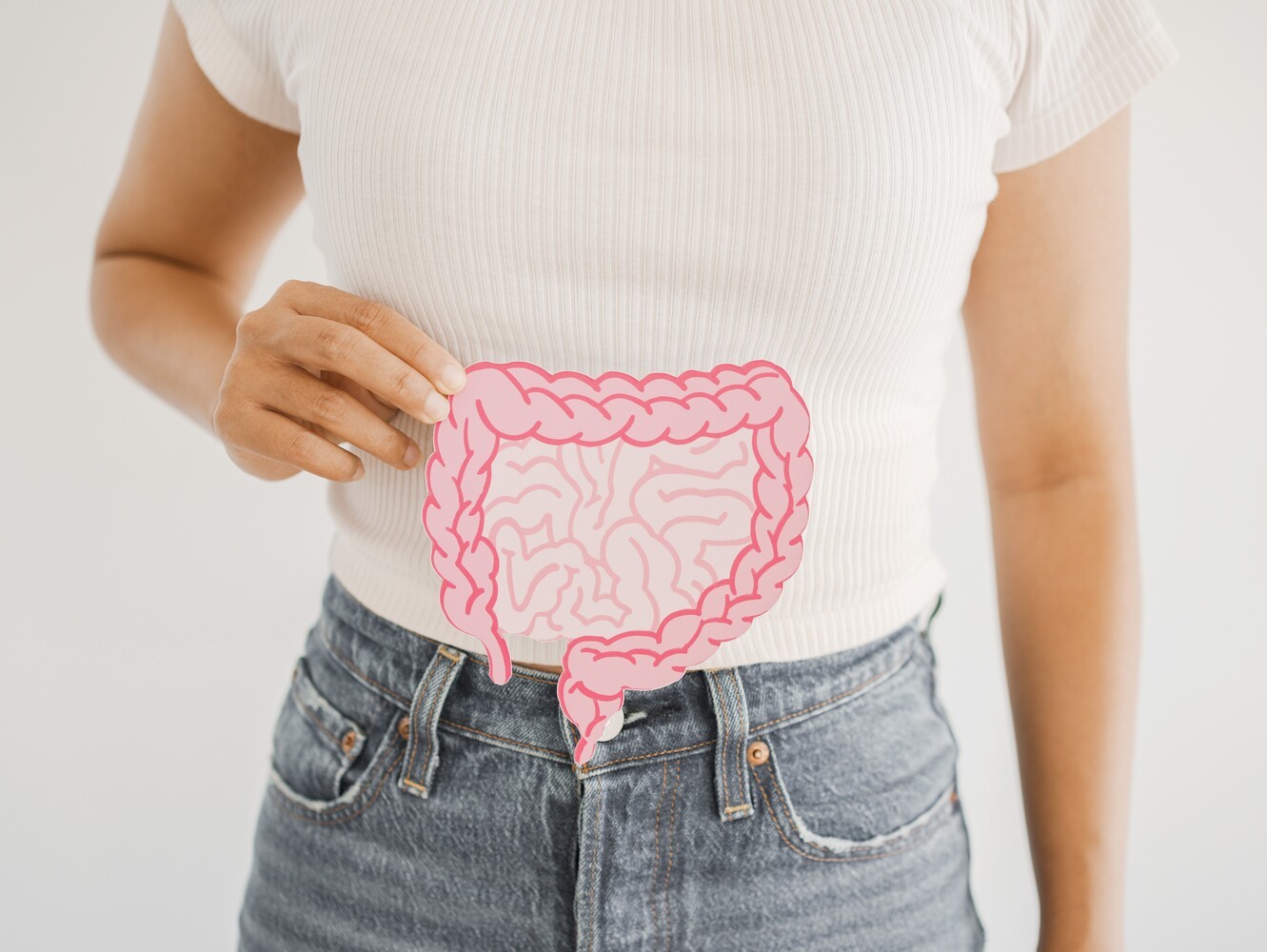
Colon-focused cleanses include things like colon hydrotherapy, laxative teas, saline flushes, and mixtures promoted as overnight purges. These approaches push waste and water through the digestive system quickly, which creates a noticeable drop on the scale.
That drop is misleading because it reflects fluid loss and emptied bowels, not fat reduction. These methods can disrupt electrolytes, irritate the intestinal lining, or trigger dehydration. Some people also experience nausea or dizziness because the body is pushed into rapid elimination.
For individuals with a healthy digestive system, the colon already does what it needs to do without added interventions. Medical professionals typically advise caution with these programs since they can cause harm when used repeatedly or without guidance.
What people often want from these cleanses is relief from bloating or irregularity, but those issues are better addressed through fiber, hydration, and consistent meals.
4. Liver or Gut Detoxes
Liver and gut detox programs often promote supplements, restrictive diets, or lengthy protocols designed to “reset” internal organs. These plans sound scientific, but the liver and gut don’t need external cleansing when they’re functioning properly. They need nutrients like fiber, protein, and antioxidants to carry out their natural processes.
Restrictive programs can work against this by limiting calories or cutting out major food groups that support normal metabolism. Many people try these detoxes hoping to reduce bloating, improve digestion, or boost metabolism, and those goals are valid.
The better strategy is to target habits that actually support organ function, such as eating vegetables regularly, staying hydrated, and choosing balanced meals.
If you’re truly interested in improving gut health safely and effectively, working with a Registered Gut Health Dietitian will give you tailored guidance instead of rigid rules. This approach is more sustainable and far more aligned with how your body works.
How Do Duration-Based Cleanses Work?
The length of a cleanse plays a major role in how your body responds. Shorter cleanses tend to create quick but temporary shifts because the body is reacting to a sudden drop in calories, sodium, and carbohydrates. Longer cleanses often push the body into deeper depletion, which affects energy, mood, and appetite.
Many people think extending a cleanse will amplify results, but the opposite usually happens. Fatigue increases, cravings intensify, and the likelihood of rebound eating grows. Duration shapes the calorie deficit, the degree of nutrient loss, and how manageable the plan feels in real life.
Short-Term (2 to 3 Day Reset)
Short resets often feel appealing because they create quick changes in how you feel. Bloating may lessen, digestion may feel calmer, and the scale often drops a couple of pounds. Those shifts come from using up glycogen stores and reducing water retention rather than burning significant fat.
During these short windows, most people take in far fewer calories, which leads to lighter movement and a sense of being more in control. While this can feel motivating, the benefits are limited to surface-level changes. Hunger is usually manageable for a day or two, although energy can dip, especially if protein intake is low.
Short resets work best when they act as a brief pause that leads into balanced eating rather than an attempt to kickstart extreme dieting. They can help someone feel organized again, but the physiology limits how much real fat loss can happen in such a short span.
Weeklong and Multi-Week Plans
Longer cleanses often feel structured at the beginning, but the body quickly starts reacting to the ongoing restriction. As calories stay low, blood sugar becomes harder to stabilize, which can lead to irritability, fatigue, and disrupted concentration. Protein intake often drops well below what the body needs, increasing the risk of losing lean muscle.
Over time, hunger becomes harder to ignore, and cravings get stronger because the body is working to protect itself from perceived deprivation. Many people also notice sleep changes or drops in exercise performance.
By the end of the cleanse, the drive to overeat naturally intensifies. Once normal foods return, the body restores glycogen and water, which quickly increases the scale. The combination of hunger, low energy, and sharp restriction makes rebound eating very likely. These longer plans rarely lead to sustainable results, and most people end up feeling more drained than accomplished.
Common At-Home Detox Ideas
Many people feel drawn to simple at-home strategies when they want to feel lighter or more organized with food choices. These approaches can be helpful when they focus on nourishing ingredients rather than restriction.
Homemade Detox Drinks and Smoothies
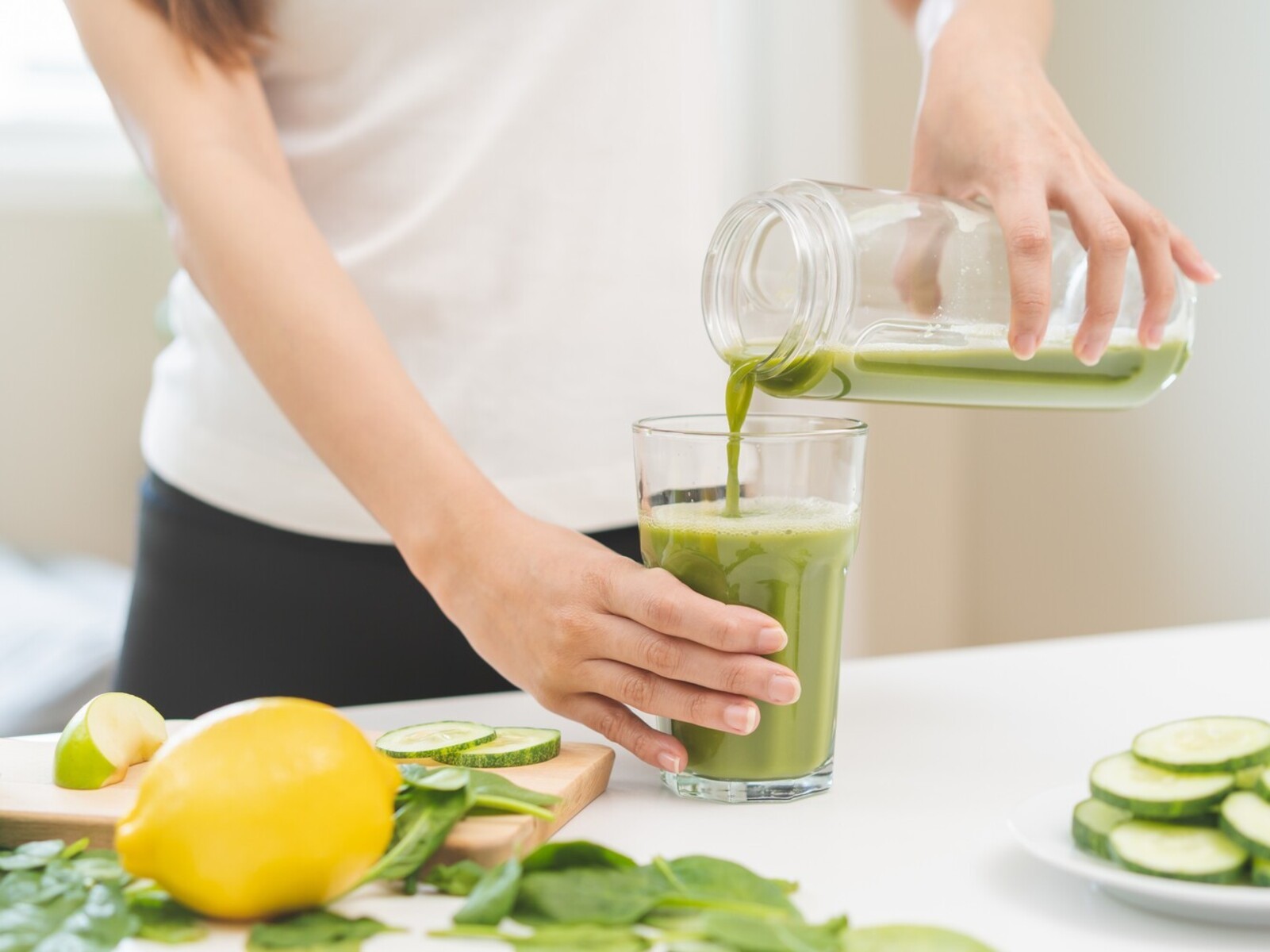
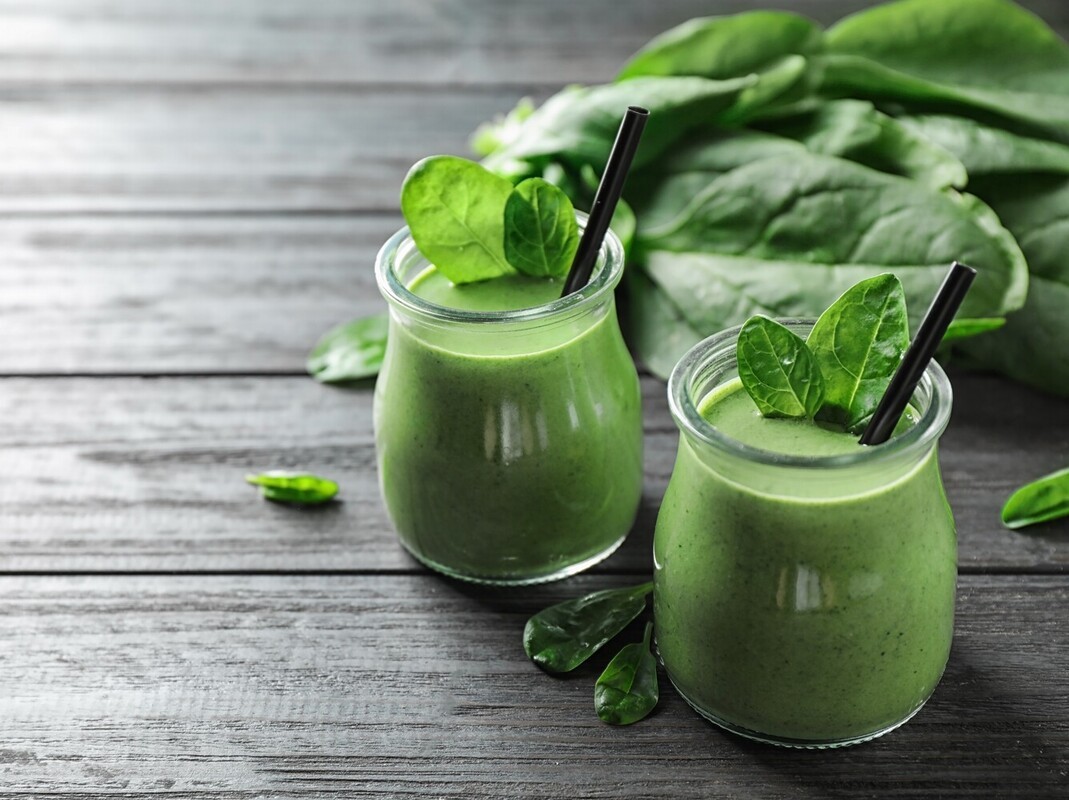
Homemade smoothies can fit nicely into a reset when they’re used as balanced snacks or quick breakfasts. They work well because they offer hydration, fiber, and antioxidants in one easy step, and they often feel refreshing when you want something simple.
The key is choosing ingredients that provide staying power. Many people run into issues when smoothies are mostly fruit without any protein or healthy fat, which can lead to blood sugar spikes and hunger soon after.
Building a smoothie with greens, berries, flaxseed, and a source of protein gives you a better mix of nutrients and helps you stay full longer. A smoothie should support your meals rather than replace them entirely. Keeping them in the right place ensures they add nutrition without pushing you into unnecessary restriction.
Safe ideas include:
Green smoothie with spinach, frozen berries, flaxseed, and a scoop of protein powder
Cucumber mint water with sliced lemon for hydration, not meal replacement
Blended snack smoothie with Greek-style plant yoghurt and mango
Light morning drink made with water, lime juice, and a pinch of chia seeds
Small vegetable juice paired with a protein-rich snack, not as a standalone meal
Detox Meals and Clean Eating Weeks
Some people prefer a structured week of meals that focuses on whole foods, steady hydration, and minimal added sugar. This approach feels like a reset because it simplifies decisions and encourages foods that naturally support digestion and energy.
When meals are built around vegetables, lean protein, whole grains, and healthy fats, the body often responds with steadier blood sugar, less bloating, and improved energy. These changes come from consistent nutrition rather than detoxification.
A clean eating week works because it reduces excess salt, ultra-processed foods, and erratic meal timing. It’s a gentle way to feel more grounded without extreme rules or elimination. The goal is to create meals that feel satisfying while still giving the digestive system a break from heavier foods.
Safe ideas include:
A week of balanced meals built around vegetables, legumes, whole grains, and lean protein
Simple baked chicken or tofu with roasted vegetables and quinoa
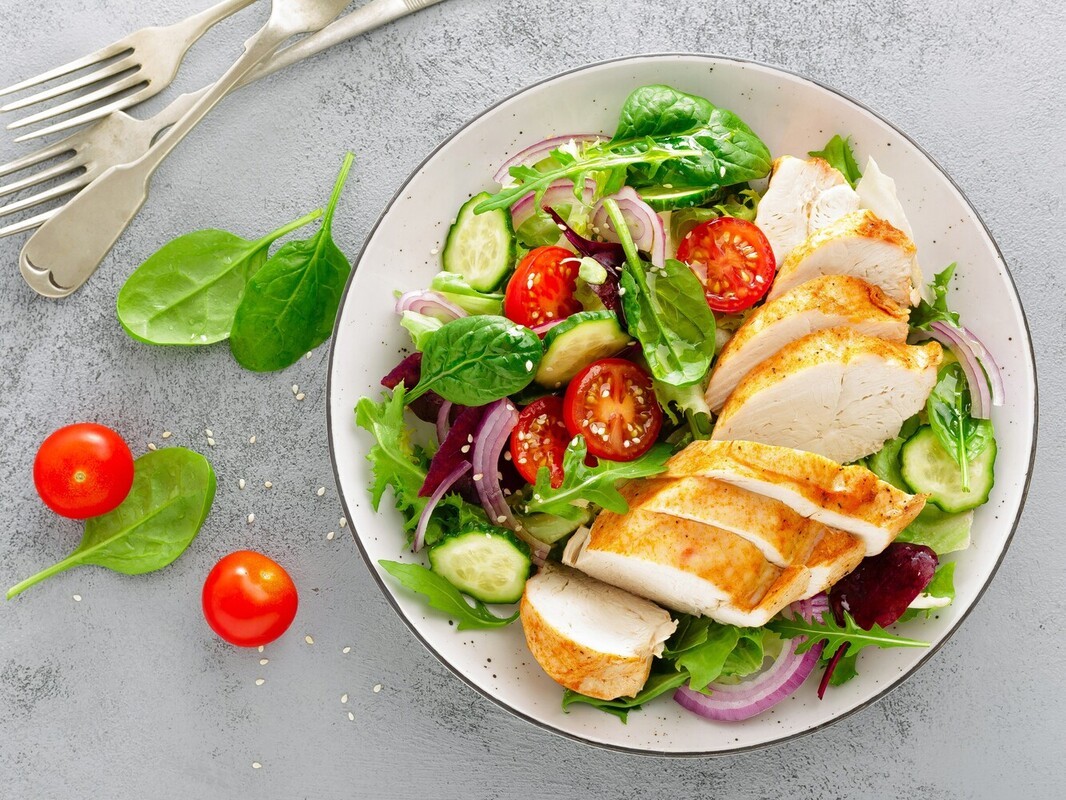
Large mixed salads with beans, seeds, and olive oil-based dressing
Hydration goals such as eight to ten cups of water per day
Limiting alcohol and added sugar while keeping meals regular and predictable
Are Alternative Cleanses Worth It?
Alternative cleanses appeal to people who want a gentler and more soothing experience than strict diets or supplement-based plans. Things like detox baths, infrared sauna sessions, adhesive patches, and wellness retreats often market themselves as ways to draw out toxins or increase metabolism.
These experiences can feel calming and offer a break from daily stress, which is valuable on its own. The issue is that they do not meaningfully change the body’s detox processes or produce measurable fat loss.
Any temporary change in water weight is usually the result of heat exposure or fluid shifts rather than an actual internal cleanse.
Some of these methods also carry mild risks. People with low blood pressure may feel lightheaded in saunas, and those with sensitive skin might react to certain bath additives or adhesive ingredients. It’s completely reasonable to enjoy these practices for relaxation, but it’s important to keep expectations realistic.
True detoxification happens inside the liver and kidneys, not at the surface level. If what you want is recovery and stress relief, there are safer and more reliable ways to support your body, such as drinking enough water, stretching regularly, taking short rest breaks, and practicing mindfulness to calm your nervous system.
How to Do a Cleanse Safely
Cleanses can feel appealing when you want a quick reset, but safety needs to be the priority. A few simple guardrails can make the experience gentler on your body and reduce the risk of rebound eating or uncomfortable side effects.
Important: Cleanses aren’t right for everyone. They are not recommended for people with underlying medical conditions (such as diabetes, heart, kidney, or liver conditions, or if you’re pregnant or breastfeeding) or for anyone with a current or past eating disorder or disordered-eating patterns. Always talk with a dietitian or other qualified health-care professional before starting a cleanse or making big changes to your diet.
These tips help you approach a cleanse with clarity instead of guesswork:
1. Maintain a Minimum Calorie Intake
Your body still needs fuel, even during a reset. Dropping calories too low can lead to dizziness, weakness, and difficulty concentrating. A safe approach usually includes small, consistent meals or snacks that provide a steady baseline of energy.
This can look like a smoothie in the morning, a broth-based soup at lunch, and a simple protein-based plate at dinner. Keeping calories above extremely low levels helps you stay functional in your daily life instead of feeling drained. A gentle calorie reduction will still create that lighter feeling many people look for without pushing your body into unnecessary stress.
2. Include Protein Each Day
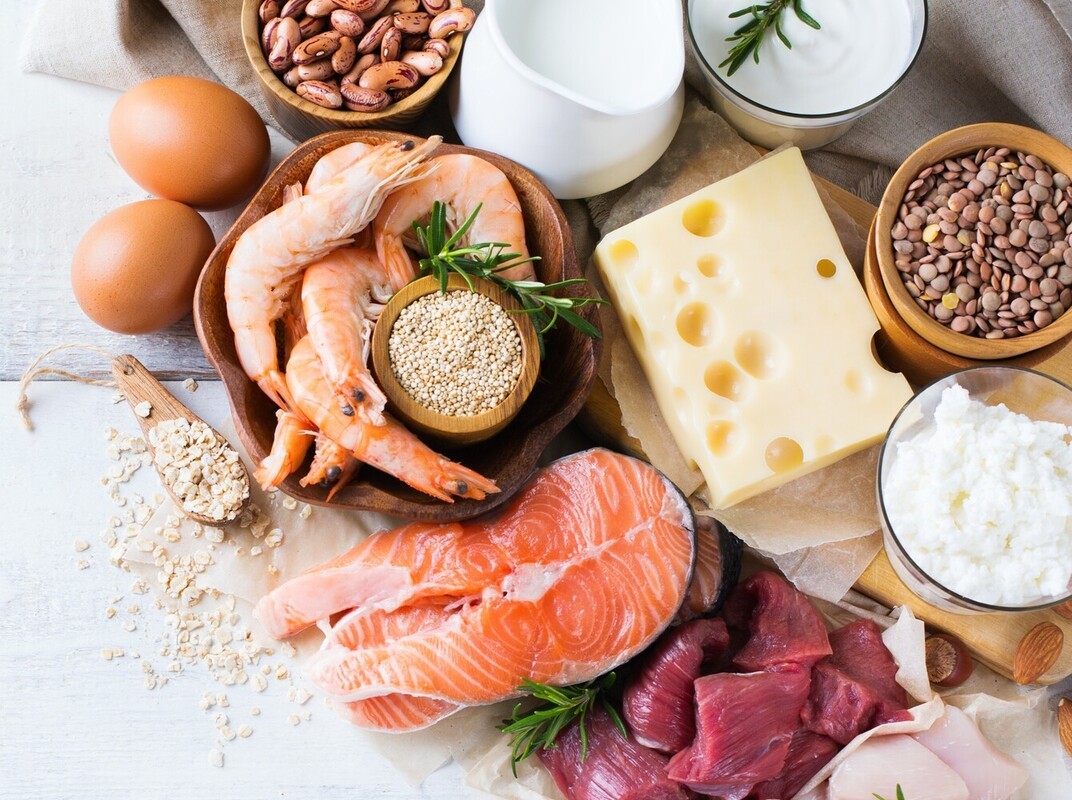
Protein plays a major role in supporting muscle, blood sugar stability, and appetite control. Cleanses often limit protein without meaning to, which can leave you feeling shaky or unusually hungry. Adding even small amounts through yoghurt alternatives, tofu, beans, eggs, or a scoop of protein powder can make a noticeable difference.
Protein helps slow digestion, which keeps your energy steadier throughout the day. It also protects your lean mass during short periods of reduced intake. A little planning goes a long way here. Make sure each meal or drink contains something that contributes to your daily protein needs.

3. Keep the Duration Brief
Short resets are easier for the body to handle than extended periods of restriction. A two to three-day window is usually the most your body can manage comfortably without dipping into nutrient compromises or extreme hunger. Longer cleanses often lead to irritability, fatigue, or increased cravings because the body is trying to compensate for limited fuel.
Keeping your cleanse brief reduces these risks and makes it much easier to transition back into normal eating patterns afterward. It also helps protect your metabolism and mood. The goal is to feel refreshed, not depleted.
4. Stay Hydrated
Hydration becomes more important when you’re eating less because food usually provides a portion of your daily fluid intake. Drinking water consistently throughout the day supports digestion, mental clarity, and energy. You can add herbal tea, fruit-infused water, or sparkling water to keep things interesting.
Dehydration can creep up quickly when calorie intake dips, which may cause headaches or fatigue. Aim for eight to ten cups of fluids per day unless your healthcare provider has given you specific guidance. Staying hydrated makes the entire experience more comfortable and helps your body carry out its normal functions.
5. Reintroduce Foods Slowly
How you transition out of a cleanse matters just as much as the cleanse itself. Jumping straight into large, heavy meals can cause bloating, indigestion, or intense cravings. A gentler approach is to start with lean proteins, cooked vegetables, and whole grains. These foods are easier to digest and support stable energy.
As the days progress, you can gradually add in more variety, including raw vegetables, fruit, and heartier meals. This steady transition prevents the dramatic swings in hunger that often lead to overeating. It also helps you keep the benefits of your reset rather than losing momentum right away.
6. Avoid Intense Exercise During a Cleanse
Heavy workouts are tough on the body when calorie intake is low. Trying to combine intense training with a cleanse can lead to lightheadedness, poor performance, or even injury. Gentle movement is a better fit for this period. Light walking, stretching, or restorative yoga helps you stay active without pushing your limits. Keeping intensity low also prevents your body from breaking down muscle for fuel.
This approach feels more sustainable and supports your overall comfort during the reset. Once you resume balanced meals, you can return to strength training and higher intensity workouts with more energy and better recovery.
7. Monitor How You Feel and Stop if Needed
Your body gives you clear signals when something is off. Pay attention to symptoms like ongoing dizziness, nausea, rapid heartbeat, intense anxiety, or severe fatigue. These cues are signs that your cleanse may be too restrictive or simply not the right fit.
Stopping early is a smart decision, not a setback. A cleanse should never override your basic well-being. Listening to your body helps you stay safe and builds trust in your own judgment. If discomfort grows rather than eases, shifting back to balanced eating is the healthier choice.
If you want guidance that’s personalized, supportive, and grounded in science, connect with a Registered Health Dietitian through Berry Street for help that truly supports your weight loss goals.

Red Flags and When to Avoid Cleansing Entirely
Cleanses can seem appealing, but they’re not safe for everyone. Certain health conditions make restrictive eating especially risky, even when the cleanse is short. If any of the following apply to you, it’s important to pause and reconsider before starting.
1. Diabetes or Blood Sugar Conditions
People with diabetes or blood sugar instability need consistent carbohydrate intake to keep glucose levels within a safe range. Sudden drops in calories or carbohydrates can cause sharp lows or unpredictable spikes, which can be dangerous.
A cleanse often reduces carbs so dramatically that medications or insulin become harder to manage. Even a short cleanse can throw off the balance that keeps your body functioning safely.
If you live with diabetes or prediabetes, it’s far safer to focus on balanced meals that support steady blood sugar. Working with a Registered Diabetes Dietitian or a Prediabetes Dietitian is the best way to explore safe nutrition changes without risking serious complications.
2. History of Eating Disorders
Anyone who has experienced anorexia, bulimia, or other forms of disordered eating should avoid cleanses completely. Restriction can activate old thought patterns or trigger unhealthy behaviors, even if the intention is to reset or feel healthier.
Cleanses often limit calories, eliminate food groups, and encourage rigid rules, which can be especially destabilizing for someone in recovery. It’s common for urges, guilt, or obsessive food thoughts to return quickly when intake becomes too structured.
If you have a history of anorexia or bulimia, personalized support is essential. Connecting with a Registered Anorexia Dietitian or a Registered Bulimia Dietitian can help you build habits that feel supportive rather than triggering.

3. Kidney or Liver Issues
The kidneys and liver handle detoxification naturally, and they work continuously to keep the body balanced. If either organ is compromised, a cleanse can add unnecessary stress. Very low calorie intake, dehydration, or high doses of certain supplements may strain these systems further.
People with chronic kidney disease, fatty liver disease, or similar conditions often need carefully structured nutrition rather than restriction. Even short cleanses can create fatigue, electrolyte imbalances, or discomfort.
When the goal is to support these organs, balanced meals with adequate hydration and monitored nutrient intake are much safer choices than drastic cleansing methods.
4. Pregnancy or Breastfeeding
Pregnancy and breastfeeding significantly increase nutrient needs, especially for protein, iron, calcium, and overall calories. Cleanses rarely meet these requirements and can leave someone feeling lightheaded, fatigued, or nauseated. Restricting food during pregnancy may affect fetal growth, and reducing calories while breastfeeding can decrease milk supply.
These demands make cleansing risky, even when the plan seems gentle. If you’re pregnant or nursing and want to adjust your eating habits, a supportive and well-rounded plan is the safest direction. A Registered Prenatal Dietitian can help tailor meals that support both your health and your baby’s needs without unnecessary restriction.

5. Active Gastrointestinal Conditions
People with ongoing digestive issues like IBS, IBD, gastritis, or chronic reflux need steady, predictable intake. Cleanses often change the volume, texture, and timing of food in ways that can worsen symptoms.
Liquid-only plans may increase stomach acid, while high fiber juices may trigger cramps or bloating. Some ingredients used in detox drinks, such as raw greens or concentrated herbs, can irritate an already sensitive digestive tract.
If you’re managing a GI condition, it’s safer to stick with a structured eating pattern that supports comfort and symptom control. A Registered Dietitian with experience in gastrointestinal health can guide you toward foods that help without aggravating your condition.
If any of these red flags apply to you, a cleanse is not the right tool. The same is true if you’re trying to work out how to lose weight with hypothyroidism or how to lose weight with Hashimoto’s. Connecting with a Registered Dietitian through Berry Street will give you a safe, individualized plan that truly supports your health.
What To Do Instead for Real Lasting Weight Loss
Lasting weight loss, whether it’s overall or face weight loss, comes from habits you can maintain, not short bursts of restriction. These steps offer structure, clarity, and enough flexibility to fit your real life. When you focus on patterns instead of quick fixes, progress becomes much more sustainable.
Step 1: Build Balanced Meals
Balanced meals give your body the steady fuel it needs to manage hunger, energy, and focus throughout the day. A strong plate typically includes lean protein, colorful vegetables, whole grains, and a source of healthy fat. This mix supports digestion, stabilizes blood sugar, and helps keep later cravings more manageable.
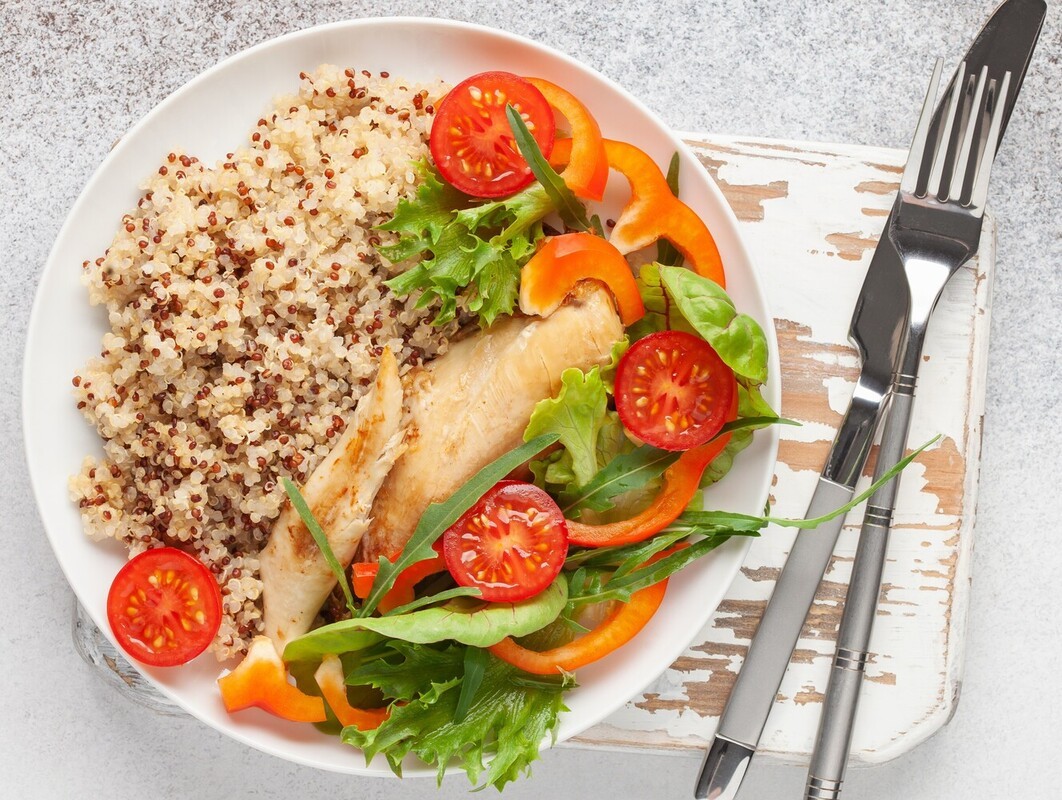
Examples include grilled chicken with quinoa and roasted vegetables, or tofu with brown rice and sautéed greens. On busier days, a whole-grain wrap with hummus, veggies, and avocado still does the job.
These kinds of meals feel satisfying instead of leaving you roaming the kitchen an hour later. Start by choosing one meal to upgrade, then gradually bring the same pattern into your other meals. Over time, balanced plates become your default rather than a once-in-a-while effort.

Step 2: Strength Train Several Times Per Week
Strength training supports your metabolism, joint health, and overall strength in a way regular cardio alone cannot. You don't need a fancy gym membership to get started. Simple movements such as bodyweight squats, wall pushups, glute bridges, and resistance band rows work very well.
Aim for two or three short sessions each week, even if they’re only fifteen to twenty minutes. As you grow more comfortable, you can slowly increase sets, weights, or exercise variety.
Strength training helps preserve lean muscle while you lose body fat, which keeps you feeling capable instead of drained. Many people also notice better posture, confidence, and daily energy.
Step 3: Eat Consistently Throughout the Day
Regular meals and snacks help prevent the energy crashes and intense cravings that often show up in the late afternoon or evening.
When you go long stretches without eating, your body responds with stronger hunger and a stronger drive for quick comfort foods. Eating every three to four hours keeps blood sugar steadier and makes portions easier to manage.
This could look like three meals plus one or two snacks, depending on your schedule and appetite. Examples include yoghurt alternatives with fruit, nuts with a piece of fruit, or a simple whole-grain sandwich.
These don't have to be elaborate or time-consuming. The goal is predictable fuel your body can count on. When your body trusts that food is coming, it becomes much easier to make thoughtful choices instead of reactive ones.

Step 4: Prioritize Sleep, Hydration, and Stress Reduction
Sleep, hydration, and stress management quietly shape how your body regulates appetite, cravings, and weight. Poor sleep raises hunger hormones, makes you more drawn to high sugar foods, and reduces weight loss motivation.
Dehydration can feel like vague hunger, which leads to extra snacking. Ongoing stress encourages emotional eating and makes change feel harder than it needs to.
Start with small habits, such as aiming for seven to nine hours of sleep, keeping a water bottle nearby, and taking short breathing breaks during the day. Gentle movement, stretching, journaling, or time outside can calm your system.
When these foundations are in a better place, the rest of your habits feel more manageable and sustainable. Many people notice cravings soften and portion control feels easier once these basics improve.
Step 5: Plan Ahead When Possible
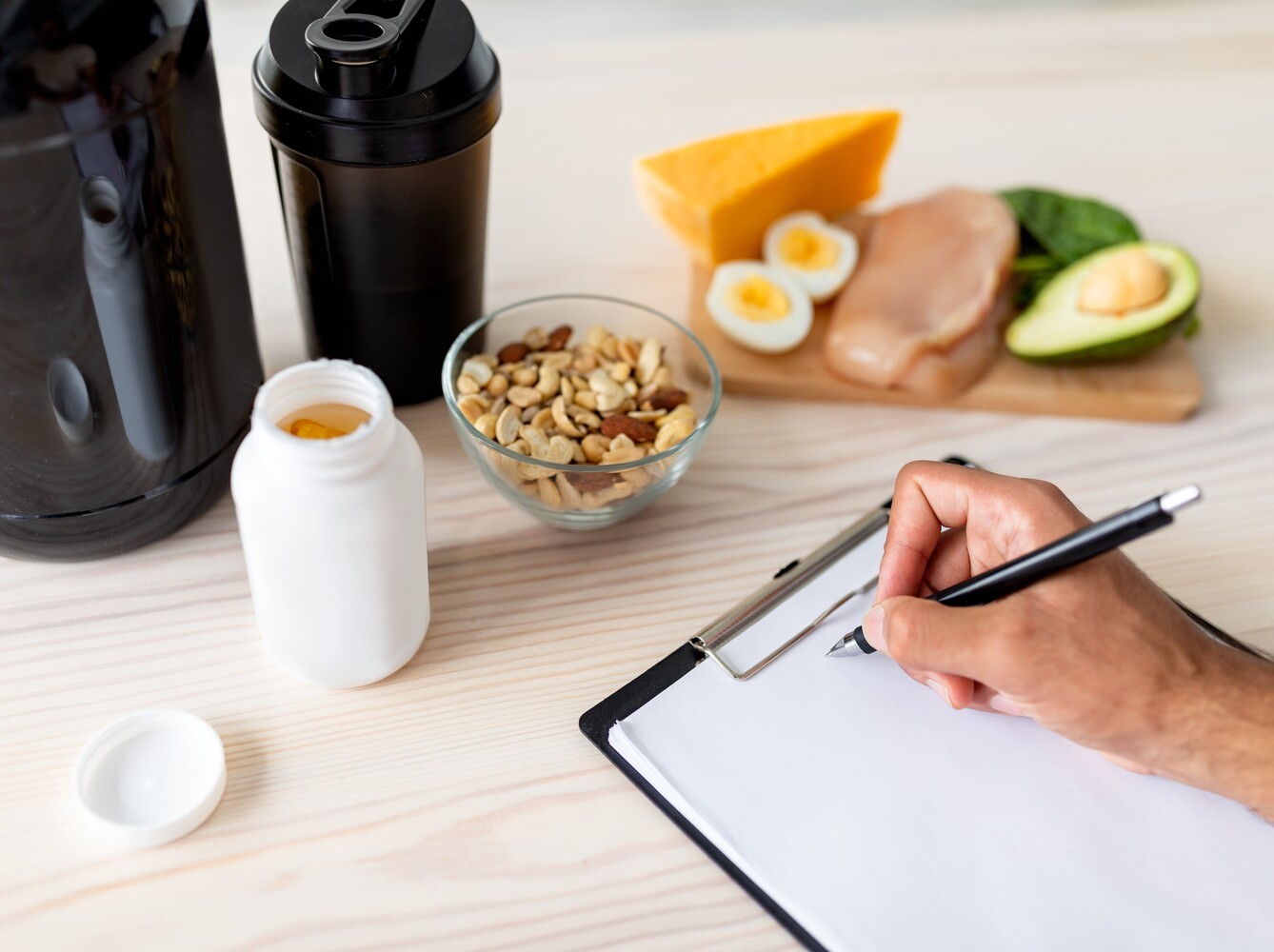
Planning ahead makes healthy choices feel less stressful and more automatic. You don't need a perfectly color-coded meal prep routine to benefit from planning. Simple steps count.
Choose tomorrow’s breakfast before you go to bed or pack a snack when you know meetings will run long. Cook a batch of grains or proteins that can be used in several meals. Even deciding which nights are takeout nights can help you feel in control rather than reactive.
Planning reduces decision fatigue and the temptation to grab whatever’s closest when you’re starving. With a loose structure in place, it becomes easier to follow through on the habits that support your goals. Over time, these small planning habits create a lifestyle that feels intentional, not accidental.
Step 6: Aim for Slow and Steady Progress
Slow, steady progress feels less dramatic, but it’s usually the kind that lasts. Aggressive dieting often brings quick results followed by burnout, frustration, and a strong urge to give up.
A more gradual approach allows your body to adjust, protects muscle mass, and gives you time to build real skills. You might start by adding vegetables to one meal, walking an extra ten minutes a day, or swapping one sugary drink for water.
These changes look small on their own, yet they add up over weeks and months. Because the shifts are realistic, you’re far more likely to maintain them. Progress may move at a calmer pace, but it keeps moving instead of stopping and starting repeatedly. This steady style of change supports your mental health and confidence.
Step 7: Include Foods You Enjoy
Enjoyment is a crucial part of any eating pattern you want to keep long-term. When you include foods you genuinely like, you’re less likely to swing between strict control and all-out overeating.
This might mean having chocolate after dinner a few nights a week, going out for pizza sometimes, or keeping your favorite coffee order in the rotation. The key is to enjoy these foods mindfully and in portions that feel good, rather than eating them only when willpower finally snaps.
When you know nothing is completely off limits, the intensity around food often softens. That calmer mindset gives you room to focus on overall patterns instead of individual “perfect” days. Over time, this flexible approach reduces guilt and makes consistent healthy choices feel more natural.

Example of a 3 Day Reset Plan That Isn’t a Cleanse
This gentle reset helps you feel organized and nourished without forcing strict rules or extreme restriction. Each meal is simple and built to support steady energy so you can move into healthier habits with confidence.
Day 1
Breakfast: Greek Style Yogurt with Berries and Chia Seeds
This combo delivers protein, antioxidants, and fiber right from the start, which helps with fullness and digestion. To prepare it, spoon your yogurt into a bowl, top it with fresh or frozen berries, then sprinkle chia seeds over the top. It takes less than two minutes and sets a strong tone for the day with balanced nutrition and bright flavors.
Snack: Apple with Almond Butter
The crunch of the apple offers natural sweetness and hydration, while the almond butter brings healthy fats that keep hunger steady. Slice the apple, add a thin spread of almond butter, or serve it on the side for dipping. It’s simple, portable, and perfect when you want something quick that still supports blood sugar control.
Lunch: Grilled Chicken or Plant Protein Over Greens with Quinoa and Lemon Vinaigrette
Start by grilling your protein of choice and cooking a small batch of quinoa. Layer mixed greens in a bowl, add tomatoes or cucumbers, spoon in the quinoa, and finish with sliced chicken or plant protein. A quick drizzle of lemon vinaigrette pulls everything together and gives you a meal packed with fiber, protein, and long-lasting energy.
Dinner: Baked Salmon or Tofu with Sweet Potato and Broccoli
Bake salmon or tofu on a sheet pan until lightly browned, roast cubed sweet potatoes, and steam your broccoli until tender. This plate delivers omega-3 fats or plant-based protein, plus complex carbs and key micronutrients. It is a warm, grounding dinner that feels comforting without feeling heavy.
Day 2
Breakfast: Oatmeal with Banana and Walnuts
Oats provide steady-releasing carbohydrates that help manage appetite throughout the morning. Cook the oats on the stovetop or in the microwave, top with sliced banana, and finish with a handful of walnuts. This bowl is creamy, filling, and rich in fiber, minerals, and healthy fats.
Snack: Cottage Cheese or a Plant Alternative with Pineapple
This snack is high in protein and has a refreshing sweetness thanks to the pineapple. Scoop cottage cheese or your preferred alternative into a small bowl, then add pineapple chunks on top. The contrast in texture keeps it interesting, and the protein helps bridge the gap until lunch.
Lunch: Whole Grain Wrap with Turkey or Hummus, Spinach, Carrot, and Avocado
Lay out a whole-grain wrap and layer in sliced turkey or a generous spread of hummus. Add baby spinach, shredded carrot, and sliced avocado, then roll it tightly. The combination gives you fiber, antioxidants, and healthy fats in a portable format that works whether you are at home or on the go.
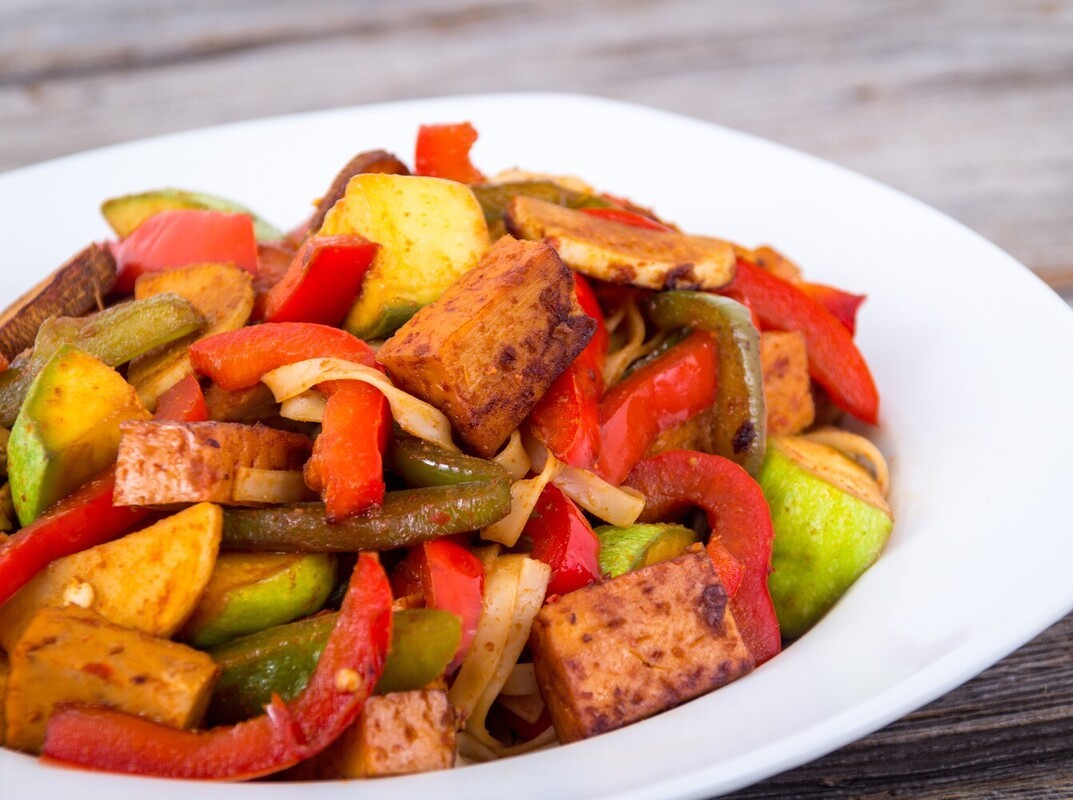
Dinner: Vegetable Stir Fry with Tofu or Lean Beef Over Brown Rice
Chop a variety of vegetables such as bell peppers, carrots, and mushrooms, and sauté them in a hot skillet with a little oil. Add tofu or lean beef, cook until heated through, and spoon everything over warm brown rice. The meal is colorful, nutrient-dense, and ready in under 20 minutes.
Day 3
Breakfast: Smoothie with Spinach, Mango, Protein Powder, and Flaxseed
Blend spinach, frozen mango, a scoop of protein powder, and water or unsweetened milk until smooth. The spinach adds iron and fiber, the mango brings natural sweetness, and the protein powder keeps the smoothie satisfying. This is a fast morning option when you want something refreshing that still keeps you full.
Snack: Raw Vegetables with Hummus
This snack boosts vegetable intake and helps support digestion through fiber. Slice carrots, cucumbers, or bell peppers and pair them with a few spoonfuls of hummus. It is crisp, crunchy, and filling thanks to the plant-based protein in the hummus.
Lunch: Lentil Soup with a Side Salad and Whole Grain Roll
Heat a bowl of lentil soup on the stove or in the microwave and serve it with a simple side salad and a whole-grain roll. Lentils offer protein and iron, while the salad adds freshness and volume. It feels warm and satisfying without weighing you down.
Dinner: Lean Pork Tenderloin or Tempeh with Mashed Cauliflower and Asparagus
Roast pork tenderloin or pan-sear tempeh until golden, steam cauliflower and mash it with a little olive oil, then cook asparagus until tender. This dinner offers protein, fiber, and key vitamins while keeping portions balanced. It is a solid way to end the day feeling nourished.
If you want a plan that’s tailored to your goals and your food preferences, connect with a Registered Weight Loss Dietitian through Berry Street. We can build a personalized 7-day meal plan that fits your life and keeps you moving toward real, lasting results.

Weight Loss Cleanse FAQs
How much weight can you lose from a colon cleanse?
Weight loss is mostly water and stool. It returns quickly once you resume normal eating.
Do cleanses burn belly fat?
No. Belly fat requires long-term habits and a consistent calorie deficit.
Is there a best detox drink?
No drink detoxes the body. Hydrating, nutrient rich options can support health, but they are not magic.
Can a liver or gut detox boost metabolism?
Healthy organs already do their jobs without detox plans. They do not significantly boost metabolic rate.
What should I eat during or after a cleanse?
Choose lean protein, vegetables, whole grains, and foods that digest easily. Transition gradually.
Conclusion
Cleanses often promise a quick fix, yet most of the changes they create come from water loss rather than meaningful fat loss, and many approaches bring unnecessary risks. Real progress happens when habits, nutrition, movement, and recovery all work together over time. Short resets can feel helpful, although extreme restrictions rarely lead to lasting results.
Choosing balanced meals, prioritizing protein, staying hydrated, and easing back into regular eating patterns support better outcomes than any strict cleanse. If you want guidance that fits your life and goals, connect with a Registered Dietitian through Berry Street and get support that actually helps you move forward.
If you want to learn more, why not check out these articles below: