
If you’ve ever stood in workout clothes staring at your calendar, wondering, “How many times do I really need to work out to lose weight?” you’re not alone.
Most people who want to lose weight struggle not because they lack willpower, but because the advice out there is vague, overwhelming, or unrealistic. After years of experience working with people who feel stuck, we’ve learned that clarity and consistency matter far more than perfection.
The short answer is that there’s no single number that works for everyone. There’s a range that supports weight loss, and where you fall within that range depends on your starting point, your schedule, and how your body responds. Let’s break it down in a way that actually makes sense.
Disclaimer: The information and sample training structures provided in this article are intended for educational purposes only. These are suggestions and should be treated as examples or general guides rather than medical advice. Please consult with your healthcare provider, Registered Dietitian (RD), and a personal trainer before starting a new workout routine or making significant changes to your physical activity.

Realistic Expectations for Exercise and Weight Loss
Exercise supports weight loss, but it rarely works in isolation. Many people expect visible results within days, yet the body adapts gradually to new movement patterns. Early changes often happen internally, including improved cardiovascular fitness, steadier blood sugar levels, and better strength during daily tasks.
Those shifts matter, even when the scale stays the same. Weight loss is also influenced by nutrition quality, sleep duration, stress levels, and weekly consistency. When workouts are added without adjusting eating habits or recovery, progress can feel slow. That usually reflects normal physiology, not failure.

Why “More Workouts” Doesn’t Automatically Mean More Weight Loss
Doing more workouts does not guarantee faster fat loss. As activity increases, hunger often rises as well, especially after intense or frequent sessions. It becomes easy to eat slightly more without noticing, which can offset calories burned through exercise.
At the same time, the body adapts by becoming more efficient, meaning the same workout burns fewer calories over time.
Stress also plays a role. Too much exercise without enough recovery can increase fatigue, disrupt sleep, and reduce training quality. Consistent, well-paced routines support progress better than nonstop intensity for most people long term.
What Weight Loss Really Means (And Why the Scale Sometimes Isn’t Accurate)
Weight loss is often used as shorthand for fat loss, but the two are not identical. Strength training can increase muscle tissue while fat mass decreases, which may keep body weight stable.
Water retention from exercise-related inflammation, hormonal shifts, or higher sodium intake can also temporarily mask fat loss. This is common during new routines or harder training weeks.
Because of these factors, the scale alone provides limited insight. Changes in how clothes fit, improvements in strength, better endurance, and higher daily energy often appear first before visible weight changes occur.
What Does Science Say About Weight Loss?
Scientific guidance focuses on ranges rather than guarantees. Research consistently shows that regular physical activity supports weight loss by increasing energy expenditure, preserving muscle, and improving metabolic health.
That said, exercise alone often leads to smaller changes on the scale than people expect. Nutrition plays a critical role alongside movement by shaping overall calorie balance, appetite regulation, and body composition. How much you eat, what you eat, and how consistently you eat can either support or limit the impact of your workouts.
Because bodies respond differently based on genetics, hormones, and lifestyle, sustainable habits that pair regular exercise with supportive nutrition tend to produce the most reliable results.
For help aligning your eating patterns with your weight loss goals, a Registered Weight Loss Dietitian through Berry Street can provide personalized nutrition support.
How Often Should You Work Out to Lose Weight? (The Short Answer)
Most people lose weight most effectively by working out three to five days per week. This range supports calorie balance while leaving room for recovery, which helps workouts stay productive. It also makes consistency easier when schedules change or motivation dips.
Some people see progress with fewer sessions if total weekly activity is high and nutrition is aligned. Others benefit from moving more often to reinforce habits. We recommend aiming for 150 minutes of physical activity a week in total.
Treating workout frequency as a flexible range allows you to adjust based on energy levels, stress, and real-life demands without feeling off track.

Why Frequency Matters More Than Workout Length
Consistency drives results more reliably than long, occasional workouts. Shorter sessions done regularly are easier to maintain and fit into busy schedules. They also reduce the temptation to skip workouts because they feel more manageable.
Frequent movement supports steady energy levels and lowers the risk of soreness or injury from cramming too much effort into one day. Over time, regular workouts reinforce routines that feel automatic rather than forced. That habit-building effect plays a major role in long-term weight loss and makes progress feel more sustainable.
How Workout Frequency Changes Based on Your Starting Point
Your starting point shapes what workout frequency makes sense for weight loss. Someone who is brand new to exercise needs a very different approach than someone who already trains several days per week.
Matching frequency to your current fitness level helps reduce injury risk, manage fatigue, and improve consistency. It also sets realistic expectations for progress.
Starting too aggressively often leads to burnout, while doing too little can feel discouraging. The goal is to choose a frequency that supports steady habits, allows recovery, and fits into your daily life without adding unnecessary stress.
If You’re New to Exercise
If you’re new to exercise, two to three workouts per week is an effective place to start. This gives your body time to adapt to new movements while lowering the risk of soreness or injury.
Sessions can be short and still meaningful. You could do 20 to 30 minutes of brisk walking, beginner strength circuits, or a bike ride that leaves you lightly winded.
Early progress often shows up as better energy, improved mood, and less stiffness. Track those wins. After a few weeks, add time or a fourth day if recovery feels solid.

If You Already Work Out Occasionally
If you already work out once or twice a week, moving to three or four days can make progress feel more predictable. Add one session first, not three.
Keep your usual weekend workout and add two weekday sessions that are 30 to 45 minutes. Alternate cardio and strength so you’re not repeating the same stressor on consecutive days.
Keep effort moderate most days. Aim for at least one full rest day weekly, and watch sleep and soreness for early signs you need to pull back. That steady rhythm supports habit formation without turning training into a chore.
If You’re Very Active but Not Losing Weight
If you’re very active but not losing weight, adding more workouts often creates diminishing returns. Extra sessions can drive hunger up, reduce daily movement outside the gym, and leave you feeling drained.
Try auditing your week instead. Are you stacking hard intervals, long runs, and heavy lifts with no lighter days?
Build contrast: two to three challenging sessions, then easier cardio or mobility on the in-between days. Also, check recovery basics like sleep and protein. Sometimes dropping one workout improves energy and appetite control. If stress is high, a deload week can help the scale respond again.

Signs You’re Working Out Too Often
Pushing hard can feel productive, especially when weight loss is the goal. But there’s a point where more exercise starts to work against you, and learning to recognize those signals can help protect both progress and long-term motivation.
1. Persistent Fatigue
Persistent fatigue shows up as constant soreness, heavy legs, and workouts that feel harder than they should. You might need extra warm-ups or longer recovery between sets.
Daily energy can dip, making it harder to stay focused at work or motivated to move. This usually means recovery is falling behind training.
Start by reducing intensity for a week or two, not eliminating movement entirely. Keep sessions shorter. Add an extra rest day. Prioritize sleep and protein. When fatigue eases, performance often rebounds, confirming that recovery, not effort, was the missing piece.
2. Sleep and Appetite Changes
Changes in sleep and appetite often appear before injuries do. You may struggle to fall asleep, wake frequently, or feel wired at night. Hunger can feel intense one day and absent the next.
These shifts suggest stress hormones are elevated from too much training. That state makes recovery harder and weight loss less predictable.
Scale back high-intensity sessions and spread workouts across the week. Eat regular meals with adequate carbohydrates. As sleep stabilizes, appetite usually becomes easier to manage. Consistent routines help calm the nervous system and support progress.

3. Stalled Progress
When progress stalls, it often feels confusing and frustrating. Strength numbers stop climbing. Cardio sessions feel flat. Effort stays high, but results do not follow.
This can signal that your body is carrying too much training stress. Muscles need recovery to rebuild and adapt. Without it, performance plateaus.
Try rotating harder and easier days instead of pushing hard every session. Track trends over several weeks, not one workout. If progress resumes after a lighter week, overstress was likely the issue. Small adjustments often restore momentum faster than adding volume back.
4. Decreased Motivation or Dread Around Workouts
When overtraining creeps in, motivation often drops before performance does. Workouts that once felt manageable start to feel mentally exhausting. You may delay sessions, feel irritable during training, or dread workouts altogether.
This isn’t a discipline problem. It’s a signal that your body and brain need more recovery. Constant high effort without enough rest can drain mental energy and reduce enjoyment.
Try swapping one intense workout for a lighter session like walking or mobility work. Variety helps. When motivation returns after added recovery, it’s a clear sign you were doing too much.
5. Frequent Aches, Pains, or Minor Injuries
Nagging aches that never fully heal can signal excessive training frequency. This could be sore knees, tight hips, or shoulder discomfort that lingers week after week. These issues often develop when tissues don’t have enough time to repair between sessions.
Repeating the same movements too often compounds the stress. Instead of pushing through, adjust your schedule. Reduce frequency or alternate movement patterns. Include mobility work and lighter days.
Addressing small pains early helps prevent longer setbacks. When joints and muscles feel better after scaling back, recovery was likely the missing piece.

How Much Exercise Do You Actually Need to Lose Weight?
How much exercise you need to lose weight depends more on consistency than perfection. Weekly activity totals matter more than hitting an exact daily number.
Some people spread workouts evenly across the week, while others condense activity into fewer days due to busy schedules. Both approaches can work if total movement stays consistent.
What matters most is maintaining a routine you can repeat week after week. Sporadic bursts of intense exercise followed by long gaps rarely support progress. A steady pattern allows your body to adapt, recover, and respond more predictably over time.
Daily vs Weekly Exercise Targets
Focusing on weekly exercise targets offers flexibility that daily goals often lack. Life happens. Work runs late, plans change, and energy levels fluctuate.
When progress is measured across the week, missing one workout doesn’t feel like failure. It becomes a simple adjustment. You might add a longer walk another day or shift a strength session to the weekend.
This approach reduces all-or-nothing thinking and supports consistency. Weekly targets also make it easier to balance harder and easier days, which helps manage fatigue and keeps workouts feeling achievable rather than overwhelming.
Why 30, 60, or 90 Minutes Aren’t Magic Numbers
Workout length alone doesn’t determine weight loss outcomes. A focused 30-minute session can be more effective than an unfocused 90-minute one. Intensity, movement quality, and recovery all influence results.
For example, a brisk walk with hills challenges the body differently than slow treadmill time. Strength training sessions vary widely based on rest periods and exercise selection.
Time recommendations offer guidance, not guarantees. Instead of chasing a specific number, pay attention to effort, consistency, and how well your body recovers. Those factors shape progress more reliably than minutes alone.

The Role of Intensity in Reducing Required Time
Intensity can influence how much time you need to spend exercising, but it comes with tradeoffs. Higher-intensity workouts increase calorie burn and cardiovascular demand in less time. That efficiency appeals to people with tight schedules.
However, intense sessions also increase recovery needs and stress on the body. Doing them too often can backfire.
Balancing intensity across the week helps maintain progress. Pair harder days with easier movement like walking or mobility work. This approach supports recovery, keeps energy steady, and makes weight loss efforts easier to sustain long-term.
Cardio for Weight Loss: How It Works
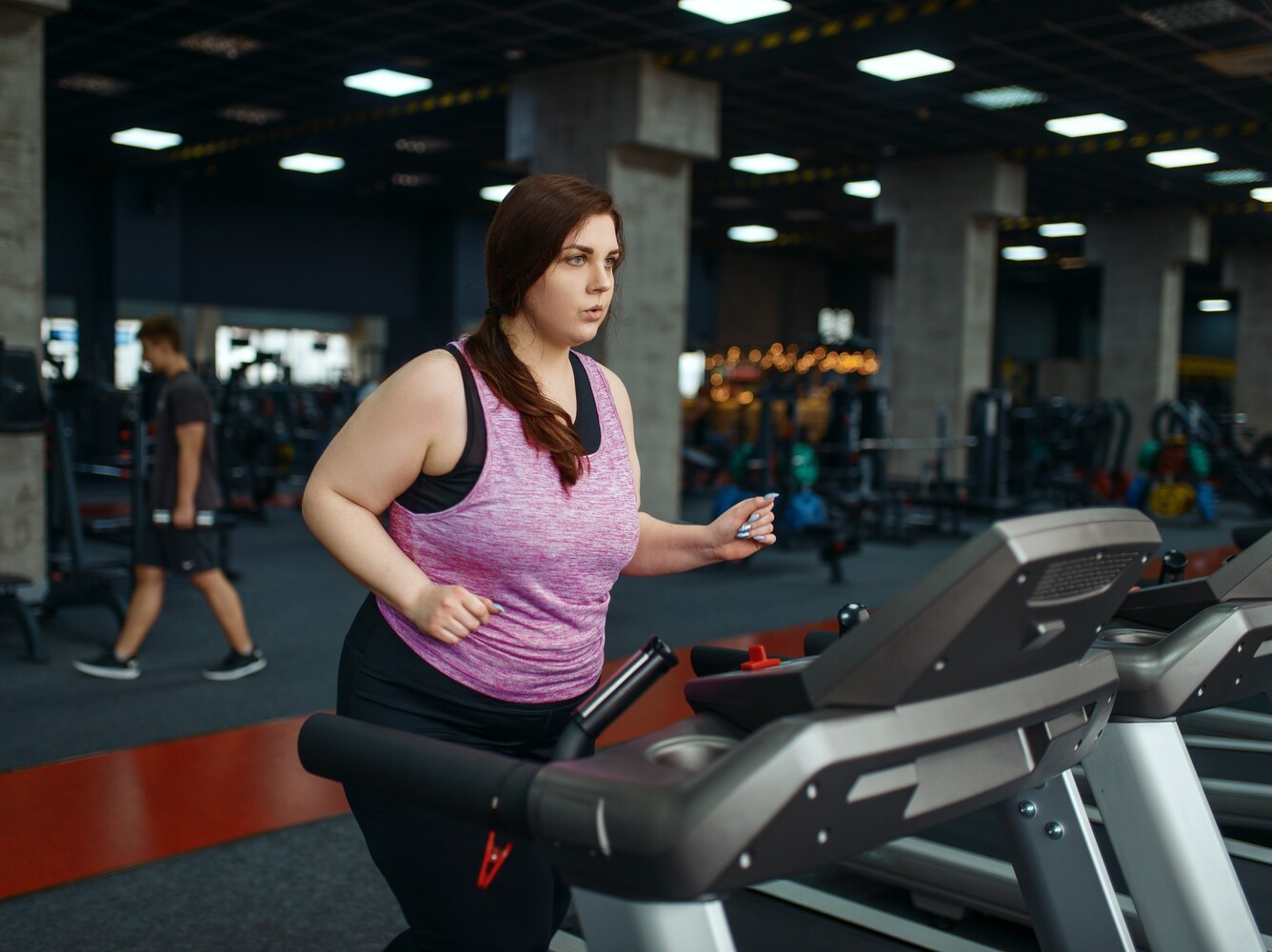
Cardio supports weight loss by increasing energy use during activity and by improving cardiovascular fitness over time. Brisk walking, cycling, swimming, rowing, or dancing raise your heart rate and make your body work harder to deliver oxygen to muscles.
As fitness improves, everyday tasks can feel easier, and many people naturally move more throughout the day. That adds up.
Cardio for weight loss tends to work best when paired with strength training and supportive eating, since lifting helps preserve muscle while you lose fat. Aim for workouts you can repeat consistently, not sessions that leave you wiped out for days.
How Often You Should Do Cardio Each Week
Most people do well with cardio three to five days per week, mixing easier and harder efforts. A simple approach is two to three steady sessions plus one shorter interval day, then adjust based on soreness, sleep, and schedule.
If you’re new, start with two days of brisk walking and add a third once recovery feels smooth. If you’re already active, four days may fit comfortably.
The best frequency is the one you can keep during busy weeks, because steady weekly movement drives progress more reliably than occasional bursts of effort.

How Long Cardio Sessions Should Be
Cardio sessions should be long enough to elevate your breathing and heart rate, but not so long that you dread the next workout. For many people, 20 to 40 minutes is realistic, with longer sessions reserved for lower intensity days like walking or easy cycling. Intensity changes what feels challenging.
A steady jog may be plenty at 25 minutes, while a brisk walk may feel best at 45 to 60. Use a recovery check: you should feel worked, refuel easily, and be ready to move again tomorrow with stable energy.
Moderate vs High-Intensity Cardio
Moderate cardio, like brisk walking or steady cycling, is easier to recover from and can be done more often. It supports consistency, which matters for weight loss.
High-intensity cardio, like intervals, hill repeats, or short sprints, is time-efficient but more demanding on muscles, joints, and the nervous system. That stress can increase hunger and fatigue if you do it too frequently.
Many people do best with moderate cardio as the base and one to two higher-intensity sessions per week, spaced out with easier days in between so training stays sustainable.
Best Cardio Exercises for Weight Loss
The best cardio exercise for weight loss is the one you can do consistently without dreading it. Choosing movements that fit your preferences, joints, and schedule makes it far easier to stay active week after week.
1. Walking
Walking is one of the most accessible cardio options for weight loss because it fits easily into daily life. It places minimal stress on joints, making it appropriate for beginners, larger bodies, or anyone returning to movement.
Brisk walking raises heart rate enough to burn calories while still allowing conversation. That balance supports longer sessions and frequent repetition.
Walking can be done outdoors, on a treadmill, or broken into shorter bouts throughout the day. Consistent daily walks often increase overall activity levels, which supports weight loss without overwhelming recovery over time.

2. Cycling
Cycling is a joint-friendly cardio option that works well for weight loss across many fitness levels. Whether done outdoors or on a stationary bike, it allows you to control resistance and pace. That makes it easy to adjust intensity without stopping.
It engages large leg muscles, which increases calorie use during sessions. It also tends to feel more comfortable for people with knee or hip concerns.
Short interval rides or longer steady sessions both work. Regular cycling supports endurance and makes longer bouts of movement feel more manageable overall fitness.
3. Swimming
Swimming offers a full-body cardio workout while placing minimal stress on joints. Water supports body weight, which reduces impact and makes movement feel smoother. This can be especially helpful for people with joint pain, injuries, or mobility limitations.
It engages the upper body, core, and legs at the same time, increasing overall energy use. Different strokes allow you to vary intensity easily. Even steady laps elevate heart rate.
Consistent swim sessions improve cardiovascular fitness and muscular endurance while supporting weight loss through repeatable, low-stress movement over time for many people.
4. Running
Running is a higher-energy cardio option that appeals to people who enjoy intensity and challenge. It burns more calories per minute than many other activities, which can make sessions feel efficient. Running also improves cardiovascular fitness quickly.
That said, it places greater stress on joints and connective tissue. Gradual progression matters. Alternating running with walking, strength training, or lower-impact cardio helps manage fatigue.
Many people benefit from shorter runs done consistently rather than long, infrequent sessions. When recovery is prioritized, running can effectively support weight loss goals safely and sustainably.

Can You Do Cardio Every Day?
Doing cardio every day can work, but the type and intensity matter. Low-intensity options like walking, easy cycling, or relaxed swimming are generally safe to do most days because they support circulation and daily movement without taxing recovery. Many people use these sessions to build steps, manage stress, and stay consistent.
High-intensity cardio is different. Daily intervals, hill sprints, or demanding classes often lead to lingering soreness, rising fatigue, and disrupted sleep.
A more effective approach mixes easier cardio most days with one to three harder sessions each week. Monitor energy, appetite, mood, and motivation. Those signals help determine whether daily cardio is supporting progress or quietly holding it back.
Strength Training and Weight Loss: The Crucial Piece
Strength training is one of the best exercises for weight loss because it helps you keep the muscle you’ve built. When you diet without lifting, the body can lose lean mass along with fat, which can make you look and feel softer.
Lifting also improves how you use carbohydrates, supports bone health, and makes everyday movement easier.
From our experience, people who strength train feel more confident because they see progress in reps, form, and energy, even when the scale is stubborn. Pair lifting with supportive nutrition and you’ll protect results while you lose fat.

Why Strength Training Supports Fat Loss
Strength training supports fat loss by helping you maintain, and sometimes build, lean mass while you’re in a calorie deficit. Muscle is metabolically active tissue, so keeping it helps your daily calorie needs stay higher than if you lose muscle.
It also creates a recomposition effect for many beginners, where waist measurements shrink even if body weight changes slowly.
Practical example: two people eat similar calories, but the one lifting twice weekly often looks leaner because they preserved muscle. Strength training also improves insulin sensitivity, which can help with appetite control and cravings.
How Many Days a Week Should You Lift Weights
Two to three lifting days per week works well for most people aiming to lose weight because it’s enough stimulus without crushing recovery.
If you’re new, start with two full-body sessions and keep the weights light enough to maintain good form. If you’ve been lifting for a while, three days lets you add a bit more volume and still keep cardio in the week.
Space sessions out when you can, like Monday and Thursday, or Tuesday, Thursday, and Saturday. The goal is to leave the gym feeling worked, not wrecked, so you can show up again next week.

Full-Body vs Split Training for Weight Loss
Full-body training is usually the most efficient choice for weight loss because each workout hits major muscle groups and spreads effort evenly. It fits busy schedules, and it’s easier to recover from when you’re also doing cardio and eating in a deficit.
Split training, like upper body one day and lower body another, can work well if you lift three to five days per week and recover well. Practical rule: if you can only lift two or three days, go full-body. If you lift four days and prefer longer sessions, a simple split may feel better and keep you consistent.

Best Strength Training Exercises for Weight Loss
The most effective strength exercises for weight loss are the ones that recruit multiple muscle groups at once. These movements burn more energy during training and make it easier to build strength efficiently within a limited workout schedule:
1. Squats
Squats target some of the largest muscles in the body, including the glutes, quadriceps, and core. Because these muscles require a lot of energy to work, squats are effective for supporting weight loss. They also mimic daily movements like standing up from a chair or lifting objects.
You can squat with body weight, dumbbells, or a barbell, depending on experience. Focus on controlled depth and steady breathing. Even two to three sets can feel challenging. Over time, stronger legs make walking, climbing stairs, and other cardio sessions feel easier and more efficient.
2. Rows
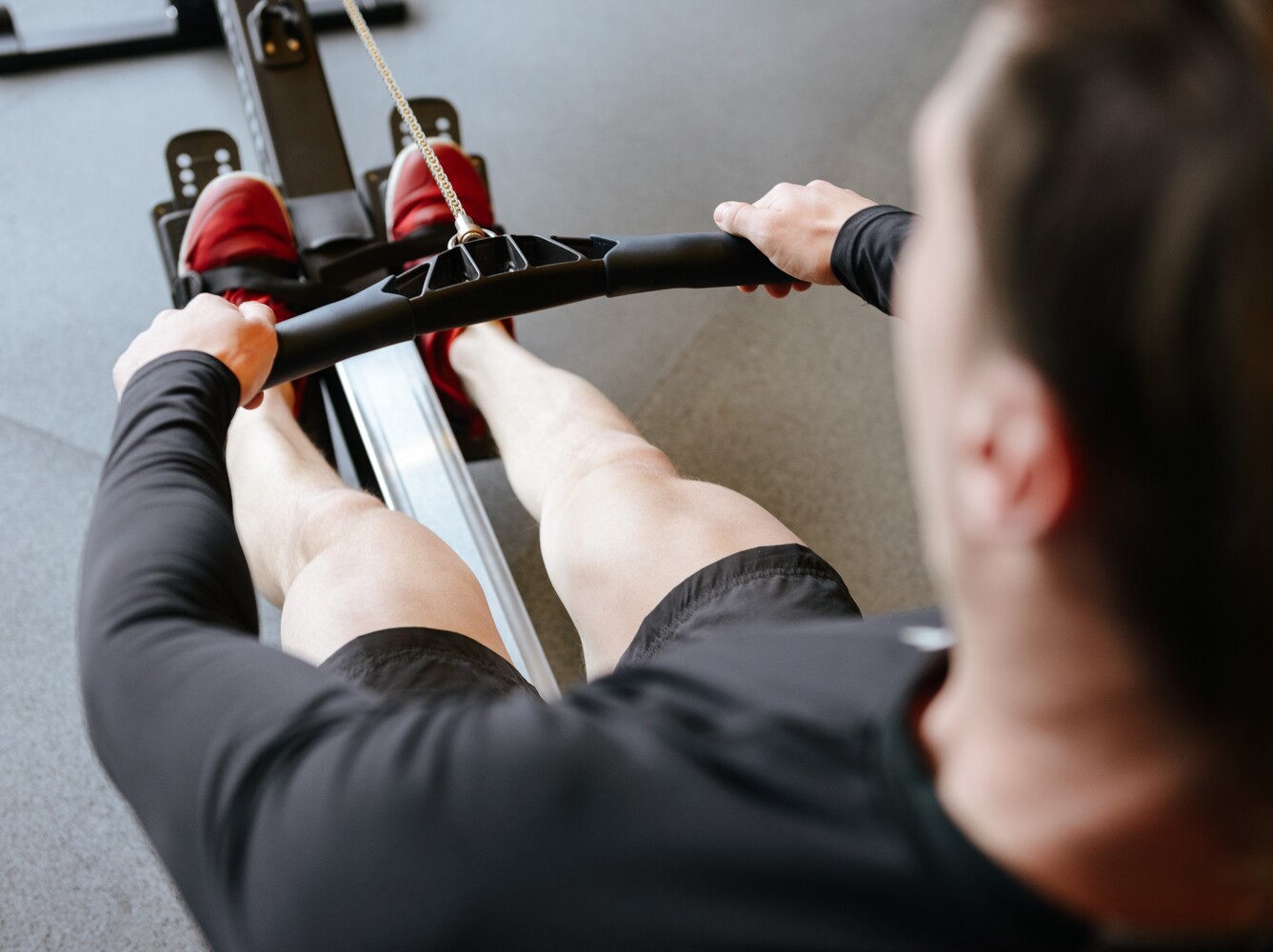
Rows strengthen the muscles of the upper back, shoulders, and arms, which play a key role in posture. Stronger back muscles help counteract long hours of sitting and screen time.
Rows can be done with dumbbells, resistance bands, cables, or barbells. Pull the weight toward your ribs while keeping your chest tall. This movement trains coordination and control.
Including rows in your routine supports balanced strength, which can reduce aches and pains. As posture improves, breathing during cardio often feels smoother, and workouts feel more comfortable overall. This helps consistency over time for many people.
3. Presses
Pressing exercises strengthen the chest, shoulders, and triceps while engaging the core for stability. Examples include push-ups, bench presses, and overhead presses. These movements help with everyday tasks like pushing doors, lifting objects, or placing items overhead. Presses can be adjusted easily by changing the weight or angle.
Start with manageable loads and controlled reps. This builds strength without joint strain. As upper-body strength improves, posture and confidence often improve as well. Strong pressing muscles also support better form during other lifts and workouts. That matters when training frequently for weight loss.
4. Lunges
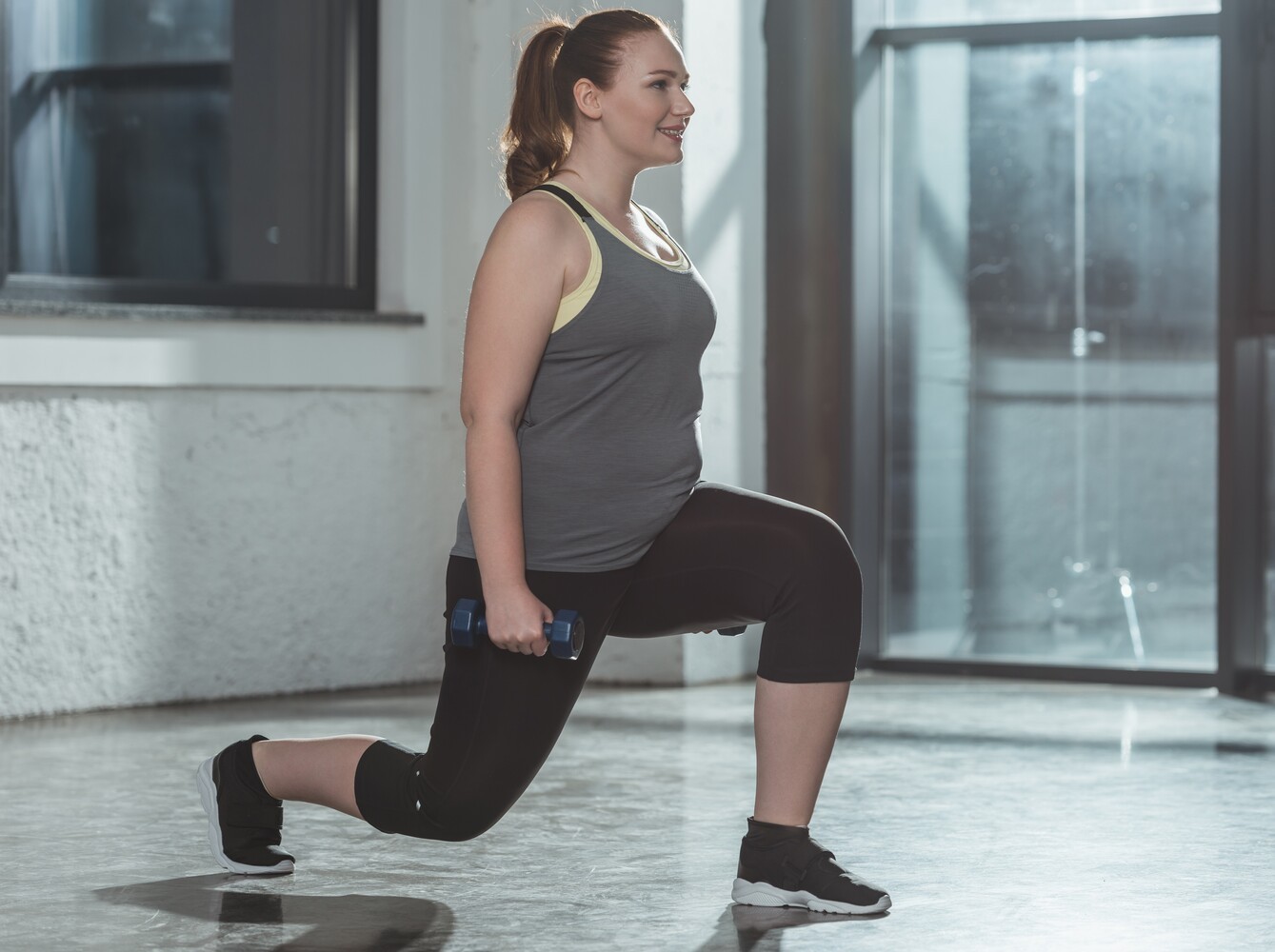
Lunges train the legs one side at a time, which helps address strength imbalances between the left and right sides of the body. They target the glutes, quadriceps, and hamstrings while also challenging balance and coordination. Lunges can be done forward, backward, or walking, and they work well with body weight or dumbbells.
Start with shorter strides and controlled steps. This keeps joints comfortable. Because lunges elevate heart rate quickly, they add a mild cardio effect to strength workouts. Over time, stronger single-leg strength supports walking, running, and stair climbing with better stability.
5. Hinges
Hinge movements train the glutes and hamstrings, which are powerful muscles in the posterior chain. Examples include deadlifts, hip thrusts, and kettlebell swings. These exercises teach proper hip movement, which protects the lower back. Strong glutes support walking, running, and climbing stairs.
Start with light weights and focus on hinging at the hips rather than the spine. This builds strength safely. Regular hinge work improves power and stability, making both cardio and daily activities feel more controlled and efficient. That added control reduces injury risk over time during busy training weeks.
6. Core-Focused Carries and Planks
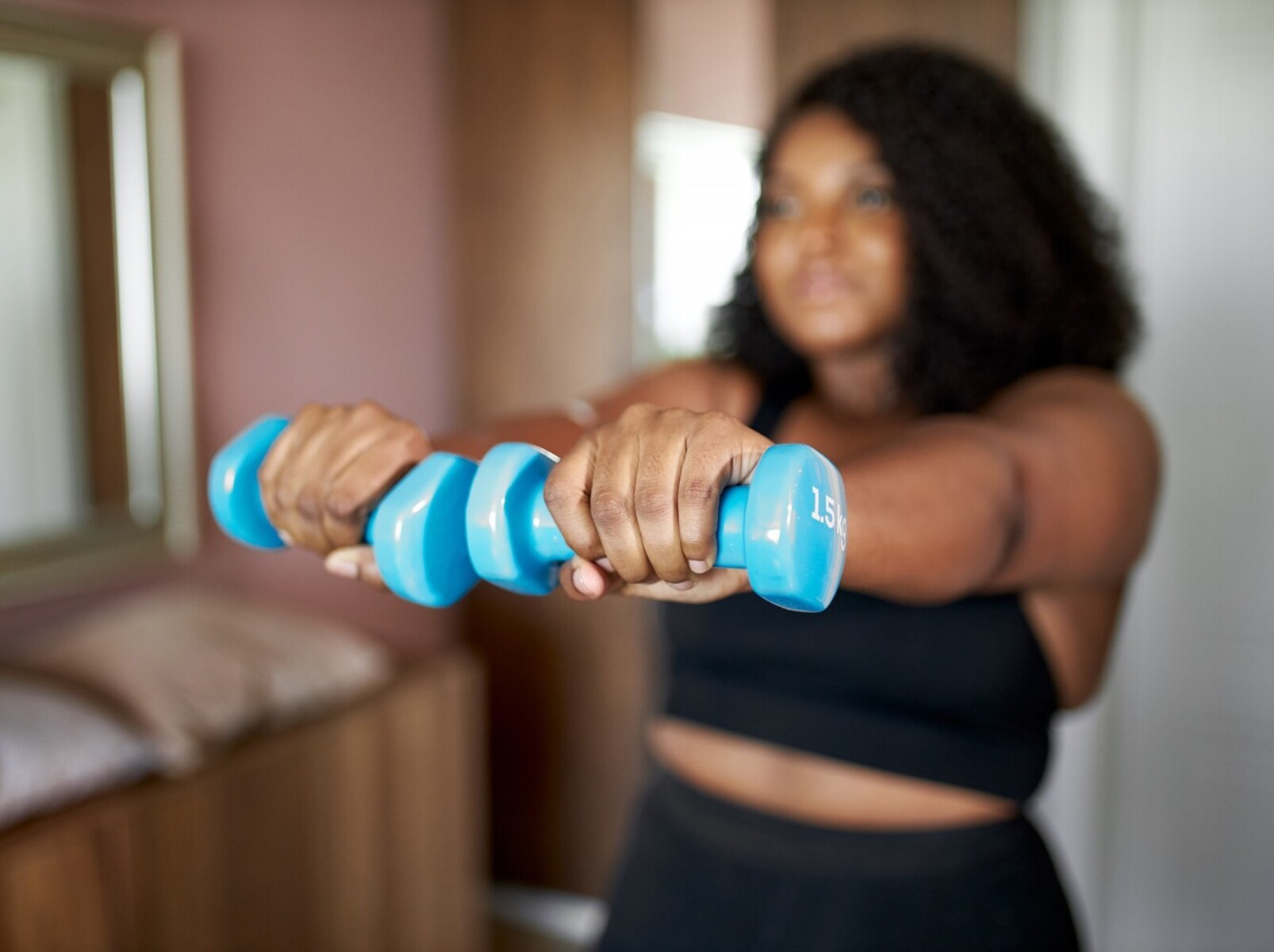
Core-focused exercises help stabilize the body during nearly every movement. Carries, planks, and anti-rotation holds train the muscles that support posture and protect the spine. For carries, hold dumbbells or kettlebells and walk with controlled steps and steady breathing.
Planks can be done on the floor or elevated to adjust difficulty. These exercises may not feel flashy, but they improve strength transfer across the body. A stronger core helps maintain form during squats, runs, and lifts. That efficiency reduces fatigue and supports better performance across workouts aimed at weight loss.
What Happens If You Exercise Every Day?
Exercising every day can support weight loss, but outcomes depend heavily on how those workouts are structured. Daily movement can improve routine, reinforce habits, and increase overall energy expenditure.
Problems arise when intensity stays high without enough recovery. The body needs downtime to adapt, rebuild muscle, and regulate hormones tied to appetite and stress.
In our experience, people who move daily with intention tend to feel better than those who push hard every day. The key difference is balance. Mixing effort levels allows daily exercise to support progress instead of quietly working against it.
When Daily Exercise Helps Weight Loss
Daily exercise helps with weight loss most when the majority of movement stays low intensity. Activities like walking, easy cycling, mobility work, or light swimming increase calorie burn without overwhelming the body.
These sessions support circulation, stress management, and consistency. They also make it easier to maintain daily routines during busy weeks.
Many people find that moving every day improves energy rather than draining it when intensity stays moderate. Pairing daily light movement with a few structured strength or cardio sessions each week often feels sustainable. That steady approach supports long-term weight loss habits more effectively.
When Daily Exercise Hurts Progress
Daily exercise can hurt progress when intensity remains high, and recovery is ignored. Hard intervals, long runs, or demanding strength sessions done back-to-back increase fatigue and soreness.
Sleep quality may drop. Hunger can feel harder to manage. Over time, performance stalls and motivation fades. These patterns often signal accumulated stress rather than lack of effort.
Weight loss may plateau despite frequent workouts. Reducing intensity, adding rest days, or alternating hard and easy sessions usually helps. Progress tends to return when recovery improves. More effort is rarely the fix in these situations.
How to Structure Rest Without “Doing Nothing”
Rest days don’t have to mean sitting still all day. Structured recovery helps your body recharge while still keeping you engaged with movement in a way that supports progress.
1. Active Recovery
Active recovery uses gentle movement to support circulation without adding training stress. Examples include easy walking, light cycling, or relaxed swimming that keeps your body moving but doesn’t elevate fatigue. These sessions help reduce stiffness and soreness by increasing blood flow to muscles.
Active recovery can also support mood and stress management, which matters during weight loss. Keep effort low enough that you feel better afterward, not worse.
A simple test is energy. If you finish feeling refreshed and loose, intensity is likely appropriate. Used consistently, active recovery helps you stay active while still allowing progress.

2. Mobility Work
Mobility work supports recovery by improving joint range of motion and muscle flexibility. This can include dynamic stretching, foam rolling, or controlled mobility drills for hips, shoulders, and spine.
Tight muscles often limit movement quality, which can increase strain during workouts. Spending even ten minutes on mobility can make lifting and cardio feel smoother the next day. Focus on areas that feel restricted rather than doing everything at once.
Regular mobility work also improves posture and body awareness. Over time, better movement quality supports performance and reduces the risk of lingering aches that disrupt consistency.
3. Sleep
Sleep plays a major role in how well your body adapts to exercise. During sleep, muscles repair, hormones regulate, and the nervous system resets. When sleep is short or inconsistent, fatigue increases and recovery slows. Hunger cues can also become harder to manage.
Aim for a regular sleep schedule with enough time in bed to feel rested most mornings. Simple habits help. Limit late-night screens, keep your room cool, and avoid intense workouts too close to bedtime.
4. Support Recovery With Hydration and Fueling
Hydration and fueling play a quiet but important role in recovery. Dehydration can increase soreness and make workouts feel harder than they should.
Aim to drink fluids consistently throughout the day rather than chugging around workouts. Including carbohydrates and protein in meals supports muscle repair and replenishes energy stores.
For example, a balanced meal with grains, vegetables, and protein after training helps prepare you for the next session. Recovery nutrition does not need to be complicated. Regular meals and snacks keep energy stable and reduce the urge to overtrain during busy training weeks.

5. Build in Mental Recovery Time
Recovery also includes mental downtime, not only physical rest. Constantly pushing for perfect workouts can increase stress and reduce enjoyment. Building in low-pressure days helps reset motivation.
Examples include easy walks without tracking, gentle stretching while listening to music, or spending time outdoors. These breaks lower mental fatigue and make it easier to stay consistent long term.
Stress hormones influence sleep and appetite, which affects weight loss. Protecting mental recovery supports better decisions around training and food. When motivation returns naturally, progress tends to follow more smoothly over time.
Why “If I Exercise One Hour a Day, How Much Weight Will I Lose?” Is the Wrong Question
This question sounds logical, but it overlooks how complex weight loss really is. Exercise affects people differently based on fitness level, body composition, hormones, and daily habits. Two people can exercise the same amount and see very different outcomes. The body also adapts over time, often burning fewer calories for the same workout as fitness improves.
Compensation plays a role, too. Increased hunger or reduced movement later in the day can offset exercise calories. Focusing on a fixed outcome tied to workout time often leads to frustration instead of progress.
Why There’s No Reliable Formula
There’s no reliable formula because energy expenditure varies widely between individuals. Factors like muscle mass, age, hormones, sleep quality, stress levels, and workout efficiency all influence how many calories you burn.
Two people can complete the same workout and expend very different amounts of energy. The body also adapts over time, becoming more efficient and burning fewer calories for familiar activities.
Outside-the-gym movement matters too. Some people subconsciously move less later in the day after hard workouts. All of these variables make predicting weight loss from exercise duration inaccurate and often misleading.

How Exercise Can Improve Health Without Changing Weight
Exercise can lead to meaningful health improvements even when body weight stays the same. Strength training can increase muscle mass while fat mass decreases, which improves body composition without a big scale change.
Cardio improves heart health, blood sugar regulation, and endurance. Many people notice better sleep, higher energy, and improved mood long before weight shifts.
These changes reduce health risks and support long-term weight management. Viewing progress only through the scale can miss these benefits. Health improvements often lay the foundation for sustainable weight loss later.
Better Questions to Ask Instead
Better questions focus on habits and signals you can actually control. Ask whether you’re exercising consistently across the week rather than perfectly every day. Pay attention to recovery, including sleep quality, soreness, mood, and daily energy.
Consider whether your routine fits your schedule during stressful or busy weeks. These factors often predict long-term success more accurately than short-term weight changes.
Another helpful question is whether your weight loss workout plan supports both physical and mental well-being. When exercise feels manageable, repeatable, and aligned with your lifestyle, progress tends to follow more steadily over time.
How Long Does It Take to See Weight Loss From Exercise?
Weight loss from exercise rarely follows a straight timeline. In the first few weeks, the body is busy adapting to new movement demands. Muscles learn to work more efficiently. The cardiovascular system improves.
These changes support fat loss later, but they do not always show up on the scale right away. Water retention, inflammation, and normal daily fluctuations can mask early progress.
This phase is where patience matters most. Exercise is laying the groundwork. Visible fat loss tends to follow after consistent weeks of training paired with supportive nutrition.

What Can Realistically Change in 2–4 Weeks
In the first two to four weeks, progress often shows up in ways that feel subtle but meaningful. Workouts may feel easier to start. You might recover faster between sessions. Stairs feel less taxing. Strength numbers often increase quickly as coordination improves.
Energy throughout the day may feel more stable. Sleep can improve as routines settle. These early wins matter because they reinforce consistency. Fat loss during this window may be modest or hidden by water shifts. That does not mean exercise is failing. It means your body is adapting.
What Progress Looks Like After 2–3 Months
After two to three months of regular exercise, changes often become easier to see and feel. Clothes may fit differently. Waist or hip measurements may shift. Strength gains tend to slow but continue steadily. Cardio sessions often feel more controlled. Recovery improves.
At this stage, fat loss is more likely to show up as body composition changes rather than dramatic scale drops. Habits feel more automatic.
This is when people start trusting the process. Progress reflects repetition over time, not perfect weeks. Consistency compounds results and builds confidence moving forward.
Why Consistency Beats Aggressive Timelines
Aggressive timelines often lead to burnout, frustration, or injury. Rapid increases in exercise frequency or intensity can overwhelm recovery and make habits hard to sustain.
Consistency works differently. Showing up week after week allows the body to adapt gradually and predictably. Small efforts repeated over time create meaningful change. Missed workouts matter less when routines are flexible.
People who focus on steady habits also maintain progress longer than those chasing quick results. Weight loss built on consistency tends to feel more stable, manageable, and easier to maintain long-term.
When Is the Best Time to Work Out for Weight Loss?
Many people search for the perfect time of day to work out for weight loss. The reality is that timing plays a smaller role than consistency and total activity.
Some research suggests small differences in appetite or energy based on workout timing, but those effects vary widely. Your schedule, sleep, and stress levels matter more.
A workout done regularly at a convenient time will always outperform a perfectly timed workout you skip. Instead of forcing an ideal slot, focus on when you feel capable of showing up consistently and recovering well afterward.
Morning vs Evening Workouts
Morning and evening workouts can both support weight loss when they fit your lifestyle. Morning exercise may help some people feel energized and consistent before daily demands build.
Evening workouts often allow better performance once the body is warmed up. Strength and endurance can feel higher later in the day.
Appetite responses also differ between individuals. What matters most is how each option affects sleep, stress, and recovery. If morning sessions cut into rest or evening workouts disrupt sleep, adjust accordingly to protect long-term consistency. Trial and feedback usually reveal the best fit.
Why the “Best Time” Is the Time You’ll Stick To
The best time to work out is the time you can repeat week after week. Routine drives habit formation, which supports long-term weight loss. When exercise fits naturally into your day, it requires less motivation and decision-making. That reduces skipped sessions.
Consistent timing also helps regulate sleep, appetite, and stress patterns. These factors influence recovery and energy balance.
A schedule that aligns with work, family, and personal preferences makes exercise feel manageable. Over time, this reliability builds momentum and keeps progress moving forward. Flexibility still matters when life changes unexpectedly.

Do You Have to Work Out to Lose Weight?
You can lose weight without working out, but that approach has limits. Weight loss comes from maintaining a calorie deficit, and nutrition alone can create that deficit.
Some people lose weight by adjusting portions, food choices, or eating patterns without adding structured exercise. This may work short-term, especially if time or mobility is limited.
However, relying only on diet often makes weight loss feel harder over time. Energy levels can drop, muscle mass may decline, and maintaining results becomes more challenging without movement supporting overall health for most people long-term.
Weight Loss Without Exercise
Weight loss without exercise is possible because food intake has a direct impact on calorie balance. Adjusting portions, meal timing, and food quality can reduce overall intake even without added movement. This approach may be appropriate during injury recovery, chronic pain, or periods of high stress.
Still, nutrition needs to be well planned to protect muscle and manage hunger. Working with a Registered Health Dietitian can help. A Berry Street dietitian can build a personalized 7-day meal plan that supports weight loss while fitting your preferences, schedule, lifestyle, and goals.
Why Exercise Still Matters
Exercise still plays an important role in weight loss, even when it isn’t required to lose weight initially. Regular movement helps preserve muscle, which supports metabolism and physical function. Exercise also improves insulin sensitivity, cardiovascular health, and mood.
These benefits make it easier to maintain weight changes over time. People who include exercise are more likely to keep weight off long-term. Walking, strength training, or recreational activity all count.
Movement adds resilience to your plan and supports health outcomes that nutrition alone cannot fully address for most adults consistently.

How to Build a Weekly Workout Schedule That Actually Works
Building a workout schedule sounds simple until real life gets involved. A plan that actually works accounts for time constraints, energy levels, and recovery, not just ideal training recommendations.
1. Start Where You Are
Starting where you are makes a workout schedule far more sustainable. If you are new to exercise, begin with two or three short sessions per week rather than jumping into daily workouts. This could look like two strength sessions and one walk.
As fitness improves, you can add time, intensity, or an extra day. Gradual progress reduces injury risk and keeps motivation steady.
It also allows your body to adapt without excessive soreness. A plan that feels manageable at the start is easier to repeat, which matters more than choosing an ambitious schedule you cannot maintain.
2. Mix Cardio and Strength
Mixing cardio and strength training creates a balanced weekly schedule that supports weight loss and recovery. Cardio sessions like walking, cycling, or intervals increase energy expenditure and improve endurance. Strength training sessions preserve muscle and support metabolic health. Together, they complement each other.
For example, you might lift weights two days per week and add two or three cardio sessions on separate days. This balance helps manage fatigue while still challenging the body.
Rotating workout types also keeps routines interesting, which supports consistency. A mixed approach allows you to train frequently without overstressing the same muscles.
3. Adjust as Needed
Adjusting your workout schedule as needed helps prevent burnout and stalled progress. Energy levels, stress, and sleep change from week to week, and your plan should account for that. If you feel unusually sore or fatigued, reduce intensity or swap a hard workout for a walk.
During busy weeks, shorter sessions still count. Flexibility keeps exercise from feeling like a burden. It also supports long-term consistency.
A schedule that bends instead of breaking is easier to maintain. Progress continues when adjustments are made thoughtfully rather than forcing the same routine every week over time.
4. Plan Around Your Schedule
Plan workouts around your schedule, not an ideal calendar. Look at your week first and identify realistic time slots you can protect. Early mornings, lunch breaks, or evenings can all work if they are consistent.
Choose durations you can commit to, even on busy days. A 30-minute session done regularly beats a longer workout you cancel.
Treat workouts like appointments rather than optional tasks. This approach reduces decision fatigue and makes exercise feel predictable.
When movement fits naturally into your routine, consistency improves, and weight loss efforts become easier to sustain over the long term.
5. Prioritize Recovery in Your Schedule
Prioritize recovery when building your weekly schedule. Recovery includes rest days, lighter workouts, and adequate sleep. Without it, progress slows, and fatigue builds.
Plan at least one lower intensity day each week where movement feels easy. This could be walking, stretching, or mobility work.
Recovery days help muscles repair and keep motivation steady. They also reduce injury risk. Treat recovery as part of training, not time off.
When rest is scheduled intentionally, workouts feel better, and results tend to be more consistent over time, especially during demanding weight loss phases with higher overall training loads.

6. Keep Expectations Realistic
Keep expectations realistic when mapping out your week. Not every workout will feel strong or productive. Some days, energy is lower, and that’s normal. Build a schedule that allows imperfect sessions without guilt.
For example, replacing a planned run with a walk still supports consistency. Progress comes from repeated effort, not perfect execution. Accepting flexibility reduces frustration and helps you stay engaged longer.
When expectations match real life, exercise feels supportive instead of stressful, which improves adherence and long-term weight loss outcomes for busy schedules and changing priorities throughout different seasons of life.
7. Use Simple Tracking to Guide Adjustments
Use simple tracking to guide adjustments, not perfection. Tracking can include a calendar check mark, step counts, or brief workout notes. The goal is awareness, not pressure. Reviewing patterns helps you see what fits and what feels draining.
If workouts are consistently skipped, frequency may be too high. If energy feels strong, you may add another session. Small data points inform smarter decisions.
When tracking stays simple, it supports accountability without becoming overwhelming. This feedback loop helps refine your schedule and supports steady progress over time while keeping motivation focused on behavior change long-term.
5-Day Workout Week Example
A sample workout week can help turn recommendations into something practical. This example shows how cardio, strength, and recovery can fit into a balanced five-day schedule without overwhelming your week:
Day 1
This first strength day focuses on full-body basics. Move slowly. Rest when needed. Good form matters more than speed or weight.
Warm-up: March in place and circle arms for 3 minutes.
Bodyweight squats: Feet shoulder-width apart. Sit hips back, then stand tall. Do 2 sets of 10 reps.
Incline push-ups: Hands on a counter or bench. Keep your body straight. Lower slowly and press up. Do 2 sets of 8–10.
Dumbbell or band rows: Slight hip hinge. Pull elbows toward ribs. Do 2 sets of 10 per side.
Plank: Hold for 20 seconds. Rest and breathe between sets.
Day 2
Today is about steady movement that raises your heart rate to lose weight without exhausting you. You should feel warm and slightly breathless.
Choose an activity: Brisk walking or cycling works well.
Warm-up: Easy pace for 5 minutes.
Main effort: Walk or cycle at a pace where you can speak short sentences. Continue for 25–35 minutes.
Posture cues: Walk tall. Relax your shoulders. Swing arms naturally.
Cool-down: Slow pace for 5 minutes, then stretch calves and hips lightly.

Day 3
This second strength day reinforces core lifts while keeping the pace manageable for beginners. Focus on control, breathing, and rest between sets.
Reverse lunges: Step one foot back, lower with control, then return to standing. Keep your chest tall. Do 2 sets of 8 reps per leg.
Dumbbell chest press: Lie on the floor, elbows bent. Press weights upward, then lower slowly. Do 2 sets of 10 reps.
Romanian deadlifts: Hold light dumbbells. Push hips back, keep spine neutral, then stand tall. Do 2 sets of 10.
Side plank: Hold 15 seconds per side. Rest as needed between movements.
Day 4
This day supports recovery while still contributing to weekly movement. Effort should feel comfortable from start to finish.
Choose an activity: Walking outdoors, treadmill walking, or easy cycling.
Duration: Aim for 35 to 45 minutes total.
Pace check: You should breathe easily and speak in full sentences.
Posture focus: Walk tall, relax shoulders, and keep strides smooth.
Optional finish: Add 5 minutes of gentle stretching for calves, hips, and hamstrings. You should finish feeling refreshed, loose, and ready for your next workout.
Day 5
This final workout builds confidence without pushing fatigue too high. Keep weights light and movements controlled.
Goblet squats: Hold one dumbbell at chest height. Sit back, then stand tall. Do 2 sets of 10 reps.
Overhead presses: Stand tall, brace your core, press dumbbells overhead, then lower with control. Do 2 sets of 8.
Short cardio block: Brisk walk or bike for 10 minutes at moderate effort.
Bird dogs: On hands and knees, extend opposite arm and leg. Do 8 reps per side. Finish with slow breathing and light stretching.

Common Mistakes That Stall Weight Loss
Even with regular workouts, weight loss can feel frustratingly slow at times. Often, small but common mistakes are the reason progress stalls, not a lack of effort or commitment.
1. Doing Too Much Too Soon
Doing too much too soon is one of the fastest ways to stall weight loss. Many beginners jump into daily workouts, long sessions, or high-intensity classes right away. Early enthusiasm fades when soreness lingers and energy drops. Consistency suffers.
A better approach is gradual progression. Start with two or three workouts per week and build from there. Allow your body time to adapt. Strength, stamina, and confidence grow faster when stress is manageable.
Sustainable routines should feel repeatable, not punishing. When effort matches your current fitness level, progress tends to continue instead of stopping abruptly.
2. Ignoring Recovery
Ignoring recovery slows weight loss even when workouts feel productive. Training breaks down muscle and stresses the nervous system. Recovery is when adaptation happens.
Without enough rest, fatigue accumulates and performance declines. Sleep suffers. Hunger becomes harder to manage. Many people respond by pushing harder, which deepens the problem.
Build recovery into your plan. Schedule rest days. Rotate hard and easy sessions. Prioritize sleep and regular meals. When recovery improves, workouts feel stronger and more effective. Progress often resumes once the body has space to repair, refuel, and respond to training consistently.
3. Expecting the Scale to Reflect Fitness
Expecting the scale to reflect fitness can derail motivation quickly. Exercise changes the body in ways that weight alone cannot capture. Muscle gain can offset fat loss. Water retention from workouts can mask progress. Strength, endurance, and energy often improve before weight shifts.
When the scale stalls, people assume nothing is working. That leads to unnecessary changes or quitting altogether.
Track additional markers. Notice how clothes fit. Pay attention to performance and recovery. These signals show progress that supports long-term weight loss, even when the scale moves slowly. Consistency matters during this phase.
4. Relying Only on Exercise for Weight Loss
Relying only on exercise for weight loss often leads to frustration. Workouts burn calories, but appetite and intake matter more for fat loss.
Many people increase training and assume results will follow, without adjusting meals or portions. Hunger can rise with activity, making it easy to eat back what was burned. Over time, progress stalls.
A balanced approach works better. Exercise supports health and body composition, while nutrition shapes the calorie deficit. Paying attention to meal timing, what to eat after a workout to lose weight, protein intake, and regular eating patterns helps workouts translate into visible results and steadier progress.

Weight Loss Frequency FAQs
How often should I do cardio to lose weight?
Most people do best with cardio spread across the week rather than packed into one or two days. This supports consistency, recovery, and overall calorie balance. The exact frequency depends on intensity, fitness level, and how well you recover between sessions.
How much weight can you realistically lose in 2 months?
A realistic and sustainable rate for many people is about one to two pounds per week. Over two months, that often leads to noticeable changes in weight, energy levels, and body composition when habits are consistent.
Is it better to work out longer or more often?
For most people, working out more often for shorter durations is easier to maintain than long, infrequent sessions. Regular movement supports habit formation and lowers the risk of burnout or injury over time.
What if I miss a few workouts during the week?
Missing a workout or two doesn’t undo your progress. What matters most is returning to your routine rather than trying to compensate with overly intense sessions.
Can walking alone be enough for weight loss?
Walking can absolutely support weight loss, especially when done consistently and paired with supportive nutrition. It’s accessible, low-impact, and easier to sustain long-term for many people.
Conclusion
Finding the right workout frequency for weight loss comes down to consistency, recovery, and realism. Most people do best with a mix of cardio and strength training spread across the week, adjusted to their starting point and lifestyle.
More workouts aren’t always better, and daily exercise only helps when it’s balanced with rest and adequate fueling. Progress often shows up in energy, strength, and habits before the scale changes.
If you want personalized guidance that connects movement with nutrition, a Berry Street Registered Dietitian can help you build a plan that actually fits your life.
If you want to learn more, why not check out these articles below: