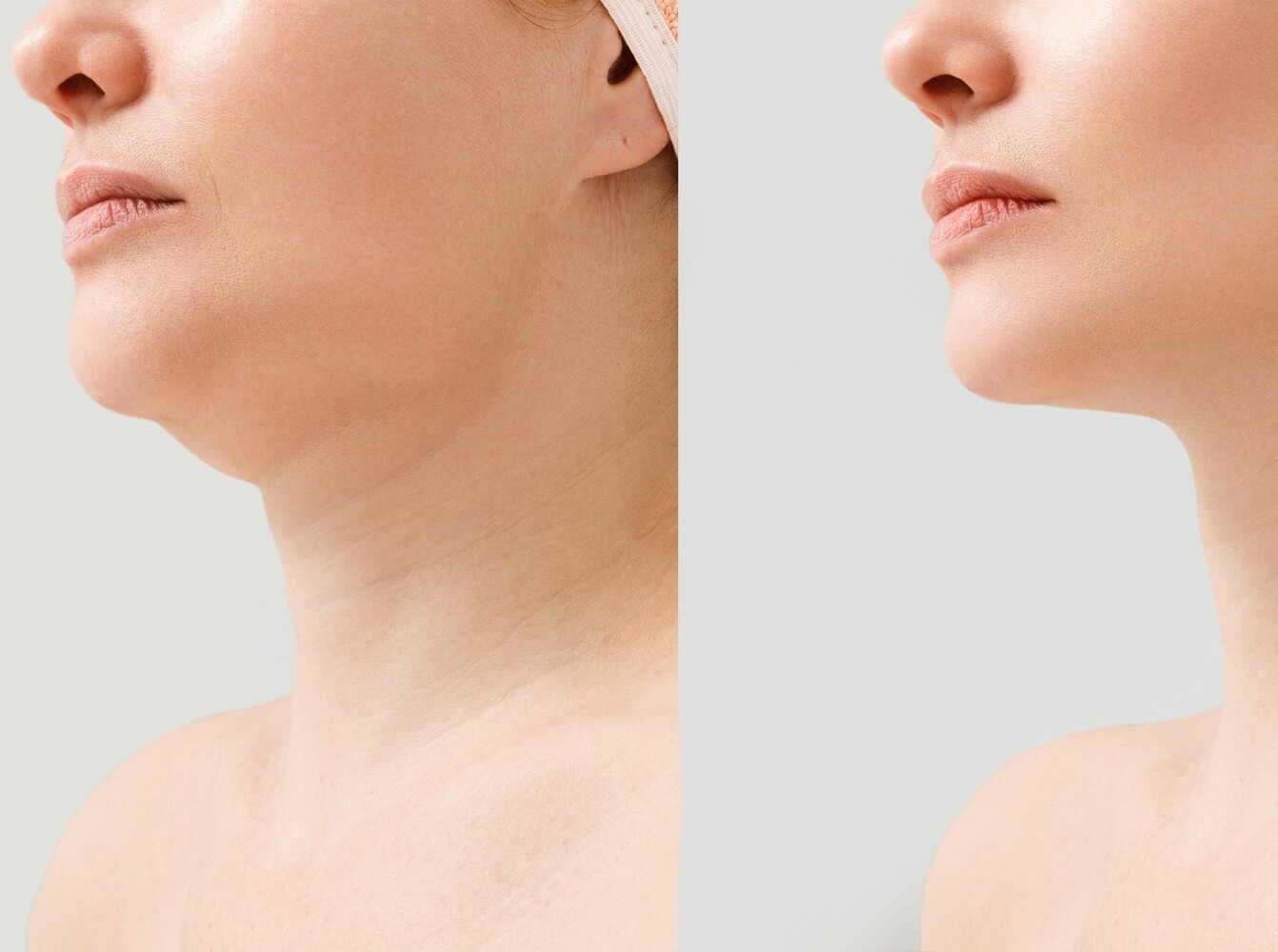
Questions about how to lose weight in your face usually come up when cheeks feel fuller, jawlines look softer, and photos do not match how someone feels inside. Many people think it’s all about face exercises, but facial fat is influenced by overall body fat, fluid retention, genetics, age, and lifestyle habits.
As Registered Dietitians, we use a whole-body lens to explain what actually causes facial fullness and what can realistically change. In this guide, we’ll walk through the main causes of facial fat, whether you can target the face alone, how to use nutrition, exercise, and lifestyle to slim the face, and what kind of timeline to expect.
We’ll also cover what happens to your face with larger weight loss, how to handle loose skin or hollowness, and how to maintain results in a healthy, sustainable way.

Causes of Facial Fat
Understanding why facial fat appears can make the whole process feel more manageable. There are several reasons the face looks fuller, and each one affects people differently. These causes range from overall body fat levels to daily lifestyle patterns, and knowing them helps you target the right changes.
1. Overall Body Fat Accumulation
When total body fat increases, facial fat cells expand along with the rest of the body. The cheeks, chin, and neck often respond quickly to weight gain, which is why many people notice changes here before they show up anywhere else. Even a small increase in body fat can round the face or soften its natural angles.
This tends to be especially noticeable in photos or during moments when lighting highlights the contours of your face. Because the face is exposed at all times, any shifts in fat storage can feel dramatic. The good news is that facial fullness usually responds well to overall fat loss.
2. Water Retention and Puffiness
Facial puffiness can happen even when body fat hasn’t changed, and it often comes from simple everyday habits. High sodium meals, dehydration, inconsistent sleep, and hormonal shifts can all cause fluid to collect in the tissues of the cheeks, eyes, and jaw.
Many people wake up looking puffier after a night of salty takeout or alcohol, and the change can feel like sudden fat gain. This kind of swelling can fluctuate throughout the day depending on hydration and movement. It usually improves quickly with better sleep, balanced meals, and steady water intake.
If water retention is something that you struggle with, be sure to check out our guide on the best way to lose water weight so that you can tackle it effectively.
3. Genetics and Fat Distribution
Genetics play a major role in how your face looks. Some people naturally store more fullness in the cheeks or under the chin, even when they maintain a moderate body weight. Others see facial changes quickly with only small shifts in their habits. Bone structure also matters because it affects how fat is distributed and how pronounced any fullness appears.
People with rounder face shapes may notice changes differently than people with angular ones. These genetic patterns can’t be changed, but understanding them helps set realistic expectations and reduces frustration when progress feels slower.
4. Age and Skin Elasticity
As people age, natural changes in skin elasticity and collagen levels can influence how full the face appears. Skin gradually becomes looser and less firm, which means fat pads can shift toward the lower face and create the appearance of heaviness. This can happen even without significant weight gain.
Many people notice that areas under the chin, around the mouth, or along the jawline look softer than they did in earlier years. Hormonal shifts and reduced collagen production also contribute to this effect. These age-related changes are normal, but they can make facial slimming feel more challenging.
5. Lifestyle Factors
Daily habits have a powerful impact on the appearance of your face. A diet high in processed foods or added sugars can lead to inflammation, which affects fluid balance.
Poor sleep often results in puffy eyes and a swollen look around the cheeks. Stress raises cortisol, which can increase fluid retention and change how your body stores fat. Frequent alcohol intake also affects hydration and can make the face look swollen the next morning.
When these factors overlap, fullness becomes more noticeable. Small lifestyle shifts often lead to quick improvements in facial appearance.
Can You Target Facial Fat Alone?
No, you can’t target facial fat on its own because the body doesn’t burn fat from one isolated area. When fat loss happens, it occurs throughout the entire body based on your genetics and hormone patterns.
What you can do is support facial changes through habits that reduce puffiness, improve hydration, and strengthen facial and neck muscles. These habits won’t override your biology, but they can make your results more noticeable and help your face look more defined as overall fat decreases.
What Happens to Facial Fat When You Lose Weight Overall?
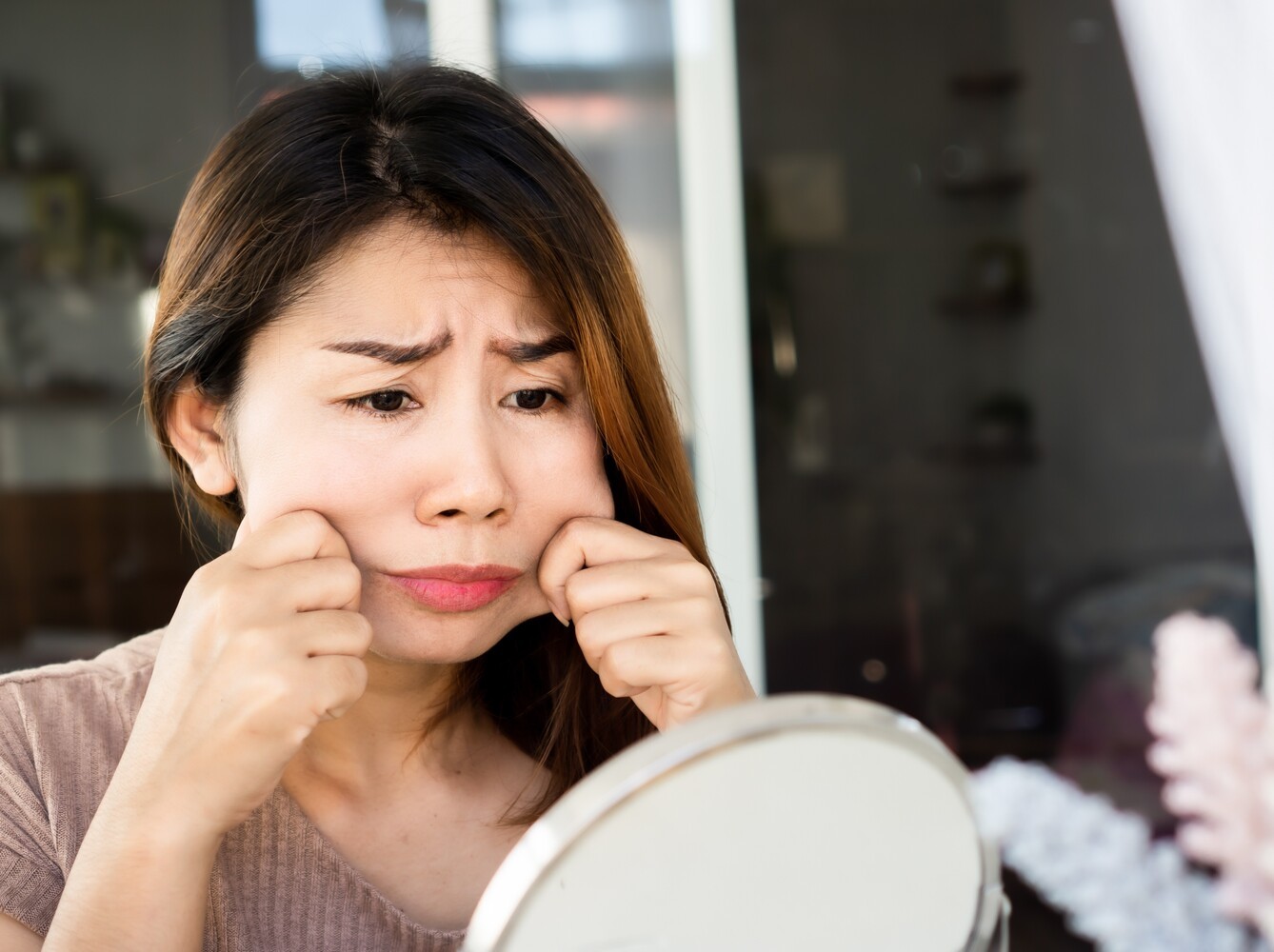
When your overall body fat decreases, the fat cells in your cheeks, jawline, and neck gradually shrink. Many people notice facial changes earlier than changes in their midsection because the face reflects shifts in fat and fluid quickly.
You may see a sharper jawline, slimmer cheeks, or less fullness under the chin. These changes often encourage people to keep going because they’re visible in everyday life, especially in photos and mirrors.
What to Know Before Starting Weight Loss
It helps to begin with realistic expectations. Your results depend on factors like your starting size, age, hormone patterns, and how consistently you follow your plan.
You can take charge of things like nutrition, hydration, movement, sleep, and stress management. You can’t choose where your body loses fat first or change the natural structure of your face.
Accepting this creates a smoother mindset and often leads to better progress because you’re working with your body instead of fighting it.
5 Proven Strategies to Slim Your Face
These strategies help you address both actual facial fat and the puffiness that can make the face look fuller. They work together, and from our experience, people see the best results when they use several of them consistently.
1. Create a Calorie Deficit & Support Whole-Body Fat Loss
Creating steady, sustainable fat loss is one of the most reliable ways to slim the face. A moderate calorie deficit, usually around 300 to 500 calories per day for many adults, encourages the body to use stored fat for energy.
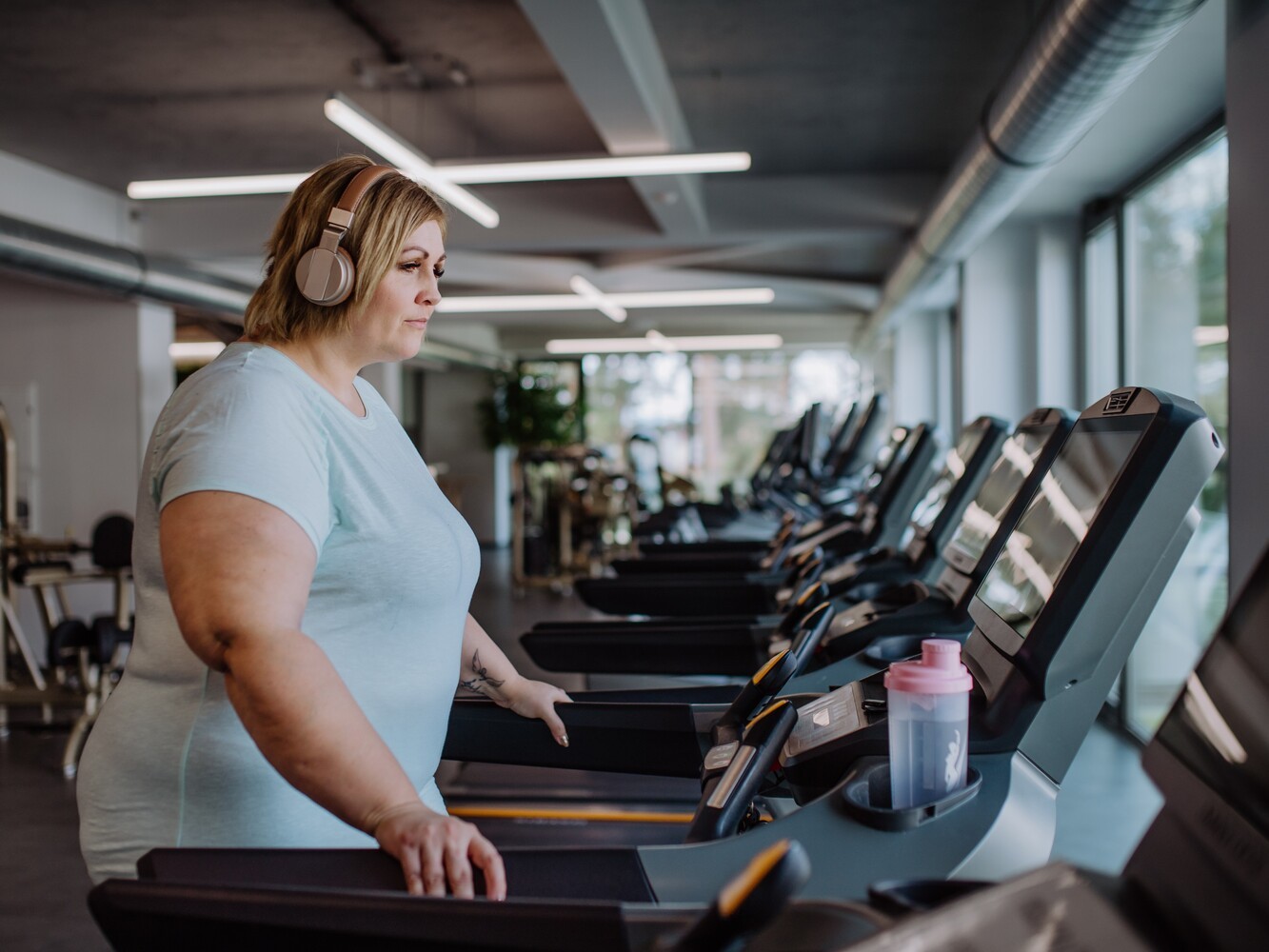
Strength training helps keep muscle while you lose fat, which supports a firmer and more defined look in the face and neck. Adding regular cardio boosts total calorie burn and helps regulate appetite and energy.
Many people notice early facial changes because the face responds quickly to shifts in fat and fluid. This approach feels realistic, balanced, and easy to build into daily life.
2. Improve Your Diet Quality
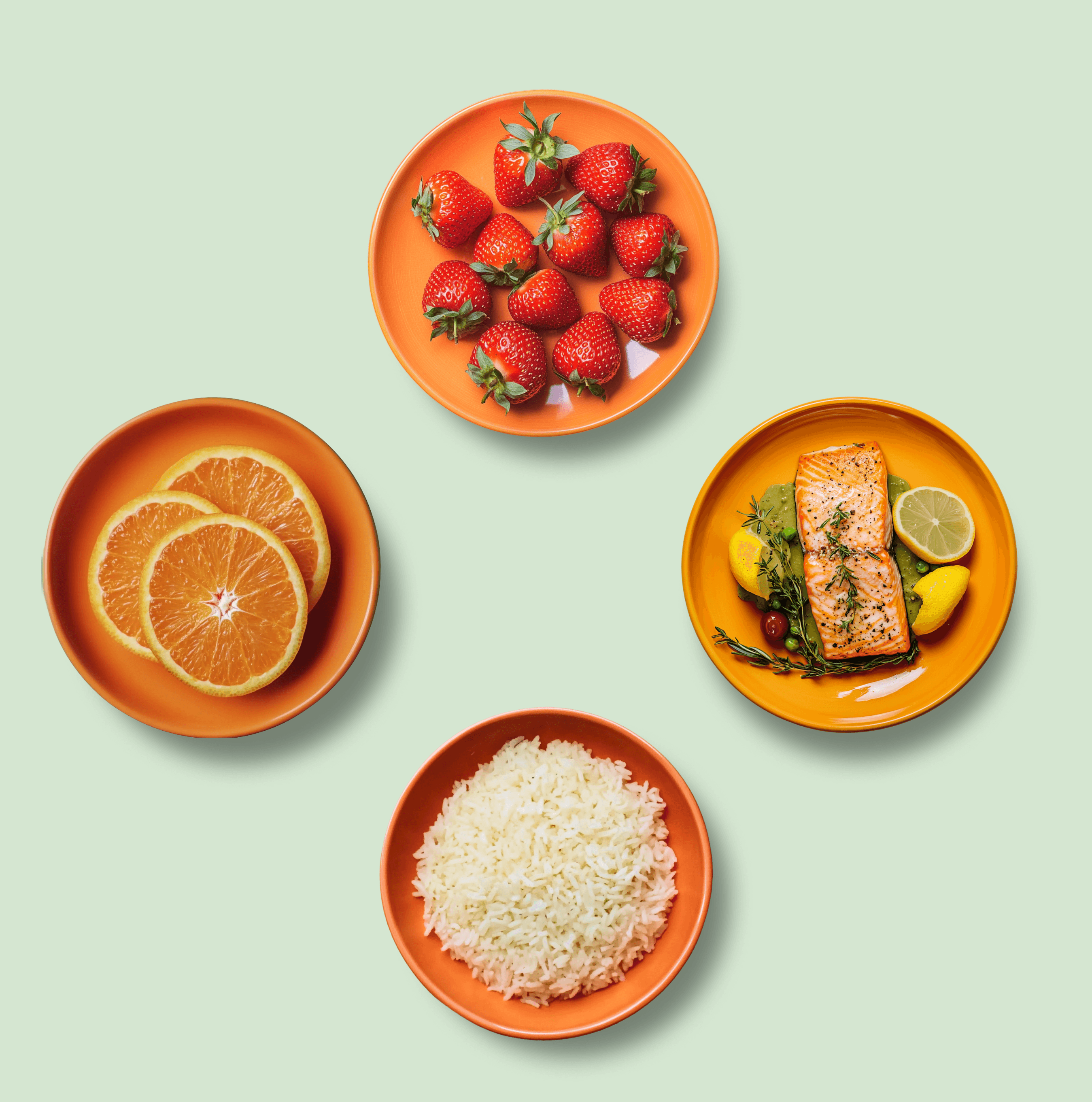
Nutrition plays a major role in how your face looks because it affects fat storage, inflammation, and water balance. Whole foods like lean protein, fibre-rich vegetables, fruit, and whole grains help stabilize blood sugar and reduce overeating. Eating fewer processed foods and added sugars can noticeably reduce facial bloating.
Hydration matters, too, since drinking enough water supports fluid balance and prevents that swollen look around the eyes and cheeks. We often see clients look more defined within days of improving their meals.
If you want a personalized 7-day meal plan that fits your lifestyle, connect with a Registered Weight Loss Dietitian through Berry Street.
3. Reduce Puffiness & Facial Bloat
Reducing puffiness can help your face look slimmer even before meaningful fat loss happens. Many people notice swelling after salty meals, alcohol, poor sleep, or high stress, so adjusting these habits can create fast results.
Prioritizing hydration helps your body flush out excess fluid instead of storing it. Getting consistent sleep supports hormone balance and reduces under-eye swelling. Managing stress through movement, deep breathing, or short breaks throughout the day also helps.
These changes are simple but meaningful, and they often make your face feel lighter and look more defined within a short time.
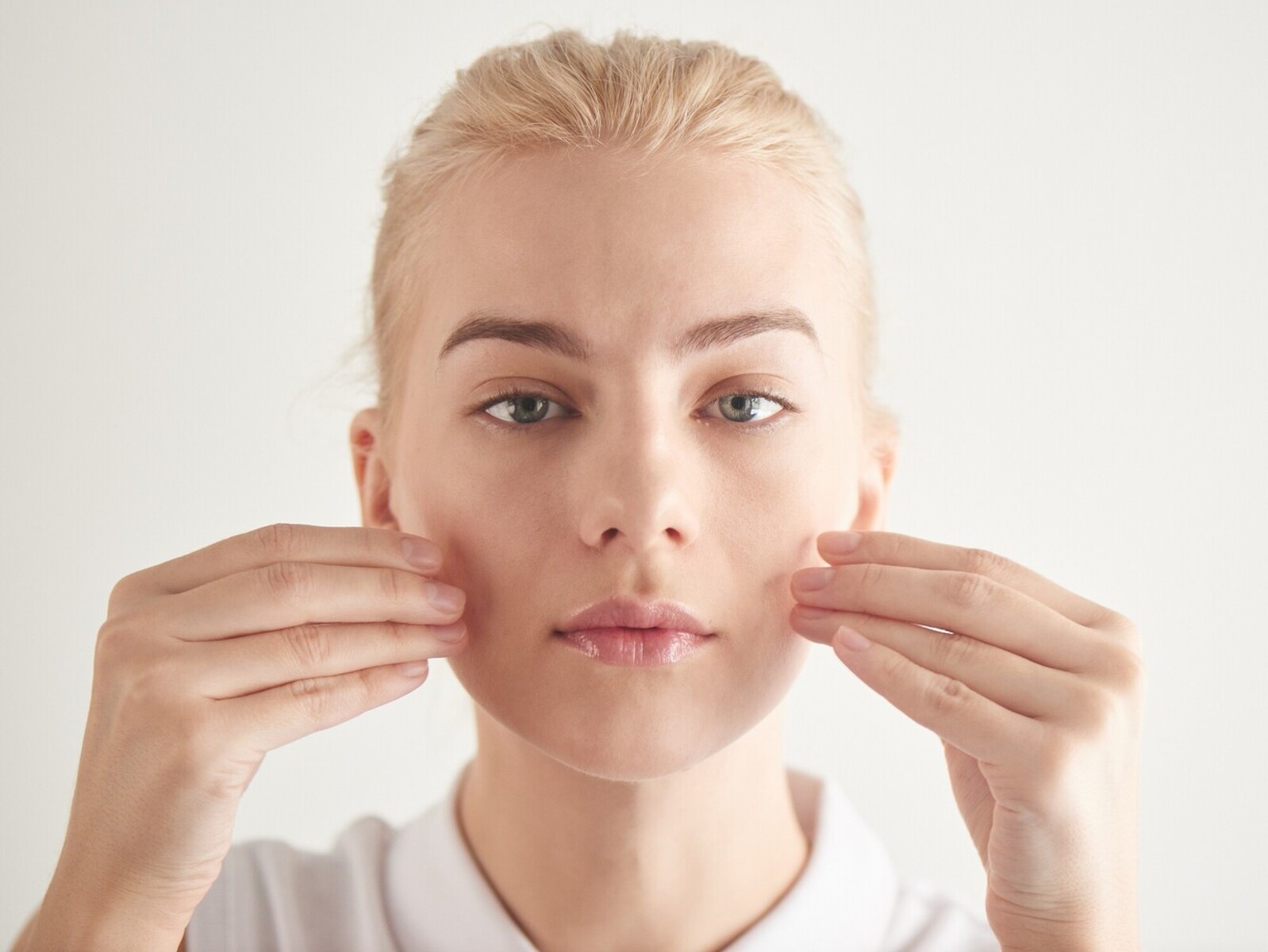
4. Do Exercises for Face, Neck & Jawline
Facial and neck exercises help strengthen the muscles that shape your jawline and lower face. They don’t reduce fat alone, but they support better definition and can make fat loss more noticeable.
Movements like cheek puffs, chin lifts, and tongue-to-roof-of-mouth holds activate muscles that often go unused. Neck stretches, swimming, and gentle resistance work around the shoulders improve posture, which instantly highlights the jawline.
These exercises are quick and easy to add to your routine. Many people enjoy them because they feel engaging and help build awareness of how they hold their face and neck.
5. Employ Lifestyle Habits That Support Facial Slimming
Lifestyle habits influence how your face looks day to day. Regular sleep helps regulate hormones that control appetite and fluid balance, which reduces swelling. Avoiding smoking supports skin elasticity and helps maintain natural firmness.
Even posture plays a role since lifting the chin slightly and aligning the neck can make the jawline appear sharper. A simple skincare routine keeps the skin hydrated and improves its texture, which helps your face look balanced and healthy as fat loss progresses.
When Will You See Face Changes?
Most people notice early changes within a few weeks, especially around the cheeks and under the eyes. This often shows up as reduced puffiness or a slight shift in how defined the jawline looks.
More dramatic changes usually take longer because facial fat responds gradually to consistent habits. It often takes a couple of months for sharper contours or a noticeably slimmer profile to appear. Steady routines, balanced meals, and regular movement make this process smoother and more predictable.
Factors That Influence Facial Fat Loss
Facial fat loss looks different for everyone, and several variables shape how quickly changes appear. Understanding these factors helps set realistic expectations and makes the process feel more predictable.
1. Starting Body Fat Level
Your starting body fat level plays a major role in how quickly you see changes in your face. People with higher body fat often notice early slimming because the face responds quickly to shifts in fat and water balance. Someone who begins at a leaner weight may see slower changes since there is simply less fat to lose.
These differences are normal and don’t reflect effort or weight loss motivation. They reflect the body’s natural patterns. Recognizing this helps prevent frustration when progress feels uneven or slower than expected.
2. Age
Age influences how your face responds to fat loss because skin elasticity and collagen naturally decline over time. Younger skin usually adapts faster, which means jawline and cheek changes may appear earlier. Older adults may notice softer transitions or slower tightening because the skin needs more support to maintain firmness.
Working with a Registered Healthy Aging Dietitian can help you focus on nutrition that supports collagen production and skin quality. Approaches like adequate protein, hydration, and specific micronutrients make a meaningful difference. These habits help your face look its best throughout the process.
4. Genetics
Genetics shape your facial structure, fat distribution, and how quickly you tend to lose fat from specific areas. Some people see noticeable changes in their cheeks with only a few pounds lost. Others maintain fullness under the chin even after consistent efforts.
These differences are tied to inherited patterns, including bone structure and where your body prefers to store fat. You can still improve definition, but the timeline and final look will reflect both your habits and your natural blueprint.
4. How Aggressively You’re Losing
The pace of your weight loss affects how your face looks as the process unfolds. A steady, moderate rate of fat loss usually supports better skin tone and reduces the risk of sagging or hollowing.
Rapid weight loss may create sharper changes early, but can also lead to loose skin after weight loss or an overly deflated appearance.
A balanced approach that includes strength training and adequate protein helps preserve muscle and support the skin. This leads to healthier, more gradual definition. Many people find the results feel more natural and longer lasting with this method.

4. Dietary Consistency
Consistency turns small habits into visible changes. Eating balanced meals most of the time supports fat loss, regulates water balance, and reduces inflammation.
When someone alternates between restrictive dieting and overeating, the face often reflects those swings through puffiness, bloating, or stalled fat loss.
Staying steady with meals, hydration, and movement provides a clearer path to progress. It also makes your results easier to maintain. Even small improvements, applied regularly, help your face look more defined over weeks and months.
How to Monitor Progress
Tracking facial changes can feel tricky because your face looks different throughout the day. A few simple methods make the process clearer and help you stay motivated.
1. Take Front and Side Photos
Photos give you a more accurate picture than relying on memory. Use the same lighting, angles, and timing each time so you’re comparing similar conditions. Morning photos often work well because fluid shifts haven’t changed your features yet.
Over time, you’ll spot subtle improvements in cheek shape, jawline definition, or under-chin slimming. Many people are surprised by how much progress shows up in photos that they didn’t notice in real time. This makes photos one of the most reliable tracking tools.
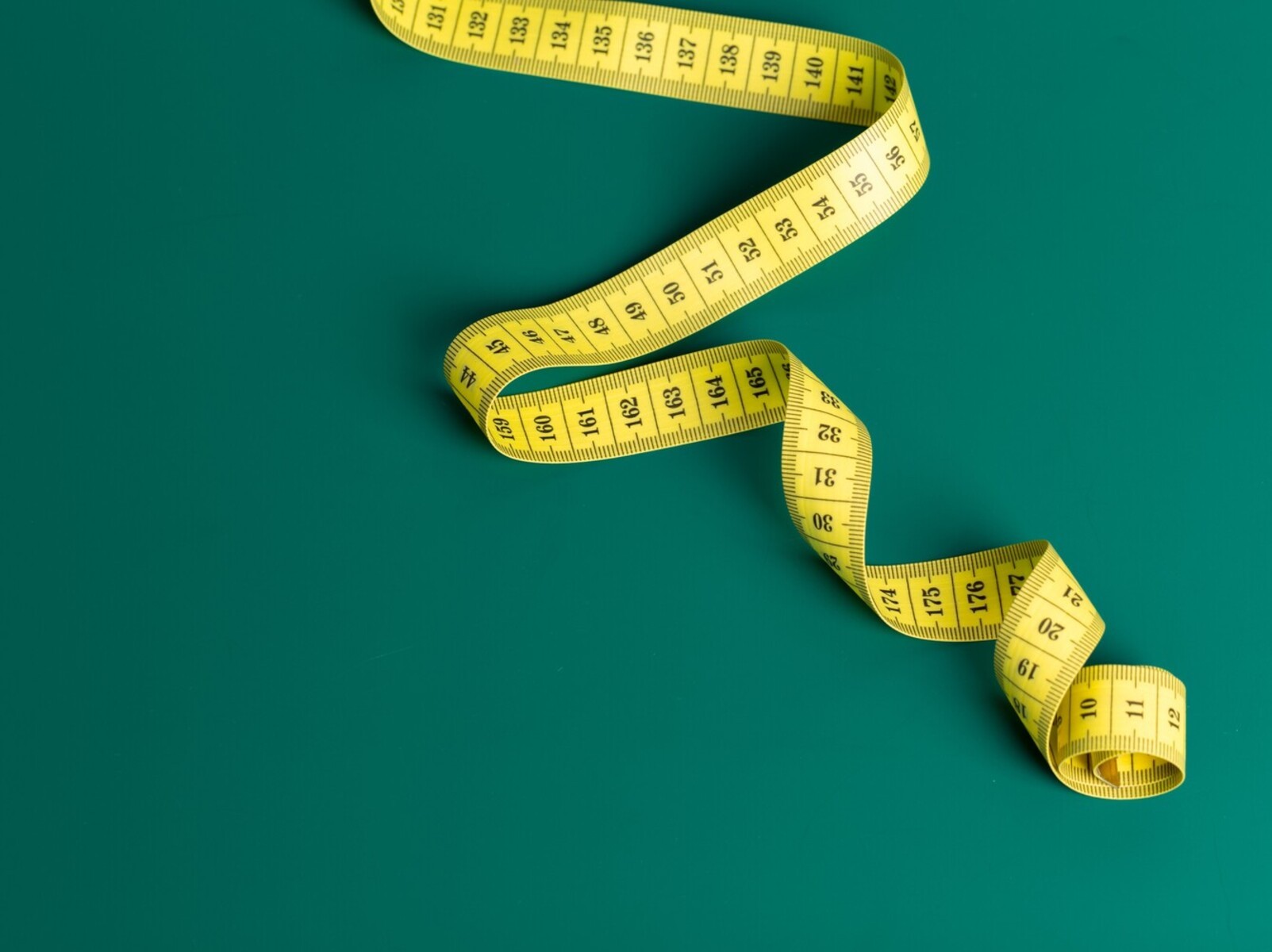
2. Measure Face Circumference or the Double-Chin Area
Measurements help you see changes that the mirror might blur. A soft tape measure placed around the cheek area or under the chin gives you concrete numbers to follow. Keep measurements consistent by using the same spots each time.
Even small decreases matter because facial changes often happen gradually. Some people track weekly, while others prefer every two weeks to see clearer patterns. These numbers provide reassurance during weeks when visual changes feel slower. They add another layer of clarity to your progress.
3. Pay Attention to How Your Face Feels and Looks
Daily sensations offer valuable insight. Maybe your face feels less swollen in the morning or your jawline looks sharper when you smile. Light often reflects differently on the cheeks as fat and puffiness decrease.
You might notice smoother transitions under the chin or a more defined edge near the ears. These are small but meaningful signs that your habits are working. Paying attention to these shifts helps you stay connected to the process and notice progress even before photos or measurements confirm it.
How Much Weight Do You Need to Lose Before You Notice Face Slimming?
Most people start to see facial changes somewhere around the 10 to 20 pound range, but the exact point varies a lot from person to person. Someone who naturally stores more fat in the cheeks or under the chin may notice earlier changes, even with a smaller loss.
Others might need more time because their body distributes fat differently. What matters most is steady, consistent progress rather than chasing a specific number.
What Happens to Your Face With Significant Weight Loss?
Significant weight loss can change the face in noticeable and sometimes dramatic ways. Many people see slimmer cheeks, a clearer jawline, and less fullness under the chin as fat stores decrease. These shifts often make facial features look sharper and more defined in photos and everyday mirrors.
At the same time, large losses can reveal changes in skin texture or elasticity, especially around the lower face. These differences are normal and reflect how the face adapts as the body becomes leaner.
Positive Outcomes
Significant weight loss often brings noticeable changes to the face, and many of them feel motivating. These improvements can shift how features look in photos and how confident someone feels day to day.
1. Slimmer Cheeks
As overall fat decreases, many people notice their cheeks looking less round and more structured. The cheekbones become easier to see, and the midface takes on a lighter, more defined shape. Even small losses can make a difference because the cheeks respond quickly to changes in fat and fluid.
This can make the entire face look fresher. It also tends to show up clearly in side-by-side photos, which keeps people motivated as they continue working toward their goals.
2. Defined Jawline
A clearer jawline is one of the most noticeable facial changes during weight loss. Once fat around the lower face and neck begins to shrink, the jawline creates cleaner angles and a more balanced profile. Many people say they feel their face looks more lifted, even without targeted exercises.
Good posture and strength training often enhance this effect. These shifts show up in both front-facing and profile photos and can make everyday activities like FaceTime calls feel more comfortable.
3. Reduced Double Chin
The area under the chin often responds well to overall fat loss, especially when paired with steady hydration and mindful eating. As this region becomes leaner, the neck-to-chin transition smooths out and looks more streamlined. Many people find this change especially rewarding because it affects how they look from the side.

4. More Visible Facial Contours
As the face becomes leaner, natural contours start to stand out in a way they hadn’t before. Light catches the high points of the cheeks, the temples look more structured, and the nose and chin often appear more proportionate.
These changes don’t require dramatic fat loss to be noticeable. They reflect how your features naturally align once swelling decreases and fat levels shift. Many people enjoy this stage because it brings out their unique facial shape rather than changing it completely.
Potential Challenges
Significant weight loss can bring exciting facial changes, but it may also create new concerns. These shifts are common and often reflect how the skin and tissues adjust as fat levels drop.
1. Sagging
Rapid or large weight loss can leave the skin without enough time to adapt, which creates a sagging appearance around the lower face. This often happens when collagen and elasticity were already reduced from aging, sun exposure, or long-term weight fluctuations. People may notice softer lines near the mouth or along the jaw.
Strength training, adequate protein, and slower, steadier weight loss can make this easier to manage. Skincare and hydration also support better skin structure during the process.
2. Sunken Cheeks
Some people experience a hollow or overly slim look in the cheeks as facial fat decreases. This tends to happen in individuals with naturally angular features or lower overall body fat. As the midface loses volume, the cheek area can look sharper than expected. Eating enough healthy fats and protein supports more balanced facial changes.
Some people explore aesthetic options if the change feels too dramatic. These shifts are highly individual and depend on pre-existing facial structure.
3. Loose Skin
Loose skin is common after significant weight loss, especially around the chin, jawline, and neck. The amount of looseness depends on age, genetics, the amount of weight lost, and how quickly the loss occurred. Skin that has stretched for many years may need more time to retract or may not fully tighten without support.
Strength training can improve the look by building underlying muscle. Good hydration and nutrient-rich meals help too. Some people consider noninvasive procedures or weight loss surgery when looseness affects confidence or comfort.
Gender & Age Differences
Gender and age shape how facial changes appear during weight loss. Women often store more fat in the cheeks and lower face due to hormonal patterns, and support from a Registered Women’s Health Dietitian can help navigate those shifts. Men typically see sharper jawline changes sooner.
Aging adds another layer since collagen decreases and skin becomes less firm. Older adults may notice slower tightening or more visible looseness as fat levels drop.
How to Mitigate Negative Facial Effects
Facial changes during weight loss can be exciting, but some people notice shifts they didn’t expect. A few targeted habits can help your skin, features, and overall facial balance adjust more comfortably.
1. Lose Weight Gradually
A slower pace gives your skin more time to adjust as fat levels drop. Many people find that losing around one to two pounds per week leads to smoother transitions in their face.
This approach supports elasticity and helps prevent sudden sagging in the cheeks or along the jawline. Gradual loss also makes it easier to maintain energy and stick with healthy routines. It’s a more sustainable method that supports long-term results.

2. Support Skin Health
Skin responds well to consistent care. Adequate protein helps maintain collagen, while healthy fats like olive oil, avocado, and nuts support skin firmness. Hydration also matters since water keeps skin supple and reduces a crepey look.
Strength training adds muscle underneath the skin, improving structure and giving the face a more lifted appearance. Combined, these habits create a healthier foundation for facial changes during weight loss.
3. Work With a Registered Dietitian
Working with a Registered Dietitian helps you lose weight in a way that supports both facial changes and overall health. You get a plan that matches your lifestyle, food preferences, and goals, instead of guessing.
This guidance is especially important if you have health conditions like thyroid issues, PCOS, diabetes, or heart disease. A dietitian can adjust your calorie deficit, nutrients, and pacing so your body feels supported, your skin gets what it needs, and your results are safer and more sustainable.
If you need to know how to lose weight with hypothyroidism or how to lose weight with Hashimoto’s, we can help.
How to Maintain & Enhance Face Shape After Weight Loss
Once your face starts to slim, maintaining those changes feels just as important as achieving them. A few focused habits can help you keep definition, protect skin quality, and enhance your natural features long term.
1. Nutrition & Training to Maintain Lean Face Shape
Nutrition and training continue to shape how your face looks even after you’ve reached your goal. Eating enough protein helps maintain muscle, which supports the contours of your cheeks and jaw. Healthy fats add softness and prevent an overly hollow look. Strength training keeps your muscles firm, which influences how your skin sits.
These habits work together to create steady, balanced results. They also make your overall weight easier to maintain, which keeps facial definition more consistent.
2. Skin & Facial Care
Skin care plays a major role in how your face looks post weight loss. Hydration supports elasticity and reduces fine lines, while sun protection helps prevent collagen breakdown. Moisturisers, retinoids, or gentle exfoliants can improve texture and tone. Some people also use targeted products for firmness around the jaw or eyes.

Weight Loss for Face Fat FAQs
Can I lose weight in my face only (without losing body weight)?
No. Fat loss happens throughout the body, not in isolated spots.
Will my face always get slimmer if I lose weight? Why is my face still “full”?
Not always. Genetics, water retention, and natural facial structure all influence how slim your face can get.
Does chewing gum help you lose facial fat?
Chewing gum may tone jaw muscles slightly, but it won’t lead to meaningful fat loss.
How long does it take to see face changes?
Minor changes can appear in a few weeks. Noticeable definition often takes several months.
How can I plump my face after weight loss naturally?
Eating healthy fats, staying hydrated, strength training, and consistent skincare can help restore a healthy, natural fullness.
Conclusion
Facial slimming works best when you understand what actually influences fullness and how daily habits shape the way your face looks over time.
Whole-body fat loss, reduced puffiness, better sleep, solid nutrition, and smart lifestyle choices all play a role, and they build on each other in a way that makes long-term results far more realistic. It helps to remember that everyone’s timeline is different, and consistency usually matters more than speed.
When you approach the process with patience and a clear plan, your cheeks, jawline, and overall facial shape often change in ways that feel rewarding and noticeable. If you want a personalized plan that fits your life and goals, connect with a Registered Dietitian through Berry Street to get started.
If you want to learn more, why not check out these articles below: