Menopause changes the way the body responds to food, movement, stress, and sleep, which is why so many women search for guidance on how to lose weight during menopause and feel frustrated when old habits stop working.
As Registered Dietitians, we’ve seen that understanding hormone shifts, adjusting nutrition, supporting metabolism, and building strength are the key pillars that help women make real progress.
We break down why weight feels harder to manage, what strategies actually work, and how lifestyle habits influence results in midlife. The goal is to give you clear, friendly, and practical guidance that builds confidence and helps you feel more in control of your health.

Why Menopause Makes Weight Loss Harder
Menopause brings changes that directly affect how the body regulates weight, so it’s completely normal to feel like progress takes more effort than it used to. Hormones shift, metabolism slows, and daily routines often look different from those in earlier years, especially with work, caregiving, or sleep changes.
Many women notice that strategies that once felt effortless now barely move the scale. This isn’t a motivation problem. It’s a biological shift that alters how your body uses, burns, and stores energy. Estrogen decline, sleep disruption, stress, and appetite changes all play a role at the same time.
When you understand what’s driving these changes, the path forward feels clearer and less personal. It gives you permission to adjust your expectations, choose habits that fit this season, and measure success in more than one way.

How Hormones Shift During Perimenopause and Menopause
Hormonal changes during perimenopause and menopause affect nearly every part of the weight loss process, from hunger cues to fat distribution. As estrogen drops, your body becomes more likely to store fat around the abdomen, which is a noticeable change for many women.
Appetite hormones may fluctuate, so you might feel hungrier on certain days or crave quick comfort foods more often. Fullness cues may feel weaker, too, which can lead to eating more than you planned without realizing it.
These shifts influence energy, body composition, and how efficiently your body burns calories. You may feel like your usual meals don’t satisfy you, or that weight goes on faster than before.
These patterns are common, and they’re the reason many women benefit from higher protein intake, fiber-rich foods, and meals that keep blood sugar steady.
Why Your Metabolism Slows Down
Metabolism naturally slows as you age, and menopause tends to amplify that effect noticeably. Muscle mass gradually declines if you’re not doing regular strength training, and muscle burns more calories at rest than body fat.
With less muscle, your daily energy burn drops, sometimes by a few hundred calories compared with earlier adulthood. You also need fewer calories overall, so portions that once maintained your weight may now lead to slow and frustrating gain.
This isn’t a personal failure. It reflects a predictable and measurable shift in how the body uses fuel. The slower pace makes quick fixes less effective, but it also means targeted habits can do a lot.
Strength training, protein-focused meals, and daily movement help rebuild muscle, support metabolic health, and make weight loss feel realistic and achievable again.
Lifestyle Factors That Add to Weight Gain
Menopause affects more than hormones and metabolism. Daily habits, stress levels, and sleep quality also influence how easily weight comes on and how challenging it feels to lose it.
1. Stress and Cortisol
Stress affects weight in powerful ways, especially during menopause when the body becomes more sensitive to hormonal shifts. Chronic stress raises cortisol, a hormone that signals your system to hold on to energy and store more of it as abdominal fat.
When cortisol stays high, hunger often increases, and cravings for quick comfort foods become more frequent. Many women notice they reach for snacks at night or choose sugary foods when stress feels overwhelming. This pattern often shows up even when meals look balanced earlier in the day.
Cortisol also makes energy feel lower, which reduces the likelihood of exercising or preparing nutritious meals. Managing stress through short walks, breathing exercises, social connection, or journaling helps lower cortisol and supports more predictable appetite patterns. Small stress reduction habits often make weight goals feel more realistic again.
2. Sleep Disruptions
Sleep becomes less predictable during menopause, and that shift significantly affects weight. Night sweats, insomnia, and restless sleep can leave you feeling drained before the day starts.
When sleep quality drops, hormones that regulate appetite become unbalanced. You may feel hungrier, crave sweeter foods, or notice that portions feel harder to control. Tired bodies look for fast energy, which often leads to reaching for snacks rather than well-balanced meals.
Poor sleep also lowers motivation for exercise and movement, which makes calorie balance harder to manage. Over time, this cycle can create steady weight gain even when eating patterns haven’t changed drastically.
Improving sleep through consistent routines, cooler bedroom temperatures, and calming nighttime habits can help restore hunger cues. Better sleep supports clearer thinking, steadier moods, and more consistent choices around meals and movement.

3. Lower Activity Levels
Activity levels often shift during menopause, and these subtle changes can influence weight in ways that surprise people. Joint discomfort, low energy, and mood fluctuations may make movement feel less appealing.
As daily activity drops, the amount of energy your body burns throughout the day decreases, too. This includes small but meaningful movements like walking during errands, climbing stairs, or doing household tasks.
These habits, known as daily movement or non-exercise activity, play a bigger role in weight regulation than many women realize. When they decrease, your overall calorie burn may fall without you noticing the difference.
Adding more movement doesn’t require long workouts. Short walks, gentle stretching, gardening, or standing breaks during the day can all increase activity. These changes help support metabolism, improve energy, and make weight loss more achievable during menopause.
4. Emotional Eating
Emotional eating becomes more common during menopause because this stage of life often overlaps with major personal and family transitions. Stressful work roles, caregiving responsibilities, evolving relationships, or children leaving home can all influence eating habits.
Food may feel comforting, soothing, or distracting during emotional moments. These choices tend to involve higher-calorie foods that temporarily improve mood but make weight loss harder.
Emotional hunger usually appears suddenly and often centers on specific foods, while physical hunger builds gradually and feels more flexible. Learning to pause and identify which type you are experiencing can create more intentional eating patterns.
Strategies like taking a short walk, calling a friend, or practicing a grounding technique can help you respond to emotions without automatically turning to food. Building this awareness supports steady progress and reduces frustration around eating choices.
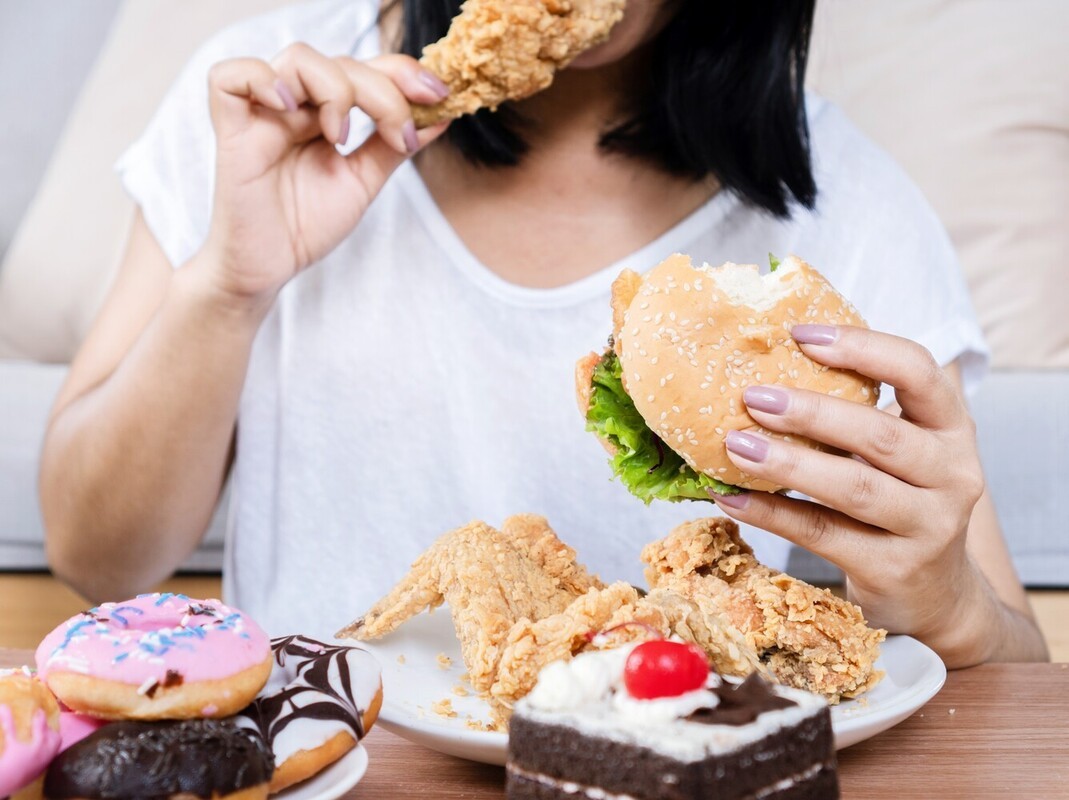
5. Social and Environmental Triggers
Social environments influence eating more than most people realize, especially during menopause when routines feel less stable. Work events, celebrations, travel, and family gatherings often include foods that are easy to overeat.
Even small habits like keeping sweets on the counter or eating while distracted can increase calorie intake without you noticing.
Emotional shifts during menopause can also make social eating feel more comforting or harder to navigate. These triggers build up and contribute to gradual weight gain.
Recognizing them doesn’t mean avoiding social situations. It means setting gentle boundaries and choosing strategies that help you stay grounded.
Having a balanced meal before events, keeping nutrient-dense snacks nearby, or plating food rather than grazing can help you feel more in control. These small adjustments support long-term goals while letting you enjoy meaningful moments with others.
6. Inconsistent Eating Patterns
Irregular eating habits become more common during menopause, especially when energy levels fluctuate or schedules feel unpredictable. Skipping meals, eating too lightly early in the day, or relying on convenience snacks can all disrupt hunger cues and make overeating more likely later on.
Many women tell us they feel too busy in the morning to eat or find themselves grazing through the afternoon instead of sitting down for balanced meals. These patterns can lead to unstable blood sugar levels, stronger cravings, and larger portions at night.
Creating a loose structure helps. You don’t need rigid schedules, but aiming for consistent meals built around protein, fiber, and healthy fats keeps appetite steadier.
Planning simple options like hard-boiled eggs, Greek yogurt bowls, or pre-chopped veggies makes regular eating easier. Consistency supports energy, mood, and more predictable weight management during menopause.

The Best Ways to Lose Weight During Menopause
The most effective strategies support your hormones, metabolism, and lifestyle changes. These approaches help you feel better, stay full longer, and create sustainable results:
1. Eat More Protein and Fiber
Protein and fiber become especially important during menopause because they influence fullness, metabolism, and blood sugar in powerful ways.
Protein helps maintain muscle, which keeps your metabolism stronger and supports long-term weight control. Fiber slows digestion, supports gut health, and helps meals stick with you longer so you’re not hungry again an hour later.
Start by adding a clear protein source at each meal, such as eggs, yogurt, tofu, chicken, fish, or beans. Then layer in fiber from vegetables, fruits, whole grains, lentils, or chia seeds. You can keep it simple, like adding beans to salads or fruit and nuts to breakfast. Over time, this pairing helps reduce cravings, smooths out energy dips, and makes it easier to stay in a calorie deficit.
2. Choose Slow-Burning Carbs
Slow-burning carbs are helpful during menopause because they keep blood sugar steadier and reduce the roller coaster of cravings. When carbs digest slowly, you avoid big spikes and crashes that leave you tired and searching for snacks.
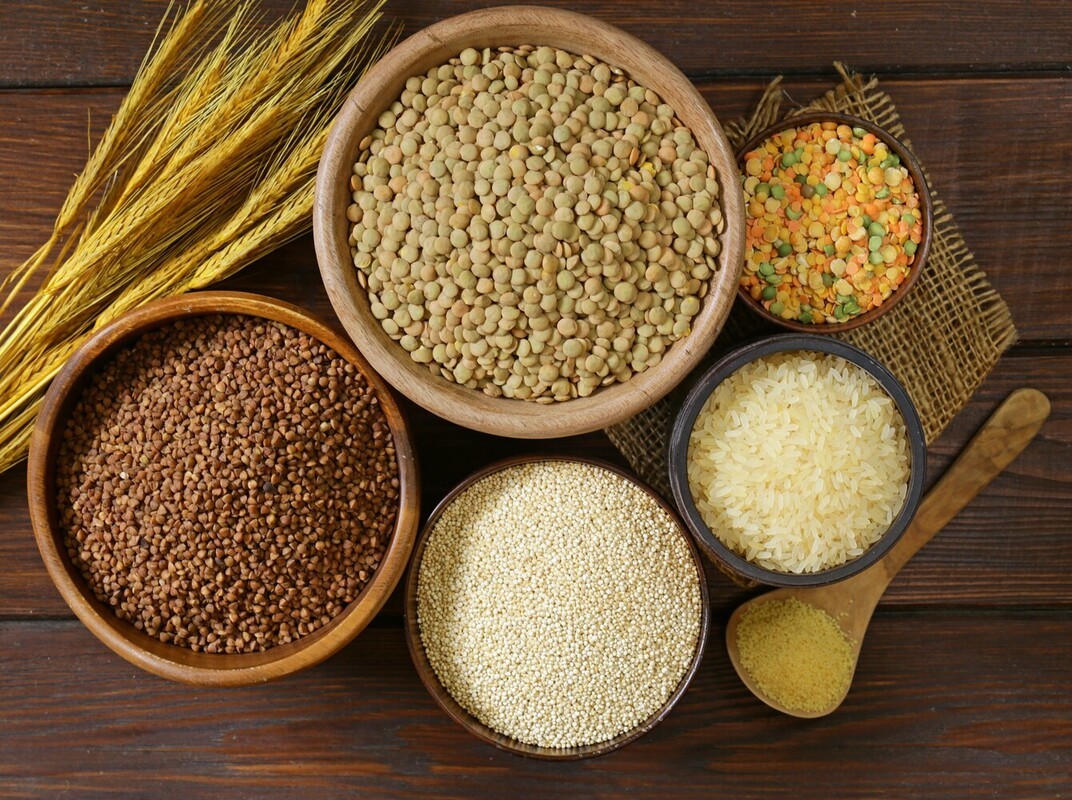
Whole grains, beans, lentils, fruits, and starchy vegetables like sweet potatoes provide fiber, vitamins, and minerals along with energy. Try swapping white bread, white rice, and regular pasta for whole-grain versions most of the time.
Build meals with a mix of protein and these slower carbs so digestion feels steady and satisfying. You might notice fewer afternoon slumps and less desire to raid the pantry at night.
Over time, choosing slow-burning carbs more often supports better appetite control, more consistent energy, and easier weight management.
3. Build a Diet Around Whole Foods
Centering your eating pattern on whole foods gives your body the raw materials it needs to handle menopause more smoothly. Whole foods tend to be richer in fiber, antioxidants, and healthy fats than ultra-processed options, which supports hormones, digestion, and metabolism.
Think fruits, vegetables, nuts, seeds, beans, lentils, whole grains, eggs, fish, and lean meats. These foods keep you fuller on fewer calories and make meals feel more satisfying.
A Mediterranean-style pattern is a helpful example, with plenty of plants, olive oil, seafood, and modest portions of animal protein.
You don’t have to follow it perfectly, but borrowing its ideas works well. Focusing on whole foods often naturally crowds out sugary snacks, improves energy, and creates a strong foundation for weight loss.
4. Include Strength Training
Strength training becomes one of the most powerful tools for weight loss during menopause because it directly counters natural muscle loss. When you build or maintain muscle, your body burns more calories at rest and handles blood sugar more efficiently. That means better energy, better strength, and a higher metabolic rate.
You don’t need an advanced program to start. Two or three sessions a week using bodyweight moves, resistance bands, or dumbbells can help a lot for most women. Focus on simple exercises like squats, lunges, rows, and presses that work major muscle groups.
Begin with a level that feels challenging but safe, and gradually increase resistance. Over time, strength training reshapes body composition, supports joints, and makes everyday activities feel easier.

5. Add Cardio for Heart and Fat Loss
Cardio supports heart health and fat loss during menopause by increasing your daily calorie burn and improving stamina. Activities like brisk walking, cycling, dancing, and swimming also boost mood and help manage stress, which indirectly supports weight goals.
You don’t need intense workouts for results. Moderate cardio performed regularly can make a big difference over time. Aim for short, realistic sessions that feel doable, such as 20 to 30 minutes most days. If that feels like too much, start with 10-minute walks and build from there at your own pace.
You can also break movement into smaller chunks throughout the day. Over time, regular cardio helps reduce body fat, supports cardiovascular health, and works alongside strength training and nutrition to create steady, sustainable progress.
6. Get Better Sleep to Control Hunger
Sleep plays a major role in menopause weight loss because it affects hunger hormones, cravings, and decision-making. When you’re sleep deprived, your body produces more of the hormone that stimulates appetite and less of the one that signals fullness. That combination makes it easier to overeat, especially in the evening.
Many women also notice stronger cravings for sugary or salty foods after a poor night of sleep. Improving sleep starts with a calming bedtime routine and a consistent schedule. Keeping the bedroom cool, dark, and quiet also helps, especially if you deal with night sweats.
Limiting screens and large late-night meals can reduce sleep disruptions. Better sleep supports more stable hunger cues, steadier energy, and more intentional food choices during the day.

7. Reduce Stress to Reduce Cravings
Stress management matters for menopause weight loss because stress hormones influence appetite, cravings, and where your body stores fat.
When stress stays high, cortisol can encourage more abdominal fat and make it harder to read true hunger cues. Many women find they snack more at night or rely on sweets and salty foods when stress builds.
You won’t remove stress entirely, but you can change how your body responds. Short walks, breathing exercises, stretching, and journaling all help signal safety to your nervous system. Even five minutes can create a noticeable shift.
Building small stress relief habits into your day supports more balanced hormones and calmer eating patterns. Over time, lower stress levels make it easier to stay consistent with nutrition, sleep, and movement.
If you want these strategies tailored to your life, connect with a Registered Women’s Health Dietitian through Berry Street for one-on-one support and a personalized plan. Whether you’re going through menopause, losing weight while pregnant, or want guidance with postpartum weight loss, we’re here to help.
What to Eat for Menopause Weight Loss
Eating for menopause weight loss works best when meals support steady energy, balanced hormones, and long-lasting fullness. The goal is to choose foods that help your body feel stable and satisfied so weight loss feels easier and more predictable.
Foods That Support Hormones and Fat Loss
Choosing foods that support hormone balance and steady metabolism can make weight loss during menopause feel far more manageable.
Certain nutrients play a direct role in how your body handles energy, appetite, and muscle maintenance, which is why the right meal pattern can make such a noticeable difference.
Many women benefit from focusing on foods that offer plant-based estrogen-like compounds, high-quality protein, and nutrients that protect bone and muscle health. These foods help regulate hunger, stabilize blood sugar, and provide long-lasting energy, which reduces the likelihood of overeating or feeling unsatisfied after meals.
Helpful foods include:
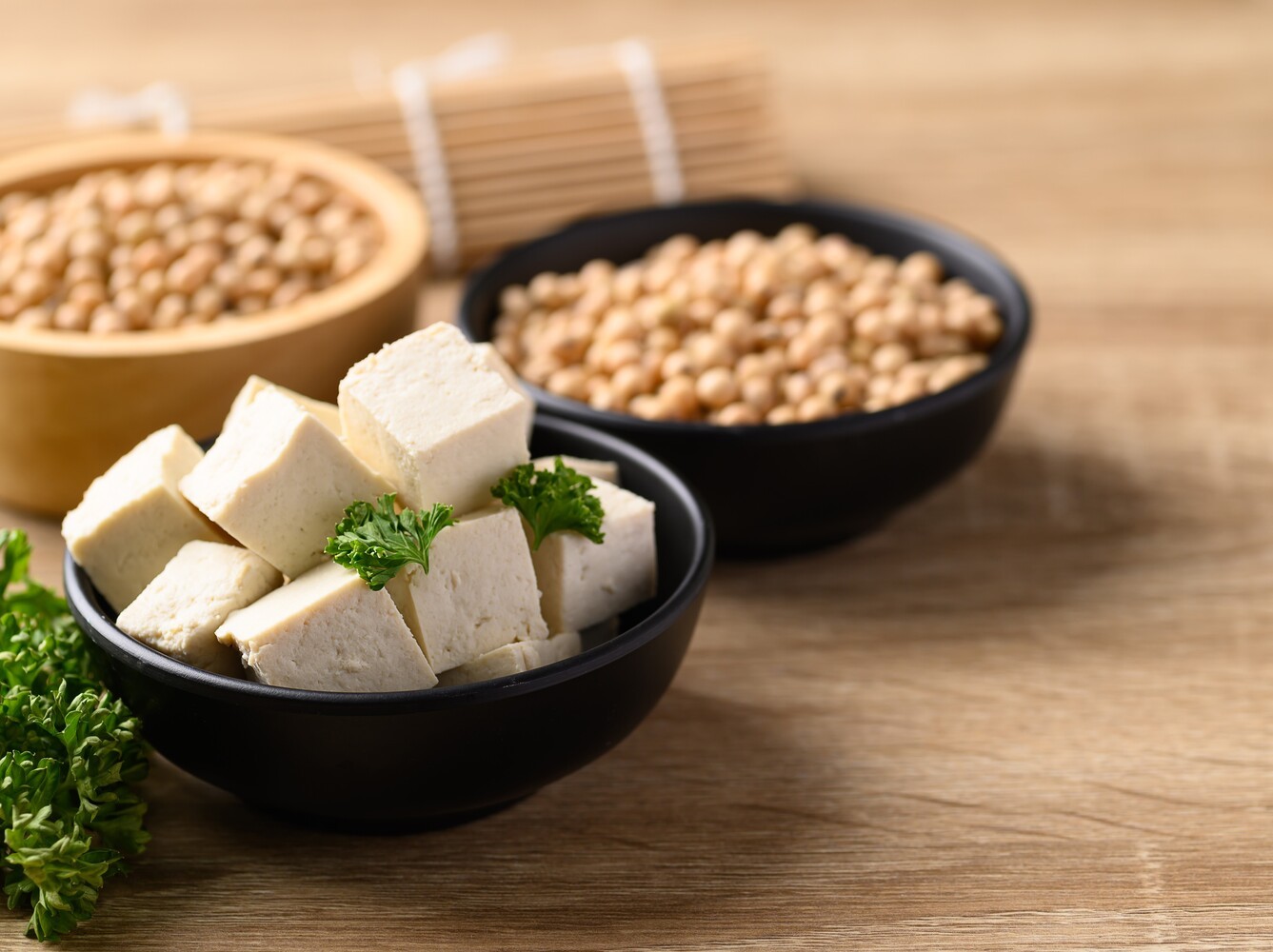
Soy foods such as tofu, tempeh, and edamame for gentle phytoestrogen support.
Calcium-rich choices like yogurt, fortified plant milks, and leafy greens to protect bones.
Vitamin D sources, such as fortified dairy, eggs, and fatty fish to support metabolic health.
Lean proteins like chicken, turkey, fish, beans, and lentils to maintain muscle and improve fullness.
Nuts, seeds, and avocados for healthy fats that support hormone production and appetite control.
Colorful fruits and vegetables for antioxidants that support inflammation and overall well-being.
Together, these foods create a foundation that helps your body respond better to your nutrition, exercise, and lifestyle efforts. They also make meals more balanced and satisfying, which supports sustainable progress.
Foods That Make Weight Loss Harder
Some foods work against your weight loss efforts during menopause because they affect hunger, cravings, and blood sugar in ways that make overeating much more likely.
Lower estrogen can heighten sensitivity to quick-digesting foods, and a slower metabolism means extra calories add up faster than they once did. Many women notice that certain choices leave them hungrier an hour later or create energy crashes that lead to more snacking.
Identifying the foods that make weight loss feel harder gives you the power to choose options that support your goals more consistently.
For a personalized approach, connect with a Registered Women’s Health Dietitian through Berry Street and get a plan that fits your goals and lifestyle.
Foods that often make weight loss more challenging include:
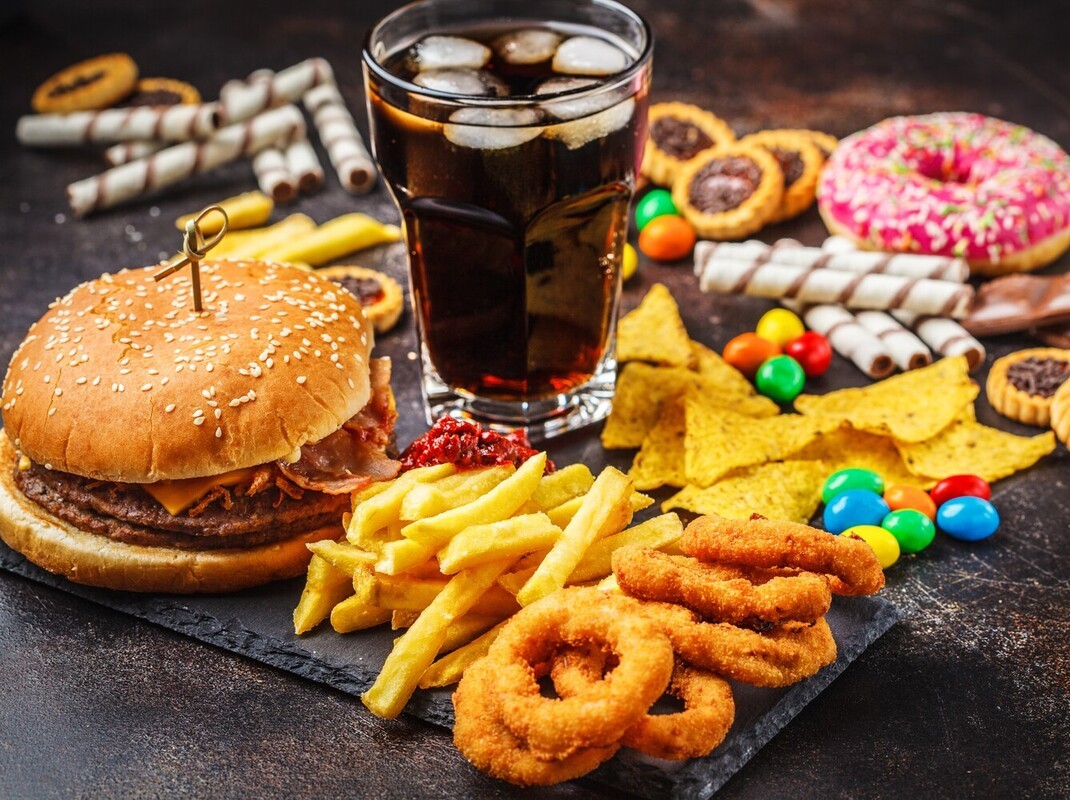
Sugary snacks like pastries, candy, and sweetened cereals spike blood sugar and increase cravings.
Alcohol, which adds empty calories, disrupts sleep, and lowers inhibition around food.
Ultra-processed foods, such as chips, packaged baked goods, and fast food, encourage overeating.
Sweetened beverages, including sodas and specialty coffees, deliver sugar without fullness.
Highly refined carbs like white bread and crackers that digest quickly and lead to rapid hunger.
Heavy fried foods that add large amounts of fat and calories without meaningful nutrients.
Steering away from these foods most of the time helps keep appetite more predictable and supports steady progress. You’ll feel more in control of your energy, cravings, and overall eating rhythm.
A Simple Menopause-Friendly Meal Formula
Eating for menopause weight loss doesn’t need to be complicated. Most women do well with a simple structure that keeps meals balanced, satisfying, and supportive of metabolism and hormones.
A predictable formula also reduces decision fatigue, which makes healthy eating feel easier on busy days. From our experience, this approach helps stabilize hunger, improve fullness, and create a steady rhythm that prevents overeating later in the day.
The goal is to give your body the nutrients it needs while keeping meals flexible and enjoyable.
A helpful menopause friendly plate often includes:
A solid protein source, such as chicken, salmon, tofu, eggs, or beans, to support muscle and fullness.
Fiber-rich foods like vegetables, fruits, lentils, or whole grains that help regulate digestion and appetite.
Healthy fats from nuts, seeds, olive oil, or avocado to support hormone health and satisfaction.
An optional slow-digesting carb like quinoa, brown rice, sweet potatoes, or whole-grain pasta for steady energy.
Plenty of color on the plate, since antioxidants support inflammation and overall well-being.
Using this formula takes the guesswork out of planning meals and helps you stay consistent without feeling restricted. Over time, it creates a pattern of eating that supports weight loss, energy, and hormonal balance in a sustainable way.
If you want extra support with portions, the Berry Street app can calculate your macros automatically, so planning becomes easier and more personalized.
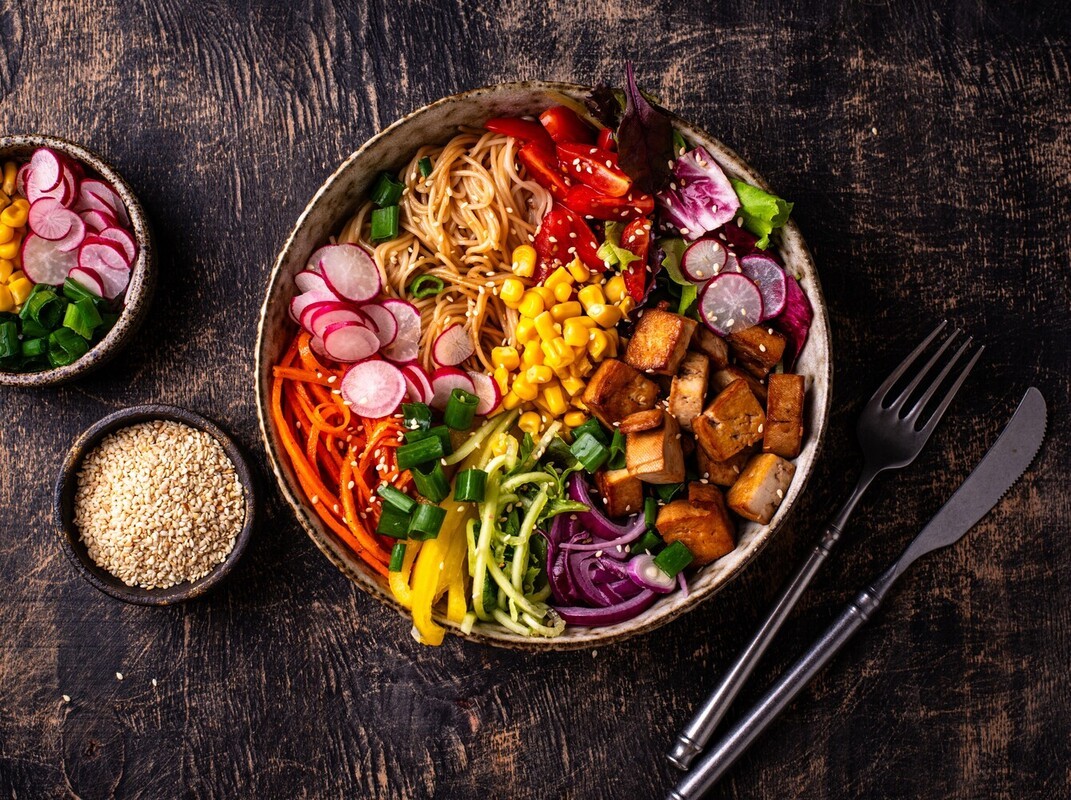
3-Day Sample Menopause Weight Loss Plan
These three days show what a balanced, filling, and menopause friendly plan can look like in real life. You’ll see simple meals that feel doable on a busy week and still support stable energy and steady weight loss.
Day 1
Breakfast: Greek Yogurt with Berries and Chia Seeds
This combo delivers protein, antioxidants, and fiber, which is great for appetite control and gut health. To prepare it, spoon Greek yogurt into a bowl, top it with fresh or frozen berries, and sprinkle on chia seeds for a little crunch.
It comes together in minutes and feels refreshing. The mix keeps blood sugar steady and supports morning energy so you start the day strong.
Snack: Apple Slices with Almond Butter
Apple slices offer natural sweetness and fiber that supports digestion, and almond butter adds healthy fats that help you stay satisfied. Slice the apple, add a thin layer of almond butter, and enjoy. It is simple and hits the sweet spot without causing a mid-afternoon crash.
Lunch: Grilled Chicken Salad with Leafy Greens and Chickpeas
This meal is packed with lean protein, plant-based fiber, and minerals from the greens. Grill or pan-sear the chicken, then layer it over a bowl of leafy greens with chickpeas and a light vinaigrette. The combination keeps you full for hours and helps stabilize afternoon cravings.
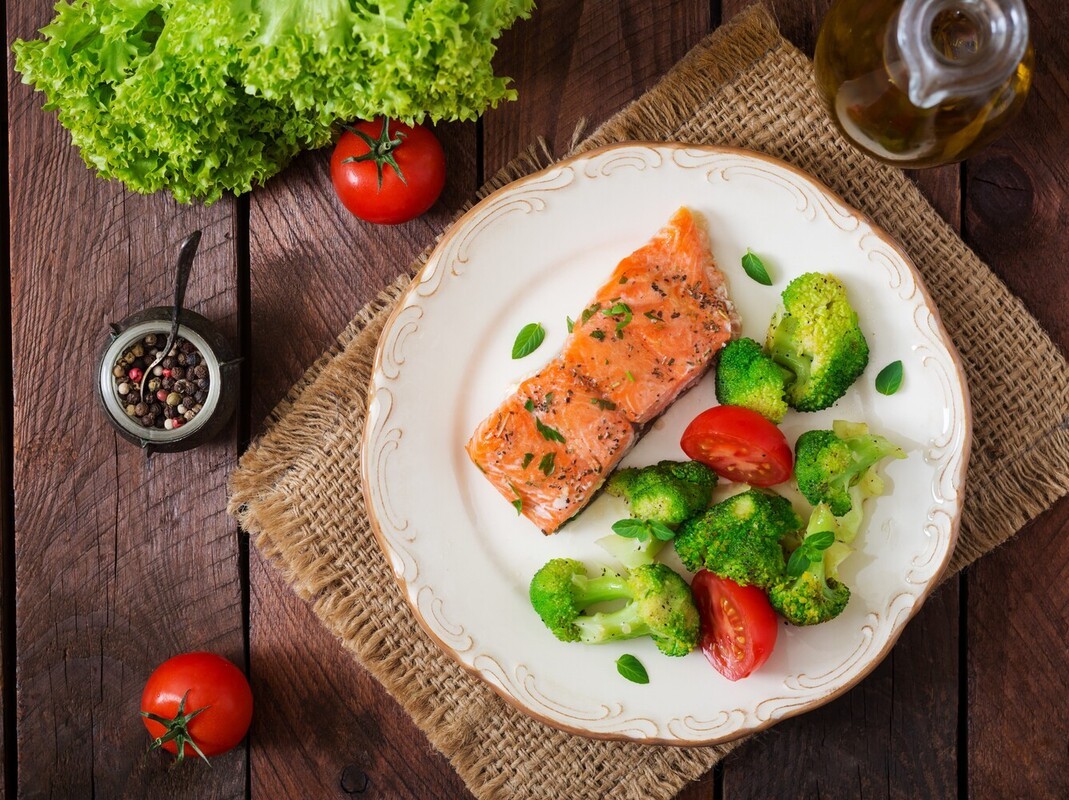
Dinner: Baked Salmon with Broccoli and Quinoa
Start by seasoning the salmon and baking it until it flakes easily. Pair it with steamed broccoli and freshly cooked quinoa. You’ll get omega-3 fats, fiber, and complete protein in one nourishing plate that feels satisfying without being too heavy.
Day 2
Breakfast: Scrambled Eggs with Spinach
Scrambled eggs with spinach deliver protein, iron, and B vitamins that support steady energy. Toss a handful of spinach into the pan while the eggs cook so it softens nicely. It’s quick, filling, and works well with a side of fruit if you want a little extra color and flavor.
Snack: Carrot Sticks with Hummus
Slice your carrots into sticks and dip them into a few tablespoons of hummus. The carrots add crunch and fiber, and the hummus provides plant-based protein that helps hold you over until lunch. It’s a simple snack that fits easily into busy days.
Lunch: Turkey and Avocado Wrap on Whole Grain Tortilla
Avocado contributes healthy fats that support satiety, and turkey gives you lean protein. Layer sliced turkey, avocado, greens, and any seasonings you like onto a whole-grain tortilla. Roll it up tightly, and you’ve got a balanced, ready-to-go lunch that feels fresh and satisfying.
Dinner: Tofu Stir Fry with Mixed Vegetables and Brown Rice
Start by sautéing tofu until it’s golden, then add a mix of veggies like bell peppers, broccoli, and snap peas. Serve it over warm brown rice for a steady release of energy. This dinner offers plant-based protein, fiber, and vitamins that support hormone health and digestion.
Day 3
Breakfast: Oatmeal Topped with Nuts and Seeds
This bowl gives you fiber from the oats and healthy fats from the nuts and seeds. Cook the oats in water or milk, then add your favorite nut and seed combo. It’s filling and ideal for stabilizing morning hunger.
Snack: Cottage Cheese with Pineapple
Cottage cheese provides a protein-rich base, and pineapple brings in vitamin C and natural sweetness. Scoop the cottage cheese into a bowl and top it with pineapple. It’s refreshing, easy to prepare, and supports muscle maintenance during menopause.

Lunch: Lentil Soup with a Side Salad
Lentils are rich in plant-based protein, iron, and fiber. Warm the soup on the stove, then pair it with a simple side salad dressed with olive oil and vinegar. It’s a hearty pairing that keeps hunger predictable through the afternoon.
Dinner: Grilled Shrimp with Asparagus and Sweet Potato
Season the shrimp and grill them until they’re pink and tender. Serve them with roasted asparagus and a baked or microwaved sweet potato. This dinner brings together lean protein, antioxidants, and slow-digesting carbs that help you feel comfortably full in the evening.
For a personalized 7-day menopause-friendly meal plan, connect with a Registered Weight Loss Dietitian through Berry Street and get a plan that fits your goals and lifestyle.
How to Lose Weight in Perimenopause vs Post-Menopause
Menopause doesn’t happen all at once, and each stage brings different challenges for weight loss. Knowing what shifts in your body can help you choose habits that feel realistic and supportive rather than frustrating.
What’s Unique About Perimenopause
Perimenopause is marked by hormone fluctuations that can make symptoms feel inconsistent from one week to the next. These shifts affect appetite, mood, and energy, which means some days feel easy while others feel more challenging.
You might notice sudden cravings, unexpected bloating, or changes in sleep that disrupt your routine. Because things vary so much, flexible strategies work best.
Many women do well focusing on balanced eating, steady protein intake, and simple movement goals rather than strict plans. This stage rewards patience and small adjustments. Over time, consistency matters more than perfection, and those steady habits help soften the impact of hormonal ups and downs.
What Changes After Menopause
Once menopause is complete, hormones settle into a new, lower baseline that feels more predictable but also brings its own challenges. Estrogen remains low, which can shift fat storage toward the abdomen and contribute to a slower metabolism.
Many women notice their body responds differently to food and movement than before. This is where strength training, higher protein intake, and balanced meals become especially powerful.
These habits help maintain muscle, support energy, and keep appetite steady. Sleep, stress management, and daily movement also play important roles. With the right structure, weight loss in post-menopause becomes steady and achievable, even if the timeline feels slower than in earlier years.
For a personalized approach, connect with a Registered Women’s Health Dietitian through Berry Street and get a plan that fits your goals and lifestyle.
Weight-Loss Strategies That Work in Both Stages
Perimenopause and post-menopause may feel different, but some strategies stay effective no matter where you are in the transition. These habits support metabolism, appetite, and energy in ways that benefit you at every stage.
1. Consistent Strength Training
Strength training supports weight loss during both perimenopause and post-menopause by helping maintain and rebuild muscle. Muscle naturally declines with age, so keeping it strong helps your metabolism work more efficiently.
You don’t need complex workouts to get results. Squats, rows, lunges, and simple presses are great places to start. Two or three short sessions a week can improve strength and support joint stability.
Many women notice better energy and fewer aches once they build a routine. Over time, strength training also improves body composition, which can make progress easier to see and feel, even if the scale moves slowly.

2. High-Protein Eating
Higher protein intake supports fullness, muscle health, and steadier blood sugar, which are all important during menopause. Many women feel satisfied longer when they include protein at each meal.
Foods like eggs, yogurt, tofu, chicken, and beans help keep appetite predictable and provide the building blocks your muscles need. Protein also helps manage cravings that tend to appear during hormonal changes.
Pairing protein with fiber-rich foods creates balanced meals that support energy throughout the day. This approach works well in both perimenopause and post-menopause because it helps stabilize hunger cues and supports a healthier metabolism, even as hormone levels shift.
3. Tracking Overall Lifestyle Habits
Tracking habits gives you a clearer picture of how sleep, stress, movement, and meals influence your progress. Many women discover patterns they didn’t notice before, such as overeating when sleep is poor or skipping movement on stressful days.
Writing down or digitally tracking these trends helps you make targeted changes. Simple observations like noticing low protein days or irregular meal timing can inform quick improvements.
You don’t need to track forever. A short period of consistent tracking often reveals insights that guide long-term success. This strategy works in both stages because it brings awareness to habits that directly affect metabolism, hunger, and overall well-being.
4. Prioritizing Daily Movement
Daily movement plays a huge role in weight loss during both perimenopause and post-menopause. Even simple activities like walking, stretching, or light chores help increase your overall calorie burn. These small bursts of movement add up quickly and support better blood sugar control.
Many women find it easier to stay consistent with shorter, frequent bouts of activity rather than long workouts. Aiming for more steps, taking regular breaks from sitting, or adding a short walk after meals can make a big difference.
These habits also support joint health and improve mood. Daily movement helps your metabolism stay active, even on days when formal exercise doesn’t happen.

5. Building Balanced Meals
Balanced meals help stabilize appetite and energy in both perimenopause and post-menopause. Combining protein, fiber, healthy fats, and slow-digesting carbs keeps blood sugar steady and reduces cravings later in the day.
Meals built this way tend to feel more satisfying without requiring large portions. You might find that you snack less and feel more in control when meals are balanced consistently.
Simple combinations like salmon with vegetables and quinoa or eggs with whole-grain toast and fruit work well. This pattern supports hormone health, digestion, and long-term weight management. Balanced meals help your body stay fueled and make steady progress without feeling deprived.
6. Supporting Gut Health
Gut health plays an important role in weight regulation during menopause because it influences digestion, appetite, and inflammation. A healthier gut often leads to steadier energy and fewer digestive symptoms.
Adding foods like yogurt, kefir, beans, whole grains, and fruits provides fiber and beneficial bacteria that support a balanced microbiome. Many women notice improvements in bloating and regularity once these foods become consistent.
Hydration also helps fiber work effectively. You can start small by adding berries to breakfast or an extra serving of vegetables at dinner.
If you need tailored guidance, connecting with a Registered Gut Health Dietitian can help you personalize this approach and troubleshoot specific concerns.
7. Creating Consistent Eating Patterns
Consistent eating patterns help regulate hunger and prevent overeating later in the day. Skipping meals or going long periods without eating often leads to stronger cravings and larger portions in the evening. A lot of women do better with steady meal times that support blood sugar and energy stability.
This doesn’t require rigid schedules. It simply means eating often enough to avoid intense hunger. Including protein at each meal further improves consistency.
Over time, these patterns help stabilize hormones that influence appetite. Both perimenopause and post-menopause benefit from predictable eating habits that reduce impulsive snacking and support long-term weight loss.

8. Setting Realistic, Flexible Goals
Realistic goals create consistency, and consistency is what drives weight loss during menopause. Both perimenopause and post-menopause bring hormonal and metabolic shifts that make extreme plans harder to sustain.
Setting flexible goals allows for changes in energy, mood, and appetite. Many women find success with process-based goals like walking three days a week or adding vegetables to two meals a day.
These goals are easier to maintain than strict calorie targets. When progress feels achievable, motivation stays stronger. This approach helps you adapt to fluctuations while still moving forward. Setting realistic, flexible goals supports long-term weight management without overwhelming your lifestyle.
Supplements and Medications: What Works and What Doesn’t for Menopause
Supplements and medications can feel confusing during menopause because they’re often marketed with big promises and very little clarity. Understanding what actually helps and what offers minimal benefit makes it easier to choose options that truly support your goals.
For a personalized approach, connect with a Registered Women’s Health Dietitian through Berry Street and get a plan that fits your goals and lifestyle. It's important to get your blood work, and after that, decide which supplements are for you! Registered dietitian can help you with that!
Popular Supplements for Menopause Weight Management
Many supplements are marketed for menopause, but their benefits vary widely. Knowing what each one actually supports makes it easier to decide what’s worth trying and what’s better to skip:
1. Omega-3s
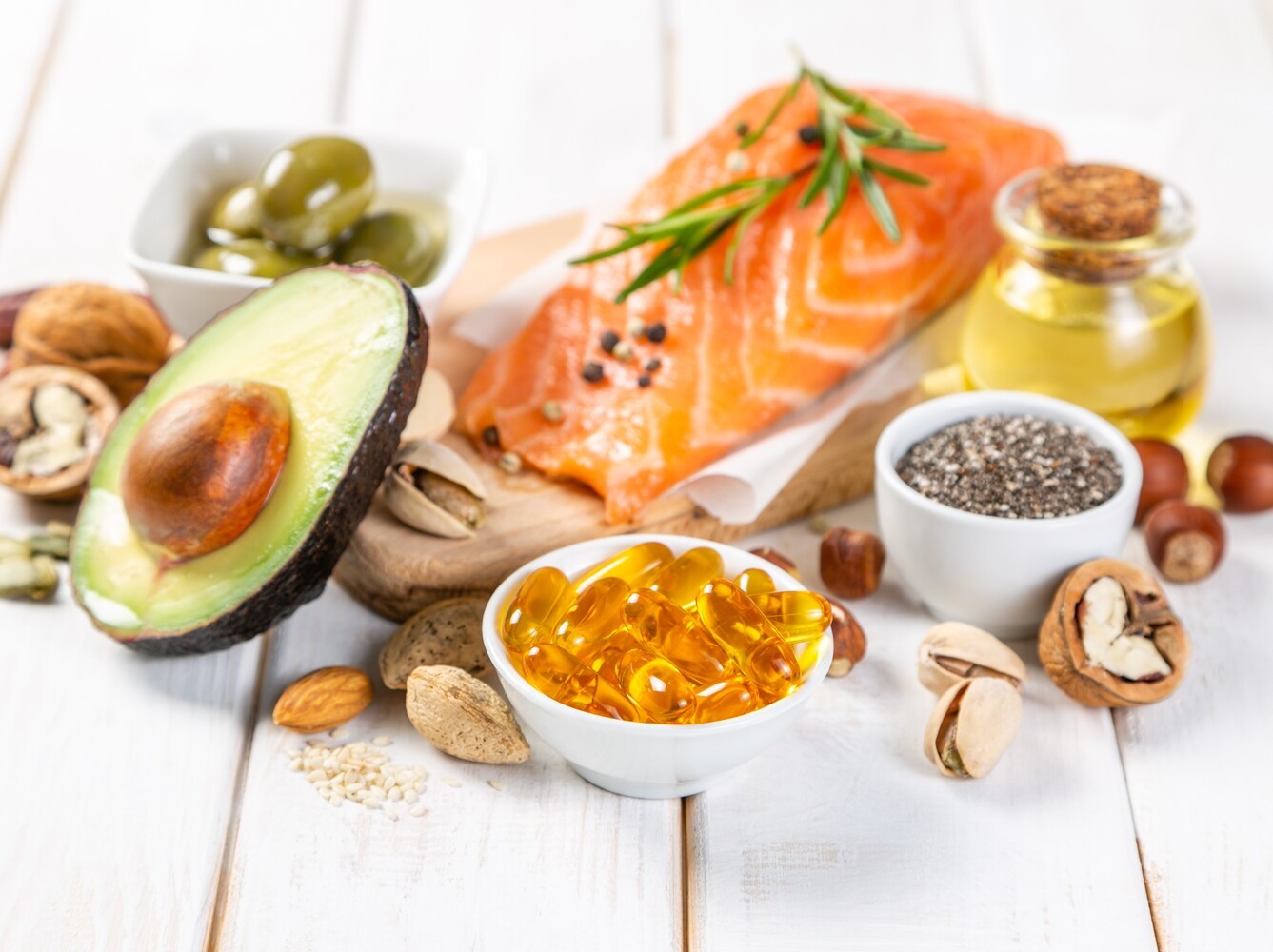
Omega-3s are often discussed during menopause because they support inflammation control, heart health, and joint comfort. These benefits matter when energy levels shift, or workouts feel tougher, and recovery takes longer.
While omega-3s will not directly cause weight loss, they can make movement feel more comfortable and support overall metabolic health. You can find them in foods like salmon, sardines, trout, walnuts, chia seeds, and ground flaxseed.
Supplements may help if your intake from food is low or if you avoid fish. Some people also notice improvements in skin texture or mood when they use omega-3s consistently. They work best as one piece of a plan that includes balanced meals, movement, sleep, and stress care.
2. Fiber or Psyllium
Fiber-rich foods and psyllium supplements support digestion, fullness, and steadier blood sugar, which can help reduce overeating and mindless snacking. Plenty of people struggle to hit their daily fiber goals, so psyllium offers a simple way to fill the gap and support regularity.
It forms a gel in the stomach that slows digestion, supports bowel movements, and can lower cholesterol slightly. Adding fiber works best when meals also contain protein and healthy fats. You can mix psyllium into yogurt, smoothies, or water and drink it fairly quickly.
Over time, better gut function and more predictable appetite patterns often follow. Fiber does not create weight loss alone, but it supports the routine that makes weight management easier and more sustainable.
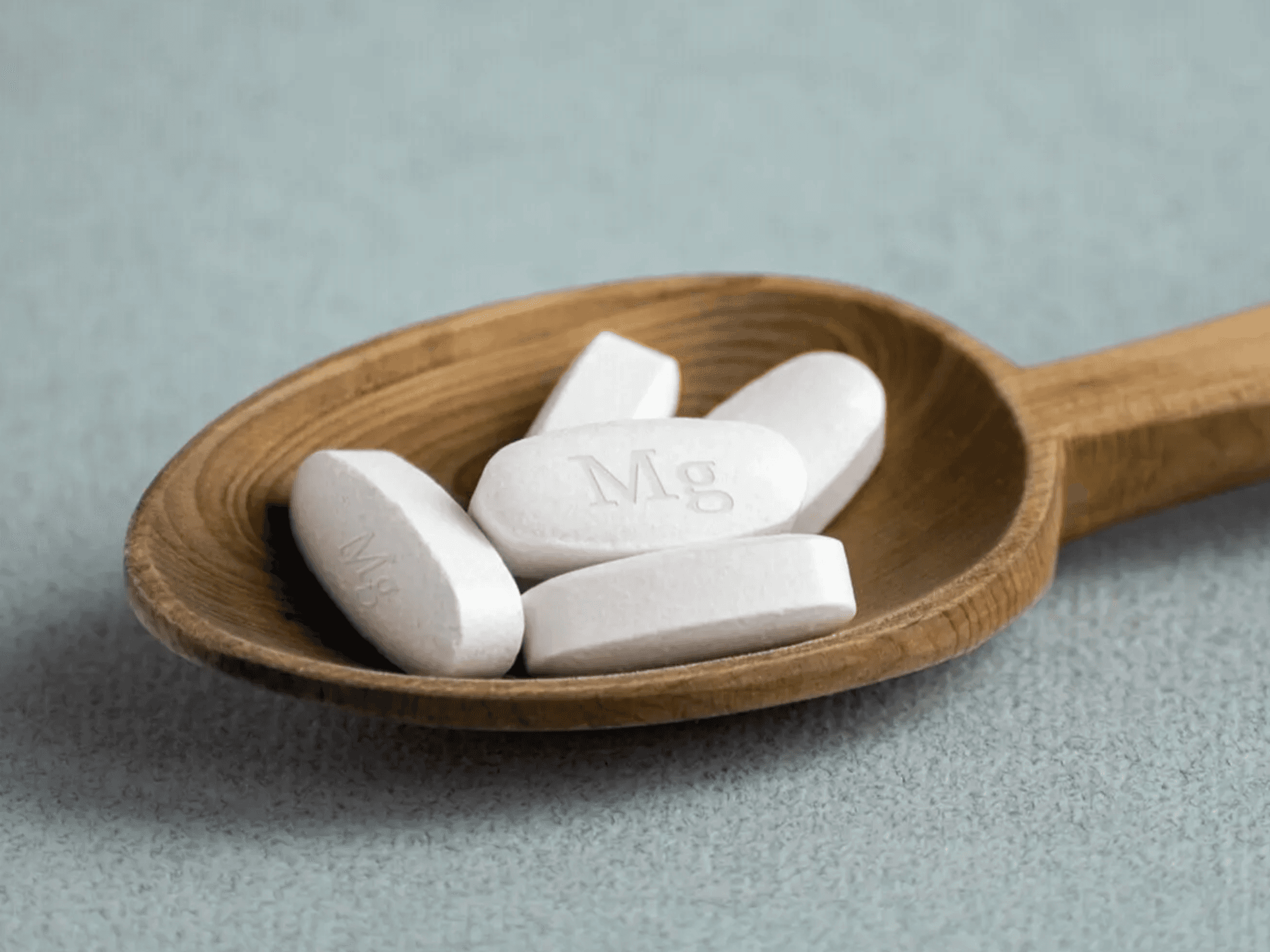
3. Magnesium
Magnesium plays an important role in muscle function, sleep quality, and mood regulation, which can influence weight indirectly. Some people find that magnesium helps them relax in the evening and fall asleep more easily.
Better rest often means fewer cravings, more stable energy, and more intention with food choices. There are several forms of magnesium, and some work better for sleep or digestion than others.
You can also boost intake with foods like leafy greens, nuts, seeds, beans, and whole grains. Magnesium does not directly burn fat, but it supports the behaviors that matter for long-term weight management during menopause and beyond.
4. Vitamin D
Vitamin D supports bone health, immune function, and metabolic balance, so it is especially important during menopause and midlife. Low levels are extremely common and can contribute to fatigue or low mood, both of which make healthy habits harder to maintain.
Sun exposure helps your body produce vitamin D, but many people still fall short, especially in winter months or if they rarely get outside. Supplementation may be helpful if testing shows your levels are low.
Vitamin D doesn’t trigger weight loss, but adequate levels support overall wellness and energy. That, in turn, makes it easier to stay active, cook balanced meals, and follow through on your plan.
5. Soy or Phytoestrogens
Soy and other phytoestrogen-rich foods mimic weak estrogen-like effects in the body, which may support certain menopause symptoms. Some people notice improvements in hot flashes, mood, or overall comfort when they include foods like tofu, tempeh, edamame, miso, and flaxseed regularly.
These foods can also support weight goals by providing protein and fiber that help meals feel more satisfying. Supplements are available, but starting with food sources is usually the gentler and safer approach.
Not everyone responds the same way, so it helps to track how you feel over time or consult a Registered Dietitian first. Soy works best alongside an overall balanced, whole foods-based eating pattern.

6. Inositol
Inositol is often used for cravings, insulin support, and mood regulation, which can influence weight indirectly during menopause. It’s been studied more in conditions like PCOS weight loss, but some people in midlife also report better blood sugar control or fewer binge urges.
Inositol usually comes as a powder that you mix into water, coffee, or tea once or twice daily. Effects tend to be subtle and build gradually over several weeks.
It won’t replace balanced meals, movement, and sleep, but it may provide an extra layer of support for appetite patterns. Because responses vary, it’s smart to track changes and discuss use with your healthcare provider or dietitian.
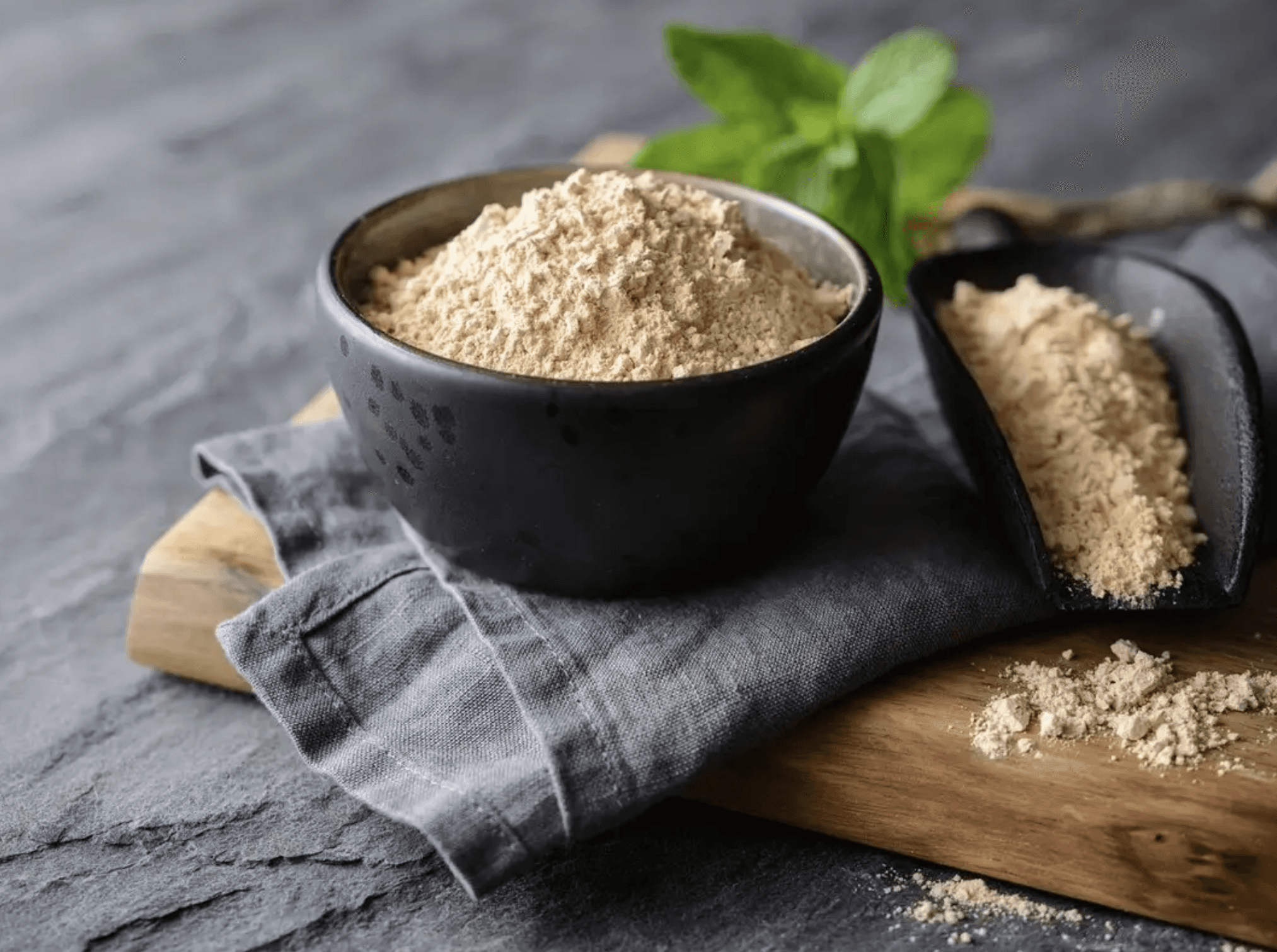
7. Maca
Maca is a root powder often promoted for energy, libido, and mood support, which can indirectly affect weight management during menopause. People sometimes feel more alert, focused, or emotionally steady when they use maca regularly.
It’s usually taken as a powder stirred into smoothies, oatmeal, yogurt, or warm drinks. Current evidence for direct weight loss effects is limited, so expectations need to stay realistic. Maca may still be useful if fatigue, low mood, or low motivation are barriers to planning meals and staying active.
As with most supplements, consistency matters more than taking large doses. It should complement, not replace, core habits like nourishing food, movement, and adequate sleep.
Do “Menopause Weight Loss Pills” Work?
Most menopause weight loss pills sold over the counter don’t create meaningful or lasting results, even when the marketing sounds convincing.
Many rely on stimulants, dehydrating ingredients, or compounds that haven’t been shown to support metabolism in real-world settings. Some can raise heart rate, cause jitters, or interfere with sleep, which makes weight management harder rather than easier.
These products also encourage the idea that a pill can replace consistent habits, but long-term success comes from nutrition, movement, sleep, and stress support. If a product claims rapid fat loss with no effort, that’s a red flag. For safety and effectiveness, it’s always best to discuss options with a healthcare professional before trying anything.
For a personalized approach, connect with a Registered Women’s Health Dietitian through Berry Street and get a plan that fits your goals and lifestyle.
When Hormone Therapy Might Help With Weight
Hormone therapy can make menopause symptoms more manageable and may influence weight indirectly for some women in midlife. Lower estrogen affects fat distribution, appetite, sleep, and energy levels, and HRT can sometimes help these systems feel more stable.
It’s not designed as a weight loss treatment, but improvements in sleep quality, mood, and hot flashes often make it easier to stay consistent with healthy habits. Some people find they have more energy for movement or feel more control over emotional and nighttime eating once symptoms calm down.
HRT still carries risks, so decisions should always be guided by a knowledgeable healthcare provider who understands your medical history. The potential benefits are highly individual and deserve a thoughtful conversation.

Prescription Options for Weight Loss
Prescription weight loss medications can be helpful for individuals who meet specific medical criteria and need support beyond nutrition and exercise alone. Many of the newer options, including GLP-1 medications like Wegovy, work by reducing appetite, improving blood sugar control, and helping people feel satisfied with smaller portions.
These treatments require ongoing medical supervision to ensure proper dosing, monitor side effects, and maintain long-term safety. They’re most effective when paired with a structured eating plan that supports muscle maintenance and steady energy.
Working with a Registered GLP-1 Dietitian or a Registered Wegovy Dietitian can help you personalize your meals and build habits that strengthen results while using these prescriptions.
Step-by-Step Menopause Weight-Loss Plan
Menopause weight loss becomes easier when you follow a clear, structured process. Each step builds on the last, helping you stay consistent without feeling overwhelmed.
Step 1: Set Realistic Goals
Setting realistic goals matters during menopause because weight loss often moves at a slower, steadier pace.
Aiming for progress rather than perfection helps you stay consistent. You might notice improvements in energy, digestion, or sleep even before the scale shifts. These changes count and support long-term results.
Focus on small wins, like planning balanced meals or increasing movement throughout the week. Realistic goals also prevent burnout and frustration. When expectations match what your body can do, motivation feels easier to maintain.
Give yourself room to adjust and grow. Progress during menopause comes from steady habits that support your health in multiple ways.

Step 2: Build a Weekly Eating Framework
A weekly eating framework helps you stay balanced without feeling like you’re following a rigid diet. Start by planning simple meals that include protein, fiber, and healthy fats. These nutrients help manage appetite and support better energy.
Choose a few go-to breakfasts, lunches, and dinners, so that decision-making feels easier. Portion awareness also plays a role, especially as calorie needs shift with age.
Flexible tracking can help you notice patterns without creating stress. It might mean jotting down meals, snapping photos, or using a simple app. The goal is to stay mindful, not perfect. A framework gives structure while leaving room for real life.
Step 3: Strength Train 2 to 4 Times Per Week
Strength training becomes essential during menopause because it helps protect muscle, metabolism, and bone health. You can start with simple movements like squats, rows, presses, and deadlifts. These exercises target major muscle groups and build strength efficiently.
Begin with light weights or bodyweight, then slowly increase resistance as your confidence grows. Short sessions still count, so aim for consistency over intensity. Strength training also improves balance, mobility, and daily function.
Many people notice better posture and fewer aches once they build a routine. This habit directly supports weight loss by increasing the calories your body burns at rest. It’s a powerful cornerstone of a menopause friendly plan.

Step 4: Add Movement Throughout Your Day
Adding more daily movement makes a meaningful difference during menopause, especially when structured workouts feel limited.
Walking, stretching, light cleaning, gardening, and other everyday tasks increase calorie burn without requiring extra planning. These small bursts of activity help regulate blood sugar, support joint health, and improve mood.
Aim to break up long periods of sitting with short movement breaks. Simple habits like taking the stairs or doing a five-minute walk after meals can add up quickly. Movement also reduces stiffness and boosts energy.
When daily activity feels natural, your weight loss efforts become more sustainable. Think of movement as support for your metabolism all day long.
Step 5: Improve Sleep and Stress
Sleep and stress influence hunger, cravings, and overall motivation. Improving them creates a foundation for successful weight loss during menopause. Start by creating a calm evening routine that helps your body wind down. This might include dimming lights, reading, gentle stretching, or breathing exercises.
Identify situations that trigger stress eating so you can respond with more helpful strategies. Better sleep supports hormone balance and reduces late-night snacking.
Stress management tools like walks, journaling, or short breaks throughout the day can make healthy habits easier to maintain. When sleep and stress improve, decision-making becomes clearer. Your body responds more predictably, and progress feels more achievable.

Step 6: Adjust Your Plan Every 4 to 6 Weeks
Menopause often requires periodic adjustments to keep progress moving. Reviewing your habits every four to six weeks helps you understand what’s working and what needs fine-tuning.
You might increase protein, add an extra strength session, or update your calorie range based on current needs. These small tweaks prevent plateaus from lasting too long. If progress stalls, consider checking in with a healthcare provider to rule out thyroid issues or other medical concerns.
Adjusting your plan ensures it grows with you. This approach keeps frustration lower and motivation stronger. Regular review makes your goals feel more manageable and supports steady, sustainable weight loss.
For a personalized approach, connect with a Registered Women’s Health Dietitian through Berry Street and get a plan that fits your goals and lifestyle.
Weight Loss During Menopause FAQs
Why am I losing weight during menopause or perimenopause?
Unintentional weight loss can be linked to appetite changes or muscle loss. It is best to discuss unexpected changes with your healthcare provider.
Can I lose weight after menopause, or is it too late?
Yes, weight loss is absolutely possible after menopause with the right approach.
How fast can I safely lose weight during menopause?
A safe and sustainable pace is typically one-half to one pound per week.
Which diets work best for menopausal women?
Balanced, whole foods-based eating patterns tend to work best. Mediterranean-style eating is often helpful.
Do women lose weight after menopause naturally?
Not typically. Most weight changes require intentional habits and consistent lifestyle adjustments.
What if I can’t lose weight no matter what I try?
It may help to assess stress, sleep, hormones, and underlying medical conditions. A personalized plan can make a major difference.
Can thyroid problems or Hashimoto’s affect weight during menopause?
Yes. Thyroid conditions can impact metabolism and should be evaluated if weight loss is difficult.
How many calories should a menopausal woman eat to lose weight?
Calorie needs vary based on age, activity, and body composition. A Registered Dietitian can help you determine an appropriate calorie range.

Conclusion
Menopause brings real changes to hormones, metabolism, sleep, and stress, and understanding these shifts makes weight loss feel far more manageable. Strategies like higher protein intake, whole foods, strength training, better sleep routines, and stress reduction give your body the support it needs during this stage.
Small, consistent adjustments often create meaningful progress, and they help you feel more confident in the choices you make each day. Progress may look different than it once did, but it’s absolutely achievable with the right plan and mindset.
If you want tailored support, connect with a Registered Dietitian at Berry Street to help you reach your goals with confidence.