Learning how to lose weight with PCOS can feel confusing, and many people come to us unsure where to begin.
As Registered Dietitians, we’ve spent years helping clients understand why PCOS affects appetite, metabolism, and energy, and why the usual advice often falls flat.
In this article, we explain what PCOS is, why weight loss feels harder, and how insulin resistance, hormones, and inflammation play a major role. We also cover strategies that actually work, including gentle calorie deficits, blood sugar balance, hormone supportive habits, and types of exercise that make a real difference.
We explore meal plans, supplements, medications, and common diets so you can decide what fits your life. Our goal is to give you clear, realistic tools that support your health without making you feel restricted or overwhelmed.

What Is PCOS?
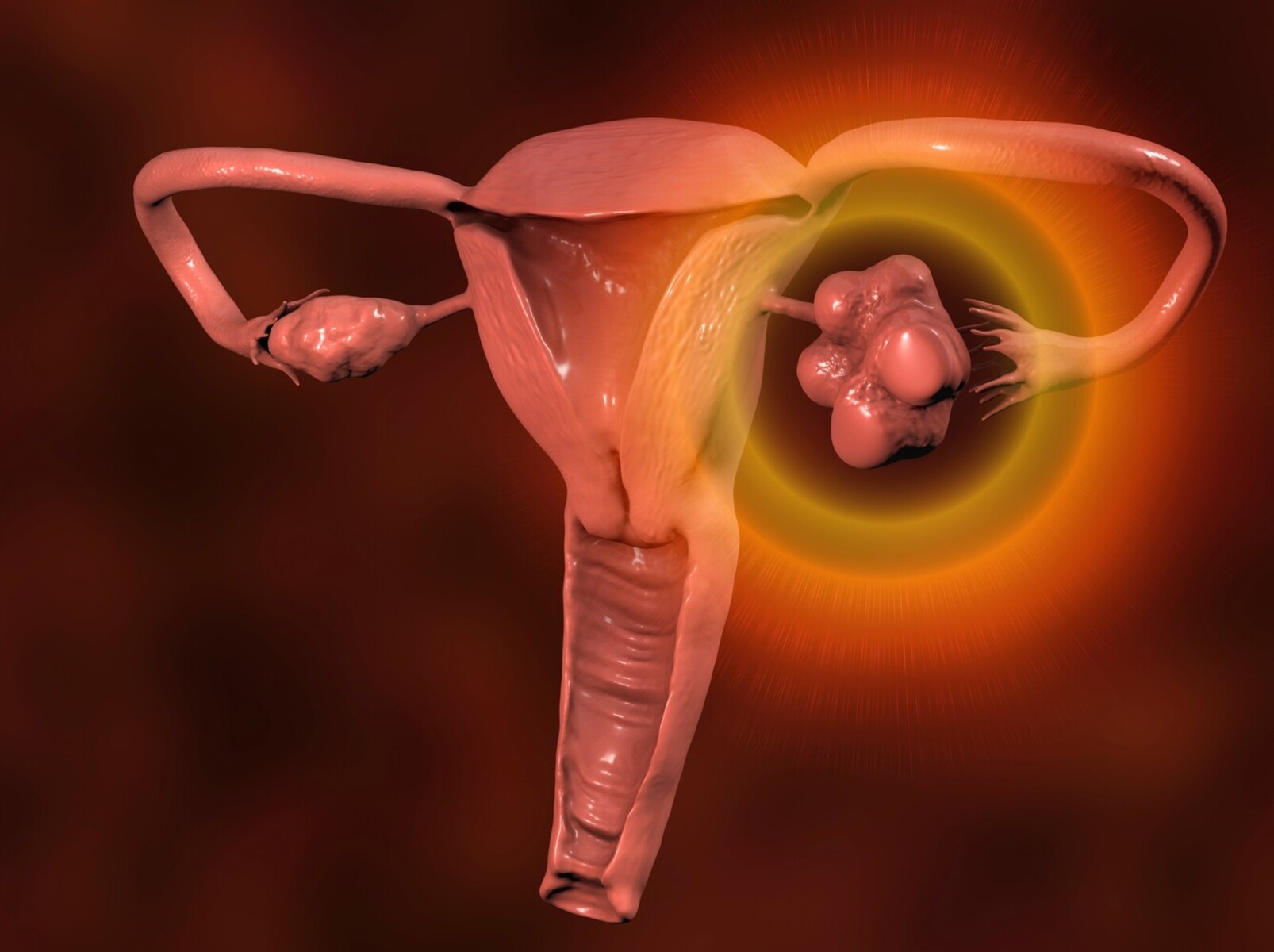
PCOS, or polycystic ovary syndrome, is a hormonal and metabolic condition that affects how the ovaries function and how your body uses hormones. Many people with PCOS have irregular or absent periods, higher levels of androgens, and problems with ovulation.
It’s also a metabolic condition. PCOS is closely tied to insulin resistance, which means your body does not respond to insulin as well as it should. This affects blood sugar, appetite, fat storage, and long-term health.
Symptoms can include irregular cycles, acne, hair growth on the face or body, hair thinning on the scalp, weight gain, especially around the midsection, and fertility challenges.
Why Does PCOS Make Losing Weight So Hard?
PCOS makes weight loss harder because it changes the hormones that control hunger, fullness, blood sugar, and fat storage. The deck feels stacked against you. Even when you are eating less, your body may be getting powerful signals to hold on to energy.
Insulin resistance, inflammation, higher androgens, and disrupted estrogen and progesterone can all lower your metabolic flexibility. In simple terms, your body has a harder time switching into fat burning, and it is easier to store extra energy as fat.
Insulin Resistance and PCOS Weight Gain
A large percentage of people with PCOS have some degree of insulin resistance. When cells do not respond well to insulin, the pancreas has to produce more to keep blood sugar in range. Over time, higher insulin levels become the norm.
High insulin can drive hunger and cravings, especially for carbohydrate-rich foods. It can increase fatigue, which makes it harder to stay active.
It also signals your body to store more fat, particularly around the abdomen. This is why you might gain weight in the midsection even if you are not overeating by that much.
Even people with PCOS who have a weight in the typical range can be insulin resistant. That is why focusing only on calories often fails. Stabilizing insulin and blood sugar is usually more important than simply cutting calories aggressively.
Androgens, Inflammation, and “PCOS Belly”
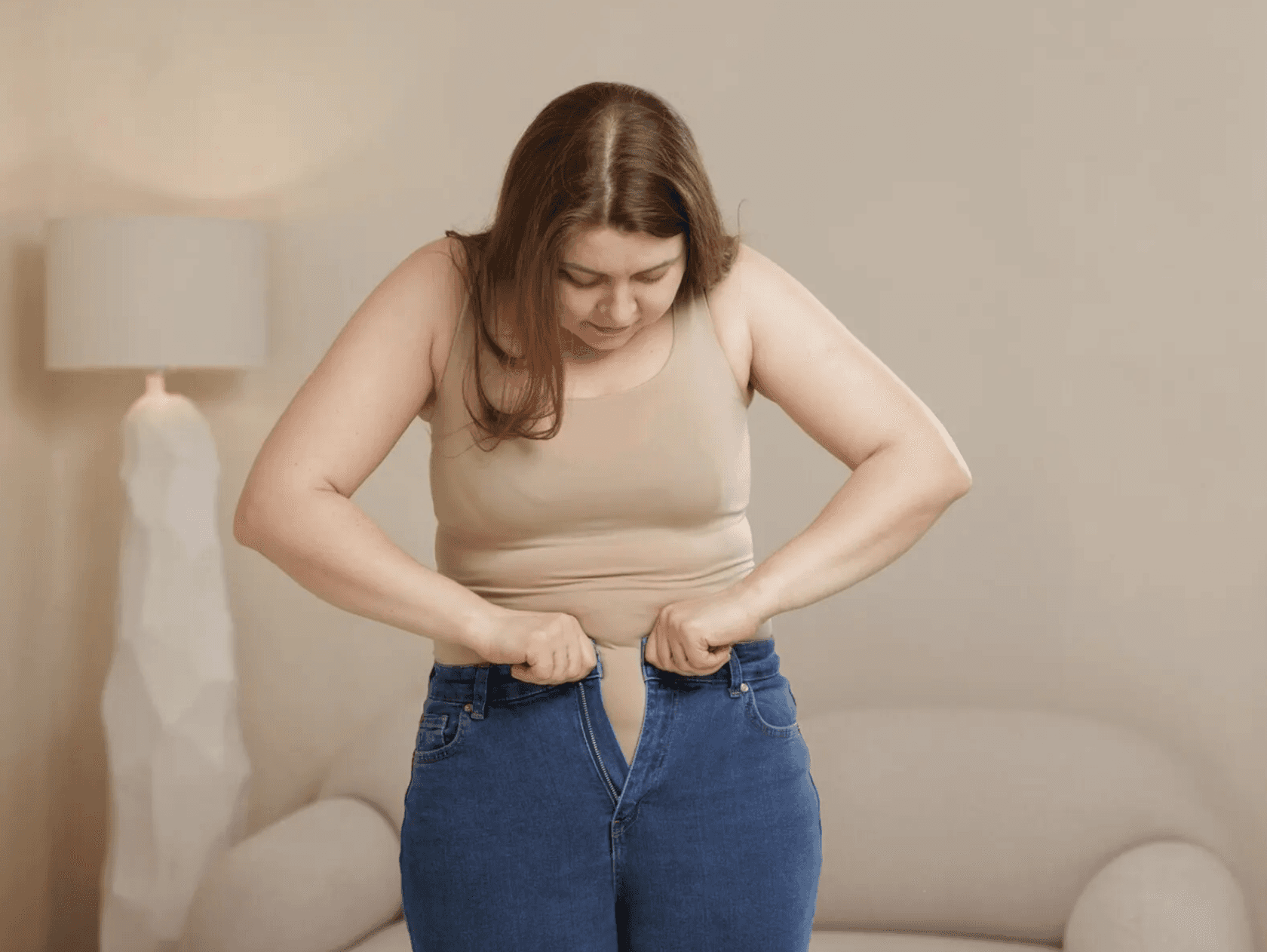
Many people with PCOS have higher androgens, such as testosterone. These hormones can shift fat storage toward the center of the body. That means more abdominal fat and a shape that feels very hard to change.
Chronic low-grade inflammation is also common in PCOS. Inflammation can lower metabolic efficiency, increase fatigue, and make recovery from exercise harder. Irregular cycles can further disrupt the balance between estrogen and progesterone, which can affect mood, appetite, and overall motivation.
All of this makes it easier to store fat and harder to lose it, especially from the belly area. This is where a hormone-aware strategy becomes essential.
Is It Really Harder to Lose Weight With PCOS?
Yes, for many people it is. PCOS affects the systems that regulate appetite, blood sugar, and fat storage, so your body is not playing by the same rules as someone without PCOS. You might eat and move the same way as a friend and see very different results.
That said, harder does not mean impossible. After years of experience working with PCOS, we see that when insulin resistance, inflammation, and hormones begin to improve, the body becomes more responsive. Progress may be slower at first, but it often becomes more predictable and steady over time.
Can You Actually Lose Weight With PCOS?
Yes. People with PCOS can lose weight, feel better in their bodies, and improve their metabolic health. We watch this happen every day with clients who finally understand how to work with their physiology instead of fighting it.
The goal isn't extreme dieting. The goal is a realistic plan that respects how PCOS influences hunger, insulin, and energy.
Even a modest reduction in weight, around 5 to 10 percent of your starting weight, can lead to meaningful improvements in ovulation, acne, insulin sensitivity, and overall well-being. That amount may sound small, but it creates real shifts in symptoms, comfort, and long-term health markers.
For a personalized approach, connect with a Registered Women’s Health Dietitian through Berry Street and get a plan that fits your goals and lifestyle.
What Realistic PCOS Weight Loss Looks Like
Realistic PCOS weight loss happens slowly. It comes from consistent habits rather than intense restriction. Instead of rapid drops that rebound, you see steady changes in how your clothes fit, your appetite, your cravings, your cycles, and your energy.
Lab values often improve before the scale does, which is incredibly common with insulin resistance. You may notice fewer afternoon crashes, more stable hunger, and better sleep before any measurable weight change appears.
These improvements are signs that your metabolism is responding. Your body becomes more efficient and more flexible, and the scale tends to follow once those internal shifts are underway.

Why It Feels Impossible (And Why It Isn’t)
PCOS creates real challenges. Hunger signals can feel louder. Fullness may be harder to notice. Energy often drops quickly, and workouts may feel harder to recover from. These experiences are tied to hormonal and metabolic shifts, not a lack of effort.
Many people with PCOS are eating well and moving regularly, but using strategies that don’t align with their physiology.
Once you start adjusting meals to support blood sugar, focus on strength training, add recovery time, and improve sleep routines, progress becomes more achievable. It feels easier because you are no longer fighting your biology. You are working with it, and that changes everything.
What “Success” Means Beyond the Scale
Success with PCOS is much broader than a number. Many people first notice improvements in cycle regularity, energy, sleep, and mood.
Some experience less acne or fewer issues with oiliness and hair growth. Others feel stronger, more capable during workouts, and more confident in their daily routines.
Body composition also shifts in helpful ways, even if total weight changes very slowly. These improvements signal better hormone balance and improved metabolic health.
That’s why we encourage clients to track more than weight. Pay attention to lab results, symptoms, clothing fit, energy trends, and emotional well-being. These indicators tell a much richer and more accurate story of progress.

How to Lose Weight With PCOS Safely
Losing weight with PCOS works best when the approach is steady, supportive, and realistic. Quick fixes usually create more frustration, so these steps help you build progress that actually sticks.
For a personalized approach, connect with a Registered Women’s Health Dietitian through Berry Street and get a plan that fits your goals and lifestyle.
Step 1: Build a Gentle Calorie Deficit That Works With PCOS
A small calorie deficit is the sweet spot for PCOS because your metabolism responds better when it feels supported, not deprived.
Crash dieting can raise cortisol, increase cravings, slow your metabolism, and leave you feeling drained. That pattern often leads to overeating later in the week, which can feel discouraging.
A gentler approach works better. Try slightly smaller portions, more high-protein meals, fewer low-nutrient foods, and plenty of fiber-rich vegetables and whole grains.
These shifts keep hunger steadier and support your metabolism so your body can tap into stored fat without panicking. It’s a calmer, more sustainable path to weight loss that respects how PCOS influences appetite and energy.
A Registered Dietitian and the Berry Street app can help you calculate your calorie needs so the deficit feels safe and effective.
Step 2: Stabilize Blood Sugar and Insulin
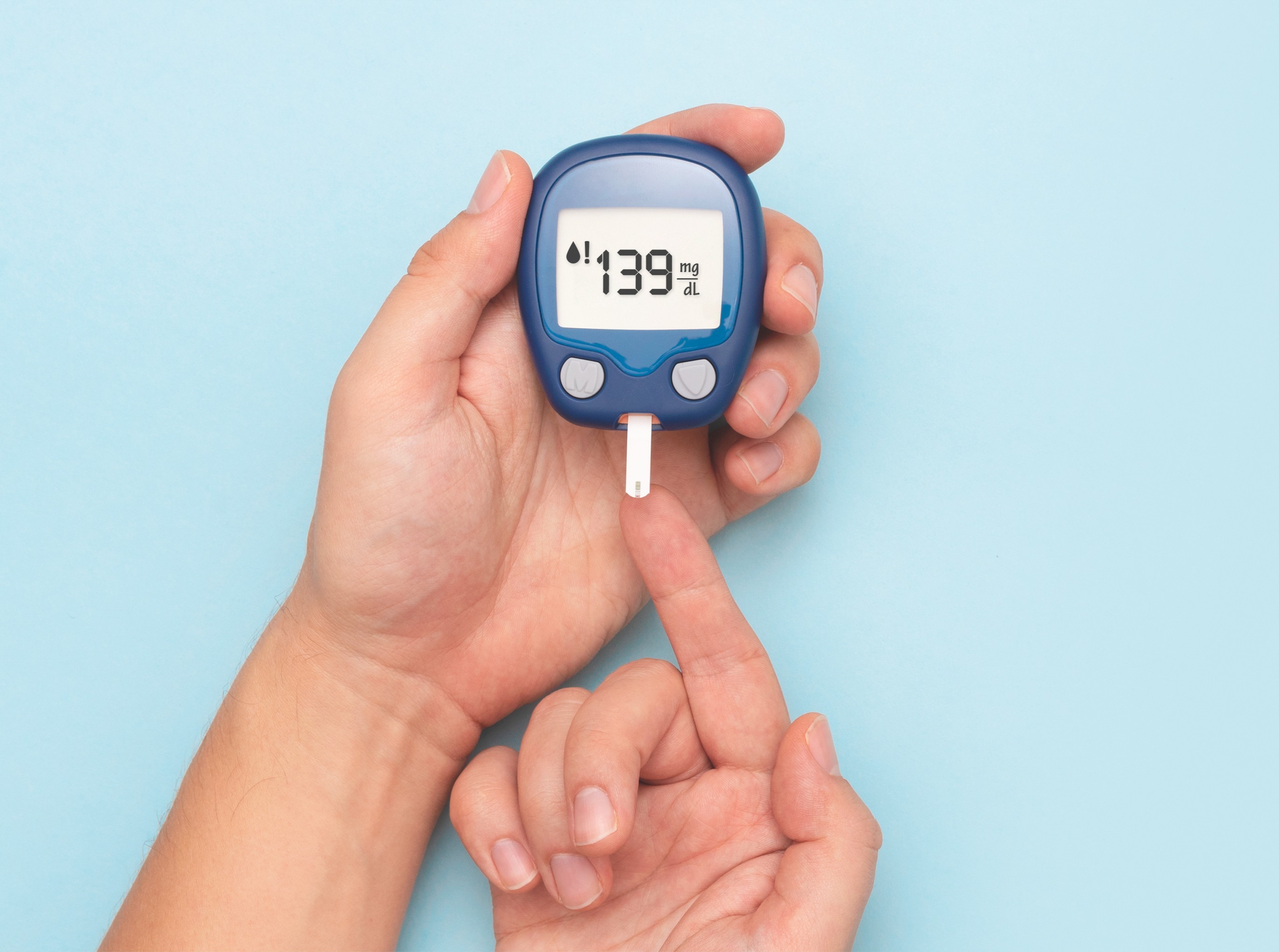
Blood sugar stability is one of the most effective tools for PCOS weight loss because it helps regulate hunger, cravings, and energy.
When meals contain protein, fiber, and healthy fats, your blood sugar rises slowly and stays steadier for hours. You feel more alert and less driven to snack.
Breakfast choices like yogurt with berries and nuts or eggs with avocado set the tone for the day. Balanced snacks like fruit with nuts or vegetables with hummus help prevent late afternoon crashes. Those crashes are often the moments when cravings hit hardest.
When blood sugar stays stable, insulin resistance begins to improve, and weight loss becomes more achievable. Small changes make a real difference.
If you want targeted help dialing in blood sugar balance for your symptoms and routine, connect with a Registered PCOS Dietitian at Berry Street for personalized support.
Step 3: Support Your Hormones With Lifestyle
Hormones respond quickly to habits like sleep, stress management, and movement, which means these factors play a major role in PCOS weight loss.
Stress can raise cortisol, and higher cortisol can nudge blood sugar upward and increase cravings. Poor sleep often leads to overeating the next day because appetite hormones swing out of balance.
Building routines helps. Daily movement, even gentle walking, improves insulin sensitivity. Eating meals at consistent times helps your body regulate hunger. Evening wind-down habits support deeper sleep. Planned rest days keep your nervous system calmer.
From our experience, clients who prioritize stress and sleep often see progress sooner because their bodies are no longer fighting constant hormonal strain.
Best Diet Patterns for PCOS Weight Loss
Choosing the right eating pattern can make PCOS feel more manageable and predictable. Food becomes a tool that supports your hormones, instead of something that feels confusing or frustrating.
Why PCOS Responds Well to a Low GI, Mediterranean Style Pattern
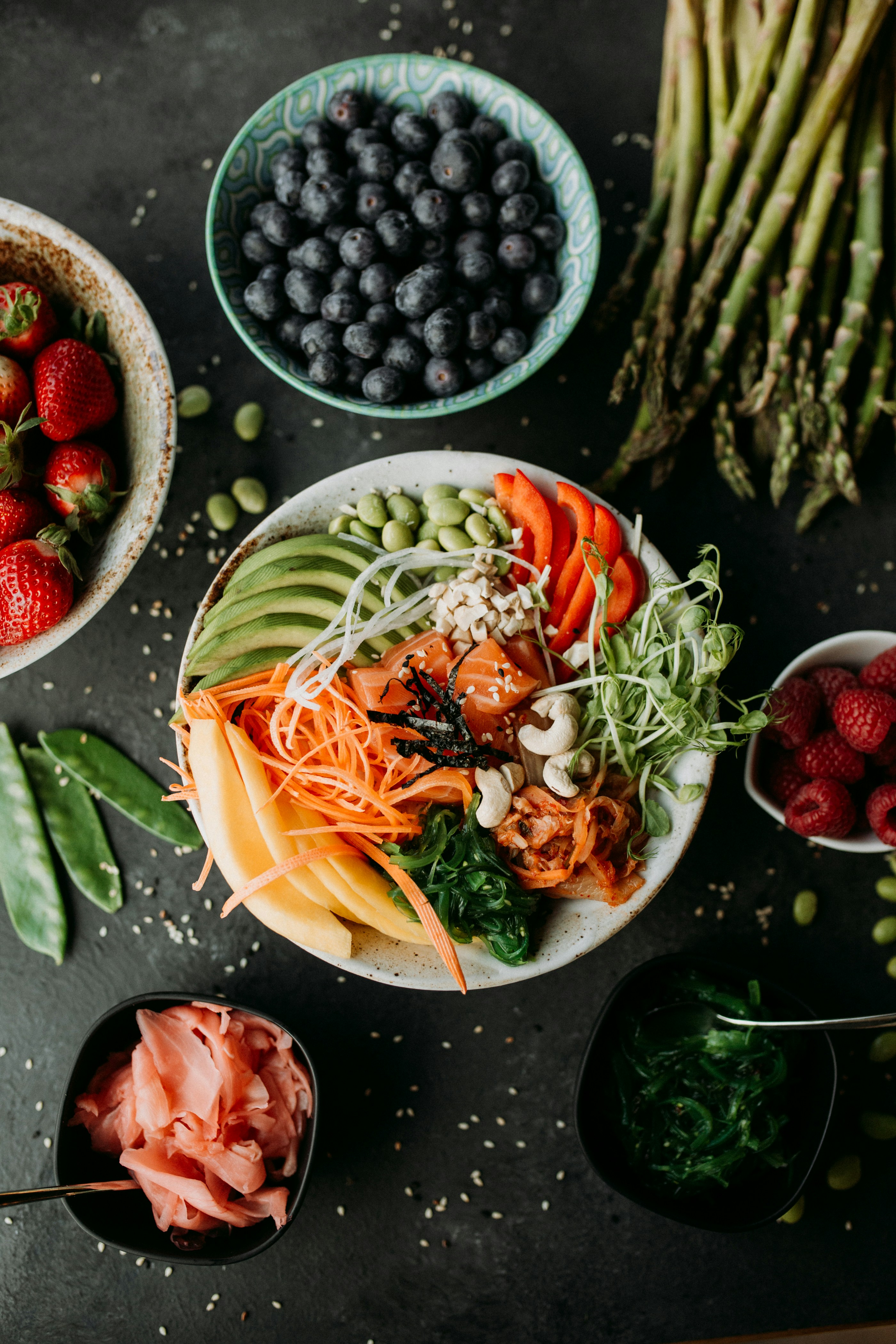
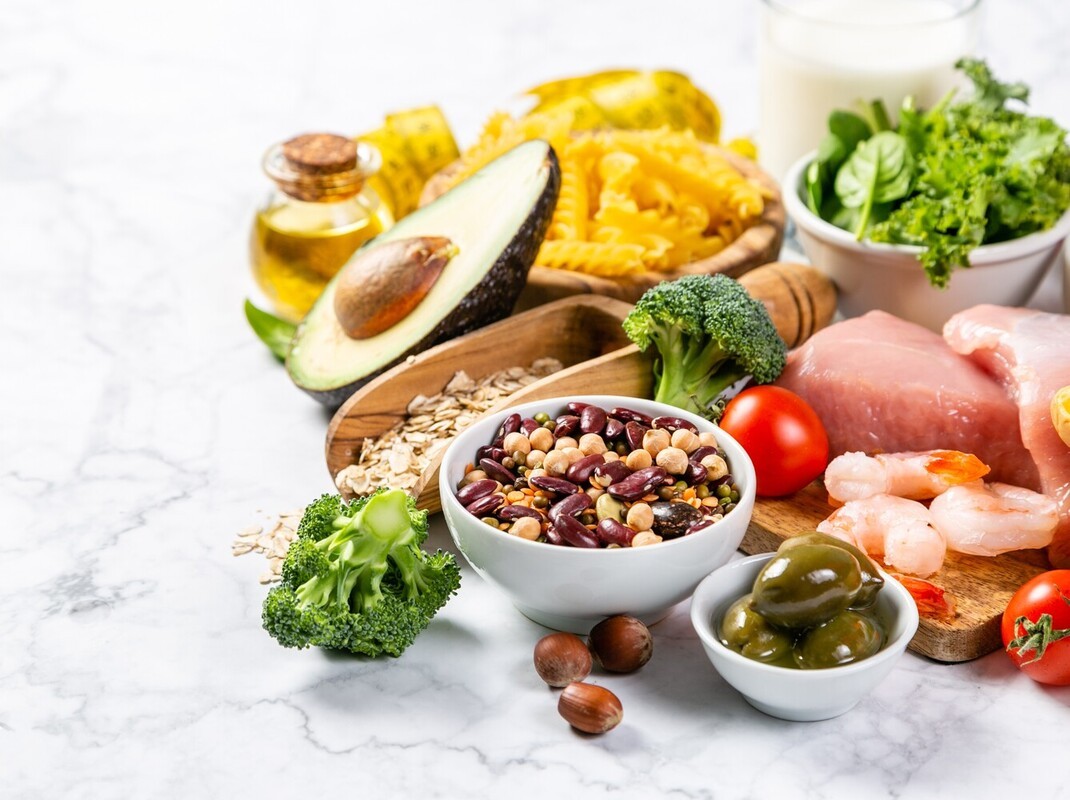
A low GI, Mediterranean-style eating pattern works well for PCOS because it prioritizes foods that digest slowly and support stable blood sugar. This style includes vegetables, fruits, whole grains, beans, lentils, nuts, seeds, olive oil, and lean proteins like poultry and fish.
These foods offer antioxidants, fiber, and healthy fats that help reduce inflammation, which is common in PCOS. Many people also notice better energy, a more stable appetite, and improved cycle regularity.
The pattern is flexible and enjoyable, which makes it easier to maintain long-term. You can adapt it to your culture, preferences, and routine without feeling restricted. That consistency supports metabolic health and sustainable weight loss.
Carbs and PCOS: How Much and What Kind?
Carbohydrates play an important role in energy, hormones, and overall well-being, especially for people with PCOS.
The goal is not to cut out carbs. It’s choosing the types that digest more slowly and support blood sugar balance.
Options like quinoa, oats, beans, lentils, brown rice, and whole fruit provide fiber and micronutrients that help keep you full and energized. These choices also reduce blood sugar spikes that can worsen cravings.
Some people feel better with moderate carbs spread evenly throughout the day, while others prefer slightly lower total carbs. Extreme carb cutting often leads to fatigue or intense cravings. A balanced approach is more realistic and keeps metabolism steady.
Protein, Fats, and Fiber for PCOS
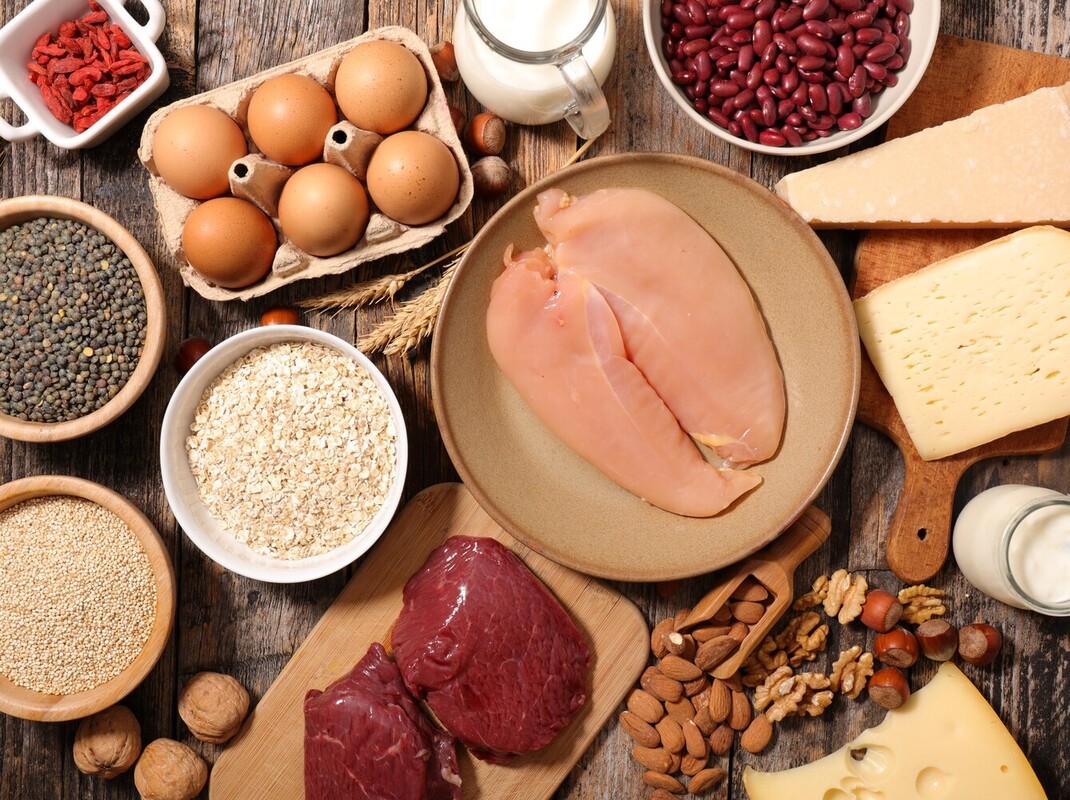
Protein, healthy fats, and fiber form the foundation of satisfying, PCOS-friendly meals. Protein supports muscle maintenance, appetite control, and blood sugar stability.
Aim for about 20 to 30 grams per meal from foods like fish, poultry, tofu, eggs, or Greek yogurt. Healthy fats from avocado, olive oil, nuts, seeds, and fatty fish help with hormone production and inflammation.
Fiber-rich foods like vegetables, fruits, legumes, and whole grains support digestion and slow the rise of blood sugar after meals.
When these three elements are combined, meals feel more filling and cravings often become easier to manage. This trio also helps improve insulin sensitivity, which is a major driver of PCOS symptoms.
What a PCOS-Friendly Plate Looks Like
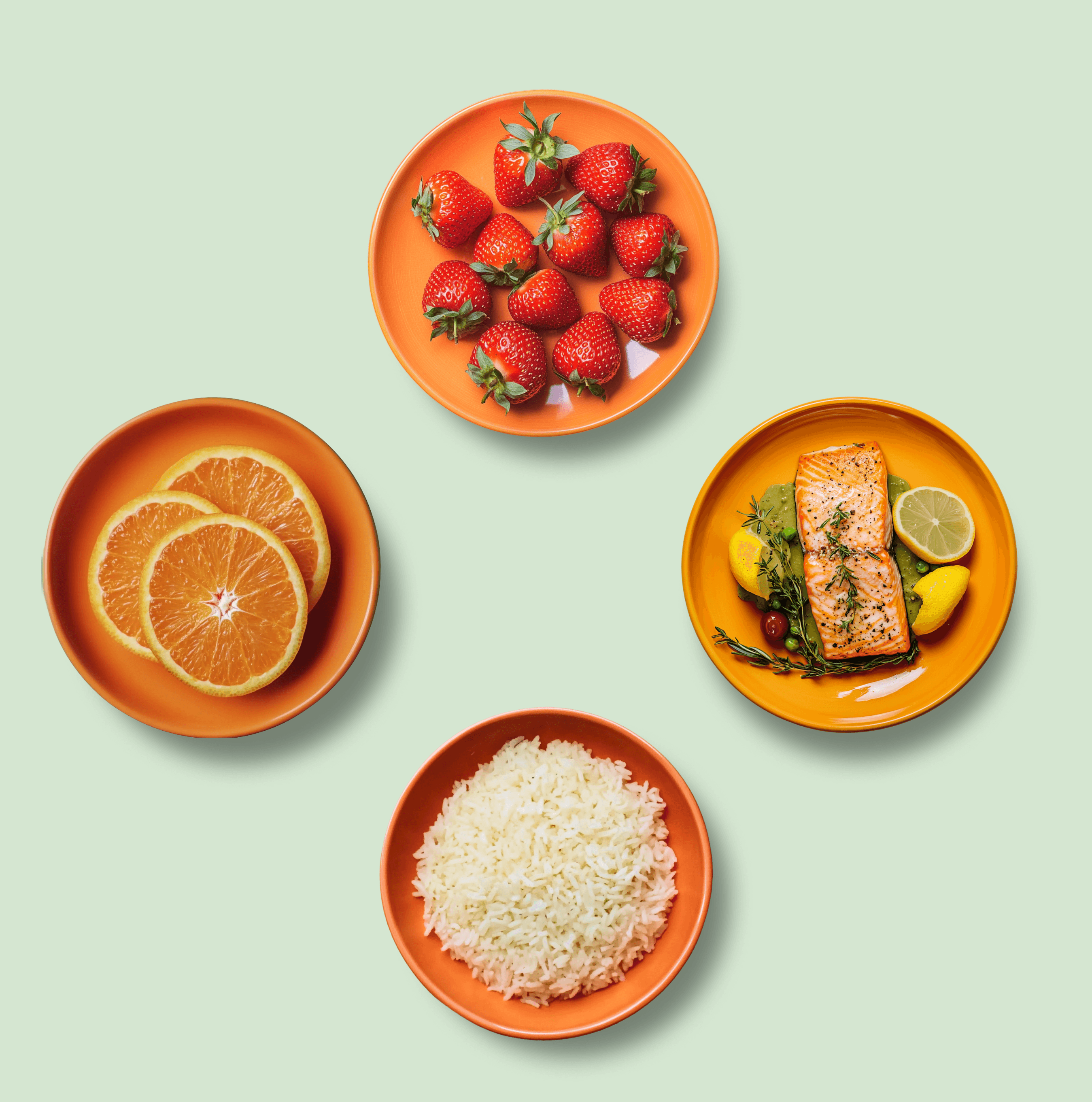
A helpful visual is to think about your plate in sections. Try to fill half your plate with non-starchy vegetables, such as leafy greens, broccoli, peppers, zucchini, or green beans.
Reserve about a quarter for protein, such as fish, chicken, eggs, tofu, or beans, and the remaining quarter for a high fiber carbohydrate like quinoa, brown rice, beans, lentils, or sweet potato. Add a source of healthy fat, such as olive oil, avocado, nuts, or seeds.
For breakfast, this might look like Greek yogurt with berries and nuts or a veggie omelet with whole-grain toast. For lunch or dinner, it might be a quinoa and bean bowl with roasted vegetables and olive oil, or baked salmon with sweet potato and broccoli. Snacks can follow the same pattern on a smaller scale.
7 Day PCOS Meal Plan for Weight Loss
This example plan shows what a balanced, PCOS friendly week might look like. You can swap days, repeat favorites, and adjust portions to your needs.
For a personalized approach, connect with a Registered Women’s Health Dietitian through Berry Street and get a plan that fits your goals and lifestyle.
Day 1
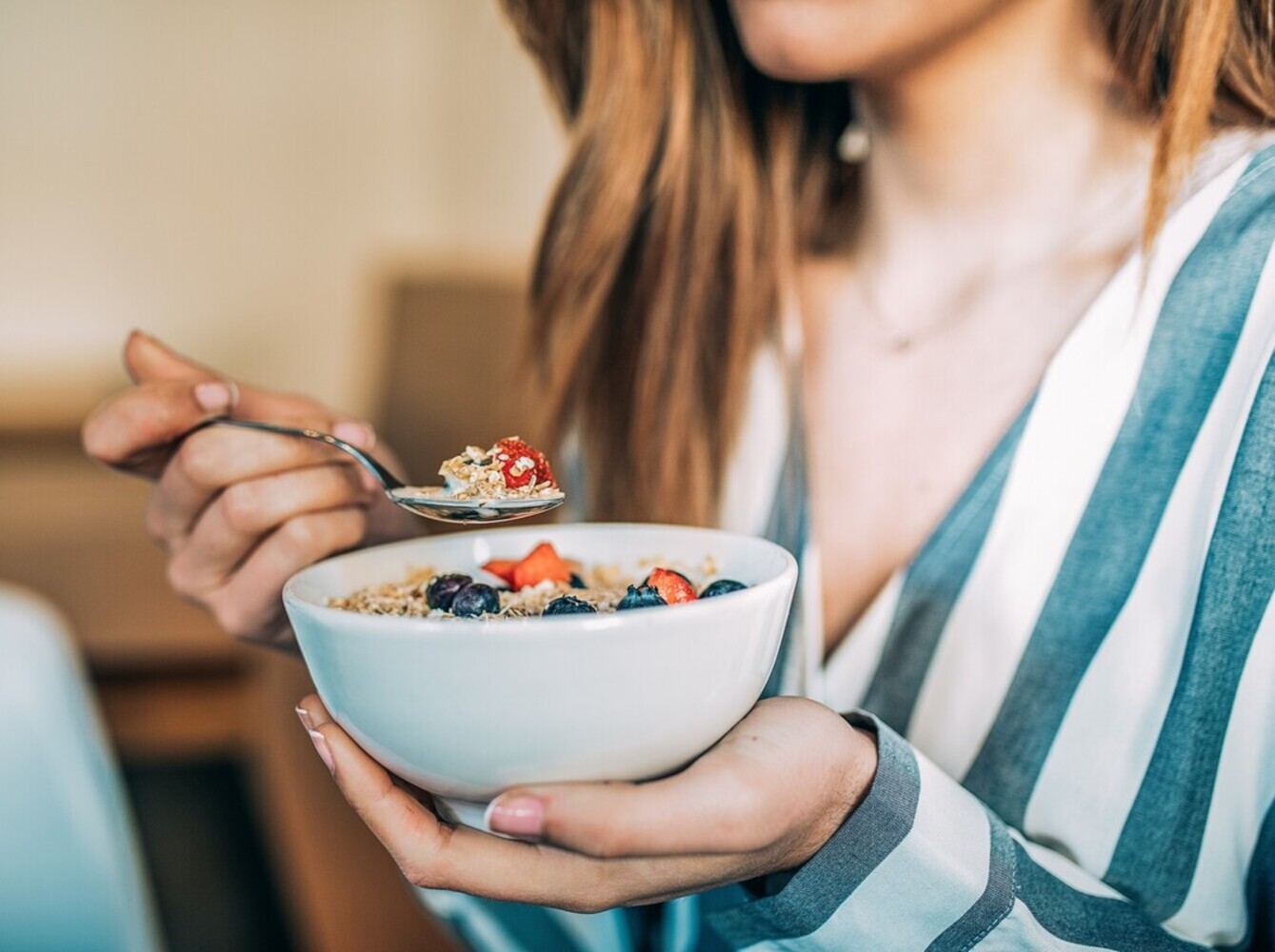
Breakfast: Greek Yogurt Bowl with Berries, Oats, and Walnuts
Greek yogurt offers protein that supports blood sugar stability right from the start of your day. The berries add antioxidants, and the oats and walnuts bring in fiber and healthy fats.
To prepare it, scoop yogurt into a bowl, layer berries on top, sprinkle in a spoonful of oats, and finish with chopped walnuts for crunch. It takes less than five minutes and keeps you full much longer than a typical sugary breakfast.
Snack: Apple Slices with Almond Butter
This snack is simple, but the combination of fiber from the apple and healthy fats from the almond butter helps steady hunger and prevent mid-afternoon crashes.
Slice the apple, add a tablespoon of almond butter on the side, and enjoy. The mix supports smoother blood sugar and gives you an easy boost of nutrients.
Lunch: Mixed Green Salad with Chickpeas, Veggies, Chicken, Quinoa, and Lemon Olive Oil
Start by assembling a base of mixed greens, then add chickpeas, cherry tomatoes, cucumber, grilled chicken, and a scoop of quinoa. Drizzle olive oil and squeeze fresh lemon over the top.
The meal is rich in fiber, protein, and healthy fats, which help with appetite control and insulin support. It is refreshing, colorful, and satisfying.
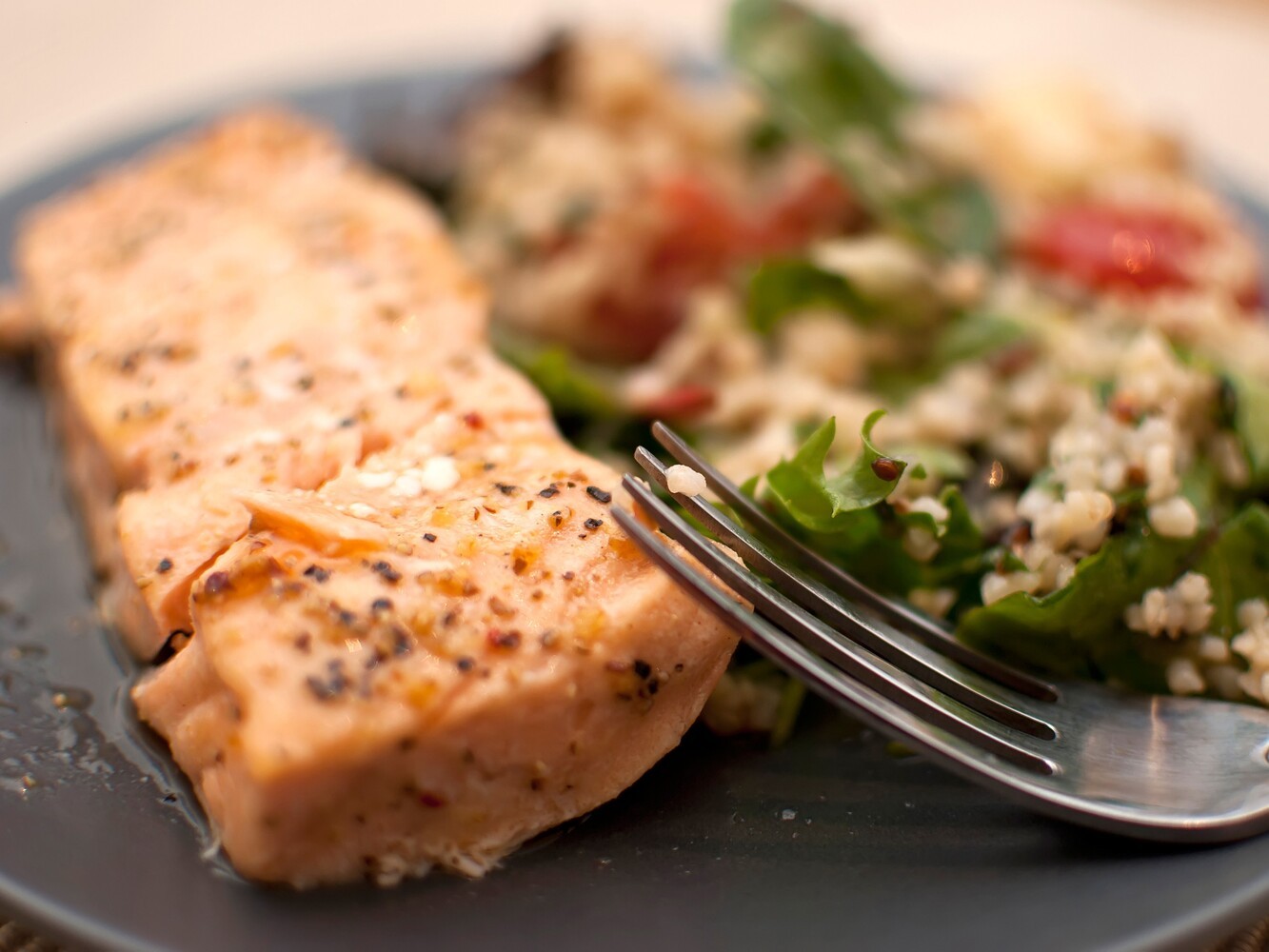
Dinner: Baked Salmon with Sweet Potato and Broccoli
This dinner provides omega-3 fats that support inflammation reduction for PCOS. Bake a salmon fillet at 400 degrees until flaky, roast sweet potato cubes until caramelized around the edges, and steam broccoli until bright green. A little olive oil rounds out the meal with healthy fat. The mix leaves you satisfied without feeling heavy.
Day 2
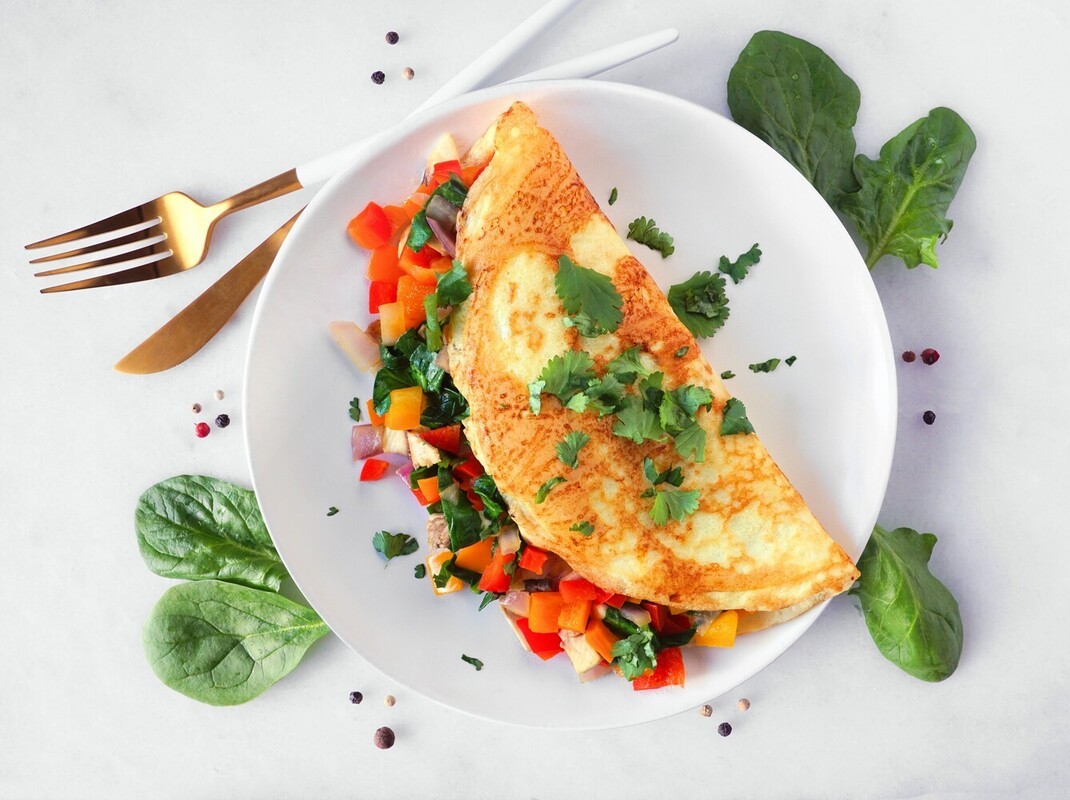
Breakfast: Veggie Omelet with Whole Grain Toast
An omelet packed with spinach, peppers, tomatoes, and onions gives you protein, fiber, and micronutrients in one quick meal.
Whisk eggs, pour into a warm pan, and fold in the vegetables as they soften. Add a slice of whole-grain toast for slow-digesting carbs. This combination helps stabilize energy and supports hunger control throughout the morning.
Snack: Carrot and Celery Sticks with Hummus
This snack is rich in fiber and plant-based protein from the hummus. Chop carrots and celery into sticks, pair them with a few tablespoons of hummus, and you have a crunchy, filling option that takes almost no prep time. It works well when you want something light that still provides staying power.
Lunch: Lentil and Vegetable Soup with Side Salad
Lentils deliver plant protein and iron, which support energy, and the broth base helps with hydration.
Simmer lentils with diced vegetables like carrots, onions, celery, and tomatoes, then season to taste. Add a small side salad for extra fiber. This meal offers warmth, comfort, and balanced nutrients that help regulate blood sugar.
Dinner: Tofu or Shrimp Stir Fry with Vegetables and Brown Rice
A stir fry is quick and flexible, which makes it perfect for busy evenings. Sauté tofu or shrimp with mixed vegetables such as broccoli, peppers, or snap peas, then add a splash of sesame oil. Serve over brown rice for a satisfying source of complex carbs.
The blend of protein, fiber, and healthy fats supports steadier energy and reduces cravings later in the night.
Day 3
Breakfast: Overnight Oats with Chia Seeds, Berries, and Nut Butter
This meal is packed with fiber and slow-digesting carbs that help stabilize blood sugar well into the morning.
Combine rolled oats with milk or yogurt, stir in chia seeds, and refrigerate overnight. In the morning, top with berries and a spoonful of peanut or almond butter. The result is creamy, nourishing, and convenient.
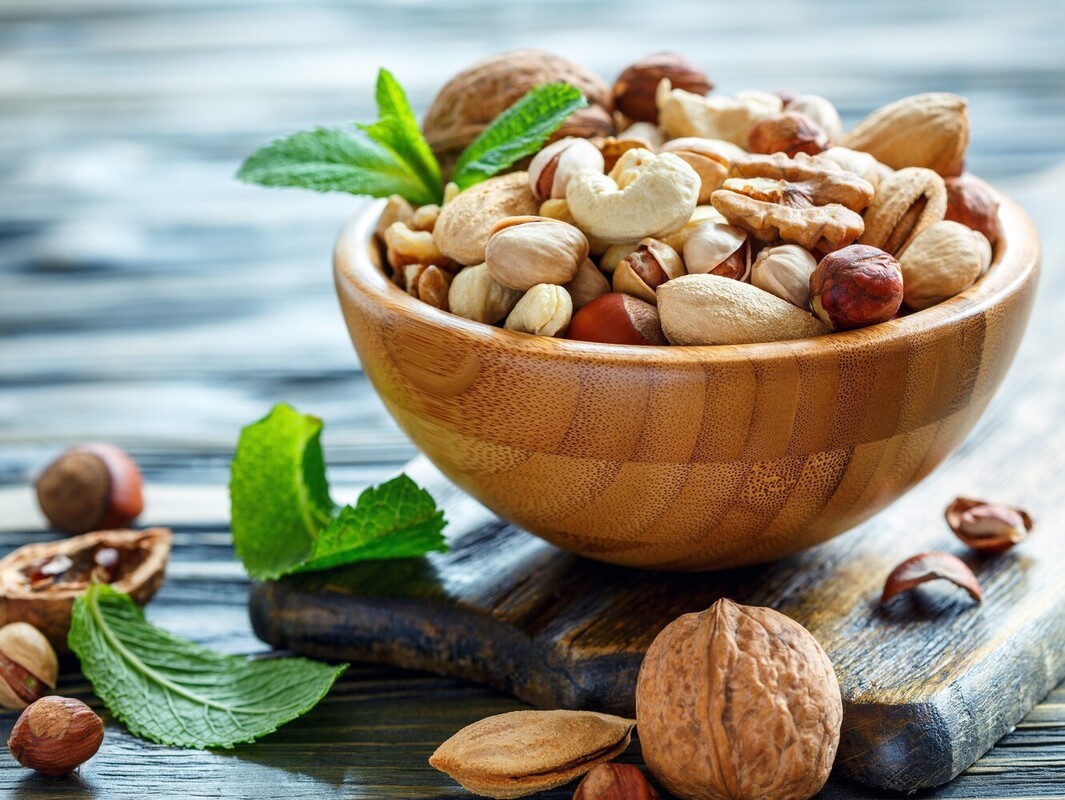
Snack: Mixed Nuts with Citrus Fruit
Mixed nuts offer healthy fats and minerals, while a small orange or kiwi provides vitamin C and natural sweetness. Portion out a small handful of nuts and pair with the fruit for a snack that travels well. It gives you a balanced mix of nutrients and a quick lift during energy dips.
Lunch: Quinoa Salad with Black Beans, Avocado, Corn, Peppers, and Lime
This salad starts with cooked quinoa tossed with black beans, which creates a high fiber, high protein base. Add diced avocado, corn, and bell peppers, then finish with lime juice and cilantro.
The combination here helps support fullness, digestion, and steady blood sugar. It is refreshing, colorful, and perfect for meal prep.
Dinner: Grilled Chicken with Quinoa Tabbouleh and Green Vegetables
To prepare this dish, grill chicken until lightly browned, then pair it with quinoa tabbouleh made from diced cucumbers, tomatoes, parsley, lemon juice, and olive oil. Steam green beans or kale on the side.
This meal gives you protein, fiber, and antioxidants all in one plate, helping support hormone balance and muscle recovery.
Day 4
Breakfast: Spinach Berry Smoothie with Greek Yogurt and Flax
This smoothie is great when you want something quick that still supports blood sugar control. Blend Greek yogurt with spinach, frozen berries, and a spoon of flaxseed until creamy.
The yogurt adds protein, the berries bring antioxidants, and the flax provides healthy fats and fiber. It is refreshing, easy to sip on the go, and surprisingly filling.
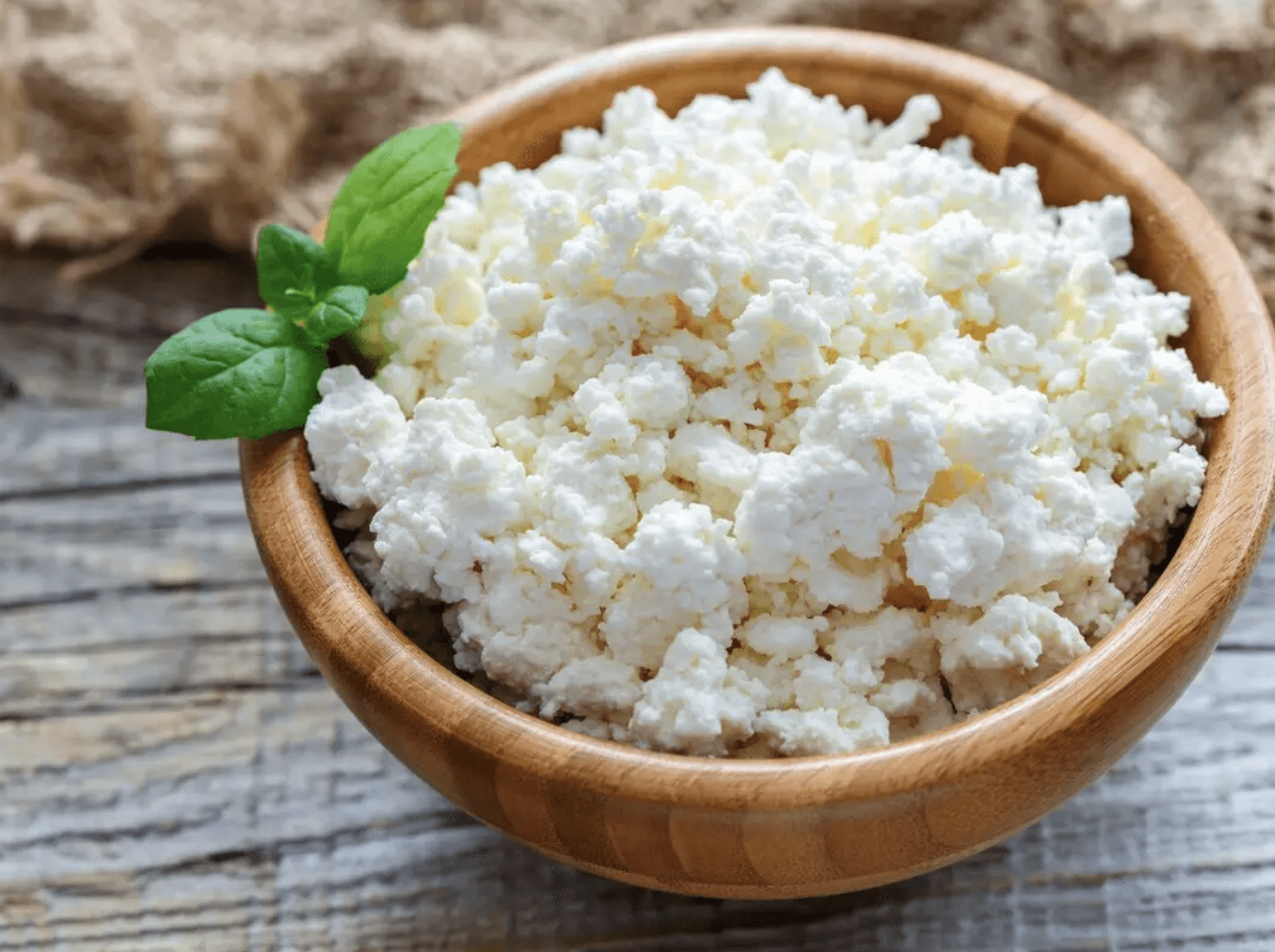
Snack: Cottage Cheese with Cucumber and Tomatoes
Cottage cheese delivers protein and calcium, which support muscle and metabolic health. Scoop some into a bowl, slice cucumber and cherry tomatoes, and mix them in or enjoy on the side.
The vegetables add crunch and hydration. This snack feels light but keeps hunger steady through the afternoon.
Lunch: Turkey or Veggie Wrap with Hummus and Greens
To make this wrap, spread hummus onto a whole grain tortilla, layer with turkey or a veggie protein option, then add spinach and shredded carrots. Roll tightly and slice in half.
The combination of fiber, protein, and healthy fats supports appetite control and keeps blood sugar more stable. It is also easy to pack for work or school.
Dinner: Baked Cod with Roasted Brussels Sprouts and Wild Rice
Cod cooks quickly and offers lean protein that supports hormone balance and metabolism. Place the fillet on a sheet pan, season lightly, and bake until flaky. Roast Brussels sprouts with olive oil until crisp and pair with wild rice for fiber-rich carbs. The meal is simple, hearty, and nutrient-dense.
Day 5
Breakfast: Avocado Toast with Poached Egg
Healthy fats, fiber, and protein make this a great way to start the morning. Toast a slice of whole-grain bread, mash avocado on top, and finish with a poached or fried egg.
The avocado provides monounsaturated fats that support hormone health, and the egg adds protein to reduce mid-morning cravings. It is balanced, tasty, and satisfying.
Snack: Raw Veggies with Guacamole
This snack is rich in fiber and healthy fats. Slice peppers, carrots, and cucumbers, then scoop a few tablespoons of guacamole into a bowl. Dip and enjoy.
The veggies offer vitamins and crunch while the guacamole provides creamy texture and lasting fullness.
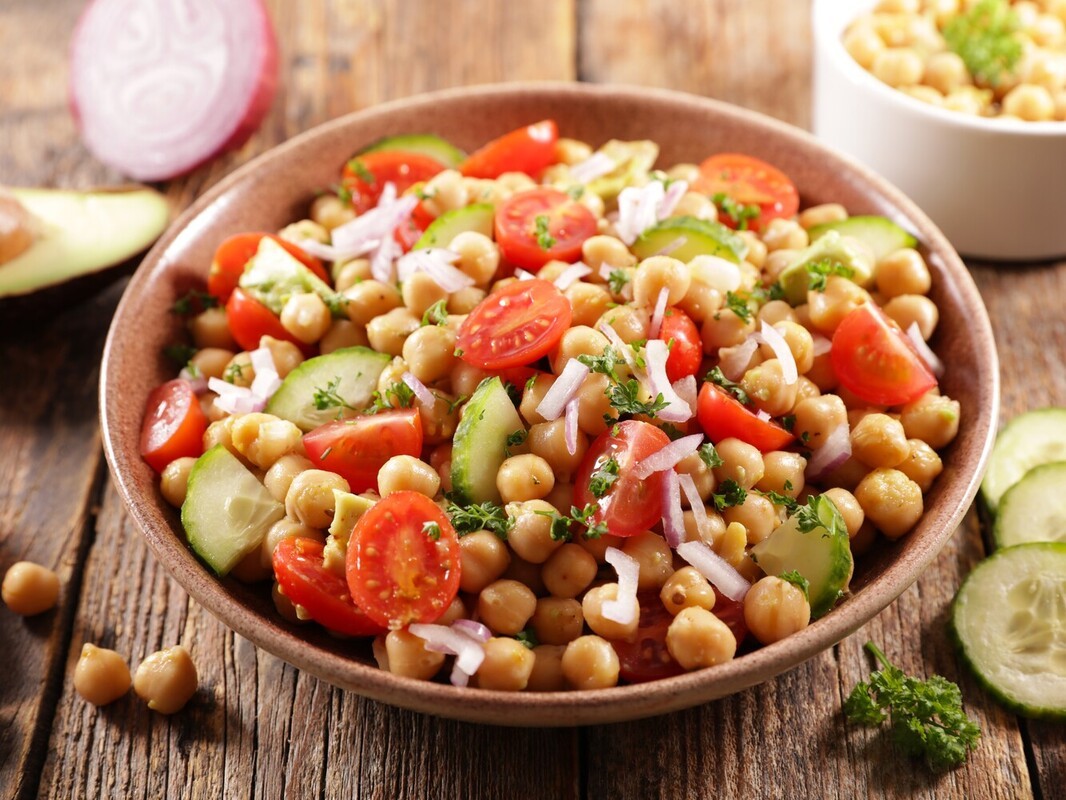
Lunch: Chickpea Salad with Tomatoes, Cucumber, Red Onion, and Parsley
To prepare this, combine chickpeas with diced tomatoes, cucumber, and red onion, then pour a simple dressing of olive oil and vinegar over the top. Add parsley for freshness.
This salad is high in fiber and plant protein, which helps support digestion and steady energy. It is bright, fresh, and keeps well for leftovers.
Dinner: Whole Wheat Pasta with Tomato Vegetable Sauce and Lentils
Cook whole wheat pasta and pair it with a tomato sauce loaded with sautéed vegetables. Add cooked lentils to the sauce for additional protein and fiber. The combination gives you comfort food with better blood sugar balance. A small side salad finishes the meal with extra nutrients.
Day 6
Breakfast: Scrambled Eggs with Mushrooms, Spinach, and Sweet Potato Hash
Start by sautéing mushrooms and spinach until softened, then scramble in eggs. Cook small cubes of sweet potato in a skillet until tender for a simple hash.
The meal offers protein, antioxidants, and complex carbs that digest slowly. It feels hearty but supports blood sugar stability.
Snack: Greek Yogurt with Chopped Nuts
This is a quick protein-rich option that supports appetite control. Spoon Greek yogurt into a cup, top with chopped almonds or walnuts, and you are set.
The nuts add crunch and healthy fats. This snack works well when you want something creamy and satisfying.
Lunch: Mixed Bean Chili with Steamed Vegetables
Prepare chili by simmering beans with tomatoes, onions, garlic, and spices. Serve a bowl alongside steamed green vegetables for added fiber and volume.
The beans provide protein and slow-digesting carbs, which help support blood sugar stability and gut health. It is warming and filling.
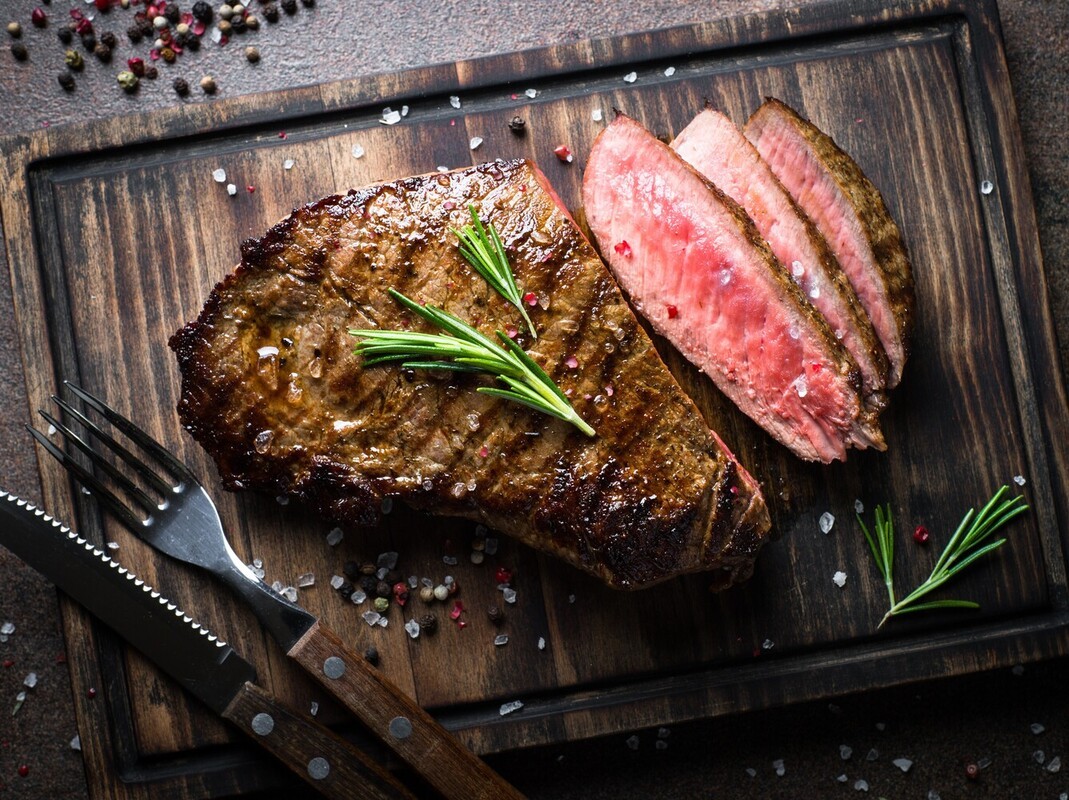
Dinner: Grilled Steak or Tempeh with Roasted Root Vegetables and Greens
To make this dinner, grill a lean steak or cook tempeh until browned, then roast root vegetables like carrots, parsnips, and potatoes until golden. Add leafy greens sautéed in a little olive oil.
This combination gives you balanced protein, healthy carbs, and antioxidants. It feels grounding and nourishing.
Day 7
Breakfast: Whole Grain Porridge with Fruit and Seeds
Start by cooking whole grain oats or another whole grain cereal with water or milk. Top with fresh fruit and a sprinkle of chia or pumpkin seeds.
The grains offer fiber and steady energy, while the seeds bring healthy fats and minerals. It is cozy, simple, and keeps blood sugar more stable than pastries or sugary cereals.
Snack: Fresh Fruit with Almonds or Pistachios
Pairing fruit with nuts helps prevent a rapid blood sugar rise. Choose an apple, a pear, or a banana and add a small handful of almonds or pistachios.
The nuts provide healthy fats that slow digestion. This snack feels fresh and satisfying without being heavy.
Lunch: Mixed Greens with Roasted Vegetables, Chickpeas, and Sunflower Seeds
To prepare this salad, place roasted vegetables over a bed of mixed greens, add chickpeas, and sprinkle with sunflower seeds. Toss with a vinaigrette.
This meal supplies fiber, healthy fats, and plant protein, which help maintain steady energy and support digestion. It is colorful and easy to batch prep.
Dinner: Baked Fish with Quinoa, Roasted Vegetables, and Sautéed Greens
Bake your choice of fish until tender, cook quinoa for a high fiber base, and roast mixed vegetables until caramelized. Add sautéed kale or spinach on the side.
This dinner delivers protein, complex carbs, and plenty of antioxidants. It feels balanced and leaves you comfortably full.
If you want a personalized 7-day meal plan that fits your symptoms, routine, and preferences, connect with a Registered Weight Loss Dietitian at Berry Street and get support tailored to your PCOS needs.
How to Meal Prep for PCOS Weight Loss
Meal prep can make PCOS feel easier to manage because it removes guesswork from your week. With a little planning, you can create meals that support blood sugar, hunger control, and stress reduction.
1. Choose Three to Five Core Meals
Start by picking three to five reliable meals you can rotate during the week. This keeps planning simple and prevents overwhelm while still giving you variety.
Choose recipes that share similar ingredients, like a bean chili, a quinoa and veggie bowl, and a sheet pan chicken dinner with extra vegetables. Overlapping ingredients save time and money, and they help you avoid food waste at the end of the week.
Make sure at least one option is freezer-friendly so you’ve always got a backup meal. The goal is to reduce decision fatigue so your meals feel predictable, balanced, and supportive of your PCOS goals.
2. Batch Cook Proteins, Grains, and Veggies
Once or twice a week, set aside 60 to 90 minutes to prepare building blocks for meals. Cook a batch of chicken, tofu, lentils, or beans, and store them in separate containers. Make a pot of quinoa or brown rice as your main grain. Roast a large tray of vegetables with olive oil and seasonings.
If you enjoy sauces, prep one or two options, like yogurt dressing or a vinaigrette, to keep in the fridge. When these items are ready to grab, assembling meals takes minutes instead of a full cooking session. Batch cooking lays the foundation for stable blood sugar, steady energy, and fewer food decisions during the week.

3. Prep Snacks That Support Blood Sugar
Snacks can make or break blood sugar control, so it helps to prepare them ahead of time with PCOS in mind. Cut vegetables like carrots, cucumbers, and peppers, then store them in containers near the front of the fridge.
Portion nuts, seeds, or trail mix into small grab-and-go servings. Keep yogurt cups, string cheese, or cottage cheese ready for protein-rich options, and pair them with fruit that’s easy to grab.
These snack combinations prevent long gaps between eating, which often trigger intense cravings. When snacks are ready, it’s much easier to choose options that support hormone and energy balance.
4. Use Clear Containers to Boost Visibility
What you see first in the fridge often determines what you reach for during a busy day. Use clear, labeled containers so your prepped meals and snacks stay visible and appealing.
Place proteins, grains, and vegetables at eye level, and move less supportive foods to lower shelves or drawers. You can dedicate one shelf to “ready to eat” meals, so there’s no thinking required. Add a bin for prepped snacks so you can grab something balanced in seconds.
This simple setup reduces friction when you’re tired or stressed. It also reminds you that you’ve already done the work to support your PCOS goals, which builds confidence and consistency over time.

5. Make a Weekly Meal Prep Ritual
Creating a routine helps meal prep feel manageable rather than like another chore on your list. Choose a day that fits your schedule, such as Sunday afternoon or a weeknight, and block off a specific time.
Turn it into a ritual with music, a favorite show, or a podcast you only listen to while prepping. Write a quick checklist so you know exactly what to cook and which containers you’ll use.
When you’re done, take a moment to notice how prepared your kitchen feels and how calm you are about the week. In our experience, this weekly rhythm lowers stress, reduces takeout, and makes PCOS-friendly eating much more consistent.
PCOS Friendly Recipes and Swaps
Cooking for PCOS can feel easier when you have a few reliable recipes that support blood sugar and hormones. These ideas take simple ingredients and turn them into meals that keep you full, energized, and satisfied:
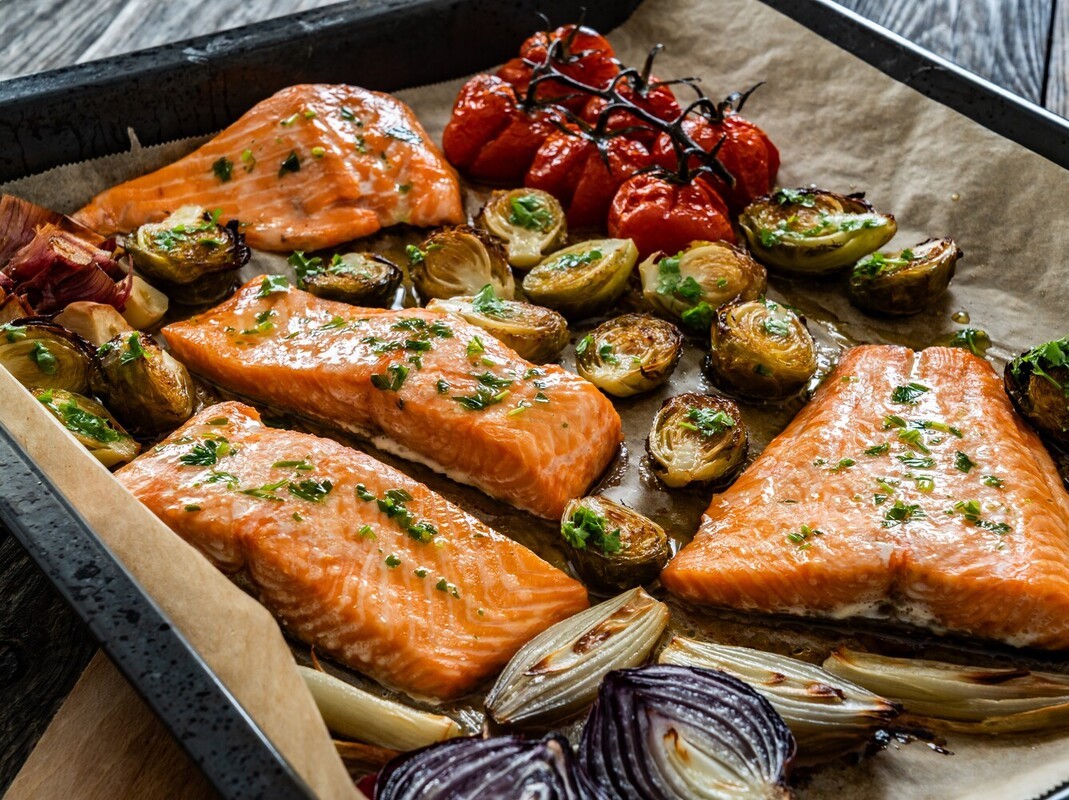
1. Sheet Pan Meals
Sheet pan meals work well for busy weeks because they offer protein, fiber, and complex carbs with almost no effort.
Start by placing chicken, tofu, or salmon on a large baking sheet. Add sweet potatoes or squash for a starchy vegetable, then fill the rest of the tray with non-starchy options like broccoli, zucchini, or peppers. Drizzle everything with olive oil, sprinkle on herbs, and roast until tender and golden.
The result is a balanced meal that supports blood sugar stability and keeps you full for hours. It’s easy to double the batch for leftovers.
2. Protein Bowls
Protein bowls create satisfying meals that are simple to assemble and easy to customize. Start with a base of leafy greens or a whole grain like quinoa or farro.
Add a protein source such as beans, lentils, tofu, chicken, or fish. Pile on colorful vegetables, either raw or roasted. Finish with a healthy fat, such as avocado slices, nuts, or a yogurt-based dressing.
Each bowl delivers protein, fiber, and slow-digesting carbs that support insulin sensitivity. You can prep the components in advance and mix and match them throughout the week for variety without extra work.
3. Soups and Stews
Soups and stews are great for PCOS because they’re easy to batch cook and reheat, which makes consistent eating more realistic. Options like lentil soup, bean chili, or chicken and vegetable stew offer plenty of protein and fiber without relying on refined carbs.
To make one, sauté aromatics like onion and garlic, add protein and vegetables, then cover with broth and simmer until flavorful.
These meals help keep you full and warm, and they store well in the fridge or freezer. They also make lunchtime simple on busy days, which supports steady blood sugar and better energy.
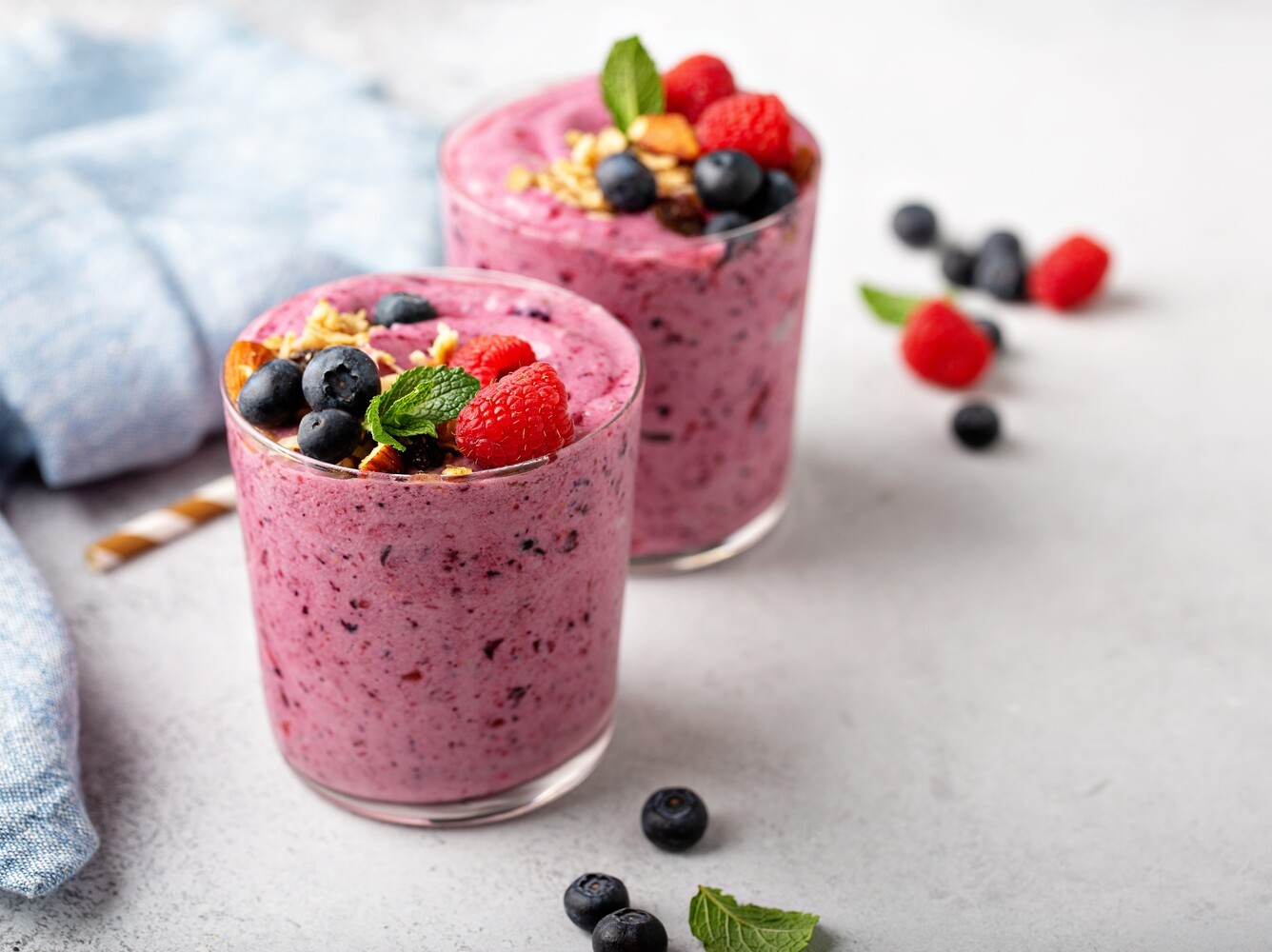
4. Smoothies
Smoothies can be a convenient PCOS-friendly option when built with the right balance of nutrients. Start with a protein source like Greek yogurt or protein powder. Add fiber-rich ingredients such as berries, spinach, or chia seeds. Include a healthy fat like flaxseed or nut butter to keep you full. Blend until creamy.
This combination supports blood sugar stability and prevents the rapid spike you might get from fruit-heavy smoothies. Keep added sweeteners minimal and rely on berries or a small amount of banana for flavor. Smoothies work well for breakfast or a post-workout snack.
5. Lower Sugar Swaps
Lower sugar swaps can make a major difference for cravings and blood sugar, especially with PCOS. Choose tomato-based sauces instead of creamy or sweetened ones, and use plain yogurt as a base for dressings and dips.
Swap candy for dark chocolate or homemade energy balls made with oats, nuts, and a small amount of honey. Replace sugary drinks with water, flavored seltzer, or herbal tea.
These simple changes cut empty calories while still feeling enjoyable. They also help reduce sugar highs and crashes, which supports steadier hunger and fewer cravings later in the day.
Popular Diets with PCOS: What Works and What Doesn’t
Choosing a diet when you have PCOS can feel overwhelming because so many plans promise fast results without explaining how they affect your hormones. This section breaks down the most common approaches so you can understand what supports your body and what creates more challenges.
Intermittent Fasting for PCOS Weight Loss
Intermittent fasting is an eating pattern where you cycle between periods of eating and not eating. Common versions include the 16:8 method, where you eat within an eight-hour window, or time-restricted eating, where meals are limited to earlier in the day.
Some people with PCOS feel better eating this way because it reduces late-night snacking and may support insulin sensitivity. Others struggle with long gaps between meals because hunger builds quickly and leads to overeating later.
Your response depends on your appetite patterns, your energy needs, and your relationship with food.
Potential benefits:
May improve insulin sensitivity
Can reduce late-night snacking
Simplifies daily eating structure
Potential drawbacks:
Can trigger cravings and overeating
May raise stress hormones in some people
Not ideal for those with binge eating tendencies
For many with PCOS, intermittent fasting works only under specific conditions. If hunger swings or emotional eating are part of your experience, a more balanced eating pattern may feel safer and more supportive.
Low Carb, Keto, and Very Low Calorie Diets
Low-carb and ketogenic diets focus on reducing carbohydrate intake so the body relies more on fat for energy. Keto tends to be much stricter, often limiting carbs to very small amounts, while moderate low-carb eating allows a wider range of foods like beans, fruit, and whole grains.
Some people with PCOS notice improved insulin sensitivity and fewer cravings when carbs are reduced. Others experience fatigue, irritability, or difficulty sticking with very restrictive patterns.
Very low-calorie diets can cause fast weight changes but often lead to rebound hunger and slower metabolism, especially for individuals with PCOS.
Potential benefits:
May lower insulin levels
Can reduce cravings for high sugar foods
May produce early weight loss
Potential drawbacks:
Can feel overly restrictive and difficult to maintain
May trigger fatigue, dizziness, or nutrient gaps
Very low-calorie plans can slow metabolism
A moderate, balanced approach tends to work better for most people with PCOS. Extreme carb or calorie cuts usually feel unsustainable and create more stress than progress.
How to Choose a Sustainable Diet Approach
Finding a sustainable way of eating is one of the most important parts of managing PCOS. Your food choices should support your goals without constantly fighting your real life.
1. Your Lifestyle and Daily Routine
Your eating pattern has to fit your real life, not an idealized version of it. If you work long shifts, juggle childcare, or commute a lot, a complicated diet will collapse quickly.
Choose a structure that matches the time, money, and energy you actually have most weeks. That might mean simple 15-minute dinners, repeating the same lunch, or using healthy convenience foods.
You can still support PCOS by focusing on blood sugar balance in that framework. When meals feel realistic instead of exhausting, you’re far more likely to follow through. Consistency grows naturally when the plan fits your day instead of fighting it.

2. Your Culture, Traditions, and Food Preferences
Your culture, traditions, and personal tastes matter when you choose an eating style. A plan that cuts out all your familiar foods will feel lonely and hard to maintain.
Instead, look for ways to adjust your favorite dishes so they’re more PCOS-friendly. Add beans or grilled chicken to traditional rice dishes, use more vegetables in stews, or swap sugary drinks for flavored seltzer at family meals.
This keeps meals emotionally satisfying as well as nutritionally supportive. You’re more likely to stick with changes that still feel like “your food.” Culture-aware nutrition respects both your health and your identity.
3. Your Mental Health and Relationship With Food
Your relationship with food and your mental health are central to sustainability. If you’ve struggled with binge eating, intense guilt after meals, or years of yo-yo dieting, strict rules can quickly backfire.
Instead, you may benefit from regular meals, permission to eat enough, and gentle structure. This can look like three balanced meals plus snacks that combine protein, fiber, and healthy fats.
Over time, your body learns that food is reliable, and urges to binge often soften. You deserve an approach that feels emotionally safe. Emotional support from a therapist or Registered Dietitian helps too. A calm nervous system makes PCOS changes much easier to maintain.

4. Your Social Life and Support System
Your social life and environment shape what’s realistic day to day. You’ll have birthdays, holidays, work events, and last-minute takeout nights, even with the best intentions.
A sustainable plan has room for those occasions without labeling them as failures. That might mean choosing one or two favorite foods at a party and balancing the rest of the day with protein-rich meals.
You could also learn a few reliable restaurant orders that support your goals. Sharing your intentions with friends or family can sometimes help too. When you know how to navigate social eating, you stay engaged in your life. Progress continues even when your calendar feels full.
5. Your Long-Term Health Goals
Your long-term health goals should guide which approach makes sense for you. Are you trying to support fertility, improve insulin resistance, feel less exhausted, or reduce long-term risks like diabetes and heart disease? Those priorities matter more than dropping a specific number of pounds by a certain date.
A slower, consistent pattern of PCOS-friendly eating usually supports these goals better than extreme dieting. That might mean focusing on blood sugar balance, strength training, and sleep for months, not weeks. When your plan lines up with what you want in five years, not five days, it feels worth sustaining.
If you want a plan that truly fits your body and your life, connect with a Registered Women’s Health Dietitian at Berry Street for personalized, PCOS-informed support. We can help you with everything from weight loss during pregnancy to managing PCOS symptoms.

Exercise That Actually Helps PCOS Weight Loss
Exercise plays a powerful role in managing PCOS, but not all types support your hormones in the same way. Understanding which forms of movement improve insulin resistance and which ones add unnecessary stress can make your workouts far more effective.
Why Strength Training Is Non-Negotiable for PCOS
Strength training is one of the most powerful tools for PCOS. Muscle tissue helps your body use glucose more efficiently and improves insulin sensitivity. The more lean mass you have, the more calories you burn at rest and during movement.
Strength training also tends to reduce abdominal fat more effectively than cardio alone. You do not need to lift extremely heavy weights, but consistent resistance training two to three times per week can be transformative.
Cardio, Walking, and NEAT
Cardio still has an important role. Low to moderate intensity exercise, such as brisk walking, cycling, or swimming, helps improve insulin sensitivity and reduce inflammation.
High intensity intervals can be helpful for some people, but they can also raise cortisol, especially if you are already stressed or not sleeping well. That can work against hormonal balance.
NEAT, which stands for non-exercise activity thermogenesis, includes all the movement you do outside of formal workouts. Daily steps, standing, fidgeting, cleaning, and light physical tasks can significantly contribute to energy expenditure and can be more effective for fat loss than one intense workout followed by a day of sitting.

Sample Weekly Workout Plan for PCOS
A thoughtful workout plan can make PCOS feel more manageable by supporting insulin sensitivity, hormone balance, and mental health.
This is a sample week—not a requirement. The best plan is the one you can do consistently, so feel free to scale this up or down based on your schedule, fitness level, and what your body tolerates.
For a personalized approach, connect with a Registered Women’s Health Dietitian through Berry Street and get a plan that fits your goals and lifestyle.
Day 1: Full Body Strength
Day 1 focuses on full-body strength, so you start the week building muscle that supports blood sugar control.
Choose three to five compound moves such as squats, presses, rows, and deadlifts. Aim for two or three sets of 8 to 12 reps with rest between sets. Keep the weight challenging but safe, and focus on form rather than speed.
Finish with a short, easy walk to cool down and bring your heart rate down gradually. This day sets the tone for the week by reminding your body that strength is a priority.
Day 2: Low to Moderate Cardio
Day 2 is all about gentle endurance. Choose 30 to 40 minutes of low to moderate intensity cardio, such as a brisk walk, easy cycling, or a relaxed swim.
You should be able to hold a conversation while you move. This level of effort supports insulin sensitivity and circulation without overly stressing your system.
Add five to ten minutes of stretching at the end to loosen tight muscles and reduce tension. Think of this day as building a foundation for heart health and recovery from strength work.

Day 3: Lower Body and Core Strength
Today you’ll zoom in on the lower body and core. Include movements such as lunges, hip thrusts, leg presses, glute bridges, and calf raises.
Add core exercises like planks, dead bugs, or side planks to support stability. Aim for two or three sets of each, choosing a challenging but manageable weight. Keep rest periods short but not rushed.
Finish with a relaxed walk to encourage blood flow and reduce stiffness. This focus on hips, glutes, and legs supports metabolic health and helps with everyday activities like climbing stairs and lifting.
Day 4: Active Recovery
Day 4 gives your muscles a break while still keeping your body in motion. Choose activities like gentle yoga, mobility work, or a light walk. The goal is to feel looser and calmer afterward, not tired.
Spend 20 to 30 minutes moving, then take a few minutes to breathe deeply or stretch any tight areas. Active recovery supports joint health, stress reduction, and better sleep, all of which matter for PCOS. It’s a reset day that keeps momentum without adding extra training load.
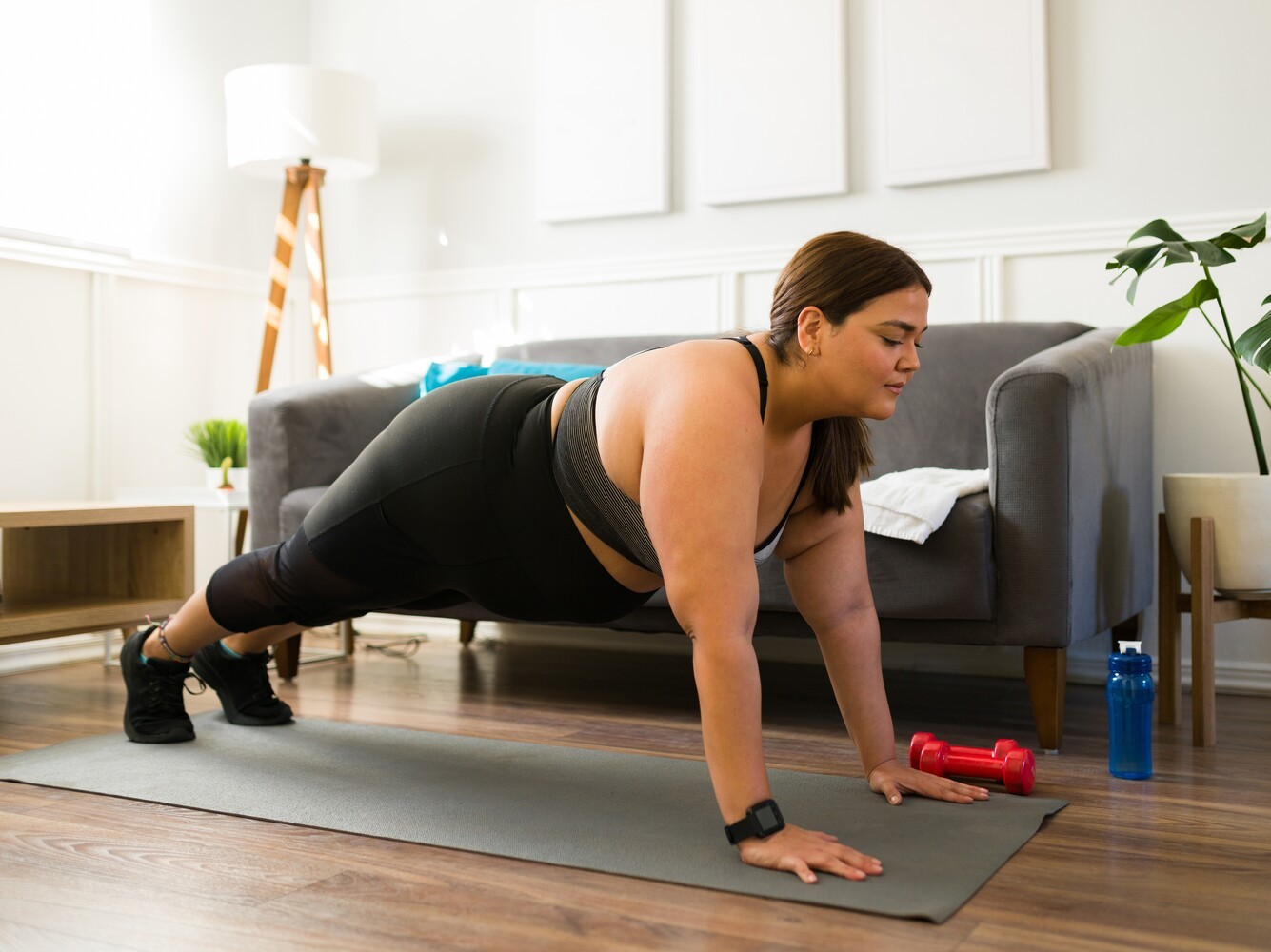
Day 5: Upper Body and Core Strength
Today you’ll target the upper body and core. Choose pushing movements like chest presses or pushups and pulling movements like rows or pulldowns.
Add shoulder work, such as overhead presses or lateral raises, if they feel good for your joints. Include a few core exercises at the end, such as plank variations or slow mountain climbers. Aim for two or three sets of each exercise, staying mindful of form.
Finish with a short walk or a few minutes of stretching for your chest and upper back. This day improves posture, strength, and everyday functional movement.
Day 6: Low Intensity Cardio or Long Walk
Day 6 focuses on gentle, longer movement that supports fat burning and blood sugar balance. Choose a 40 to 60 minute walk, light hike, or easy cycling session.
Keep the intensity low enough that you can chat or listen to a podcast comfortably. If needed, you can split it into two shorter walks, such as morning and evening.
This day is about accumulating steps and time on your feet. It helps support insulin sensitivity, mood, and digestion while feeling very approachable.
Day 7: Rest or Very Light Movement
Day 7 is your recovery anchor. Your body needs time to repair muscle and reset hormone and nervous system activity. Choose full rest or very light movement like gentle stretching, an easy walk around the block, or a few minutes of mobility work.
Pay attention to how your body feels and let that guide your choice. Use this day to focus on sleep, hydration, and relaxation. A true rest day often makes the next week’s workouts feel better, more effective, and easier to stick with long-term.
Medications That Can Support PCOS Weight Loss
Some people with PCOS benefit from medication as part of a broader treatment plan. These options aren’t instant fixes, but they can make weight loss and symptom management more achievable when insulin resistance or hormone imbalance plays a major role.
For a personalized approach, connect with a Registered Women’s Health Dietitian through Berry Street and get a plan that fits your body.
Metformin
Metformin is one of the most common medications used in PCOS because it helps improve how the body responds to insulin. When insulin sensitivity improves, blood sugar tends to stabilize, and cravings often become easier to manage.
Some people notice modest weight loss on metformin, while others simply feel more in control of their appetite and energy. It can also support more regular ovulation in some cases, which is helpful for those trying to conceive.
Metformin pairs best with nutrition changes that emphasize protein, fiber, and steady meals. Together, they create a more responsive metabolic environment.
GLP-1 Medications
GLP-1 medications affect appetite, fullness, and insulin in ways that can be helpful for PCOS. They work by slowing stomach emptying and increasing satiety signals, which often leads to fewer cravings and steadier blood sugar.
Many people feel more in control of their eating because hunger feels gentler and easier to manage. These medications can be valuable for individuals with significant insulin resistance or those who’ve struggled with long-term metabolic challenges.
They do require medical oversight because they’re expensive and not safe during pregnancy or when trying to conceive. For the best results, they should be paired with support from a Registered GLP-1 Dietitian who understands PCOS physiology.
Spironolactone
Spironolactone is often prescribed to manage androgen-driven symptoms like acne, oily skin, and unwanted hair growth. These symptoms can take a toll on confidence and comfort, so improvement can feel meaningful even without weight changes.
Spironolactone works by blocking androgen receptors, which helps reduce breakouts and slow excess hair growth over time. It doesn’t influence metabolism or insulin resistance, so it’s not considered a weight loss medication.
Many people use it alongside nutrition, movement, or other metabolic treatments to address the full picture of PCOS symptoms. Its main value is helping you feel more comfortable in your skin while you work on the root causes.
How to Decide If Medication Is Right for You
Choosing medication for PCOS is a personal decision, and it works best when it’s based on your symptoms, your goals, and your medical history. These factors can help you understand when it might be appropriate to consider adding medication to your plan.
For a personalized approach, connect with a Registered Women’s Health Dietitian through Berry Street and get a plan that fits your goals and lifestyle. After you get your blood work done. Registered dieitian can help you with a more personalised approach!
1. Your Progress Is Stalling
If you’ve been consistent with balanced meals, movement, sleep, and stress management but still experience intense cravings, irregular cycles, or constant fatigue, medication might be worth discussing. Some bodies need additional metabolic support to respond to lifestyle changes.
This doesn’t mean your efforts failed. It simply means your physiology may require extra help. When medication supports your foundation rather than replaces it, many people experience smoother progress and less frustration.
2. Significant Insulin Resistance
Severe insulin resistance can make weight loss extremely difficult, even when changes are consistent. Signs may include extreme hunger between meals, elevated fasting insulin, prediabetes, or difficulty losing weight despite careful planning.
In these cases, medication that improves insulin sensitivity can help your body respond more predictably to nutrition and movement. Better insulin control often leads to steadier energy and fewer cravings. This creates a more level playing field so lifestyle changes can actually work the way they’re meant to.
3. Fertility Goals or Cycle Regulation
For some people, irregular ovulation or consistently long cycles can make conception difficult or unpredictable. When PCOS symptoms, such as high insulin or elevated androgens, are contributing to fertility struggles, medication can sometimes support more regular ovulation.
Even small improvements in metabolic markers can help restore cycle patterns. This can make fertility planning easier and reduce the stress of not knowing when ovulation will occur. Medication is one tool among many, but it can make a noticeable difference in specific situations.
Already had kids and are struggling to lose weight afterwards? Check out our guide on postpartum weight loss.
4. High Long-Term Health Risks
If labs show rising cholesterol, worsening A1C, high fasting glucose, or a strong family history of diabetes or cardiovascular disease, medication may help protect long-term health. PCOS already increases risk in these areas, so early intervention can be valuable.
Medication can help stabilize markers while you continue building sustainable habits. This combination often leads to better outcomes than relying on lifestyle or medication alone. It’s a proactive step for people whose labs suggest increased risk over time.
Supplements and Vitamins for PCOS Weight Loss
Supplements can play a supportive role in PCOS, especially when specific symptoms or lab markers suggest a targeted need. They work best when paired with nutrition, movement, stress support, and consistent routines.
If you want support that’s tailored to your body and your lifestyle, connect with a Registered Dietitian covered by insurance at Berry Street to get started.
1. Inositol (Myo-Inositol and D-Chiro-Inositol)
Inositol blends are among the most researched supplements for PCOS because they support how the body uses insulin. When insulin sensitivity improves, many people notice steadier energy, fewer cravings, and more predictable cycles.
Some individuals also experience improved ovulation and fertility since inositol can influence hormone signaling in the ovaries. For a portion of people, weight loss becomes more achievable as metabolic markers shift.
Most blends combine myo-inositol and D-chiro-inositol in a ratio that mimics what the body uses naturally. It’s a gentle option that many tolerate well and find helpful.
2. NAC
NAC, or N-acetylcysteine, is an antioxidant that supports inflammation, oxidative stress, and insulin sensitivity. These areas are often disrupted in PCOS, which is why NAC is frequently considered.
Some small studies suggest benefits for menstrual regularity and metabolic markers, including improvements in fasting insulin. NAC also supports liver health, which matters for individuals with fatty liver tendencies.
Many people find it helpful alongside lifestyle changes because it works on several underlying processes at once. It’s generally well tolerated, though it’s still important to discuss dosing with a clinician.
3. L-Carnitine
L-carnitine helps transport fatty acids into cells so they can be used for energy. This process plays a meaningful role in metabolism, which is why L-carnitine has been studied in PCOS.
Some research shows improvements in fat oxidation, body composition, and energy levels when it’s combined with consistent nutrition and movement. People who feel sluggish or have trouble with endurance sometimes notice benefits here.
While it’s not a magic solution, L-carnitine can support metabolic efficiency and complement strength training or cardio routines. It’s most effective when part of a broader plan.
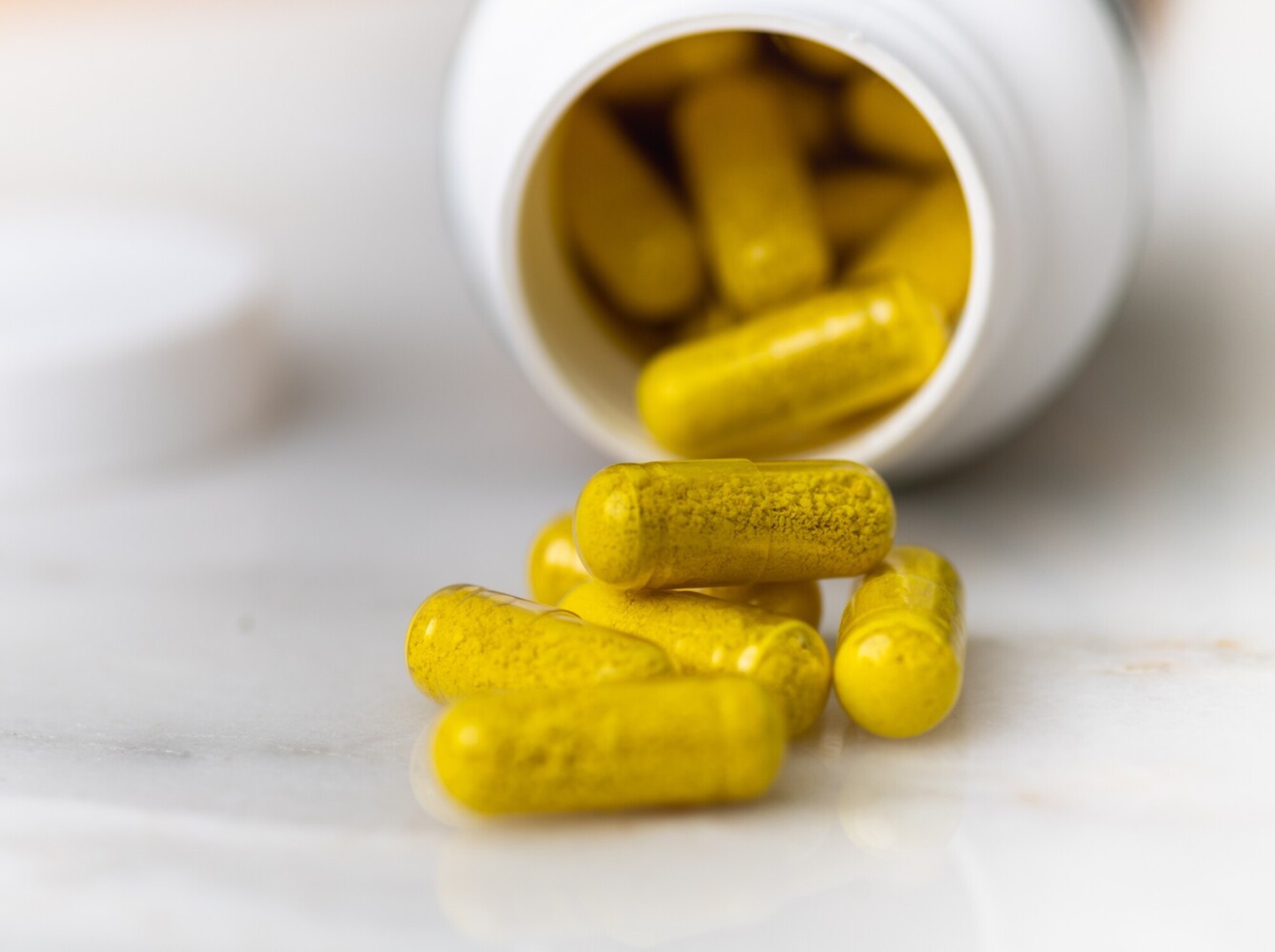
4. Berberine
Berberine is a plant compound well known for its strong effects on blood sugar and insulin. In some studies, its impact on metabolic markers has been similar to metformin, which is why it often comes up in PCOS discussions. Many people notice improvements in digestion, cravings, and fasting glucose.
Berberine may also support weight loss for individuals with insulin resistance, especially when paired with balanced meals. Because it affects blood sugar so directly, it’s important to work with a clinician when using it. Quality and sourcing matter too.
5. Vitamin D
Vitamin D deficiency is extremely common in people with PCOS and can worsen both metabolic and hormonal symptoms. Low levels are linked to fatigue, inflammation, and poorer insulin sensitivity. Correcting a deficiency with supplementation can support immune health and may positively influence menstrual regularity and overall energy.
Since needs vary widely, it’s best to test your levels and supplement under professional guidance. Many people feel a noticeable improvement once their levels reach an optimal range. It’s a simple but important part of PCOS care.
What Supplements Cannot Do
Supplements can be helpful, but they can’t replace the core habits that make the biggest difference for PCOS. Balanced meals, consistent movement, good sleep, and stress support create most of the progress people see.
Supplements are optional add-ons that work best when the foundation is already steady. They can’t correct blood sugar swings caused by irregular eating, and they can’t override the effects of chronic stress or very low sleep.
Think of them as supportive tools rather than standalone solutions. When used intentionally on top of a solid routine, they can enhance results and make symptoms easier to manage.
How to Choose Safe PCOS Supplements
Supplements can be helpful, but choosing the right ones takes some intention. For a personalized approach, connect with a Registered Women’s Health Dietitian through Berry Street and get a plan that fits your goals and lifestyle.
These factors can guide you toward options that support your health rather than complicate it:
1. Look for Third-Party Testing
Quality matters because supplements aren’t regulated as tightly as medications. Choosing products that are third-party tested ensures you’re getting what the label promises without unwanted ingredients.
Look for seals from NSF, USP, or Informed Choice. These certifications help confirm purity, potency, and safety. Third-party testing also reduces the risk of contaminants or inaccurate dosing, which is especially important when managing PCOS.
A high-quality product may cost more, but it supports your long-term health and keeps your supplement routine grounded in safety.

2. Avoid Products With Exaggerated Claims
Supplements that promise dramatic fat loss or overnight hormonal fixes are almost always misleading. PCOS is complex, and no pill can resolve insulin resistance or irregular cycles immediately.
Be especially cautious with “fat burner” blends that combine stimulants like caffeine, yohimbe, or synephrine. These can raise heart rate, worsen anxiety, and cause blood pressure spikes. When a product sounds too good to be true, it usually is.
Focus instead on supplements with research behind them, such as inositol or vitamin D, and choose brands that communicate clearly instead of making flashy promises.
3. Consider Your Medications and Health Conditions
Supplements can interact with medications or preexisting conditions, so it’s important to look at the full picture. For example, berberine can interact with certain blood sugar medications, and high-dose NAC may not be appropriate for people with specific liver concerns.
Fertility goals also matter because some supplements aren’t recommended while trying to conceive. Reviewing your health history ensures you don’t accidentally choose something that conflicts with your needs. A safe supplement routine should complement your medical care, not interfere with it.
4. Review Your Plan With a Qualified Professional
Working with a clinician or Registered Dietitian who understands PCOS can help you choose supplements that match your symptoms and goals. A professional can review your labs, explain which supplements have evidence, and identify unnecessary or risky options.
This prevents you from spending money on products that won’t help or could cause side effects. It also ensures your supplement routine aligns with your nutrition, medication, and lifestyle plan. Having expert guidance often brings clarity to a confusing market and helps you feel confident in your choices.

Can Birth Control Help You Lose Weight With PCOS?
In general, birth control does not cause weight loss in PCOS. Most forms of birth control are prescribed to regulate menstrual cycles, reduce androgen symptoms, and protect the uterine lining, not to change metabolism.
Some people notice changes in fluid retention or appetite, but birth control is not a weight management tool. If weight loss is your primary goal, you will still need to focus on nutrition, movement, and insulin resistance.
For a personalized approach, connect with a Registered Women’s Health Dietitian through Berry Street and get a plan that fits your goals and lifestyle.
How Birth Control Pills and Devices Work in PCOS
Birth control pills and some devices work by adjusting hormone levels to create regular withdrawal bleeds, reduce ovulation, and lower androgen-driven symptoms like acne and hair growth. They are very helpful for cycle regulation and endometrial protection.
However, they do not address the underlying metabolic issues in PCOS, such as insulin resistance or chronic inflammation. Those still need to be addressed with lifestyle and, in some cases, other medications.
Choosing Birth Control When Weight Is a Concern
When you choose birth control, it is important to consider your personal risk factors, your symptoms, your fertility plans, and how you feel about different methods. Some people notice more appetite changes or fluid shifts on certain pills or devices.
A conversation with your clinician can help weigh the benefits and side effects of each option, and you can consider trial periods to see how your body responds. There is no single “best” method for every person with PCOS.

When Is Weight Loss Surgery Considered for Weight Loss With PCOS?
Weight loss surgery, or bariatric surgery, is considered for people with severe obesity, usually when BMI is above a certain threshold, and there are related health conditions like diabetes, sleep apnea, or high blood pressure. It’s typically considered only after structured lifestyle, nutrition, and medication approaches have been tried.
For people with PCOS and severe insulin resistance, surgery can be particularly helpful because it often leads to major improvements in metabolic health. However, it is a serious medical decision that requires careful screening and long-term follow-up.
If you want support that’s tailored to your body and your lifestyle, connect with a Registered Dietitian covered by insurance at Berry Street to get started.
How Bariatric Surgery Affects PCOS Symptoms
Bariatric surgery can create meaningful changes in how the body handles insulin, hormones, and metabolism, which is why many people with PCOS notice improvements afterward.
As weight and insulin levels begin to shift, cycles often become more regular, androgen symptoms may lessen, and energy can feel more stable. Blood sugar, blood pressure, and cholesterol also tend to improve, which supports long-term metabolic health.
For individuals hoping to conceive, restored ovulation may create new possibilities. Even for those not pursuing pregnancy, these hormonal and metabolic changes can make day-to-day symptom management much easier.
Potential Benefits of Bariatric Surgery for PCOS
Bariatric surgery can create meaningful changes for people whose PCOS symptoms are strongly tied to metabolic health. These shifts often happen gradually, and they can make everyday life feel more predictable and manageable.
1. More Regular Menstrual Cycles and Improved Fertility
Cycle irregularity is common in PCOS, especially when insulin resistance or high androgens are involved. After bariatric surgery, many people see their cycles become more predictable as metabolic markers improve.
More regular ovulation can make fertility planning clearer and reduce the stress of not knowing when or if ovulation will occur. For individuals hoping to conceive, this can open a door that previously felt closed. Even for those not trying to get pregnant, predictable cycles often bring relief and a sense of stability.

2. Improved Insulin Resistance
Many people experience a significant improvement in insulin resistance after bariatric surgery. When the body becomes more responsive to insulin, cravings often decrease, energy becomes steadier, and weight loss feels more achievable. Lower insulin levels can also support clearer thinking and fewer afternoon crashes.
These shifts tend to happen early and provide a strong foundation for long-term progress. Better insulin control often influences other PCOS symptoms as well, which is why this benefit is so impactful.
3. Reduced Androgen Symptoms
Symptoms like acne, unwanted hair growth, and oily skin can be deeply frustrating and affect confidence. As insulin levels improve after surgery, androgen levels often decrease, which can lessen these symptoms.
Changes may take a few months, but many people notice clearer skin and slower hair growth over time. These shifts can make daily routines feel easier and reduce the emotional strain tied to visible symptoms. While results vary, the improvements can be meaningful and long-lasting.
4. Better Metabolic Health and Lower Long-Term Risk
Bariatric surgery often leads to improvements in blood sugar, blood pressure, cholesterol, and triglycerides. These markers are important because PCOS increases long-term risks for diabetes and cardiovascular disease.
When metabolic health shifts in the right direction, people often feel more energetic and confident about their long-term wellbeing. These improvements also support weight stability and hormone balance. For many, this change creates a sense of momentum toward healthier daily habits and more predictable health outcomes.
Risks of Bariatric Surgery for PCOS
Bariatric surgery can be a helpful tool, but it also comes with responsibilities and potential complications. Understanding the risks helps you make a well-informed decision and prepare for the support you’ll need afterward.
1. Surgical and Medical Complications
Like any major procedure, bariatric surgery carries risks such as infection, bleeding, or issues with anesthesia. Some people also experience complications related to the surgical site or digestive system as their body adjusts.
These risks vary based on the type of surgery, your health history, and how well you follow recovery guidelines.
Most individuals do well with proper medical care, but it’s important to know that surgery isn’t a simple shortcut. A strong partnership with your surgical team helps you minimize complications and recover safely.
2. Nutrient Deficiencies and Lifelong Supplementation
Bariatric surgery changes how your body absorbs nutrients, which increases the risk of deficiencies in vitamins and minerals like B12, iron, calcium, and vitamin D. This means you’ll need daily supplements and routine lab monitoring for life.
Skipping supplementation can lead to fatigue, hair thinning, anemia, or bone health issues. People often underestimate how important this ongoing maintenance is.
With consistent supplementation and follow-up, most can prevent deficiencies and feel well. It simply requires long-term commitment and awareness.
3. Emotional and Psychological Adjustments
Rapid physical changes can create emotional challenges. Some people feel overwhelmed by a body that looks and responds differently, while others struggle with losing food as a coping tool. This can bring up anxiety, grief, or old patterns that resurface under stress.
Support from a therapist, support group, or behavioral health professional can make a big difference. Preparing for these shifts ahead of time helps you navigate them with confidence. Bariatric surgery affects both body and mindset, and acknowledging that reality leads to better long-term outcomes.
4. Changes in Digestion and Food Tolerance
After bariatric surgery, many people notice changes in how their body tolerates certain foods. High sugar foods may cause nausea or lightheadedness, and larger portions can feel uncomfortable because the stomach adapts to smaller volumes.
Some individuals experience symptoms like dumping syndrome, which creates rapid shifts in digestion. These reactions can be surprising and sometimes emotionally challenging, especially if comfort foods were part of past coping patterns.
Over time, most people learn which foods feel best and how to pace meals. Support from a Registered Dietitian helps ease the adjustment.
5. Weight Regain Without Long-Term Support
While bariatric surgery can create meaningful weight loss, it doesn’t guarantee permanent results without ongoing support. Some people regain weight if old habits return, stress levels rise, or nutrition and movement patterns fade.
Metabolism also adapts over time, which means long-term strategies matter just as much as early results. This can feel discouraging without the right guidance.
Regular follow-up with a surgical team, therapist, or Registered Dietitian helps maintain progress and rebuild routines when life gets busy. Long-term support is key to keeping improvements stable and sustainable.
PCOS Weight Loss When You Have Other Conditions
PCOS rarely exists in isolation, and many people manage additional health concerns that influence metabolism, hormones, and energy. These conditions can change how your body responds to food, movement, and medication, so your plan needs to reflect the full picture.
If you want support that’s tailored to your body and your lifestyle, connect with a Registered Dietitian covered by insurance at Berry Street to get started.
1. Insulin Resistance, Prediabetes, or Type 2 Diabetes
When PCOS overlaps with insulin-related conditions, blood sugar stability becomes the central priority because it affects nearly every symptom. Low glycemic meals, high fiber foods, and predictable eating times help reduce glucose spikes and improve energy.
Many people benefit from pairing proteins and fats with carbohydrates so digestion slows and insulin release stays steadier. Medication is sometimes more strongly indicated in this group, especially metformin or GLP-1 medications.
These tools can make nutrition and exercise changes feel more effective and easier to maintain. Working with a Registered Prediabetes Dietitian or Diabetes Dietitian can help tailor your approach, including when to monitor blood sugar and how to adjust meals based on your readings.

2. Thyroid Issues
Thyroid conditions like hypothyroidism and Hashimoto’s disease can make weight loss far more difficult because they influence metabolism, temperature regulation, and energy production.
If you have PCOS and persistent fatigue, unexplained weight changes, constipation, or hair thinning, it’s worth testing thyroid markers, including TSH, free T4, and sometimes free T3.
Treatment can dramatically improve how you feel and how your body responds to lifestyle changes. Nutrition also plays a role, especially when addressing inflammation or supporting regular digestion. Many people need adjustments to exercise intensity while thyroid levels stabilize.
A Registered Thyroid Dietitian can help you sort through nutrient needs, symptom patterns, and realistic meal strategies that support both thyroid function and PCOS.
3. Endometriosis
When PCOS coexists with endometriosis, the combination of hormonal changes and chronic pain can make weight loss feel unpredictable. Pain flares can limit movement and influence appetite, especially when fatigue or nausea disrupts eating patterns.
Anti-inflammatory nutrition and gentle movement, such as walking or yoga, often feel more manageable on difficult days. On more stable days, you can incorporate strength training or slightly longer walks to support insulin sensitivity. Pacing is essential because pushing too hard can trigger setbacks.
A nutrition professional or Registered Dietitian familiar with endometriosis can help you identify which food and lifestyle shifts support you during flares versus stable periods, giving your plan more flexibility and resilience.

4. Lupus
Managing PCOS alongside lupus means balancing the needs of both an autoimmune condition and a metabolic hormonal condition.
Flares, medications, and fatigue can influence appetite, exercise tolerance, and inflammation levels. Joint pain may limit high-intensity workouts, so many people rely on gentle strength training, walking, or mobility work to maintain muscle.
An anti-inflammatory eating pattern that emphasizes colorful produce, omega-3 fats, and antioxidant-rich foods can help regulate symptoms while also supporting blood sugar balance. Some days will require rest, and flexibility is essential.
A Registered Autoimmune Dietitian can help you navigate nutrition through flares, medication changes, and fatigue without losing sight of your PCOS goals.
5. Perimenopause and Menopause
During perimenopause and menopause, declining estrogen can worsen insulin resistance and shift fat storage toward the abdomen. When combined with PCOS, these changes may feel even more noticeable, and menopause weight loss can become even more difficult.
Strength training becomes crucial because it helps preserve muscle, support bone health, and maintain metabolic rate. Higher protein intake also becomes important to counter age-related muscle loss.
Blood sugar-friendly meals, consistent movement, and stress management remain foundational. Many people find that shorter, more frequent workouts feel easier to sustain than long, intense sessions.

Lifestyle Factors That Can Affect PCOS Weight Loss
Lifestyle habits have a powerful influence on how your body responds to PCOS. These factors shape your hormones, hunger cues, and daily energy, so addressing them can make weight loss feel more realistic and less exhausting.
Stress and Cortisol
Stress affects the body in ways that are easy to overlook. When cortisol stays high, blood sugar tends to rise, and cravings often feel stronger than usual. This can make it harder to stick to a balanced eating routine, especially during chaotic weeks.
Gentle stress reduction practices like walking, deep breathing, journaling, or spending time outside can help your body settle back into a calmer rhythm.
Even ten minutes of intentional relaxation can take the edge off. You do not need a stress-free life to see progress, but you do need routines that help your system recover throughout the week.
Sleep Quality
Sleep has a bigger impact on PCOS than most people realize. Short or inconsistent sleep can worsen insulin resistance and disrupt hormones that control appetite. This often leads to cravings for quick energy foods like sweets or refined carbs, along with lower motivation for movement.
Improving sleep is one of the most effective ways to support PCOS, and it often creates progress even before major diet changes.
A consistent sleep schedule, dim lights in the evening, and a calm bedtime routine can help you fall asleep more easily. Creating a cool, quiet sleep environment also supports deeper rest and steadier energy the next day.

Emotional Eating, Body Image, and Support
PCOS can change how you feel in your body, and that emotional weight is just as real as the physical symptoms. Many people turn to food for comfort when frustration, sadness, or stress builds, especially after years of feeling unheard or misunderstood.
Emotional eating is common, but it can feel discouraging when you are trying to make progress. Working with a therapist, Registered Emotional Eating Dietitian, or PCOS coach can help you build new coping tools and understand your patterns with compassion.
Support can come from many places, including online communities, group programs, or close friends. Feeling understood often makes change more manageable.
How to Build a PCOS Weight Loss Plan That Works in Real Life
A PCOS weight loss plan works best when it reflects how your life actually looks, not an idealized version of it. These steps help you create a structure that’s flexible, realistic, and sustainable:
Step 1: Set Realistic Goals and Timelines
Setting realistic goals protects your motivation and makes PCOS weight loss feel less like an emergency. When you give yourself room to change slowly, your body can actually catch up. PCOS progress often looks like half a pound a week, or even slower at first, as insulin and hormones begin to calm down.
Trying to force faster loss usually leads to restriction, rebound eating, and burnout. Instead, choose goals that focus on behaviors you can control, such as cooking at home four nights a week or walking most days. Then pair those with gentle scale or measurement targets over several months. This approach respects both your biology and your real life.

Step 2: Create Your Personal PCOS Weight Loss Blueprint
Your personal blueprint is the big picture view of how all your habits work together. It keeps you from chasing random tips that do not fit your life.
Start with blood sugar-friendly meals, strength training a few times per week, light to moderate cardio, and daily movement like walking or stretching. Add sleep routines, stress tools, and any medications or supplements your provider recommends.
Every four to six weeks, check in with yourself. How are your cycles, cravings, mood, digestion, and labs responding? Write down patterns so they are easier to see over time. Use that information to tweak meals, workouts, or recovery instead of starting over. A flexible blueprint gives you direction without feeling trapped.
Step 3: Add Structure Without Becoming Overly Rigid
Structure gives your brain fewer decisions to make when you are busy or tired. That matters a lot with PCOS, when willpower already feels stretched.
Simple anchors like a loose meal schedule, a short list of go-to breakfasts, or planned training days can keep your week from unraveling. You might decide lunch is always some combination of leftovers, salad, and an easy protein. Snacks could always pair a protein and a carb, such as yogurt with fruit.
This kind of structure reduces chaos without eliminating flexibility. You still have choices, but within a supportive framework that nudges you toward consistency. Over time, these little routines start to feel automatic and far less effortful.
Step 4: Prioritize Recovery as Much as Effort
Recovery is where your body actually adapts to all the work you are doing. Without it, even the best plan feels like a grind.
For PCOS, recovery includes sleep, rest days, hydration, and calming habits that lower stress hormones. It also includes eating enough to fuel your workouts instead of constantly undercutting your energy.
When recovery is low, cravings spike, mood dips, and workouts feel harder than they need to. When recovery is high, strength sessions feel more productive, and walking feels easier to maintain.
Try treating bedtime, rest days, and downtime as non-negotiable appointments on your calendar. Protecting recovery protects your progress in a very real, measurable way.
Step 5: Seek Specialist Help if Necessary
Sometimes progress stalls even when you are eating well, moving regularly, and truly trying. That’s often a sign that something deeper needs attention.
Thyroid disease, severe insulin resistance, sleep apnea, or other hormonal conditions can quietly block weight loss. If you recognize constant exhaustion, strong cravings, very irregular cycles, or confusing lab results, it is worth involving a specialist.
An endocrinologist, a gynecologist, and a Registered Dietitian who understand PCOS can review your history and testing together. They can explain what your numbers actually mean in plain language.
From there, you can decide whether medications, further testing, or specific nutrition changes might help. Expert eyes turn guesswork into a clearer plan.

PCOS Weight Loss FAQs
Why is it so hard to lose weight with PCOS, even when I eat well?
Because PCOS affects insulin, appetite, hormones, and fat storage, your body often holds on to weight more strongly. You may need more targeted strategies than someone without PCOS.
Can I lose weight with PCOS in 1 month?
You can start to see changes in energy, cravings, and how your clothes fit in one month, but large amounts of weight loss are unlikely and not healthy to aim for. Focus on building habits that you can keep.
What is the fastest healthy way to lose weight with PCOS?
The fastest safe way is still gradual. Combine a small calorie deficit, blood sugar-balanced meals, strength training, daily movement, sleep, and stress support. Slow and steady wins for hormone health.
Do I need a special “PCOS weight loss pill” to see results?
No. There is no magic pill. Some medications can support insulin and appetite, but lifestyle changes are still the foundation.
Which supplements are worth trying first for PCOS weight loss?
If appropriate for you, inositol, NAC, L-carnitine, and vitamin D, especially if you are deficient, are commonly used options. Berberine may also help with insulin resistance. Always check with your provider before starting supplements.
Is intermittent fasting safe if I have PCOS and struggle with bingeing?
Intermittent fasting is not a good fit if you struggle with bingeing. Longer periods without eating can increase the risk of overeating later and may increase stress. A more regular eating pattern is safer.
Can birth control, Mirena, or a hysterectomy alone make me lose weight?
These treatments can help with symptoms like heavy bleeding or pain, but they do not directly cause weight loss or fix insulin resistance. Weight changes still require nutrition, movement, and metabolic support.
Do I need a PCOS-specific weight loss program, or can I do this myself?
You can absolutely make progress on your own with good information and consistency. A structured PCOS program or working with a specialist can help if you feel stuck, overwhelmed, or unsure what to do next.
Conclusion
Losing weight with PCOS works best when the focus shifts to blood sugar balance, hormone support, strength training, sustainable routines, and realistic expectations.
Progress often begins with small changes that improve energy, cravings, cycles, and mood, which then create space for steady fat loss. Medications, supplements, and personalized meal planning can support the process when used thoughtfully, especially when insulin resistance plays a major role.
With the right tools and guidance, PCOS becomes far less overwhelming, and your goals feel more achievable. If you want support that’s tailored to your body and your lifestyle, connect with a Registered Dietitian covered by insurance at Berry Street to get started.