Postpartum weight loss is one of the most common concerns we hear from new parents. You may feel eager to feel more like yourself again while also feeling exhausted, overwhelmed, and unsure where to start.
From our experience as Registered Dietitians, postpartum weight loss works best when it’s approached with patience, flexibility, and a clear understanding of what your body is actually doing after birth.
This guide is here to cut through unrealistic expectations and internet noise. We’ll walk you through what’s normal, what affects weight loss, and how to move forward safely while supporting healing, energy, and mental health.

What Really Happens to Your Body After Birth
Your body doesn’t reset the moment your baby is born. Instead, it shifts into a recovery phase that can last months, not days.
During this time, hormones change quickly, tissues heal, and fluid levels adjust. All of this affects weight, body shape, appetite, and energy.
Understanding these changes helps reduce frustration and unrealistic expectations. Early postpartum weight changes are driven more by biology and healing than by eating or exercise habits.
The Immediate Weight You Lose in the First 24-48 Hours
Most people see a noticeable drop on the scale in the first 24 to 48 hours. That number reflects the baby, placenta, and amniotic fluid, plus some of the extra blood volume and fluid your body carried during pregnancy.
Many women lose around 10 to 13 pounds right away, sometimes more. It can feel like momentum, but it’s mainly delivery-related weight. Keep eating regularly and drinking fluids, especially if you’re breastfeeding or recovering from blood loss. Gentle snacks help if nausea lingers.
Why Your Belly Still Looks Pregnant for Weeks
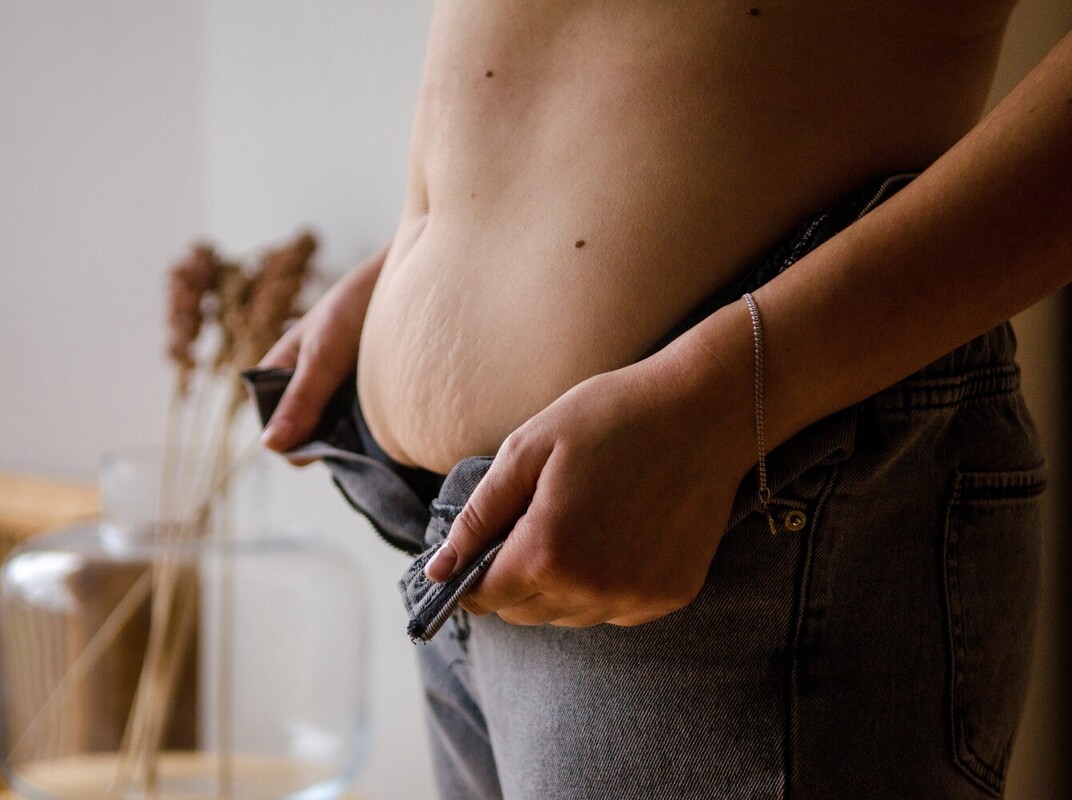
A lingering bump is very common, even if you’ve already lost weight on the scale. Estrogen and progesterone fall quickly after birth, while oxytocin rises with feeding and bonding. Cortisol can climb when sleep is short and stress is high. These shifts affect fluid balance and how your core feels.
Meanwhile, your uterus needs weeks to shrink, and your abdominal muscles may feel stretched or unstable. Support the process with gentle walking, protein at meals, and patience with your timeline. Waistbands can feel different for a while.
The Role of Inflammation and Healing in Early Weight Changes
Inflammation is part of normal healing, and it can show up as puffiness and a higher scale weight. After a vaginal delivery, tissues recover from stretching and small tears. After a C-section, you’re healing from surgery through multiple layers, and swelling around the abdomen can linger.
You may also hold extra fluid in your legs and feet. Prioritize protein, iron-rich foods, and plenty of fluids. Short walks and leg elevation can also help circulation as you recover. Call your clinician if swelling is sudden or one-sided.
What Early Postpartum Weight Fluctuation Is Normally Like
Early postpartum weight can swing up and down for reasons that have nothing to do with fat gain. Fluid shifts, milk coming in, constipation, salt intake, and interrupted sleep can all change what you see day to day.
Some women weigh less one morning and more the next, even with the same food. That’s normal. If you want to track, wait a few weeks and look at weekly trends instead of daily numbers. Pair the scale with how your clothes fit and how energy feels.

How Long Does It Actually Take to Lose Baby Weight?
For most women, postpartum weight loss happens slowly and in phases rather than all at once. Many healthcare organizations note that returning to pre-pregnancy weight often takes six to 12 months, and sometimes longer, depending on recovery, sleep, and feeding demands.
The fastest changes usually occur in the first few months as fluids shift and routines settle. After that, progress often becomes more gradual. Steady loss supported by adequate food, rest, and movement tends to be more sustainable than rapid approaches.
If you want guidance tailored to your recovery, connecting with a Registered Postnatal Dietitian can help you find a more personalized approach.
Average Milestones From the First Month to One Year
Postpartum weight loss tends to follow a loose pattern, though individual experiences vary widely. These milestones offer a general framework to help set expectations without promising a specific outcome or pace.
The First Month
During the first month, most weight changes come from fluid shifts and physical recovery after birth. The uterus is shrinking, hormones are changing rapidly, and swelling is gradually resolving.
Fat loss is usually minimal during this stage, even if the scale drops quickly at first. Appetite can feel unpredictable, especially with sleep disruption or breastfeeding.
In our experience, focusing on regular meals, hydration, and gentle movement supports healing. This month is more about recovery and stabilization than intentional weight loss.
Three to Six Months
Between three and six months postpartum, your routine often feels more settled. Sleep may still be interrupted, but patterns start to form around meals, movement, and feeding schedules.
This is when gentle fat loss often begins for many women. Nutrition habits start to matter more, especially protein intake, meal timing, and consistency.
Light strength training and walking may also feel more accessible. Progress during this phase is usually slow and steady. Small changes, repeated consistently, tend to make the biggest difference.
Six to Twelve Months
From six to twelve months postpartum, weight loss often continues at a gradual pace. Some women reach their pre-pregnancy weight during this window, while others settle into a new, healthy range that feels sustainable.
Activity levels may increase as energy improves and schedules shift. Hormones continue to normalize, especially after weaning.
This phase responds well to realistic goals rather than strict plans. Long-term habits around eating, movement, sleep, and stress management play a larger role than short-term strategies.
What Studies Show About Postpartum Weight Retention
Research consistently shows that retaining some pregnancy weight at one year postpartum is common. Studies suggest only a smaller percentage of women return to their pre-pregnancy weight by three or six months, even with healthy habits.
Ongoing hormonal changes, sleep disruption, and caregiving demands all influence these outcomes. Recovery takes energy, and the body often prioritizes healing and stability over rapid fat loss.
Long-term data also show that gradual changes over the first year tend to be more sustainable than aggressive early weight loss efforts.
What Influences Your Timeline the Most
Postpartum weight loss timelines vary widely because recovery and daily life look different for everyone. A few key factors consistently shape how quickly or slowly weight changes after pregnancy, even when effort feels the same.
If you want guidance tailored to your recovery, connecting with a Registered Postnatal Dietitian can help you find a more personalized approach.
Pre-Pregnancy BMI and Weight Gain
Your starting point before pregnancy and how much weight you gained can influence how long weight loss takes afterward. Higher pregnancy weight gain often means your body needs more time to adjust and release stored energy.
This is especially true if weight gain supported hormonal changes, blood volume, and tissue growth. Weight loss may still happen steadily, but progress can feel slower. Consistent meals, adequate protein, and patience tend to support better outcomes than pushing for rapid changes.
Sleep and Stress
Sleep deprivation can make postpartum weight loss harder because it changes hunger and decision-making. When sleep is short, ghrelin often rises, and you feel hungrier, while fullness signals tend to drop.
Stress can amplify this, especially when cortisol stays elevated. You may find yourself craving quick energy like cookies, crackers, or sugary coffee drinks.
Practical steps help. Keep easy protein snacks available, eat breakfast even if it’s simple, and aim for short rest periods when you can. Even small improvements in sleep and stress can shift appetite noticeably.
Breastfeeding Status
Breastfeeding increases calorie needs and can trigger intense hunger, especially during growth spurts when feeds ramp up. Some women lose weight faster because energy demands are higher, while others retain weight as the body prioritizes milk production and recovery. Both patterns are common.
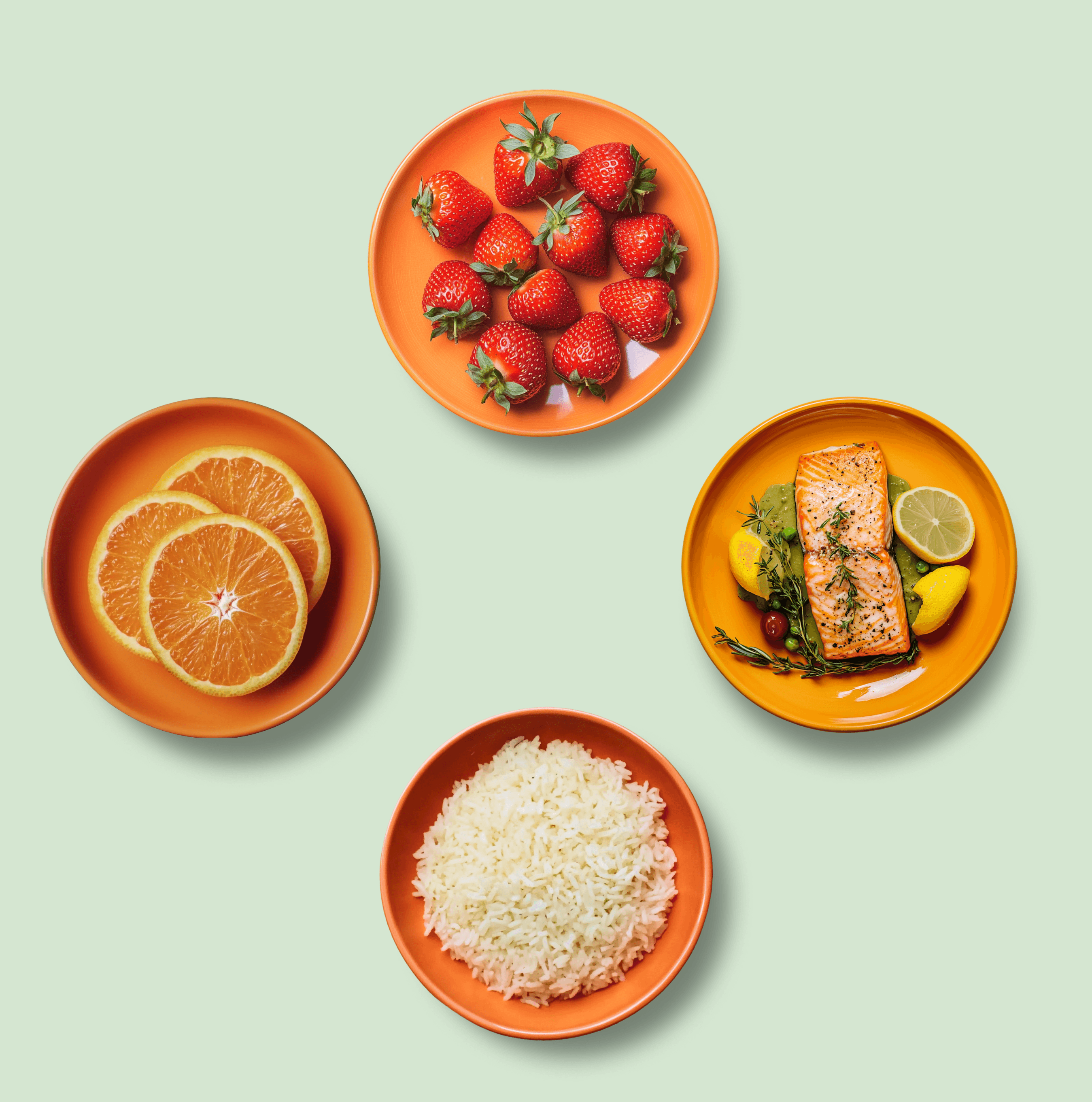
If you’re aiming to lose weight while breastfeeding, under-eating can lead to fatigue, stronger cravings at night, and weaker workout recovery. Try building meals with a clear structure: a protein source, a carbohydrate like oats or rice, and a fat like olive oil or avocado. That mix supports energy and steady fullness.
Daily Activity and Support
Daily activity matters, but postpartum movement depends a lot on time, recovery, and support. A short walk most days, a few gentle strength sessions, or even frequent “on your feet” moments at home can add up over weeks.
Support also changes what’s realistic. When someone can watch the baby so you can eat lunch sitting down or take a 20-minute walk, consistency improves.
If support is limited, aim smaller. Prep simple foods, keep healthy snacks visible, and build movement into routines like stroller walks.
How C-Section Recovery Can Change the Process
Recovery after a C-section places additional demands on the body, which can influence postpartum weight loss timelines. Mobility is often limited at first due to incision healing, abdominal soreness, and fatigue.
Core muscles need more time to reconnect and strengthen safely, which can delay higher-intensity movement. Swelling and inflammation around the abdomen may also linger for weeks.
Weight loss still occurs, but progress is usually slower early on as the body prioritizes tissue repair, energy conservation, and overall recovery.
Why Is Postpartum Weight Loss Often Harder Than Expected?
Many women expect postpartum weight loss to follow the same pattern as weight loss before pregnancy, but the body is in a very different state.
Recovery, hormone shifts, and ongoing caregiving demands all compete for energy. Sleep is often disrupted, stress is higher, and routines are less predictable.
The body also prioritizes healing and, for some, milk production. Together, these factors can slow fat loss even when eating well and staying active. Understanding these differences helps set realistic expectations and reduces unnecessary frustration.
If you want guidance tailored to your recovery, connecting with a Registered Postnatal Dietitian can help you find a more personalized approach.
Hormonal Changes That Affect Metabolism and Fat Storage
After birth, estrogen levels drop sharply, and insulin sensitivity can temporarily change. Some women also experience thyroid fluctuations during the postpartum period. These shifts influence how efficiently the body uses energy and stores fat.
You may notice increased hunger, changes in where weight is carried, or slower progress despite consistent habits. Hormones are working to support healing and overall balance.
Over time, as levels stabilize, metabolism often becomes more responsive to nutrition and activity again.
How Sleep Deprivation Disrupts Hunger and Cravings
Sleep deprivation is one of the biggest challenges postpartum. Short or broken sleep increases ghrelin, the hormone that drives hunger, and lowers leptin, which signals fullness.
As a result, you may feel hungry soon after eating or crave quick energy foods like sweets and refined carbs.
Decision-making also suffers when you’re tired. Simple strategies help, such as eating breakfast, including protein at snacks, and keeping nourishing foods easy to reach during long days and nights.
The Stress-Cortisol Connection and Why It Impacts Weight
Postpartum life brings physical stress from healing and emotional stress from caring for a newborn. Both raise cortisol levels. When cortisol stays elevated, the body may hold onto fat, particularly around the abdomen, and blood sugar regulation can become less efficient.
You might notice stronger cravings during stressful moments. Gentle stress management matters. Short walks, breathing exercises, regular meals, and asking for help when possible can support cortisol balance and make weight changes feel more attainable.
Breastfeeding’s Mixed Impact on Weight Loss
Breastfeeding increases calorie needs and often triggers strong hunger signals. Some women lose weight more easily because of higher energy demands, while others retain weight as the body supports milk production. Both responses are normal.
Eating too little early on is common and can lead to fatigue, intense cravings, and stalled progress later. Regular meals with carbohydrates, protein, and fats help maintain energy and support gradual changes. Appetite often shifts again after weaning.

When a Medical Issue May Be Contributing
Sometimes, postpartum weight challenges are influenced by medical factors. Thyroid dysfunction, anemia, PCOS weight loss struggles, postpartum depression, and certain medications can all affect appetite, energy, and metabolism.
If weight feels stuck despite consistent habits, it’s worth checking in with a medical professional. Nutrition support can also help.
Connecting with a specialty dietitian, such as a Registered PCOS Dietitian, allows for targeted strategies that address underlying conditions while supporting postpartum recovery.
How Much Can You Safely Reduce Calories Postpartum?
Calorie needs stay higher after birth as your body heals and, for many women, produces breast milk. Cutting calories too aggressively can slow recovery, increase fatigue, and affect milk supply.
A small, consistent calorie deficit is usually safer and easier to maintain. This often means focusing on balanced meals rather than strict numbers. Adequate protein, carbohydrates, and fats help support energy and hormone balance.
If you want guidance tailored to your recovery and feeding status, connecting with a Registered Postnatal Dietitian can help you find the right approach.
How to Start Losing Weight After Pregnancy in a Healthy, Sustainable Way
Getting started with postpartum weight loss works best when the focus is on habits that fit your current season of life. These strategies are designed to support recovery, energy, and consistency without adding pressure or complexity.
1. Set Gentle, Achievable Goals That Fit Postpartum Life
Start with goals that reflect your current energy, schedule, and recovery stage. Postpartum life is unpredictable, so flexibility matters. Aiming for slow progress helps protect motivation and mental health.
Many women do well focusing on habits rather than the scale at first. For example, eating breakfast daily or walking three times per week are measurable wins.
Weight often follows once routines feel steadier. Check goals every few weeks and adjust as sleep and demands change. Progress that fits your life is easier to maintain. Small steps compound over time.
2. Build Nutrition Habits That Move the Needle Without Dieting
Build meals around protein, carbohydrates, and fats to support energy and fullness. Eating regularly helps stabilize blood sugar and reduces intense cravings.
Protein at meals supports muscle repair and helps make appetite feel more predictable. Carbohydrates like fruit, oats, or rice provide fuel during long days. Fats from olive oil, nuts, or avocado add staying power.
Skipping meals often backfires by increasing evening hunger. Consistency matters more than perfection. A simple structure makes daily choices easier when you are tired. That matters postpartum, especially during early recovery.
3. Use Everyday Food Swaps That Feel Sustainable
Small food swaps can improve fullness without making meals feel restrictive. Adding Greek yogurt to breakfast boosts protein and calcium. Using beans or lentils in soups and bowls increases fiber. Swapping refined grains for whole grains helps digestion and satiety. Nuts or seeds added to snacks slow digestion and steady energy.
These changes work because they fit into familiar meals. No special products required. Start with one swap at a time. Layer changes as habits stick. Over time, meals naturally feel more balanced. That supports gradual weight loss without added stress.
4. Plan Simple Meals Ahead to Reduce Decision Fatigue
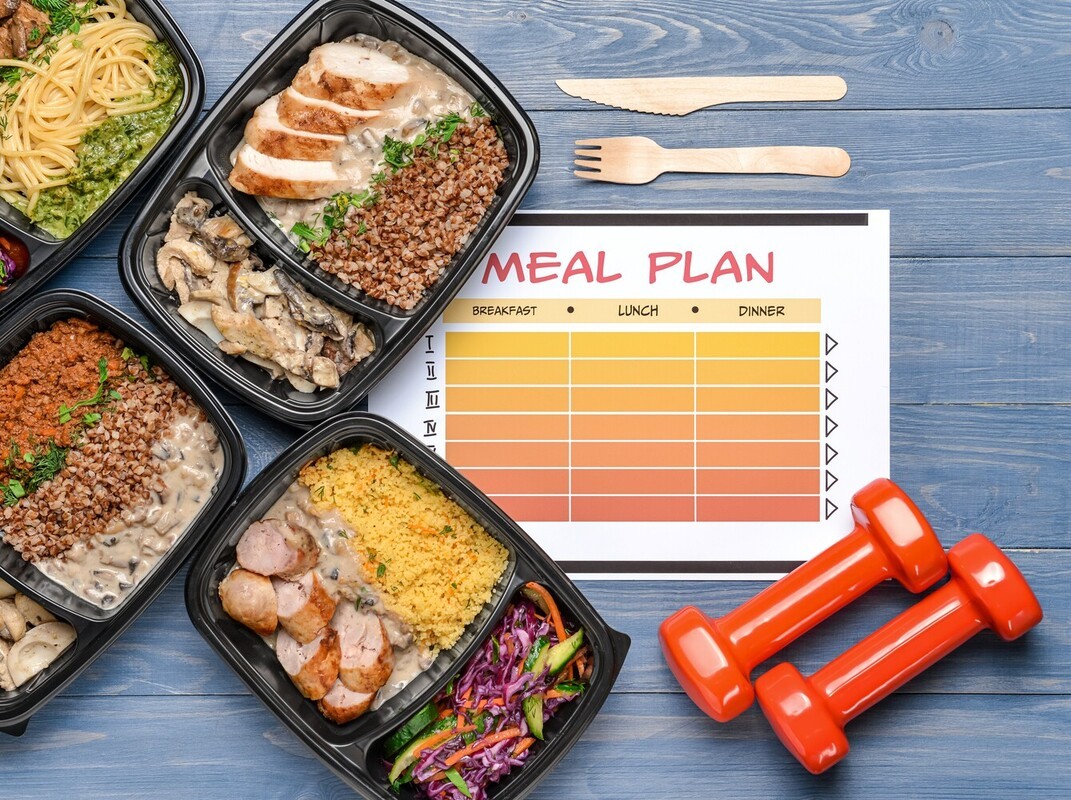
Planning a few simple meals ahead of time reduces daily decision fatigue. Postpartum brains are busy, and fewer choices help consistency. Choose two breakfasts, two lunches, and flexible dinners. Repeating meals saves time and mental energy.
Cook proteins or grains in batches when possible. Keep frozen vegetables and easy carbohydrates on hand. These supports make balanced meals faster to assemble.
Planning doesn’t need to be elaborate. Even a loose structure improves follow-through. Many parents plan during nap time or weekends. Short planning sessions go a long way each week.
5. Prioritize Hydration and Recovery Signals
Hydration supports digestion, energy, and appetite regulation postpartum. Many women confuse thirst with hunger during busy days. Keeping a water bottle nearby helps maintain consistent intake.
Recovery signals also matter. Ongoing exhaustion, dizziness, or constant cravings can signal under-fueling. Honoring hunger supports hormone balance and healing. Rest days are part of progress, not setbacks.
Pay attention to how your body responds to meals and movement. Adjust portions or activity when recovery feels strained. Postpartum needs change quickly. Regular check-ins help you adapt week to week.
A Basic Meal Template That Works for Most Postpartum Days
A simple meal template can make eating feel more manageable when time and energy are limited. The goal is to build meals that support steady blood sugar, fullness, and recovery without requiring detailed tracking.
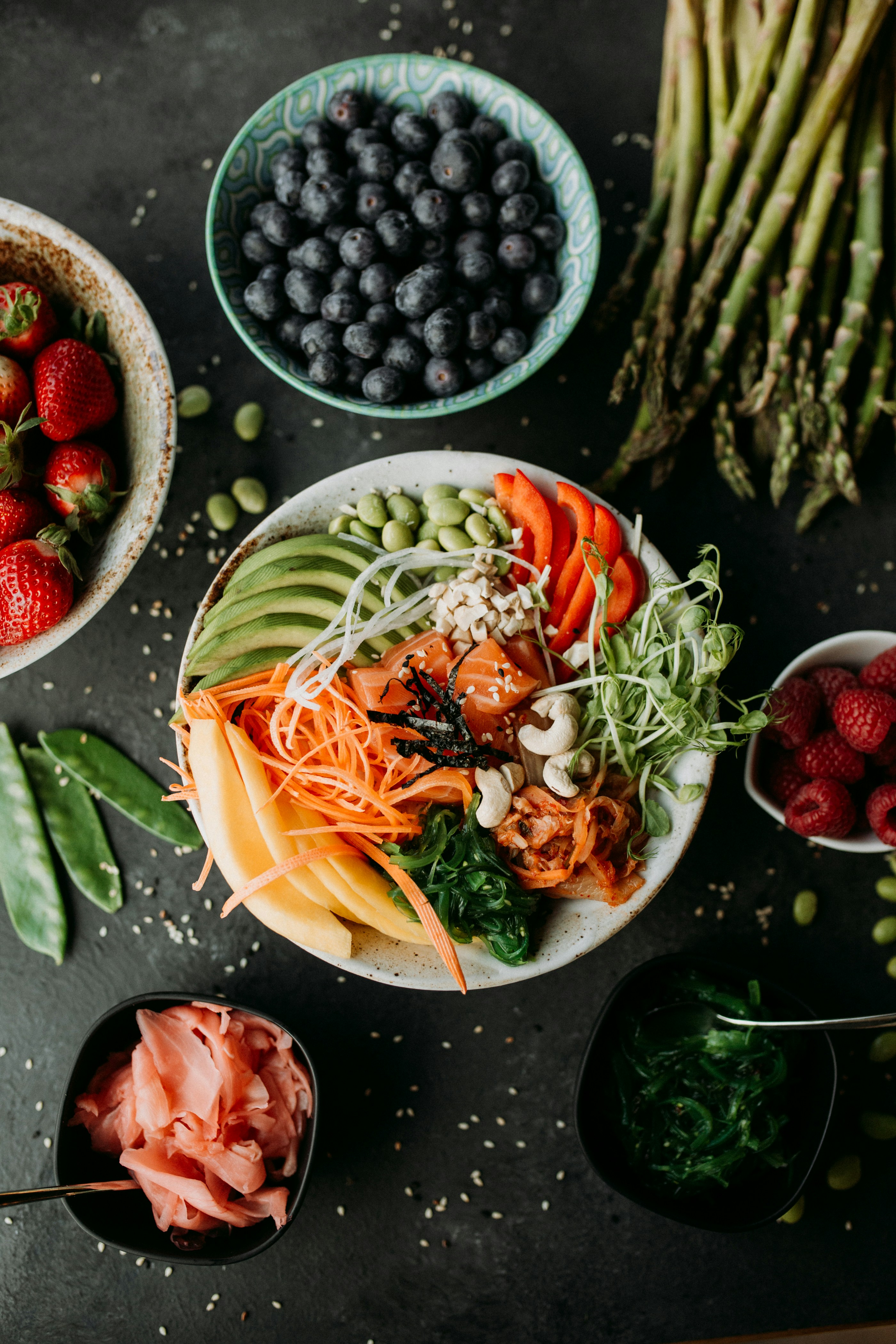
Start by anchoring each meal with protein, then layer in carbohydrates, fats, and produce. This approach keeps meals balanced and adaptable based on appetite. You can mix and match based on what you have available.
Protein: Eggs, chicken, tofu, Greek yogurt
Fiber-rich carbs: Oats, rice, potatoes, beans
Healthy fats: Olive oil, avocado, nuts
Fruits or vegetables: Fresh, frozen, or pre-cut options
Realistic Snack Ideas for High Hunger, Especially While Breastfeeding
Postpartum hunger can feel intense, unpredictable, and urgent, especially during breastfeeding or periods of poor sleep. Snacks that combine protein, carbohydrates, and fats tend to be more satisfying and help prevent constant grazing.
If you want guidance tailored to your recovery, connecting with a Registered Postnatal Dietitian can help you find a more personalized approach.
1. Greek Yogurt With Fruit and Nut Butter
Greek yogurt provides a solid dose of protein, which helps with satiety and supports muscle repair during postpartum recovery. Fruit adds fiber and antioxidants that support digestion and immune health, while nut butter contributes fats that slow digestion and help hunger stay manageable.
To prepare it, add plain Greek yogurt to a bowl, top with fresh or frozen fruit, and stir in a spoonful of nut butter. This snack is quick, customizable, and works well when appetite spikes between meals or feeds.

2. Toast With Avocado and Eggs
Toast whole-grain bread and top it with mashed avocado and a cooked egg. Eggs provide protein that helps stabilize blood sugar, while avocado adds fats that support fullness and satisfaction. The bread supplies carbohydrates that replenish energy, which can be helpful during long mornings or afternoons.
This snack feels substantial and tends to hold you over longer than lighter options. It can be prepared quickly and works well as a mini-meal when hunger feels stronger than expected.
3. Cottage Cheese With Crackers or Fruit
Cottage cheese offers protein and calcium, both important for bone health and satiety postpartum. Crackers and fruit provide carbohydrates that support quick energy when you feel run-down or short on sleep.
To prepare it, portion cottage cheese into a container and pair it with whole-grain crackers on the side or fruit on top. This snack requires no cooking and travels well. It’s especially useful on busy days when you need something filling that’s easy to eat one-handed.
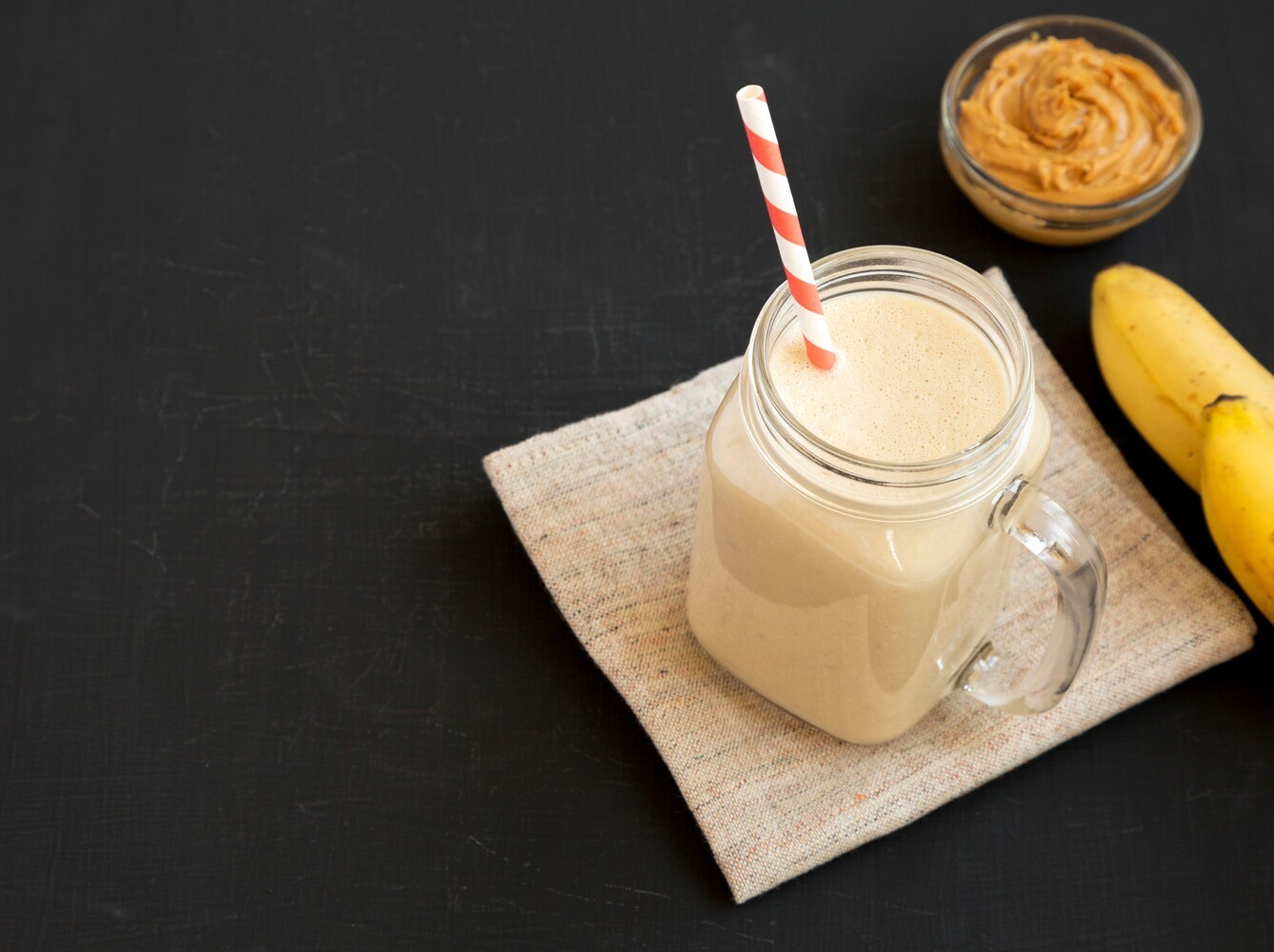
4. Smoothie With Milk, Banana, and Peanut Butter
Smoothies can be helpful when appetite is high, but sitting down to eat feels unrealistic. Blend milk or a milk alternative with a banana and peanut butter until smooth.
Milk contributes protein and carbohydrates, peanut butter adds fats that slow digestion, and bananas provide potassium and quick energy.
This combination supports fullness without feeling heavy. Smoothies are easy to sip during early mornings or evenings and can be adjusted based on what you have available.
Common Postpartum Diet Mistakes That Slow Progress
These common mistakes often slow weight progress, even when intentions are good, and knowing them can help you adjust without adding stress.
1. Skipping Meals
Skipping meals is common postpartum, especially when time disappears or appetite feels inconsistent. Unfortunately, long gaps without food often lead to stronger cravings later in the day. Energy drops, patience wears thin, and portions tend to grow at night.
Skipping meals can also disrupt blood sugar, which makes hunger feel more urgent and harder to manage. Eating something simple and regular helps. Even a quick breakfast or afternoon snack with protein can improve energy, mood, and consistency across the day.
2. Cutting Carbs Too Aggressively
Carbohydrates often get cut first during weight loss attempts, but postpartum bodies usually need them. Carbs provide fuel for daily tasks, recovery, and milk production for those who are breastfeeding.
When intake drops too low, fatigue increases, and workouts feel harder. Cravings often spike as well.
Including carbohydrates like fruit, oats, rice, or potatoes supports energy and helps meals feel satisfying. Balanced portions tend to work better than strict limits during this stage of life.
3. Underestimating Calorie Needs
Many women underestimate how much energy their body needs after birth. Healing, sleep disruption, daily movement, and feeding a baby all require calories.
Chronic under-eating can slow metabolism, increase fatigue, and stall fat loss over time. You may feel hungry all day or experience strong evening cravings.
Supporting weight loss often means eating enough during the day. Regular meals with protein, carbohydrates, and fats help the body feel safe enough to release stored energy gradually.

4. Relying Too Heavily on Snack Foods
Snacks can be helpful postpartum, but relying on them instead of meals can backfire. Many snack foods are low in protein and fiber, which makes hunger return quickly. Grazing all day may also make it harder to notice true hunger and fullness cues.
Over time, this pattern can increase calorie intake without improving satisfaction. Building simple meals first, then using snacks to fill gaps, often leads to steadier energy and better appetite control throughout the day.
5. Ignoring Hydration Needs
Hydration is easy to overlook postpartum, especially during busy days or long nights. Mild dehydration can feel like hunger, leading to extra snacking without relief. Fluids also support digestion, circulation, and milk production for breastfeeding parents.
Waiting until you feel thirsty often means you’re already behind. Keeping water nearby and sipping regularly can improve energy and help appetite cues feel clearer. Hydration supports overall recovery and complements nutrition efforts.
How to Meal Prep When You Have No Time
Meal prep postpartum looks different than it did before kids, and that’s okay. The goal is to make eating easier, not perfect, by reducing daily decisions and prep time while still supporting energy and recovery.
If you want guidance tailored to your recovery, connecting with a Registered Postnatal Dietitian can help you find a more personalized approach.
1. Repeat Breakfasts and Lunches
Repeating breakfasts and lunches cuts down on daily decisions, which is especially helpful postpartum. Choose one breakfast and one lunch you genuinely enjoy and eat them for several days in a row.
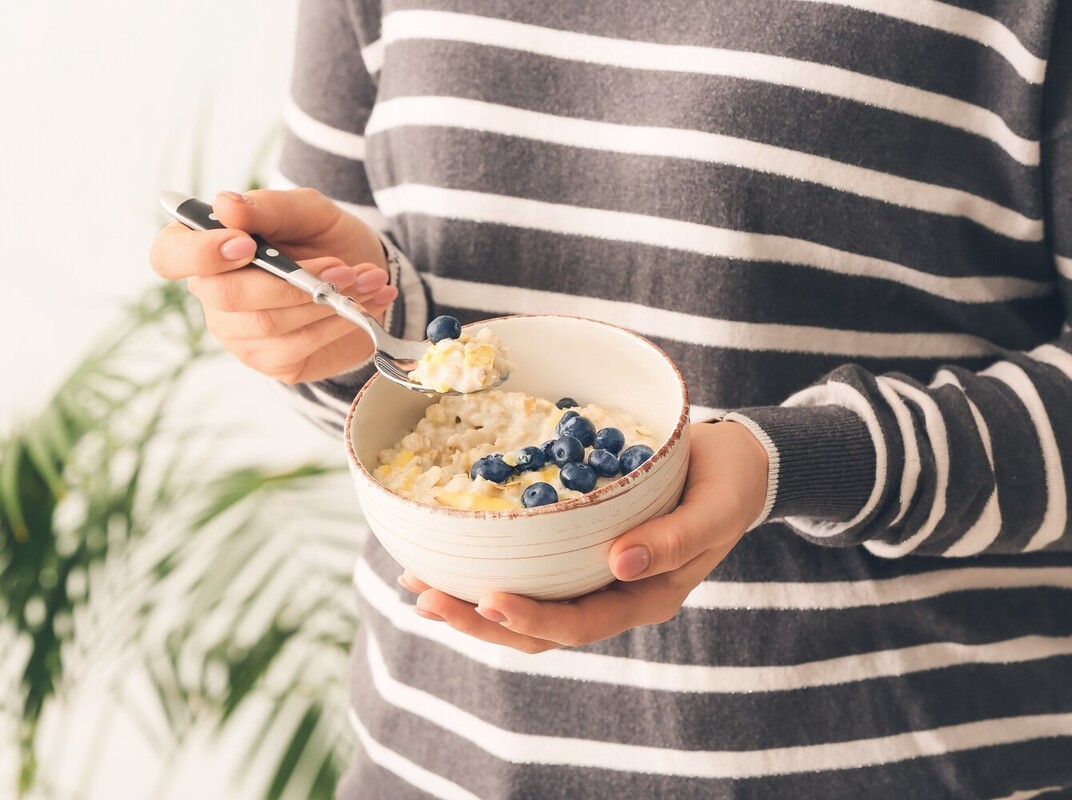
For example, oatmeal with fruit for breakfast and a turkey wrap for lunch. Add small variations like different fruits or sauces to keep things interesting. Repetition saves time, supports consistent intake, and makes grocery shopping easier. If you’re breastfeeding, include an extra carbohydrate or dairy serving to meet higher energy needs.
2. Use Frozen and Pre-Cut Foods
Frozen and pre-cut foods save you from the chopping board when you’re running on fumes. Keep frozen vegetables, frozen berries, and pre-cooked grains in the freezer, plus bagged salad and shredded carrots in the fridge.
Dinner can be a sheet-pan meal in 20 minutes: toss frozen broccoli with olive oil, add salmon or chicken, and roast. You’ll still get fiber, vitamins, and antioxidants, with far less cleanup and fewer abandoned recipes. Look for low-sodium options and rinse canned beans to cut extra salt.
3. Prep Components, Not Full Meals
Prepping components gives you options when your appetite swings day to day. Cook one protein, one carbohydrate, and one veggie base, then mix and match.
For example, bake chicken thighs, simmer quinoa, and roast peppers and onions. On day one, make a bowl with salsa and avocado. On day two, turn the same ingredients into a wrap with spinach.
Portion a few servings into containers so you can build meals in five minutes. Add a quick sauce like Greek yogurt, ranch, or pesto to keep it interesting.
4. Choose One Anchor Prep for the Week
Pick one “anchor” prep each week and let it carry multiple meals. A pot of turkey chili, a tray of roasted vegetables, or a batch of lentil soup can do the heavy lifting. Serve it with different sides so it feels fresh: chili over rice, then chili with a baked potato.
Roasted veggies can go into eggs, pasta, or a salad kit. This strategy keeps prep time short while boosting fiber and micronutrients. Freeze two portions right away for nights when cooking is a nonstarter.

5. Stock Grab-and-Go Options You Can Eat One-Handed
Set up a grab-and-go shelf so you can eat even with one hand. Stock it with single-serve Greek yogurt, cheese sticks, boiled eggs, washed grapes, and pre-made tuna packets.
Pair a protein with a carb for staying power, like yogurt with a banana or eggs with toast. Pre-portion snack boxes on a calm day and label them.
When hunger hits fast, you’ll have a plan that supports energy and milk production. Keep a water bottle nearby, too, since thirst often feels like hunger postpartum.
6. Keep Standards Realistic, So You Stay Consistent
Aim for “good enough” meals, and you’ll eat more regularly. A balanced plate can be scrambled eggs, microwave rice, and frozen veggies topped with olive oil. It counts.
Another easy win is rotisserie chicken with bagged salad and a whole-grain roll. When perfection is the goal, many parents skip meals and then raid snacks at night.
Give yourself a minimum standard: protein plus produce at most meals. Consistency will beat complexity every week. If you have time, add fruit or yogurt for an extra boost.
Sample 3-Day Postpartum Weight Loss Diet Plan
This sample plan shows what balanced, supportive eating can look like during the postpartum period. The meals focus on protein, fiber, and steady energy, without requiring complicated prep or strict tracking.
Day 1
Breakfast: Eggs With Toast and Fruit
Cook two eggs scrambled or fried in a small amount of olive oil, then serve with whole-grain toast and a piece of fresh fruit.
Eggs provide high-quality protein that supports muscle repair and keeps hunger steady through the morning. Whole grains and fruit add fiber, which supports digestion and helps prevent mid-morning crashes.

Snack: Greek Yogurt With Berries
Add plain Greek yogurt to a bowl and top with fresh or frozen berries. Greek yogurt is rich in protein and calcium, both important for bone health and satiety. Berries contribute antioxidants and fiber, making this a light but satisfying option when appetite starts to rise between meals.
Lunch: Chicken Salad With Quinoa
Start with cooked quinoa, then mix in chopped chicken, leafy greens, vegetables, and a simple olive oil-based dressing.
Quinoa provides fiber and complex carbohydrates, while chicken adds protein to support energy and fullness. The mix of textures and nutrients helps keep afternoon hunger in check.
Dinner: Salmon, Rice, and Vegetables
Bake or pan-sear salmon, then serve it with cooked rice and roasted or steamed vegetables.
Salmon provides omega-3 fats that support heart and brain health. Pairing it with carbohydrates and fiber-rich vegetables creates a satisfying meal that supports recovery and keeps you full through the evening.
Day 2
Breakfast: Oatmeal With Nut Butter
Prepare oats on the stovetop or in the microwave, then stir in a spoonful of nut butter. Oats offer soluble fiber that supports digestion and helps you feel full longer. Nut butter adds healthy fats and a small amount of protein, making this breakfast especially helpful on mornings when hunger feels stronger.
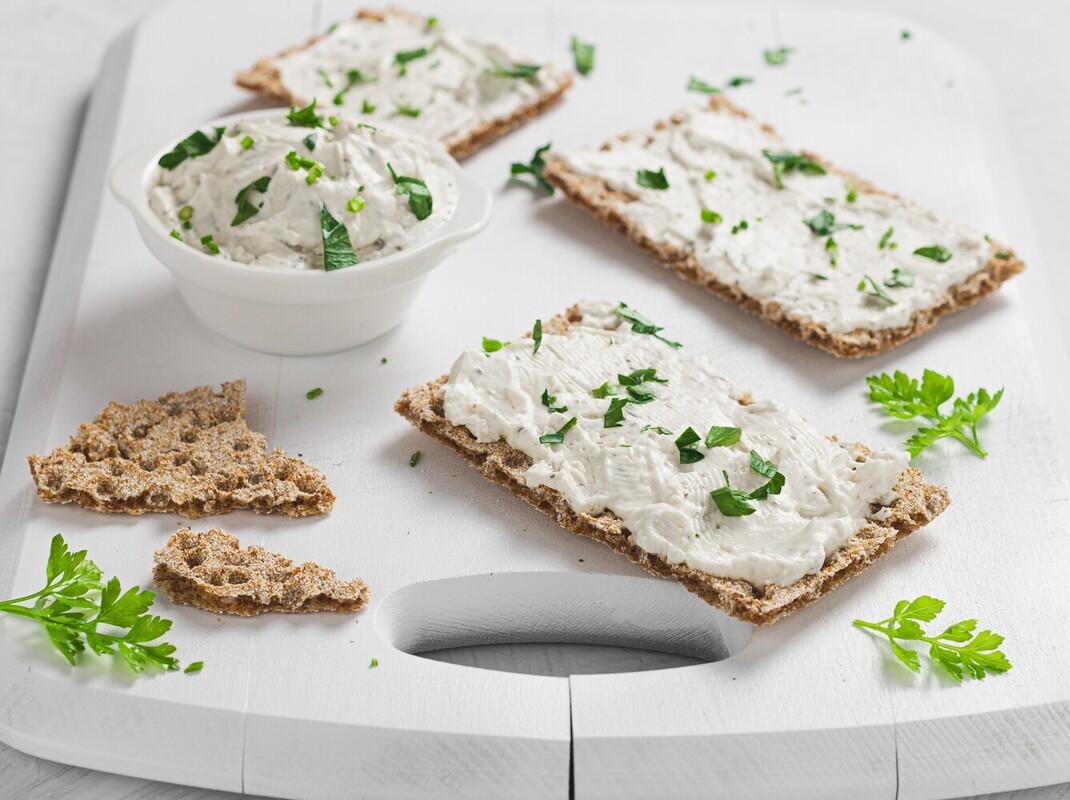
Snack: Cottage Cheese and Crackers
Serve cottage cheese with a side of whole-grain crackers. Cottage cheese is high in protein and easy to eat even when appetite is low. The crackers provide carbohydrates for quick energy, which can be helpful during busy or active parts of the day.
Lunch: Turkey Wrap With Veggies
Layer sliced turkey, vegetables, and a spread like hummus or mustard into a whole-grain wrap. Turkey delivers lean protein that supports muscle maintenance, while vegetables add fiber and volume. This lunch comes together quickly and works well when you need something portable and filling.
Dinner: Stir-Fried Tofu and Noodles
Sauté tofu with vegetables in a pan using a small amount of oil, then toss with cooked noodles and sauce. Tofu offers plant-based protein and iron, both important postpartum. Noodles supply carbohydrates that support energy needs, especially on days with more movement or less sleep.
Day 3
Breakfast: Smoothie With Protein Powder
Blend milk or a milk alternative with fruit, leafy greens, and protein powder until smooth. Smoothies are convenient on mornings when sitting down to eat feels difficult. Protein supports fullness and muscle repair, while fruits and greens provide vitamins, minerals, and fiber.
Snack: Apple With Peanut Butter
Slice an apple and pair it with peanut butter. Apples provide fiber and hydration, while peanut butter adds healthy fats and protein. This combination helps control hunger and keeps energy steady between meals.
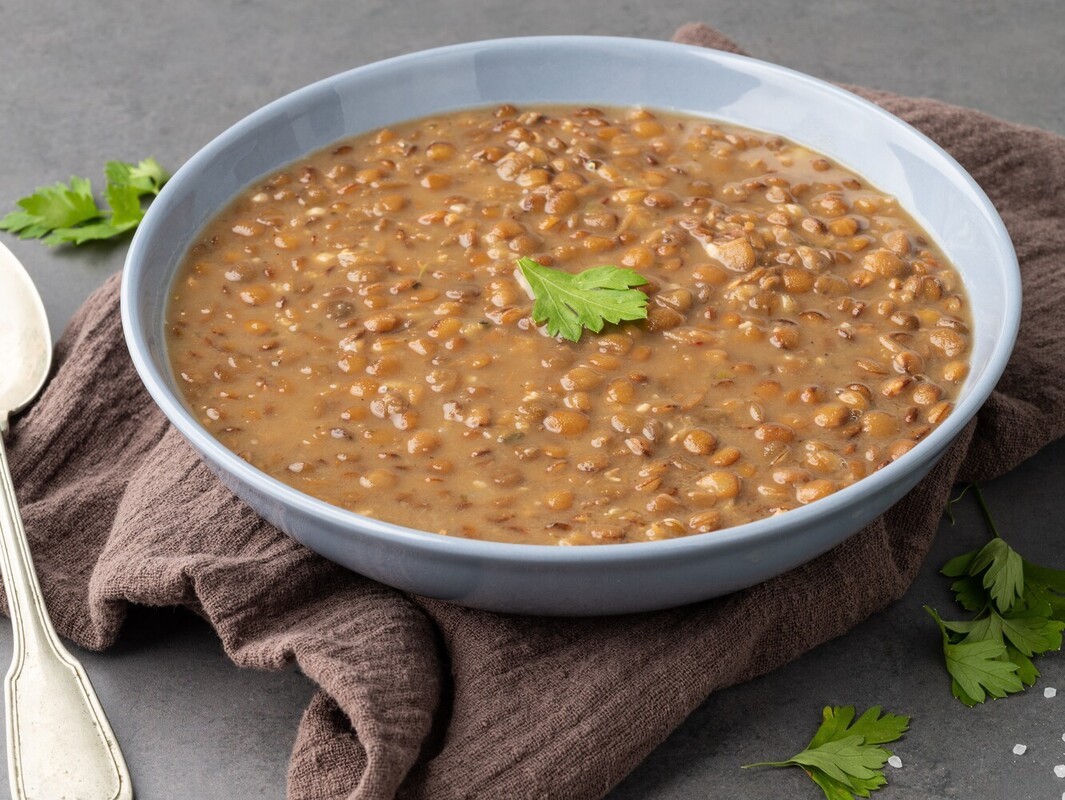
Lunch: Lentil Soup and Bread
To make lentil soup, sauté onions, garlic, and carrots in a pot, then add dried lentils, broth, and seasonings and simmer until tender.
Lentils are rich in fiber, protein, and iron, which support digestion and postpartum recovery. Serving the soup with whole-grain bread adds carbohydrates that make the meal more filling and satisfying.
Dinner: Roasted Chicken, Potatoes, and Salad
Roast chicken and chopped potatoes in the oven with olive oil and seasoning, then serve alongside a simple salad.
Chicken provides protein to support muscle repair, while potatoes offer carbohydrates and potassium. The salad adds fiber and micronutrients, rounding out the meal and supporting overall nutrition.
If you’d like support turning these ideas into something that fits your appetite, schedule, and goals, you can connect with a Registered Weight Loss Dietitian through Berry Street for a personalized 7-day meal plan designed just for you.
Safe Postpartum Exercise: When and How to Get Moving Again
Postpartum exercise plays an important role in recovery, but timing and approach matter. Moving too quickly or choosing the wrong types of activity can slow healing, while the right movements can support strength, energy, and confidence as your body recovers.
When Is It Actually Safe to Start Exercising Again?
Most women can begin gentle movement like walking and light stretching within the first one to two weeks after a vaginal birth, as long as bleeding and discomfort are improving. More structured exercise is usually cleared around the six-week postpartum visit.
After a C-section, timelines are longer. Gentle walking often starts in the first two weeks, but strength training and higher-impact activity typically wait eight to twelve weeks or longer. Medical clearance matters because healing rates vary, and complications can delay readiness.
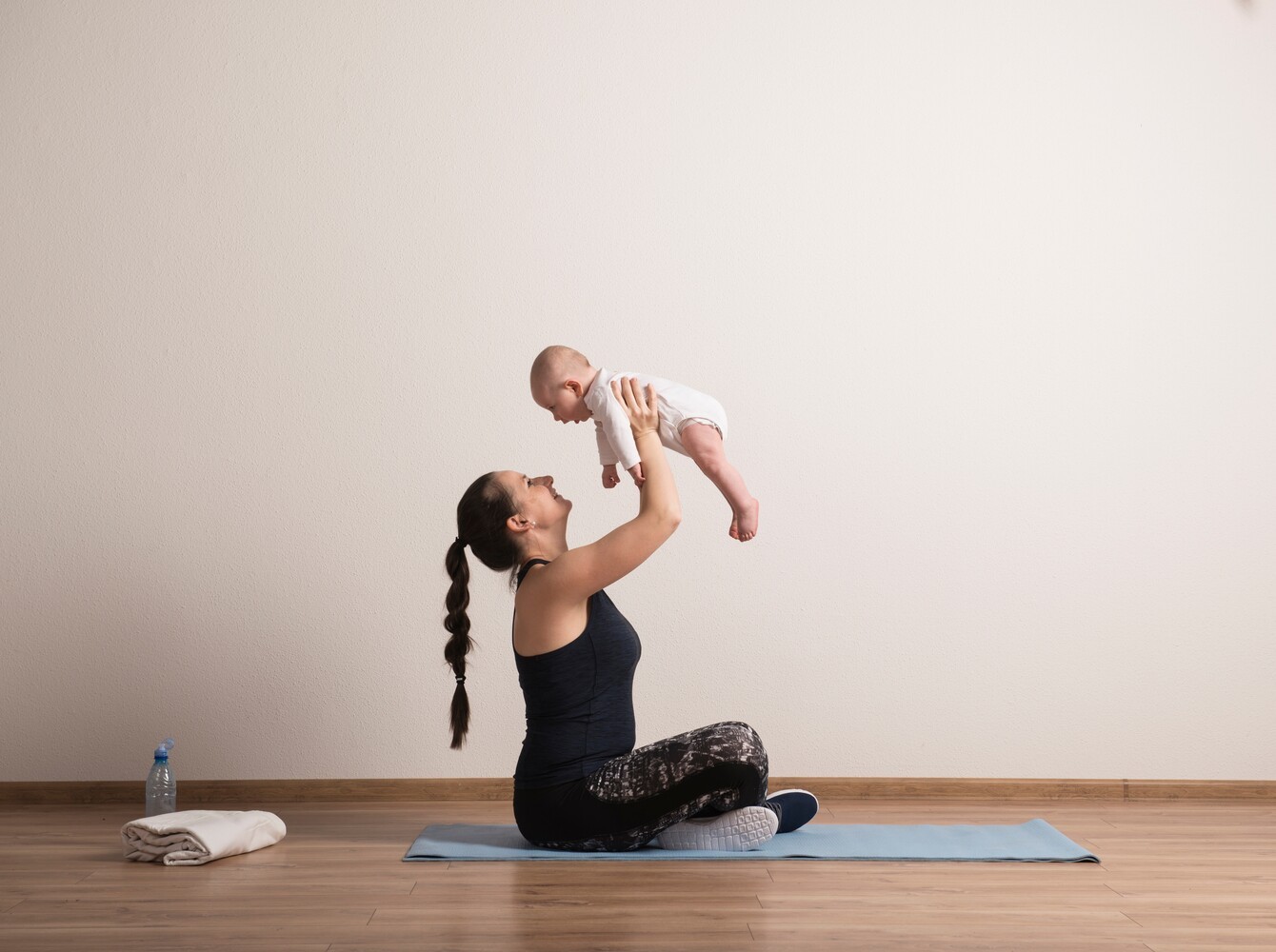
Gentle Early Movements That Support Healing
Early postpartum movement should feel supportive, not draining. These gentle options focus on circulation, breathing, and reconnecting with key muscles while respecting your body’s healing timeline.
Walking
Walking is often the first movement most women feel ready for postpartum. Short, easy walks support circulation, which can help reduce swelling in the legs and feet. Walking also supports digestion and can improve mood during a time of major emotional shifts.
Start with five to ten minutes at a comfortable pace, once or twice per day. Gradually increase duration as energy allows. Focus on posture and relaxed breathing rather than speed. Even brief walks with a stroller or around the house can be beneficial early on.
Breathing Exercises
Breathing exercises help reconnect your core muscles after pregnancy and birth. Deep diaphragmatic breathing supports the diaphragm, pelvic floor, and deep abdominal muscles working together.
To practice, lie on your back or sit comfortably, place one hand on your chest and one on your belly, and inhale slowly through your nose. Let the belly expand, then exhale fully through your mouth. Practicing for a few minutes daily can support core recovery, reduce tension, and improve awareness of your body during early healing.
Gentle Stretching
Light stretching can ease stiffness that builds up from feeding positions, holding a baby, and limited movement. Focus on areas like the neck, shoulders, hips, and calves. Stretch slowly and avoid forcing any position. Gentle stretching improves circulation and supports comfort without stressing healing tissues.
Try short sessions once or twice per day, especially after walking or before bed. Stretching should feel relieving, not intense. If pain increases, back off and reassess your range of motion.
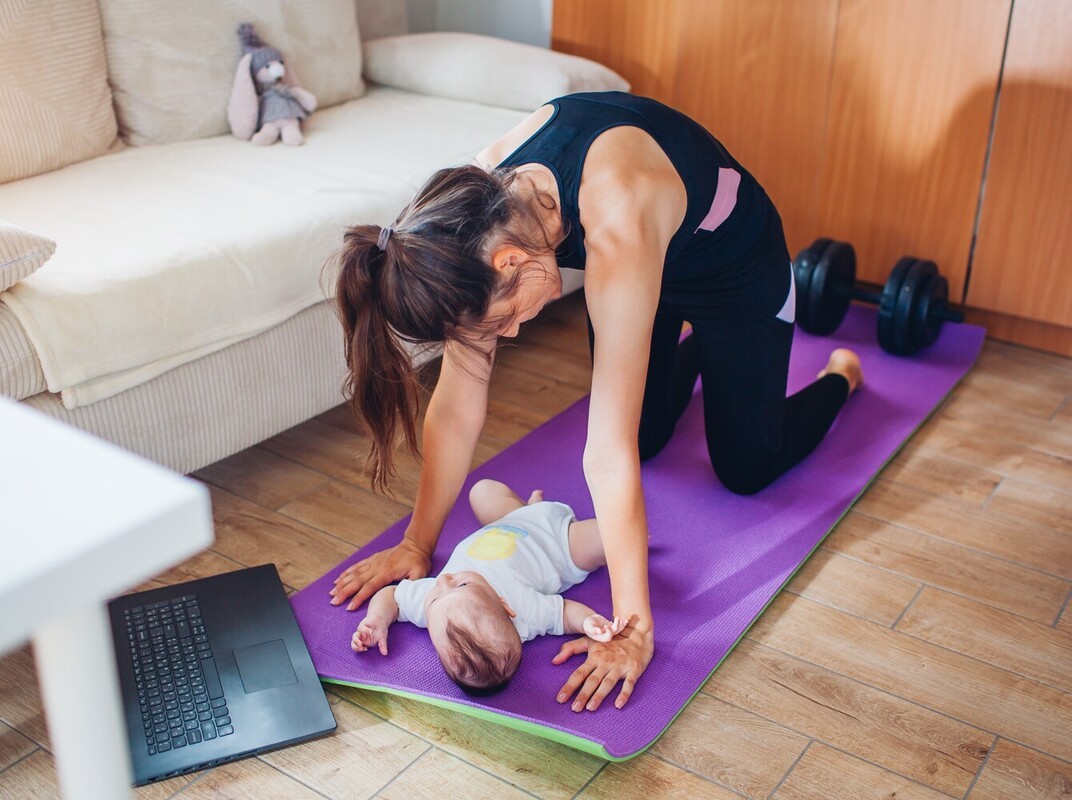
Pelvic Floor Engagement
Gentle pelvic floor engagement supports long-term stability and comfort. Start by identifying the muscles used to gently lift and hold urine, without clenching or bearing down. Engage these muscles lightly while breathing normally, then relax fully. Begin with short holds and repeat a few times per day.
This practice supports bladder control, core coordination, and overall pelvic health. Avoid pushing or holding your breath. Consistency matters more than intensity during this stage of recovery. Some postpartum women choose to go to pelvic floor physical therapy to help with this.
When and How to Reintroduce Strength Training
Strength training usually becomes appropriate once foundational strength, core control, and healing are established. For many women, this is around six to eight weeks after a vaginal birth and closer to eight to twelve weeks after a C-section, pending medical clearance.
Start with light weights or bodyweight exercises and focus on proper form. Compound movements like squats, rows, and presses work well when paired with steady breathing. Keep sessions short at first. Gradually increase weight or volume as strength, energy, and confidence improve over time. If strength training is new for you, we recommend seeking professional guidance.
The Best Types of Cardio for Postpartum Bodies
Cardio can support energy, mood, and gradual weight loss after pregnancy when it’s chosen thoughtfully. The best options are low-impact, adaptable, and easy to fit into daily life while your body continues to heal.
Walking
Walking is one of the most accessible forms of cardio during postpartum recovery. It supports circulation, mood, and cardiovascular health without placing excess strain on joints or healing tissues.
Start with short walks around your home or neighborhood, even five to ten minutes at a time. Focus on upright posture and relaxed breathing rather than pace.
As stamina improves, gradually increase duration or add gentle hills. Walking with a stroller can also build consistency and provide a mental break during busy days.
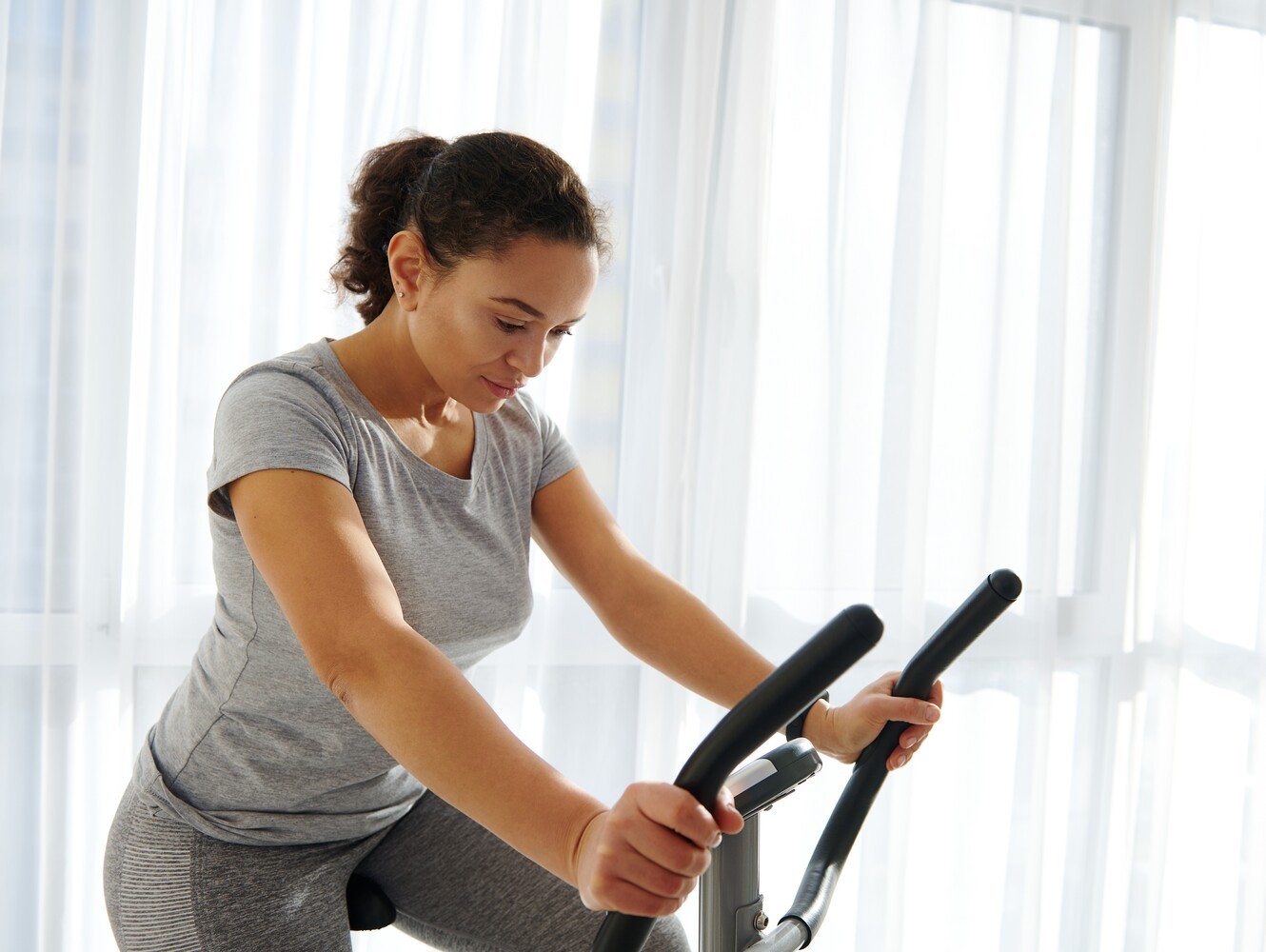
Cycling
Cycling offers a low-impact way to raise your heart rate while being kind to joints and pelvic structures. Stationary bikes are often easiest to start with since you can control resistance and pace.
Begin with short sessions at low resistance and focus on steady breathing. Cycling works well for days when walking feels uncomfortable or the weather limits outdoor options.
As strength improves, you can gradually increase resistance or duration. This type of cardio supports endurance while minimizing impact during postpartum recovery.
Swimming
Swimming can feel especially supportive once incisions are healed and medical clearance is given. The water reduces joint impact and provides gentle resistance, which supports strength and cardiovascular fitness at the same time.
Begin with easy laps or water walking rather than intense intervals. Pay attention to breathing and stop if fatigue builds quickly.
Swimming often feels refreshing when other movement feels uncomfortable. Many postpartum women find that it helps reduce stiffness, improve circulation, and rebuild confidence in their body’s movement abilities.
Red Flags You Should Never Ignore During Exercise
Postpartum exercise should feel supportive and confidence-building, not uncomfortable or alarming. Certain symptoms signal that your body needs more recovery time or a change in approach, and paying attention early can prevent longer-term issues. It is important to discuss with your health care provider when experiencing any of these red flags, even after exercise clearance.
1. Increased Bleeding
Increased bleeding during or after exercise is a sign to slow down. Postpartum bleeding should gradually decrease over time, not increase with activity. If you notice heavier flow, bright red blood, or new clots after a workout, your body may be under too much stress. This often happens when intensity rises too quickly or rest is limited.
Scale back movement, focus on walking or gentle mobility, and allow a few days of recovery. If bleeding continues or worsens, contact your healthcare provider for guidance before resuming exercise.
2. Pelvic Heaviness or Pain
Pelvic heaviness or pain during exercise should never be ignored. It can feel like pressure, dragging, or a bulge sensation in the pelvis or vagina. These symptoms may indicate pelvic floor strain or reduced support following pregnancy and birth. High-impact movements, breath holding, or heavy lifting often trigger it.
Stop the activity and return to low-impact movement paired with controlled breathing. If symptoms persist, seek evaluation from a pelvic floor physical therapist or medical provider. Early support improves comfort and prevents long-term complications.
3. Incision Discomfort
Discomfort around a C-section incision during exercise deserves attention. Sharp pain, pulling, burning, or swelling are not normal training sensations. These signs can indicate incomplete healing, irritation, or excess strain on abdominal tissues.
Exercises that increase core pressure often make symptoms worse. Pause strength work, avoid intense core exercises, and prioritize gentle walking instead. Persistent pain, redness, or drainage should be checked by a medical professional.
Don’t push through incision pain during postpartum recovery. Waiting protects healing and reduces the risk of complications.
4. Urinary Leakage
Urinary leakage during exercise is a common but important warning sign postpartum. It may occur during walking, lifting, jumping, or even gentle core movements. Leakage suggests the pelvic floor is not yet managing pressure effectively.
Continuing to train through it can worsen symptoms over time. Reduce impact, slow movements, and focus on breathing coordination. Exercises should feel controlled and supported, not rushed.
If leakage continues, consult a pelvic floor specialist for targeted rehab guidance. Addressing it early supports confidence and long-term pelvic health.
Realistic Postpartum Expectations
Postpartum recovery brings physical and emotional changes that many women are not fully prepared for. Setting realistic expectations can reduce pressure, protect mental health, and make weight loss feel more manageable over time.
Why “Getting Your Body Back” Creates More Harm Than Motivation
The idea of “getting your body back” sets an unrealistic target and overlooks how pregnancy permanently changes the body. Bone structure, muscle length, and connective tissue often shift and do not fully return to their previous state.
This mindset can create unnecessary pressure and disappointment, even when health habits are strong. Comparing your body to pre-pregnancy photos can also distract from progress that matters, like improved energy or strength.
Focusing on how your body functions now tends to support confidence and long-term consistency more effectively.

What a Healthy Range of Weekly Weight Loss Looks Like
A healthy rate of postpartum weight loss is typically slow and steady. For many women, this means less than one pound per week, especially while breastfeeding or recovering from sleep disruption. Faster loss often comes from fluid shifts early on and does not reflect fat loss.
Gradual progress supports hormone balance, energy levels, and milk supply when applicable. Weight may plateau for weeks and then change again. That pattern is common. Looking at monthly trends rather than weekly changes usually gives a clearer picture of progress.
If you want guidance tailored to your recovery, connecting with a Registered Postnatal Dietitian can help you find a more personalized approach.
Normal Body Changes After Pregnancy
Many physical changes after pregnancy are normal and long-lasting. Hips may remain wider due to structural changes in the pelvis.
The rib cage can stay expanded, affecting bra and clothing fit. Breast tissue often changes in size and firmness, especially with feeding and weaning. Core shape can also shift due to muscle stretching and connective tissue changes.
These differences don’t necessarily indicate poor recovery. They reflect adaptation. Strength training, time, and supportive nutrition can improve function and comfort, even if shape looks different than before.
How to Track Progress in Ways That Don’t Rely Solely on the Scale
The scale only shows one data point, and postpartum progress rarely moves in a straight line. Looking at other markers can give a clearer, more encouraging picture of how your body is actually responding to nutrition, movement, and recovery.
1. Energy Levels
Energy is often one of the first signs that habits are supporting recovery. When meals are regular and balanced, many women notice fewer afternoon crashes and less reliance on caffeine.
Energy that feels steadier across the day suggests blood sugar is more stable and intake is better matched to needs. Pay attention to how you feel during daily tasks like feeding, walking, or running errands.
Improved energy doesn’t mean constant alertness. It means you recover faster after tired moments and feel more capable overall.

2. Strength Gains
Strength gains are a meaningful marker of progress postpartum, especially as muscle rebuilds. You might notice exercises feel easier, you can carry your baby longer, or daily movements feel more stable. These changes reflect improved muscle coordination and strength, even if weight stays the same.
Tracking small wins helps, such as increasing repetitions or using slightly heavier weights. Strength improvements support metabolism and joint health over time. They also build confidence, which can make staying active feel more realistic and sustainable.
3. Sleep Quality
Sleep quality often matters more than total hours postpartum. Even if sleep is broken, falling asleep faster or feeling more rested after short stretches counts as progress. Better sleep can signal improved hormone balance and recovery.
Nutrition plays a role here. Regular meals and adequate carbohydrates can support nighttime rest. A Registered Dietitian can help you with this.
Track patterns instead of perfection. Notice whether sleep feels less restless or if you wake up with slightly more energy. These subtle improvements often show up before changes on the scale.
4. Hydration
Hydration affects energy, digestion, appetite, and milk production for breastfeeding parents. Tracking hydration can be as simple as noticing urine color or how often you feel thirsty.
When hydration improves, headaches may lessen, and digestion often feels smoother. Many women notice fewer false hunger cues when fluid intake is consistent.
Keeping a water bottle nearby makes a difference. Hydration progress supports overall recovery and can indirectly influence weight trends by improving how hunger and fullness signals feel.

5. Mood and Stress Resilience
Mood and stress resilience are powerful indicators of progress that often go unnoticed. When nutrition and movement support your body, stress may feel more manageable and mood swings less intense.
You might recover faster after hard moments or feel more patient during the day. These changes reflect improved nervous system support and hormone regulation.
Tracking mood patterns can highlight progress that the scale misses. Feeling more emotionally steady often makes it easier to maintain healthy habits long term.
Why You Might Not Be Losing Weight Postpartum
Postpartum weight stalls are common and often have clear explanations. Understanding the most likely reasons can help you adjust your approach without jumping to extremes or blaming yourself.
If you want guidance tailored to your recovery, connecting with a Registered Postnatal Dietitian can help you find a more personalized approach.
Chronic Under-Eating
Eating too little is one of the most common reasons weight loss stalls postpartum. Healing, daily activity, and feeding a baby all require energy. When intake stays too low, the body responds by conserving energy and increasing stress hormones.
You may notice fatigue, strong evening cravings, or poor workout recovery. Regular meals with enough protein, carbohydrates, and fats help signal safety and support gradual fat loss.
Poor Sleep
Poor sleep directly affects hunger and weight regulation. Short or broken sleep increases hunger hormones and reduces fullness signals, which can lead to larger portions or frequent snacking. It also raises stress levels, making fat loss harder.
Even when calories are reasonable, chronic sleep deprivation can slow progress. Small improvements matter. Napping when possible, sharing nighttime duties, and eating regularly during the day can help reduce sleep-related weight stalls.

Hormonal or Medical Issues
Hormonal or medical factors can play a significant role postpartum. Thyroid dysfunction, PCOS, anemia, postpartum depression, and certain medications may affect appetite, energy, and metabolism.
If habits feel consistent but progress doesn’t follow, further evaluation may help. Working with a specialized Registered Dietitian, such as a Registered Thyroid Dietitian, can provide targeted nutrition strategies alongside medical care.
What to Do When You’re Not Losing Weight Postpartum
If weight feels stalled despite your best efforts, small adjustments can often make a meaningful difference. These steps focus on supporting your body rather than pushing it harder.
Nutrition tweaks: Aim for consistent meals that include protein at each eating occasion. This helps stabilize blood sugar, reduce cravings, and support muscle maintenance throughout the day.
Lifestyle habits: Look for ways to add movement naturally, such as stroller walks, standing while feeding, or short strength sessions at home. Small amounts add up over time.
Sleep: Prioritize rest whenever possible, even if it comes in short stretches. Better sleep supports appetite regulation, energy levels, and recovery.
Stress management: Lowering stress through breathing exercises, gentle movement, or asking for help can support hormone balance and make weight changes easier.
Hydration: Adequate fluid intake supports digestion, appetite cues, and overall energy. Keep water nearby and sip consistently throughout the day.
If weight remains unchanged for an extended period despite consistent habits, it may be time to talk with a medical professional. Connecting with a Registered Women’s Health Dietitian can help identify underlying factors and create a personalized plan that aligns with your postpartum needs.
Whether you’re postpartum, need support for weight loss during pregnancy, or want help with menopause weight loss, we’re here to support you.
Why Is It Important to Watch Out for Rapid or Unintentional Weight Loss After Pregnancy?
Rapid or unintentional weight loss after pregnancy can be a sign that your body isn’t getting enough fuel to support recovery. Healing tissues, hormone regulation, and daily energy needs all require adequate nutrition.
Losing weight too quickly can worsen fatigue, increase stress, and interfere with milk production for those who are breastfeeding.
It may also signal medical concerns such as thyroid issues or nutrient deficiencies. Paying attention to unexpected changes helps protect long-term health during the postpartum period.
What Counts as “Too Fast” Weight Loss
In the postpartum period, consistently losing more than one to two pounds per week is often considered too fast, especially while breastfeeding. Early drops from fluid shifts can happen, but ongoing rapid loss may indicate under-eating or excessive stress.
Warning signs can include dizziness, low energy, intense cravings, or declining milk supply. Gradual trends over several weeks are more informative than short-term changes and better support recovery.
Risks of Losing Weight Too Quickly, Especially for Breastfeeding Parents
Losing weight too quickly postpartum can affect more than the number on the scale. For breastfeeding parents in particular, rapid loss can interfere with both recovery and day-to-day well-being.
Reduced milk supply: When calorie intake drops too low, the body may struggle to support consistent milk production. This can lead to supply dips, especially during growth spurts or periods of frequent feeding.
Nutrient deficiencies: Rapid weight loss can reduce intake of key nutrients like iron, calcium, and B vitamins. Low levels can worsen fatigue, slow healing, and make postpartum recovery feel harder.
Hormonal disruption: Significant calorie restriction can disrupt hormone balance. This may increase fatigue, affect mood, and make appetite and weight regulation more difficult over time.

How to Increase Calories Safely if You’re Dropping Weight Without Trying
If weight is falling faster than expected, the goal is to increase intake in a steady, manageable way. Small adjustments are often enough to support energy, recovery, and appetite balance.
Add snacks: Include one or two snacks between meals, focusing on protein, carbohydrates, and fats. This raises intake without making meals feel overwhelming.
Increase fats: Add calorie-dense foods like olive oil, avocado, nuts, or nut butter. Small portions can make a meaningful difference.
Eat consistently: Aim to eat every three to four hours during the day. Long gaps can suppress energy and drive later overeating.
Boost portions slightly: Increase serving sizes of foods you already eat, such as adding more rice, potatoes, or dairy, rather than introducing entirely new meals.
If you want guidance tailored to your recovery, connecting with a Registered Postnatal Dietitian can help you find a more personalized approach.
Postpartum Weight Loss FAQs
How much weight will I lose right after birth?
Most women lose about 10 to 13 pounds within the first 24 to 48 hours. This comes from the baby, the placenta, fluids, and an increased blood volume. It’s normal and expected, but it doesn’t reflect fat loss yet.
How long will it take to lose baby weight after a C-section?
Weight loss after a C-section often takes longer because your body is healing from surgery. Limited movement and lingering inflammation can slow early progress. Many women still see gradual changes over six to 12 months.
Why am I gaining weight instead of losing it postpartum?
Hormonal shifts, sleep deprivation, stress, and increased hunger can all contribute. Breastfeeding may also increase appetite more than expected. Gaining weight early on doesn’t mean long-term progress isn’t possible.
Can I lose weight while breastfeeding without hurting my supply?
Yes, as long as weight loss is gradual and calorie intake stays adequate. Very low-calorie diets increase the risk of milk supply drops and fatigue. Slow, steady changes are safest.
Why can’t I lose weight even months or years later?
Chronic stress, poor sleep, hormonal imbalances, or medical conditions like thyroid issues or PCOS may play a role. Long-term under-eating can also stall progress. This is a common experience, not a personal failure.
What’s the best way to lose pregnancy belly fat?
Spot reduction isn’t possible. Overall fat loss, time, and proper core and pelvic floor rehabilitation work together to change abdominal shape. Healing matters just as much as calories.
Are weight loss supplements safe after pregnancy?
Most aren’t recommended, especially during breastfeeding. Many contain stimulants or unregulated ingredients. Food-based strategies and professional guidance are safer options.
Conclusion
Postpartum weight loss is a gradual process shaped by healing, hormones, sleep, stress, and day-to-day realities of caring for a new baby. The scale often changes slowly, and that’s normal.
Supporting your body with enough food, gentle movement, and realistic expectations helps protect energy, mood, and long-term health, especially during the first year after birth.
Progress is more sustainable when it’s flexible and aligned with your recovery rather than rushed. If you want personalized guidance that fits your life and postpartum needs, you can connect with a Registered Dietitian covered by insurance through Berry Street to get expert support every step of the way.