You’ve been counting meals, watching portions, and staying consistent with your workouts, yet the scale refuses to move. That’s what we call a weight loss plateau, and it’s something almost everyone encounters at some point. This stall isn’t a failure but a sign that your body has adapted, and your strategy may need adjusting.
In this article, we’ll explain what a plateau actually is, why it happens, and the different factors that cause it. We’ll also cover the signs to look out for, how long a plateau can last, and what to do when progress stalls.
Finally, we’ll share proven strategies to break through, ways to prevent plateaus in the future, and special situations that require extra consideration. With the right knowledge, a plateau can become a manageable part of the process.

What Is a Weight Loss Plateau?
A weight loss plateau occurs when your body weight remains stable (or nearly so) for a period despite continuing your diet and exercise efforts. In other words, you’re doing all that you used to do (or more), but the scale won’t budge.
Over time, your rate of weight loss naturally slows, and plateaus often emerge after a period of steady progress. They’re not rare or abnormal. In fact, they’re a built-in feature of how our bodies adapt. Plateaus typically appear a few weeks to months into a weight loss program, as your body adjusts to your new balance of calories in and calories out.
The key point: a plateau means your current strategy isn’t producing further fat loss, but it doesn’t mean your efforts have been wasted.
Why Does Weight Loss Plateau?
In short: because your body adapts. It resists change. But there’s more to the story.
Initially, when you reduce calories and increase activity, your body responds by burning stored energy (mostly fat, but also some glycogen and water). Over time, many adaptive shifts take place to conserve energy.
As resting metabolic rate drops, hormone signals adjust, and your physical activity (especially incidental movement) subtly declines, your “calorie gap” closes. This kind of adaptation is a major reason why your weight loss can stall.
At the same time, behavioral drift may creep in without you noticing: slightly larger portions, under-reporting snacking, or reduced exercise intensity. Also, hormonal changes or medical factors sometimes interfere. The interplay of physiological, behavioral, and hormonal mechanisms is what leads to a plateau.
Causes of Weight Loss Plateau
Plateaus rarely happen for one reason alone. They’re often the result of several overlapping factors, from how your metabolism adapts to the way daily habits shift over time. Understanding these causes can help you see which ones might apply to you and give you a clearer path forward:
Physiological Causes
As weight comes down, the body burns fewer calories because there is simply less mass to maintain. This drop in resting metabolic rate is partly natural and partly due to adaptive mechanisms that help conserve energy during a calorie deficit. Losing muscle along with fat makes the problem worse since muscle tissue is metabolically active.
Without strength training and enough protein, lean mass often decreases, leaving your body less efficient at burning calories.
Another factor is set point theory, which suggests the body resists moving too far from its preferred weight range by altering hunger signals and energy use. Stronger cravings, fatigue, and slowed progress often reflect these adjustments. Together, these physiological shifts explain why initial progress tends to slow over time.
Lifestyle and Behavioral Causes
Day-to-day habits can easily tip the balance toward a plateau. Hidden calories from extras like sauces, oils, or drinks creep in without notice, while portion sizes gradually expand over time. Even a small handful of nuts or a few bites of leftovers can cancel out a deficit if it happens often enough. Many people underestimate their intake, sometimes by hundreds of calories each day.
Physical activity also changes, both consciously and unconsciously. As your body adapts to familiar workouts, it burns fewer calories, and daily movement outside of the gym often declines. Fewer steps, less fidgeting, and skipped chores all add up.
Together, these subtle shifts in food intake and energy expenditure can close the calorie gap needed to keep weight loss moving.
Hormonal and Health-Related Causes
Hormones strongly influence appetite, metabolism, and fat storage, and shifts during weight loss can make plateaus harder to avoid. Ghrelin, the hunger hormone, often rises, while leptin, the hormone that signals fullness, drops, leaving you hungrier despite eating the same foods.
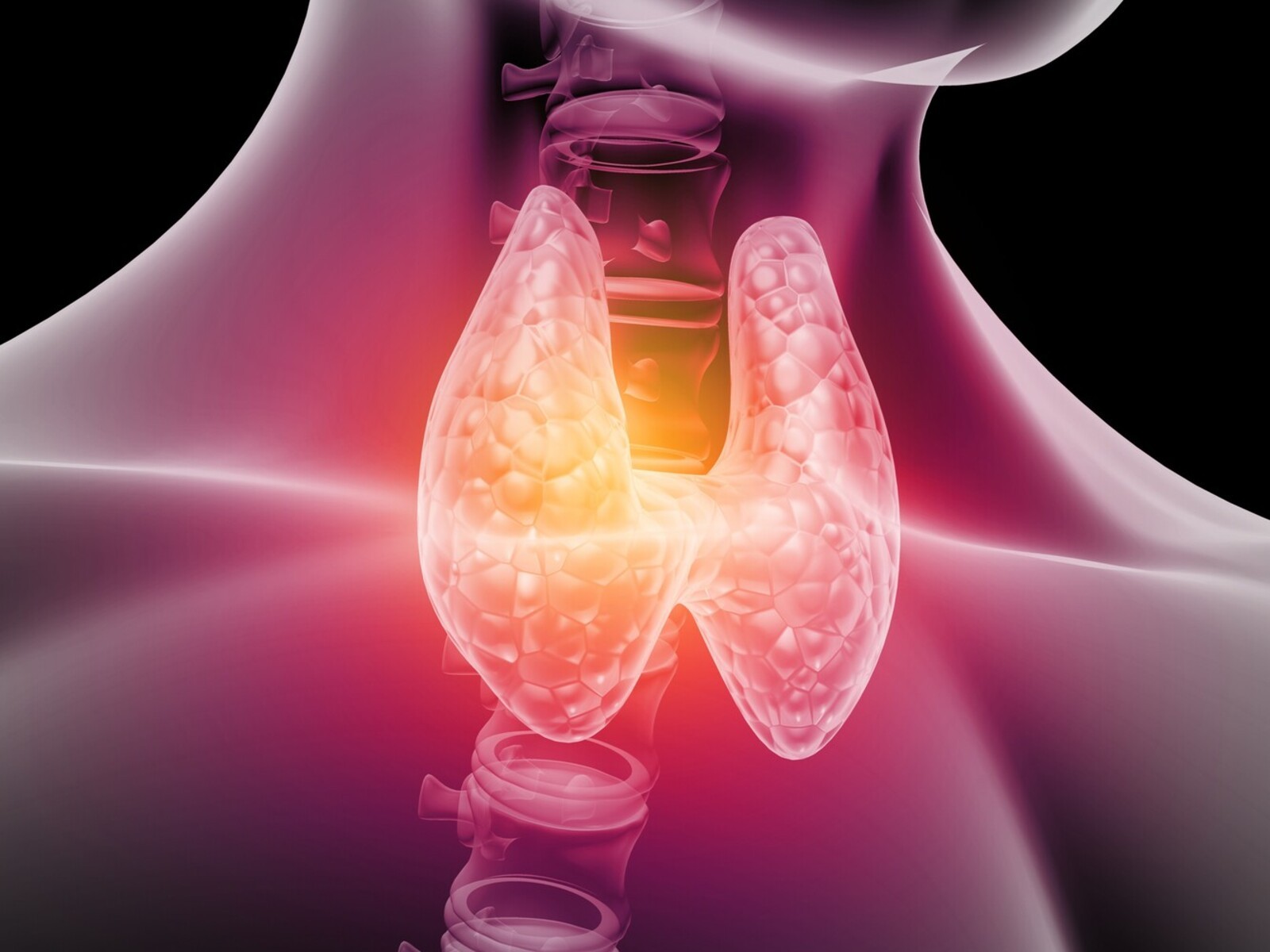
Thyroid hormones, which control metabolic rate, may decrease slightly with prolonged dieting, slowing calorie burn. Insulin resistance can further blunt fat loss by making it harder for the body to use stored energy.
Health conditions like PCOS or thyroid disorders, along with life stages such as menopause, also contribute by altering hormone balance and body composition.
Medications, including some antidepressants, steroids, and diabetes drugs, may raise appetite or cause fluid retention. All of these factors can mask or stall progress despite consistent effort.
If you’re struggling with weight loss and are managing one of these conditions, a Registered Dietitian can help. At Berry Street, we can connect you with a variety of specialized dietitians, from a Registered Diabetes Dietitian to a Registered Thyroid Dietitian.
External Factors
Stress and sleep quality play major roles in determining whether weight continues to come off. High stress elevates cortisol, a hormone linked to increased appetite, fat storage around the midsection, and cravings for high-calorie foods.
At the same time, poor sleep disrupts hunger and satiety hormones, lowers energy, and makes it harder to stay active or make balanced food choices. A few nights of inadequate rest can leave you hungrier, less motivated to exercise, and more likely to snack mindlessly.
Recovery also matters, as constant training without proper rest can push stress hormones higher and impair progress. Together, chronic stress and poor sleep create an environment where fat loss becomes far more difficult, even if diet and exercise habits remain consistent.
Signs You’ve Hit a Weight Loss Plateau
It can be tough to know if you’ve really hit a plateau or if progress has just slowed for a short time. These signs help separate normal fluctuations from a true stall and give you clues on when to adjust your approach:
1. Scale Flatline Over Weeks
One of the clearest signs of a plateau is when the scale refuses to move for several weeks despite consistent effort. If you’ve tracked your meals accurately, stayed active, and the number hasn’t budged for three to four weeks or longer, that usually signals adaptation.
A temporary pause of a few days is normal, but a long flatline shows your current plan is no longer creating the same calorie gap. For example, someone may follow their routine diligently yet notice their weight hovering within the same two-pound range for a month.
This doesn’t mean failure, but it does mean reassessment. When the scale stalls for weeks, it’s time to review food tracking, portion sizes, and activity levels.
2. Loss of Inches but Not Weight
Sometimes the scale stalls, but your clothes tell a different story. You might notice jeans fitting looser or a belt needing a new notch, even though the number hasn’t dropped. This usually means your body composition is changing. Fat may be decreasing while muscle is increasing, or you’re losing fat and retaining water temporarily.
For example, someone who starts a new strength program may gain lean muscle that offsets fat loss on the scale. This can be frustrating if you rely only on weight for feedback.
Taking waist, hip, or thigh measurements, or using progress photos, can give a clearer picture. A plateau defined by the scale alone may actually be positive progress you don’t want to interrupt.
3. Decreasing Energy, Strength, or Motivation
If workouts feel harder than before, or strength stops improving and starts slipping, it may signal that your body is struggling to keep up with your routine. Low energy, poor recovery, and reduced motivation are common signs of metabolic adaptation or underfueling.
You may also notice dreading exercise sessions you once enjoyed. This doesn’t mean the process is over, but it does highlight the need for adjustments.
Adding more rest, slightly increasing calories, or switching up workouts can restore progress. Monitoring strength and energy is as important as tracking scale weight because it reflects how well your body is responding.

4. Persistent Hunger or Cravings
Hunger is expected when you’re eating fewer calories, but if it becomes constant and overwhelming, it can signal that your hormones are pushing back. When ghrelin, the hunger hormone, rises and leptin drops, cravings get louder and satisfaction from meals decreases.
Someone who could previously manage their plan may suddenly feel preoccupied with food or struggle to stick to their meals. Nightly sugar cravings that feel stronger than usual may indicate that your current approach isn’t sustainable.
This level of hunger often shows up during a plateau because the body is trying to restore balance. While it’s not a reason to give up, it is a sign that fine-tuning nutrition or meal timing may help quiet those signals.
5. Consistency Without Progress
A major sign of a weight loss plateau is when you’re consistently following your plan but seeing no changes over several weeks. You’re accurately logging meals, sticking to portions, completing workouts, and the scale still refuses to move. Measurements don’t change, clothes fit the same, and energy levels remain steady.
This indicates your body has fully adapted to your current routine, closing the gap that once drove fat loss. When effort and discipline are there but results are not, that’s a plateau. It signals the need for recalibration, not a lack of commitment.

How to Tell if It’s a False Alarm
Not every pause in weight loss means you’ve truly hit a plateau. Sometimes the scale is reflecting short-term fluctuations rather than a genuine stall. Water retention is one of the most common culprits. A salty meal, increased carbohydrate intake, or even muscle inflammation after a tough workout can cause your body to hold onto extra fluid.
For women, hormonal changes across the menstrual cycle often bring temporary bloating or weight shifts that have nothing to do with fat gain.
Glycogen, the stored form of carbohydrate in your muscles and liver, also binds water. When glycogen levels rise or fall, the scale moves with it. That is why day-to-day weighing can be misleading.
From our experience, it’s better to watch trends over several weeks. If weight hasn’t budged for just one or two weeks, it’s usually a normal variation.
We recommend waiting at least three to four weeks before labeling it a true plateau. The exception is when other red flags appear, like intense hunger, low energy, or unusual lab values. In those cases, it’s smart to act sooner.
How Long Does a Weight Loss Plateau Last?
There’s no single timeline for how long a plateau will stick around. Some resolve within a few weeks, while others linger for months if nothing changes. In many cases, plateaus can last four to six weeks before progress resumes, especially if small adjustments naturally bring you back into a calorie deficit for weight loss. Sometimes just being patient is enough.
On the other hand, if the stall stretches past six to eight weeks and your nutrition and activity are consistent, it may signal that your plan needs a reset. That could mean revisiting calorie intake, reworking workouts, or focusing more on recovery.
Research shows plateaus often appear around the six-month mark of structured weight loss programs. At that stage, the body has adapted to the new weight and energy intake, making further progress harder without change.
If the plateau continues well past eight weeks or comes with warning signs like extreme fatigue, mood swings, or worsening lab results, that’s when professional guidance is important. A Registered Health Dietitian can help you reassess your approach and identify the right next step.

How to Break a Weight Loss Plateau
A plateau does not mean the end of your progress. We recommend working with a Registered Dietitian to come up with some smart adjustments. You can restart fat loss while keeping your approach healthy and sustainable:
1. Reassess Caloric Intake
As weight drops, your body’s energy needs change, so a plan that once created a deficit may now only maintain. The best first step is to recalculate calorie requirements based on your current weight.
Small, strategic reductions are more effective than drastic cuts. Tracking with a food scale, measuring oils and dressings, and auditing snacks can reveal where extra calories sneak in. Even trimming 100 to 200 calories per day can make a meaningful difference.
Combining careful tracking with patience helps restore the deficit without leaving you drained or overly restricted.
2. Increase Protein and Preserve Muscle
Protein is a powerful ally when progress slows. It supports lean muscle, helps regulate hunger, and slightly boosts metabolism through the thermic effect of food. During weight loss, protecting muscle tissue is critical because it keeps calorie burn higher. Aiming for a protein-rich source at each meal makes this manageable.
Examples include eggs at breakfast, chicken or tofu at lunch, and fish or beans at dinner. Adding protein-based snacks like Greek yogurt or edamame can help bridge gaps.
Strength training combined with adequate protein intake gives the body a reason to preserve muscle. This not only helps you push through a plateau but also makes your body stronger and more resilient long term.

3. Revamp Your Workouts
When your body adapts to a familiar routine, calorie burn decreases. Shaking things up can reignite progress. Progressive overload in strength training, such as adding weight, extra sets, or reps, forces your muscles to keep adapting.
Adding variety in cardio also helps. High-intensity intervals challenge the body differently, while steady-state cardio supports endurance and calorie burn.
Increasing NEAT, the energy used for everyday activity, is another underrated tool. Walking more, taking stairs, and taking standing breaks throughout the day can add up to hundreds of calories.
For example, adding a brisk 20-minute walk after dinner may make the difference between maintaining and losing. Small workout changes keep the body guessing and create new momentum.
4. Re-evaluate Macronutrients
Macronutrient balance can influence whether fat loss continues or stalls. If your diet has been heavy in refined carbs, shifting to complex carbohydrates like oats, quinoa, and vegetables can improve satiety and energy balance. Timing carbs around activity can also help performance and recovery without overshooting calories.
Fat intake matters as well. While healthy fats are essential, portion sizes can creep up because they are calorie-dense. Balancing carbs, proteins, and fats in a way that supports your lifestyle makes adherence easier.
For example, a runner might benefit from more pre-workout carbs, while someone lifting weights may focus on protein-rich meals. Periodically reviewing your macro for weight loss mix can break plateaus by closing gaps you didn’t realize were holding you back.

5. Adjust Lifestyle and Recovery
Lifestyle choices outside the gym and kitchen can have as much impact as diet or exercise. Sleep deprivation raises hunger hormones and reduces motivation to move, while chronic stress elevates cortisol, increasing cravings and fat storage. Aiming for 7 to 9 hours of quality sleep, with a consistent bedtime routine, can help regulate appetite and energy.
Stress management matters too. Techniques like breathing exercises, short walks, or journaling reduce the mental load that often leads to overeating.
Recovery is equally critical. Pushing hard without true rest can raise stress hormones further and stall progress. Scheduling regular rest days, stretching, and focusing on relaxation support both mind and body. Together, these habits create an environment where fat loss can resume.
6. Use Advanced Tactics
Sometimes strategic adjustments beyond the basics help break stubborn plateaus. Diet breaks, where calories are intentionally increased for a few days or weeks, can give hormones and metabolism a reset.
Reverse dieting, which involves slowly increasing calories after long periods of restriction, may help prevent further adaptation. We recommend working closely with a Registered Dietitian for this process.
Intermittent fasting for weight loss can also be adjusted by shifting meal timing or shortening eating windows. However, groups such as those dealing with physical conditions, mental health problems such as disordered eating, or anyone on medication, should be cautious of intermittent fasting. It is important to be aware that intermittent fasting may lead to increased hunger during eating periods and may be easy to overeat.
These tactics aren’t magic fixes, but for some, they provide both physiological and psychological relief. For instance, scheduling a higher-carb day once a week can help workouts feel stronger and reduce cravings. Advanced strategies are best used after the basics are solid, and ideally under professional guidance to ensure they fit your specific needs.
7. Seek Professional Guidance
If your efforts are consistent and a plateau persists, it may be time to bring in expert support. A professional can help identify blind spots, whether that means hidden calories, overtraining, or medical factors like thyroid issues. You don’t need to wait until you have plateaued for weeks before seeking help. You can start your weight loss journey with a nutrition professional who is an expert in helping you lose weight.
Laboratory testing or a thorough review of medications may uncover barriers you can’t control on your own. Working with a coach or trainer can add accountability and fresh training strategies.
Most importantly, connecting with a Registered Weight Loss Dietitian gives you access to tailored nutrition planning that fits your lifestyle and goals. You can receive a personalized 7-day meal plan designed to preserve muscle, manage hunger, and keep results moving. If your progress has stalled, this level of guidance can make all the difference.
How to Prevent a Weight Loss Plateau
Preventing plateaus is often easier than breaking them. By planning ahead and building the right habits, you can keep progress steady while avoiding unnecessary stalls:
1. Set Smart Goals
Choosing realistic goals makes a huge difference in keeping your progress on track. Aim for steady weight loss of about half to one and a half pounds per week, since faster drops often trigger stronger metabolic adaptation.
Process goals, such as cooking at home more often or walking daily, give you tangible actions to focus on. When goals are steady and achievable, your body and mind adapt better, making plateaus less likely.
2. Build Muscle Early
Strength training should be part of your plan from the start, not something added later. Lifting weights or using resistance bands preserves lean muscle, which helps maintain a higher calorie burn even while resting.
A person who includes resistance training three times per week will hold onto more muscle during fat loss compared to someone who only does cardio. Building strength early not only keeps metabolism higher but also supports long-term, sustainable results.

3. Create Flexible, Sustainable Habits
Rigid diets often lead to burnout, while flexible ones allow consistency over time. Periodization, where you rotate short phases of calorie deficit with periods of maintenance, helps your body and mind recover.
Allowing flexibility, such as enjoying a planned treat or social meal, keeps you on track without guilt. Don’t think of this as a “cheat meal” or “cheat day.” Returning to routine after these planned breaks prevents setbacks. Habits that adapt to real life reduce stress and make plateaus less likely to appear.
4. Prioritize Protein Intake
Protein supports muscle preservation, appetite control, and metabolic health. Eating a protein source at every meal, like eggs, chicken, or beans, helps keep you satisfied and reduces the urge to snack excessively. Higher protein diets also slightly increase calorie burn due to digestion demands.
Adding simple foods like Greek yogurt or cottage cheese can make hitting daily needs easier. Consistently focusing on protein gives your body the tools to keep fat loss moving steadily.
5. Stay Active Outside the Gym
Formal workouts burn calories, but non-exercise activity plays an even bigger role in overall energy balance. Walking more, taking the stairs, and moving throughout the day can add hundreds of calories to your daily burn without feeling like exercise.
For example, an additional 1,000 to 3,000 steps can offset a plateau without cutting food. Being intentional with everyday activity prevents energy expenditure from slipping and supports a sustainable, long-term approach to weight management.

6. Monitor Progress Beyond the Scale
The number on the scale is useful, but it doesn’t capture the whole picture of progress. Taking waist, hip, or thigh measurements and noticing how clothes fit often shows fat loss even when weight stalls. Improvements in energy, endurance, and strength are also meaningful indicators of progress.
Someone might stay at the same weight but lose inches and lift heavier weights. Tracking multiple markers helps you see success and avoid mistaking progress for a plateau.
Special Cases and Contexts to Consider
Not all plateaus look the same, and different situations come with their own challenges. Certain diets, life stages, and activity levels can make weight loss stalls feel even more complex, so it helps to know what adjustments actually work:
Female Weight Loss Plateau
Women often face unique challenges during weight loss due to hormonal changes. Fluctuations throughout the menstrual cycle can cause water retention, increased appetite, or lower energy, making it easy to mistake temporary changes for a plateau.
Perimenopause and menopause bring longer-term shifts, including lower estrogen, slowed metabolism, and different fat distribution. Stress and sleep add further complexity, often intensifying hunger or cravings.
Adjustments like focusing on strength training and increasing protein can help. Eating more nutrient-dense foods and building recovery into your plan can balance hormonal impacts. Progress may be slower, but with the right approach, it remains achievable.
Keto Weight Loss Plateau
Keto can be effective for some, but plateaus still happen. Over time, your body adapts to using fat as fuel, and progress may slow if you’re unknowingly eating too many calories from high-fat foods. Cheese, oils, and nuts are calorie-dense, and even small overages can erase a deficit.
Another issue is carb creep, where extra carbs sneak back in and disrupt ketosis. To push through, recheck fat portions, tighten carb intake, and focus on protein and vegetables.
Some find short periods of macro rotation or higher-protein keto helpful for breaking stalls. Keeping meals simple and portion-aware helps restore progress without abandoning the diet.
Postpartum Weight Loss Plateau
Postpartum weight loss comes with a unique set of challenges. Hormones remain in flux for months, sleep is often disrupted, and breastfeeding changes calorie needs significantly. Many women expect their weight to fall quickly after birth, but a plateau is common as the body prioritizes recovery.
Aggressive dieting can backfire by reducing milk supply, increasing fatigue, or slowing healing. A gradual, supportive approach works better. Prioritizing nutrient-rich meals, walking daily, and including gentle resistance work can slowly restart progress.
Mindset is also so important. Remember that your body changes over 40 weeks of pregnancy, and it can take time to see the weight loss you want to see. Quick weight loss is not realistic, so remember to grant yourself some grace.
If you’re a new mom, you might begin with stroller walks and bodyweight exercises before moving into structured workouts. The focus should be long-term health and recovery, not rushing toward a number on the scale.

Bodybuilding and Athletic Plateaus
Athletes and bodybuilders often deal with plateaus that are different from the average person. Because their activity level is already high and body composition goals are more advanced, the margin for progress is smaller. Fat loss may stall while muscle gain offsets changes on the scale, creating confusion.
To break through, advanced strategies like periodized nutrition, deload weeks, and macro cycling are often necessary. Shifting carb intake around intense training sessions can optimize performance and body composition simultaneously.
Tracking progress through body fat percentage, strength levels, or photos is more useful than relying only on the scale. For this group, precise adjustments and patience are key to moving forward.
Myths and Misconceptions About Weight Loss Plateaus
It’s easy to get caught up in common advice or quick-fix claims when progress slows, but not everything you hear about plateaus is true. Over the years, we’ve noticed the same misconceptions come up again and again, often leaving people frustrated or misled.
Let’s clear up some of the biggest myths about weight loss plateaus so you can focus on healthy eating habits to lose weight that actually works:
A plateau means you’re lazy or doing it wrong: Not true, plateaus often happen despite very good effort, due to physiological adaptation.
Starvation mode traps you forever: The idea that your metabolism collapses permanently is exaggerated; though metabolic adaptation occurs, it usually stabilizes once you widen your deficit or adjust your strategy.
You just need to push harder to eat less and exercise more: That simplistic advice overlooks the complexity of adaptation, hormones, recovery, and sustainability.
Supplements or detoxes will break plateaus: There's no magic pill; breaking a plateau comes down to consistent, evidence-based adjustments.
If your scale hasn’t moved, nothing changed: Body composition, health markers, strength, and other “non-scale” victories can shift even when the weight number is flat.
Weight Loss Plateau FAQs
Will a Weight Loss Plateau Go Away on Its Own?
Sometimes yes, especially if the plateau is short. But longer stalls usually require deliberate adjustments.
Is a Plateau Just “Lazy Effort”?
No. Plateaus are a natural part of human physiology and adaptation, not a reflection of poor willpower.
How Many Weeks Is Considered a Weight Loss Plateau?
Typically, 3–4 weeks without downward movement signals a plateau; many experts consider 6–8 weeks as a point to intervene.
My Weight Loss Plateaued Then Suddenly Dropped: Why?
Sometimes small changes (water shifts, sodium, glycogen changes, or unnoticed reductions in intake) combine to tip you into resumed fat loss.
What Are Quick “Plateau-Breaking” Tricks, and Do They Work?
Tricks like “cut carbs dramatically” or “double workouts” may yield short-lived effects, but often backfire in the medium term. Sustainable, well-planned adjustments tend to outperform “shock tactics.”
Conclusion
Hitting a weight loss plateau can feel discouraging, but it’s actually a normal and expected part of the journey. Plateaus happen because your body adapts, habits shift, and life circumstances add extra challenges.
The good news is that with smart adjustments, whether through recalculating calorie needs, prioritizing protein, switching up workouts, improving sleep, or seeking professional support, progress is absolutely possible.
Staying consistent and flexible while making thoughtful changes helps turn a stall into a stepping stone. If you’re ready for tailored strategies and a personalized 7-day meal plan, connect with a Registered Dietitian at Berry Street today.
If you want to learn more, why not check out these articles below: