
Fasting for weight loss is everywhere right now, and it’s easy to see why people are curious. The idea of skipping meals or shrinking eating windows promises quick results, but the reality is more complex.
As Registered Dietitians, we’ve seen how fasting can help some people create structure and reduce calories, yet we’ve also seen how it can backfire when it leads to fatigue, overeating, or nutrient gaps.
The research is mixed, and there isn’t one schedule that works for everyone. What matters most is understanding how fasting works, where it helps, where it doesn’t, and whether it fits your lifestyle.

What Is Fasting for Weight Loss?
At its core, “fasting for weight loss” means voluntarily skipping or markedly restricting food for a defined time period to promote fat loss. It’s about partitioning time (times when you eat versus times when you don’t) with the goal that less overall energy is consumed or that metabolic shifts favor fat burning.
Intermittent fasting (IF) is the umbrella term often used for this approach, and includes a variety of schedules and intensities. In the non-fasting periods, people often return to “normal” eating, though what “normal” means is one of the cruxes of how well fasting works (or doesn’t).
It’s important to stress fasting shifts when you eat, but weight loss ultimately depends on how much you eat across the total cycle. And the body’s adaptation mechanisms, hormones, and individual behavior all play major roles.

How Fasting for Weight Loss Works
From our experience, when people say “fasting works,” they’re really summarizing several physiological and behavioral effects working together:
Metabolic switching: When glucose from your last meal becomes depleted, your body begins to tap more into stored fat (via ketones) for fuel.
Hormonal regulation: Fasting may decrease insulin levels and improve insulin sensitivity. Those changes help the body mobilize stored fat.
Reduced energy intake: For many people, restricting the time window makes it harder to eat as much, especially when it comes to mindless snacking.
Cellular stress and adaptation: Some research suggests fasting may trigger beneficial pathways such as autophagy, though the extent is still under study.
Behavioral structure: Having a set schedule gives many people clearer boundaries, which can improve adherence if the schedule is realistic.
It’s also worth noting that a 2024 Johns Hopkins trial found that when calories were held equal, time-restricted eating did not outperform a more flexible eating schedule for weight loss. That study is a useful reminder that total calorie intake still matters more than timing alone.
Popular Fasting Methods
Fasting is not one single approach. Over the years, different methods have gained traction, each with its own rules, benefits, and challenges. From shorter eating windows to multi-day fasts, the variety can feel overwhelming. Let’s break down the most common types and what science tells us about them:
Time-Restricted Eating (TRE)
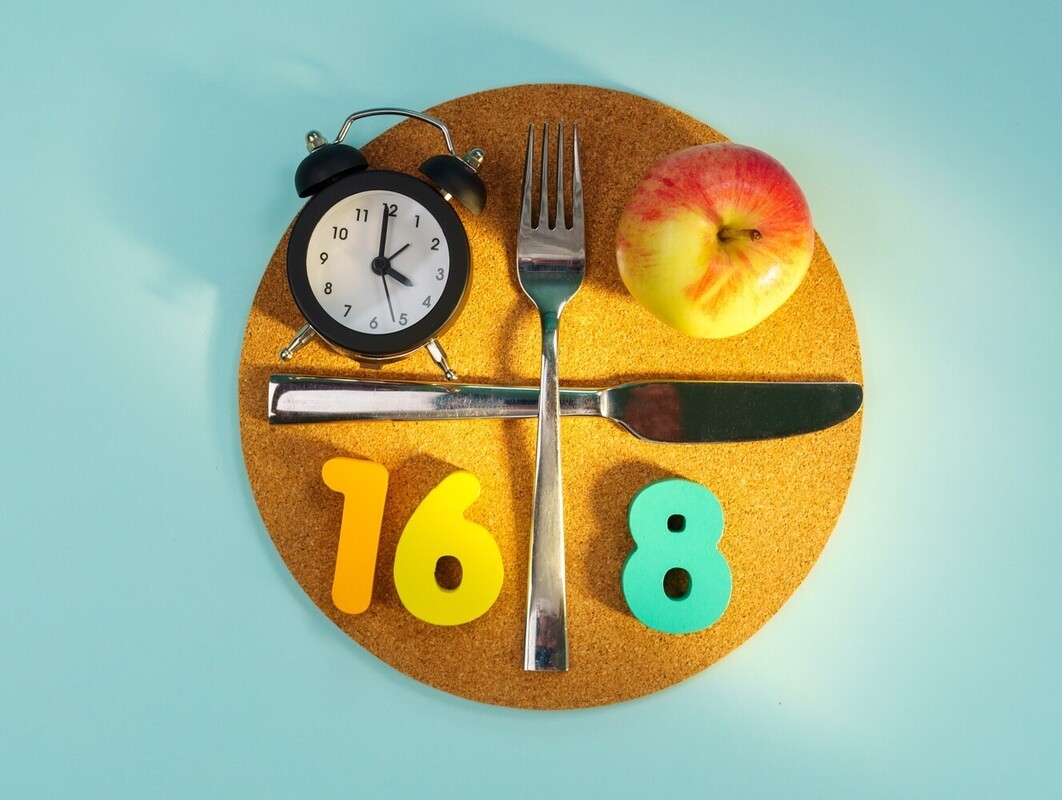
Time-restricted eating is one of the most popular ways people experiment with fasting. It limits eating to a specific window each day, such as 16:8, 14:10, or 12:12. For example, in a 16:8 schedule, someone might eat between 10 a.m. and 6 p.m. and fast the rest of the day. The appeal is clear: you don’t have to count calories or restrict specific foods, only the clock.
Research shows TRE can lead to modest weight loss, improved insulin sensitivity, and better cholesterol levels. The idea is that by narrowing the window, people naturally eat less and give the body time to switch into fat-burning mode overnight.
However, it’s important to note that when calorie intake is matched, TRE often produces results similar to standard calorie restriction. That means weight loss isn’t guaranteed if you eat large amounts during the eating window.
From our experience, TRE works best for people who prefer structure and can handle longer stretches without eating, but it can feel difficult for those who struggle with energy dips or social meal times.
5:2
The 5:2 method is another common approach that many find easier to manage. You eat normally on five days of the week and reduce calories significantly on two nonconsecutive days, typically around 500–600 calories. The flexibility of choosing which days to fast is a major draw. For example, some people pick Monday and Thursday to “fast” while eating as usual on the other days.
Studies show the 5:2 plan is just as effective as continuous calorie restriction for weight loss. The benefit lies in the structure: only two days require strict limitation, which feels more manageable than cutting back every single day. People often like the sense of balance this approach provides.
On the downside, those fasting days can be tough. Hunger, irritability, and low energy are common, and it’s not unusual for some to compensate by overeating on non-fasting days. For people who enjoy flexibility but want accountability, the 5:2 method can be a practical compromise, provided they plan their meals carefully and avoid “reward eating” afterward.
Alternate-Day Fasting (ADF)
What it is: ADF alternates between very low- or no-calorie “fasting” days and regular eating days.
Why we don’t recommend it: It’s highly demanding and hard to sustain. People commonly experience fatigue, irritability, and trouble focusing on fasting days. The on-off pattern can also disrupt meal quality and overall routine. Because adherence is poor and the approach can undermine energy, mood, and daily functioning, we do not recommend ADF at all.
Extended Fasts
What they are: Fasts lasting longer than 24 hours (e.g., 48–72 hours or more) with little or no calorie intake.
Why we don’t recommend them: Extended fasts carry meaningful safety risks (electrolyte imbalance, low blood sugar, nutrient deficiencies, and the possibility of refeeding syndrome when eating resumes). They also increase fatigue, dizziness, and sleep problems and are not necessary or practical for healthy, sustainable weight management. Because the risks outweigh any potential benefit, we do not recommend extended fasting at all.
What’s the Best Fasting Schedule?
Finding the best fasting schedule starts with understanding your routine, your hunger patterns, and your health goals. No research has identified one plan that works for everyone. Some people thrive on a consistent 16:8 approach, eating lunch and dinner only, while others do better with a shorter 14:10 window that still allows breakfast. These moderate schedules reduce grazing without feeling restrictive.
Aggressive approaches such as alternate-day fasting or multiple-day fasts can produce short-term results but have much higher dropout rates. Fatigue, irritability, or disrupted sleep can quickly become barriers.
From our experience, the people who see the best outcomes are those who choose a schedule that feels manageable alongside their work, exercise, and social life. For example, someone with evening family dinners may skip breakfast to create their fasting window, while a shift worker might adjust meal timing entirely.
Consistency matters more than intensity in any weight loss program. Pick a routine you can follow without feeling deprived, and you’re far more likely to maintain progress over time.

How Long Should You Fast?
Duration is a critical factor in fasting for weight loss. Most evidence supports daily fasting windows between 12 and 16 hours as a safe and effective starting point.
These shorter fasts give your body time to switch from burning glucose to tapping fat stores without causing extreme stress or nutrient gaps. They also fit easily into everyday life, like stopping food at 8 p.m. and eating again at 8 a.m.
Multi-day fasts, by contrast, carry a much higher risk of dehydration, electrolyte imbalances, and muscle loss. They can also lead to refeeding problems if food is reintroduced too quickly. Longer fasting periods don’t automatically translate into more fat loss because the body adapts by slowing metabolism and increasing hunger hormones. That makes maintaining progress harder.
If you want to fast, we recommend beginning with modest, regular windows and adjusting based on how your energy, mood, and hunger respond. People who succeed with fasting long-term usually start small, build consistency, and focus on balanced meals during eating periods rather than chasing longer and riskier fasts.
What Weight Loss Can You Expect From Fasting Realistically?
Most people can expect modest weight loss from fasting. Research shows average reductions of 3–5% of body weight over several months. That means someone at 200 pounds might lose 6 to 10 pounds in that timeframe. Results can be larger for some, smaller for others, but fasting is rarely a shortcut to dramatic drops.
Typical Outcomes in Studies
Clinical trials on intermittent fasting show mixed but consistent trends. A review of 27 studies found weight loss ranging from less than 1% to over 10%, largely depending on how well people stuck to the plan.
On average, fasting performed about as well as continuous calorie restriction. Improvements in insulin sensitivity, blood pressure, and cholesterol were also noted in many trials, showing benefits beyond weight loss.
Still, the majority of participants lost only a moderate amount of weight. Fasting is a tool, not a guarantee, and outcomes depend heavily on food choices and adherence.

How Individual Variability and Plateaus Affect Weight Loss
Not everyone responds the same way to fasting. Age, sex, muscle mass, and hormone balance all influence results. For example, younger men may see faster fat loss than postmenopausal women, even on the same plan. Sleep quality and stress also play major roles.
Over time, most people hit a weight loss plateau as the body adapts by slowing metabolism and adjusting hunger hormones. This is normal, not failure. Breaking through often requires small tweaks like adding strength training, adjusting portion sizes, or improving sleep routines. Fasting works best when it’s flexible enough to adapt to these changes.
Why Rapid Weight Loss Is Usually Unsustainable
Losing weight quickly can feel exciting, but it comes with trade-offs. Rapid loss often means shedding water and muscle along with fat, which lowers metabolism and makes future weight management harder.
Extreme restriction also ramps up hunger hormones like ghrelin, pushing the body to regain what was lost. Many people who drop weight fast end up cycling back to their starting point within months.
A slower, steadier approach usually holds up better. For example, losing one to two pounds a week while keeping protein intake high and exercising regularly helps preserve muscle and makes maintenance more realistic.

How to Fast Safely
Fasting can feel simple on the surface, but doing it safely requires more than skipping meals. The right approach protects your energy, nutrition, and overall well-being. These practical tips help reduce risks and make fasting more sustainable if you decide to try it:
Choose a Gentle Entry Point
Starting small is always smarter than diving into extremes. A 12-hour overnight fast, such as finishing dinner at 7 p.m. and eating breakfast at 7 a.m., is a manageable entry point. This allows your body to adapt gradually without leaving you drained. If that feels comfortable, moving toward a 14:10 or 16:8 schedule can be the next step.
Skipping straight to 24-hour fasts often backfires, leading to fatigue and rebound eating. Think of fasting as a skill to build over time, not a challenge to push to the limit.
Build Balanced Meals in Your Eating Window
What you eat still matters just as much as when you eat. Aim for meals that include protein, healthy fats, colorful vegetables, fruits, and whole grains. This combination helps preserve muscle, provides fiber for digestion, and keeps you full for longer.
Don't forget hydration. Water, herbal tea, and sparkling water are simple but effective.
With fewer eating opportunities, it's easy to miss key nutrients, so planning ahead makes a big difference. Building meals with intention prevents nutrient gaps and helps fasting feel sustainable rather than restrictive.

Know When to Stop
Your body will give you signals if fasting isn't serving you well. Red flags include dizziness, severe fatigue, irritability, poor concentration, or disrupted sleep. If these symptoms appear, it's time to stop and reassess. Some people ignore warning signs because they feel pressure to stick it out, but pushing through can harm health and derail progress.
Sustainable fasting should leave you feeling balanced, not depleted. If fasting interferes with your quality of life or relationships, it may not be the right tool for you, and that's okay.
Stay Flexible with Your Approach
Rigidity is one of the biggest reasons people give up on fasting. Life happens, and social events, travel, or family meals sometimes fall outside your eating window. Instead of stressing, plan ahead and adjust your schedule.
For example, if you usually fast until noon but have a breakfast meeting, enjoy the meal and shift your window later. Staying flexible lets fasting fit your life rather than dominate it. This mindset reduces guilt and makes it more likely you'll stick with the habit long term. Consistency, not perfection, leads to results.
If you're curious about fasting but want to do it in a way that protects both your physical and mental health, connect with a Registered Intuitive Eating Dietitian. Having expert guidance ensures your approach is safe, balanced, and tailored to your lifestyle.

What if You’re Fasting but Not Losing Weight?
It can feel frustrating to commit to fasting and not see the scale move. The truth is that fasting creates an opportunity for weight loss, but it doesn’t guarantee results. Several common pitfalls can interfere with progress and make you unable to lose weight. Let’s look at the most frequent ones:
You Might Be Eating Too Much in the Eating Window
Fasting can make people hungrier, and it’s easy to overcompensate once the eating window opens. Having a giant plate of pasta, multiple snacks, and dessert can completely erase the calorie deficit created by fasting. The body only loses fat when there’s a consistent gap between calories consumed and calories burned.
From our experience, this is one of the biggest challenges people face. The solution isn’t to restrict harder, but to plan balanced meals that are satisfying without being excessive. High-protein foods, fiber-rich vegetables, and healthy fats can keep you full without tipping intake too high.
You Could Be Underestimating Snacks and Drinks
Snacks and drinks are sneaky sources of calories that people often forget to count. A flavored latte with whipped cream, a handful of nuts grabbed on the go, or a few spoonfuls of peanut butter while cooking all add up quickly. Even condiments and sauces can make a difference.
For example, two tablespoons of ranch dressing add about 140 calories, which is easy to overlook. If these extras slip in regularly, the calorie deficit may disappear.
Being mindful of these hidden calories doesn’t mean eliminating them entirely. Instead, it’s about being aware and making intentional choices. Swapping in sparkling water for soda or measuring out snack portions can help keep things in check.

You’re Ignoring Other Health Factors
Fasting is just one piece of the puzzle. If you’re not sleeping enough, stress hormones like cortisol rise and make it harder to lose fat. Poor sleep also increases hunger and cravings, especially for high-calorie foods. Stress itself can drive overeating as a form of comfort.
On top of that, a sedentary lifestyle means fewer calories are burned each day, making fat loss slower even with fasting. We often remind people that weight management is influenced by multiple factors working together.
Prioritizing better sleep, adding regular movement like walking or strength training, and using stress management techniques can all make fasting more effective. Addressing these areas often helps break through plateaus and makes results more sustainable.
Risks of Fasting
Fasting isn’t always harmless, even when it’s done with good intentions. While some people tolerate it well, others experience side effects that can undermine health and quality of life. Here are the most important risks to keep in mind:
Short-Term Side Effects
In the early days of fasting, it’s common to feel fatigue, headaches, irritability, and poor concentration. Sleep patterns can also shift, making it harder to rest well at night. These issues often happen because the body is adjusting to longer gaps without food and fluctuating blood sugar levels.
For some, the symptoms ease after a week or two. For others, they persist and interfere with daily activities like work or exercise.
Drinking water, staying hydrated, and choosing balanced meals in the eating window may lessen symptoms, but they don’t always solve the problem. If these side effects don’t improve, fasting may not be the best strategy.

Potential Nutrient Deficiencies
When the eating window shrinks, the chance of missing out on key nutrients increases. It can be difficult to fit enough protein, fiber, vitamins, and minerals into one or two meals a day. Over time, this might lead to fatigue, weaker immunity, or loss of lean muscle.
For example, cutting dairy and not replacing calcium elsewhere can harm bone health. Missing fruits and vegetables can reduce vitamin C and fiber intake, leading to sluggish digestion.
Careful meal planning helps, but it requires intention and variety. Supplements may fill some gaps, but they don’t replace the benefits of whole foods. Anyone considering longer-term fasting needs to keep nutrition quality a top priority.
Social Downsides
Food plays a central role in social life, from family dinners to celebrations with friends. Strict fasting windows can make these experiences stressful. For example, if your eating window closes at 6 p.m., but a birthday dinner starts at 7, you may feel forced to choose between sticking to the fast or joining in. This can lead to guilt, isolation, or strained relationships.
Over time, the pressure of missing out may outweigh the benefits of fasting itself. Being flexible can help, but rigid adherence often creates unnecessary tension. For people who value food as part of connection and culture, this downside can be a significant barrier to long-term success.
Electrolyte Imbalances
Extended fasting or frequent 24-hour fasts raise the risk of electrolyte imbalances. Sodium, potassium, magnesium, and calcium all play critical roles in muscle contraction, heart rhythm, and nerve function.
Without regular food intake, these levels can shift dangerously, especially if fluid intake isn’t balanced. Symptoms may include muscle cramps, weakness, dizziness, or irregular heartbeat.
People on blood pressure medications or diuretics are particularly vulnerable. Even healthy adults can run into problems if fasting for multiple days without guidance.
Electrolyte disturbances can become medical emergencies, which is why multi-day fasting should never be attempted without medical supervision. Safer strategies focus on shorter fasts that minimize these risks.

Greater Impacts on Certain Groups
Some groups are more vulnerable to fasting-related harm. Women may notice irregular menstrual cycles due to hormonal disruption. Older adults face a higher risk of muscle loss, which can reduce strength and mobility. Adolescents, pregnant or breastfeeding people, and anyone with a history of eating disorders should avoid fasting altogether unless under close medical supervision.
These groups require consistent nutrient intake for growth, hormonal balance, or recovery. Ignoring these needs can create long-term health problems. Even healthy adults should approach fasting with caution if they have underlying conditions like diabetes, thyroid disorders, or cardiovascular disease. Professional guidance makes a significant difference in safety.
Refeeding Syndrome
Refeeding syndrome is a rare but serious risk that can occur after prolonged fasting. When someone hasn’t eaten for several days and then suddenly reintroduces large amounts of food, electrolyte shifts can overwhelm the body. Phosphorus, potassium, and magnesium levels may drop sharply, leading to complications like heart failure, respiratory problems, or seizures.
This condition has been well-documented in hospitalized patients but can also affect individuals who experiment with extended fasts at home. Gradual reintroduction of food with medical monitoring is essential to avoid this dangerous outcome.

Digestive Discomfort
Fasting can disrupt digestion in surprising ways. Some people notice bloating, constipation, or stomach cramps when they compress meals into shorter timeframes. Eating large quantities of food quickly places extra stress on the gut.
On the other hand, long fasting periods may slow down bowel movements because of reduced fiber and overall food volume. For individuals already prone to digestive issues, these changes can make symptoms worse.
Simple adjustments like increasing water intake, adding high-fiber foods, and chewing slowly can help, but they don’t always fix the problem. If digestive discomfort persists, it may be a sign that the fasting style doesn’t suit your body’s needs.
Mental Health Strain
Fasting can also take a toll on mental health. For some, watching the clock and restricting eating windows creates anxiety or preoccupation with food. It can trigger irritability and mood swings, especially if meals are delayed or social plans conflict with the fasting schedule.
People with a history of disordered eating should not participate in fasting. A healthier strategy is one that supports both body and mind. If fasting consistently makes you feel anxious or out of control, it is not the right choice.
If mental health or disordered eating is something that you struggle with, a Registered Mental Health Dietitian can help.

What Weight Loss Strategies Should You Follow Instead of Fasting?
Fasting can be a tool, but it isn’t the only way to lose weight. In fact, many people succeed with approaches that feel less rigid and more sustainable. These are practical, healthy weight loss strategies that can make a lasting difference:
Evidence-Based Diet Patterns
Following a well-researched eating pattern is one of the most reliable ways to manage weight. Diets like the Mediterranean or Atlantic style emphasize macronutrients for weight loss, like vegetables, fruits, whole grains, legumes, nuts, and lean proteins. These foods provide fiber, healthy fats, and high-quality nutrients that keep you full while supporting heart and metabolic health.
High-protein, plant-forward variations also promote satiety and help preserve muscle during weight loss.
Instead of counting every calorie, this approach focuses on food quality and balance. For example, swapping refined grains for whole ones or choosing olive oil instead of butter makes a measurable impact over time. These patterns are backed by decades of research and consistently deliver benefits beyond weight control.

Use Simple Strategies to Reduce Calories
Small, consistent adjustments in eating habits often work better than restrictive rules. Portion control is a powerful tool, and serving yourself on smaller plates can naturally reduce intake without leaving you hungry.
Mindful eating techniques like slowing down, chewing thoroughly, and noticing fullness cues prevent overeating.
Choosing lower-calorie, nutrient-dense foods such as vegetables, lean protein, or broth-based soups also helps cut calories while keeping meals satisfying. For example, swapping chips for air-popped popcorn or grilled chicken for fried makes a real difference.
If you’d like guidance with this, connect with a Registered Weight Loss Dietitian through Berry Street for a personalized 7-day weight loss plan tailored to your preferences and lifestyle. Having expert support ensures you stay consistent and motivated.
Adjust Lifestyle Habits
Weight loss isn’t only about what happens on your plate. Sleep, stress, and planning play massive roles in success. Poor sleep raises hunger hormones, while constant stress drives cravings for high-calorie comfort foods. Making time for adequate rest and setting healthy boundaries around work can stabilize appetite and mood.
Meal planning and prep also make it easier to avoid last-minute takeout, and leaning on social support builds accountability. For example, cooking meals with a partner or joining a walking group can make habits stick.
These small, everyday choices add up to big results over time. Building routines around rest, stress management, and planning makes weight management far more sustainable.

Include Physical Activity
Exercise is not just about burning calories. It helps preserve muscle and boosts overall health. Strength training is particularly important because it maintains lean tissue, which supports metabolism even during weight loss. Adding two or three resistance sessions each week can protect against muscle loss while promoting fat reduction.
Walking is another powerful tool. A brisk daily walk improves cardiovascular health, helps regulate blood sugar, and makes it easier to maintain a calorie deficit for weight loss. Activities like cycling, swimming, or yoga can be mixed in for variety and enjoyment.
For many people, combining strength training with regular movement is the key to feeling healthier and sustaining progress. Think of activity as the foundation that supports any nutrition approach you choose.
Prioritize Protein at Every Meal
Protein is one of the most effective tools for weight management. Eating enough protein keeps you fuller for longer, helps stabilize blood sugar, and preserves muscle mass during weight loss. Aim to include protein-rich foods at every meal, such as eggs at breakfast, chicken or tofu at lunch, and fish or lentils at dinner.
Snacks like Greek yogurt or edamame can fill gaps in between. Research consistently shows that higher protein intake improves satiety compared to meals built mostly from carbs or fats.
For example, replacing a pastry breakfast with scrambled eggs and vegetables can reduce mid-morning cravings and lower overall calorie intake. Making protein a daily priority is a simple shift with significant payoff.

Limit Ultra-Processed Foods
Ultra-processed foods are convenient, but they’re often high in calories, added sugar, and refined fats. These foods also tend to be less satisfying, leading to overeating. Examples include packaged snacks, fast food, sugary drinks, and frozen meals with additives.
Studies show diets high in processed foods are linked to weight gain and metabolic problems. Reducing reliance on these foods doesn’t mean giving them up completely.
Instead, focus on cooking more meals at home and choosing whole or minimally processed options like fresh fruit, nuts, lean meats, or whole grains. Even small swaps, such as drinking sparkling water instead of soda or packing a homemade lunch instead of buying fast food, can cut calories significantly over time.
Track Progress Without Obsession
Monitoring your habits and progress helps you stay accountable, but it doesn’t need to become overwhelming. Weighing yourself once a week, taking waist measurements, or logging meals are all effective strategies. These tools can highlight patterns that may not be obvious day-to-day, such as late-night snacking or portion creep.
The key is to use tracking as information, not judgment. If the scale stalls, it’s a chance to adjust, not a reason to quit. Many people also find it motivating to track positive behaviors like workouts completed, vegetables eaten, or hours slept. Focusing on actions as well as outcomes helps build consistency and keeps progress in perspective.

Weight Loss Fasting FAQs
Is fasting better than counting calories?
Not really. Both approaches can be effective, and studies show similar outcomes when calorie intake is matched.
Can fasting harm your health?
Yes, especially if extreme or unsupervised. Risks include fatigue, nutrient deficiencies, and hormonal issues.
What if I have PCOS or thyroid issues?
Responses vary. Some with PCOS benefit, but thyroid conditions may complicate fasting. Medical guidance is essential.
Is fasting safe long-term?
Long-term safety data is limited. Most trials last weeks to months, so we can’t say it’s risk-free over the years.
Conclusion
Fasting for weight loss can be a useful tool, but it’s not a one-size-fits-all solution. Some people do well with time-restricted eating or 5:2 schedules, while others find that the side effects, nutrient gaps, or social downsides make it hard to sustain.
The research consistently shows that fasting is no more effective than other balanced approaches when calories are matched, which means the real key is finding an eating style that fits your lifestyle and supports long-term health.
Pairing consistent eating habits with quality sleep, stress management, and physical activity usually matters more than the fasting schedule itself.
If you want personalized, evidence-based guidance, connect with a Registered Dietitian at Berry Street and discover an approach that actually works for you.
If you want to learn more, why not check out these articles below: