Key Takeaways
On Wegovy, the hard part usually isn’t eating less. It’s eating enough of the right things when you’re barely hungry, and that is where a registered dietitian helps most.
Protein and adequate overall intake protect the muscle you want to keep. A 2025 joint advisory on GLP-1 nutrition makes nutritional adequacy and muscle preservation a top priority.
Wegovy (semaglutide) is a medication that supports metabolic health, prescribed and monitored by your medical team. Nutrition sits in your dietitian’s lane, and dosing sits with your prescriber.
No food is off-limits here. The goal is adequacy, structure, and steady habits, not calorie counting or restriction.
Berry Street registered dietitians specialize in GLP-1 nutrition support, work alongside your prescribing team, and are covered by most insurance plans.
If you’re on Wegovy, you may have expected the challenge to be eating less. For many people, the surprise is the opposite. When your appetite drops sharply, the real work becomes eating enough of the right things on the days food barely appeals to you. Skipping meals feels easy. Hitting your protein feels hard. And the old habit of “eat as little as possible” can quietly creep back in.
That is exactly where a registered dietitian fits. This guide walks through what to eat on Wegovy from a non-restrictive, RD-led point of view. No food rules, no calorie targets, no shame. Just practical support for eating well while your appetite changes, working alongside your doctor rather than instead of them.
In 30 seconds: On Wegovy, focus on eating enough, not eating less. Prioritize protein, fiber, produce, healthy fats, and fluids to protect muscle and steady your energy while your appetite is lower. A registered dietitian personalizes this to your body and works alongside your prescribing team.
How Wegovy changes the way you eat
What Wegovy is and how it works
Wegovy is the brand name for semaglutide, a GLP-1 medication that is prescribed and monitored by your medical team. GLP-1 is a hormone your body already makes. Wegovy mimics it, which is why it can lower appetite and slow how quickly your stomach empties. That combination tends to leave you feeling full sooner and for longer.
Over time, the appetite change can be significant. In the STEP 5 trial published in Nature Medicine, people taking semaglutide saw sustained changes across two years of treatment. The medication also supports metabolic health more broadly. In the SELECT trial published in the New England Journal of Medicine, semaglutide reduced cardiovascular events in adults with established heart disease, which reinforces that this is a metabolic-health medication, not a shortcut.
Here is the important boundary. How the drug works and how you dose it are decisions for your prescriber. What you put on your plate is where a dietitian comes in. The two lanes work best together. You can learn more about how Berry Street supports people taking Wegovy alongside their care team here.
Why what you eat matters more when you’re eating less
When you eat less overall, every bite carries more weight. Smaller portions mean fewer chances to take in the protein, fiber, vitamins, and minerals your body needs. If those smaller meals are also low in nutrients, gaps can open up quickly.
This is the heart of GLP-1 nutrition support. The question shifts from “how do I eat less” to “how do I make what I do eat count.” For some people, that means front-loading protein. For others, it means adding an easy snack rather than removing food. A dietitian helps you figure out which adjustments fit your body and your day.

Why work with a registered dietitian while on Wegovy?
A registered dietitian nutritionist is a licensed medical professional with years of clinical training, qualified to help manage nutrition through medical conditions. On Wegovy, an RD helps you eat enough, protect muscle, ease side effects, and keep your relationship with food steady. They work alongside your doctor, not instead of them.
There is no one-size-fits-all plan here. Your appetite, your schedule, your medical history, and your food preferences all shape what works. That personalization is hard to get from an app or a generic meal plan.
The risks of going it alone
Without support, a few patterns show up often:
Under-eating. When nothing sounds good, it’s easy to drift into far too little food, which leaves you low on energy and nutrients.
Muscle loss. Losing weight without enough protein or movement can mean losing muscle along with it, which the 2025 GLP-1 nutrition advisory flags as a key concern.
Nutrient gaps. Smaller meals can fall short on iron, calcium, B12, and other micronutrients over time.
Rebound restriction. For people with a history of dieting, low appetite can reawaken old rules and all-or-nothing thinking.
None of these are inevitable. They are simply easier to prevent with a plan than to fix later.
What to prioritize on your plate
The aim is adequacy and balance, not restriction. Think of these as priorities to build around, not rules to obey. Work with a dietitian to personalize the specifics to your needs.
Protein first, how much, and how to hit it when you’re not hungry
Protein does a lot of heavy lifting on Wegovy. It helps protect muscle, supports fullness, and keeps energy steadier. The 2025 joint advisory on GLP-1 nutrition highlights adequate protein as central to preserving lean mass during treatment.
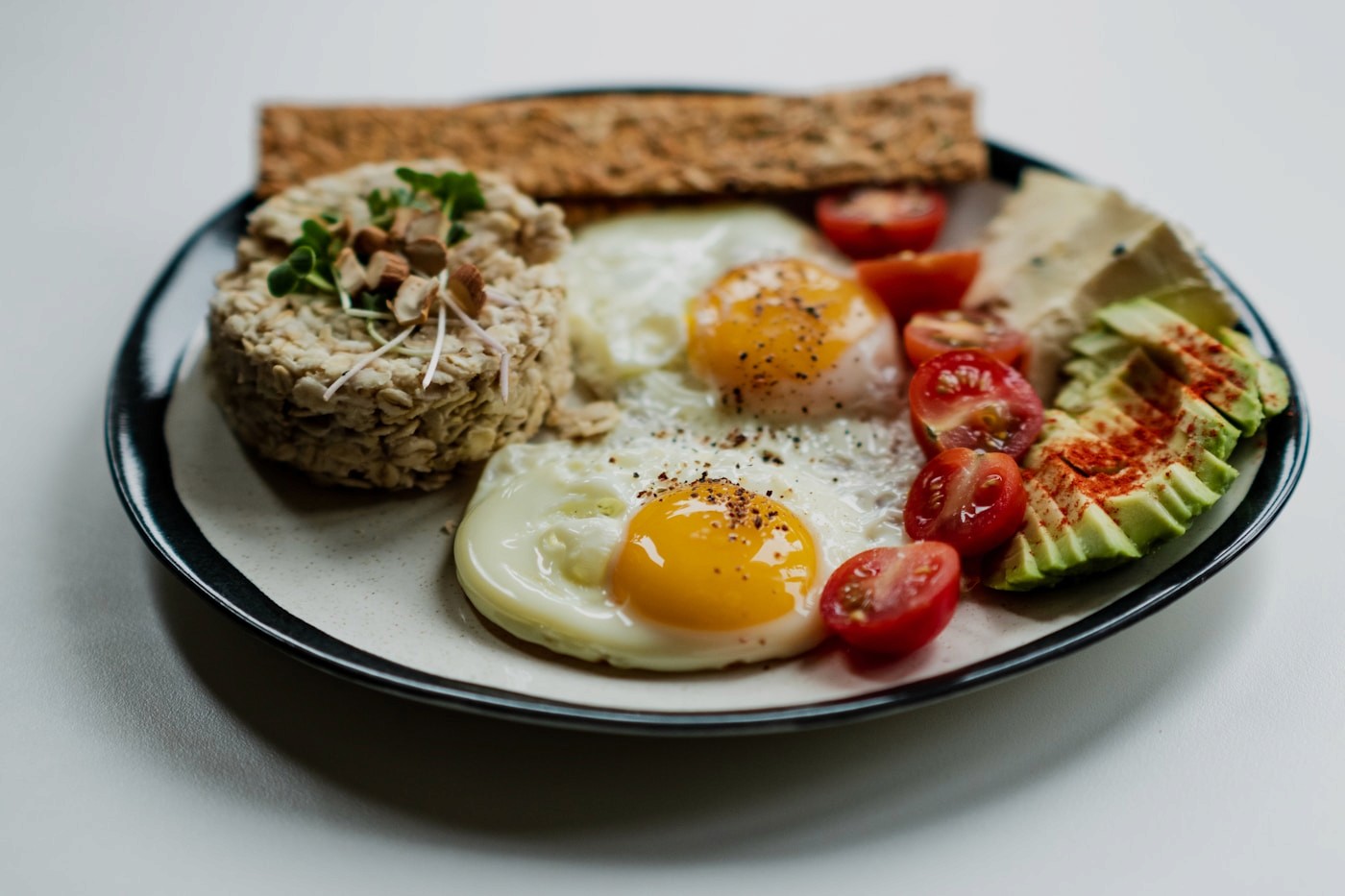
A common baseline many dietitians use is roughly 0.5 to 0.7 grams of protein per pound of body weight (about 1.2 to 1.6 grams per kilogram), though your target depends on your individual needs. When appetite is low, getting there takes a little strategy. Lead with protein at the start of each meal, before you fill up. Keep easy options within reach, such as Greek yogurt, cottage cheese, eggs, tofu, fish, or a protein shake. Small, frequent portions often work better than three large plates.

When a client tells me nausea and low appetite are making protein feel impossible, we brainstorm practical solutions. I ask which meal of the day they feel least queasy, and we make that the protein anchor. From there, we lean on soft and cold foods that go down easy, like Greek yogurt, a smoothie with protein powder, or a few bites of chilled chicken. I would rather someone hit their protein across five small snacks than force one big meal that ends in nausea. — Jessica Cannon, MS, RDN, LDN
Fiber and produce for fullness, digestion, and micronutrients
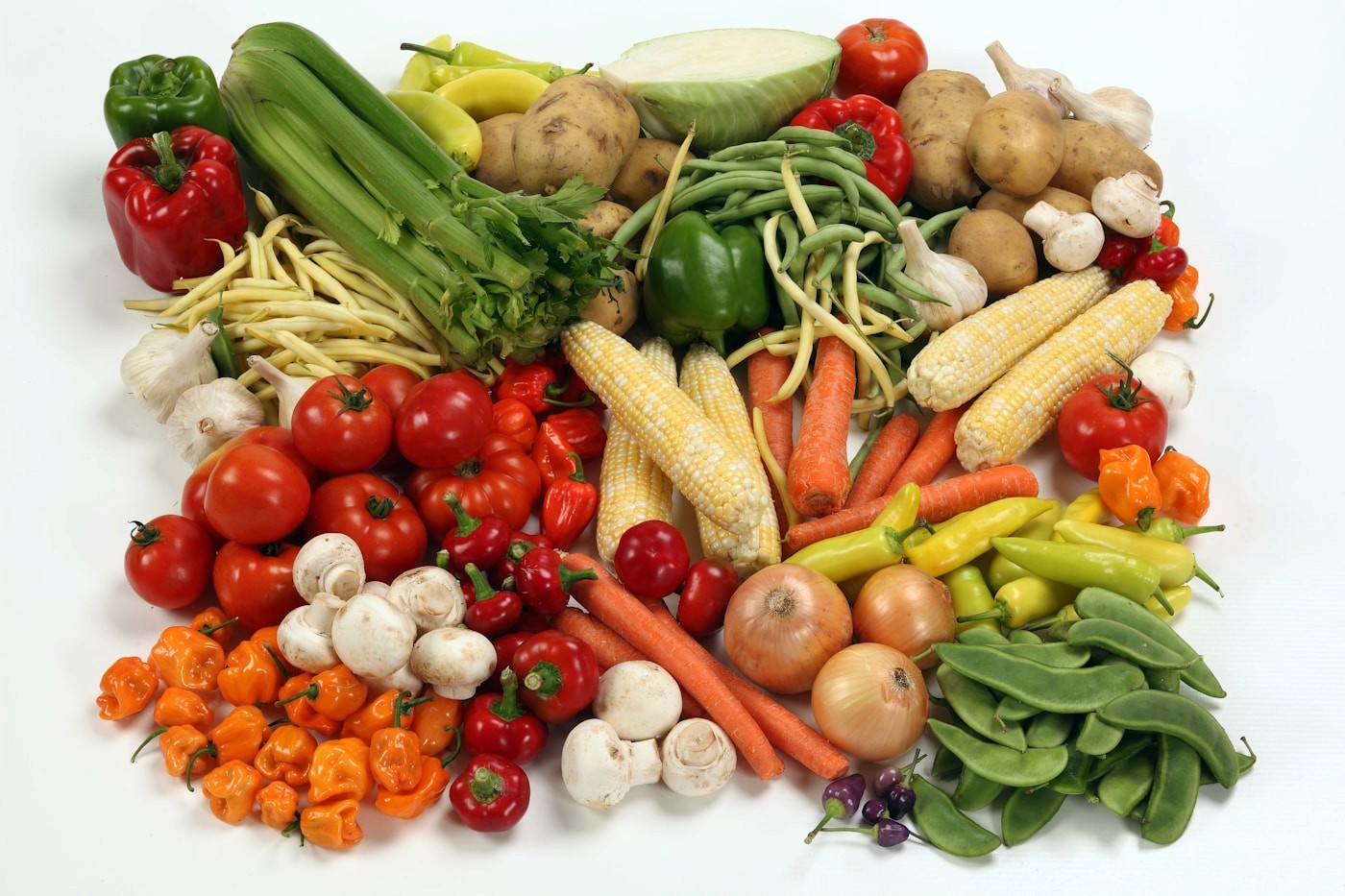
Fruits and vegetables bring fiber, vitamins, and minerals into meals that are now smaller. Fiber also supports digestion, which matters because Wegovy can slow things down. Aim to include some produce at most meals, and add it gradually if your stomach is sensitive. A piece of fruit, a handful of berries, or a side of cooked vegetables all count.
Healthy fats and whole-food carbs for steady energy
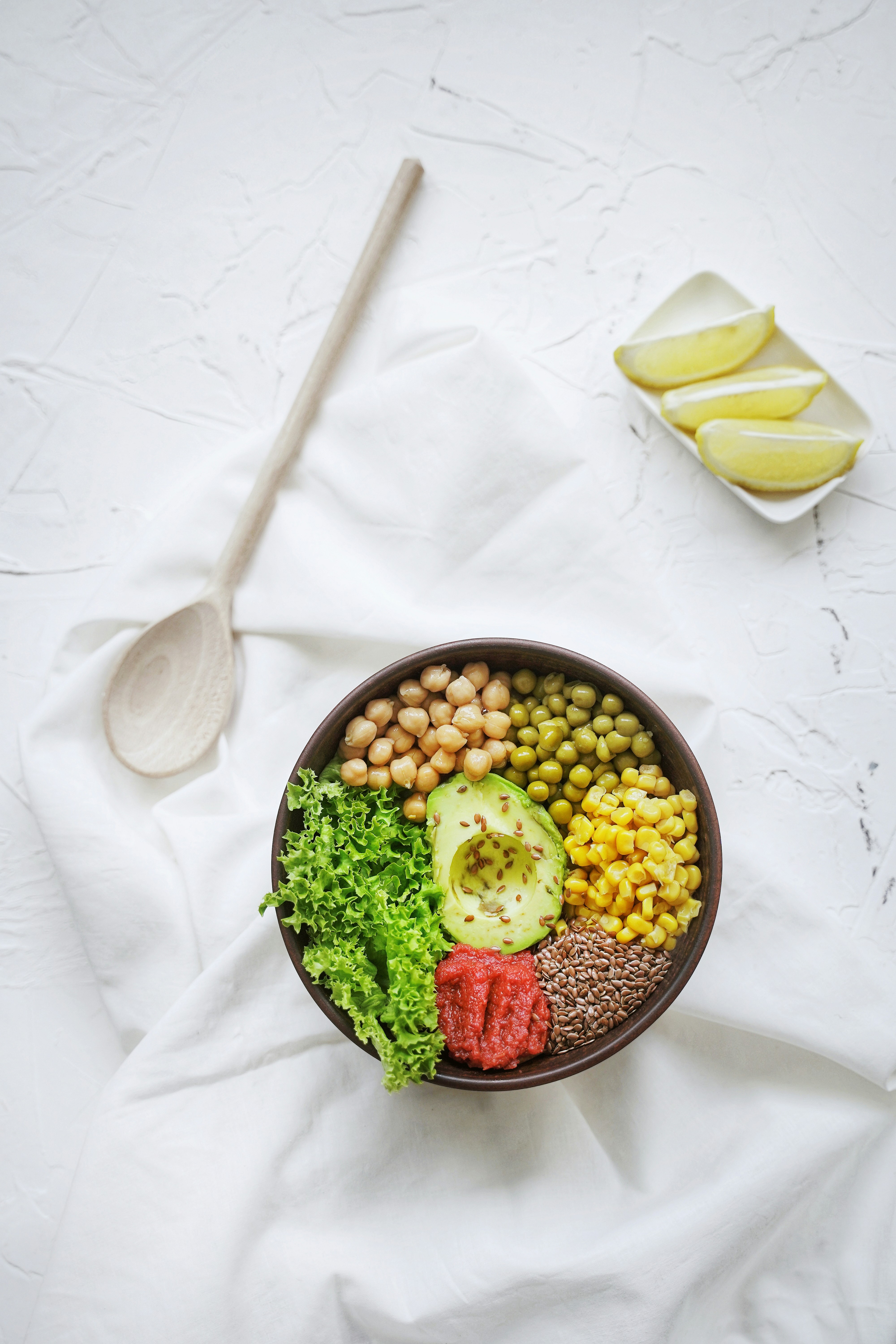
Fats and carbohydrates are not the enemy. Healthy fats from foods like avocado, olive oil, nuts, and seeds help with fullness and nutrient absorption. Whole-food carbohydrates such as oats, beans, potatoes, and whole grains give you steady energy and fiber. Including them helps your smaller meals feel more complete and keeps energy from dipping.
Hydration, and why it’s easy to miss on Wegovy
When you’re eating less, you often drink less too, partly because food carries water and partly because thirst cues can fade. Mild dehydration can worsen fatigue, headaches, and constipation. A common target is around 2 to 3 liters of fluid a day, adjusted to your body and activity. Keep a water bottle visible, and sip throughout the day rather than waiting to feel thirsty.
Foods and habits that ease side effects
Nausea, reflux, and constipation are common early on, and they tend to ease over time. The goal is to work with your body, not to cut foods out of fear.
Eating through nausea without restricting
When nausea hits, smaller and more frequent meals usually sit better than large ones. Bland, lower-fat, and cooler foods can feel gentler, such as crackers, toast, broth, yogurt, or smoothies. Eating slowly and stopping before you feel overly full also helps. This is about finding what feels manageable right now, not labeling any food as off-limits. If nausea is severe or ongoing, tell your prescribing team, since dosing may be part of the picture.
Managing reflux, constipation, and “food noise” changes
For reflux, some people do better with smaller meals and by staying upright for a while after eating. For constipation, gradual fiber, plenty of fluids, and gentle movement often help. Many people also notice quieter “food noise,” meaning fewer intrusive thoughts about food. That can feel freeing, and it can also make it easier to under-eat, so it’s worth keeping an eye on your intake even when hunger is quiet.
Protecting muscle and eating enough
Weight change on Wegovy can include muscle, not just fat, if intake and activity don’t support lean mass. Protecting muscle comes down to two things working together: eating enough, especially protein, and staying active. This is why adequacy, not restriction, is the priority.
How to tell if you’re under-eating
A few signs suggest you may not be eating enough:
Persistent fatigue, dizziness, or feeling cold much of the time
Hair thinning or shedding more than usual
Losing weight very rapidly, faster than your care team expects
Feeling weak during everyday activities or workouts
If several of these show up, it’s a signal to add food, not push through. A dietitian can help you build meals back up in a way that feels doable.
Movement and protein for muscle preservation
Pairing resistance or strength-style movement with adequate protein gives your body a reason to hold onto muscle. The 2025 GLP-1 nutrition advisory points to this combination as central to preserving lean mass during treatment. You don’t need an intense program. Regular movement you can sustain, matched with enough protein across the day, does the work over time.
The clients who do best long term are the ones who build structure instead of rules. When someone worries about tipping back into restriction, we shift the focus toward adding rather than subtracting. We set up an eating plan, like a protein-forward meal or snack every few hours, so eating happen regularly and not by hunger, which is unreliable on this medication. And we actively undo old diet rules, because a food that once felt “forbidden” is often exactly the easy, appealing option that gets you to eating enough on a low-appetite day. — Jessica Cannon, MS, RDN, LDN
Nutrition support that fits your life
Wegovy works best with a nutrition plan built around your body and your life. That is what Berry Street registered dietitians do. They specialize in GLP-1 nutrition support, take a weight-neutral and non-restrictive approach, and work alongside your prescribing team.
Cost is usually simpler than people expect. Berry Street is in-network with 1,250+ insurance plans nationwide, and 95% of members pay $0 with coverage. When you’re ready, you can see what your plan covers and get matched with a dietitian who can meet you where you are and help you navigate exactly the questions this guide raises. If you’re also thinking beyond the medication, this dietitian’s guide to appetite and metabolism after Ozempic is a helpful next read.

Frequently Asked Questions
What should I eat while taking Wegovy?
Focus on eating enough of the right things rather than eating as little as possible. Build meals around protein, add fiber and produce, include healthy fats and whole-food carbs, and stay hydrated. No food is off-limits, and a dietitian can personalize this to your appetite and preferences.
How much protein do I need on Wegovy, and how do I get it when I’m not hungry?
A common baseline many dietitians use is roughly 0.5 to 0.7 grams of protein per pound of body weight (about 1.2 to 1.6 grams per kilogram), though your target depends on your individual needs. To hit it with low appetite, lead with protein at each meal, choose easy soft or cold sources like yogurt and eggs, and use small frequent portions. Working with a dietitian helps you find the right amount for you.
Which foods should I limit to reduce nausea and other GI side effects on Wegovy?
Rather than cutting foods out, many people find that large, very rich, or high-fat meals feel harder on the stomach when nausea is present. Smaller, gentler, cooler meals often sit better for some people. This is about what feels manageable right now, and severe or ongoing symptoms are worth raising with your prescribing team.
How do I know if I’m eating enough (and not losing muscle) when my appetite drops?
Watch for signs like persistent fatigue, feeling cold, hair shedding, weakness, or losing weight faster than your care team expects. These can suggest you need to add food, especially protein. Pairing adequate protein with regular movement helps protect muscle, and a dietitian can help you check whether your intake is enough.
Do I have to count calories on Wegovy?
No. Berry Street’s approach is non-restrictive and does not rely on calorie counting. The focus is on adequacy, structure, and steady habits that support the medication, which a dietitian personalizes to your body and your life.
Can I drink alcohol while taking Wegovy?
Alcohol isn’t off-limits, but many people find it hits differently on Wegovy, since your appetite and stomach are already sensitive. Some notice more nausea or reflux, or that a drink fills them up fast, so pace yourself and keep food and water nearby. It’s worth raising with your prescribing team, and a dietitian can help you fit it into your week.
What are the best snacks to keep on hand on Wegovy?
Lean toward easy, protein-forward snacks that go down gently, like Greek yogurt, cottage cheese, hard-boiled eggs, hummus with crackers, or a protein shake. Pairing a little protein with fiber or produce, such as apple slices with nut butter, helps a small snack carry more nutrition. Keep a few within reach so eating enough happens by plan, and a dietitian can tailor the list to what appeals to you.

Will I regain weight if my eating habits don’t change on Wegovy?
The habits you build now matter more than the medication alone. Wegovy supports your metabolic health, and the nourishing routines you build alongside it are what tend to last, on the medication or off. Rather than framing this around fear, work with a dietitian to make those habits feel steady and sustainable over the long term.
Can vegetarians and vegans get enough protein on Wegovy?
Yes. Plant-based eaters can meet their protein needs with foods like tofu, tempeh, edamame, lentils, beans, and soy milk, plus a plant protein powder on low-appetite days. Since these foods often bring filling fiber, spreading protein across small, frequent snacks helps, and a dietitian can personalize a plan to you.
Should I take any vitamins or supplements while on Wegovy?
Food comes first here, since a varied plate of protein, produce, and whole foods covers most of what your body needs. Whether a supplement makes sense depends on your individual intake, labs, and health history, so it’s not a one-size-fits-all decision. Talk it through with your care team and dietitian, who can look at your whole picture before adding anything.
Last Reviewed by Jessica Cannon, MS, RDN, LDN — July 2026.