Key Takeaways
What to eat on Ozempic matters more, not less, once your appetite quiets down, because you have fewer meals and fewer bites to cover your body’s full nutrition needs.
The four priorities most dietitians focus on are protein, fiber, healthy fats, and hydration, and each one supports how you feel day to day.
No food is off-limits. Some foods, like very rich or greasy meals, may feel heavier on a slowed digestive system, so the goal is balance rather than restriction.
The most overlooked risk on a GLP-1 is under-eating, not over-eating. A quiet appetite can hide inadequate intake, and for some people it can strain their relationship with food.
There is no single “Ozempic diet.” A registered dietitian nutritionist personalizes your plan alongside your medical team, and support is often covered by insurance.
If you have started a GLP-1 medication like Ozempic, you have probably noticed your appetite change fast. Meals feel smaller. Cravings quiet down. You may forget to eat at all. That shift can feel like a relief after years of feeling at war with hunger, and it raises a fair question: if I am eating less, does what I eat still matter?
It matters more. GLP-1 medications are prescribed and monitored by your medical team to support blood sugar and metabolic health, and any weight change is one possible outcome of that support, not the point of the medication. When your appetite is smaller, every meal has to work harder to deliver the protein, fiber, fats, and fluids your body still needs. This guide covers what to eat on a GLP-1, how to eat through common side effects, and why a personalized plan beats any generic Ozempic diet.
In 30 seconds: On a GLP-1, focus each smaller meal on protein and fiber first, add healthy fats in small amounts, and keep fluids steady throughout the day. No food is off-limits, and the biggest thing to watch for is under-eating, so working with a registered dietitian helps you get enough nutrition while your appetite is quiet.
Why What You Eat Matters More (Not Less) on a GLP-1
It is easy to assume that a smaller appetite means nutrition gets simpler. In practice, the opposite is true. Fewer meals and smaller portions leave less room for error, so the quality of what lands on your plate carries more weight than it did before.
How GLP-1 Medications Change Appetite, Fullness, and Digestion
GLP-1 medications work with your body’s own signals to slow how quickly your stomach empties and to increase the feeling of fullness. That is why a portion that once felt normal can now feel like too much, and why you may feel satisfied after just a few bites. Digestion slows down, which is also why heavy or greasy meals can sit uncomfortably. Research measuring what people actually eat on these medications shows meaningful drops in overall food intake, which is expected and part of how the medication supports metabolic health (Christensen et al., 2024).
“Not Hungry” Doesn’t Mean “Not in Need”
Here is the part that surprises many people: hunger and need are not the same thing. Your appetite may quiet down, but your body still needs protein to protect muscle, fiber to keep digestion moving, and fluids to stay hydrated. Studies of dietary intake on GLP-1 medications have found that some people take in less protein and fewer key nutrients than their bodies need once appetite drops (Christensen et al., 2024). That gap is exactly what thoughtful eating and support from a dietitian are meant to close.

The Four Nutrition Priorities on a GLP-1
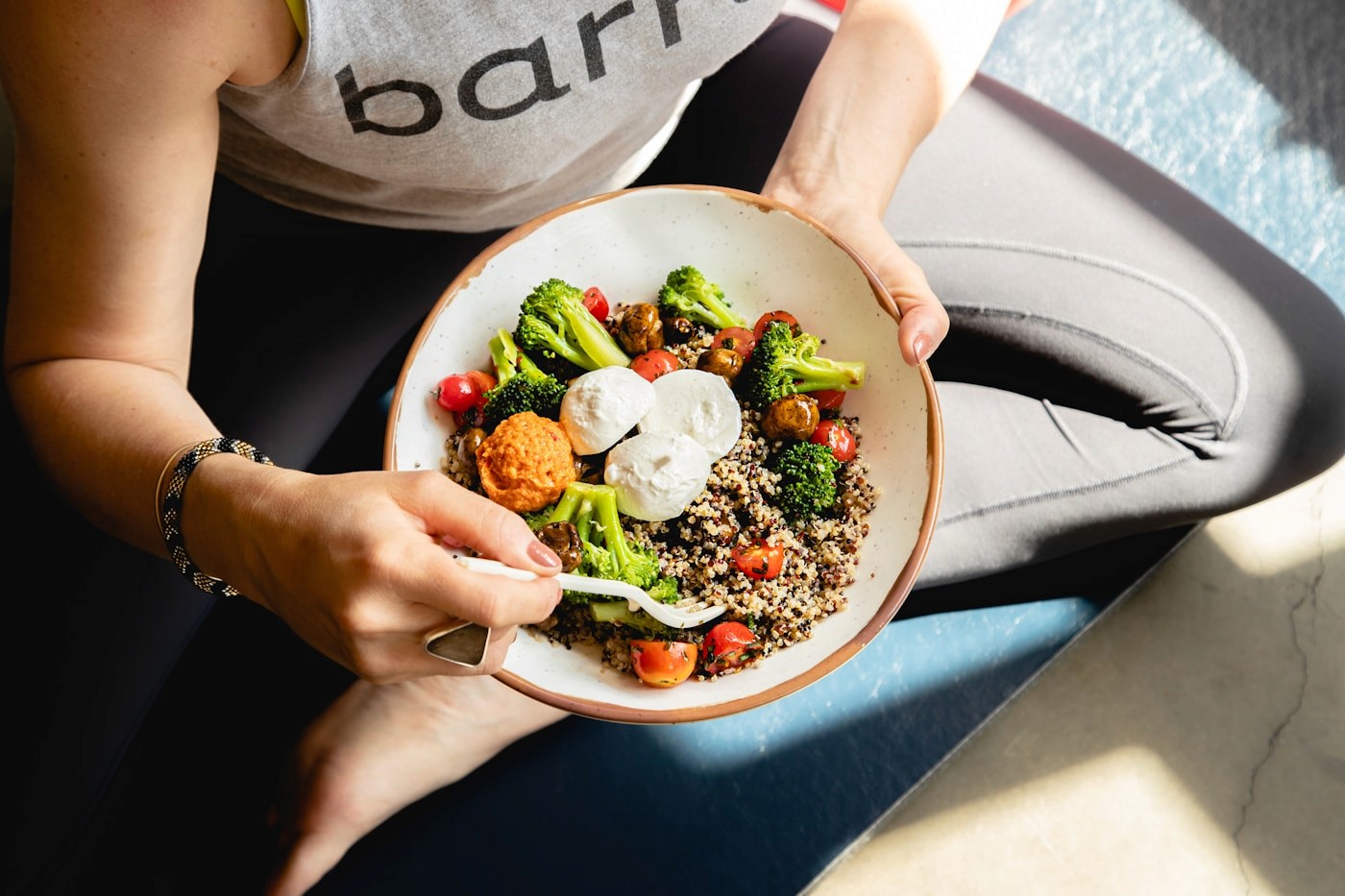
When your appetite is smaller, it helps to know where to spend your bites. For most people, a GLP-1 diet comes down to four priorities. These are a baseline to build from, not a strict rule, and the right amounts depend on your individual needs.
Protein — To Protect Muscle While You Lose Weight
Protein is the first priority for a reason. When body weight changes, some of that change can come from muscle and lean mass, and eating enough protein helps protect it. Research on GLP-1 treatment points to the importance of preserving muscle and bone health, especially when paired with activity (Birk, Sørensen, Sandsdal et al., 2024). Anchor each meal and snack around a protein source, and front-load it earlier in the day when your appetite may be a little stronger.
Good protein-forward options include:
Eggs, Greek yogurt, and cottage cheese
Chicken, turkey, fish, and lean cuts of meat
Tofu, tempeh, edamame, and lentils
Protein smoothies or shakes for days when chewing a full meal feels like too much
Hitting protein targets sounds simple until nausea or early fullness gets in the way, which is where a practical strategy matters.
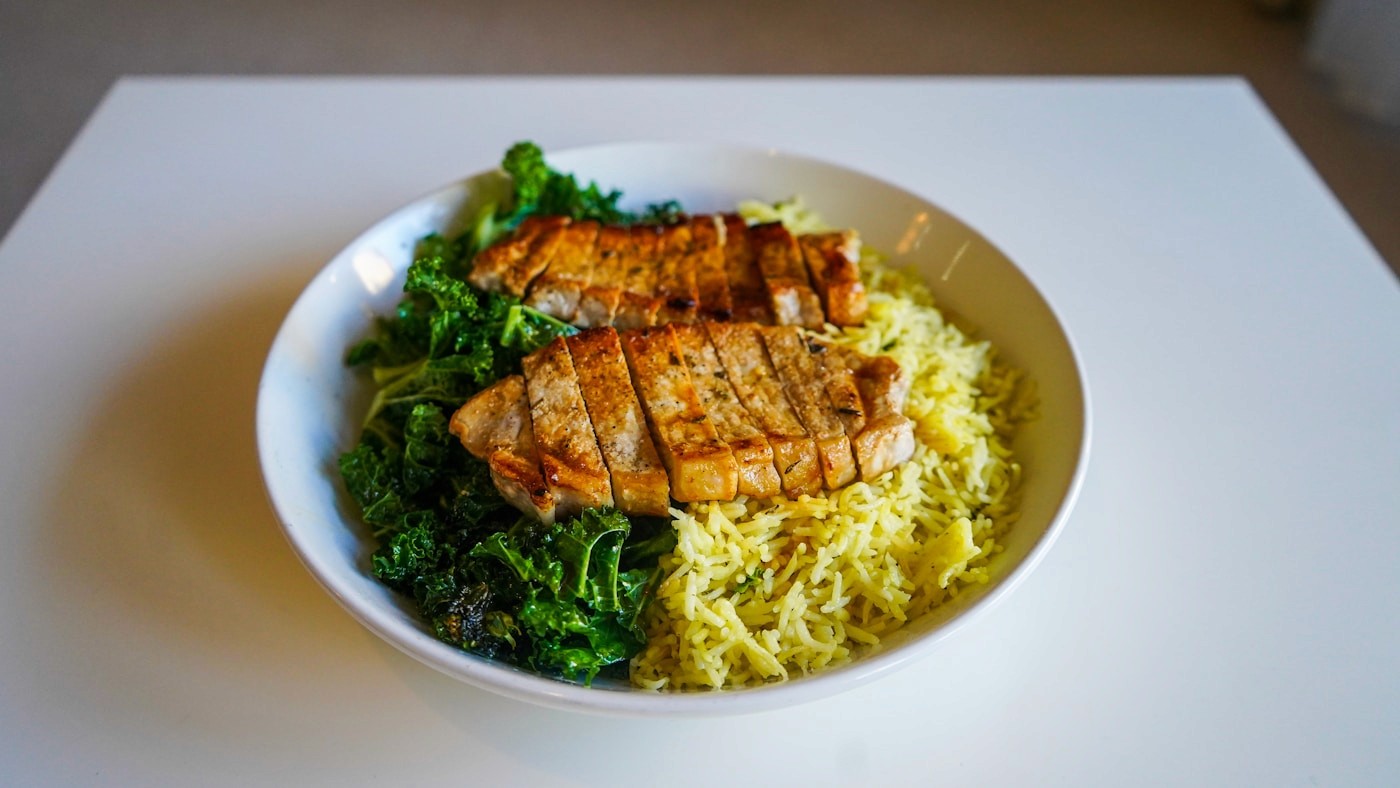
“When a client tells me they can only manage a few bites before they feel full, we focus on spreading protein across the whole day. I have them lead with the protein on the plate first, keep a shake or Greek yogurt on hand for the hard days.” — Jessica Cannon, MS, RDN, LDN
Fiber — To Ease Constipation and Steady Blood Sugar
Because GLP-1 medications slow digestion, constipation is a common complaint, and fiber is one of the most useful tools for it. Fiber also helps steady blood sugar, which supports the metabolic goals your medical team is working toward. Add it gradually and pair it with fluids so it can do its job comfortably. Good sources include vegetables, berries and other fruit, oats, beans, and whole grains.
Healthy Fats — Small Amounts, Spread Through the Day
Fats add flavor, help you absorb certain vitamins, and make small meals more satisfying. On a slowed digestive system, though, large amounts of fat can feel heavy and may worsen nausea for some people. The move is small portions spread through the day rather than one rich, fatty meal. Think a spoonful of nut butter, a few slices of avocado, a drizzle of olive oil, or a small handful of nuts.
Hydration — Because Thirst Signals Get Quieter Too
When your appetite quiets down, your thirst cues can fade along with it, so many people drift into mild dehydration without noticing. Staying hydrated also helps with constipation and can take the edge off nausea. A steady baseline of water through the day, rather than large amounts all at once, tends to sit best. If plain water feels like a chore, herbal tea, broth, and water-rich foods all count.
What a Balanced Plate Can Look Like Day to Day
Knowing the priorities is one thing. Getting them onto a plate when you are only a little hungry is another. The goal is not a rigid menu, it is a flexible pattern you can lean on and adjust to how you feel that day.
Easy Protein-Forward Meals and Snacks
On days when your appetite cooperates, keep meals simple and built around protein and fiber first. A few ideas:
Greek yogurt with berries and a sprinkle of nuts or seeds
Eggs with sautéed vegetables and a slice of whole-grain toast
Grilled chicken or tofu over a small grain bowl with roasted vegetables
Cottage cheese with fruit, or a protein smoothie with spinach and nut butter

Gentle, Soft, and Bland Options for Low-Appetite or Nauseous Days
Some days a full plate is simply too much, and that is normal. On those days, soft and bland foods are easier to get down and gentler on a slowed stomach. Reach for options like:
Broth-based soups, blended into a puree if that feels easier
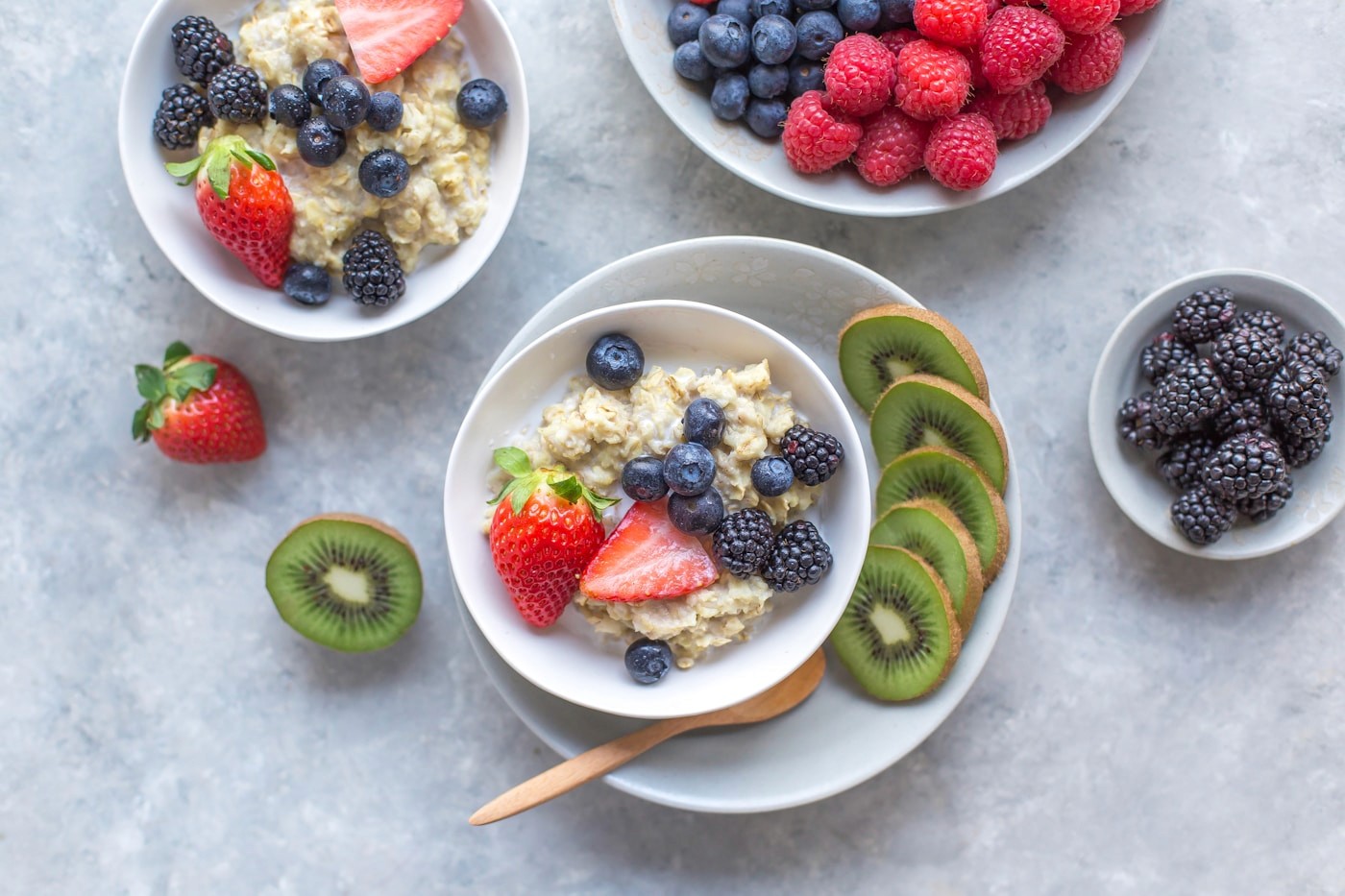
Oatmeal, plain yogurt, or a smoothie
Scrambled eggs, mashed potatoes, or well-cooked rice
Bananas, applesauce, or soft canned fruit
Foods That May Be Worth Limiting (and Why — No Food Is Off-Limits)
No food is off-limits on a GLP-1, and framing foods as “good” or “bad” tends to backfire. That said, some foods feel different on a slowed digestive system, so you may find you naturally want less of them because of how they sit rather than because of a rule. For many people, these are worth easing back on and paying attention to:
Very greasy or fried foods, which can feel heavy and may worsen nausea
Large, rich meals eaten all at once, which a slowed stomach struggles to move
Sugary drinks and heavily sweetened foods, which can spike blood sugar and crowd out more nourishing options
Alcohol, which can hit harder on a smaller intake and add to dehydration
The point is balance and how food makes you feel, not restriction. If a food you love falls on this list, the answer is usually smaller portions and better timing, not cutting it out.
Eating Through the Side Effects
Nausea, early fullness, and reflux are the most common reasons eating gets hard on a GLP-1, and they are usually most noticeable early on or after a dose change (Ghusn & Hurtado, 2024). A few adjustments to how, not just what, you eat can make a real difference. Anything to do with your dose or symptoms that concern you should always go to the medical team who prescribes and monitors your medication.
Managing Nausea, Fullness, and Reflux With Food
When symptoms flare, small changes tend to help more than any single food:
Eat smaller amounts more often instead of three large meals
Slow down and stop at the first sign of fullness, which arrives sooner now
Keep meals more upright and avoid lying down right after eating to ease reflux
Lean on the gentle, bland foods above and go easy on greasy or very rich dishes
Sip fluids between meals rather than filling up on liquid during them
When a Quiet Appetite Becomes Under-Eating — and Why That’s a Red Flag
This is the part of a GLP-1 journey that gets the least attention and deserves the most. A quiet appetite is expected. Consistently eating so little that you cannot meet your protein and nutrient needs is not, and over time it can cost you muscle, energy, and, for some people, a healthy relationship with food. Signs worth taking seriously include going most of the day without eating, feeling dizzy or exhausted, losing hair, or noticing that food feels like something to avoid.
“The question I ask is not ‘are you hungry,’ because the medication changes that answer. I ask what actually went into your body today, and how you feel. Expected appetite suppression looks like eating less but still nourishing yourself and feeling good about food.” — Jessica Cannon, MS, RDN, LDN
Why There’s No Single “Ozempic Diet” — and How a Dietitian Personalizes It
Search for an Ozempic diet, and you will find dozens of meal plans promising one right way to eat. There is no single best plan, because your needs depend on your health history, the other conditions you manage, your activity, your schedule, and how the medication affects you personally. A plan built for someone managing diabetes alongside their GLP-1 may look different from one built for someone focused on protecting muscle or easing digestion.
A registered dietitian nutritionist personalizes all of this. An RDN is a licensed medical professional with years of clinical training, and their role is nutrition support that works alongside your prescribing doctor, not instead of them. They translate the four priorities into food you will actually eat, adjust as your dose and symptoms change, and keep an eye on the under-eating risk so your nutrition holds up. If you want a closer look at how this works, Berry Street’s GLP-1 nutrition support is built around exactly this kind of individualized care.
Working With a Registered Dietitian on Your GLP-1 Journey
You do not have to figure this out on your own, and getting help is often more affordable than people expect. Berry Street connects you with a registered dietitian nutritionist who specializes in GLP-1 nutrition and your broader health goals, through virtual 1-on-1 visits that fit your schedule. Together you build a plan that protects your protein and nutrient needs, works with your side effects, and adapts as your body does.
Nutrition counseling is often covered by insurance. Berry Street is in-network with 1,250+ plans nationwide, and 95% of members pay $0 with coverage. You can check what your own plan covers, including options for those on Medicare, in about a minute with no commitment. When you are ready, you can Start Today and be matched with a dietitian who fits your needs.
The Bottom Line
A GLP-1 medication changes how much you want to eat, but it does not change how much your body needs. When you focus each smaller meal on protein and fiber, add healthy fats in small amounts, keep fluids steady, and stay alert to under-eating, you give the medication the nutritional foundation it needs to support your health. There is no perfect Ozempic diet to copy, only a plan built around you, and a dietitian can help you make it real.
Frequently Asked Questions
What Foods Should I Avoid While Taking Ozempic?
No food is truly off-limits on a GLP-1. Because the medication slows digestion, many people find that very greasy or fried foods, large rich meals, sugary drinks, and alcohol feel heavier or worsen nausea, so those are worth easing back on. The goal is balance and how food makes you feel, not cutting foods out, and a dietitian can help you find the right portions and timing for you.
How Do I Get Enough Protein on a GLP-1 When I Have No Appetite or Feel Nauseous?
Spread protein across several small meals and snacks instead of trying to finish large plates, and lead with the protein on your plate first. Keep easy options on hand for hard days, such as Greek yogurt, cottage cheese, or a protein smoothie or shake. If nausea makes eating consistently difficult, work with a dietitian and let your medical team know.
Do I Still Need to Eat if I’m Not Hungry on Ozempic?
Yes. A quiet appetite is expected on a GLP-1, but your body still needs protein, fiber, fats, and fluids to protect muscle and stay well nourished. Aim for small, regular, protein-forward meals even when hunger is low, and reach out to a dietitian if going without eating starts to feel normal.
What Can I Eat on Ozempic to Help With Nausea?
Gentle, soft, and bland foods tend to sit best when nausea hits. Options like broth-based soups, oatmeal, plain yogurt, scrambled eggs, bananas, and applesauce are easier to get down, and eating smaller amounts more often helps too. Sip fluids between meals rather than during them, and bring persistent nausea to your prescribing team.
Is There One Best “Ozempic Diet” or Meal Plan to Follow?
No. There is no single best Ozempic diet, because the right plan depends on your health history, other conditions, activity, and how the medication affects you. A registered dietitian nutritionist can personalize your nutrition alongside your medical team so it fits your real life and needs.
How Much Protein Should I Aim for on a GLP-1?
A common baseline many dietitians reference is roughly 0.5 to 0.75 grams of protein per pound of body weight a day (Mayo Clinic), but the right amount depends on your body, activity, and health needs. What tends to matter most is spreading protein across your small meals and snacks rather than hitting a single number. A dietitian can help you personalize a target that works with your appetite and your goals.
Can I Drink Alcohol While Taking Ozempic?
Alcohol is not off-limits on a GLP-1, but it can feel different than it used to. On a smaller intake, alcohol may hit harder, add to dehydration, and worsen nausea for some people. If you choose to drink, smaller amounts alongside food and water tend to sit better, and any concerns about alcohol and your medication are worth raising with your prescribing team.
Why Am I So Constipated on a GLP-1, and What Helps?
Constipation is common because GLP-1 medications slow how quickly your digestive system moves. Adding fiber gradually, keeping fluids steady through the day, and staying gently active all help things move more comfortably. If constipation is persistent or painful, bring it to the medical team who prescribes and monitors your medication.
Will I Lose Muscle on a GLP-1, and How Do I Protect It?
When your body weight changes, some of that change can come from muscle and lean mass, which is why protein is a top priority on a GLP-1. Eating enough protein across the day and staying active, including resistance or strength work when it fits for you, helps protect muscle. How much you need depends on your individual situation, so it helps to work with a dietitian to personalize this.
What Should I Eat on the Day I Take My Injection?
There is no special diet required on injection day, and no foods you have to avoid. Because side effects like nausea and early fullness can feel stronger around a dose for some people, many find that gentle, protein-forward meals in smaller amounts, plus steady hydration, sit best that day. Listen to how your body feels, and take any dosing questions to your prescribing team.
Last Reviewed by Jessica Cannon, MS, RDN, LDN — August 2026.