Interest in diabetes medication for weight loss has exploded in recent years. Medications like Ozempic, Wegovy, Mounjaro, and Zepbound are now part of everyday conversations about obesity, blood sugar, and long-term health. But there’s also a lot of confusion around how these drugs work and who should actually use them.
As Registered Dietitians, we’ve seen that these medications can help some people lose weight and improve metabolic health. Still, they aren’t quick fixes. Results vary, side effects matter, and sustainable habits like balanced eating, movement, sleep, and follow-up care still play a major role in long-term success.
Key Takeaways
Some forms of diabetes medication for weight loss can support meaningful weight changes by reducing appetite, slowing digestion, or improving blood sugar regulation.
Medications like Ozempic, Wegovy, Mounjaro, and Zepbound are related, but they have different FDA approvals, dosing, and intended uses.
Weight-loss results vary based on the medication, dose, health status, side effects, and lifestyle habits like nutrition, sleep, and physical activity.
These medications can cause side effects and aren’t appropriate for everyone, especially people with certain medical conditions or pregnancy plans.
Long-term success still depends on sustainable habits, medical follow-up, and treating overall metabolic health rather than focusing only on the number on the scale.

Can Diabetes Medication Help With Weight Loss?
Some diabetes medications can help with weight loss. Certain medications affect appetite, fullness, digestion, blood sugar regulation, or how the body handles calories. That can lead to meaningful weight changes in some people.
That said, not every diabetes medication causes weight loss. Some are weight-neutral, while others may contribute to weight gain. Results also vary widely between individuals.
From our experience, medication outcomes often depend on consistency, side effects, lifestyle habits, sleep quality, medical history, stress levels, and whether someone has underlying insulin resistance or type 2 diabetes.
Can Diabetes Medication Help With Weight Loss?
Some diabetes medications can help with weight loss. Certain medications affect appetite, fullness, digestion, blood sugar regulation, or how the body handles calories. That can lead to meaningful weight changes in some people.
That said, not every diabetes medication causes weight loss. Some are weight-neutral, while others may contribute to weight gain. Results also vary widely between individuals.
From our experience, medication outcomes often depend on consistency, side effects, lifestyle habits, sleep quality, medical history, stress levels, and whether someone has underlying insulin resistance or type 2 diabetes.
Why Some Diabetes Medications Affect Weight
Some diabetes medications change how the body regulates hunger and blood sugar. GLP-1 medications, for example, can slow stomach emptying and increase feelings of fullness. Many people naturally eat less because they feel satisfied sooner.
Other medications affect insulin sensitivity or increase glucose loss through urine. Some may reduce blood sugar spikes that trigger cravings or energy crashes. As Registered Dietitians, we often see that people feel more in control of eating patterns when blood sugar becomes more stable throughout the day.
Weight Loss Isn’t the Primary Goal for Every Diabetes Medication
Not all diabetes medications are designed primarily as weight loss medications. Many are prescribed primarily to improve blood sugar management and reduce diabetes complications.
Ozempic and Mounjaro are medications approved for type 2 diabetes.
Wegovy and Zepbound contain related active ingredients but are specifically approved for chronic weight management in eligible adults. That distinction matters because the dose, prescribing criteria, and insurance coverage can differ even when medications are chemically similar.
Why Medical Supervision Matters
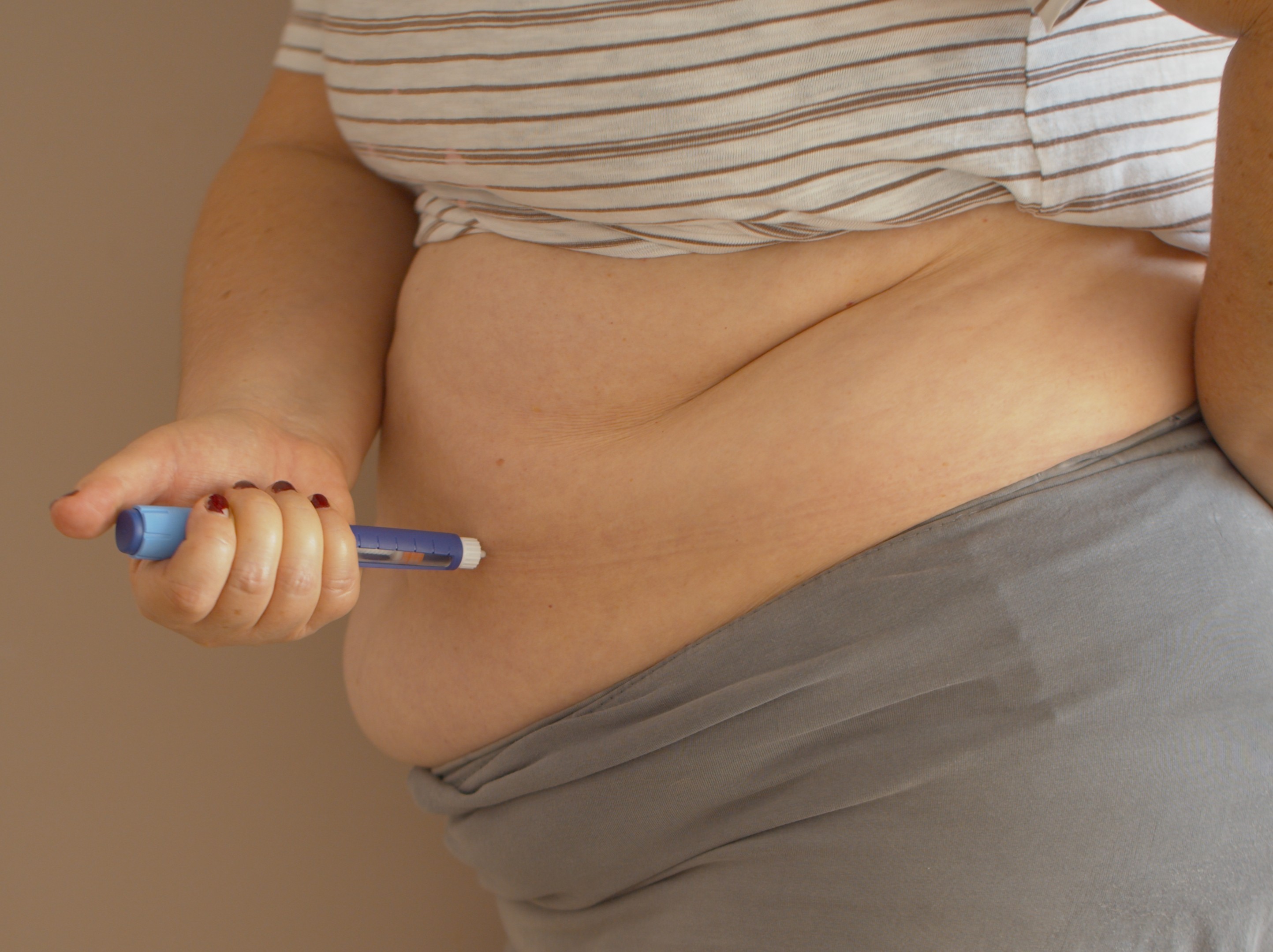
These medications affect blood sugar, appetite, digestion, and metabolism. They can also interact with other medications. That’s why medical supervision is important.
Some people face increased hypoglycemia risk if these medications are combined with insulin or sulfonylureas. Others may experience significant gastrointestinal side effects, dehydration, or worsening nausea.
Certain conditions, including a history of pancreatitis, severe digestive disease, pregnancy, or specific endocrine cancer histories, may make some medications inappropriate.
Access can also be complicated. Insurance restrictions, shortages, prior authorization requirements, and cost barriers are common.
Before starting medication, it’s often helpful to focus on sustainable nutrition and blood sugar habits first. A Registered Weight Loss Dietitian through Berry Street can help you build a personalized 7-day meal plan tailored to your goals, lifestyle, and health needs.
The Main Diabetes Medications Linked to Weight Loss
Several diabetes medications have been linked to weight loss, but they don’t all work the same way. Some mainly affect appetite and fullness, while others change how the body handles blood sugar or removes glucose from the body:
GLP-1 Receptor Agonists
GLP-1 receptor agonists include medications like semaglutide, liraglutide, dulaglutide, and exenatide. These medications mimic hormones involved in appetite regulation, digestion, and blood sugar control. Many people feel fuller faster and stay satisfied longer after meals.
They also slow stomach emptying, which may reduce large post-meal blood sugar spikes and constant snacking throughout the day.
Semaglutide is found in Ozempic and Wegovy, while liraglutide appears in Victoza and Saxenda. Dulaglutide is sold as Trulicity. Results vary widely between individuals, especially when nutrition habits, sleep, stress, and activity levels differ.
A Registered GLP-1 Dietitian through Berry Street can help you build meals and routines that support long-term success while taking these medications.
Dual GIP/GLP-1 Medications
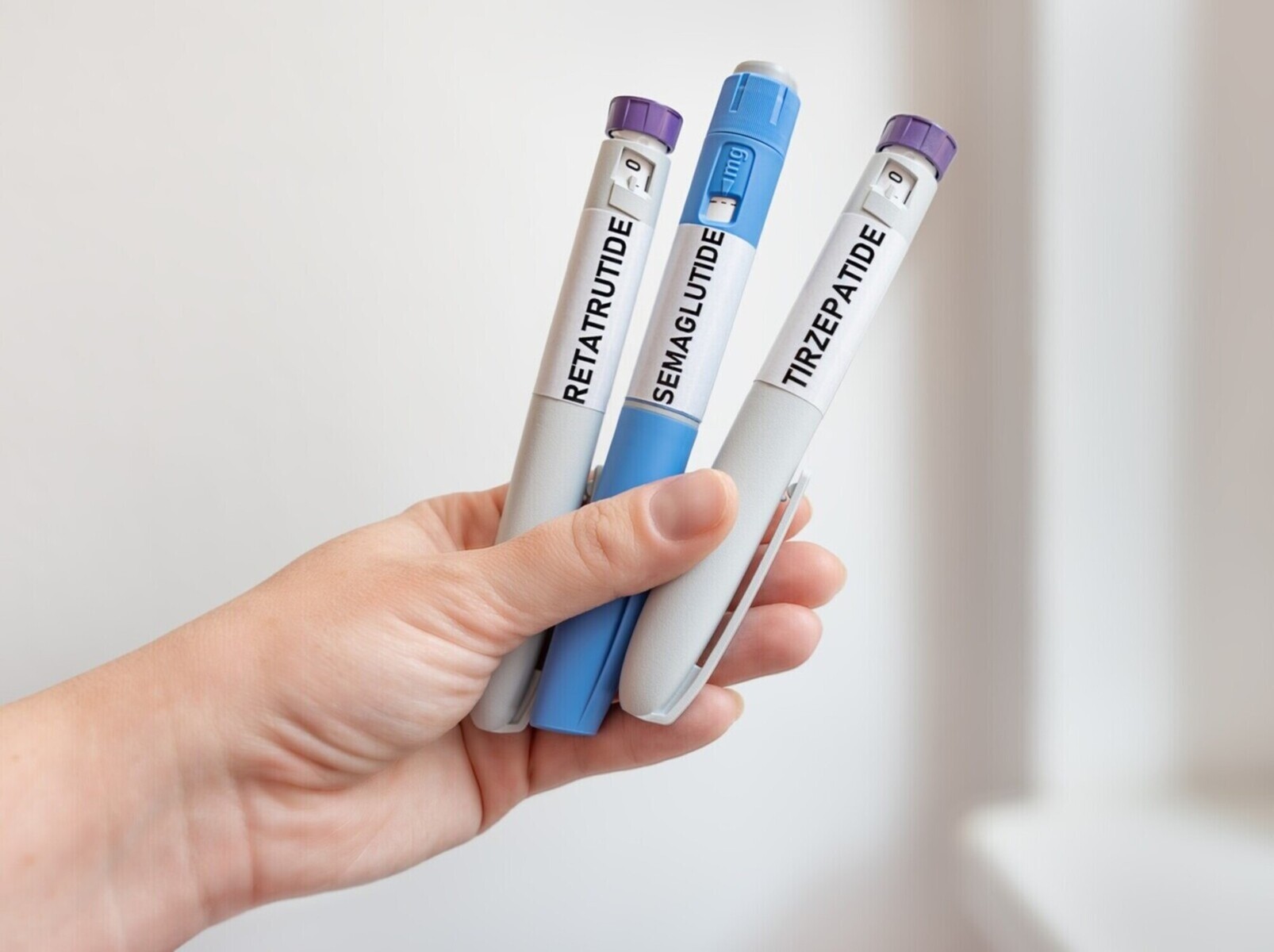
Tirzepatide works differently from standard GLP-1 medications because it targets both GIP and GLP-1 receptors. Mounjaro is approved for type 2 diabetes, while Zepbound is approved for chronic weight management.
Research has shown substantial weight-loss effects in many patients, along with improved blood sugar control and reduced appetite. Some people notice they feel satisfied with smaller portions or snack less frequently throughout the day.
Still, these medications are not automatically appropriate for everyone. Side effects, insurance coverage, gastrointestinal symptoms, medical history, and personal preferences all matter. From our experience, long-term results are usually stronger when medication is paired with sustainable nutrition and activity habits.
SGLT2 Inhibitors
SGLT2 inhibitors help the body remove excess glucose through urine. Since glucose contains calories, this process may lead to modest weight loss over time. These medications are mainly prescribed to improve blood sugar management in type 2 diabetes, though they may also support heart and kidney health in certain patients. Examples include empagliflozin, dapagliflozin, and canagliflozin.
Weight changes are usually smaller compared with GLP-1 or tirzepatide medications, but some people still notice gradual improvements. Increased urination and dehydration risk can occur, especially without adequate fluid intake.
As Registered Dietitians, we often encourage balanced meals and hydration strategies alongside these medications for better long-term support.
Metformin
Metformin is one of the most widely prescribed medications for type 2 diabetes and prediabetes. It works by improving insulin sensitivity and reducing glucose production in the liver. Some people experience mild weight loss while taking metformin, especially if blood sugar control and insulin resistance improve over time.
Still, the weight effects are generally modest compared with GLP-1 medications. Metformin doesn’t usually create the same level of appetite suppression or fullness changes.
Gastrointestinal side effects like nausea, bloating, or diarrhea can happen, particularly when first starting treatment. After years of experience, we’ve seen metformin work best when combined with consistent eating patterns and regular physical activity.
Diabetes Medications That May Cause Weight Gain
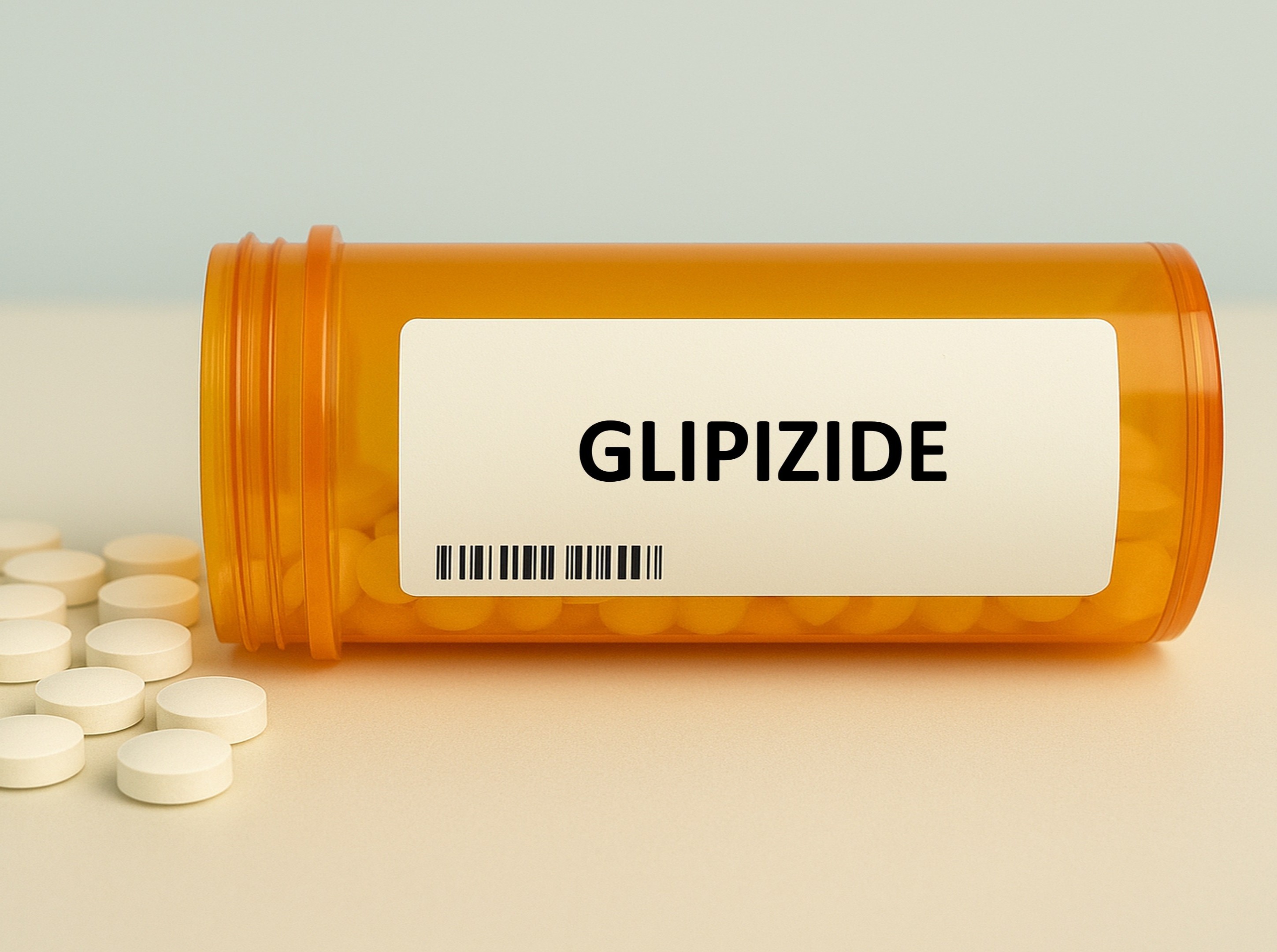
Not every diabetes medication supports weight loss. Insulin therapy can contribute to weight gain in some people because it helps the body store and use glucose more effectively. Sulfonylureas, including glipizide and glyburide, may also increase weight in certain patients by stimulating insulin release throughout the day.
Some people notice increased hunger, while others experience low blood sugar episodes that lead to extra snacking. Certain medications remain weight-neutral, and effects can vary significantly between individuals.
That’s why treatment plans should always be personalized. In our experience, balancing blood sugar control with realistic nutrition habits and medication management often produces better long-term outcomes than focusing on weight alone.
Are Diabetes Injections Used for Weight Loss?
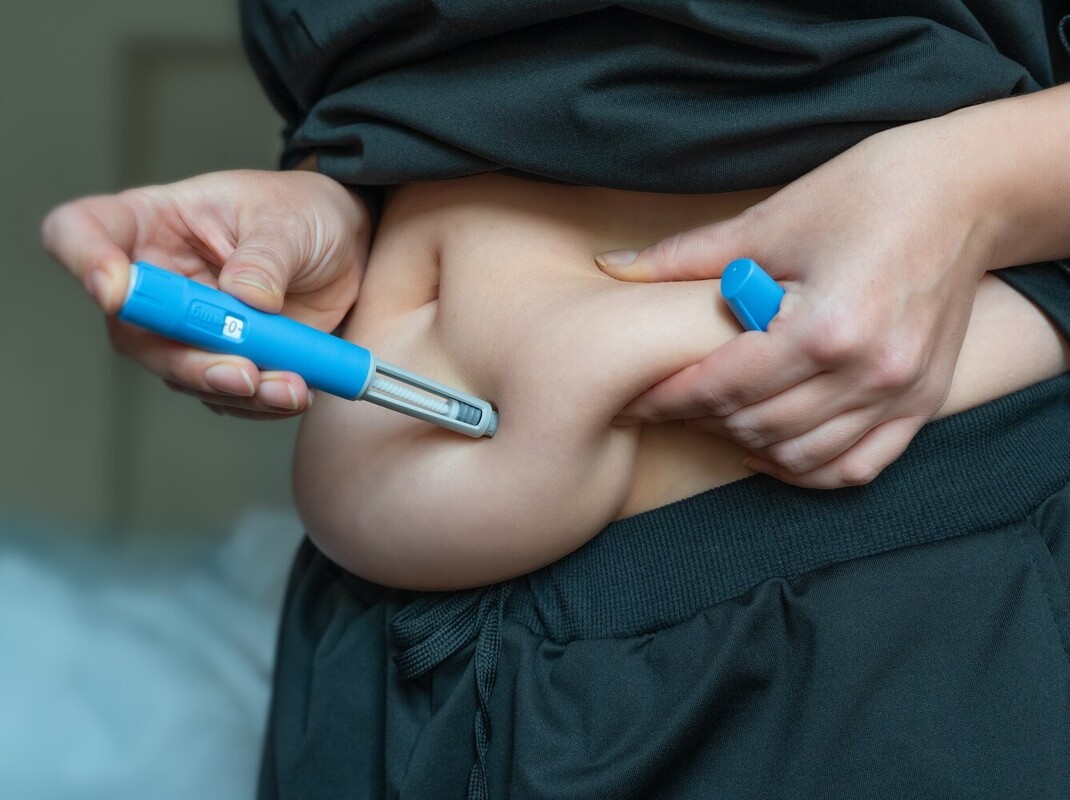
Some diabetes-related injections are used for weight loss, particularly medications that affect appetite, digestion, and blood sugar regulation.
However, there’s an important distinction between medications approved for type 2 diabetes and medications approved specifically for obesity or chronic weight management.
On-label prescribing means a medication is used for its FDA-approved purpose. Off-label prescribing means a healthcare provider prescribes it for another medically appropriate reason supported by evidence and clinical judgment.
Both approaches exist in healthcare, but eligibility, insurance coverage, and monitoring requirements may differ significantly. As Registered Dietitians, we often help patients understand these differences before they begin medication or make major nutrition changes.
Ozempic, Wegovy, Mounjaro, and Zepbound: How They Differ
Ozempic and Wegovy both contain semaglutide, but they are approved for different uses. Ozempic is approved for type 2 diabetes management, while Wegovy is approved for chronic weight management in eligible adults.
Mounjaro and Zepbound contain tirzepatide. Mounjaro is approved for type 2 diabetes, while Zepbound is approved for chronic weight management. The names often get confused online because the medications are closely related and may produce similar effects. Still, dosing schedules, insurance coverage, and prescribing criteria can vary considerably.
A Registered Ozempic Dietitian or Registered Wegovy Dietitian can help you navigate appetite changes, meal planning, blood sugar stability, and long-term nutrition support while taking these medications.
What Results Are Realistic?
Weight-loss results vary widely from person to person. Some people lose a meaningful amount of weight, while others experience smaller changes, slower progress, or side effects that make long-term treatment difficult. Medication choice, dose progression, adherence, health conditions, sleep quality, nutrition habits, and activity levels all influence outcomes.
From what we’ve seen, people generally see better long-term results when medication is paired with sustainable lifestyle habits instead of extreme dieting or overexercising. Progress also tends to happen gradually.
Some individuals notice appetite changes within weeks, while body composition changes may take months. Consistency matters far more than trying to lose weight as quickly as possible.
Common Side Effects and Safety Concerns
Common side effects and warnings can include:
Nausea
Vomiting
Diarrhea
Constipation
Stomach pain
Reduced appetite
Gallbladder concerns
Pancreatitis warnings
Risk of dehydration
Possible thyroid tumor warning language for certain medications
Medication interactions
Worsening symptoms in severe gastrointestinal disease
Compounded or unregulated versions can also be risky because ingredient quality, dosing accuracy, and safety oversight may differ from approved medications.
Who Might Qualify for Diabetes or Weight-Loss Medication?
People who qualify for diabetes or weight-loss medication usually have type 2 diabetes, obesity, overweight with weight-related health conditions, or elevated metabolic risk. A clinician will look at your BMI, A1C, fasting glucose, blood pressure, cholesterol, kidney health, and medication history before making a recommendation.
Your goals matter, too. Some people need stronger blood sugar control, while others need help reducing cardiovascular risk or improving weight-related symptoms.
We see the best decisions happen when medication is considered alongside eating patterns, activity level, sleep, stress, and realistic follow-up care. Access, cost, and medication availability can also shape the final plan.

Type 2 Diabetes With Overweight or Obesity
For people with type 2 diabetes and overweight or obesity, weight management is now a central part of care. ADA guidance notes that weight management should be a primary goal alongside glycemic management in this group. That makes sense. Even modest weight loss can improve insulin sensitivity, blood sugar patterns, blood pressure, and cardiovascular risk factors.
Some people also notice better energy, fewer cravings, or steadier hunger cues before major scale changes happen. The most effective plans usually combine medication guidance with practical nutrition changes, movement you can maintain, and regular monitoring of A1C and symptoms over time.
Prediabetes and High Diabetes Risk
Prediabetes is usually managed with lifestyle changes first. That may include balanced meals, more daily movement, strength training, better sleep, and gradual weight loss when appropriate. Even a 5% to 7% weight loss can make a meaningful difference for many people at high diabetes risk.
Medication may enter the conversation if blood sugar remains elevated, insulin resistance is significant, or obesity is affecting overall health. Still, the decision should be individualized.
A Registered Prediabetes Dietitian can help you build realistic meal routines, improve carbohydrate quality, increase fiber intake, and create sustainable habits that support better blood sugar control before medication becomes necessary.
People Without Diabetes
People without diabetes may still qualify for certain weight-loss medications, especially if they have obesity or are overweight with weight-related health concerns. Some medications originally developed for diabetes now have versions approved specifically for chronic weight management.
That doesn’t mean diabetes drugs should be used casually for cosmetic weight loss. These medications affect appetite hormones, digestion, blood sugar, and long-term eating patterns.
They also require screening, dose adjustments, and follow-up for side effects. If you’re considering one, your provider should review your health history, current medications, pregnancy plans, lab work, and goals before deciding whether it is appropriate right now.
When These Medications May Not Be Appropriate
These medications may not be appropriate for everyone. Pregnancy, plans to become pregnant, certain endocrine cancer histories, pancreatitis history, severe gastrointestinal disease, active eating disorder concerns, or significant dehydration risk can all affect whether a medication is safe.
Clinicians may also consider kidney function, gallbladder history, medication interactions, and cardiovascular health before prescribing.
Side effects are also crucial to consider. Ongoing vomiting, poor intake, dizziness, or rapid weight loss can become unsafe quickly. After years of experience, we’ve seen that careful screening, symptom tracking, hydration planning, and follow-up often prevent problems before they become bigger medical concerns during active treatment and beyond.
Type 2 Diabetes and Weight Loss
Weight loss is often part of type 2 diabetes treatment because body weight and blood sugar regulation are closely connected. Even modest, sustainable weight loss can improve insulin sensitivity, support better glucose control, and reduce the risk of long-term complications.
Why Weight Loss Can Improve Type 2 Diabetes
Excess body fat, especially around the abdomen and liver, can worsen insulin resistance and make blood sugar harder to control. When cells stop responding efficiently to insulin, glucose stays in the bloodstream longer than it should.
Weight loss may help improve insulin sensitivity, reduce liver fat, support pancreatic function, and lower A1C levels over time. Some people also notice improvements in blood pressure, cholesterol, sleep quality, and daily energy. Even relatively small reductions in body weight can improve metabolic health markers.
After years of working with people managing type 2 diabetes, we’ve seen that gradual, sustainable progress usually supports better long-term blood sugar stability than rapid, highly restrictive dieting approaches.
How Much Weight Loss Can Make a Difference?
Even moderate weight loss can improve important health markers in people with type 2 diabetes or prediabetes. ADA guidance notes that losing around 5% to 7% of body weight may improve glycemia, insulin sensitivity, blood pressure, and cardiovascular risk factors.
Greater weight loss may lead to larger metabolic improvements for some individuals, though results vary widely. Progress also tends to happen unevenly. Some people notice improved fasting glucose or reduced cravings before the scale changes significantly.
Consistency matters more than speed. Sustainable eating habits, regular movement, sleep quality, and medication adherence often influence long-term outcomes far more than short periods of aggressive dieting or overexercising ever will.

Can Losing Weight Reverse Type 2 Diabetes?
Sometimes, meaningful and sustained weight loss can lead to type 2 diabetes remission. Remission means blood sugar levels improve enough that diabetes markers fall below diagnostic thresholds for a period of time without ongoing medication use.
This tends to be more likely earlier in the disease process, particularly when insulin-producing pancreatic cells still function relatively well. Significant reductions in liver fat and improved insulin sensitivity may also contribute.
Still, remission is not guaranteed, and ongoing monitoring remains important even if blood sugar improves dramatically. Some people may continue needing medication despite losing weight, while others maintain remission for years through consistent nutrition, activity, sleep, and follow-up care.
Why Medication Still Isn’t a Standalone Plan
Medication can support weight loss and blood sugar management, but long-term health improvements usually require more than a prescription alone.
Nutrition habits, physical activity, sleep quality, stress management, medication adherence, and regular monitoring all play important roles.
People also need realistic maintenance strategies once appetite changes stabilize or treatment stops. Weight regain can happen if supportive routines disappear after medication begins.
Balanced meals, strength training, hydration, and consistent follow-up often make a major difference in maintaining progress. From what we’ve seen in practice, people generally do better when they focus on sustainable routines they can maintain for years instead of relying entirely on medication to carry the process forward.

How to Lose Weight Safely With Diabetes
Losing weight with diabetes requires a little more planning than standard weight-loss advice you might see online. Blood sugar changes, medication timing, and hypoglycemia risk all matter, so the safest approach focuses on steady, sustainable habits instead of extreme restrictions.
1. Start With Blood Sugar Safety
If you take insulin or medications that can cause hypoglycemia, major diet or exercise changes should be planned carefully with your healthcare team.
Cutting calories too aggressively or suddenly increasing activity can raise the risk of low blood sugar episodes. Symptoms may include shakiness, sweating, confusion, dizziness, weakness, or blurred vision. Some people also experience headaches, irritability, or rapid heartbeat when glucose drops quickly.
Blood sugar monitoring becomes especially important during periods of weight loss or medication adjustment. Gradual changes tend to be safer and easier to maintain long-term. A structured plan can help you lose weight while still supporting stable energy and safer glucose control.
2. Build Meals Around Protein, Fiber, and Steady Carbohydrates
Balanced meals can support steadier blood sugar levels, appetite control, and more consistent energy throughout the day. We often encourage people to include protein, fiber-rich foods, healthy fats, and steady carbohydrate sources instead of following highly restrictive meal plans.
That may look like eggs with whole-grain toast, Greek yogurt with berries, salmon with vegetables and rice, or beans paired with chicken and roasted vegetables. Fiber and protein help slow digestion, which may reduce large blood sugar swings and help you stay full longer after meals.
Consistency is also important. Regular meals and snacks often support better glucose stability than skipping meals or trying overly aggressive dieting approaches.

3. Use Exercise Carefully, Not Punishment
Exercise should support your health, energy, and blood sugar management instead of serving as punishment for eating. Walking, swimming, cycling, resistance training, and gradual activity increases can all improve insulin sensitivity and cardiovascular health over time.
Resistance training is especially valuable because it helps preserve muscle mass during weight loss. Muscle supports metabolism, strength, glucose regulation, and long-term physical function.
Starting slowly is completely okay. Some people begin with ten-minute walks after meals or two strength sessions per week before building more consistency.
Overdoing exercise too quickly may increase fatigue, injury risk, or burnout. Sustainable movement routines usually produce better long-term results than intense short-term exercise plans.
4. Track More Than the Scale
The scale only shows one small part of your overall health progress. Other markers often matter just as much, if not more. A1C, fasting glucose, waist circumference, blood pressure, energy levels, sleep quality, medication tolerance, and hypoglycemia frequency can all reflect meaningful improvements before major weight changes happen.
Some people notice fewer cravings, better stamina, or steadier blood sugar weeks before the scale shifts significantly. Focusing only on body weight can become discouraging, especially during slower periods of progress.
Tracking multiple health markers creates a fuller picture of what is improving behind the scenes. Long-term success usually comes from steady habits rather than dramatic weekly weight fluctuations or crash dieting.

5. Know When Weight Loss Is Too Fast
Rapid weight loss can sometimes create serious health concerns, especially for people managing diabetes or taking appetite-suppressing medications. Losing weight too quickly may increase dehydration risk, gallbladder complications, muscle loss, weakness, nutrient deficiencies, or medication intolerance.
Some people also struggle to maintain adequate protein intake or hydration when their appetite drops sharply. Warning signs deserve attention: Ongoing nausea, vomiting, dizziness, fatigue, confusion, or inability to keep fluids down should be discussed with a healthcare provider promptly.
Safe weight loss should still support strength, energy, hydration, and day-to-day function. In many cases, slower and steadier progress leads to better long-term maintenance and fewer complications over time.
6. Plan for Medication Side Effects
Some diabetes and weight-loss medications can affect digestion, especially during the first few weeks of treatment. Nausea, constipation, bloating, diarrhea, or early fullness are fairly common.
Eating smaller meals, staying hydrated, and avoiding large high-fat meals may help reduce discomfort. Some people tolerate cold foods, soups, smoothies, or bland meals better when symptoms flare up.
It’s also important to eat enough protein and nutrients even if appetite decreases significantly. Ignoring side effects can make nutrition intake worse over time.
If symptoms become severe or persistent, speak with your healthcare provider. Medication adjustments, slower dose increases, or additional support may improve tolerance and help you stay consistent.
7. Prioritize Sleep and Stress Management
Sleep and stress can affect blood sugar, hunger hormones, cravings, and energy levels more than many people realize. Poor sleep may increase insulin resistance and make appetite harder to regulate the next day. Chronic stress can also raise cortisol levels, which may affect blood sugar patterns and eating behaviors over time.
Small changes often help. A consistent bedtime, reduced screen time before sleep, regular movement, and balanced meals may support better recovery and steadier energy. Some people notice fewer late-night cravings once sleep improves.
Weight management tends to feel much harder when stress is high and rest is inconsistent, even if nutrition and exercise habits are relatively strong.
8. Avoid All-or-Nothing Thinking
Many people approach weight loss with an all-or-nothing mindset. One higher-calorie meal or missed workout suddenly feels like failure, which can quickly lead to frustration and burnout.
Sustainable diabetes management works differently. Progress usually comes from consistent habits repeated over time, not perfection every single day. Eating balanced meals most of the week, walking regularly, staying hydrated, and monitoring blood sugar consistently all add up.
Flexibility is also something to keep in mind. Social events, travel, holidays, and stressful weeks will happen. Long-term success often depends on learning how to adjust without giving up completely. Small course corrections tend to support better results than extreme restriction followed by cycles of overeating or exhaustion.

9. Keep Regular Follow-Up Appointments
Regular follow-up appointments help track how your body responds to weight changes, medication adjustments, and nutrition habits over time. Blood sugar patterns, A1C levels, kidney function, blood pressure, and side effects may all shift during treatment.
Some people need medication doses adjusted as they lose weight or become more active. Others may need extra support with hydration, appetite changes, or meal timing.
Skipping follow-up care can make it harder to catch problems early. Ongoing monitoring also helps you see progress beyond the scale. Improvements in glucose control, cholesterol, sleep quality, and daily energy are all meaningful signs that your overall health may be moving in the right direction.
10. Get Personalized Nutrition Support
Weight loss with diabetes often becomes easier when you have structured guidance instead of trying to piece together conflicting advice online. Nutrition needs can vary based on blood sugar patterns, medications, activity level, digestive symptoms, and personal food preferences.
Connecting with a Registered Dietitian specializing in diabetes through Berry Street can help you create a realistic eating plan that supports weight management while keeping blood sugar more stable throughout the day.
That may include meal timing strategies, balanced snack ideas, grocery planning, or support in navigating appetite changes from medication. Personalized guidance can also make long-term habits feel more manageable, especially during stressful periods or when progress feels slower than expected.

Unexplained Weight Loss and Diabetes: When It’s a Warning Sign
Unexplained weight loss can sometimes be an early warning sign of uncontrolled diabetes rather than a positive health change. When the body struggles to use glucose properly, it may start breaking down fat and muscle for energy, leading to rapid or unintended weight loss.
Why Diabetes Can Cause Weight Loss
Uncontrolled diabetes can lead to weight loss because the body struggles to use glucose properly for energy. Instead of moving glucose into cells efficiently, excess sugar builds up in the bloodstream and may spill into urine.
That means calories are literally lost from the body instead of being used as fuel. Over time, the body may begin breaking down stored fat and muscle tissue for energy instead.
Dehydration can also contribute to rapid weight changes because high blood sugar increases urination frequency.
Some people feel constantly hungry despite losing weight unexpectedly. Fatigue, thirst, weakness, and blurry vision may develop alongside these changes as blood sugar becomes increasingly difficult to regulate.
Type 1 Diabetes and Rapid Weight Loss
Rapid unexplained weight loss combined with excessive thirst, frequent urination, nausea, weakness, or severe fatigue deserves immediate medical attention. Type 1 diabetes can develop quickly, particularly in children, teenagers, or young adults, though it may occur at any age.
When insulin production drops dramatically, the body cannot move glucose into cells properly. As a result, fat and muscle are broken down rapidly for energy.
Untreated type 1 diabetes may progress to diabetic ketoacidosis, commonly called DKA, which is a medical emergency. Symptoms may include vomiting, abdominal pain, fruity-smelling breath, confusion, dehydration, or trouble breathing.
Prompt diagnosis and insulin treatment are extremely important for preventing serious complications and hospitalization.
Type 2 Diabetes and Unintentional Weight Loss
Type 2 diabetes can also cause unintentional weight loss when blood sugar becomes severely uncontrolled for long periods of time. Some people notice fatigue, blurry vision, increased thirst, or frequent urination before diagnosis, while others mainly notice rapid body weight changes.
Because many people associate diabetes with weight gain or obesity, unexplained weight loss may get overlooked initially. High blood sugar can increase calorie loss through urine and force the body to break down fat or muscle tissue for energy.
Appetite may increase at the same time, which can feel confusing and frustrating. In some cases, unintentional weight loss becomes one of the earliest noticeable warning signs of undiagnosed diabetes.
When to Call a Doctor
Call a doctor if you experience unexplained weight loss, severe fatigue, excessive thirst, dehydration, vomiting, weakness, blurry vision, or ongoing high blood sugar symptoms. Frequent urination, increased hunger, slow wound healing, and recurrent infections may also signal poorly controlled diabetes or another underlying medical condition.
Symptoms that worsen quickly deserve especially urgent attention. Confusion, severe nausea, abdominal pain, fruity-smelling breath, or difficulty breathing may suggest diabetic ketoacidosis and require emergency medical care immediately.
Rapid weight loss should never automatically be assumed healthy, especially when it happens without intentional diet or exercise changes. Early diagnosis and treatment often improve outcomes and reduce the risk of serious diabetes complications later on.
Why Weight Loss With Type 1 Diabetes Is Different
Weight loss with type 1 diabetes requires a much more careful approach because insulin is essential for survival. Unlike type 2 diabetes, people with type 1 diabetes cannot safely reduce or stop insulin to lose weight. Severely restricting food intake or mismatching insulin doses with meals and activity can quickly increase the risk of hypoglycemia or diabetic ketoacidosis.
Blood sugar levels may also fluctuate more dramatically during exercise, illness, or changes in eating patterns. That can make weight management feel frustrating at times.
Safe progress usually depends on careful insulin adjustment, regular glucose monitoring, balanced meals, and activity planning instead of aggressive dieting strategies or rapid weight-loss attempts that ignore medical safety.
Are GLP-1 Medications Approved for Type 1 Diabetes?
No, GLP-1 medications are generally not approved for type 1 diabetes. Some healthcare providers may prescribe them off-label in select situations, but research remains more limited compared with type 2 diabetes and obesity treatment. These medications may affect appetite, digestion, insulin needs, and blood sugar variability in ways that require close monitoring.
Gastrointestinal side effects like nausea or reduced appetite can also complicate meal timing and insulin dosing. Because people with type 1 diabetes rely completely on insulin, medication adjustments must be handled carefully to avoid hypoglycemia or diabetic ketoacidosis risk.
Anyone considering these medications should work closely with an endocrinologist and diabetes care team throughout treatment.

Safer Priorities for Weight Management With Type 1 Diabetes
Safer weight management strategies for type 1 diabetes usually focus on individualized insulin adjustment, carbohydrate consistency, balanced nutrition, activity planning, and ongoing glucose monitoring. Extreme dieting or skipping insulin doses can become dangerous very quickly.
Many people benefit from building predictable meal routines that support steadier blood sugar patterns throughout the day. Resistance training, walking, cycling, and moderate exercise may also improve insulin sensitivity and overall health when paired with appropriate fueling and insulin adjustments.
Support is also crucial. Working closely with an endocrinologist and a Registered Dietitian can help you manage blood sugar safely while creating sustainable habits that support long-term health goals without increasing hypoglycemia or diabetic ketoacidosis risk.
Prediabetes, Gestational Diabetes, and Weight Loss
Prediabetes and gestational diabetes both affect blood sugar regulation, but weight-loss recommendations are not the same for each condition. In some situations, gradual weight loss may lower future diabetes risk, while pregnancy care focuses on blood sugar control and healthy fetal growth.
Prediabetes and Weight Loss Goals
For people with prediabetes, realistic weight-loss goals can make a meaningful difference in long-term health. Research shows that losing around 5% to 7% of body weight may improve glucose regulation and reduce the risk of developing type 2 diabetes.
Still, progress isn’t measured by the scale alone. Better sleep, improved nutrition quality, increased daily movement, and fewer blood sugar spikes all support metabolic health. Some people notice improved fasting glucose or steadier energy before major weight changes happen.
Slow, consistent habits often work better than aggressive dieting. Building balanced meals, increasing fiber intake, and staying active regularly may help support healthier blood sugar patterns over time and reduce future complications.
Can Weight Loss Prevent Type 2 Diabetes?
Weight loss can reduce the risk of developing type 2 diabetes, especially when combined with regular physical activity and improved nutrition habits.
Even moderate weight loss may improve insulin sensitivity and help the body regulate blood sugar more effectively. Walking more consistently, building balanced meals, and improving sleep quality can also support lower diabetes risk over time.
Still, prevention isn’t guaranteed for every person. Genetics, hormones, age, family history, and certain medical conditions all influence diabetes risk independently of body weight.
That said, lifestyle changes remain one of the most effective tools currently available for lowering risk and improving overall metabolic health in people with prediabetes or insulin resistance.
Gestational Diabetes and Weight Loss During Pregnancy
During pregnancy, the primary goal is healthy blood sugar management and appropriate fetal growth, not intentional weight loss unless specifically recommended by a healthcare provider. Restrictive dieting during pregnancy can affect both maternal and fetal health by limiting important nutrients needed for development and energy.
Nutrition support during gestational diabetes usually focuses on balanced meals, steady carbohydrate intake, regular meal timing, and blood sugar stability throughout the day. Some people may naturally gain weight more gradually after improving nutrition habits, but aggressive calorie restriction is generally not recommended.
Monitoring blood sugar carefully, staying active safely, and following medical guidance can help support healthier pregnancy outcomes for both parent and baby.

Weight Management After Gestational Diabetes
People with a history of gestational diabetes face a higher risk of developing type 2 diabetes later in life, which makes postpartum care especially important. Sustainable nutrition habits, gradual activity increases, blood sugar follow-up, and long-term weight management may all help reduce future metabolic risk.
Small changes can add up over time. Walking regularly, building balanced meals, prioritizing sleep when possible, and scheduling routine medical follow-up can support healthier blood sugar patterns after pregnancy.
Breastfeeding may also improve glucose metabolism for some individuals. Long-term prevention usually works best when healthy habits feel realistic and flexible instead of highly restrictive or difficult to maintain alongside parenting responsibilities and daily stressors.
Choosing the Right Diabetes Medication for Weight Loss
Choosing the right diabetes medication for weight loss depends on far more than the number on the scale. Blood sugar levels, medical history, side effects, insurance coverage, and long-term health goals all play a role in determining which option may be the safest and most effective fit.
There’s No Single “Best” Diabetes Drug for Weight Loss
There’s no universally best diabetes drug for weight loss. The right option depends on your diagnosis, A1C, BMI, heart health, kidney function, pregnancy plans, side effect history, medication access, and personal preferences. One person may do well on a GLP-1 medication, while another may struggle with nausea, constipation, or cost.
Someone with heart or kidney concerns may need a different medication strategy than someone focused mainly on appetite control. The best choice is the one that fits your medical needs, daily routine, and long-term safety.
Questions to Ask Your Healthcare Provider
Before starting a medication, ask why it’s being recommended and what benefits you should realistically expect. It’s also worth asking about common side effects, dose increases, blood sugar monitoring, medication interactions such as with birth control weight gain, and what to do if nausea or low blood sugar occurs. Ask how long you may need to take it and what might happen if you stop.
Nutrition and exercise should be part of the conversation, too. A strong plan includes medication guidance, meal structure, movement, follow-up labs, and clear steps for adjusting treatment if needed.
Why Insurance and Availability Matter
Insurance and availability can shape your options more than people expect. Some insurance plans cover medications for type 2 diabetes but not chronic weight management, even when the medications are closely related. Others may require prior authorization, lab results, BMI documentation, or proof that other approaches were tried first.
Cost can also affect whether a medication is realistic long-term. Weight loss medication without insurance might be too expensive for some people, and shortages may limit access or interrupt treatment. Before starting, ask your provider and pharmacy what’s covered, what paperwork is needed, and whether a backup plan makes sense.
Weight Loss Diabetes Medication FAQs
Is Ozempic for diabetes or weight loss?
Ozempic is FDA-approved for type 2 diabetes, though some clinicians prescribe it off-label for weight loss. Wegovy contains the same active ingredient but is specifically approved for chronic weight management.
Curious about other FDA-approved weight loss treatments? Read our guide on weight loss pills that actually work.
What diabetes medication causes the most weight loss?
Tirzepatide and semaglutide medications currently show some of the strongest weight-loss effects in research. Still, results vary, and the “best” option depends on the individual.
Can diabetes medication make you lose too much weight?
Yes, excessive weight loss can happen in some cases, particularly if appetite becomes severely reduced or side effects interfere with eating and hydration.
Do all diabetes drugs cause weight loss?
No. Some diabetes medications are weight-neutral, while others may contribute to weight gain.
Can you take diabetes medication for weight loss if you don’t have diabetes?
Some obesity-specific versions of these medications are approved for people without diabetes who meet eligibility criteria. Still, they require medical supervision.
Why do diabetics lose weight without trying?
Uncontrolled diabetes can prevent the body from using glucose properly, leading to calorie loss, fat breakdown, dehydration, and muscle loss.
Is rapid weight loss with diabetes dangerous?
It can be. Rapid weight loss may signal uncontrolled blood sugar, dehydration, diabetic ketoacidosis, medication intolerance, or other medical problems.
Are diabetes weight loss injections safe long-term?
Some weight loss injections have long-term safety data, but ongoing monitoring remains important. Risks, benefits, and side effects should be reviewed regularly with a healthcare provider.
Conclusion
Diabetes medications have changed the conversation around weight management. For some people, they can support meaningful improvements in appetite regulation, blood sugar control, metabolic health, and body weight. That’s real. But these medications still work best when they’re part of a broader care plan.
Nutrition, physical activity, sleep, stress management, monitoring, and long-term follow-up still matter. A prescription alone rarely solves everything.
If you’re considering diabetes medication for weight loss, working with a Registered Dietitian through Berry Street can help you build eating habits and routines that support better blood sugar control, medication tolerance, and long-term results.