Weight loss injections have quickly become one of the most talked-about topics in obesity treatment. Some medications are backed by strong clinical research and can help certain patients reduce appetite and lose weight. Others are wellness injections marketed with far less evidence behind them.
As Registered Dietitians, we’ve seen how confusing the conversation can become once social media trends, celebrity stories, and aggressive marketing enter the picture.
This guide breaks down the science behind weight loss injections, how different options compare, potential risks and side effects, realistic expectations, and what to consider before deciding whether these medications are appropriate for you.
Key Takeaways
Prescription weight loss injections like semaglutide and tirzepatide are backed by stronger scientific evidence than wellness shots such as B12, lipotropic, or HCG injections.
There is no single “best” weight loss injection. Medical history, side effects, cost, insurance coverage, and long-term sustainability all influence the right choice.
Weight loss injections can help reduce appetite and support weight loss, but nutrition, strength training, hydration, and follow-up care still matter.
Side effects like nausea, constipation, and fatigue are common, and some people may not tolerate these medications well.
Social media often oversimplifies results. Realistic expectations, gradual progress, and long-term lifestyle support are important for maintaining weight loss.

What Are Weight Loss Injections?
Weight loss injections are injectable medications or wellness products that are marketed to help reduce body weight, appetite, or food intake. Some are FDA-approved weight loss prescription medications for obesity treatment, while others are wellness clinic injections promoted for metabolism, energy, or fat burning.
The category gets confusing quickly because not all injections work the same way. Prescription medications like Wegovy and Zepbound affect hormones involved in appetite and fullness. Other injections, including B12 shots or lipotropic injections, are usually marketed as wellness support and have far less evidence for meaningful weight loss.
That distinction matters. A lot.
As Registered Dietitians, we regularly see people lump every “weight loss shot” into the same category when the science, safety standards, and expected results can differ dramatically.
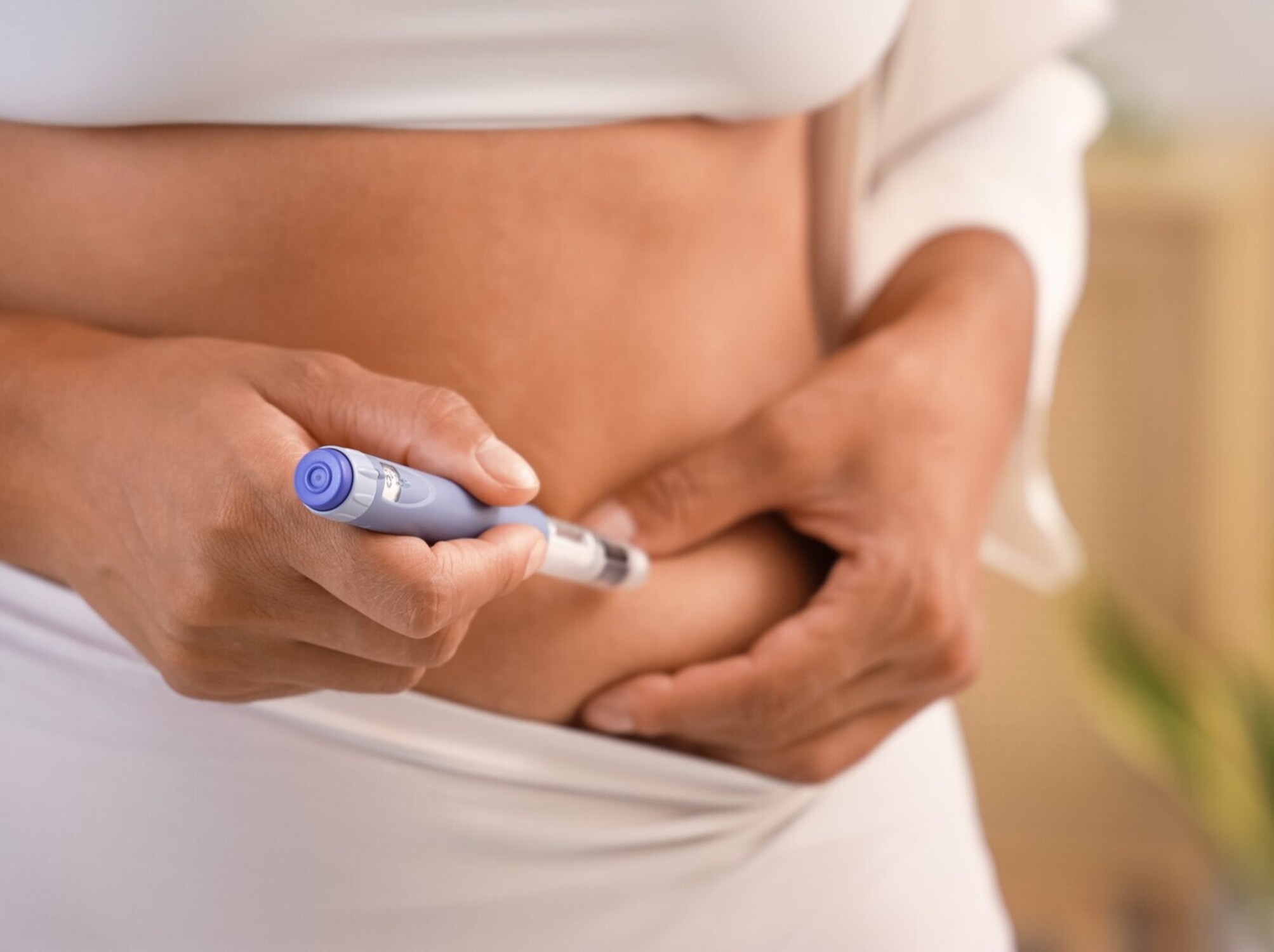
The Main Categories of Weight Loss Injections
The term “weight loss injection” covers several very different products. Understanding those categories makes it much easier to separate evidence-based treatments from wellness marketing:
GLP-1 medications like semaglutide
Dual GLP-1/GIP medications like tirzepatide
Diabetes injections sometimes used for weight loss
B12 injections
Lipotropic injections
HCG injections
Peptide and wellness clinic injections
GLP-1 and GIP medications are prescription drugs that affect appetite hormones and blood sugar regulation. These medications have the strongest evidence for clinically meaningful weight loss.
Some diabetes injectables are also used for obesity treatment because they can reduce appetite and improve insulin response. However, not every diabetes medication leads to significant weight loss.
Wellness injections like B12 shots, lipotropic blends, HCG injections, and peptide therapies are entirely different. Many are marketed aggressively online despite having weaker scientific support or highly specific medical uses unrelated to obesity treatment.
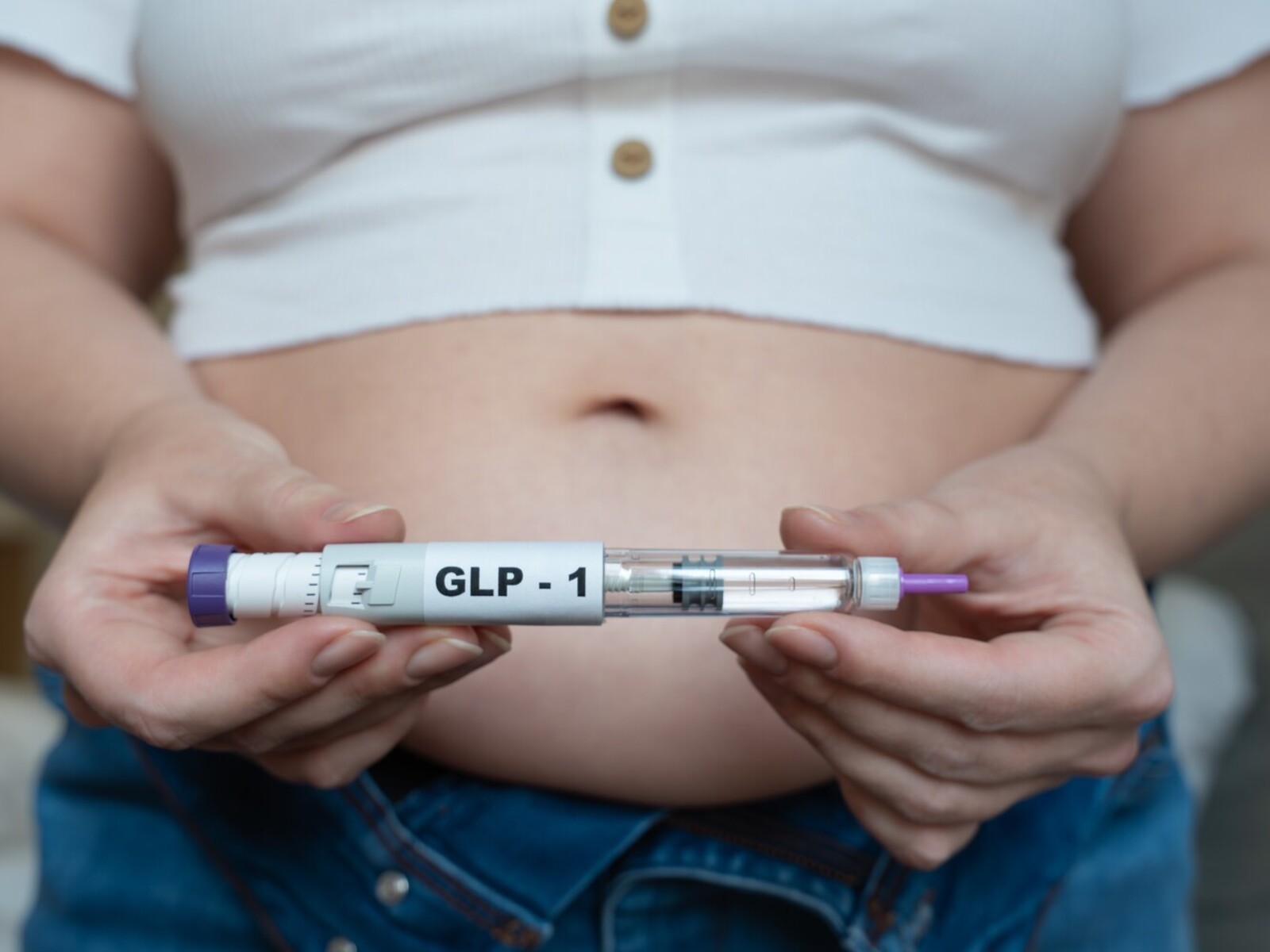
Prescription Weight Loss Injections vs Wellness Shots
Prescription weight loss injections go through FDA review for safety, dosing, manufacturing standards, and effectiveness. They’re studied in large clinical trials involving thousands of patients.
Wellness shots are different. These injections are often offered at med spas, wellness clinics, or online programs. They may include vitamins, amino acids, hormones, or peptides marketed for metabolism support or fat burning. The claims can sound impressive, but the supporting evidence is often limited, inconsistent, or based on very small studies.
That doesn’t automatically make every wellness injection dangerous. But it does mean consumers should approach marketing claims carefully and ask more questions before spending money or starting treatment.
How Do Weight Loss Injections Work?
Most prescription weight loss injections work by affecting hormones involved in appetite, fullness, digestion, and blood sugar regulation. In simple terms, they help many people feel less hungry, stay full longer, and eat smaller portions more comfortably.
Some injections work through entirely different mechanisms. Vitamin shots may address nutrient deficiencies. Cosmetic injections may target localized fat areas rather than overall body weight. Hormonal injections may affect metabolism only in people with diagnosed deficiencies.
That’s why understanding the specific medication matters more than the general phrase “weight loss injection.”
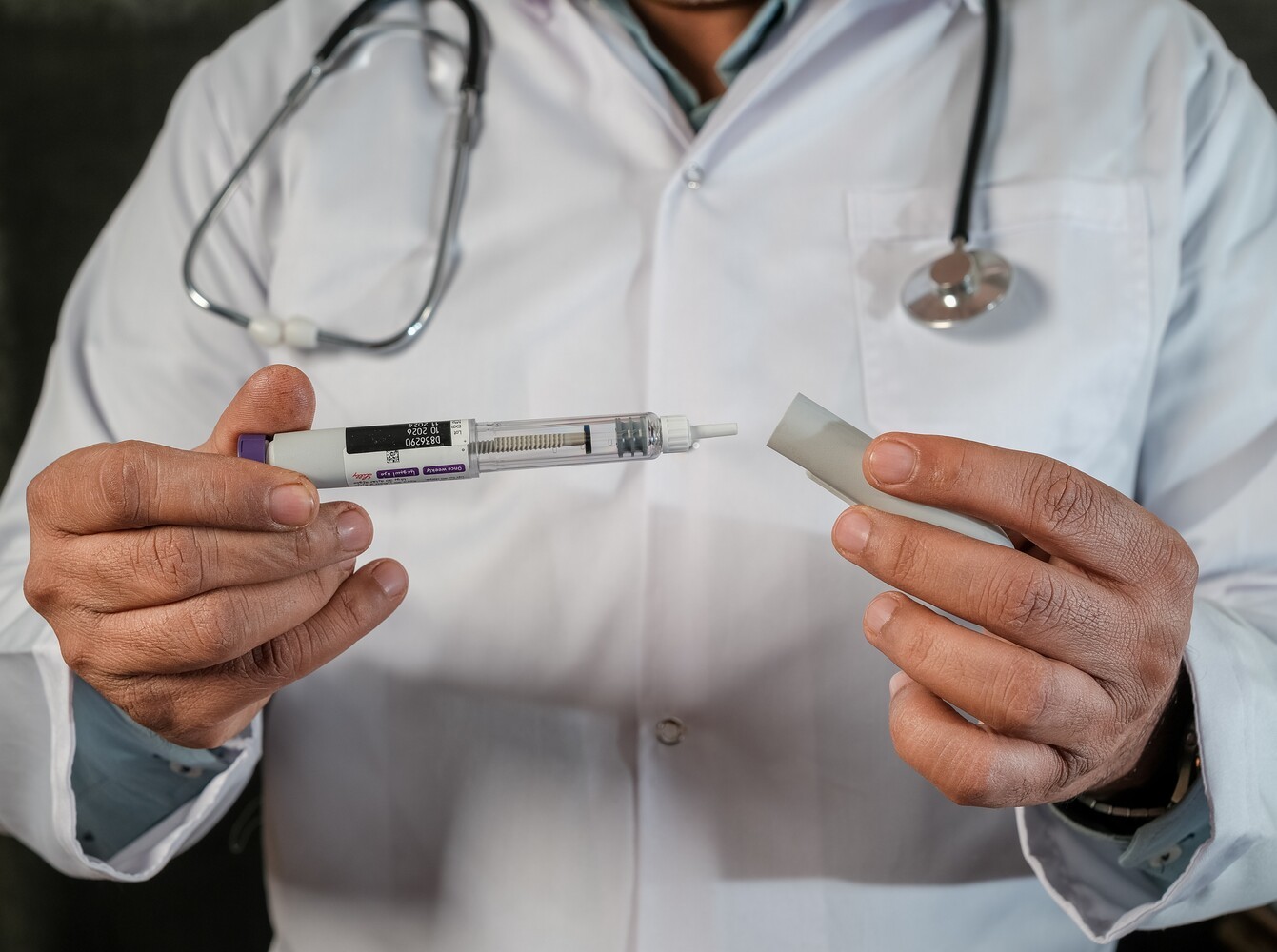
How GLP-1 and GIP Medications Affect Appetite and Blood Sugar
GLP-1 medications mimic a hormone your body naturally produces after eating. This hormone helps signal fullness to the brain, slows stomach emptying, and supports blood sugar control.
Many people notice they feel satisfied sooner during meals. Cravings may decrease. Constant food thoughts sometimes quiet down. Portion sizes often become easier to manage without relying entirely on willpower.
Dual GLP-1/GIP medications work similarly but also target another hormone pathway involved in insulin regulation and appetite signaling. Researchers believe this combined effect may help some people achieve greater weight loss compared with older medications.
The stomach-emptying effect also matters. Food stays in the stomach longer, which can increase fullness after meals. That delayed digestion is also why nausea, bloating, and reflux can occur for some people.
As Registered Dietitians, we’ve seen that these appetite and blood sugar changes can make nutrition feel very different from what patients are used to.
If you’re taking a GLP-1 medication and want help building balanced meals, managing side effects, or maintaining muscle during weight loss, connect with a Registered GLP-1 Dietitian through Berry Street for personalized nutrition support.
Why Some Diabetes Injections Also Lead to Weight Loss
Several injectable medications were originally designed to treat type 2 diabetes. Researchers later noticed that many patients also lost weight while taking them.
That overlap makes sense biologically. Blood sugar regulation, insulin response, hunger hormones, and body weight are closely connected. When medications improve insulin function and appetite regulation, weight changes may follow.
Today, some versions of these medications are FDA-approved specifically for obesity treatment. Others remain approved only for diabetes but may still be prescribed in certain situations, depending on medical history and clinician judgment.
Why B12, Lipotropic, and HCG Shots Work Differently
B12 shots, lipotropic injections, and HCG injections do not work like GLP-1 medications.
B12 injections are mainly used to treat a deficiency. They may improve energy levels in people who are low in vitamin B12, but they do not directly suppress appetite in the same way prescription obesity medications do.
Lipotropic injections often contain combinations of methionine, inositol, choline, carnitine, and vitamins. These ingredients are marketed for fat metabolism support, but the research supporting significant weight loss is limited.
HCG injections involve a hormone associated with pregnancy and fertility treatment. Major medical organizations and regulators generally do not recommend HCG for weight loss because evidence for effectiveness is poor, and the diets paired with HCG programs are often dangerously restrictive.
What Are the Main Types of Weight Loss Injections?
Several injectable medications are now used in obesity and diabetes treatment, but they don’t all work the same way. Some target appetite hormones directly, while others are primarily marketed for metabolism, energy, or cosmetic fat reduction.
Semaglutide Injections
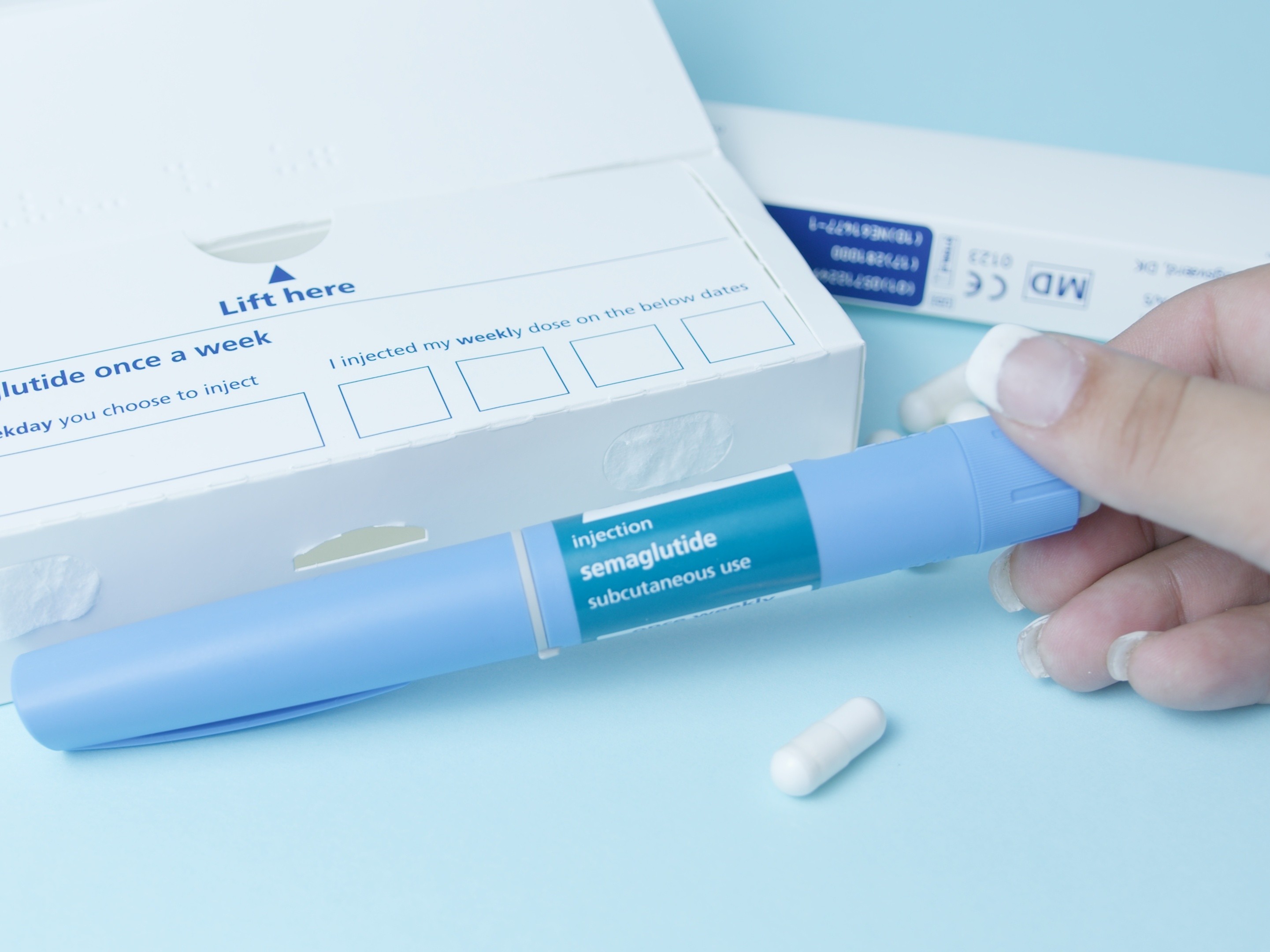
Semaglutide is one of the most widely discussed medications to help lose weight today. It’s sold under different brand names, including Wegovy and Ozempic.
Wegovy is FDA-approved for weight loss specifically in qualifying adults and some adolescents. Ozempic is FDA-approved for type 2 diabetes but is often discussed in weight-loss conversations because the active ingredient is the same.
The dosing schedules differ. Wegovy typically uses higher maintenance doses for obesity treatment compared with Ozempic. Both medications are usually injected once weekly.
From our experience, semaglutide can significantly reduce appetite for some people. Others experience nausea, constipation, or fatigue that makes treatment difficult. Responses vary more than social media suggests.
Tirzepatide Injections
Tirzepatide is sold under brand names including Zepbound and Mounjaro. It targets both GLP-1 and GIP hormone pathways, which are involved in appetite regulation, fullness, insulin response, and blood sugar control. Zepbound is FDA-approved for chronic weight management, while Mounjaro is FDA-approved for type 2 diabetes.
In clinical trials, tirzepatide has been associated with substantial weight loss for many patients, sometimes more than semaglutide on average.
Still, individual results vary. Some people respond strongly, while others stop because of side effects, cost, or limited access. Common side effects include nausea, constipation, diarrhea, reduced appetite, bloating, reflux, and stomach discomfort during dose increases.
Liraglutide Injections
Liraglutide is a GLP-1 medication sold under the brand names Saxenda and Victoza. Saxenda is FDA-approved for chronic weight management, while Victoza is approved for type 2 diabetes treatment. Unlike newer medications that are injected weekly, liraglutide is taken once daily, which can feel less convenient for some patients.
Even so, it remains an important treatment option for people who tolerate it well, prefer it, or have insurance coverage that makes it more accessible. Weight loss results are generally more modest compared with semaglutide or tirzepatide medications, but meaningful progress is still possible.
Other Diabetes Injections Associated With Weight Change
Not every injectable diabetes medication leads to meaningful weight loss. Some medications are considered weight-neutral, meaning they usually have little overall effect on body weight.
Others may contribute to weight gain, especially medications that increase insulin activity or are used alongside insulin therapy. Insulin itself can be essential for blood sugar management, but it may also affect appetite, fluid balance, and body weight in some patients.
This distinction matters because many people assume all diabetes injections work like obesity medications. They do not. The medication class, dose, medical purpose, and individual response all influence potential weight changes. A healthcare provider can explain what results are realistic.

Compounded Semaglutide and Tirzepatide
Compounded semaglutide and tirzepatide products became more common during medication shortages, high demand, and access barriers. These medications are made by compounding pharmacies and may differ from brand-name products in concentration, inactive ingredients, dosing instructions, or delivery format.
Some may come from properly licensed pharmacies, but others raise concerns around purity, ingredient sourcing, dosing accuracy, and counterfeit products sold online.
The FDA has warned about certain compounded versions, especially products marketed without appropriate medical oversight. As Registered Dietitians, we encourage patients to ask where the medication comes from, who prescribed it, whether the pharmacy is licensed, and how dosing is monitored.
What Is the Best Weight Loss Injection?
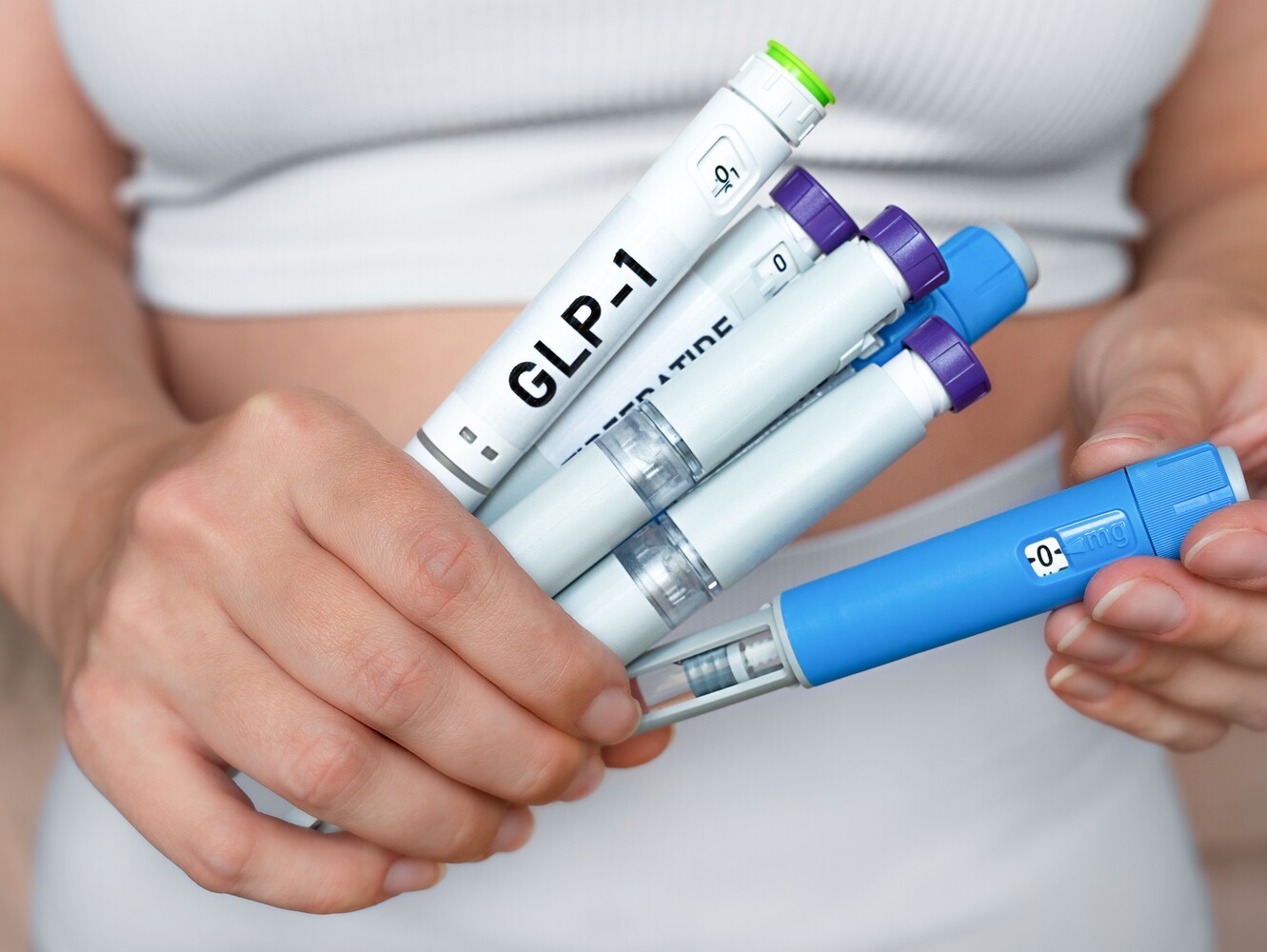
There is no universally “best” weight loss injection for everyone. The right option depends on medical history, weight-related conditions, side-effect tolerance, insurance coverage, budget, lifestyle, and long-term treatment goals.
Many people want a simple answer or a clear winner. However, prescription medicine rarely works that way. One person may lose significant weight with minimal side effects, while another struggles with severe nausea, constipation, or medication costs that become impossible to maintain. Results can also change over time as doses increase or lifestyle habits shift.
We encourage patients to focus less on finding the “strongest” medication and more on finding sustainable, individualized care.
Why There Isn’t One “Best” Injection for Everyone
Several factors influence which weight loss injection may be the best fit for a specific person. Age, BMI, diabetes status, gastrointestinal health, medication history, and budget all matter during treatment decisions. Pregnancy plans are also important because many GLP-1 and GIP medications are not recommended during pregnancy.
Some patients have medical histories involving pancreatitis, gallbladder disease, severe reflux, or thyroid cancer concerns that may affect safety.
Appetite patterns are also crucial to consider. Someone struggling with binge eating tendencies or constant food noise may respond differently than someone whose weight challenges are more closely connected to mobility limitations, chronic stress, emotional eating patterns, or sleep disruption.
Which Injections Tend to Produce the Most Weight Loss
Current research suggests tirzepatide medications often produce larger average weight-loss percentages compared with semaglutide medications. Semaglutide still produces substantial results for many patients and remains one of the most widely prescribed obesity medications available today.
Still, averages don’t predict individual outcomes perfectly. Some people respond extremely well to semaglutide and tolerate it comfortably for long periods. You might experience persistent nausea, reflux, constipation, or appetite suppression severe enough to stop treatment early.
Similar patterns exist with tirzepatide medications. Lifestyle habits continue to matter alongside medication use. Adequate protein intake, strength training, sleep quality, hydration, stress management, and follow-up care can all influence long-term outcomes.
Which Injections May Be Safest for Different People
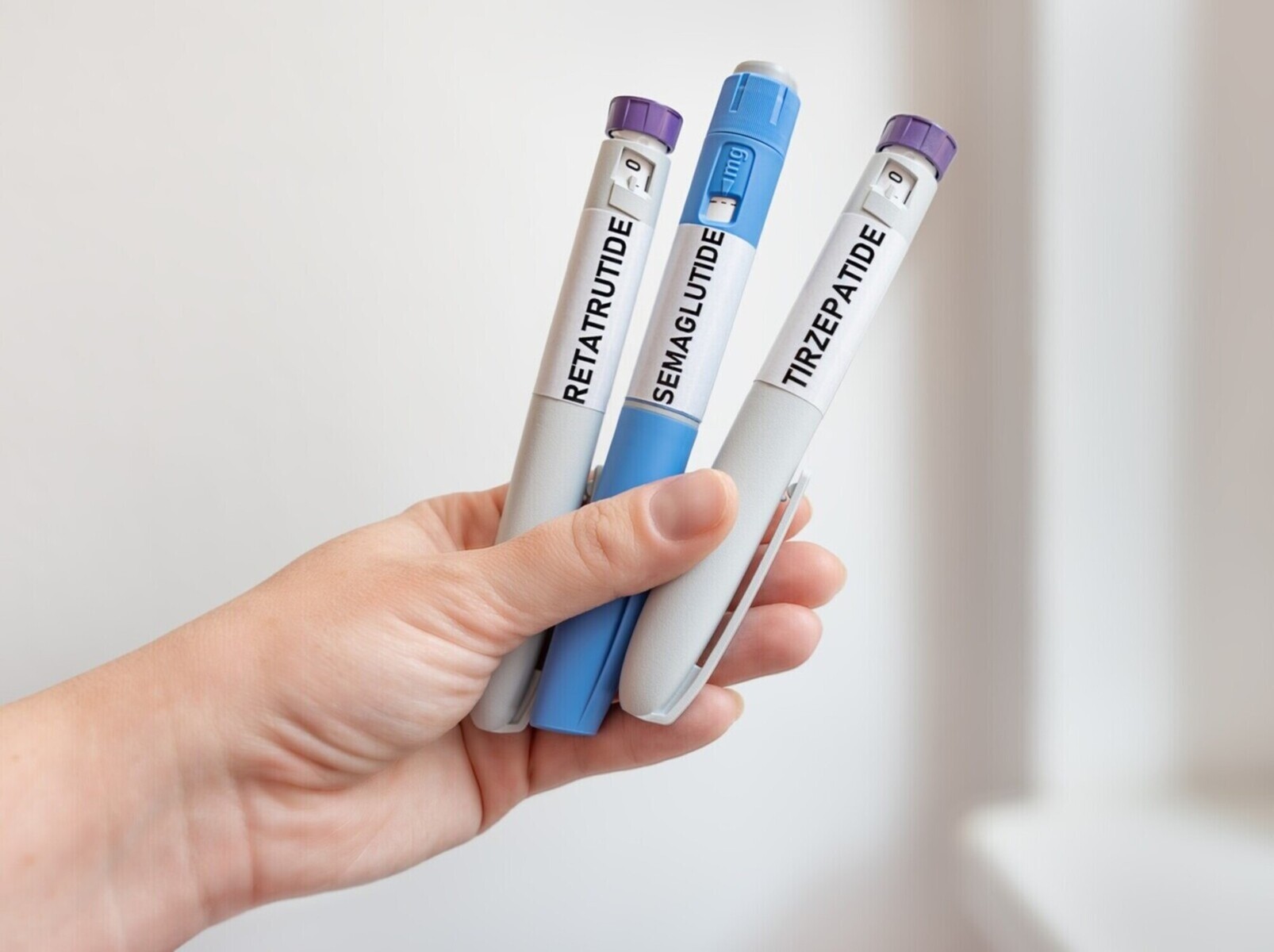
The safest weight loss injection depends heavily on individual medical history, medications, and risk factors. Someone with severe reflux, gastroparesis, or chronic gastrointestinal symptoms may struggle with medications that slow stomach emptying. A patient taking multiple medications could face interaction concerns or side effects that become harder to manage.
Certain thyroid cancer histories, pancreatitis risk factors, gallbladder disease, kidney issues, or pregnancy plans may also affect which medications are appropriate. Age and overall health status matter too.
You should avoid choosing medications based only on social media trends or celebrity stories. A personalized medical evaluation is essential before starting treatment.
Best Weight Loss Injections for Women and Men
There are no separate “male” or “female” weight loss injections. The same medications are generally prescribed across genders, although health history and body composition can influence treatment discussions.
Hormonal changes related to menopause, PMOS, testosterone levels, or cardiovascular risk may affect appetite, insulin resistance, body fat distribution, and long-term weight management.
Men and women may also experience gastrointestinal symptoms, muscle loss, appetite suppression, or body composition changes differently during treatment.
Another factor to consider is medication differences. It’s important to ask your doctor about whether weight loss injections will interact with your birth control weight loss.
From our experience, lifestyle factors often play a major role alongside medication use. Sleep quality, stress levels, eating habits, activity patterns, and muscle-preserving nutrition strategies can all influence treatment outcomes over time.
Who Qualifies for Weight Loss Injections?
Qualification for prescription weight loss injections usually depends on BMI, weight-related health conditions, medical history, and overall risk factors. In many cases, these medications are considered for adults with a BMI of 30 or higher, or a BMI of 27 or higher, alongside conditions such as type 2 diabetes, sleep apnea, high blood pressure, or elevated cholesterol.
Doctors also look at previous weight-loss attempts, current medications, eating patterns, lab work, and long-term treatment goals before prescribing anything. From our experience as Registered Dietitians, the evaluation process should focus on overall health and sustainability rather than chasing rapid weight loss at any cost.
BMI and Weight-Related Health Conditions
Common BMI guidelines include:
BMI of 30 or higher: This is commonly used as a threshold for obesity treatment discussions, especially when weight is affecting long-term health.
BMI of 27 or higher with weight-related conditions: Medication may also be considered at this range when excess weight is linked with other medical risks.
Weight-related conditions may include:
Type 2 diabetes: Blood sugar concerns often play a major role in treatment decisions.
Sleep apnea: Weight changes may affect breathing, sleep quality, and daytime fatigue.
High blood pressure: Clinicians often consider cardiovascular strain when reviewing treatment options.
Elevated cholesterol: Lipid levels can influence overall heart disease risk.
Cardiovascular disease: Existing heart-related conditions may affect the risk-benefit discussion.
Fatty liver disease: Weight management may be part of a broader liver health plan.

What Your Doctor May Check Before Prescribing
Before prescribing weight loss injections, doctors usually review medical history, medications, lab work, and potential risk factors to determine whether treatment is appropriate and reasonably safe. The evaluation process can feel detailed, but those conversations matter because these medications are not the right fit for everyone.
Health history: Doctors often review conditions involving the heart, kidneys, liver, gallbladder, pancreas, and digestive system.
Current medications: Some prescriptions may increase side-effect risks, affect appetite, or interact with treatment.
Thyroid history: Certain GLP-1 medications may not be recommended for people with specific thyroid cancer histories or related family history.
Pancreatitis risk: Previous pancreatitis episodes may affect medication suitability and safety discussions.
Pregnancy status and family planning: Many injectable medications should be avoided during pregnancy and while trying to conceive.
Kidney, liver, and blood sugar labs: Baseline lab work helps monitor treatment response and identify potential safety concerns early.
Digestive health: Severe reflux, gastroparesis, chronic nausea, or gastrointestinal disease may affect which medications are appropriate.
How to Ask Your Doctor About Weight Loss Injections
Preparing for a conversation about weight loss injections can help you get more useful, personalized guidance during your appointment. Doctors usually need a clear picture of your health history, previous weight-loss attempts, and current symptoms before recommending treatment.
Consider tracking appetite patterns, eating habits, medications, side effects, and any weight-related conditions ahead of time. It can also help to write down questions about costs, insurance coverage, long-term use, and possible side effects.
From our experience as Registered Dietitians, the most productive conversations focus on overall health, sustainability, and realistic expectations rather than rapid weight loss alone or pressure to start medication immediately.

Are Weight Loss Injections Safe?
Weight loss injections can be safe and effective for some people when prescribed appropriately and monitored carefully.
At the same time, these medications carry real risks, side effects, and medical considerations that should not be overlooked. Common side effects may include nausea, constipation, diarrhea, reflux, fatigue, or reduced appetite, especially during dose increases.
More serious concerns, such as pancreatitis, gallbladder problems, dehydration, or severe gastrointestinal symptoms, are less common but still important to discuss with a healthcare provider.
Safety also depends heavily on individual medical history, current medications, pregnancy plans, and long-term monitoring. Careful follow-up care plays a major role in reducing complications.
Common Side Effects
Common side effects from weight loss injections are usually related to digestion and appetite changes, especially during the first several weeks of treatment or after dose increases. Some symptoms improve as the body adjusts, while others may continue throughout treatment.
Nausea: Many people experience mild to moderate nausea, particularly after starting medication or increasing doses.
Vomiting: Vomiting can occur when nausea becomes more severe or when meals feel too large to tolerate comfortably.
Diarrhea: Digestive changes may lead to loose stools, urgency, or more frequent bowel movements in some patients.
Constipation: Slower stomach emptying and reduced food intake may contribute to constipation, bloating, or abdominal discomfort.
Acid reflux: Heartburn, reflux, or a lingering feeling of fullness may become more noticeable during treatment.
Reduced appetite: Appetite suppression is common and may make it difficult for some people to eat enough protein, fiber, or fluids consistently.
Fatigue: Eating significantly less, dehydration, or ongoing gastrointestinal symptoms can sometimes contribute to low energy levels.
Injection-site irritation: Mild redness, itching, tenderness, swelling, or bruising may develop around injection areas after use.

Less Common but More Serious Risks
More serious complications are less common, but they are important to understand before starting treatment. Risk levels vary depending on medical history, current medications, dose progression, and overall health status:
Pancreatitis: Severe abdominal pain, vomiting, or persistent nausea may signal inflammation of the pancreas and requires immediate medical attention.
Gallbladder issues: Rapid weight loss and digestive changes may increase the risk of gallstones or gallbladder inflammation in some patients.
Dehydration: Ongoing vomiting, diarrhea, severe nausea, or appetite suppression can lead to fluid and electrolyte imbalances over time.
Severe gastrointestinal symptoms: Some people develop intense stomach pain, ongoing vomiting, severe constipation, or difficulty tolerating food during treatment.
Medication interactions: Certain medications may interact with weight loss injections or require adjustments because digestion and absorption patterns can change during treatment.
Who May Need to Avoid These Medications
Pregnant individuals should generally avoid GLP-1 and GIP medications, and people trying to conceive should discuss medication timing carefully with their healthcare provider. These medications may also be inappropriate for people with certain thyroid cancer histories, multiple endocrine neoplasia syndrome type 2, severe gastrointestinal disease, or previous serious medication reactions.
Someone with gastroparesis, ongoing vomiting, severe reflux, or chronic digestive problems may struggle with medications that slow stomach emptying. Pancreatitis history, gallbladder disease, kidney concerns, and certain medication interactions can also affect safety discussions.
Careful medical screening matters because treatment decisions should consider symptoms, diagnoses, family history, medications, and long-term health goals together.

How to Reduce Risk
Reducing risk starts with using weight loss injections exactly as prescribed and maintaining regular medical follow-up throughout treatment. Gradual dose escalation helps many people adjust more comfortably and may reduce nausea, vomiting, reflux, constipation, or severe appetite suppression.
Hydration becomes especially important if food intake drops significantly or gastrointestinal symptoms develop. Protein intake matters too because rapid weight loss without enough protein can increase muscle loss and fatigue over time.
Regular appointments allow clinicians to monitor symptoms, lab work, medications, and overall response. Legitimate prescriptions are essential because counterfeit or poorly compounded products create additional safety concerns.
For personalized nutrition support throughout this process, connect with a Registered Health Dietitian through Berry Street.
What Results Can You Realistically Expect?
Many people experience meaningful weight loss with prescription injectable medications, but results usually develop gradually over months rather than appearing immediately. Social media often compresses timelines and highlights only dramatic success stories, which can create unrealistic expectations.
Real-life progress tends to look slower and more variable. Some weeks bring noticeable changes in appetite or energy levels, while others feel frustratingly inconsistent. Weight fluctuations can happen because of hydration, digestion, hormones, and medication adjustments.
People often feel more successful when they focus on long-term health improvements, eating habits, mobility, blood sugar control, and sustainability instead of rapid scale changes alone.
How Much Weight People May Lose
Weight loss varies by medication, dose, tolerance, lifestyle habits, and consistency over time. Some people lose modest amounts, while others lose substantial percentages of their body weight across several months. Clinical trials involving semaglutide and tirzepatide have shown significant average weight-loss outcomes compared with placebo groups, but averages never tell the whole story.
Real-world results differ because sleep, stress, medications, activity levels, and eating patterns all influence progress.
From our experience, patients who prioritize protein, hydration, movement, and follow-up support often tolerate treatment more comfortably and build habits that support maintenance.
How Long Do Weight Loss Injections Take to Work?
Some people notice appetite changes, earlier fullness, or fewer cravings within the first days or weeks of treatment. Visible body changes usually take longer. Weight loss often becomes more noticeable over several months as doses gradually increase and eating patterns shift more consistently.
Early progress may fluctuate because of hydration changes, digestion, constipation, hormones, or sodium intake. Some weeks move faster than others. That can feel discouraging. It helps to focus on overall trends, energy levels, meal consistency, and long-term habits instead of expecting dramatic changes right after starting medication.
What Happens When You Stop Taking Them
Appetite often increases again after stopping weight loss injections, and weight regain can happen, especially if long-term habits were never fully developed during treatment. That doesn’t mean the medication failed.
Obesity is a chronic condition for many people, and long-term management often requires ongoing support, lifestyle adjustments, or continued medical care. Some people maintain much of their progress, while others struggle once appetite signals return more strongly.
Stress, sleep quality, emotional eating patterns, activity levels, and muscle mass can all influence what happens next. Maintenance planning deserves attention from the beginning, not only when treatment ends.

Why “Before and After” Results Can Be Misleading
Before-and-after photos rarely show the full story behind someone’s weight-loss experience. Lighting, posing, camera angles, clothing choices, and omitted timelines can all change how results appear online.
Some people combine medication with bariatric surgery, extreme calorie restriction, cosmetic procedures, or intense exercise programs without fully explaining that context. Others post photos taken years apart while implying results happened quickly.
Comparison culture can create unrealistic expectations and unnecessary discouragement. Sustainable progress often looks slower, less dramatic, and far more individualized than the polished transformation photos commonly shared across social media.
Weight Loss Injections for Diabetes and Non-Diabetics
Diabetes medications and obesity treatment often overlap because blood sugar regulation, insulin response, appetite, and body weight are closely connected. Some injectable medications were first approved for type 2 diabetes, then later studied or approved for chronic weight management under different brand names or dosing plans.
This overlap can confuse patients, especially when the same active ingredient appears in two medications with different FDA indications. A person doesn’t always need diabetes to qualify for an obesity medication.
Still, diagnosis is important. Clinicians consider blood sugar history, weight-related conditions, current medications, and treatment goals before recommending an injection.
Why Diabetes Medications Are Often Part of the Conversation
Diabetes medications come up often because several well-known injections affect both blood sugar and appetite. Ozempic and Wegovy both contain semaglutide, while Mounjaro and Zepbound both contain tirzepatide. The active ingredient may be related or identical, but the approval pathway, dose, label, and intended use can differ.
That distinction matters for prescribing, insurance coverage, pharmacy access, and patient expectations. Someone taking Ozempic for diabetes may have a different treatment goal than someone taking Wegovy for obesity. The branding gets messy fast, which is why clear medical guidance is so important for safe, appropriate treatment.

Can Non-Diabetics Use Weight Loss Injections?
Non-diabetics can use certain weight loss injections if they meet the medical criteria for obesity treatment. Diabetes is not required for every prescription option.
Medications such as Wegovy and Zepbound are approved for chronic weight management in qualifying patients, including people without diabetes. Eligibility usually depends on BMI, weight-related conditions, health history, side-effect risk, and clinician judgment.
That said, these medications are not intended for minor cosmetic weight loss or casual use. A healthcare provider should confirm whether the potential benefits outweigh the risks, especially if someone has digestive issues, pregnancy plans, or a complex medical history.
Why Blood Sugar Monitoring May Still Matter
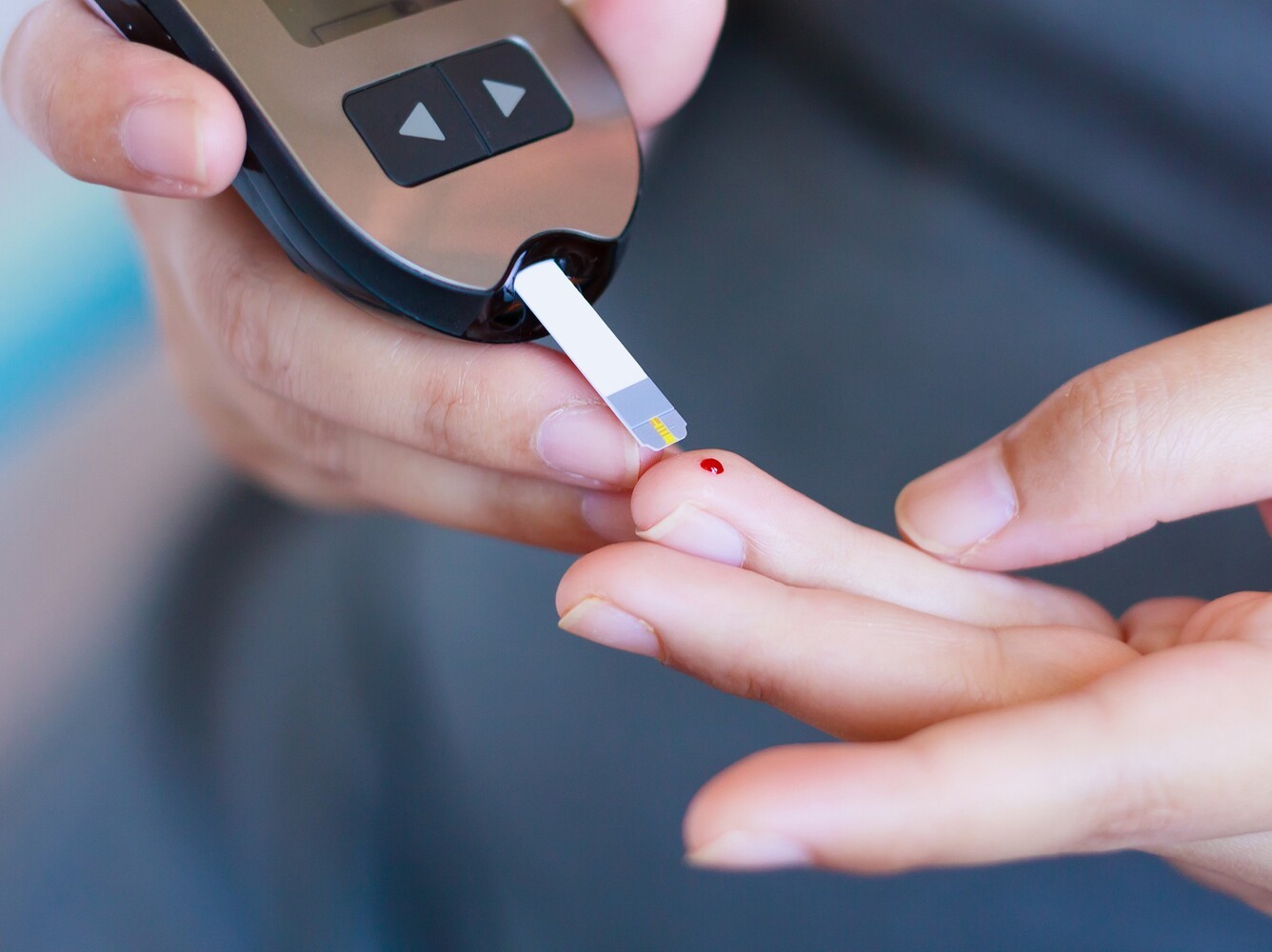
Blood sugar monitoring may still matter for some people taking weight loss injections, even if they don’t have diabetes. Appetite changes, smaller meals, nausea, and delayed stomach emptying can affect energy levels and eating patterns throughout the day.
People with prediabetes, insulin resistance, reactive low blood sugar symptoms, or medications that influence glucose may need closer monitoring.
Those taking diabetes medications alongside GLP-1 or GIP therapies may also need dosage adjustments to reduce hypoglycemia risk. Monitoring can help clinicians understand how the body is responding and whether nutrition, medication, or meal timing needs adjustment.
How Much Do Weight Loss Injections Cost?
Weight loss injections can be extremely expensive, especially for people without insurance coverage or manufacturer savings programs.
Monthly costs vary based on the medication brand, prescribed dose, pharmacy pricing, insurance plan, and whether telehealth services or compounding pharmacies are involved. Some people pay relatively small copays through employer-sponsored insurance, while others face monthly costs exceeding several hundred dollars.
Follow-up visits, lab work, and telehealth subscriptions may also increase total expenses over time. Before starting treatment, it helps to look beyond the advertised medication price and consider whether the full cost feels realistic and sustainable long term.
Why Prices Vary So Much
Weight loss injection pricing varies for several reasons, and the differences can be surprisingly large. Brand-name medications often cost much more than older alternatives or certain compounded products.
Dose escalation may also increase monthly pricing as patients move toward higher maintenance doses. Pharmacy markups, regional pricing differences, telehealth fees, shipping costs, clinician visits, and medication shortages can all affect the final total. Insurance formularies also change frequently, which may suddenly increase out-of-pocket expenses.
Some pharmacies offer savings programs or preferred pricing, while others do not. Comparing pharmacies and verifying prices ahead of time can sometimes help reduce unexpected costs later.
Cost With Insurance vs Without Insurance
Insurance coverage can reduce monthly medication costs substantially for some patients, but others still face significant out-of-pocket expenses despite having insurance. Depending on the plan, copays may range from roughly $25 to $150 monthly after coverage or manufacturer savings programs are applied.
Without insurance, brand-name weight loss injections may cost $900 to over $1,300 per month, depending on the medication, dose, and pharmacy. Additional expenses may include clinician visits, telehealth subscriptions, and lab work.
Some people explore compounded medications because of affordability concerns, although those products come with additional quality and safety considerations that deserve careful review before treatment begins.

Medicare, Medicaid, and Commercial Insurance Coverage
Insurance coverage for weight loss injections varies significantly between Medicare, Medicaid, and commercial insurance plans. Some employer-sponsored plans cover obesity medications, while others specifically exclude them even when a doctor recommends treatment.
Medicaid coverage differs by state and may change depending on local policy decisions or formulary updates. Medicare has historically limited coverage for weight-loss medications, although policy discussions continue evolving.
Prior authorization requirements are also common and may involve BMI documentation, medical history, or proof of previous weight-loss attempts. Because coverage rules change frequently, patients should confirm details directly with their insurance provider before starting medication or scheduling appointments.
How to Lower Costs Safely
There are several ways to lower medication costs safely without turning to risky online sellers or counterfeit products. Manufacturer savings programs may help eligible patients reduce monthly expenses, especially people with commercial insurance coverage.
Some pharmacies also offer discount pricing or savings cards that lower out-of-pocket costs. If insurance initially denies coverage, appeals supported by clinician documentation sometimes succeed. Comparing prices between local pharmacies, mail-order services, and insurance-preferred providers may also help reduce expenses.
Safety is still important. Unverified websites and counterfeit medications create serious health risks because ingredient quality, dosing accuracy, and sterility cannot always be confirmed through unofficial sellers or online marketplaces.

Does Insurance Cover Weight Loss Injections?
Insurance may cover weight loss injections, but approval depends on diagnosis, plan design, employer policies, and documentation. Some patients receive coverage quickly, while others face denials despite meeting medical criteria for obesity treatment.
Coverage may also differ when a medication is prescribed for diabetes instead of weight management. Prior authorization, formulary rules, high copays, and pharmacy access can all affect the final cost.
Because policies change often, patients should verify details with their insurer and pharmacy before starting treatment, then ask their clinician what documentation may be needed before filling the prescription.
Why Coverage Depends on Diagnosis and Plan Rules
Coverage often depends on how the medication is prescribed and how the plan defines obesity treatment benefits. Some plans cover diabetes medications more readily than obesity medications, even when the active ingredient is similar. Others exclude weight-loss treatment entirely, regardless of medical history or clinician recommendation.
That can be frustrating because obesity is a chronic medical condition linked with diabetes, sleep apnea, heart disease, and other serious concerns. Employer-sponsored plans, marketplace plans, Medicare, and Medicaid may all follow different rules, so patients should review plan documents carefully before assuming coverage.
What Insurers Often Require
Insurance companies commonly require documentation before approving weight loss injections. The process usually involves a prior authorization form completed by a healthcare provider and reviewed by the plan.
Prior authorization: Formal approval is often required before coverage begins.
BMI documentation: Plans may request current height, weight, and BMI.
Weight-related condition history: Diabetes, sleep apnea, high blood pressure, or elevated cholesterol may support approval.
Previous lifestyle attempts: Some plans ask about nutrition, exercise, or behavioral support.
Clinician notes: Visit records can explain medical necessity.
Lab results: Recent labs may support diagnosis and monitoring needs.
What to Do if Coverage Is Denied
A coverage denial does not always mean the process is finished. Appeals sometimes succeed when clinicians provide stronger documentation explaining medical necessity, weight-related conditions, or previous treatment attempts. Patients can ask whether the denial was caused by missing paperwork, plan exclusions, step therapy rules, or formulary restrictions.
Alternative covered medications may also be available. Manufacturer savings programs or pharmacy discounts might help some patients while appeals are pending. Persistence can matter, but so can clarity. Ask the insurer exactly what is needed, then work with your healthcare team to submit the most complete information possible.
What About B12, Lipotropic, and Vitamin Shots for Weight Loss?
Vitamin and wellness injections are heavily marketed in the weight-loss world, but they should not be grouped with prescription obesity medications. The evidence base is very different. GLP-1 and GIP medications are studied for appetite regulation, body weight, and metabolic outcomes.
B12, lipotropic, and general vitamin shots are usually promoted for energy, metabolism, or “fat burning,” often with much less research behind those claims.
Some people may benefit from correcting a true nutrient deficiency. That’s different from expecting an injection to drive significant fat loss. Clear expectations help people avoid wasted money and unsafe programs.
What B12 Shots Can and Can’t Do
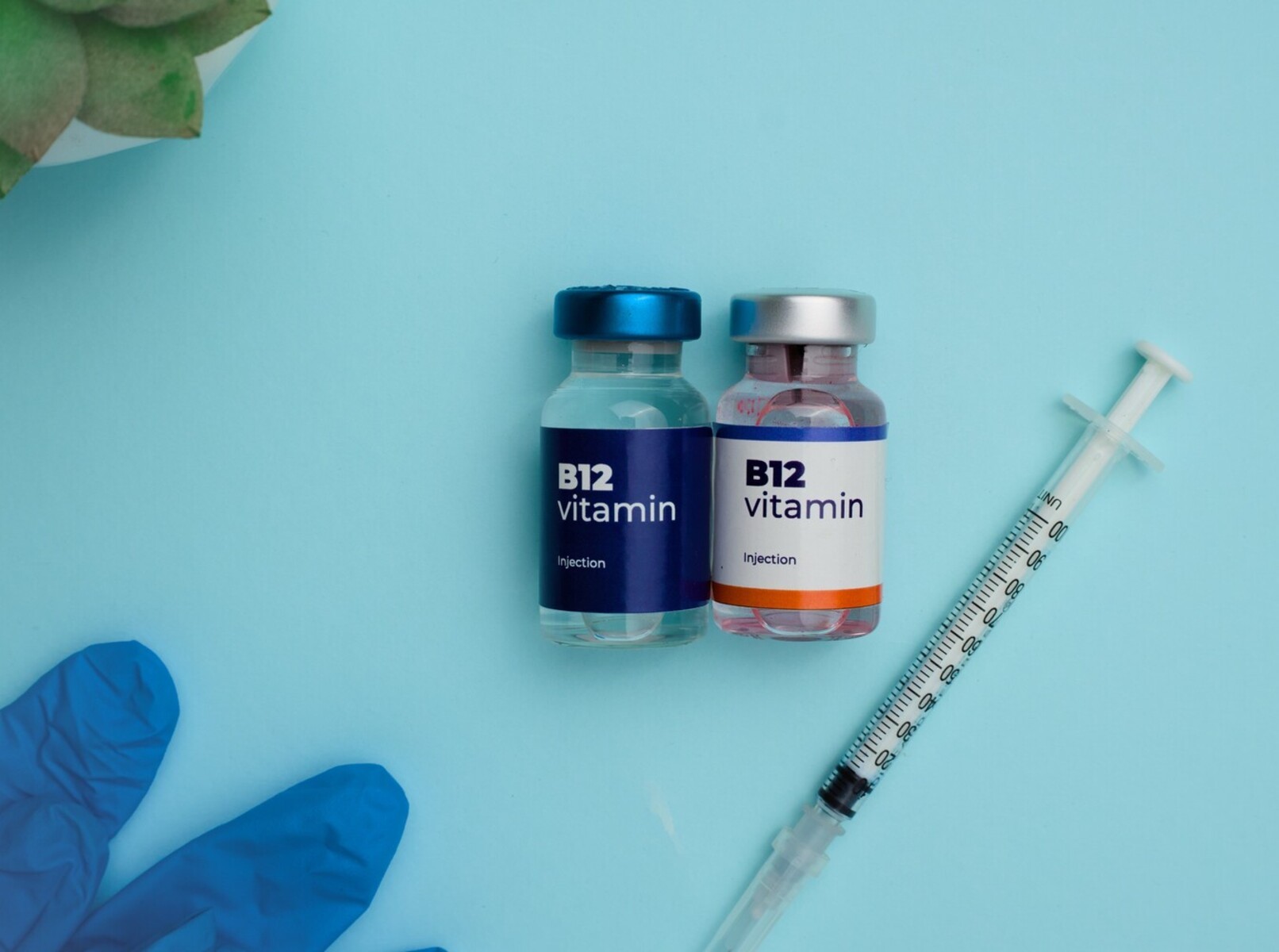
Vitamin B12 supports nerve function, red blood cell production, and energy metabolism. If someone has a true B12 deficiency, injections may improve fatigue, weakness, or neurological symptoms over time. That can feel dramatic for the right person.
For people with normal B12 levels, though, extra injections haven’t consistently shown meaningful weight-loss benefits. They don’t directly reduce appetite like GLP-1 medications, and they do not replace nutrition habits, movement, sleep, or medical care.
B12 shots may have a place in treatment when testing shows deficiency or absorption problems, but they should not be sold as a stand-alone fat-loss solution.
What Lipotropic Injections Usually Contain
Lipotropic injections often contain MIC blends:
Methionine: An amino acid involved in normal metabolism and liver-related pathways.
Inositol: A compound involved in cell signaling and insulin-related processes.
Choline: A nutrient that supports liver function and fat transport.
Some formulations also include carnitine, B vitamins, or amino acids. Marketing often focuses on metabolism, fat burning, or energy support, but these claims can get ahead of the research.
The ingredients may sound scientific, yet meaningful long-term weight loss usually depends on calorie intake, nutrition quality, activity, sleep, and consistency. Ask what is included, why it is recommended, and what evidence supports it.
Why Evidence Is Weaker Than for GLP-1 Medications
GLP-1 and GIP medications have been studied in large clinical trials that measure weight change, side effects, dosing, safety signals, and longer-term outcomes.
Wellness injections usually don’t have that same level of evidence. Many claims are based on small studies, ingredient theory, clinic marketing, or testimonials rather than strong obesity-treatment research.
That doesn’t mean every vitamin or lipotropic injection is automatically useless. It means the claims should stay realistic. A shot that supports a deficiency is different from a medication proven to affect appetite hormones. People deserve that distinction before spending money or delaying more appropriate medical care.
When B12 Testing May Make Sense
B12 testing may make sense when someone has symptoms, absorption concerns, or risk factors for deficiency. Testing can help determine whether supplementation is actually needed instead of guessing based on fatigue alone.
Older adults: Absorption can decline with age.
Vegans: B12 is mainly found in animal-derived foods.
People with gastrointestinal disorders: Conditions affecting the stomach or intestines may reduce absorption.
Individuals taking metformin long-term: Metformin use can lower B12 levels in some patients.
People using acid-reducing medications regularly: Lower stomach acid may interfere with B12 absorption.
If levels are normal, weight-loss claims should be viewed cautiously.
Are HCG Injections Effective or Safe for Weight Loss?
HCG injections are not recommended as an evidence-based treatment for weight loss. The FDA has raised concerns about HCG products marketed for obesity treatment, especially when they are paired with very low-calorie diets.
Research hasn’t shown that HCG itself causes meaningful fat loss. Many programs rely on severe calorie restriction, which can temporarily lower body weight regardless of the injection. That can make the treatment look more effective than it really is.
For most people, the bigger concern is safety, sustainability, and whether the plan supports enough nutrition to protect energy, muscle, and overall health.
What HCG Is
HCG stands for human chorionic gonadotropin, a hormone naturally produced during pregnancy. In medical care, HCG has legitimate uses related to fertility treatment, ovulation support, and certain hormone-related conditions. Those uses require appropriate testing, dosing, and medical supervision.
Weight-loss marketing takes the hormone into a very different context. HCG was not developed as an obesity medication, and it does not work like GLP-1 or GIP medications that affect appetite signaling, fullness, and digestion. The confusion often comes from wellness clinics presenting medical-sounding claims without strong evidence that HCG improves fat loss.
Why HCG Is Not Recommended for Weight Loss
Research hasn’t shown that the hormone itself produces meaningful fat loss. Many HCG programs include diets as low as 500 calories per day, which can cause rapid short-term weight changes with or without injections. That makes the injection look more powerful than the evidence supports.
Major medical organizations and regulators have warned against using HCG for obesity treatment. The concern is not only weak evidence. Extremely low-calorie plans may increase fatigue, dizziness, constipation, muscle loss, dehydration, nutrient deficiencies, and rebound weight gain after the program ends.
The Real Risk May Be the Extreme Diet Attached to It
The main risk with many HCG programs is the extreme diet that often comes with them. Severe calorie restriction can cause fatigue, dizziness, headaches, constipation, dehydration, nutrient gaps, and loss of lean muscle mass. Some people see quick changes on the scale, but much of that early progress can be difficult to maintain once normal eating resumes.
Restrictive programs may also increase food preoccupation and rebound eating. A safer weight loss plan should protect protein intake, hydration, fiber, and daily functioning while still creating a realistic calorie deficit to lose weight when appropriate overall.
What About Fat-Dissolving, Mesotherapy, NAD, HGH, and Peptide Injections?
Many trending injections promoted online are very different from prescription obesity medications.
Some are cosmetic procedures meant for small, localized fat areas. Others involve hormones, peptides, or wellness ingredients with specific medical uses or limited weight-loss evidence. That distinction matters because marketing can make these options sound interchangeable with GLP-1 medications when they are not.
A treatment used in a med spa may not be designed to reduce appetite, improve fullness, or support chronic weight management. Before spending money, ask what the injection is intended to do, what research supports it, and what risks are involved.
Fat-Dissolving Injections Are Not the Same as Weight Loss Medications
Fat-dissolving injections are usually cosmetic treatments aimed at small areas of localized fat, such as under the chin. They aren’t designed to treat obesity or create meaningful whole-body weight loss. These procedures may change contour in a specific area, but they don’t address appetite, insulin resistance, eating patterns, or long-term weight maintenance.
Results can also vary, and side effects may include swelling, bruising, tenderness, numbness, or uneven appearance. People looking for overall weight loss should understand that cosmetic fat-reduction procedures and prescription obesity medications serve very different purposes.
Mesotherapy and Med Spa Injections
Mesotherapy treatments may contain different combinations of vitamins, enzymes, hormones, medications, minerals, or plant extracts, depending on the clinic. That ingredient variability makes the approach difficult to study consistently. It also makes safety harder to compare from one provider to another.
Some med spas promote these injections for fat burning, cellulite, metabolism, or body contouring, but research remains limited overall. Patients should ask exactly what is being injected, who is preparing it, whether the provider is licensed, and what side effects have been reported. Clear answers matter before agreeing to any wellness clinic injection plan.
HGH, Sermorelin, Testosterone, and NAD Claims
Hormone-related injections should be approached carefully, especially when they are marketed for weight loss, anti-aging, or body transformation. Testosterone replacement may help people with diagnosed deficiency, but it is not a general fat-loss tool. HGH and related therapies can carry risks and should not be used casually for cosmetic goals.
Sermorelin is sometimes promoted for growth hormone support, but it still requires medical oversight. NAD injections remain popular in wellness spaces for energy or aging claims, yet evidence for significant fat loss is limited. Testing, diagnosis, and clear medical need should guide these decisions.

How to Evaluate Med Spa Claims
Med spa marketing can sound convincing, especially when treatments are described with scientific language, celebrity endorsements, or dramatic before-and-after photos. Some clinics combine multiple injections, supplements, restrictive diets, and cosmetic procedures into one package, which makes it harder to know what is actually producing results.
Asking direct questions can help you evaluate whether the treatment is evidence-based, medically appropriate, and supervised safely. Before agreeing to any injection plan, ask:
Is the medication FDA-approved for obesity treatment?
Who prescribed it?
What evidence supports it?
What are the side effects?
What happens long term?
Is follow-up care included?
How to Use Weight Loss Injections Safely at Home
Using weight loss injections at home requires more than simply giving yourself the shot. Proper storage, dosing, injection technique, and follow-up care all help reduce side effects and safety risks.
Step 1: Learn Proper Injection Technique
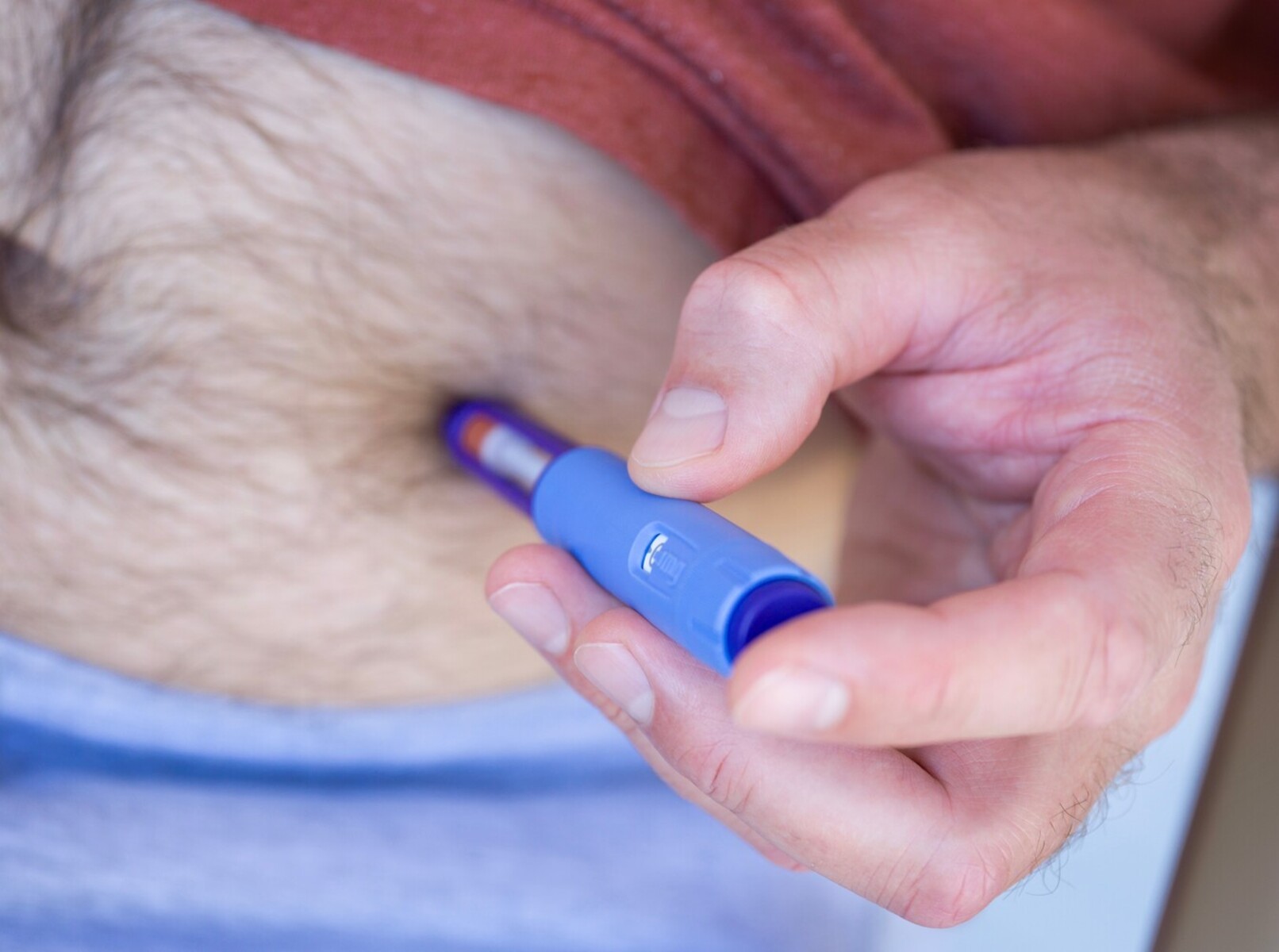
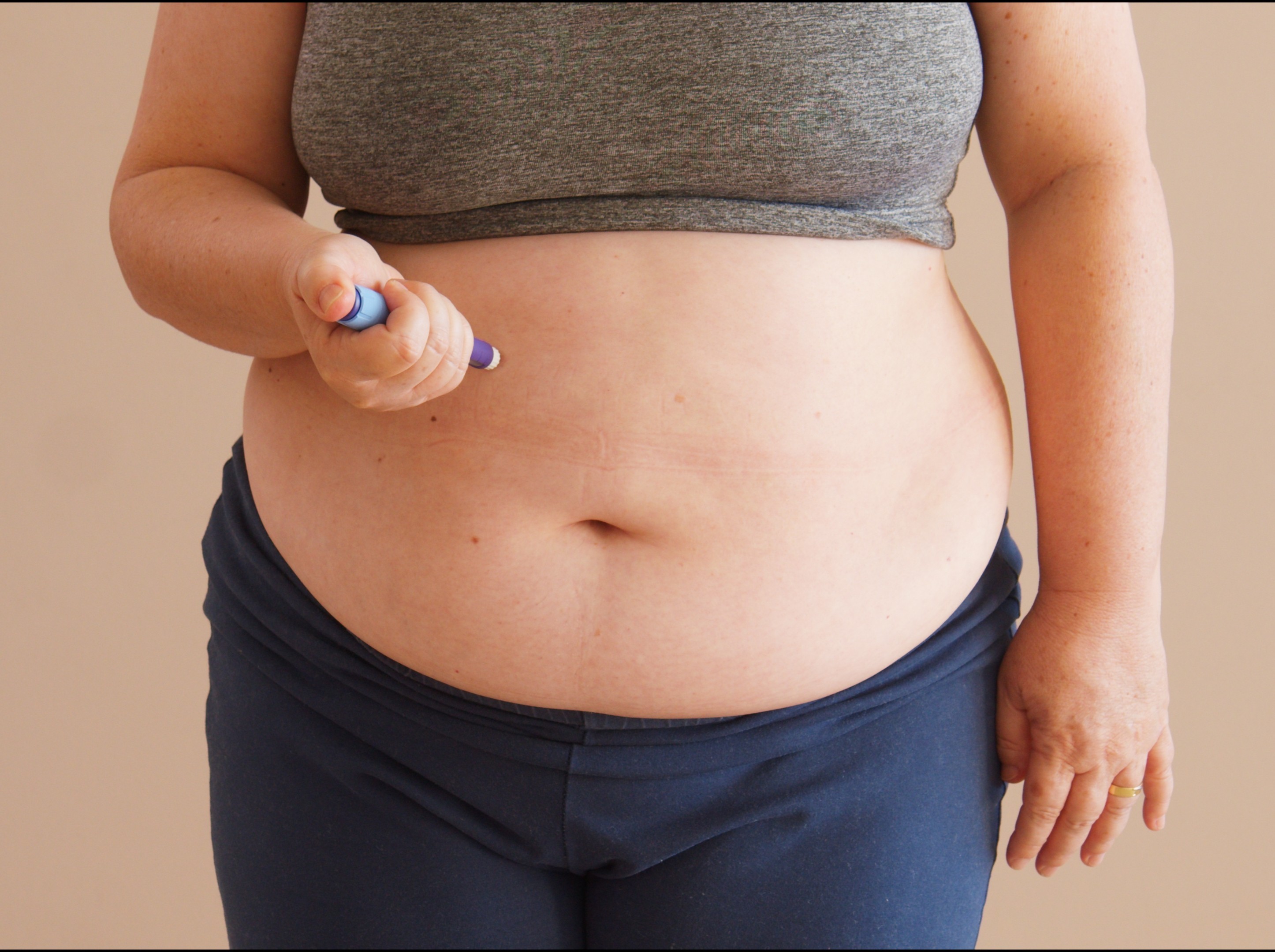
Always review injection instructions with your healthcare provider or pharmacist before your first dose. Most weekly weight loss injections are given under the skin, usually in the abdomen, thigh, or upper arm.
Wash your hands, check the medication, and use a clean surface before starting. Follow the device instructions carefully, including how long to hold the pen against your skin.
Good technique can help reduce leaking, bruising, irritation, and inconsistent dosing. If you feel unsure, ask for a demonstration before injecting at home.
Step 2: Rotate Injection Sites
Rotating injection sites helps protect your skin and makes treatment more comfortable over time. Avoid using the exact same spot each week, especially if the area feels tender, bruised, itchy, or firm.
Many people rotate between the abdomen, thighs, and upper arms when those sites are approved for their medication. Keep injections at least a small distance away from scars, irritated skin, or the belly button.
A simple phone note or calendar reminder can help you track where you injected last time and avoid repeating the same area.
Step 3: Store Medications Correctly
Storage instructions matter because temperature can affect medication quality and safety. Some injectable medications need refrigeration before use, while others may stay at room temperature for a limited period once opened or removed from the fridge.
Always check the package insert and pharmacy label for exact instructions. Avoid freezing the medication, leaving it in a hot car, or storing it in direct sunlight.
Before injecting, look for unusual cloudiness, discoloration, or particles if your product instructions tell you to inspect it. When in doubt, ask your pharmacist before using it.
Step 4: Monitor Symptoms Closely
Pay attention to how your body responds after each dose, especially during the first few weeks or after dose increases. Mild nausea, constipation, reflux, or reduced appetite can happen, but symptoms should still be manageable.
Persistent vomiting, severe abdominal pain, signs of dehydration, faintness, or difficulty eating enough deserve prompt medical guidance.
Track symptoms, fluid intake, bowel changes, and meal tolerance so you can describe what is happening clearly. Do not wait until side effects feel unbearable. Early communication can help your healthcare team adjust the plan safely.
Step 5: Follow the Prescribed Dosing Schedule
Follow the dosing schedule exactly as prescribed, even if you feel eager to speed up results. Dose escalation is designed to help your body adjust gradually and reduce gastrointestinal side effects. Increasing too quickly may worsen nausea, vomiting, reflux, constipation, or appetite suppression.
If you miss a dose, check the medication instructions or call your pharmacist instead of guessing. Don’t double up unless your prescriber specifically tells you to. Safety is vital. A slower, well-tolerated plan is usually easier to sustain than a rushed one.
Step 6: Know When to Contact Your Doctor
Contact your doctor if side effects become severe, appetite suppression feels extreme, or you struggle to eat, drink, or function normally. Medication should support health, not leave you feeling miserable or afraid of meals.
Severe abdominal pain, repeated vomiting, dehydration, yellowing of the skin or eyes, allergic reactions, or fainting need urgent medical attention.
You should also reach out if weight loss feels too rapid or if you’re losing strength. Your clinician can adjust the dose, pause treatment, order labs, or discuss safer alternatives when needed.
What Should You Do Alongside Weight Loss Injections?
Weight loss injections can affect appetite significantly, but medication alone does not automatically create balanced nutrition habits or long-term sustainability. Daily eating patterns, hydration, movement, sleep, and follow-up care still play a major role in how people feel during treatment and whether progress lasts over time.
1. Eat Enough Protein and Fiber
Protein helps preserve lean muscle during weight loss, especially when appetite drops quickly. It also supports fullness, steady energy, and recovery after exercise. Fiber helps keep digestion moving and may reduce constipation, which is common with GLP-1 medications.
Aim for protein at meals and fiber from foods like beans, vegetables, berries, oats, and whole grains. Go slowly if your stomach feels sensitive. Large, high-fiber meals can worsen bloating for some people, so smaller portions spread throughout the day may feel better.

2. Add Strength Training When Possible
Strength training helps protect lean muscle while your body weight changes. That’s important because muscle supports strength, mobility, balance, and long-term metabolism.
You don’t need an intense gym routine to start. Bodyweight squats, wall push-ups, resistance bands, light dumbbells, or chair-based exercises can all help. Two or three sessions per week is a realistic goal for many beginners.
Start gently, focus on good form, and increase difficulty gradually. If you feel dizzy, weak, or unusually fatigued, check in with your healthcare team before pushing harder.
3. Build a Plan for Long-Term Maintenance
Think beyond the first few months of treatment. Weight loss often slows over time, and that is normal. Maintenance requires habits you can repeat when motivation is lower, travel gets busy, or appetite changes again. Build routines around regular meals, protein, movement, sleep, hydration, and stress management.
Keep follow-up appointments too, since medication doses and nutrition needs may shift. A maintenance weight loss plan should feel practical, not punishing. The goal is to protect progress while still leaving room for restaurants, family meals, celebrations, and real life.
4. Watch for Under-Eating
Reduced appetite can feel helpful at first, but eating too little can create new problems. Fatigue, dizziness, constipation, headaches, dehydration, hair shedding, and nutrient gaps can show up when intake drops too low. Protein may fall short, too, which can increase muscle loss during weight loss.
Try not to skip meals all day because you aren’t hungry. Smaller meals, smoothies, soups, yogurt bowls, and easy snacks may be more realistic when nausea is present. If eating feels difficult for several days, reach out for support.
5. Continue Regular Follow-Up Care
Routine check-ins help your healthcare team monitor progress, side effects, lab work, medication dose, and overall tolerance. They also create space to talk about symptoms before they become harder to manage. Bring notes about nausea, bowel changes, appetite, hydration, energy, and meal patterns.
Be honest about missed doses, cost barriers, or trouble eating enough. Those details help your clinician adjust the plan safely. Weight loss treatment works best when it is monitored thoughtfully, especially if you are managing diabetes, blood pressure, cholesterol, or other medical concerns.
6. Work With a Registered Dietitian
Medication can change appetite, but it doesn’t automatically build balanced meals or long-term nutrition habits. A Registered Dietitian can help you plan enough protein, manage nausea, improve fiber intake, protect muscle, and avoid under-eating while weight changes. Support can also make meal planning feel less overwhelming when portions, cravings, or digestion feel different than usual.
For personalized nutrition support, connect with a Registered Weight Loss Dietitian through Berry Street for a personalized 7-day meal plan that fits your medication routine, food preferences, and daily schedule.
How to Choose the Right Weight Loss Injection With Your Clinician
Choosing a weight loss injection involves more than comparing average weight-loss numbers online. Your medical history, side effects, lifestyle, budget, and long-term goals all help determine which option may fit best.
1. Match the Medication to Your Health Profile
Your medical history plays a major role in determining which medication may fit best. Digestive conditions, diabetes status, cardiovascular risk, pregnancy plans, and current medications can all affect safety and tolerability.
Previous experiences matter too. Someone who struggled with severe nausea on one medication may need a different approach later. A person with reflux or gastroparesis may tolerate slower dose increases more comfortably.
Lifestyle is also important to consider. Weekly injections, refrigeration requirements, travel schedules, and follow-up appointments should fit realistically into daily life before starting treatment.

2. Balance Effectiveness, Side Effects, and Cost
The medication associated with the highest average weight loss may not automatically be the best personal fit.
Some people prioritize affordability because long-term monthly costs can become difficult to manage. Others focus more on convenience, insurance coverage, or minimizing side effects that interfere with work, travel, or daily routines.
A medication that causes persistent nausea, fatigue, or reflux may be hard to continue even if the average weight-loss data looks impressive. Discuss expected side effects, refill access, follow-up costs, and dose escalation plans before committing to a long-term treatment strategy.
3. Ask About Alternatives
Injectable medications are only one part of obesity treatment. Behavioral counseling, nutrition therapy, physical activity support, oral weight loss pills, bariatric surgery, and mental health care may all play valuable roles depending on the situation.
Structured meal planning may help someone struggling with inconsistent eating habits, while another person may benefit more from support for binge eating, sleep problems, or chronic stress. Combination approaches are common and can feel more sustainable long-term.
Ask your healthcare provider which options best match your medical history, side-effect concerns, budget, and overall treatment goals before deciding.
4. Consider Long-Term Sustainability
Think carefully about whether the treatment realistically fits your life beyond the first few months. Monthly costs, insurance changes, follow-up appointments, pharmacy shortages, and side effects can all affect sustainability over time.
A treatment plan should work with your schedule, travel habits, eating patterns, and ability to attend medical visits consistently. Long-term medication use feels reasonable for some patients, while others prefer shorter-term support combined with lifestyle changes.
Planning ahead may reduce frustration later if costs rise, coverage changes, or appetite shifts after reducing or stopping medication.
5. Be Honest About Your Goals
Clear goals can help guide more realistic treatment decisions and expectations. Weight loss may be the priority for one person, while someone else cares more about blood sugar control, mobility, sleep apnea symptoms, joint pain, or reducing constant food thoughts. Those differences can influence which medication, nutrition plan, or support strategy makes the most sense.
It also helps to define what success actually looks like in daily life. More energy, improved lab work, easier movement, better sleep, and sustainable eating habits often matter more long-term than dramatic short-term scale changes alone.
Weight Loss Injection FAQs
What is the cheapest weight loss injection?
Pricing changes frequently, but older medications and compounded products may cost less than newer brand-name GLP-1/GIP medications. Insurance coverage also changes the equation substantially.
Are there over-the-counter weight loss injections?
No FDA-approved prescription weight loss injections are available over the counter in the United States.
Can you get weight loss injections without diabetes?
Yes. Several injectable medications are approved specifically for obesity treatment in qualifying individuals without diabetes.
Can you drink alcohol on weight loss injections?
Some people tolerate alcohol poorly while taking these medications because nausea, reflux, or dehydration may worsen. Discuss alcohol use with your healthcare provider.
Are compounded weight loss injections safe?
Some compounded medications may come from legitimate pharmacies, but concerns around purity, dosing, and counterfeit products exist. Careful medical oversight matters.
Do weight loss injections cause muscle loss?
Rapid weight loss can include muscle loss, especially without adequate protein intake and resistance training. That’s why nutrition and strength training remain important.
Can weight loss injections help if you only want to lose a small amount of weight?
Prescription obesity medications are generally intended for people meeting specific medical criteria, not minor cosmetic weight-loss goals.
Are weight loss injections better than weight loss pills?
Not necessarily. Some people respond well to oral medications, while others prefer weekly injections. Side effects, cost, and medical history all influence the best choice.
What happens if you miss a dose?
Instructions vary by medication and timing. Contact your healthcare provider or pharmacist for guidance rather than doubling doses on your own.
Should you use weight loss injections before considering surgery?
Sometimes. Treatment decisions depend on BMI, medical history, previous weight-loss attempts, and overall health goals. Both medications and bariatric surgery can play important roles in obesity treatment.
Conclusion
Weight loss injections can play a helpful role in obesity treatment for some people, but they are not a quick fix or a universal solution. Different medications work in different ways, and factors like medical history, side effects, cost, and long-term sustainability all matter.
We’ve seen that nutrition habits, muscle preservation, meal consistency, and long-term lifestyle support still play a major role during weight loss treatment.
If you’re using weight loss injections or considering them as part of your care plan, connect with a Registered Dietitian through Berry Street for personalized nutrition support that fits your goals and daily life.
If you want to learn more, why not check out these articles below: