Key Takeaways
Iron deficiency is often about absorption and timing, not willpower or how much iron you eat. Small changes in how you combine foods may help you get more from the same meals.
Vitamin C is your best pairing tool. Adding a vitamin-C-rich food to plant-based (non-heme) iron may meaningfully increase how much your body absorbs.
Pairing heme iron (from meat, poultry, seafood) with non-heme iron (from plants) in the same meal may boost absorption of the plant sources.
Coffee, tea, and calcium are not “bad” for iron. They can reduce non-heme absorption, so the practical move is spacing them out from iron-rich meals rather than cutting them.
Food is the foundation, but it isn’t always enough. Confirm your iron with a lab, and work with a registered dietitian alongside your doctor before starting supplements, since too much iron carries real risks.
You’re already eating iron-rich foods, and you’re still exhausted. If that’s you, take a breath, because the problem usually isn’t your effort or your willpower. More often, it’s an absorption and timing problem, and that’s something you can actually work with.
This is a registered-dietitian-led guide, which means it’s here to educate, not to shame. There are no “bad” foods here and no rigid rules. Just a clear look at what iron does, which foods help iron deficiency, and how to eat so more of that iron actually reaches your body.
In 30 seconds: If you’re eating iron-rich foods and still feeling tired, the issue is usually how much iron your body absorbs, not how much you eat. Pair non-heme (plant) iron with vitamin C, combine it with heme (animal) iron when you can, and space coffee, tea, and calcium away from your iron-rich meals. When food alone isn’t enough, confirm your levels with a lab and work with a dietitian and your doctor.
Why iron matters — and what running low actually feels like
What does iron do in your body?
Iron is the mineral your body uses to move oxygen around. It’s a core part of hemoglobin, the protein in red blood cells that carries oxygen from your lungs to the rest of you. It’s also part of myoglobin, which stores oxygen in your muscles.
When your iron stores are healthy, that oxygen delivery keeps your energy steady and your thinking clear. When they run low, oxygen transport suffers, and so do your energy, focus, and concentration. That’s a big reason low iron so often shows up as ongoing fatigue.
It helps to think of iron as a stored resource, not just a daily number to hit. Your body draws on its iron reserves over time, so deficiency tends to build slowly and then catch up with you. That’s also why the fix is rarely one big meal, and more often a steady pattern of eating and absorbing well.

What are the common signs of low iron?
Low iron can show up in ways that are easy to brush off. Some of the most common signs include:
Fatigue and general weakness
Dizziness or lightheadedness
Feeling cold more easily than usual
Shortness of breath
Trouble concentrating or “brain fog”
Here’s the important part: these symptoms overlap with dozens of other things, from thyroid issues to stress to poor sleep. So please don’t self-diagnose based on a symptom list. The only way to know if iron is truly the issue is a blood test ordered by your clinician, which confirms whether your levels are actually low and rules out other causes.

Heme vs. non-heme iron: why the source changes how much you absorb
Not all dietary iron behaves the same way. Iron in food comes in two forms, heme and non-heme, and the difference matters more than most food lists admit. Of the roughly 10 to 15 mg of iron most people eat each day, only about 1 to 2 mg is actually absorbed.
Heme iron (animal sources) — absorbed most efficiently
Heme iron is the form your body absorbs most efficiently, at roughly 15 to 35 percent. It’s also less affected by whatever else is on your plate, so it’s a fairly reliable contributor. Heme iron is found only in animal flesh, meaning meat, fish, and poultry.
Non-heme iron (plant sources) — abundant but lower absorption
Non-heme iron is the form found in plants and fortified foods, and it also makes up part of the iron in animal flesh. It’s abundant and easy to include, but your body absorbs a smaller share of it. Its absorption is also heavily influenced by what you eat alongside it, which, as you’ll see, is actually good news, because it gives you actionable steps.
What are the best iron-rich foods? (organized by how you eat)
There’s no single “best” source. The most useful approach is to know your options across animal and plant foods, then combine them in ways that boost absorption.
Iron-rich animal foods (heme)
Good heme sources to work into meals include:
Oysters, clams, and mussels
Beef liver and chicken liver
Canned sardines
Beef
Poultry
Canned light tuna
Iron-rich plant foods (non-heme)
Plant and fortified non-heme sources are wide-ranging:
Lentils
White beans, kidney beans, and chickpeas
Tofu and tempeh
Spinach and other dark leafy greens
Pumpkin seeds and cashews
Dried fruit like raisins and apricots
Fortified breakfast cereals and enriched grains
Dark chocolate (45 percent cacao and up)

Iron-rich foods for vegetarians and vegans
If you eat mostly or entirely plants, you’re not out of luck, but your target is a bit higher. Because non-heme iron is less bioavailable, people following vegetarian diets need about 1.8 times more iron than people who eat meat.
That sounds like a lot, and it’s very doable with a little planning. Building meals around beans, lentils, tofu, seeds, and fortified grains, then pairing them well, covers a lot of ground. A dietitian can help you personalize the numbers so you’re not guessing.
How do you absorb iron better? (the part most food lists skip)
This is where the real leverage lives. You can eat plenty of iron and still come up short if absorption isn’t working in your favor. These strategies help more of the iron you eat actually get in.
Pair non-heme iron with vitamin C
Vitamin C is one of the most powerful tools you have for boosting non-heme iron absorption. In one classic study, absorption from a non-heme meal rose from 0.8 percent to 7.1 percent as vitamin C went from 25 mg to 1,000 mg. That’s a meaningful jump from a simple pairing.
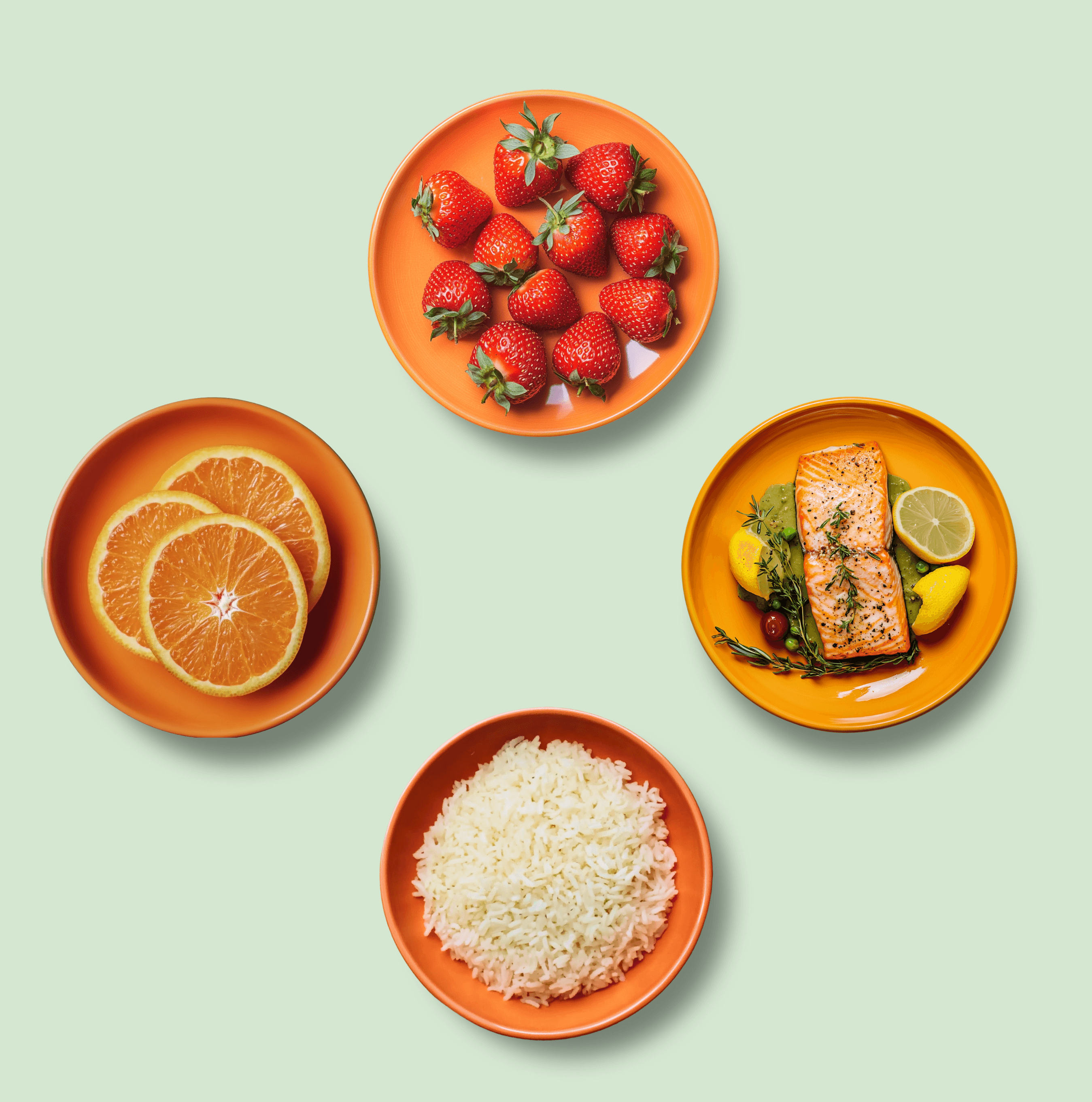
The best part is you don’t need a supplement to get there. Everyday vitamin C foods like citrus, bell peppers, strawberries, tomatoes, and broccoli do the job when you eat them in the same meal as your iron.
In real meals, that can look like:
Lentils with roasted bell peppers or tomatoes
Beans with a squeeze of citrus or a scoop of salsa
A spinach salad topped with strawberries
Fortified cereal with an orange on the side

Combine heme + non-heme in the same meal
There’s also a helpful “meat factor.” Adding meat, fish, or poultry to a plant-based meal increases how much non-heme iron you absorb from that meal. So a little beef stirred into a bean chili, or some salmon alongside a grain bowl, does double duty. You get heme iron plus a boost to the plant iron on the plate.
Space out coffee, tea, and calcium — by timing, not elimination
Some foods and drinks can lower non-heme iron absorption, and the answer is timing, not cutting them out. The polyphenols in tea and coffee can sharply reduce non-heme iron absorption, and tea has been shown to cut it by roughly 56 to 85 percent in studies. Calcium can reduce both heme and non-heme iron absorption.
None of these are “bad.” Coffee, tea, and dairy are still nutritious and worth enjoying. For some people, the simple fix is to have them between meals or about an hour apart from your main iron-rich meals, rather than right alongside them.
“When a client tells me they eat iron-rich food every single day and still exhausted, I don’t ask them to eat more. We look at how and when they’re eating it. Moving that afternoon coffee to an hour after lunch, and adding something with vitamin C to the plate, often does more than trying any new iron rich food.” — Bridget Isaacs, MS, RD
Do cooking methods matter?
A little, and it can add up. Cooking acidic foods in a cast iron pan can transfer some iron into the food. Chopping and lightly cooking certain greens can make their iron easier to access. And pairing acidic ingredients, like tomatoes or citrus, with iron-rich foods supports absorption too.
Preparation matters for beans and whole grains as well. These foods contain compounds called phytates that can lower non-heme iron absorption, which is one more reason to treat them as a timing and prep consideration, not a food to avoid. Soaking, sprouting, or fermenting beans and grains, and pairing them with vitamin C, helps offset that effect. Small habits, stacked together, can make a real difference over time.
Higher-need groups: who should pay extra attention
Iron needs aren’t the same for everyone, and some groups are more likely to run low. If you’re in one of these, it’s worth paying closer attention and confirming your status with a clinician.
Menstruating women and heavy periods
Iron needs are notably higher during the reproductive years. Adult women ages 19 to 50 need about 18 mg of iron per day, compared with about 8 mg for adult men. Heavy or prolonged menstrual bleeding raises the risk of deficiency further, because you’re losing more blood, and iron with it. If your cycle is heavy, it’s worth factoring into how you eat across your menstrual cycle.
Pregnancy and postpartum
Pregnancy raises iron needs substantially, to about 27 mg per day, to support both you and a growing baby. This is a stretch to hit from food alone for many people, so prenatal care and testing matter here. Work with your care team to personalize your plan during pregnancy and the postpartum months.
Athletes and active teens
If you train hard, especially in endurance sports, you may lose more iron than the average person. Heavy sweating, the demands of training, and the mechanical stress of foot strike in runners can all play a role for some people. Active teens have elevated needs too, during a period of rapid growth, when the body is building more blood volume and muscle. Low iron can quietly chip away at endurance, recovery, and focus, which is easy to mistake for simply overtraining. This is a good reason to work with a registered dietitian who can match your intake to your training load and confirm your status with testing.
When food isn’t enough: labs, supplements, and your care team
Food-first is a great starting point, and sometimes it isn’t the whole story. If you’ve done the pairing and the timing and still feel off, that’s a signal to dig deeper with your clinician, not to try harder on your own.
Why does “just eat more spinach” sometimes fail?
Eating more iron doesn’t help if your body can’t absorb or hold onto it. A few common reasons the food-only approach falls short:
Absorption issues from what’s eaten together, or from underlying conditions
Ongoing blood loss from heavy periods or other sources
Gut conditions that interfere with nutrient uptake
That last one matters. GI conditions like celiac disease can cause iron malabsorption, and unexplained iron-deficiency anemia can actually be a red flag for celiac disease. It’s also why more isn’t always better. Iron overload, including hereditary hemochromatosis, is a real risk, so please don’t mega-dose iron on your own without testing and guidance.
“Clients might be worried I’m going to tell them to stop their morning coffee or their yogurt. But we don’t have to do that. We just find the windows that work, coffee mid-morning, iron-rich meals earlier or later, and it feels doable since they get to keep their favorite foods. The goal is a plan you can actually live with.” — Bridget Isaacs, MS, RD
How does a dietitian work alongside your doctor on testing and supplementation?
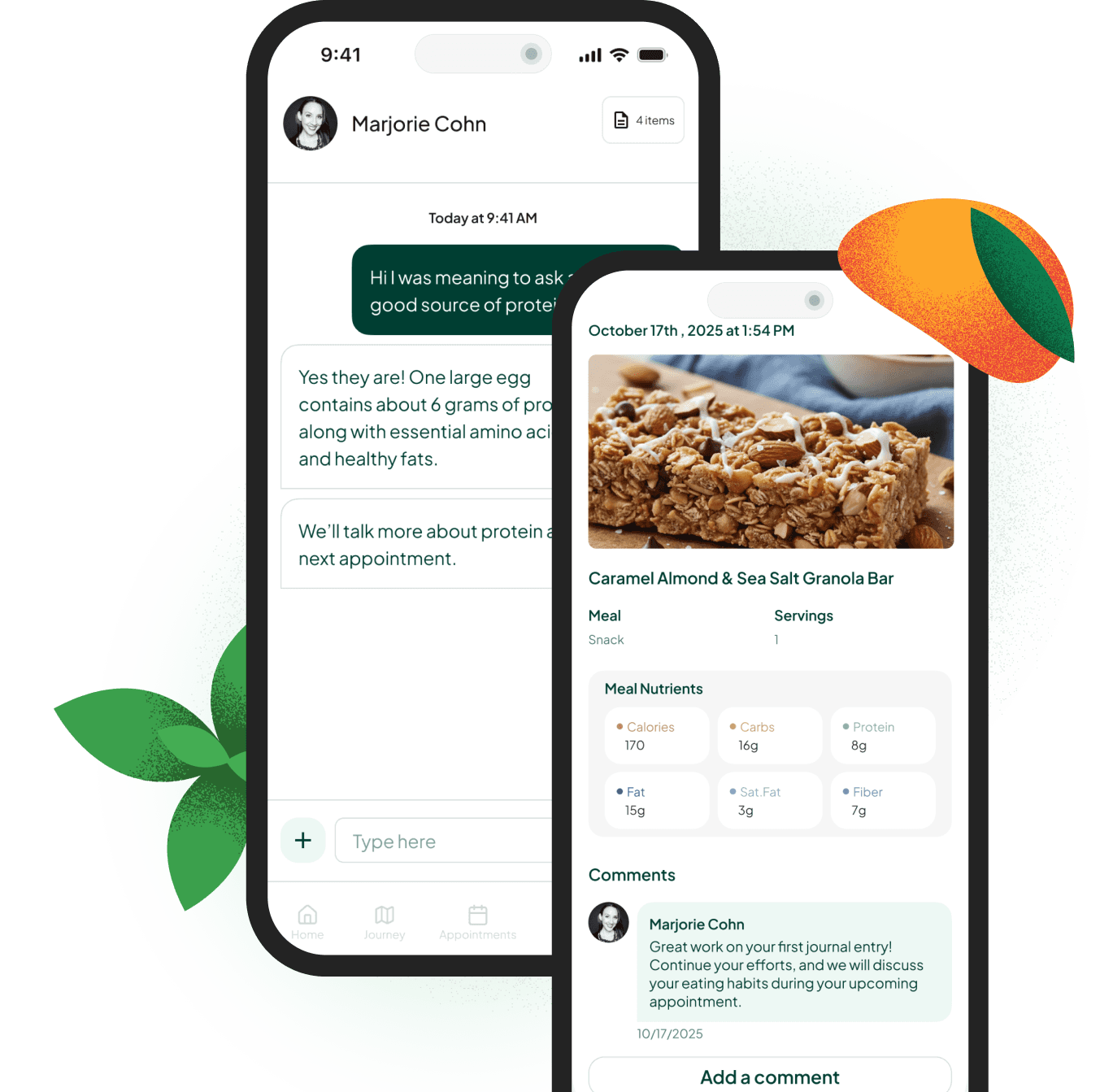
A Registered Dietitian reviews the full picture, meaning your labs, your symptoms, and your everyday eating, together with your doctor. From there, an RD can help you build a food-first plan and, when a supplement is appropriate, sort out timing and tolerability so it’s easier on your stomach and more effective.
Berry Street providers are Registered Dietitians who work alongside your doctor, not instead of them. Cost is often less of a barrier than people expect, because Berry Street is in-network with 1,250+ insurance plans and most members pay $0. If you’d like personalized help, you can book a visit with a Berry Street dietitian and start turning this into a plan that fits your life.
A dietitian-built approach to raising your iron
Here’s the good news: raising your iron is usually less about eating perfectly and more about eating strategically. You can keep the foods and drinks you enjoy. The shifts that tend to matter most are pairing non-heme iron with vitamin C, combining heme and non-heme sources when it fits your meals, and spacing coffee, tea, or calcium about an hour away from iron-rich meals.
None of this needs to be rigid, and none of it looks the same for everyone. How much iron you need, how well you absorb it, and where your levels stand today all depend on your individual needs. That’s why a lab test and a clear plan matter more than any single “iron food.” For some people, food is enough. For others, a clinician may recommend a supplement, and that’s a decision worth making with support rather than guessing on your own.
If you’d like help turning this into a plan built around your labs, your preferences, and your schedule, you can work with a Berry Street registered dietitian who partners alongside your doctor. We’re in-network with 1,250+ insurance plans, and most members pay $0 with coverage. When you’re ready, you can take the first step at your own pace.

Frequently Asked Questions
How can I raise my iron levels quickly?
Start with a food-first approach: pair iron-rich foods with a vitamin-C source, and space coffee, tea, or calcium away from those meals to support absorption. There’s no safe way to raise iron overnight, so before adding a supplement, confirm your levels with a lab and talk with a clinician. Avoid self-megadosing iron, since too much can be harmful.
What food is highest in iron?
Some of the richest sources include shellfish like oysters, organ meats such as liver, beef, and iron-fortified cereals, along with white beans and lentils. Heme iron from animal foods tends to absorb more easily than non-heme iron from plants, according to the NIH Office of Dietary Supplements. The best choice depends on your preferences and individual needs.
Which drinks are high in iron — and which ones block it?
Some fortified plant milks and certain juices can contribute iron or, in the case of vitamin-C-rich juice, support absorption. Coffee and tea contain polyphenols that may reduce non-heme iron absorption, as noted by the Harvard Nutrition Source. You don’t need to eliminate them, just enjoy them between meals rather than alongside iron-rich ones.
Are two eggs a day enough iron?
Eggs offer a modest amount of iron, roughly 1 mg each, and egg yolk can slightly inhibit absorption. They can be a helpful part of your intake, but for most people two eggs a day won’t cover iron needs on their own. Combine them with other iron-rich foods and a vitamin-C source to get more overall.
What foods block iron absorption?
Coffee and tea polyphenols, calcium, and phytates found in some grains and legumes can reduce how much non-heme iron you absorb. This doesn’t make those foods “bad,” since many are nutritious and worth keeping. The practical approach is timing them away from your most iron-rich meals rather than cutting them out.
How does vitamin C help iron absorption?
Vitamin C (ascorbic acid) helps keep non-heme iron soluble and in a form your body absorbs more easily. Research summarized by the NIH Office of Dietary Supplements suggests the effect is dose-dependent, so more vitamin C in a meal may mean better absorption. A simple example is adding citrus, peppers, or strawberries to a plant-based iron meal.
What are the best iron-rich foods for vegetarians and vegans?
Strong plant-based options include lentils, beans, tofu and tempeh, fortified cereals, pumpkin seeds, and dark leafy greens. Because non-heme iron absorbs less efficiently, the NIH Office of Dietary Supplements notes vegetarians may need roughly 1.8 times more iron than people who eat meat. Pairing these foods with a vitamin-C source can help you absorb more.
What are the best iron-rich foods for women and during your period?
Women ages 19 to 50 need about 18 mg of iron per day, and heavier periods may raise the risk of low iron for some people. Combining heme and non-heme sources with a vitamin-C food at meals may help you meet your needs. If you’re concerned, confirm your levels with a lab rather than guessing.
Do coffee and tea really affect iron absorption?
Yes. Studies summarized in an iron absorption review show tea can reduce non-heme iron absorption by 56 to 85 percent or more when consumed with a meal. You don’t have to give them up, though. Enjoying them between meals or about an hour away from iron-rich meals is a reasonable approach for many people.
Which fruits are highest in iron?
Dried fruits like apricots, raisins, and prunes are among the more concentrated fruit sources of iron. Vitamin-C-rich fruits such as citrus and strawberries don’t contain much iron themselves, but they can boost absorption of iron from other foods in the same meal. Combining both may work well.
What foods should I limit on an iron-deficiency (anemia) diet?
Nothing needs to be eliminated. The more helpful shift is timing coffee, tea, and calcium away from your iron-rich meals, while keeping those foods and drinks in your day. Because needs vary, it’s worth personalizing this with a dietitian rather than following blanket rules.
How much iron do I need per day?
According to the NIH Office of Dietary Supplements, adult men need about 8 mg per day, women ages 19 to 50 need about 18 mg, and pregnancy raises needs to about 27 mg. Vegetarians may need roughly 1.8 times more, and the tolerable upper limit for adults is 45 mg. Confirm your specific needs with a clinician before supplementing.