Key Takeaways
An intuitive eating dietitian helps you rebuild trust in your body’s hunger and fullness cues instead of handing you a meal plan, calorie target, or set of food rules.
“Anti-diet” does not mean anti-health or anti-weight change. It means moving away from restriction, because for many people rigid dieting stops working over time.
The RD or RDN credential signals years of supervised clinical training, which matters when your eating overlaps with a medical condition. In some states, anyone can call themselves a “nutritionist” without that background.
Research associates intuitive eating with better psychological well-being and weight stability rather than weight loss, though results vary from person to person.
Berry Street connects you with a registered dietitian by video, is in-network with 1,250+ insurance plans, and 95% of members pay $0, though coverage depends on your plan.
On this page
What Is an Intuitive Eating, Anti-Diet Dietitian?
Registered Dietitian vs. “Nutritionist”: Why Credentials Matter Here
What a HAES-Aligned Dietitian Actually Helps With
What It’s Like to Work With One
The Evidence Behind Intuitive Eating
How to Find an Intuitive Eating, HAES Dietitian — and What It Costs
Getting Started With Berry Street
Frequently Asked Questions
You have probably lived the cycle. You start a new plan, follow it closely, and feel in control. Then life happens, the plan slips, you eat the foods it told you to avoid, and start hunting for the next plan that will finally stick.
Here is the reframe that changes everything. That is not a willpower problem. That is a one-size-fits-all problem. Rigid diets are built for everyone, which means they are built for no one in particular. They rarely account for your schedule, hormones, stress, medical history, or actual relationship with food.
An intuitive eating dietitian offers a different path. Instead of another set of rules, you get personalized care focused on rebuilding trust between you and your body. The goal is not to shrink you into a plan, but to help you eat in a way that feels steady, satisfying, and sustainable, on your own terms.

In 30 seconds: An intuitive eating, HAES-aligned dietitian is a credentialed registered dietitian who helps you step off the diet cycle and reconnect with your body’s hunger and fullness cues. There are no meal plans, calorie targets, or “good” and “bad” food labels, just personalized, non-judgmental support that fits your life, and for many people insurance covers the visits.
What Is an Intuitive Eating, Anti-Diet Dietitian?
An intuitive eating dietitian is a registered dietitian who uses a non-diet approach to help you build a calmer, more flexible relationship with food. Intuitive eating is a framework built around listening to your body. It emphasizes eating when you are hungry, stopping when you are comfortably full, honoring cravings without guilt, and rejecting the idea that food choices make you a good or bad person. A dietitian helps you apply those ideas to your real life, not as another rigid checklist.
You may also see this work described as an anti-diet dietitian, a non-diet dietitian, a HAES-aligned dietitian, or an intuitive eating counselor. The labels overlap. What they share is a refusal to treat weight as the single measure of health, plus care that is personalized rather than prescriptive.
What “anti-diet” actually means (anti-restriction)
“Anti-diet” is one of the most misunderstood terms in nutrition. It does not mean anti-health, weight change, or “eat whatever you want with no thought at all.” It means moving away from restriction and rigid rules as the primary strategy, because for many people, that approach backfires over time.
At Berry Street, the stance is simple. We are not weight-centric. We are weight inclusive. Your weight may change as your nutrition and habits improve, and that can be a welcome side effect for some people. What an anti-diet dietitian will not do is make weight the goal you chase or the number that decides whether you succeeded.
The shift in focus looks like this:
From counting calories and macros to noticing how foods make you feel and function.
From “good” and “bad” foods to unconditional permission to eat, paired with gentle nutrition.
From willpower and control to self-trust and consistency that fits your life.
From shame after an “off” day to curiosity about what your body needed.
The point is not to lower the bar. It is to build habits you can keep.

What HAES (Health At Every Size) means and why it matters
Health At Every Size, usually shortened to HAES, is a care framework developed by the Association for Size Diversity and Health (ASDAH), which holds the trademark and publishes the guiding principles. It describes how care is delivered, not a diet or a claim that everyone is equally healthy at every size.
The core idea is that health behaviors and access to respectful care matter more than the number on a scale. A HAES-aligned dietitian focuses on what you do, such as how you eat, move, sleep, and manage stress, rather than trying to make your body a specific size.
Why does this matter day to day? A HAES dietitian meets you where you are without asking you to earn care by changing your body first. That tends to make the work feel safer and easier to sustain, especially if past weight-focused advice left you discouraged.

Registered Dietitian vs. “Nutritionist”: Why Credentials Matter Here
When you are trusting someone with your relationship to food, and often a medical condition alongside it, credentials are not a technicality. They tell you who has real clinical training and who does not.
Registered Dietitian (RD/RDN): A licensed medical professional with an accredited degree, supervised clinical hours, a national exam, and state licensure where required, qualified to provide medical nutrition therapy and manage medical conditions alongside your physician.
“Nutritionist” or “coach”: Highly variable. In many states, anyone can use these titles without any required training or credential. Some are well-trained, but the title alone does not guarantee it, so you have to check.
This matters even more in intuitive eating and eating-disorder work, where unqualified advice can do real harm. Every Berry Street provider is a registered dietitian or certified nutrition specialist, not a generic health coach or an uncredentialed nutritionist. When your eating overlaps with your health, that training is exactly what you want in your corner.
What a HAES-Aligned Dietitian Actually Helps With
A common misconception is that intuitive eating is only for people who want a gentler diet. In practice, a HAES-aligned dietitian supports a wide range of concerns, many of them clinical, while helping you build a trusting relationship with food.
Disordered eating and eating-disorder recovery
Disordered eating covers a broad spectrum, from chronic dieting and food preoccupation to diagnosed eating disorders. A weight-neutral, non-diet approach is often central to recovery, because the restriction that fuels many eating disorders is exactly what HAES moves away from.
An eating disorder dietitian can help you interrupt restrict-and-rebound cycles, reintroduce feared foods at a manageable pace, and rebuild regular eating, usually as part of a care team that may include a therapist and a physician. If you are in crisis or medically unstable, a higher level of care may be needed first.

Emotional and binge eating
Eating in response to stress, boredom, sadness, or exhaustion is deeply human, and it is rarely solved by more rules. Restriction tends to intensify emotional eating and binge episodes, because a body that feels deprived pushes hard to make up for it.
A dietitian helps you look underneath the behavior. Together you might explore whether you are eating enough, what emotions precede an episode, and what forms of comfort could help. The aim is not to eliminate all emotional eating, which is normal, but to make it one of many tools rather than the only one.
Intuitive eating alongside medical conditions (PMOS, diabetes/blood sugar, GI/IBS)
A common myth is that intuitive eating is incompatible with managing a medical condition. It is not. Intuitive eating includes a principle called gentle nutrition, which means you can honor your health with food choices while respecting your hunger, fullness, and satisfaction.
For conditions like PMOS, type 2 diabetes or blood sugar concerns, and GI issues such as IBS, a dietitian can help you find patterns that support how you feel, such as pairing carbohydrates with protein and fat for steadier energy, without labeling foods as forbidden. What this looks like depends on your individual needs, which is exactly why personalized care beats a generic plan.
“When a client has PMOS or high blood sugar and worries that intuitive eating means ignoring their health, I tell them gentle nutrition is the opposite of ignoring it. We start by adding, not subtracting, like building meals so carbs come with protein and fat, or spacing meals so you’re not running on empty by mid-afternoon. I ask you to notice your energy, digestion, and blood sugar patterns as information, not as a rule to obey or a test to fail. Nothing gets banned, because the second a food is off-limits, it usually takes over.” Bridget Isaacs, MS, RD
What It’s Like to Work With One
If your only reference point is dieting, this can feel unfamiliar at first. There is no weigh-in ritual, no plan handed back graded, and no lecture, just a collaborative conversation focused on understanding you.
What happens at your first appointment
Your first appointment is mostly about your story. Your dietitian will ask about your history with food and dieting, your relationship with your body, your medical background, and what you hope changes. You do not need to prepare anything or bring a food log unless you want to.
From there, you set goals together, usually behavioral rather than weight-based. Early goals might be as simple as eating regularly through the day, noticing hunger before it becomes urgent, or letting go of a food rule that has caused stress. You leave with a next step or two, not a rigid prescription.

Why there’s no meal plan or calorie target handed to you
A dietitian withholds the meal plan and calorie target on purpose. For most people who have dieted a long time, another external plan simply becomes the next set of rules to rebel against.
Instead, the work rebuilds your internal guidance system. You practice checking in with hunger and fullness, giving yourself unconditional permission to eat, and noticing which choices leave you feeling good. Your dietitian offers structure, gentle nutrition ideas, and accountability, but the aim is for you to become the expert on your own body rather than dependent on an app.
“When a client is scared that no meal plan and no weight focus means they’ll spiral out of control, I remind them that the out-of-control feeling almost always comes from restriction, not from freedom. In early sessions we don’t remove structure, we build a different kind. We do simple hunger and fullness check-ins on a zero-to-ten scale, and we make sure you’re eating enough and often enough, because an underfed body always feels chaotic around food. Then I give unconditional permission to the foods you’ve been afraid of, and almost every time, once a food stops being forbidden, it loses its grip.” — Bridget Isaacs, MS, RD
How long people usually work with a dietitian
There is no fixed endpoint, because it depends on what you are working on and how deep the patterns run. Some people feel meaningfully steadier within a handful of sessions. Others, especially those recovering from an eating disorder or untangling years of chronic dieting, benefit from support over many months.
A typical rhythm might start with visits every one to two weeks, then space out as your confidence grows. The goal is to work you out of needing regular appointments, not to keep you dependent forever, and you are always free to adjust the cadence, pause, or stop.
The Evidence Behind Intuitive Eating
Intuitive eating is not just a feel-good idea. It has a growing research base, though that research is worth describing accurately rather than overselling.
The strongest evidence is psychological. A 2021 meta-analysis in the International Journal of Eating Disorders found that intuitive eating is associated with a broad range of positive mental health indicators, including less disordered eating, lower body dissatisfaction, and greater well-being. Because most of this research is cross-sectional, it shows a consistent association, not proof that intuitive eating causes those outcomes.
When it comes to weight, the picture is intentionally different from a diet. A literature review in Public Health Nutrition concluded that intuitive eating is associated with weight stability rather than weight loss, along with improved psychological health. That review described possible improvements in physical markers, such as blood pressure and cholesterol, as tentative rather than established, so intuitive eating should not be sold as a reliable way to change them.
Dieting also has a track record worth knowing. A well-known five-year longitudinal study of adolescents in the Journal of the American Dietetic Association found that teens who dieted were more likely to gain weight and develop disordered eating five years later than those who did not. That study looked at adolescents, so it does not prove the same for every adult, but it illustrates how restriction can backfire.
For an accessible overview, the Harvard T.H. Chan School of Public Health’s Nutrition Source explains what intuitive eating is, how it differs from mindful eating, and what the research does and does not show. That resource is clear that intuitive eating is not intended to cause weight loss and that findings on diet quality are mixed. The honest takeaway is that it shows real promise for how you think and feel about food, while claims about specific physical outcomes deserve caution. For a deeper dive, Berry Street’s guide on the science behind intuitive eating walks through it further.
How to Find an Intuitive Eating, HAES Dietitian — and What It Costs
Once you decide this approach fits you, two practical questions remain: how to choose a provider and how to pay for care. Both are more manageable than people expect.
What to look for in a provider
Ask a few questions before you commit, looking for someone whose training and philosophy fit your needs.
Credential first. Confirm they are a registered dietitian (RD or RDN) or certified nutrition specialist (CNS), not only a “nutritionist” or “coach.”
Non-diet philosophy. Ask whether they practice from an intuitive eating or HAES-aligned, weight-inclusive approach.
Relevant specialty. If you have PMOS, diabetes, IBS, or an eating disorder, look for someone experienced with that condition.
A collaborative style. You want a partner who personalizes care with you, not someone who hands down rules.
Logistics that fit. Consider whether video visits, messaging, and scheduling flexibility match your life.
A good fit also feels right on a human level, so you should leave a first session feeling heard.
How does insurance coverage work for a HAES dietitian?
Cost is one of the biggest reasons people delay getting help, and it is often less of a barrier than they assume, because nutrition counseling is frequently covered by insurance.
With Berry Street, coverage is designed to be simple to understand. We are in-network with 1,250+ insurance plans, and 95% of our members pay $0 out of pocket. Your exact coverage depends on your specific plan, which is why we help you check before anything is booked. With Berry Street you can usually book without a referral, though some plans require one, so it is worth confirming yours.
Because everything is virtual, you can check your coverage first and see what you would pay before committing.
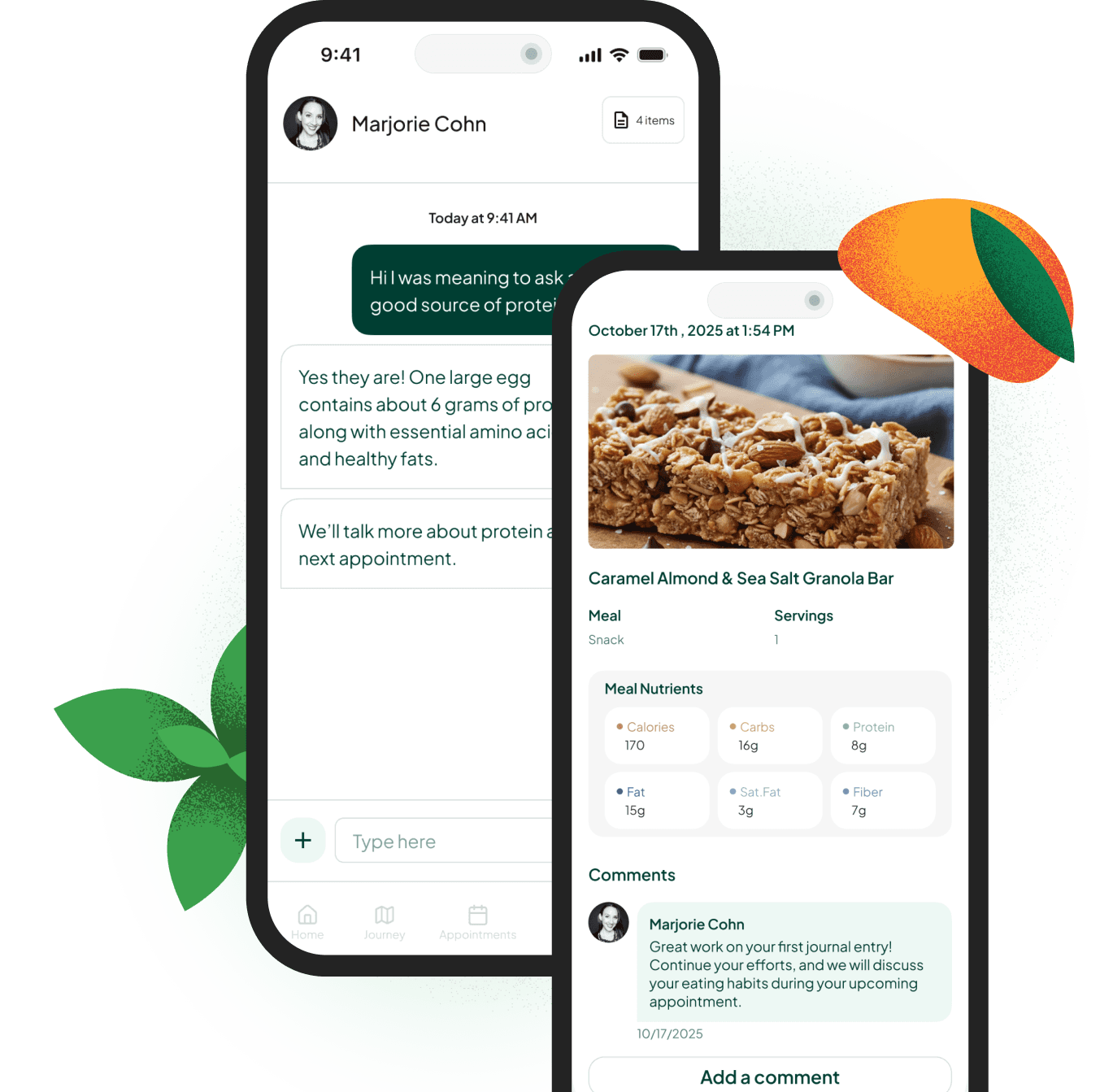
Getting Started With Berry Street
If you are ready to step off the diet cycle, the first step is small. Berry Street matches you with a registered dietitian who specializes in your goals and health history, so you are not starting with a stranger who does not understand your background.
From there, you meet by video on a schedule that fits your life, message your dietitian between visits, and move at your own pace, with no pressure. When you feel ready, you can see your visit options and get started, or simply begin by checking your coverage.

You deserve support built around you, from someone qualified to give it. To compare approaches first, you might also read about mindful eating versus intuitive eating.
Frequently Asked Questions
What does HAES (Health At Every Size) mean, and why does it matter?
HAES is a weight-inclusive care framework, published by ASDAH, that focuses on health behaviors and respectful care rather than making your body a specific size. It matters because it lets you pursue well-being without changing your weight first, which for many people makes care feel safer and easier to sustain.
What is the difference between a Registered Dietitian and a nutritionist?
A Registered Dietitian (RD or RDN) is a licensed medical professional with an accredited degree, supervised clinical training, and a national credential, qualified to provide medical nutrition therapy. The title “nutritionist,” by contrast, is not protected in many states and can be used without any training, though a CNS is a recognized advanced credential in some states, so the RD or CNS credential is the safer choice when your eating overlaps with your health.
What is it like to see a HAES-aligned, intuitive eating dietitian?
Expect a collaborative conversation rather than a lecture or a weigh-in. Your dietitian learns your history, routine, and relationship with food, then helps you set behavioral goals that fit your life, with a tone that is supportive rather than shaming.
Is working with an anti-diet dietitian going to be focused on my weight?
No. An anti-diet dietitian does not make weight the goal or the measure of your success. Your weight may change as your nutrition improves, but the focus stays on behaviors, well-being, and your relationship with food.
What happens at the first appointment with an intuitive eating dietitian?
The first appointment is mostly about your story, including your history with food and dieting, your medical background, and what you want to change. You will set a few behavioral goals together, and you do not need to prepare anything in advance.
Will I have to see a dietitian forever?
No. Many people work more intensively at first, then taper as their confidence grows, because the goal is to work you out of needing regular visits. How long it takes depends on your situation, from a few sessions to several months, and you are always free to pause.
Why should I work with a HAES dietitian instead of following a diet plan?
Rigid diets are built for everyone and therefore fit no one in particular, which is why they so often stop working. A HAES dietitian personalizes care to your body, life, and health history, which tends to be more sustainable, with a credentialed professional guiding you rather than a generic plan.
Can you use intuitive eating for weight loss?
Intuitive eating is not a weight-loss method, and research associates it with weight stability rather than weight loss, as noted in a Public Health Nutrition review. Weight may change for some people as eating patterns improve, but that is a possible side effect, not the goal. A dietitian can help you discuss any weight concerns without restriction.
How is intuitive eating different from mindful eating?
Mindful eating is mostly about paying attention in the moment, such as noticing flavor, texture, and fullness while you eat. Intuitive eating is a broader framework that also rejects diet rules, honors unconditional permission to eat, and includes gentle nutrition, as the Harvard Nutrition Source notes.
Does insurance cover an intuitive eating or HAES dietitian?
Often, yes. Nutrition counseling is frequently a covered benefit, and with Berry Street, 95% of members pay $0, thanks to being in-network with 1,250+ plans. Coverage depends on your plan, so it is worth checking yours before you book.
Can an intuitive eating dietitian help with disordered eating or an eating disorder?
Yes. A weight-neutral, non-diet approach is often central to recovery, and an eating disorder dietitian can help you rebuild regular eating and reintroduce feared foods at a manageable pace, usually alongside a therapist and physician. If you are medically unstable, a higher level of care may be needed first.
Is intuitive eating right for me if I have PMOS, diabetes, or blood sugar concerns?
It can be, for many people. Intuitive eating includes gentle nutrition, which lets you support conditions like PMOS or blood sugar concerns without banning foods or counting calories. What works depends on your individual needs, so it is best to work with a dietitian to personalize it.
Last Reviewed by Bridget Isaacs, MS, RD, October 2026