Key Takeaways
Your nutrient needs shift dramatically across pregnancy and postpartum, and a registered dietitian nutritionist (RDN) helps you meet them without rigid rules or calorie counting.
Iron, folate, calcium, vitamin D, and protein carry extra weight during pregnancy, and many people fall short on the first three even with a balanced diet.
After birth, food is about recovery, energy, tissue healing, and (if you’re nursing) milk supply — not being ultra focused on getting back to a pre-pregnancy number.
Undereating postpartum can backfire, especially while breastfeeding, so most people need more food than they expect, not less.
Nutrition counseling with a Berry Street RD is virtual, personalized, and often covered by insurance, and you can check your coverage before you commit to anything.
Pregnancy and the postpartum months are one continuous stretch, even though they can feel like two separate worlds. Before baby arrives, you’re often navigating nausea, food aversions, and a quiet worry about whether you’re eating “enough” of the right things. After delivery, the questions change — how do I recover, where does my energy come from, and how does what I eat affect my milk? If you’ve ever stared into the fridge feeling unsure and a little guilty, you’re not doing anything wrong. This is a personalization problem, not a willpower problem. The right support meets you where you are and adjusts as your body and your life keep changing.
In 30 seconds: A registered dietitian helps you meet your changing nutrient needs before and after birth — managing nausea and aversions during pregnancy, then supporting recovery, energy, and milk supply postpartum. The focus is nourishment tailored to your body and schedule, never restriction or a race to lose “baby weight.” With Berry Street, this care is virtual, personalized, and often covered by insurance.
Why Nutrition Matters Before and After Pregnancy
Nutrition is one of the few things you can actively shape during pregnancy, and it does more than fuel the day. Nutrition before, during, and after pregnancy has lifelong consequences for both mother and child, according to a 2022 review in the American Journal of Obstetrics & Gynecology, which also found that comprehensive nutritional support among people with inadequate nutrition is associated with improved birth outcomes, including lower rates of low birth weight.

That said, this is not about eating perfectly. It’s about eating in a way that fits your body, your history, and your real life — and getting help when the general advice stops working.
What changes in your body — and your needs
Pregnancy asks a lot of your body, and your nutrient needs rise to match.
Here’s what shifts:
Blood volume increases, which raises your need for iron and fluids.
Your baby is building tissue and bone, drawing on protein, calcium, and other nutrients.
Hormonal changes can affect digestion, appetite, blood sugar, and how food tastes or smells.
Energy needs climb gradually, especially in the second and third trimesters, though not as much as “eating for two” implies.
Postpartum brings its own demands. Your body is healing from delivery, replenishing what pregnancy depleted, and — if you’re breastfeeding — producing milk around the clock. These are big physiological jobs, and they run on consistent nourishment rather than restriction.

What a registered dietitian actually does (and how it differs from generic advice)
A registered dietitian nutritionist is a licensed medical professional with years of clinical training, qualified to assess your needs and build a plan around them. That’s a meaningful difference from generic advice you find online or from an uncredentialed “nutritionist.” In many states, the title “nutritionist” can be used without any formal credentials, while RDs and RDNs complete advanced education, supervised clinical training, and national credentialing. In some states, a certified nutrition specialist (CNS) is recognized as an advanced credential. If you want to understand the distinction more fully, our guide on how a nutritionist differs from a dietitian breaks it down.
What that training makes possible:
Personalized assessment of your labs, symptoms, history, and goals.
Practical planning that works with your schedule, budget, and food preferences.
Ongoing adjustment as your trimester, symptoms, or recovery change.
Coordination with your care team, since a dietitian works alongside your OB or midwife, not instead of them.
This support appears to matter clinically. A 2023 systematic review in the Canadian Journal of Dietetic Practice and Research found that registered dietitian involvement during prenatal care is associated with a lower prevalence of low birth weight and preterm birth. In other words, having a credentialed professional in your corner may change outcomes, not just answer questions.

Prenatal Nutrition Counseling: What to Expect
Prenatal nutrition counseling is less about handing you a strict menu and more about problem-solving with you. Nutrition education and counseling during pregnancy may support optimal gestational weight gain, reduce the risk of anemia in late pregnancy, increase birth weight, and lower the risk of preterm delivery, per the World Health Organization’s eLENA review. A dietitian helps you turn those broad goals into small, doable steps that fit your week.
You can explore what focused support looks like on our prenatal nutrition page.
Key nutrients during pregnancy (iron, folate, calcium, vitamin D, protein)
A handful of nutrients do heavy lifting during pregnancy. Pregnant women commonly fall short of recommended intake for iron, folate, and vitamin D, according to the ECLIPSES study published in Nutrients in 2020, which is exactly why a personalized look at your diet can help.
Here’s why each one matters:
Iron supports the extra blood volume you’re building and helps prevent anemia. Needs rise significantly in pregnancy, and many people don’t meet them through food alone.
Folate (folic acid) supports early neural tube development, which is why it’s emphasized before and during the first trimester.
Calcium helps build your baby’s bones and teeth while protecting your own bone stores.
Vitamin D works with calcium and supports immune and bone health, and it’s a common shortfall.
Protein provides the building blocks for your baby’s growth and your own changing tissues, with needs increasing as pregnancy progresses.
A dietitian may recommend food-first strategies, review your prenatal supplement, and check whether your intake matches your labs. The right mix depends on your individual needs, which is why this is worth personalizing rather than guessing.
Managing morning sickness, food aversions, and cravings
Nausea and aversions can make the “ideal” prenatal diet feel impossible, especially in the first trimester. That’s normal, and it’s workable.
Strategies that help many people:
Eat small and often. An empty stomach can worsen nausea, so frequent light snacks may steady things.
Lean on what stays down. Bland, cold, or dry foods (crackers, toast, smoothies) are legitimate nutrition when other foods won’t cooperate.
Separate fluids from meals. Sipping between meals rather than with them helps some people avoid fullness-triggered nausea.
Work with cravings, not against them. Cravings aren’t a failure. A dietitian can help you build around them so meals still feel satisfying and balanced.
Time your supplement. Taking a prenatal with food or at a different time of day may reduce queasiness. Ask your provider before changing anything.
No single food is off-limits by default, and no single “off” day undoes your nutrition. The goal is consistency you can actually sustain.
“When a client is in that first-trimester fog and can barely look at vegetables, I tell them their only job right now is to keep something in their stomach — even if that’s crackers and a smoothie for a few weeks. Your prenatal vitamin is your safety net for the nutrients you’re missing, and appetite almost always comes back. We build the balanced plate later, together, when your body is ready for it.” — Bridget Isaacs, MS, RD
When a dietitian is especially helpful (gestational diabetes, multiples, vegan/vegetarian, history of an eating disorder or bariatric surgery)
Some situations call for more than general guidance, and this is where credentialed, personalized care earns its keep.
A dietitian is especially valuable if you’re navigating:
Gestational diabetes, where meal timing and carbohydrate distribution can help manage blood sugar without extreme restriction.
Twins or multiples, which raise energy and nutrient needs and benefit from a tailored plan.
A vegan or vegetarian diet, where iron, B12, protein, and omega-3s deserve a closer, individualized look so your plant-based plan fully supports pregnancy.
A history of an eating disorder, where the body changes of pregnancy can be emotionally hard, and non-judgmental support matters.
Previous bariatric surgery, which affects nutrient absorption and may need careful monitoring.
Not sure whether your situation warrants it? Our guide on when to see a registered dietitian nutritionist can help you decide.
Postnatal Nutrition Support: Recovering and Refueling After Baby
After birth, the conversation shifts entirely. This season is about recovery, energy, and healing — and, if you’re nursing, supporting your milk supply. It is not about getting back to a number on a tight schedule.
To be clear about where Berry Street stands: we’re weight inclusive, not weight-centric. Any change in your body over these months may happen as a natural result of nourishing yourself well, but it is never the goal we start from postpartum. What matters first is that you’re fed, healing, and supported.
You can learn more on our postnatal nutrition page.
Nutrients that support recovery and energy postpartum
Your body has just done something enormous, and it’s still working hard.
Nutrients that tend to matter most right now:
Iron, especially if you lost significant blood during delivery, to rebuild stores and support energy.
Protein, to help repair tissue and support healing.
Fluids, since hydration affects energy and, if you’re nursing, milk production.
Fiber and healthy fats, which support digestion, steady energy, and overall recovery.
Continued key vitamins and minerals, since pregnancy can deplete stores that take time to replenish.
Here’s the part many people don’t hear: this is not the time to cut back. Postpartum bodies generally need a substantial amount of energy to heal, and most people should not drop below roughly 1,500 to 1,800 calories a day — and often meaningfully more, particularly while breastfeeding. Think of that as a floor to stay above, not a target to hit. Undereating can drain your energy, mood, and recovery, and it can affect milk supply. If you want to personalize what “enough” looks like for you, that’s exactly the kind of thing a dietitian can help with.
Eating well while breastfeeding (and how nutrition connects to milk supply)
If you’re breastfeeding, your body is producing milk continuously, which raises your energy and fluid needs above pregnancy levels for many people.
A few grounded points:
Milk supply generally responds to frequent, effective removal of milk, plus adequate overall nourishment and hydration — not to any single “magic” food.
Consistent, regular eating supports supply better than restriction. Skipping meals or dieting can work against you here.
Hydration matters, so keeping water nearby during feeds is a simple, practical habit.
There’s no universal list of foods to avoid while nursing. Some babies react to specific things, but that’s individual, and a dietitian can help you sort real patterns from myths.
If you ever notice a real dip in supply, that’s worth troubleshooting with your care team rather than guessing. For some people, nutrition is one piece of the picture, alongside feeding frequency, latch, and rest.
Realistic, low-effort eating in the newborn phase (meal prep, snacks)
The newborn weeks are not the season for elaborate cooking, and they don’t need to be. Good nutrition in this phase is whatever is achievable with one free hand and very little sleep.
Low-effort strategies that hold up:
Stock one-handed snacks. Trail mix, yogurt, cheese, fruit, energy bites, and nut butter on toast are easy to grab during feeds.
Lean on convenience without guilt. Pre-cut produce, rotisserie chicken, frozen vegetables, and canned beans are real, nourishing food.
Accept and organize help. If people offer meals, say yes, and keep a short list of what’s genuinely useful.
Batch a few basics. When you have a window, cook a pot of something freezable so future-you has options.
Keep water everywhere. Fill a bottle at each feeding station so hydration doesn’t depend on memory.
For a deeper playbook, our guide to postpartum meal prep has practical, low-lift ideas you can set up before or after baby arrives.
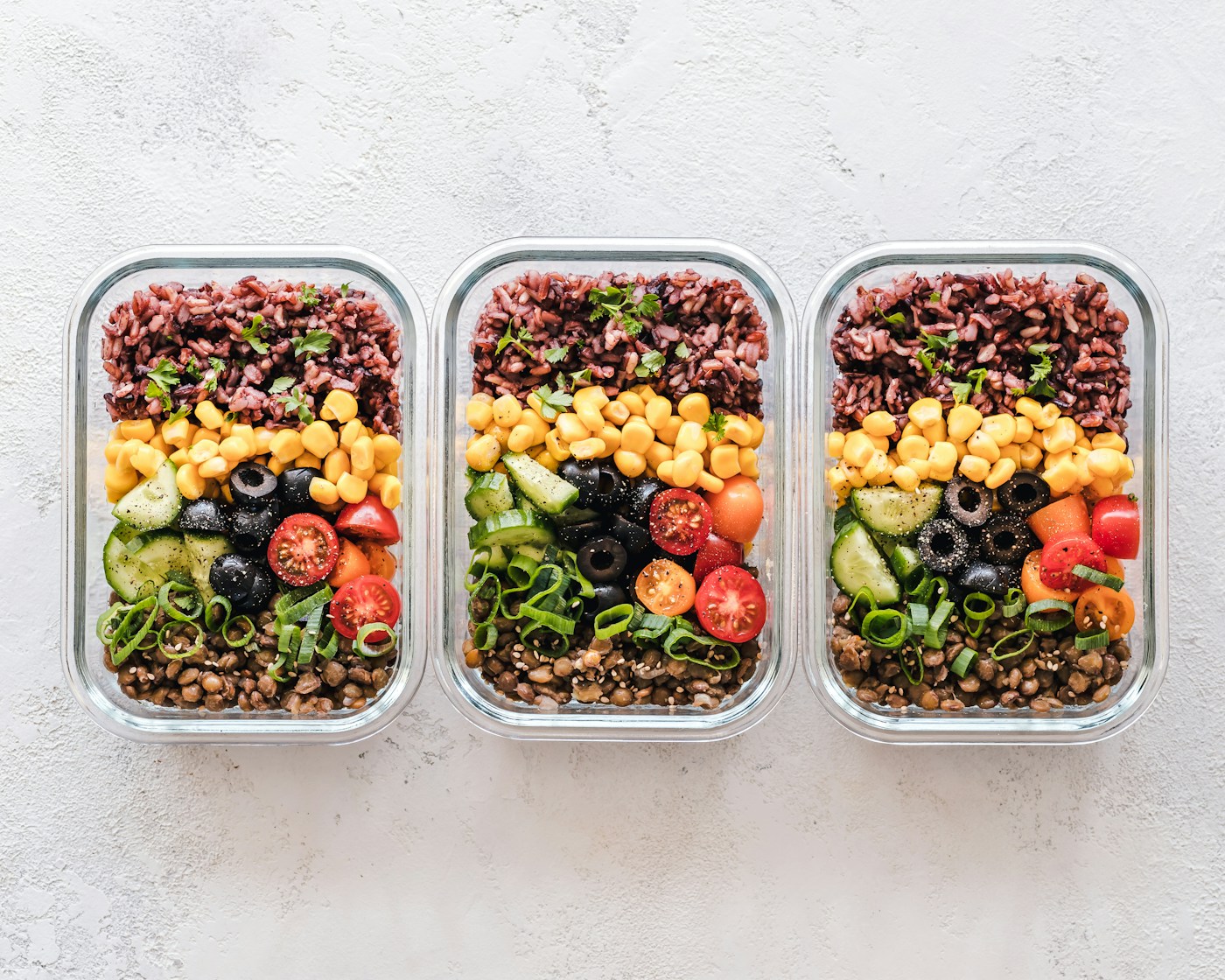
“In those first few weeks, I tell new parents to stop thinking about cooking and focus on convenience and assembling. Keep a bin of grab-and-go snacks by wherever you feed the baby — think trail mix, string cheese, a banana, and a big water bottle. Protein and fluids at every feed do more for your recovery and your supply than any perfect home-cooked meal you’re too tired to make.” — Bridget Isaacs, MS, RD
How Personalized, Insurance-Covered Care Works
Getting support shouldn’t be one more overwhelming task. Berry Street is built to make the first step simple, starting with cost and coverage so there are no surprises.
What a virtual visit with a Berry Street RD looks like
All of our care is fully virtual, so there’s no commute and no waiting room.
Here’s the general flow:
Get matched. After you check coverage, we pair you with a registered dietitian who specializes in prenatal and postnatal nutrition and fits your goals and history.
Meet by video. You book sessions on your schedule and talk through your symptoms, labs, and questions from home.
Get a plan built for you. Your dietitian tailors recommendations to your trimester or recovery stage, your preferences, and your life.
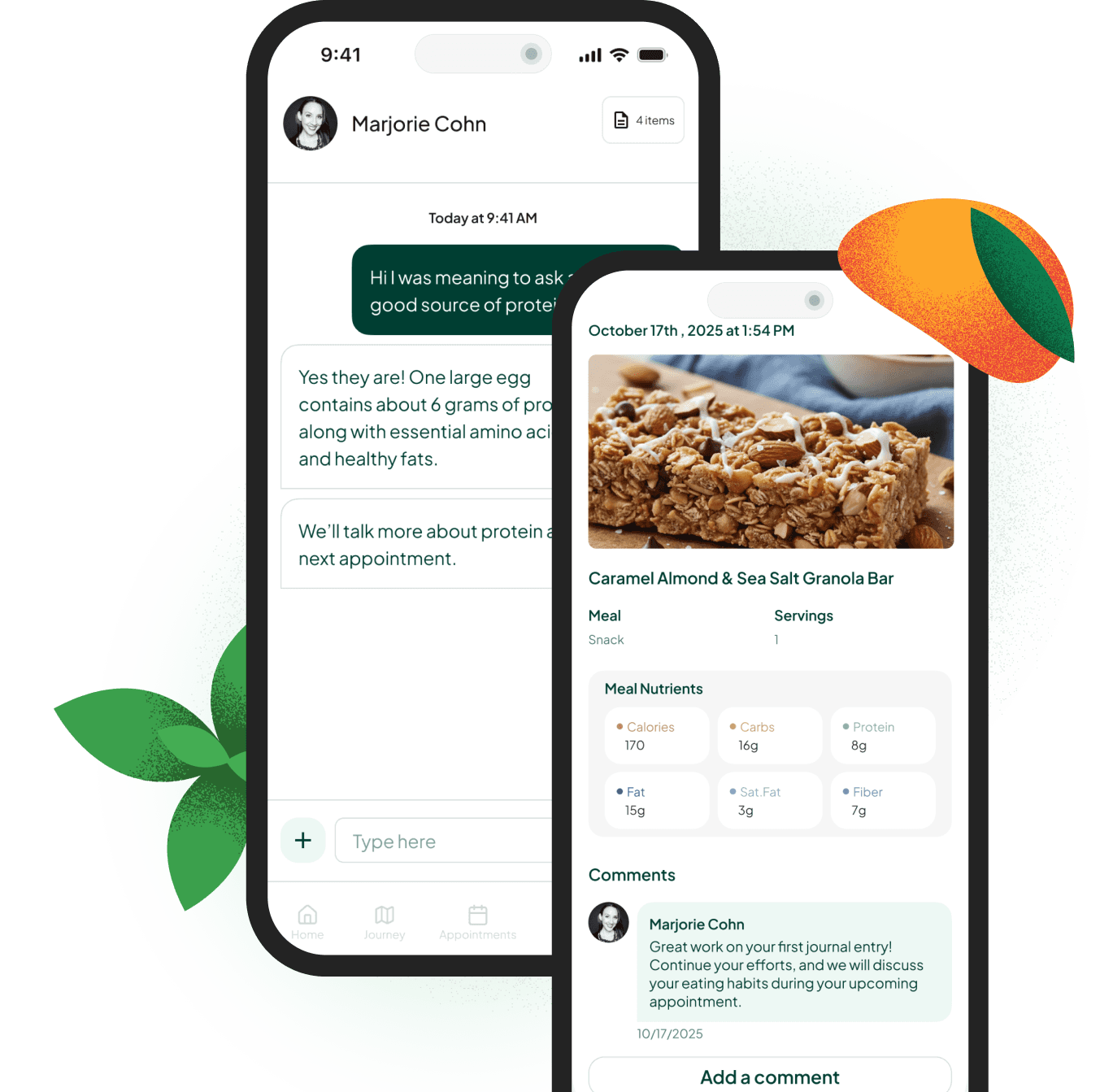
Stay supported between visits. You can message your dietitian and track progress, so support doesn’t stop when the call ends.
Nearly 63% of Berry Street’s dietitians specialize in women’s health, so you can work with someone who understands this specific season. When you’re ready, you can book a visit whenever it suits you.
Checking your coverage
Cost is usually the first question, so we put it first.
What to know:
Berry Street is in-network with 1,250+ insurance plans, and most members pay $0 out of pocket with coverage.
What you pay depends on your plan, which is why we show you your specific cost before anything else.
Checking takes about 60 seconds, with no commitment, by entering your state and insurance provider.
The process is HIPAA-compliant and secure, and we show you exactly what you’ll pay.
Because coverage varies, the honest answer to “is this covered?” is “it depends on your plan” — and we make it easy to find out for yours. You can check your coverage and book in one simple flow.
Working With a Berry Street Dietitian Before and After Baby
Wherever you are — trying to eat through first-trimester nausea, planning ahead for recovery, or deep in the newborn fog — you don’t have to figure out nutrition alone. A registered dietitian can help you meet your changing needs with a plan that fits your body and your real life, no rigid rules and no pressure.

If and when it feels right, you can connect with a Berry Street dietitian and start with a quick coverage check. There’s no urgency here — just support that’s ready when you are.
Frequently Asked Questions
Why should I see a dietitian during pregnancy?
A dietitian helps you meet your rising nutrient needs and troubleshoot common challenges like nausea, aversions, and blood sugar changes. Because your needs shift by trimester and by individual history, personalized guidance often works better than general advice. It can also give you reassurance that you’re on the right track.
What does a prenatal dietitian do?
A prenatal dietitian assesses your diet, labs, symptoms, and goals, then builds a practical, personalized plan for your pregnancy. That may include food-first nutrient strategies, supplement review, and support for issues like morning sickness or gestational diabetes. They work alongside your OB or midwife, not instead of them.
When should I start seeing a prenatal dietitian?
You can start any time, and earlier is often helpful — even before conception if you’re planning ahead. Many people connect with a dietitian in the first trimester to manage nausea and set up good nutrient habits. It’s never too late, though, so mid- or late-pregnancy is still a great time to begin.
Does insurance cover prenatal nutrition counseling?
Often, yes, but it depends on your specific plan. Berry Street is in-network with 1,250+ insurance plans, and most members pay $0 out of pocket with coverage. You can check your own coverage in about 60 seconds before committing to anything.
What are the most important nutrients during pregnancy?
Iron, folate, calcium, vitamin D, and protein tend to matter most during pregnancy. Research shows many pregnant people fall short on iron, folate, and vitamin D even with a balanced diet. A dietitian can help you meet these needs through food first and review whether your supplement fills any gaps.
What should I eat after giving birth to support recovery?
Focus on consistent, balanced meals with protein, iron, fluids, fiber, and healthy fats to support healing and energy. This is a time to eat enough, not to cut back, especially in the early weeks. A dietitian can personalize what “enough” looks like for your recovery and, if relevant, your milk supply.
Which nutrients matter most postpartum?
Iron, protein, and fluids are especially important, particularly if you lost blood during delivery or you’re breastfeeding. Continuing key vitamins and minerals helps replenish stores that pregnancy can deplete. Your exact needs depend on your delivery, your health history, and whether you’re nursing.
How does nutrition affect breastfeeding and milk supply?
Milk supply generally responds most to frequent, effective milk removal, supported by adequate overall nourishment and hydration. Consistent eating supports supply better than skipping meals or dieting. There’s no single “magic” food, so if you notice a real dip, it’s worth troubleshooting with your care team.
Can a dietitian help with gestational diabetes?
Yes, this is a common and valuable reason to work with a dietitian. They can help you manage blood sugar through meal timing and carbohydrate distribution without extreme restriction. This support works alongside your medical team’s plan and is tailored to your individual needs.
How is a registered dietitian different from a nutritionist?
A registered dietitian nutritionist (RDN) is a licensed medical professional who has completed advanced education, supervised clinical training, and national credentialing. In many states, the title “nutritionist” can be used without any formal credentials. All Berry Street providers are credentialed, licensed RDs, RDNs and CNS’s.
What foods should I avoid during pregnancy?
Standard guidance suggests limiting a few items like high-mercury fish, unpasteurized products, and undercooked meats or eggs, so it’s best to confirm the current list with your OB or midwife. Beyond those safety-based exceptions, no food is inherently “bad,” and eating can stay flexible and satisfying. A dietitian can help you build balanced meals around any restrictions that apply to you.
Is it safe to focus on weight loss postpartum while breastfeeding?
The postpartum months are best spent focused on nourishment first — recovery, energy, and, if you’re nursing, milk supply — rather than on losing weight. Undereating can work against your healing and your milk supply, so this is very individual and plan-dependent. The safest path is to work with a dietitian who can tailor an approach to your body and your goals rather than following a generic plan.
Last Reviewed by Bridget Isaacs, MS, RD — September 2026.