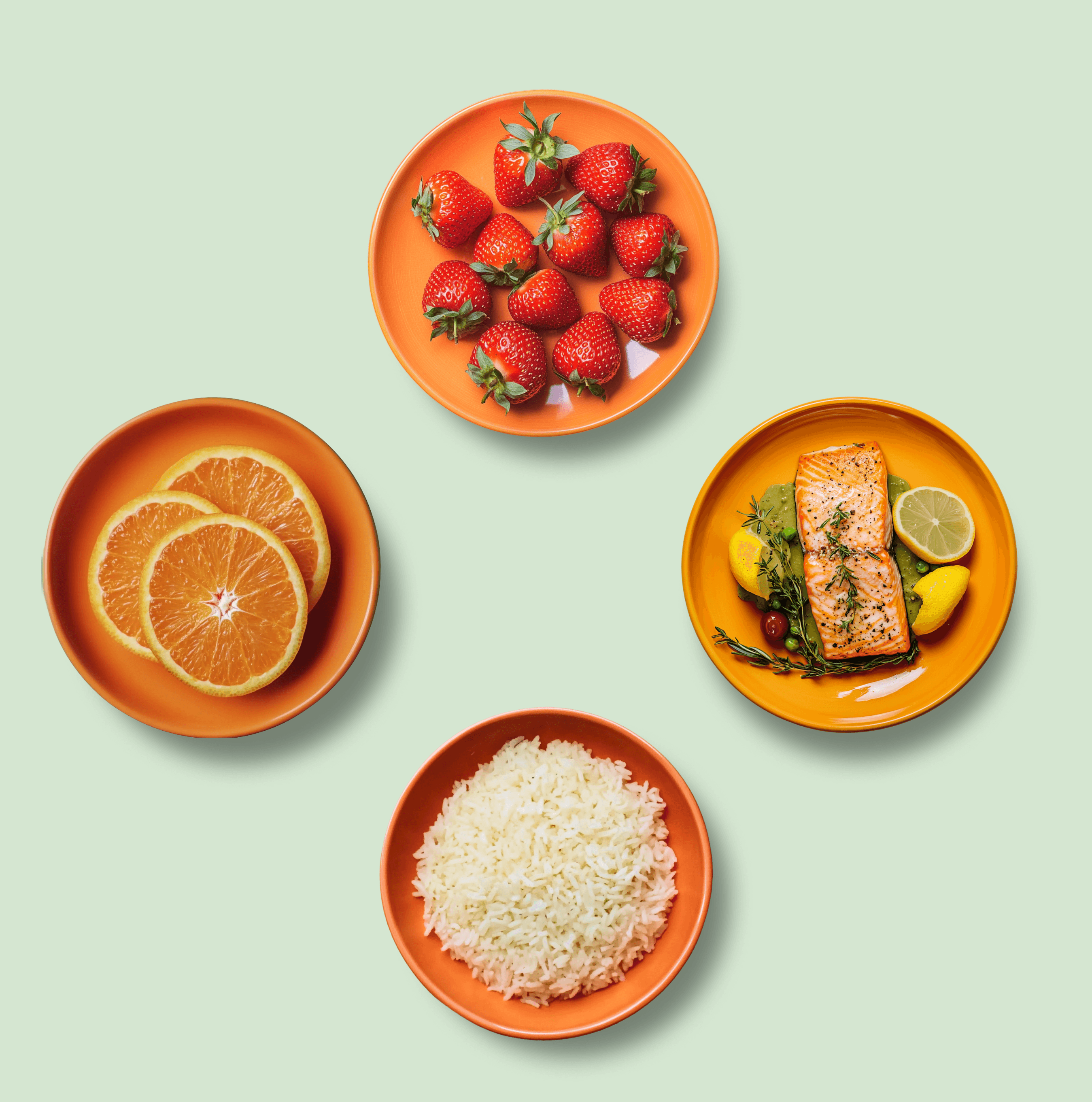
Key Takeaways
There is no single anti-inflammatory "diet." It's an eating pattern led by Mediterranean-style choices, which have the strongest research behind them.
Build your plate around anti-inflammatory foods like vegetables, fruit, fatty fish, olive oil, nuts, and whole grains, and simply limit others rather than forbidding them.
AIP is a short-term, dietitian-supervised, diagnostic elimination-and-reintroduction protocol for people with a diagnosed autoimmune condition. It is not a weight-loss or lifestyle diet.
The evidence for AIP is early and limited, which is exactly why the reintroduction phase and registered dietitian supervision matter for protecting against nutrient gaps.
Most people should start with the sustainable anti-inflammatory pattern first and personalize any next steps with a registered dietitian.
You're dealing with inflammation. Maybe it's an autoimmune flare, joint pain, gut symptoms, or that low-grade run-down feeling that won't quit. So you start reading, and two paths show up: a general anti-inflammatory diet, and the much stricter Autoimmune Protocol, or AIP.
One sounds doable. The other sounds like a full-time job.
Here's the registered-dietitian answer, and it's probably a relief: start gentle, and escalate only with support. For most people, a sustainable anti-inflammatory eating pattern is the right first move. AIP is a specific, short-term, supervised tool for a narrower group, and it's meant to give you answers, not to become your life.
Neither of these is a weight-loss plan. We're building an eating pattern that helps your body feel more settled, and if your weight shifts along the way, that's a possible side effect of eating well.
In 30 seconds: There's no single "anti-inflammatory diet" — it's a flexible, Mediterranean-style eating pattern that's the best first step for most people. AIP is a stricter, short-term, dietitian-supervised protocol for people with a diagnosed autoimmune condition, used only when a gentler approach hasn't helped enough. Start sustainable, and escalate with support.
What is an anti-inflammatory diet (and is there really one "diet")?
Short version: there isn't one official "anti-inflammatory diet" you can sign up for. There's an eating pattern, and the research behind it is stronger than any single branded plan.
There's no single official plan — it's an eating pattern (Mediterranean leads the evidence)
When people say "anti-inflammatory diet," they usually mean a way of eating that leans heavily on whole plant foods, healthy fats, and minimally processed meals. The pattern with the most evidence behind it is the Mediterranean style of eating.
That's not a coincidence. It's rich in the exact foods researchers link to lower inflammation.
According to Harvard Health, foods like fruits, vegetables, nuts, olive oil, and fatty fish are associated with reduced inflammatory markers, while heavily processed foods tend to push the other direction. So instead of hunting for a rigid rulebook, think of it as a flexible framework you can adapt to your tastes, your budget, and your kitchen.
No single food is the hero here. The pattern is.

How chronic inflammation is different from the short-term kind
Not all inflammation is a problem. Some of it is your body doing its job.
Acute inflammation is short-term and protective. You sprain an ankle or catch a cold, your immune system floods the area to heal it, and then it stands down. That's the system working exactly as designed.
Chronic inflammation is the slow, low-grade kind that lingers for months or years. It's linked to conditions like heart disease, type 2 diabetes, and autoimmune disorders, and it's the kind an anti-inflammatory eating pattern is meant to help calm over time.
Food isn't a switch that turns inflammation off. But what you eat, consistently, is one lever you can actually pull.

What does an anti-inflammatory diet include?
Good news: this list looks less like a diet and more like a really solid grocery run. The emphasis is on adding in, not stripping away.
Foods to build meals around
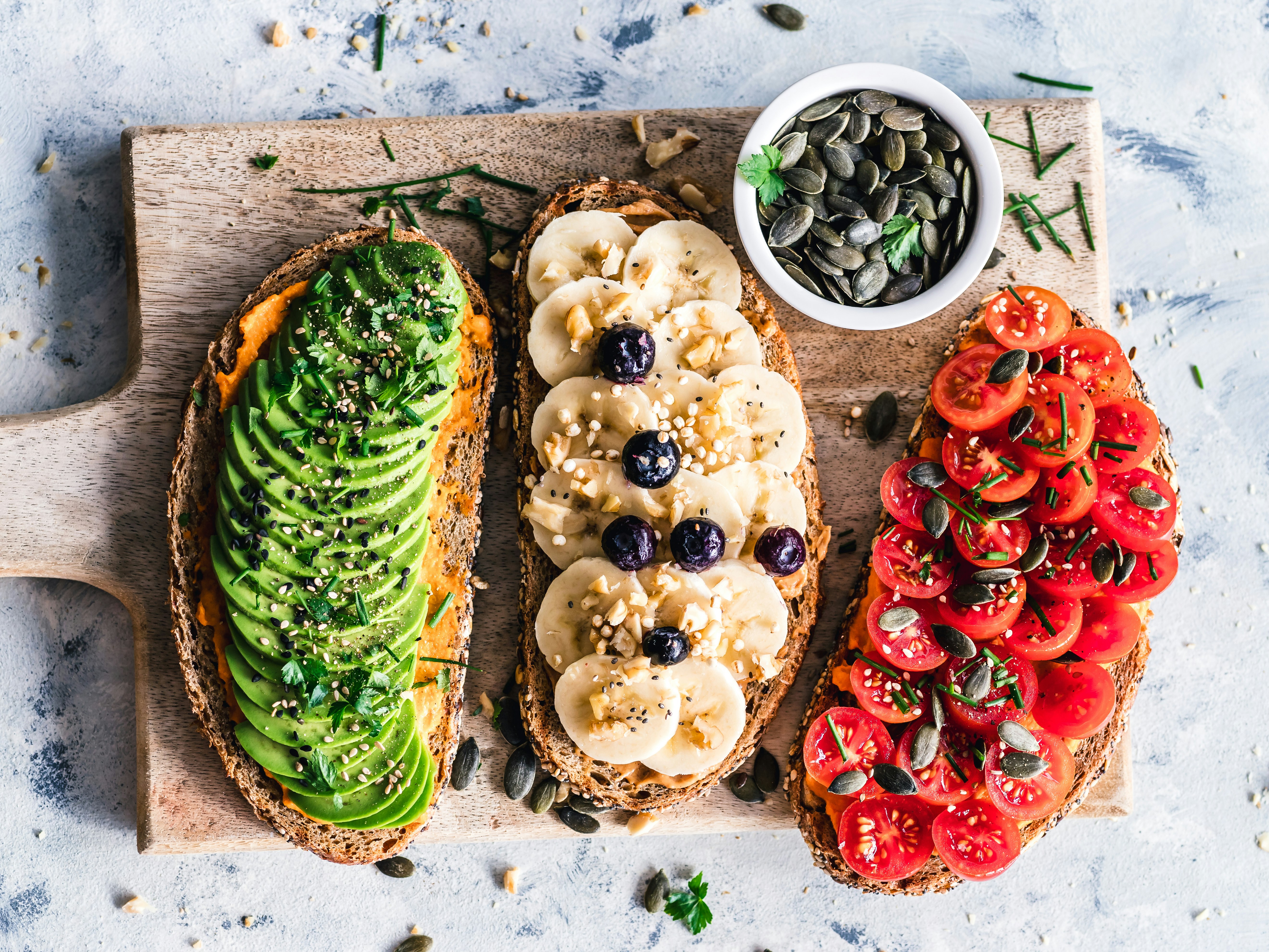
These are the foods worth making the base of most meals. Variety matters more than perfection, so aim for color and rotation rather than a rigid checklist.
Fatty fish and omega-3s: salmon, sardines, mackerel, and trout supply omega-3 fats tied to lower inflammatory markers. Two servings a week is a reasonable target for many people.
Colorful fruits and vegetables: berries, leafy greens, tomatoes, peppers, and squash bring polyphenols and fiber. The more colors on your plate over a week, the better.
Whole grains: oats, brown rice, quinoa, and whole-wheat options offer fiber that supports a healthier gut.
Legumes: beans, lentils, and chickpeas add plant protein and fiber, and they're budget-friendly.
Nuts and seeds: walnuts, almonds, flax, and chia give you healthy fats and a satisfying crunch.
Extra-virgin olive oil: a cornerstone of the Mediterranean pattern, useful as your everyday cooking and finishing oil.
Herbs and spices: turmeric, ginger, garlic, and cinnamon add flavor and plant compounds studied for anti-inflammatory effects.
Want a done-for-you starting point? Our 3-day anti-inflammatory meal plan shows how these foods come together across real meals.
Foods to limit, not forbid
Notice the word limit. No food on this list is bad, toxic, or off-limits. This is about balance and frequency, not guilt.
For some people, dialing back the following can help calm chronic inflammation over time:
Ultra-processed foods: packaged items built mostly from refined ingredients and additives. Enjoy them, just less often.
Added sugar: sweetened drinks and desserts are fine in moderation, but they add up quietly.
Refined carbs: white bread and many packaged snacks offer less fiber than whole-grain versions.
Processed and red meat: you don't have to cut these out completely, but making them a smaller part of the week can help.
Fried foods: better as an occasional food than an everyday one.
The goal isn't a shorter list of "allowed" foods. It's a fuller plate of the foods that help, with room left for the ones you love.
"When someone feels overwhelmed, I never start with a list of foods to cut. We often start with just one meal. Usually it's adding a serving of vegetables and a source of omega-3 to lunch, so I'll have people keep a couple cans of salmon or sardines in the pantry and a bag of fresh or frozen greens. That's it for week one. When the first change feels boring instead of hard, that's my signal we're ready for the next one — long before we'd ever talk about an elimination diet." — Bridget Isaacs, MS, RD
What is the AIP (Autoimmune Protocol) diet?
AIP is a different animal, and it's important to be clear about that. It's not a lifestyle diet, and it's not a weight plan. It's a short-term, dietitian-supervised diagnostic tool built for people with a diagnosed autoimmune condition.
The whole point is to gather information about how specific foods affect your symptoms, then use that information to build the least restrictive diet possible.
The two phases — elimination and (the crucial) reintroduction
AIP has two phases, and the second one is the reason it exists.
Elimination: you temporarily remove a broad list of foods that are more likely to trigger symptoms in some people with autoimmune conditions. This phase is meant to be brief.
Reintroduction: you add those foods back one at a time, methodically, watching for any symptom changes.
That second phase is the important part. An elimination that never ends isn't AIP done right — it's just long-term restriction, and that carries real risks. Reintroduction is how you get your foods, your flexibility, and your answers back.

What's removed in the elimination phase
During the elimination phase, AIP temporarily removes a wide range of foods, including:
Grains
Legumes
Dairy
Eggs
Nightshades (tomatoes, peppers, eggplant, white potatoes)
Nuts and seeds
Alcohol
Food additives and certain processed ingredients
This phase typically lasts a few weeks up to a couple of months, usually until symptoms meaningfully settle, and then reintroduction begins. It's not meant to be open-ended, and it's genuinely hard to do well solo, which is exactly why supervision matters.
Does the AIP diet actually work?
Honest answer: the early research is promising, but it's small and limited. AIP is worth taking seriously as a supervised tool, and it's worth being clear-eyed about what the evidence does and doesn't show.
What the research shows
Most of the better studies so far are in inflammatory bowel disease and Hashimoto's thyroiditis, and they're small.
In a small, uncontrolled pilot study of 15 adults with active IBD, 73% achieved clinical remission by week 6 of the elimination phase. That's an encouraging early signal, but with no control group and so few participants, it can't tell us how AIP compares to other approaches. If IBD is your reason for exploring this, our IBD dietitian's guide is a useful companion read.
In Hashimoto's, the picture is more nuanced. A small 10-week study of 16 women found significant improvements in quality of life and symptom burden, but it did not change thyroid function or thyroid antibodies. A separate small before-after study of 12 weeks of AIP in Hashimoto's found that symptoms and quality of life improved, yet thyroid antibodies actually rose.
So here's the careful takeaway: in these small, early studies, AIP has been associated with people feeling better, but it has not been shown to reduce thyroid autoimmunity or improve thyroid function. Feeling better matters a lot. Just don't expect it to fix the underlying lab numbers.
And the reintroduction phase, while it's the smartest part of the design, hasn't been well studied for proven clinical outcomes on its own. It's a thoughtful protocol feature, not a guarantee.
The real risks — over-restriction, nutrient gaps, social strain, and skipping reintroduction
AIP removes a lot of nourishing foods at once. Done carelessly, that creates its own problems.
Over-restriction: cutting this many food groups can slide into disordered eating patterns for some people, especially without support.
Nutrient gaps: removing grains, legumes, dairy, eggs, nuts, and seeds at once can shortchange fiber, calcium, and other nutrients if meals aren't planned carefully.
Social strain: eating this way makes shared meals, travel, and eating out genuinely harder, which wears on you over time.
Skipping reintroduction: this is the big one. People often feel better and stay stuck in elimination indefinitely, which trades short-term relief for long-term restriction and more nutrient risk.
None of this means AIP is dangerous. It means it deserves a professional guiding it.
Anti-inflammatory diet vs. AIP — which should you try first?
Let's make this simple.
Why most people should start with a sustainable Mediterranean-style pattern
For the vast majority of people trying to calm inflammation, the first step is the gentler one: a Mediterranean-style anti-inflammatory pattern.
Here's why it wins as a starting point. It's sustainable, it's flexible, it's well-supported by evidence, and it doesn't ask you to give up whole food groups. You can live on it for decades, not weeks.
Start where you can actually stay. A pattern you keep beats a stricter one you quit.
When a dietitian might recommend a supervised AIP trial next
AIP enters the conversation when two things are true: you have a diagnosed autoimmune condition, and a gentler anti-inflammatory approach hasn't given you enough relief.
In that situation, a supervised AIP trial can be a reasonable next step, used as a short-term diagnostic tool rather than a permanent way of eating. The key word is supervised. This is a protocol to run with a professional, not to improvise from a blog.
"With autoimmune clients, I treat AIP as a structured experiment, not a permanent diet, and reintroduction is where the real answers live. Before we remove anything, I map out how we'll replace nutrients — calcium and fiber especially — so the elimination phase never leaves gaps. We cap that phase at a few weeks, and the moment symptoms settle we start adding foods back one at a time, roughly one every few days, tracking how each one lands. My goal is always the widest, most nourishing diet you can tolerate, not the narrowest. If a client can't get relief without cutting to the bone, that's my cue to pause and reassess, not to restrict harder." — Bridget Isaacs, MS, RD
How a Berry Street registered dietitian personalizes either path and keeps it nourishing
Whichever path fits you, you don't have to sort it out alone. A Berry Street registered dietitian can help you build a sustainable anti-inflammatory pattern, or run a safe, time-boxed AIP trial with a real reintroduction plan and nutrient coverage built in from the start.
That's the difference between guessing and getting answers.
And the cost part is usually easier than people expect. 95% of Berry Street members pay $0 with insurance, and you can get matched with a dietitian in about 60 seconds. If and when you're ready, that's a low-pressure place to start.
The bottom line: start sustainable, escalate with support
For most people, the smartest first step is also the gentlest one. A Mediterranean-style anti-inflammatory pattern is the best-evidenced, most sustainable place to begin, and it asks you to add colorful plants, fish, olive oil, and whole grains rather than cut out entire food groups. You can live with this pattern long term, and that staying power is exactly what makes it work.
AIP is a different tool for a narrower job. Consider a supervised AIP trial only if you have a diagnosed autoimmune condition and the gentler approach hasn't given you enough relief. Even then, AIP is a short-term, diagnostic elimination-and-reintroduction protocol, not an open-ended way of eating. The structured reintroduction phase and registered dietitian supervision are non-negotiable, because they are what turn restriction into real answers while protecting you from nutrient gaps.
Wherever you land, you don't have to figure it out alone. A Berry Street registered dietitian can help you personalize an anti-inflammatory pattern, decide whether an AIP trial makes sense for your autoimmune condition, and guide reintroduction safely. Get matched with a dietitian when you're ready. About 95% of Berry Street members pay $0 with insurance, and you can check your coverage and get matched in about 60 seconds.

Frequently Asked Questions
What does an anti-inflammatory diet include?
An anti-inflammatory diet is an eating pattern rich in vegetables, fruit, whole grains, legumes, nuts, seeds, fatty fish, and olive oil. It emphasizes fiber, healthy fats, and a wide variety of colorful plants. It is a flexible, long-term way of eating rather than a strict set of rules.
What are the best anti-inflammatory foods to eat?
Some of the most studied anti-inflammatory foods include fatty fish like salmon and sardines, leafy greens, berries, extra-virgin olive oil, nuts, seeds, and whole grains. Herbs and spices such as turmeric and ginger may add benefit too. Variety matters more than any single "superfood," so aim for color and diversity across the week.
What foods should you avoid on an anti-inflammatory diet?
No foods are 100% off-limits on an anti-inflammatory pattern. For some people it helps to limit heavily processed foods, processed meats, added sugars, refined grains, and excess alcohol, since these are less nourishing when eaten often. The goal is balance and personalization, not elimination or guilt.
Is the Mediterranean diet the same as an anti-inflammatory diet?
They overlap heavily, and the Mediterranean pattern is the most researched example of anti-inflammatory eating. Both prioritize plants, healthy fats, fish, and whole grains. You can think of the Mediterranean pattern as the best-evidenced blueprint for eating in an anti-inflammatory way.
What is the AIP (autoimmune protocol) diet?
AIP, or the Autoimmune Protocol, is a short-term elimination-and-reintroduction protocol designed for people with a diagnosed autoimmune condition. It temporarily removes certain foods to see whether symptoms improve, then systematically reintroduces them to identify individual triggers. It is meant to be a supervised diagnostic tool, not a permanent way of eating.
What foods do you avoid on the AIP diet?
During the AIP elimination phase, you temporarily limit grains, legumes, dairy, eggs, nightshades, nuts and seeds, alcohol, and food additives. This removal is short-term and intentional, not a judgment about any food being harmful. Most of these foods are reintroduced later to learn how your body responds.
Does the AIP diet actually work for autoimmune conditions?
Small, early studies in conditions like inflammatory bowel disease (IBD) and Hashimoto's thyroiditis have shown promising improvements in symptoms and quality of life. That said, the research is limited and preliminary. AIP has not been shown to improve thyroid function or reduce thyroid antibodies, so it should be viewed as an early-stage tool rather than a proven treatment.
How long should you stay on the AIP elimination phase?
The elimination phase typically runs a few weeks, and many studies have used around six weeks before starting a structured reintroduction. It is not meant to be open-ended. Always work through elimination and reintroduction under registered dietitian supervision to avoid unnecessary long-term restriction.
Should I try an anti-inflammatory diet or AIP first?
For most people, a sustainable Mediterranean-style anti-inflammatory pattern is the best place to start. AIP is worth considering only if you have a diagnosed autoimmune condition and the gentler approach hasn't given you enough relief. A registered dietitian can help you decide which path fits your situation.
Can a registered dietitian personalize an anti-inflammatory or AIP plan?
Yes. A registered dietitian can tailor an anti-inflammatory pattern to your preferences, budget, and health history, and can safely guide an AIP elimination and reintroduction if it's appropriate. Personalized support also helps you protect against nutrient gaps and make changes that actually last.
How soon might I feel a difference on an anti-inflammatory diet?
This varies from person to person, and some people notice changes in energy or digestion within a few weeks. Others see benefits build gradually over months as the pattern becomes a consistent habit. Because everyone responds differently, it helps to track how you feel with a dietitian rather than expecting a fixed timeline.
Is the anti-inflammatory or AIP diet meant for weight loss?
No. Neither is a weight-loss diet, and neither should be used that way. The focus is on reducing inflammation and supporting how you feel, but change in weight is a possible side effect of better nutrition.
Last Reviewed by Bridget Isaacs, MS, RD — August 2026.