Key Takeaways
Preeclampsia is new-onset high blood pressure (at or above 140/90 mmHg) that begins after 20 weeks. It affects about 3 to 5% of pregnancies.
No single food causes preeclampsia, and no diet can guarantee prevention. Healthy eating patterns are associated with lower risk and work alongside medical care.
Cutting salt is outdated advice. A Cochrane review found no evidence that a low-salt diet prevents preeclampsia.
Adequate protein, fiber (about 25 to 30 g a day), calcium, and a Mediterranean-style pattern gently support a healthy pregnancy and blood pressure.
Your needs are personal. A registered dietitian works with your OB or midwife to tailor nutrition to your history, labs, and life.
If you are pregnant and someone has mentioned preeclampsia, you may feel worried and unsure what to do next. That is completely understandable. This guide walks you through what preeclampsia is, what the research does and does not say about food, and practical, non-restrictive ways to eat that support a healthy pregnancy.
You will find meal and snack ideas, answers to common questions, and clear guidance on where nutrition fits alongside your medical team. Nothing here replaces your OB, midwife, or maternal-fetal medicine specialist. Think of good nutrition as one supportive layer of your overall care.
In 30 seconds: No food causes preeclampsia, and no diet can promise to prevent it. What helps is a balanced, mostly whole-food pattern with enough protein, fiber, and calcium, paired with the medical care your provider recommends. Work with a registered dietitian to personalize this to your body and pregnancy.
What is preeclampsia, and why does nutrition matter?
Preeclampsia is a pregnancy complication involving new high blood pressure and, often, signs that other organs are under strain. It usually appears after the 20-week mark. Worldwide, it affects about 3 to 5% of pregnancies, so you are far from alone if you have heard this word.
Blood pressure is central to the picture, and that is where nutrition can play a supportive role. A balanced eating pattern helps support healthy blood pressure and overall pregnancy health. It does not act like a medication, and it never replaces the monitoring and treatment your provider offers.
Nutrition matters here for a simple reason. The same balanced, whole-food eating that supports steady blood pressure also supports your energy, your gut, and your baby’s growth. That is why prenatal nutrition support focuses on the whole picture rather than any single “perfect” food.
How preeclampsia is diagnosed
Only your medical team can diagnose preeclampsia, and they use specific criteria. The starting point is new-onset high blood pressure after 20 weeks, meaning readings at or above 140/90 mmHg in someone who did not have high blood pressure before.
Blood pressure alone is not the whole story. A diagnosis is usually confirmed with one of the following:
Proteinuria: protein in the urine, defined as at least 300 mg over 24 hours or a protein-to-creatinine ratio of 0.3 or higher.
Organ involvement without proteinuria: signs such as low platelets, elevated creatinine, elevated liver enzymes, or fluid in the lungs (pulmonary edema).
In other words, protein in the urine is not strictly required if other organ signs are present. This is why regular blood pressure checks, urine tests, and bloodwork are such an important part of prenatal visits.
Who is at higher risk?
Risk is usually grouped into higher-risk and moderate-risk factors. Knowing your category helps your provider decide on monitoring and any preventive steps. It also helps your dietitian tailor support to you.
Higher-risk factors include:
A prior pregnancy with preeclampsia
Carrying more than one baby (a multifetal pregnancy)
Chronic high blood pressure
Pregestational type 1 or type 2 diabetes
Kidney disease
Certain autoimmune conditions
Moderate-risk factors include:
A first pregnancy
A higher pre-pregnancy BMI, which is a recognized moderate risk factor
A family history of preeclampsia
Being 35 or older
Conceiving through IVF
Prior adverse pregnancy outcomes
A note on fairness in care matters here. In the United States, Black women experience preeclampsia at about 70 per 1,000 deliveries, compared with about 43 per 1,000 for white women. These gaps reflect differences in access, treatment, and systemic factors, not personal fault, and they deserve attentive, respectful care.
Can what you eat cause — or prevent — preeclampsia?
This is one of the most common questions, and it usually comes with worry. Let’s be clear and reassuring. No single food or meal causes preeclampsia, and nothing you ate is to blame. The condition involves how the placenta and blood vessels develop, which is far more complex than any grocery list.
On the flip side, no diet can promise prevention either. Food is a supportive layer, not a cure. The most honest framing is that healthy eating patterns are possibly associated with lower risk, while your medical care does the heavy lifting.
What the evidence can and can’t promise
Here is what the research supports, in plain terms. Certain eating patterns, such as Mediterranean-style and DASH-style eating, are associated with lower odds of preeclampsia in observational studies. Association is not the same as proof of cause, and diet alone cannot prevent or cure the condition.
It also helps to know that nutrition sits beside medical tools, not above them. For example, the U.S. Preventive Services Task Force recommends low-dose aspirin (81 mg a day) after 12 weeks for people at high risk. That is a medical decision your provider makes, not a nutrition step, and it is a good reminder that food and medicine work together.
What to eat to support a healthy pregnancy and blood pressure
The goal here is never restriction or weight loss. In pregnancy, weight loss is not a goal. The goal is nourishment: enough of the right building blocks to support you, your baby, and steady blood pressure. Think of these as gentle additions, not rules.
Below are the components that show up most often in the research on foods that support a healthy pregnancy. Your individual needs may look different, so use these as a starting point to personalize with your care team.
Protein
Adequate protein is important for your baby’s growth, your blood volume, and your overall pregnancy health. It is a foundational part of balanced patterns like the Mediterranean and DASH approaches.
One honest caveat. Protein on its own has not been shown to independently lower blood pressure or preeclampsia risk. So think of it as an essential part of the whole pattern, not a standalone preventive. Good sources include eggs, dairy, beans, lentils, tofu, fish lower in mercury, poultry, and lean meats.
Fiber
Fiber supports steady digestion, fuller feelings, and a healthy gut, all of which matter in pregnancy. Research summarized by Perry and colleagues in 2022 in BMJ Nutrition, Prevention & Health suggests aiming for about 25 to 30 g of fiber a day, with higher fiber intake associated with lower preeclampsia risk in observational studies.
One nuance worth knowing. The same review notes that intakes above 30 g a day may be associated with increased risk, so more is not automatically better. Aim for that steady range from foods like oats, berries, beans, vegetables, and whole grains, and add fiber gradually with plenty of water.
Calcium
Calcium supports bone health and plays a role in blood pressure regulation. The World Health Organization recommends 1,500 to 2,000 mg a day of supplemental calcium in divided doses from 20 weeks for people with low dietary calcium intake, which primarily means low-intake populations.
In the United States, where calcium access through dairy and fortified foods is generally higher, that recommendation is less universally applicable. It is best to discuss your specific calcium needs with your care team rather than starting supplements on your own.
The Perry 2022 review adds helpful context on the numbers. It notes that 500 mg a day of calcium was linked to about a 45% risk reduction in one meta-analysis, and it suggests roughly 1 g a day from 20 weeks, or 1 to 2 g a day for higher-risk pregnancies. These are figures to review with your provider, who can weigh them against your diet and history.
Mediterranean-style eating pattern
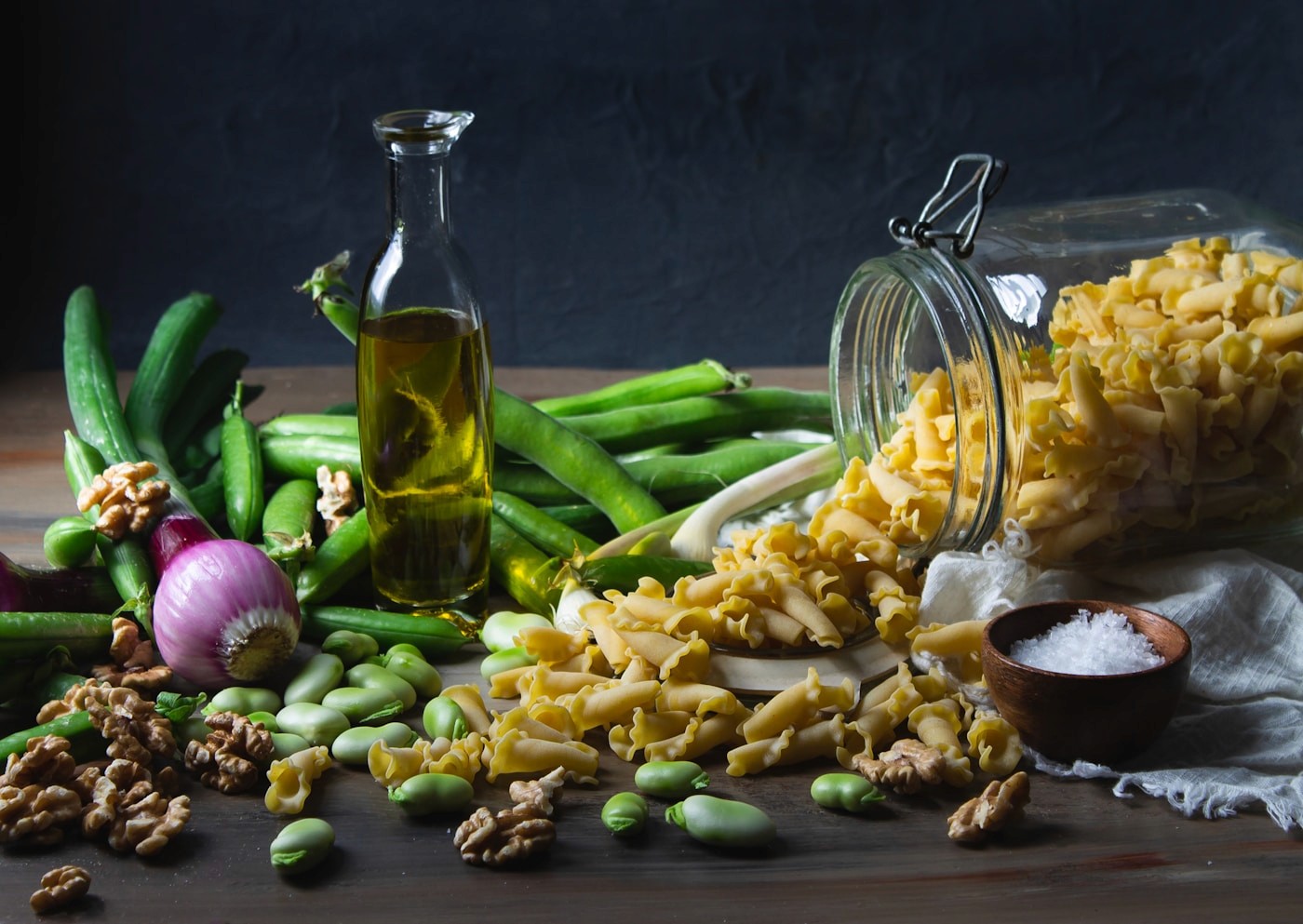
A Mediterranean-style pattern leans on vegetables, fruit, whole grains, legumes, nuts, olive oil, and fish, with less reliance on heavily processed foods. It is one of the most studied patterns for pregnancy and blood pressure.
In a large U.S. observational study, higher adherence to a Mediterranean-style diet was associated with lower odds of preeclampsia, as reported by the American Heart Association. Because that study used dietary recall collected after delivery, it shows an association rather than cause. It is also worth noting that one randomized trial, ESTEEM, did not find a significant reduction, so the pattern is supportive rather than a guarantee.
The salt question — why low-salt diets aren’t the answer
For years, people were told to cut salt to manage blood pressure in pregnancy. The current evidence does not support that advice. A Cochrane review found no evidence that reducing dietary salt during pregnancy prevents preeclampsia.
The authors concluded that low salt intake is unlikely to prevent preeclampsia and that salt should remain a matter of personal preference. So rather than chasing a low-salt diet, it is far more useful to focus on the overall pattern: enough protein, fiber, and calcium, and plenty of whole foods.
“So many clients come to me convinced they need to slash their salt, because that’s what they were told for years. I walk them through the current evidence, which shows cutting salt doesn’t prevent preeclampsia. Then we redirect that effort somewhere it actually helps — building meals with steady protein, more fiber, adequate calcium, and an overall pattern their body can count on.” — Jessica Cannon, MS, RDN, LDN
Foods and habits to be mindful of
No food is off-limits, and no food is “bad.” Pregnancy is not the time for rigid rules or guilt. The idea here is balance and awareness, so you can build a pattern that feels good and supports your blood pressure.
A few habits are simply worth keeping an eye on. This is about proportion, not elimination, and about what works for you as an individual.
Ultra-processed foods and added sugar, framed through balance
Ultra-processed foods and drinks high in added sugar can crowd out more nourishing options when they show up often. They are easy to reach for, and they absolutely have a place in a real, flexible life. The goal is not to banish them.
Instead, aim to make whole foods the foundation most of the time. A practical approach:
Build meals around vegetables, whole grains, legumes, and protein first.
Enjoy sweets and convenience foods as part of the picture, not the base of it.
Notice patterns rather than single choices, because consistency matters more than any one snack.
For some people, steadying blood sugar this way also helps energy and cravings. Your dietitian can help you personalize where these foods fit without shame or strict cutoffs.
Simple, balanced meal and snack ideas
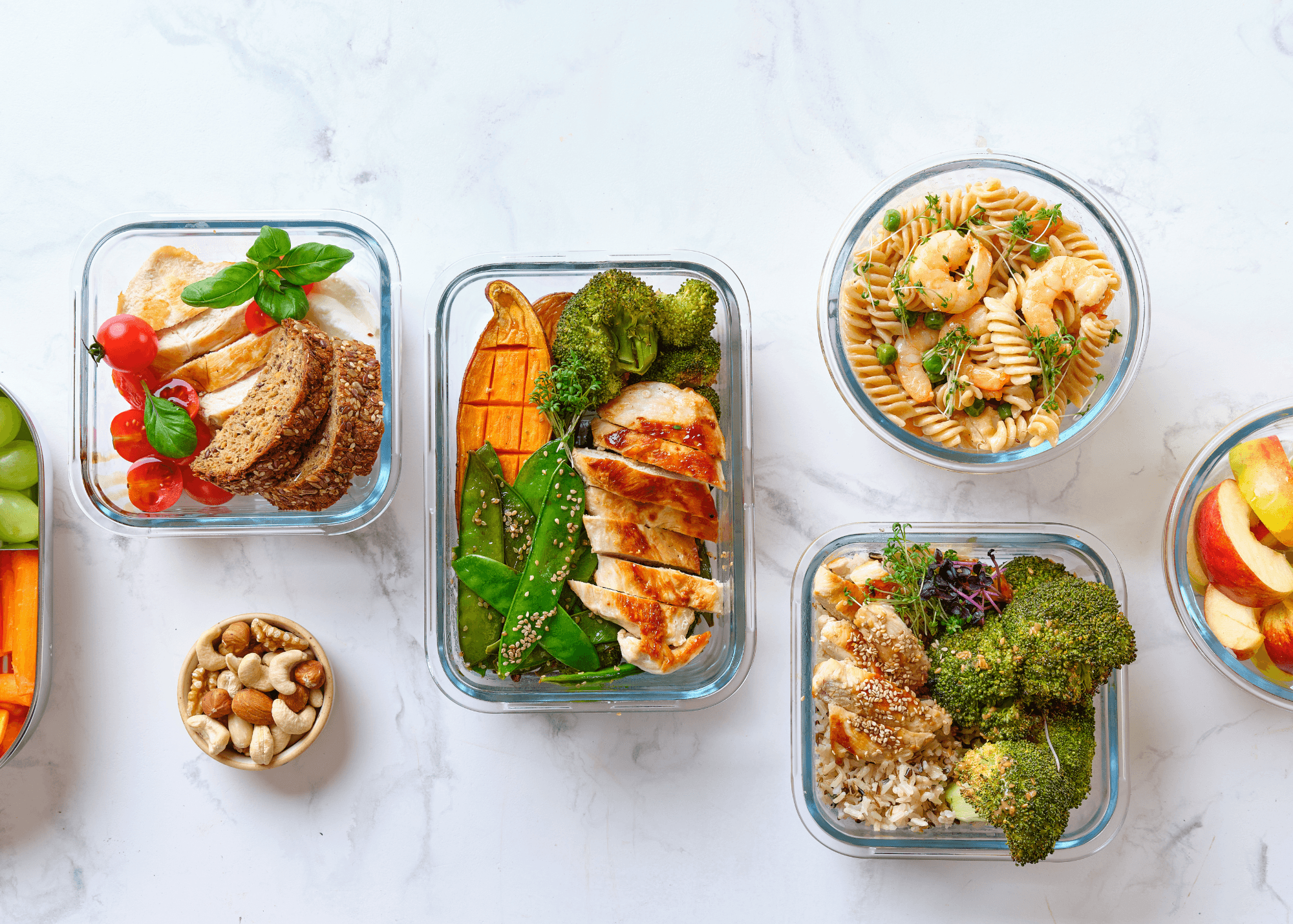
Knowing the components is one thing. Putting them on a plate is another. These ideas pull together protein, fiber, and calcium in ways that are realistic on a busy day. Adjust portions and choices to your own preferences, budget, and any food sensitivities.
Breakfast, lunch, and dinner examples
Use these as flexible templates, not fixed prescriptions:
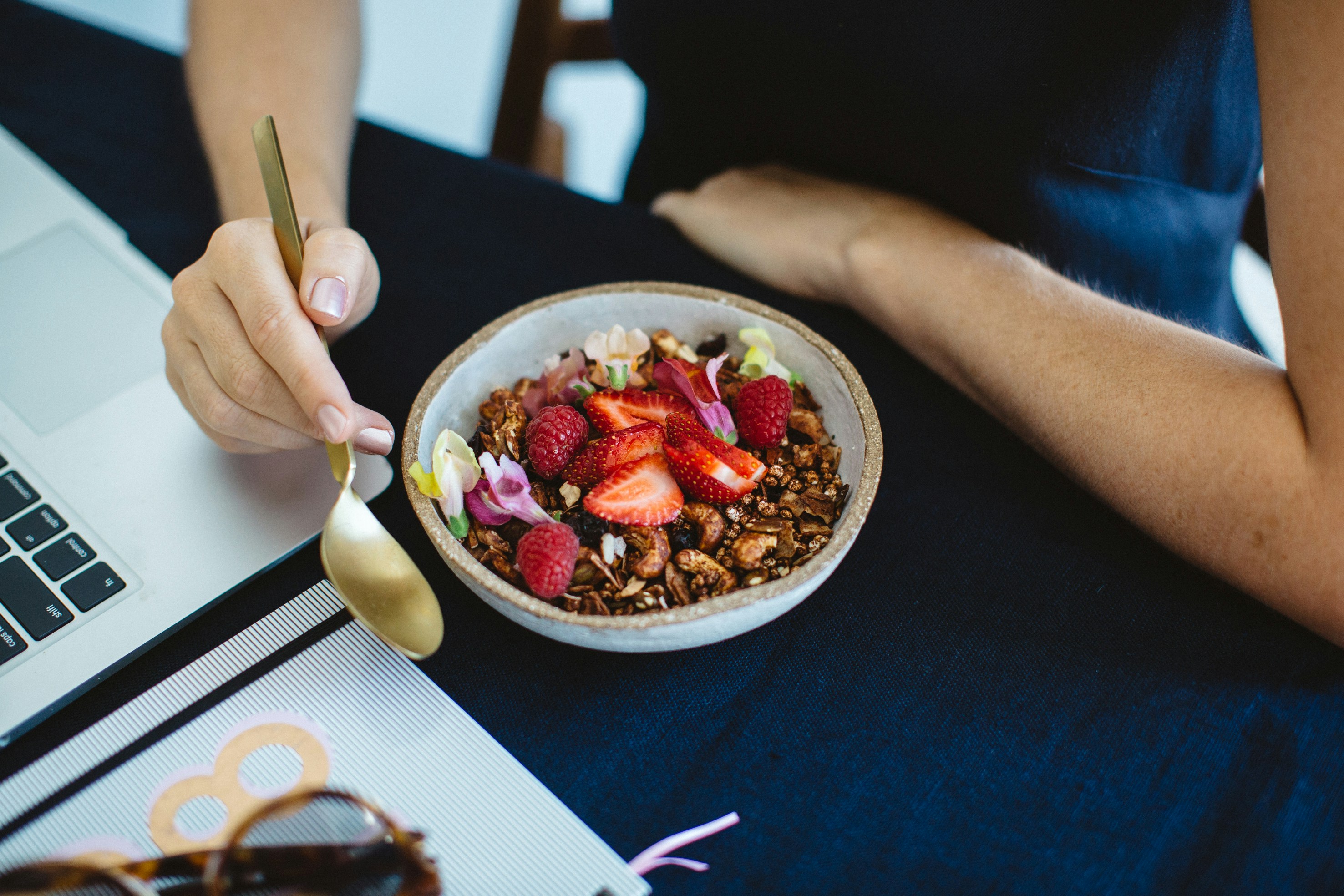
Breakfast: Greek yogurt with berries, oats, and a spoon of nut butter for protein, fiber, and calcium.
Breakfast: Two eggs with whole-grain toast, spinach, and a glass of fortified milk or a calcium-set plant milk.
Lunch: A lentil and vegetable grain bowl with olive oil dressing and a side of yogurt.
Lunch: A whole-grain wrap with beans, cheese, avocado, tomato, and greens.
Dinner: Baked salmon, roasted vegetables, and quinoa, a classic Mediterranean-style plate.
Dinner: A bean and vegetable chili with brown rice and a dollop of plain yogurt.
Easy snack pairings
Snacks are a simple way to add protein, fiber, and calcium between meals. Try pairing two components so a snack holds you longer:
Apple or pear slices with cheese or nut butter
Hummus with whole-grain crackers and vegetable sticks
A handful of nuts with a small piece of fruit
Plain or Greek yogurt with berries and a sprinkle of seeds
Cottage cheese with sliced tomato or pineapple
Preeclampsia nutrition after delivery (postpartum)
Preeclampsia can begin or continue after birth, so your blood pressure still needs monitoring in the postpartum weeks. Keep attending your follow-up appointments, and report headaches, vision changes, or swelling to your provider right away.
Nutrition in this season shifts toward recovery, energy, and, if you are nursing, milk supply. The same balanced pattern still applies: enough protein, fiber, calcium, and fluids, without any push toward restriction or weight loss. Your body is healing, and it deserves steady nourishment.
This is also a time when personalized support helps a great deal. Postnatal nutrition care can help you rebuild energy, support lactation goals, and keep an eye on blood pressure alongside your medical team.
Reducing your risk in a second pregnancy
If you had preeclampsia before, a prior episode is a higher-risk factor for a future pregnancy. That does not mean it will happen again, and there is a lot you and your care team can do to prepare.
Start these conversations early, ideally before or at the start of your next pregnancy:
Ask your provider about your risk category and whether low-dose aspirin after 12 weeks fits your situation. That is their medical decision.
Set up a monitoring plan for blood pressure and any relevant labs.
Work with a dietitian to build a supportive eating pattern with adequate protein, fiber, and calcium.
Nutrition here is one piece of a bigger plan. Paired with attentive medical care, a balanced pattern is a gentle, sustainable way to support a healthy pregnancy the second time around.
How a registered dietitian personalizes your prenatal nutrition
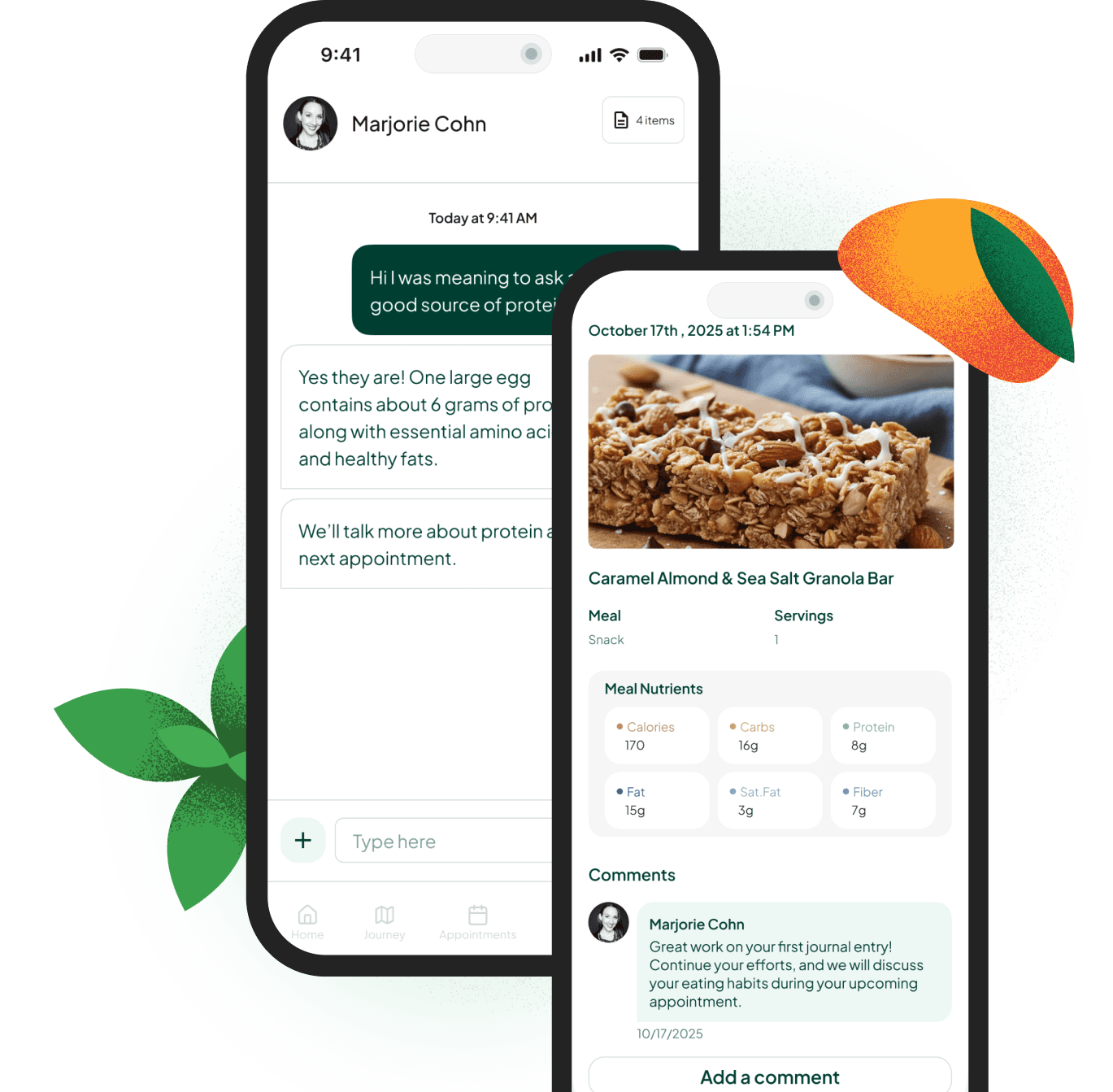
General guidance is a starting point, but your pregnancy is unique. A registered dietitian looks at your history, labs, risk factors, food preferences, budget, and schedule, then builds a plan that fits your real life. They work alongside your OB, midwife, or maternal-fetal medicine specialist, never instead of them.
At Berry Street, our dietitians specialize in areas like prenatal and postnatal nutrition, so you are matched with someone who understands this season. There is no one-size-fits-all plan and no calorie counting, just steady, evidence-informed support.

Getting started is straightforward. You can check your coverage in 60 seconds, and most Berry Street members pay $0 because nutrition counseling is often covered by insurance. We are in-network with 1,250+ plans nationwide. When you are ready, you can connect with a registered dietitian and book a visit that fits your schedule.
Frequently Asked Questions
What foods help reduce the risk of preeclampsia?
No single food reduces risk, but balanced patterns are associated with lower odds. Focus on vegetables, fruit, whole grains, legumes, adequate protein, and calcium-rich foods, in a Mediterranean or DASH-style pattern. These support a healthy pregnancy and blood pressure alongside your medical care.
Can what you eat during pregnancy cause preeclampsia?
No. No food or meal causes preeclampsia, which develops through how the placenta and blood vessels form. Nothing you ate is to blame. A balanced eating pattern can support your blood pressure, but food is not the cause of the condition.
What foods should you avoid with preeclampsia?
There are no forbidden foods for preeclampsia, and labeling foods as “bad” is not helpful. It is wise to keep ultra-processed foods and added sugars in balance rather than as the base of your meals. Always follow any specific guidance from your OB or dietitian.
What are good snacks if you have preeclampsia?
Aim for snacks that pair protein, fiber, or calcium to stay satisfied. Good options include yogurt with berries, apple slices with nut butter, hummus with vegetables and whole-grain crackers, or nuts with fruit. Adjust to your preferences and any food sensitivities.
Can diet alone prevent or cure preeclampsia?
No. Diet alone cannot prevent or cure preeclampsia. Healthy eating patterns are associated with lower risk and support overall pregnancy health, but they work alongside medical care rather than replacing it. Your provider guides monitoring and any treatment or preventive medication.
Does a high-protein diet help with preeclampsia?
Adequate protein is important for a healthy pregnancy, but protein on its own has not been shown to independently lower preeclampsia risk or blood pressure. Think of protein as one component of a balanced pattern, such as Mediterranean or DASH eating, rather than a standalone preventive.
Should you follow a low-salt diet if you have preeclampsia?
Current evidence does not support a low-salt diet for preventing preeclampsia. A Cochrane review found no evidence that reducing salt prevents it and concluded salt can remain a matter of personal preference. Focus instead on an overall balanced pattern, and follow your provider’s specific advice.
How much calcium do I need to help lower preeclampsia risk?
The WHO recommends 1,500 to 2,000 mg a day of supplemental calcium from 20 weeks for people with low dietary calcium intake. In the US, where intake is generally higher, this is less universally needed. Discuss your specific calcium needs with your care team before starting any supplement.
Does the Mediterranean or DASH diet lower preeclampsia risk?
In observational research, higher adherence to a Mediterranean-style diet was associated with lower odds of preeclampsia, though one randomized trial found no significant reduction. These patterns are supportive of a healthy pregnancy and blood pressure. They are associated with lower risk, not a guaranteed way to prevent it.
How can I reduce my risk of preeclampsia in a second pregnancy?
Start early with your care team. Ask about your risk category and whether low-dose aspirin after 12 weeks fits your situation, since that is a medical decision. Set up a monitoring plan, and work with a dietitian on a balanced pattern with adequate protein, fiber, and calcium.
What should I eat after delivery if I had preeclampsia?
Focus on recovery, energy, and, if nursing, milk supply, with a balanced pattern of protein, fiber, calcium, and fluids. There is no need for restriction or weight-loss dieting while you heal. Keep monitoring your blood pressure and attend all postpartum follow-up visits.
How much fiber should I eat during pregnancy to support healthy blood pressure?
Research summarized by Perry and colleagues suggests about 25 to 30 g of fiber a day in pregnancy, with higher fiber associated with lower preeclampsia risk in observational studies. The same review cautions that intakes above 30 g a day may be associated with increased risk, so aim for that steady range.
Last Reviewed by Jessica Cannon, MS, RDN, LDN — August 2026.