Key Takeaways
GLP-1 medications slow digestion and quiet appetite signals, which is why nausea, reflux, constipation, and diarrhea are common. Food choices, not willpower, are what ease them.
The dietitian priority is getting enough, not eating less. Protein, fluids, and steady nutrition protect your muscle and energy while your appetite runs low.
Most people do well aiming for about 1.2 to 1.5 grams of protein per kilogram of body weight each day, spread across small meals.
Smaller, cooler, blander meals eaten slowly tend to calm nausea. Gradual fiber, more fluids, and gentle movement help with constipation.
Some foods commonly worsen symptoms for some people, but no food is off-limits. Tolerance is individual, and a registered dietitian helps you personalize the plan.
Starting a GLP-1 medication can bring real changes to how you feel day to day, and the GLP-1 medication side effects that come with it are one of the most common reasons people feel stuck. These medications, such as Ozempic, are prescribed and monitored by your medical team to support metabolic health. They also change how your gut and appetite work, so nausea, reflux, and digestive shifts are typical, especially early on. The good news is that how you eat, drink, and time your meals can make those weeks much more manageable. This guide walks through the dietitian’s approach, step by step.
In 30 seconds: GLP-1 medications slow digestion and reduce appetite, which drives most side effects like nausea, reflux, and constipation. The nutrition fix is not eating less, it is getting enough protein, fluids, and key nutrients in a form your body can tolerate. Small, steady changes and support from a registered dietitian make the difference.
On this page
Why GLP-1 medications cause side effects (and why nutrition matters)
The dietitian’s approach: manage symptoms without restriction
How to manage nausea and reflux with food
How to manage constipation and diarrhea
Getting enough protein and protecting muscle
Staying hydrated and covering key nutrients
Foods that commonly worsen side effects
Working with a registered dietitian on your GLP-1 journey
Frequently Asked Questions
Why GLP-1 medications cause side effects (and why nutrition matters)
Most GLP-1 side effects are not random. They come directly from how the medication works in your gut and brain. Understanding that link makes the fixes feel less like guesswork and more like a plan you can follow.
These medications are one tool your medical team uses to support metabolic health. Weight change can be one effect of the medication paired with better nutrition, but it is never the point of eating well. The point is helping you feel steady and well-nourished while your body adjusts.
How these medications slow digestion and change appetite
GLP-1 medications delay how quickly your stomach empties, which is what drives the bloating, early fullness, and nausea many people notice. They also act on areas of the brain that control appetite and nausea, according to Mozaffarian and colleagues in Obesity (2025). In some people, they change how the intestines move, which can lead to diarrhea.
These effects tend to be dose-dependent. That is why symptoms often show up or intensify when your dose goes up. It also explains why smaller, slower meals help. You are working with a gut that simply moves food along more slowly than it used to.
When side effects usually start — and how long they last
Side effects most often emerge in the first weeks of treatment and around each dose increase. For many people they are mild to moderate and tend to ease over time as the body adjusts, as Mozaffarian and colleagues describe. There is no single timeline that fits everyone, so your experience may look different from a friend’s.
That variation is normal, not a sign you are doing something wrong. If symptoms are severe or not improving, that is a conversation to have with your prescribing team. A registered dietitian can work alongside them to adjust your nutrition in the meantime.
The dietitian’s approach: manage symptoms without restriction
When appetite drops, the instinct is often to just eat less. From a dietitian’s chair, that is usually the opposite of what helps. The medication is already reducing how much you want to eat, so the real risk is not getting enough.
Our approach is rooted in weight-neutral, Health At Every Size care. We are not anti-weight loss, we are anti-diet. That means no rigid rules, just steady nourishment that fits your life and your tolerance on any given day.
Why “just eat less” backfires — protein, hydration, and enough food come first
Eating too little while your appetite is suppressed can leave you short on protein, fluids, and key nutrients. Over time, that can cost you muscle, energy, and the steady progress you are working toward. So the first four priorities are always protein, fiber, hydration, and simply getting enough food in.
This is where personalization matters most. What you can tolerate on a rough day is different from a good day, and both are fine. The goal is consistency over perfection, meeting your body where it is and building from there.

How to manage nausea and reflux with food
Nausea is the side effect people ask about most. A few reliable habits tend to take the edge off, and they line up with the way your slowed digestion now works.
The core strategies, drawn from Fitch and colleagues in Obesity Pillars (2025) and the Mozaffarian review, are simple:
Eat slowly and stop at comfortably full, not stuffed.
Choose smaller portions and more frequent meals rather than three large ones.
Limit high-fat and spicy foods, which tend to sit heavy.
Sip fluids steadily and go easy on alcohol and carbonated drinks.
Keep a simple food diary to spot your personal triggers.
For reflux specifically, the Cleveland Clinic suggests staying upright for two to three hours after eating and keeping meals smaller. It also helps to limit fatty or fried foods, chocolate, coffee, and mint. High-fat meals are doubly tricky here because they slow digestion further.
What to eat on the roughest days (bland, cool, smaller meals)
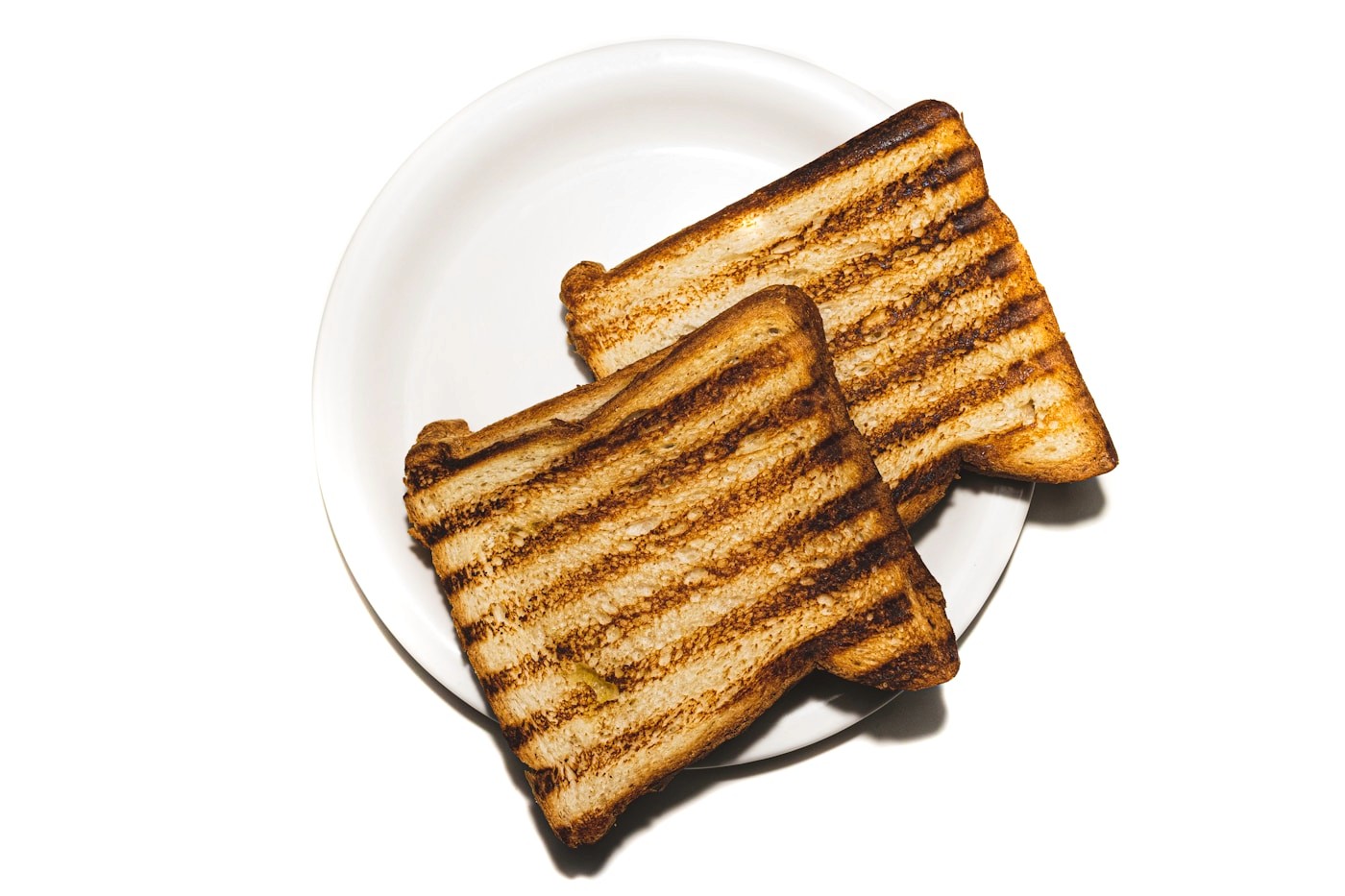
On the hardest days, gentle and low-effort wins. General nausea guidance from the National Cancer Institute points to bland, cool, and low-odor foods, eaten as five or six small meals across the day. Cool foods give off less smell, which can be easier when odors turn your stomach.
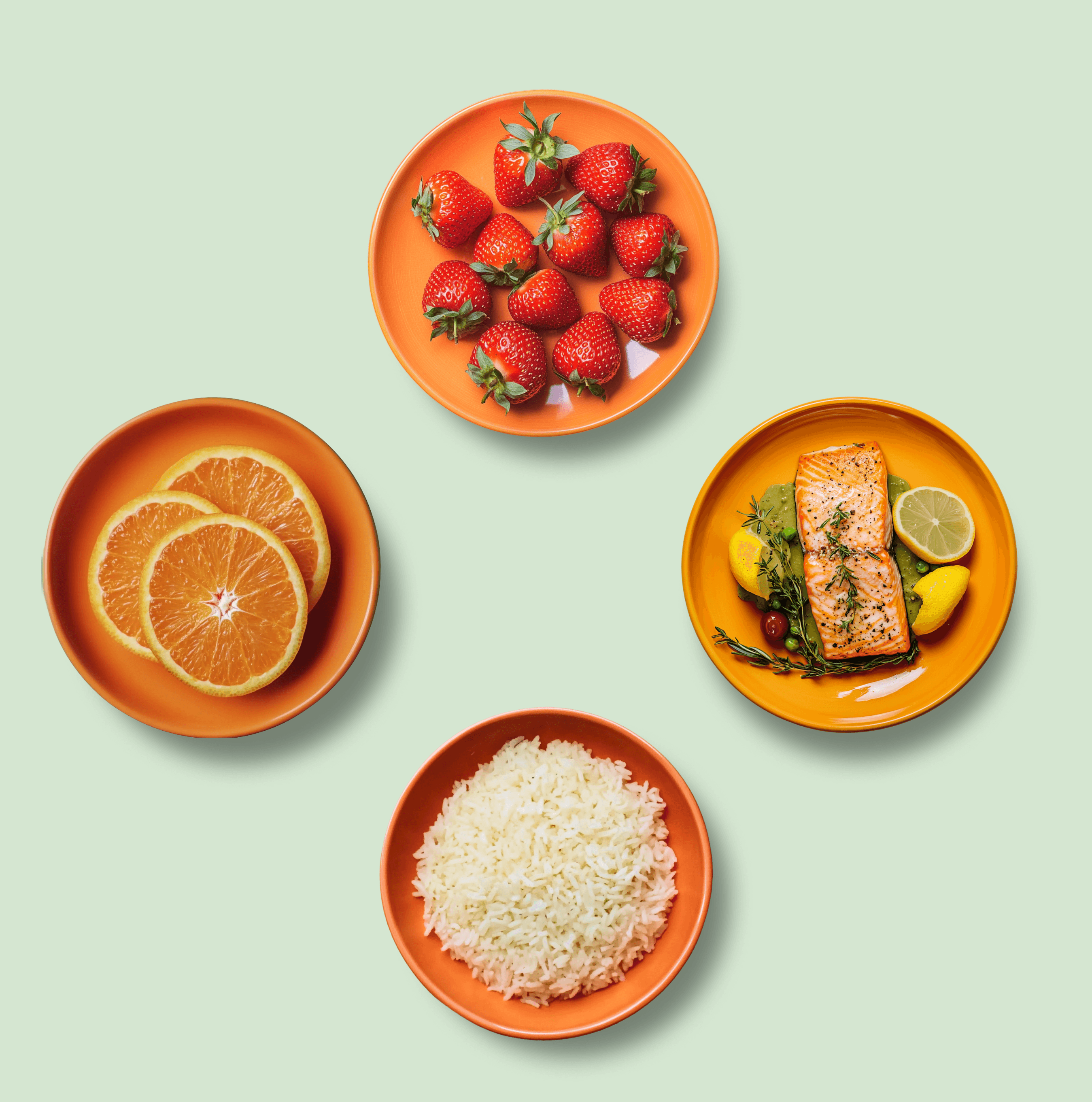
Think crackers, toast, rice, plain yogurt, applesauce, or a cool smoothie. Foods served at room temperature or chilled are often better tolerated than hot, aromatic dishes. Small and frequent beats large and infrequent almost every time.
Foods and habits that tend to make nausea worse
For many people, large portions are the biggest trigger, followed by high-fat and spicy foods. Alcohol and carbonated drinks can add to the queasiness for some, as Fitch and colleagues note. Eating quickly also tends to backfire when your stomach is emptying slowly.
Some clients get so wary of nausea that they start skipping meals, which usually makes things worse. That fear is real and worth addressing directly, without sliding into restriction.
“When someone is scared to eat because food set off nausea last time, I never tell them to power through. We start with the safest, blandest thing they can picture, like a few crackers or a cool smoothie, and build from there. The goal is steady fuel, not a clean plate, and skipping meals almost always makes the next wave of nausea worse.” — Bridget Isaacs, MS, RD
How to manage constipation and diarrhea
Slower digestion can swing two ways. Some people get constipated, others deal with diarrhea, and a few see both at different times. Nutrition helps with each, though the approach differs.
Fiber, fluids, and gentle movement
For constipation, the combination of fiber, fluids, and movement does the heavy lifting. Fitch, Mozaffarian, and Johnson and colleagues in Frontiers in Nutrition (2025) recommend building fiber up gradually rather than all at once. A common target is 21 to 25 grams of fiber a day for women and 30 to 38 grams for men, or roughly 14 grams per 1,000 calories.
Pair that fiber with plenty of fluid, more than two to three liters a day, and some gentle movement like walking. Ramp fiber up slowly so you do not trade constipation for bloating. Additional strategies are often needed, so loop in your care team if things stay stuck.
For diarrhea, the guidance flips. Mozaffarian and colleagues suggest avoiding large meals and high-fat meals, which can speed things along and worsen loose stools. Smaller, plainer meals and steady fluids are usually gentler.
When digestive changes need medical attention
Most digestive changes are manageable at home, but some need a call to your provider. Severe or ongoing vomiting or diarrhea can lead to dehydration, which raises the risk of acute kidney injury, per Mozaffarian and Fitch. That is a signal to reach out promptly, not wait it out.
Your prescribing team monitors these medications for exactly this reason. A registered dietitian works alongside them, not instead of them, to keep your nutrition steady while any medical issues are sorted out.
Getting enough protein and protecting muscle
When you are eating less overall, protein becomes the nutrient to protect first. It helps you hold onto muscle, which supports strength, metabolism, and how well you feel day to day.
The evidence points to a practical range rather than a hard rule. This is a baseline to aim for, not a number to obsess over.
Practical protein targets and easy-to-tolerate sources
Aim for about 1.2 to 1.5 grams of protein per kilogram of body weight each day, which for many people lands near 80 to 120 grams daily. The higher end suits adults over 65 or those with other health conditions, depending on your individual needs. Spreading protein across your meals helps your body use it well.
Protein alone will not preserve muscle, though. Fitch and colleagues note that pairing adequate protein with resistance training at least twice a week is what protects muscle. Johnson and colleagues also found that fewer than half of GLP-1 users actually reach 1.2 grams per kilogram, so this is a common gap worth closing.
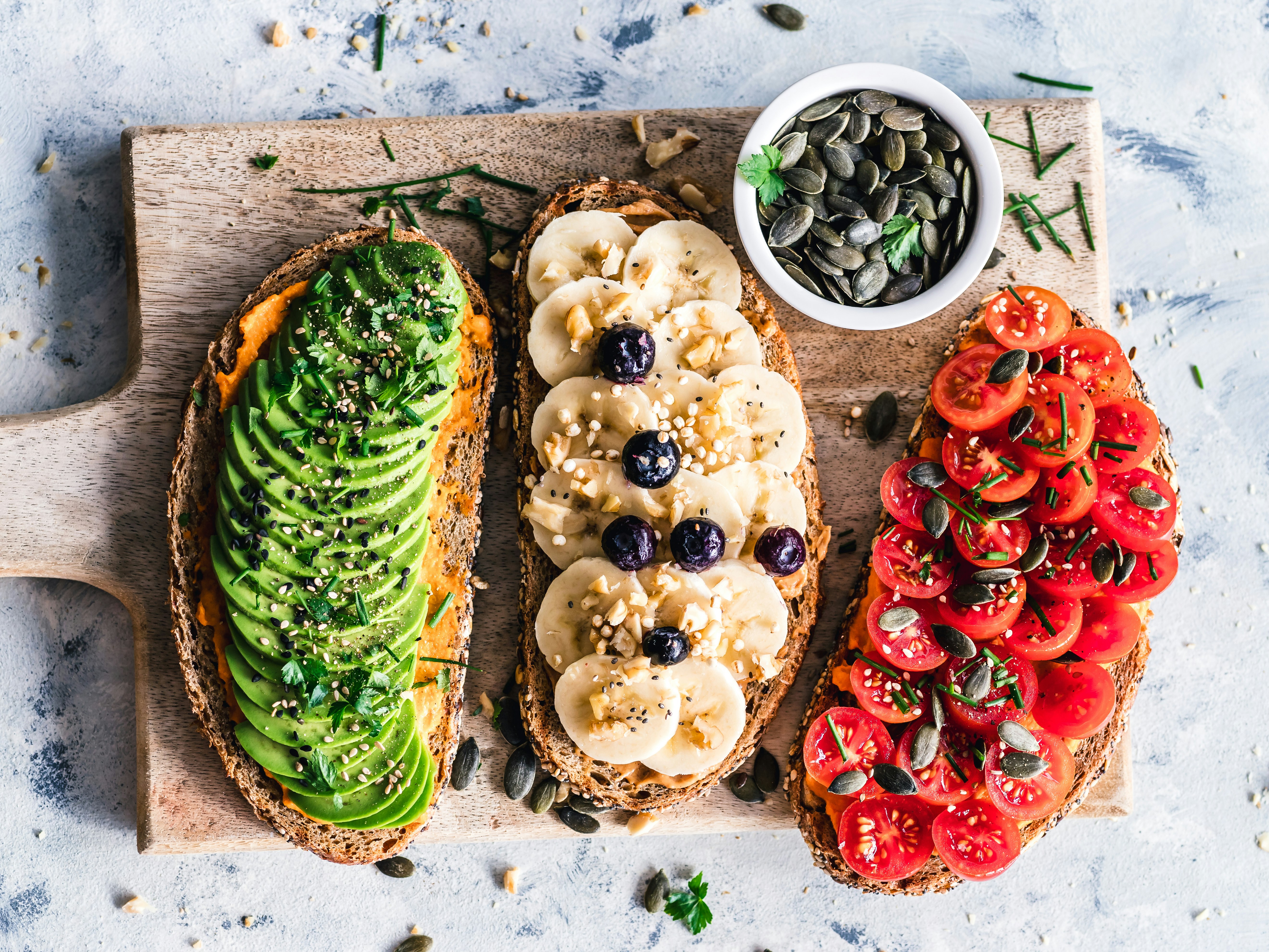
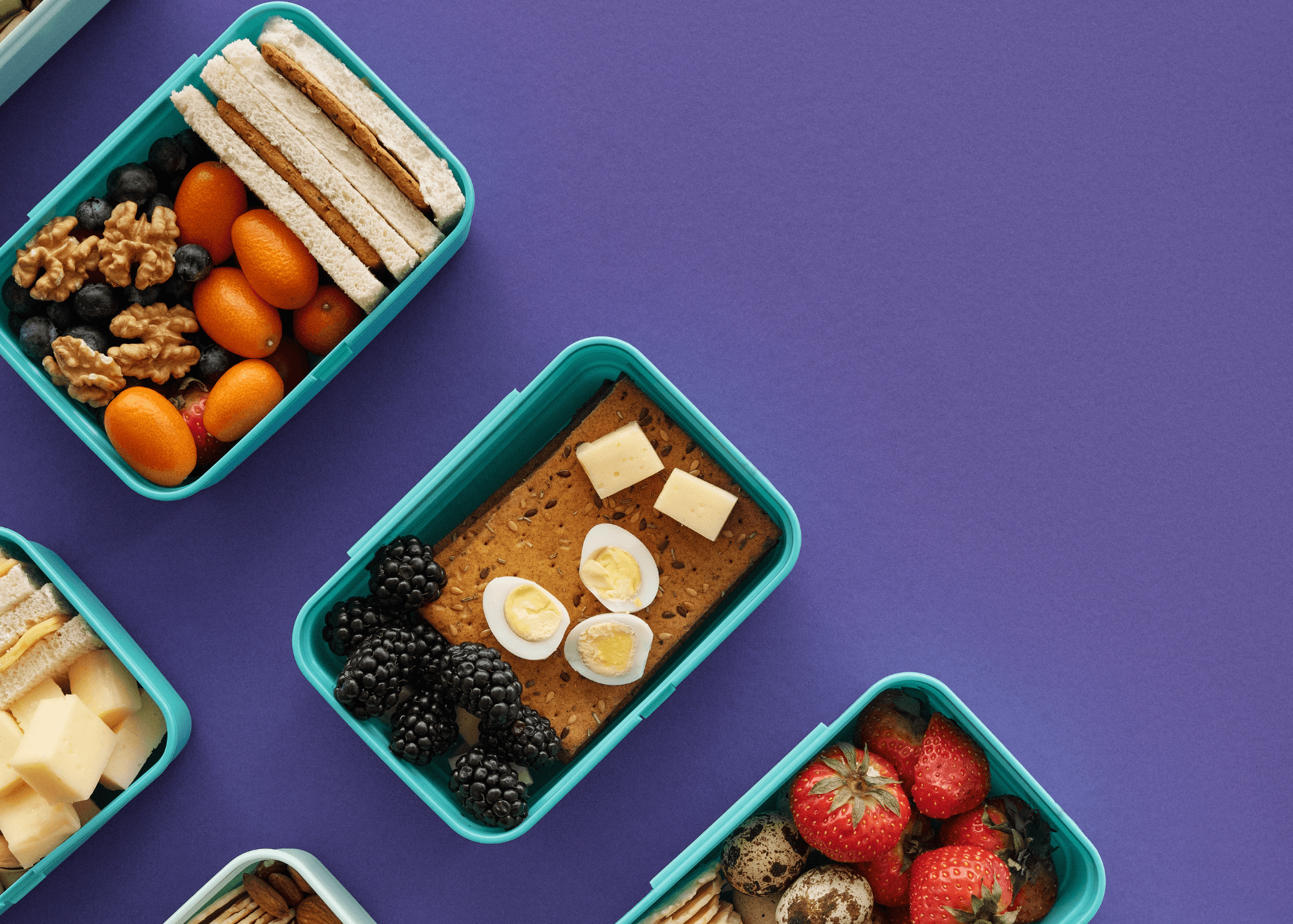
When solid food feels like too much, softer and liquid sources are your friends. Greek yogurt, cottage cheese, eggs, smoothies with protein powder, and blended soups tend to go down more easily than a large piece of meat.
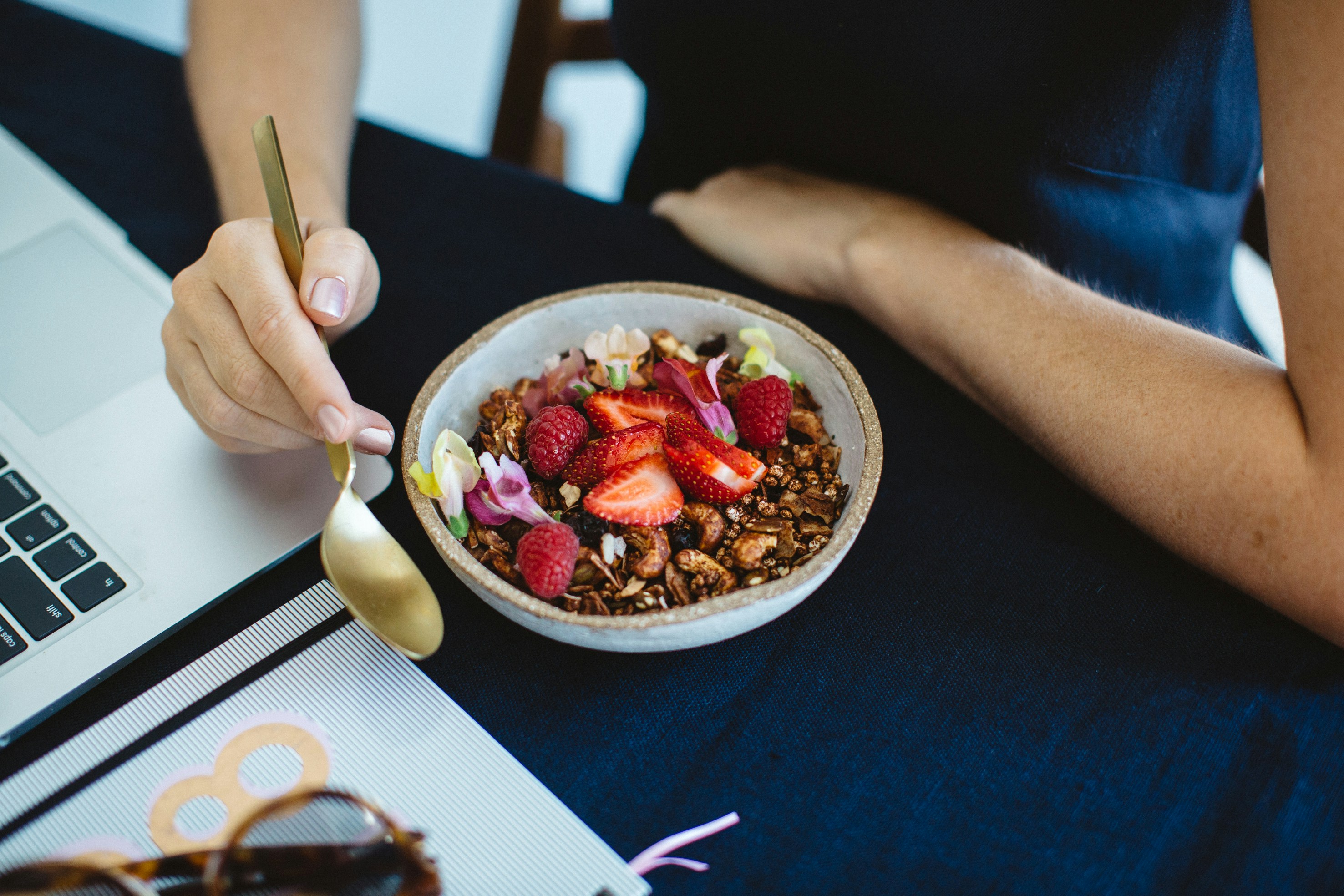
“When a client tells me they can’t stomach a chicken breast, I don’t push the chicken, we look for alternative sources. We lean on smoothies, Greek yogurt, cottage cheese, and a scoop of protein powder stirred into whatever already tastes okay that day. Getting to 80 or 100 grams in small, steady amounts almost always beats one big meal they dread.” — Bridget Isaacs, MS, RD
Staying hydrated and covering key nutrients
Hydration often slips when appetite drops, because thirst cues can fade along with hunger cues. Staying ahead of it protects your energy and your kidneys.
Aim for more than two to three liters of fluid a day, as Mozaffarian and Fitch advise. Sipping steadily is easier on a slow-emptying stomach than gulping large amounts at once. Water, broth, and diluted electrolyte drinks all count.
Beyond fluids, a few nutrients are worth watching when overall intake is lower. Fitch and Johnson and colleagues flag vitamin D, B12, B1, folate, iron, calcium, magnesium, zinc, potassium, and choline as nutrients to keep an eye on. Vitamin D is the most common, showing up as low in about 14% of GLP-1 users at one year. This is a watch list to personalize with your care team, not a sign everyone is deficient.
Signs of dehydration to watch for
Dehydration can creep up, especially alongside vomiting or diarrhea. Common signs include dark urine, dizziness, headache, dry mouth, and feeling unusually tired. If you notice these, increase fluids and check in with your provider.
Because severe fluid loss can strain the kidneys, do not brush off ongoing vomiting or diarrhea. A quick call to your medical team is the safe move. Prevention through steady sipping is far easier than catching up later.
Foods that commonly worsen side effects
There is no list of “bad” foods here, and nothing is truly off-limits. Some foods just tend to worsen symptoms for some people, and knowing the usual suspects helps you plan around your own tolerance.
Across Fitch and Mozaffarian’s guidance, the foods and habits most often linked to worse side effects are:
Large portions, which overwhelm a slow-emptying stomach.
High-fat and fried foods, which sit heavy and slow digestion further.
Spicy foods, which can aggravate nausea and reflux.
Alcohol and carbonated drinks, which bother some stomachs more than others.
Notice these are about how much and how a food is prepared, not a food being off-limits. Your tolerance may shift from week to week, and that is expected. A food diary is the most reliable way to learn your personal patterns, so you can enjoy what works and ease up on what does not. Working with a dietitian helps you personalize this rather than cutting foods out of fear.
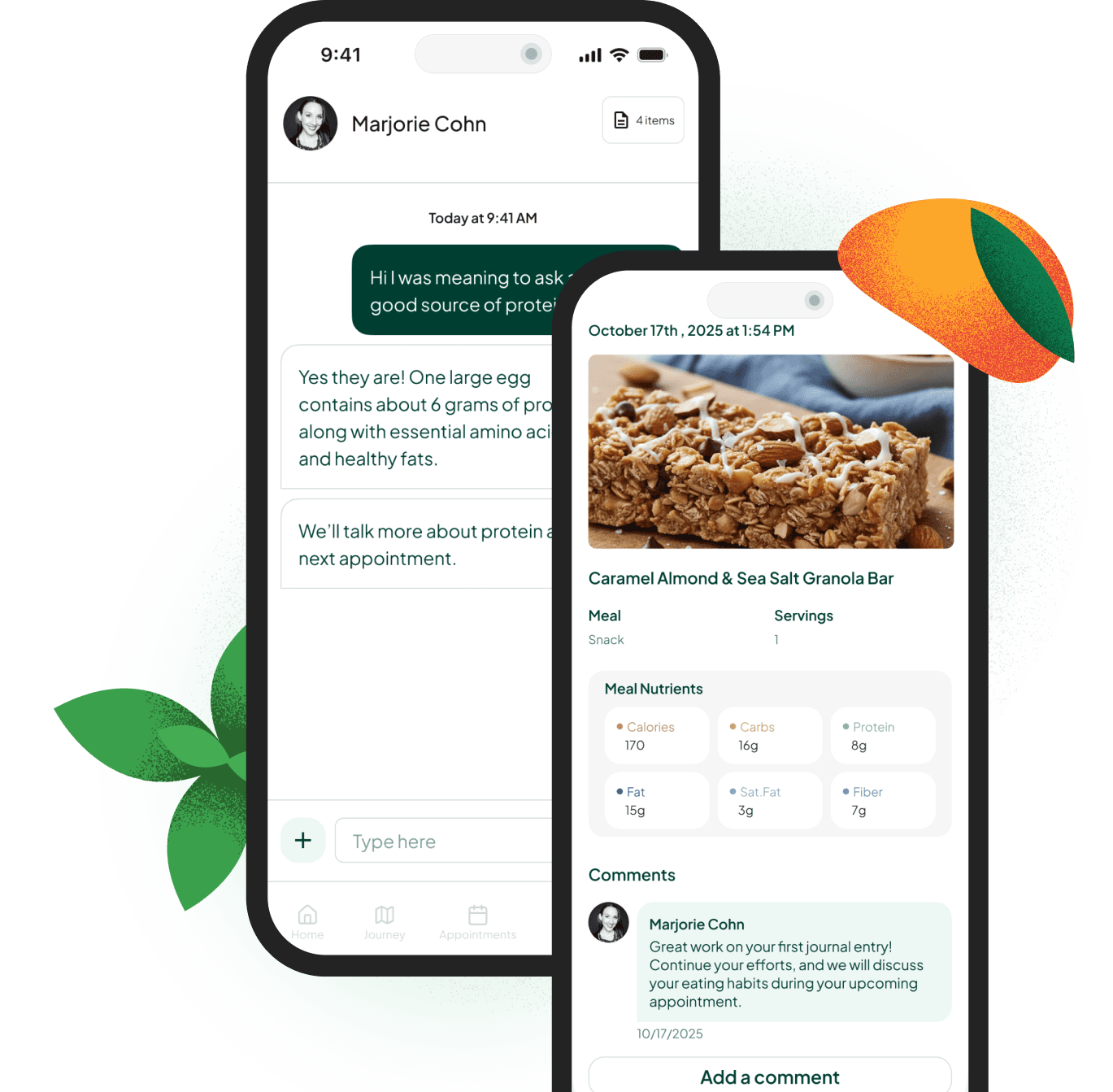
Working with a registered dietitian on your GLP-1 journey
GLP-1 medications work best with nutrition support built around your body and your life. A registered dietitian helps you get enough protein, stay hydrated, manage side effects, and keep the nutrients you need in view, all without slipping into restriction. Every Berry Street provider is a licensed RD or RDN who works alongside your prescribing doctor, not instead of them.
Care is fully virtual, and cost is rarely a barrier. Berry Street is in-network with 1,250+ insurance plans, and 95% of members pay $0. When you are ready, you can connect with a registered dietitian who specializes in GLP-1 nutrition support. You can also browse common questions on our GLP-1 resource hub to learn more first.
Frequently Asked Questions
How can I get enough protein while taking a GLP-1 medication?
Aim for roughly 1.2 to 1.5 grams of protein per kilogram of body weight each day, or about 80 to 120 grams for many people, spread across small meals. When solid food feels like too much, lean on smoothies, Greek yogurt, cottage cheese, and eggs. Pair your protein with resistance training at least twice a week to protect muscle.
What can I do to lessen the side effects of a GLP-1 medication?
Eat slowly and stop at comfortably full, choose smaller and more frequent meals, and go easy on high-fat and spicy foods. Stay well hydrated and keep a simple food diary to spot your personal triggers. A registered dietitian can help you fine-tune these habits for your body.
What foods make GLP-1 side effects worse?
For some people, large portions, high-fat or fried foods, spicy foods, alcohol, and carbonated drinks tend to worsen symptoms. No food is off-limits, and tolerance is individual. Tracking what you eat helps you learn your own patterns rather than cutting foods out of fear.
How do I manage nausea and reflux on a GLP-1 medication?
For nausea, eat small, bland, and cool meals slowly, and try five or six small meals across the day. For reflux, stay upright for two to three hours after eating and limit fatty foods, chocolate, coffee, and mint. Smaller meals help with both.
How do I manage constipation while taking a GLP-1?
Build fiber up gradually toward about 21 to 25 grams a day for women or 30 to 38 grams for men, and pair it with plenty of fluids. Gentle movement like walking also helps things along. If constipation persists, additional strategies are often needed, so check in with your care team.
What should I do if I have diarrhea on a GLP-1 medication?
Avoiding large meals and high-fat meals can help, since both can speed digestion and worsen loose stools. Smaller, plainer meals and steady fluids are usually gentler. If diarrhea is severe or ongoing, contact your provider, because fluid loss can lead to dehydration.
When do GLP-1 side effects start and how long do they last?
Side effects most often begin in the first weeks and around each dose increase, and for many people they are mild to moderate and ease over time. There is no single timeline that fits everyone, so your experience may differ. If symptoms are severe or not improving, talk with your prescribing team.
How do I stay hydrated and avoid dehydration on these medications?
Aim for more than two to three liters of fluid a day, sipping steadily rather than gulping large amounts. Watch for dark urine, dizziness, dry mouth, and fatigue as signs of dehydration. Because severe vomiting or diarrhea can strain the kidneys, reach out to your provider if fluid loss is significant.
How do I protect muscle mass when I’m eating less?
Getting enough protein, around 1.2 to 1.5 grams per kilogram of body weight daily, is the foundation. Protein alone is not enough, though, so pair it with resistance training at least twice a week. Spreading protein across your meals helps your body use it effectively.
Are GLP-1 side effects worse for women?
The evidence on sex differences in GLP-1 side effects is limited, and how you experience them is highly individual. What matters most is tracking your own symptoms and adjusting your nutrition to fit them. A registered dietitian can help you personalize your plan based on your body and history.
What should I eat on the roughest days, like injection day?
Keep it bland, cool, and low-effort, with foods like crackers, toast, rice, plain yogurt, applesauce, or a cool smoothie. Cool and room-temperature foods give off less odor, which can be easier on a queasy stomach. Small, frequent portions beat large meals on hard days.
Do I need to avoid alcohol on a GLP-1 medication?
You do not have to cut it out, but alcohol can worsen nausea and reflux for some people, so moderation helps. Pay attention to how your body responds and use a food diary to learn your tolerance. Your medical team and dietitian can give guidance based on your individual needs.
Last Reviewed by Bridget Isaacs, MS, RD — August 2026.