Key Takeaways
There is no single “autoimmune diet” that fits everyone, because more than 80 conditions and every individual body respond differently.
Start by adding supportive foods (colorful produce, fiber, omega-3 sources) before you think about removing anything.
Elimination diets like AIP are short-term tools used with a dietitian, not permanent lifestyles, and over-restriction carries real risks.
Nutrition can support how you feel day to day, but it works alongside your medication and medical team, never in place of them.
Finding your personal triggers is a structured, testable process, and a registered dietitian can help you do it without cutting out more than you need to.
Living with an autoimmune condition often means hearing a lot of confident advice about food. One source says go gluten-free. Another says drop nightshades. A third promises a “reset” that fixes everything.
If that leaves you overwhelmed, that is understandable. The truth is that nutrition for autoimmune disease is real and worth taking seriously, and it is also deeply personal. What helps one person may do little for the next.
This guide walks through what the research actually supports, which foods may be worth watching for some people, and how to build a way of eating that lasts, without slipping into fear or restriction.
In 30 seconds: There is no one best diet for autoimmune disease. The most helpful approach is usually to add anti-inflammatory, fiber-rich, and omega-3 foods first, then work with a registered dietitian to test any personal triggers in a short, structured way. Nutrition supports your care, it does not replace your medication or your medical team.
On this page
How food and autoimmune disease are connected
The eating patterns most studied for autoimmune conditions
Foods that may support you (what to add first)
Foods that may be worth watching for some people
How to find your personal triggers without over-restricting
How a registered dietitian personalizes autoimmune nutrition
Building a way of eating that lasts
Frequently Asked Questions
How food and autoimmune disease are connected
Food does not cause or cure autoimmune disease. What it can do is influence inflammation, gut health, and how you feel day to day. That makes diet for autoimmune disease a supporting player in your care, not the whole story.
What “autoimmune” actually means
In an autoimmune condition, your immune system mistakes some of your own tissue for a threat and attacks it. This drives inflammation, which is behind many of the symptoms you may notice, like fatigue, pain, or flares.
There are more than 80 recognized autoimmune conditions, including rheumatoid arthritis, type 1 diabetes, inflammatory bowel disease, lupus, and Hashimoto’s thyroiditis. They affect different organs and behave differently, which matters a lot for food.
Your gut plays a role too. The gut’s lymphoid tissue, known as GALT, is where the microbiome and immune system interact most actively, according to research in Trends in Immunology. That interaction is one reason food and immune function are linked.
Why there’s no single “autoimmune diet” — and why individual variation matters
Because these conditions are so different, an autoimmune disease diet food list that works for one person may not fit another. What calms symptoms for someone with rheumatoid arthritis may be irrelevant for someone with lupus.
Your triggers, your other health conditions, your medications, and your daily life all shape what will help. This is why Berry Street sees rigid, universal plans as a one-size-fits-all problem, not a willpower problem.
So the goal here is not a perfect diet. It is a personalized way of eating you can actually sustain, ideally built with a dietitian who knows your full picture.

The eating patterns most studied for autoimmune conditions
A few eating patterns have more research behind them than the rest. None is a cure, and each still needs to be tailored to you. Here is what the evidence suggests.
Anti-inflammatory and Mediterranean-style eating
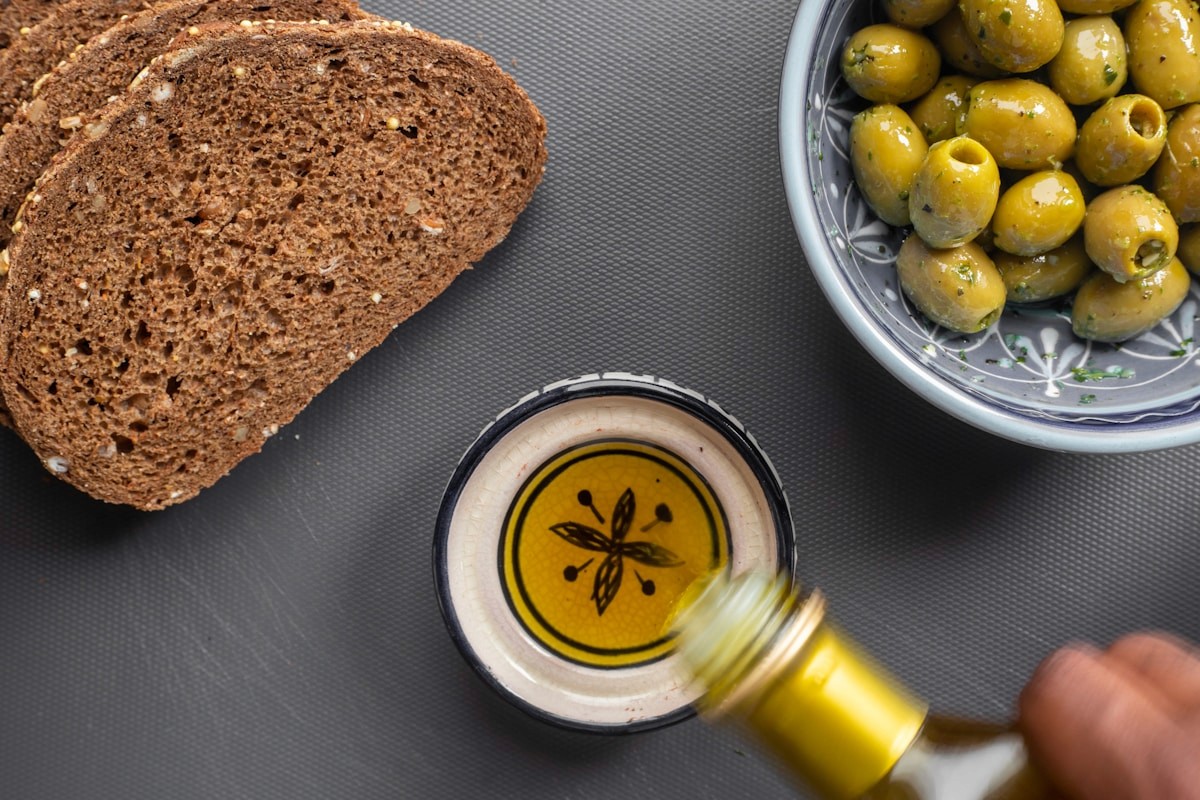
An anti-inflammatory diet is less a strict plan and more a pattern: plenty of vegetables, fruit, whole grains, legumes, nuts, olive oil, and fish. The Mediterranean diet is the best-studied version of this pattern.
For rheumatoid arthritis specifically, observational evidence associates a Mediterranean-style pattern with a modestly reduced risk of developing rheumatoid arthritis, according to a 2025 review in Seminars in Arthritis and Rheumatism. That is a risk association in one condition, not a proven treatment for autoimmune disease broadly.
Still, this pattern is a reasonable, flexible starting point for many people. It adds foods rather than banning them, which makes it easier to keep up over time.
“When someone comes to me overwhelmed by conflicting autoimmune diet advice, I do not hand them a list of foods to cut. We usually start with one or two additions, like getting a source of omega-3s a few times a week and building meals around more colorful vegetables. Those changes are doable, they rarely backfire, and they give us a stable base before we test anything else.” — Bridget Isaacs, MS, RD
The Autoimmune Protocol (AIP) — what it is, and its limits as a long-term plan
The AIP diet is a structured elimination diet designed to identify possible inflammatory triggers, as Cleveland Clinic explains. It removes a broad set of foods for a period, then reintroduces them one at a time.
The American College of Rheumatology describes AIP as having an elimination phase followed by a reintroduction phase, and notes the supporting evidence is limited to a subset of people. Researchers also frame AIP as a personalized elimination approach rather than a fixed cure.
Here is the important part. AIP is meant to be temporary and diagnostic, not a permanent lifestyle. The elimination phase is restrictive, so it is best done for a short window and under the guidance of a dietitian who can protect your nutrition along the way.
Foods that may support you (what to add first)
Before you think about removing anything, it helps to focus on what to add. Adding supportive foods is lower risk than cutting foods out, and it often makes the biggest difference in how you feel.
Colorful produce, fiber, and gut-supportive foods
A simple goal is to eat a wide variety of colorful plant foods. Different colors bring different antioxidants and polyphenols, and variety also feeds a wider range of gut microbes.
Fiber is a standout here. Dietary fiber supports a more diverse gut microbiome and the production of short-chain fatty acids like butyrate, which have anti-inflammatory effects, according to research in Frontiers in Nutrition. That evidence comes from the general population, so it is a reasonable foundation rather than an autoimmune-specific promise.
Practical ways to add fiber and support your gut include:
Vegetables and fruit at most meals, aiming for variety across the week.
Legumes like beans, lentils, and chickpeas a few times a week.
Whole grains such as oats, brown rice, or quinoa in place of refined ones.
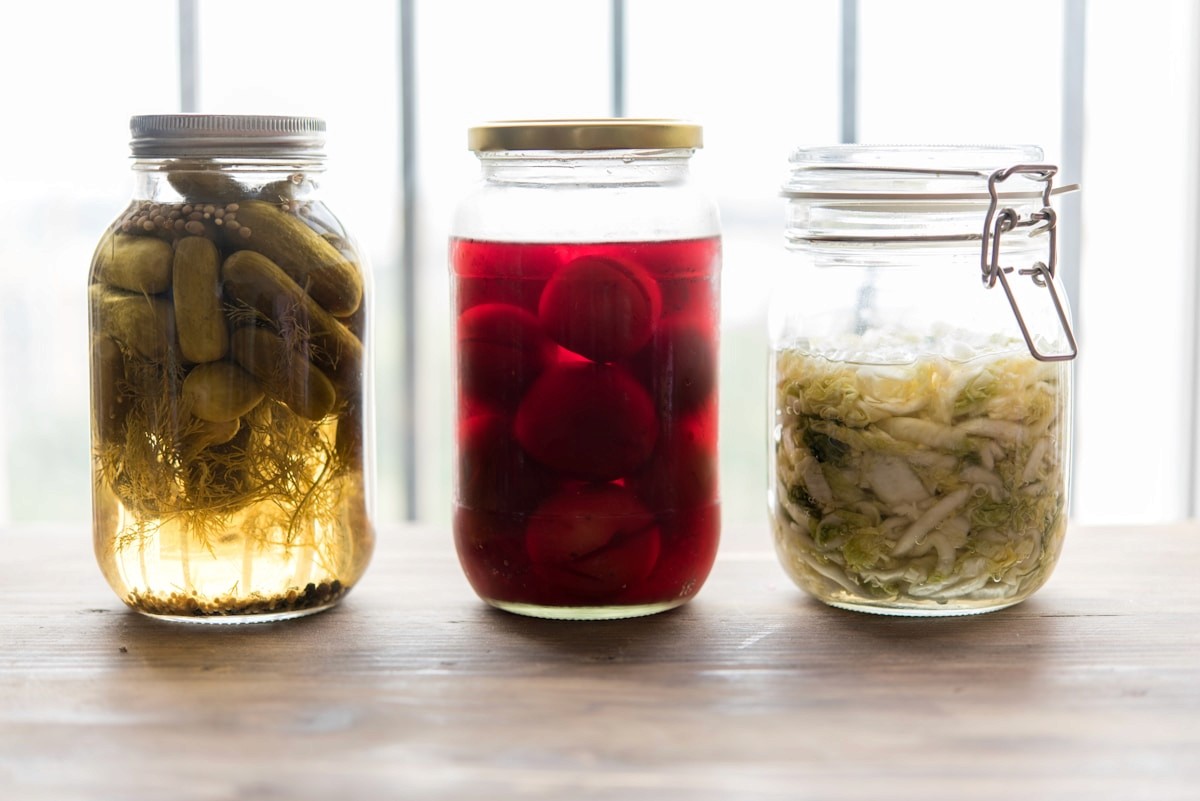
Fermented foods like yogurt, kefir, or sauerkraut, if they agree with you.
Omega-3 sources and other anti-inflammatory staples
Omega-3 fats are one of the more studied nutrients for inflammatory autoimmune conditions. In trials of people with rheumatoid arthritis, omega-3 supplementation was associated with fewer tender joints and better physical function, according to a 2025 meta-analysis in Food Science & Nutrition.
That same analysis did not find a significant effect on pain or swollen joints, and its effect on overall disease activity was borderline. So omega-3s may help some people with specific symptoms, and they are not a stand-alone treatment.
Food-first omega-3 sources worth working in include:
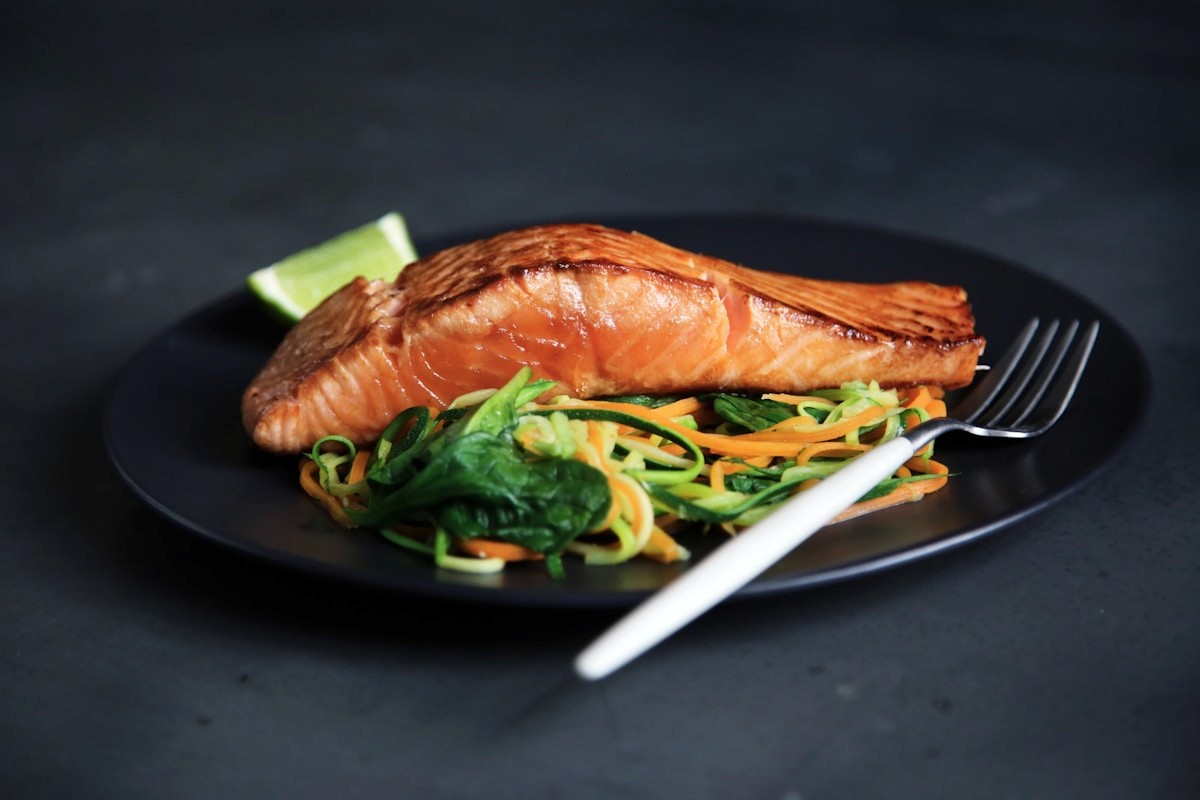
Fatty fish like salmon, sardines, mackerel, or trout.
Walnuts, chia seeds, and ground flaxseed.
Extra-virgin olive oil as an everyday cooking and finishing fat.
Whether a supplement makes sense for you depends on your individual needs, so it is worth discussing with your dietitian and doctor rather than guessing.
Foods that may be worth watching for some people
This is where a lot of fear tends to creep in. The goal in this section is to notice, not to fear. No food on this list is universally “off-limits,” and the point is to learn what your body responds to.
Common individual triggers — framed as “notice, don’t fear”
Some foods are worth paying attention to because they are common triggers for certain people, not because they are dangerous for everyone. Whether they matter for you is something to test, not assume.
Gluten: A gluten-free diet clearly helps if you have celiac disease or non-celiac gluten sensitivity. Outside of those, no official guidelines recommend it and the evidence is insufficient, per a 2025 review in the International Journal of Medical Sciences.
Dairy: Dairy has not been shown to worsen the course of inflammatory bowel disease, and it is commonly excluded without evidence, according to a 2024 review in Nutrients. A causal link between dairy and the onset of autoimmune disease has not been established, according to a 2024 review in the International Journal of Molecular Sciences.
Ultra-processed foods and added sugar: These may be worth watching for some people, mainly because a pattern heavy in them tends to crowd out the produce, fiber, and omega-3s that support you.
Alcohol: Alcohol can interact with medications and affect sleep and inflammation, so it may be worth watching depending on your situation and your medical team’s guidance.
The theme here is testing, not fear. A food being worth watching does not make it bad, and you do not need to cut everything on this list.
The nightshade question and other over-hyped eliminations
Nightshade vegetables, like tomatoes, peppers, and eggplant, get blamed for flares online. But there is no completed randomized controlled trial on nightshades and rheumatoid arthritis symptoms, so the evidence base is essentially absent, as noted in a 2024 protocol in Trials.
That means we cannot say nightshades are harmful, and we cannot say they are definitively safe for everyone either. If you suspect them, that is worth testing in a structured way rather than cutting a whole nutritious food group on a hunch.
The same caution applies to many popular eliminations. Removing a food is easy to do and hard to undo well, so it deserves more thought than a social media post can give it.
How to find your personal triggers without over-restricting
If some foods might matter and most probably do not, how do you tell the difference? The answer is a careful, time-limited process, not a permanent list of rules.
Structured elimination and reintroduction — why it’s short-term and dietitian-guided
A structured elimination has two phases. First you remove a small, specific set of suspected foods for a short window. Then you reintroduce them one at a time, watching for a real, repeatable response.
This works best with a dietitian for a reason. Elimination diets carry a risk of nutritional deficiency, and dietitian supervision is recommended to manage that risk, according to StatPearls. A dietitian also helps you read your results honestly, so you keep foods that are fine and only limit what truly bothers you.
“When a client wants to cut out a long list of foods, I slow it down. We pick two or three of their strongest suspicions, remove only those for a few weeks, then reintroduce them one at a time and track how they actually feel. Testing a short list protects their nutrition and their relationship with food, and it usually shows us that most of the foods they feared were never the problem.” — Bridget Isaacs, MS, RD
Signs you’re restricting too much (and why that backfires)
More restriction is not more virtuous, and it can work against you. When food rules get too tight, you can lose nutrients, energy, and your sense of ease around eating.
Signs your approach may have gone too far include:
Your list of “safe” foods keeps shrinking.
You feel anxious, guilty, or panicked about eating outside your rules.
You are avoiding social meals to stay in control of food.
You feel more tired or notice new symptoms that could point to a deficiency.
This matters clinically. Restrictive food rules in inflammatory conditions can raise the risk of orthorexia, with inflammatory bowel disease studied as one example, per a 2024 study in Nutrients. If any of these signs sound familiar, that is a good reason to bring in support rather than tighten the rules further.
How a registered dietitian personalizes autoimmune nutrition
You do not have to figure this out alone, and honestly, most people should not try to. A registered dietitian nutritionist (RDN) is a licensed medical professional with clinical training, qualified to help manage medical conditions and work alongside your doctor, not instead of them.
What working with a Berry Street RD looks like
When you work with a registered dietitian for autoimmune disease, the process starts with your full picture: your diagnosis, your medications, your labs, your symptoms, and your daily life. From there, your plan is built around you.
A dietitian can help you add supportive foods first, run any elimination safely and briefly, protect your nutrition throughout, and keep your care connected to your medical team. Because nutrition is personal, appointment cadence and recommendations are tailored to your individual needs rather than a template.
Cost is often less of a barrier than people expect. Berry Street is in-network with 1,250+ plans, and 95% of members pay $0. If you would like support, you can check your coverage and get matched with a dietitian when the time feels right.

Building a way of eating that lasts
If you take one thing from this guide, let it be this: start by adding, not subtracting. Colorful produce, fiber, and omega-3 sources give your body support and rarely backfire, which makes them a strong foundation for nutrition for autoimmune disease.

From there, treat any food you want to watch as a hypothesis to test, briefly and with guidance, not a rule to fear. Keep your medical team in the loop, because food supports your care and does not replace your medication.
There is no single best diet for autoimmune disease, only the one that fits your body and your life. When you are ready, you can connect with a Berry Street registered dietitian to personalize this at your own pace.
Frequently Asked Questions
What foods should you avoid with an autoimmune disease?
There is no universal list of foods to avoid, because triggers are individual. Some people find that certain foods, like gluten, dairy, or alcohol, may be worth watching, but that is something to test rather than assume. Working with a dietitian helps you limit only what truly affects you.
What foods help reduce inflammation with an autoimmune condition?
An anti-inflammatory pattern rich in colorful produce, fiber, whole grains, and omega-3 sources is a reasonable foundation for many people. Fiber supports a diverse gut microbiome and short-chain fatty acids with anti-inflammatory effects, per Frontiers in Nutrition. Add these foods first before considering any eliminations.
Is the AIP (autoimmune protocol) diet safe, and should it be long-term?
AIP is a short-term elimination diet meant to identify possible triggers, not a permanent lifestyle. Its supporting evidence is limited to a subset of people, per the American College of Rheumatology. Because the elimination phase is restrictive, it is best done briefly and with a dietitian’s guidance.
Does going gluten-free help if you don’t have celiac disease?
A gluten-free diet clearly helps if you have celiac disease or non-celiac gluten sensitivity. Outside of those conditions, no official guidelines recommend it and the evidence is insufficient, according to the International Journal of Medical Sciences. If you suspect gluten, test it in a structured way with a dietitian.
Is dairy actually inflammatory for autoimmune conditions?
Dairy has not been shown to worsen the course of inflammatory bowel disease, yet it is often excluded without evidence, per a review in Nutrients. A causal link between dairy and the onset of autoimmune disease has not been established. Whether dairy affects you is worth testing rather than assuming.
Can the Mediterranean diet help with autoimmune disease?
The Mediterranean diet is a well-studied anti-inflammatory pattern and a reasonable starting point for many people. Observational evidence associates it with a modestly reduced risk of developing rheumatoid arthritis, per Seminars in Arthritis and Rheumatism. That is a risk association in one condition, not a proven treatment for all autoimmune diseases.
Are nightshade vegetables (tomatoes, peppers, eggplant) bad for autoimmune disease?
There is no completed randomized controlled trial on nightshades and rheumatoid arthritis symptoms, so the evidence base is essentially absent, per a protocol in Trials. We cannot call them harmful or definitively safe for everyone. If you suspect them, test them rather than cutting a nutritious food group on a hunch.
How do I figure out which foods are my personal triggers?
The clearest way is a short, structured elimination and reintroduction: remove a small set of suspected foods briefly, then add them back one at a time while tracking how you feel. This works best with a dietitian, who helps you read results honestly. Testing a short list protects your nutrition.
Do I have to eliminate trigger foods forever, or can I reintroduce them?
Most foods can and should be reintroduced. Elimination is meant to be temporary and diagnostic, with a planned reintroduction phase to see what actually affects you, as the American College of Rheumatology describes for AIP. You usually only keep limiting the few foods that produce a clear, repeatable response.
Can nutrition replace my autoimmune medication?
No. Nutrition can support how you feel and may help with certain symptoms for some people, but it does not replace your medication. Your dietitian works alongside your doctor, not instead of them. Always keep your medical team in the loop before changing anything about your treatment.
What supplements are worth considering for an autoimmune condition?
That depends entirely on your individual needs, your labs, and your medications. Some people benefit from specific supplements, like omega-3s for certain rheumatoid arthritis symptoms, but more is not better and interactions are real. Work with your dietitian and medical team to decide what is worth taking rather than self-prescribing.
Will changing how I eat help me avoid flare-ups?
For some people, an anti-inflammatory pattern and avoiding personal triggers may reduce how often or how severely symptoms flare. Results vary widely from person to person, and food is one factor among many, including sleep, stress, and medication. A dietitian can help you find what makes a difference for you.
Last Reviewed by Bridget Isaacs, MS, RD — August 2026