Key Takeaways
During treatment, eating enough matters more than eating “perfectly.” Adequate food protects your strength, muscle, and energy.
Side effects like nausea, taste changes, and appetite loss can shift week to week. Your eating plan should adapt right along with them.
No food is off-limits here. The goal is nourishment, comfort, and quality of life, not restriction or a number on the scale.
Getting enough protein and calories helps protect muscle and supports recovery between treatment sessions.
A registered dietitian personalizes your plan and works alongside your oncology team. This care is often covered by insurance.
Cancer treatment can change your relationship with food almost overnight. Your appetite, your sense of taste, and your energy may all shift, sometimes from one day to the next. On the hard days, you might manage only a few bites, and that can feel discouraging. Here is the reassuring truth: eating “perfectly” is not the goal during treatment. Eating enough to stay strong is. This guide walks through how to nourish yourself symptom by symptom, without rigid rules or guilt. A registered dietitian can personalize all of it to your body, your treatment, and your life.
In 30 seconds: During cancer treatment, focus on eating enough protein and calories to protect your strength, and adapt your food choices to whatever symptoms you have that day. No single food is required or forbidden. A registered dietitian works alongside your oncology team to build a plan that fits you and changes as your treatment does.
How does cancer treatment change what you can eat?
Treatment does not just target cancer. It can also affect your mouth, stomach, gut, and energy in ways that make eating harder than usual. Understanding why this happens can take some of the pressure off. When food feels difficult, it is usually the treatment talking, not a lack of willpower.
The specifics look different for everyone. Chemotherapy, radiation, surgery, and immunotherapy each affect the body in their own ways, and the same treatment can affect two people very differently. What follows are common patterns, not a list of what you should expect.
Common side effects that affect eating
Many people in treatment run into one or more of these challenges. You may have several, or only one, and they can come and go.
Nausea or vomiting. Food smells and full meals may feel overwhelming, especially around treatment days.
Taste and smell changes. Foods may taste metallic, bland, or “off,” and familiar smells may suddenly bother you.
Appetite loss and early fullness. You may feel full after a few bites, or simply not feel hungry at all.
Mouth or throat sores. Sore spots can make chewing, swallowing, and acidic foods painful.
Bowel changes. Some people deal with constipation, others with diarrhea, depending on treatment and medications.
Fatigue. Low energy can make shopping, cooking, and even eating feel like too much.
These side effects are well documented by cancer care organizations, including the National Cancer Institute’s guidance on nutrition during treatment. Not everyone gets all of them, and having them does not mean anything is wrong.
Why your food needs can shift week to week
One of the most confusing parts of eating during treatment is how much it can change over time. A food that helped last week may turn your stomach this week. That is normal, and it is not a sign you are doing something wrong.

Timing plays a role too. With radiation, for example, side effects that affect eating often begin around two to three weeks into treatment and tend to ease after treatment ends, as the National Cancer Institute notes. Other treatments follow their own patterns. Because your needs move, a flexible plan works far better than a fixed menu. The aim is to keep meeting your body where it is, week by week.

Why does nutrition matter so much during treatment?
It helps to know why eating enough is worth the effort on hard days. Good nutrition during treatment is not about “clean eating” or earning your food. It is about giving your body the fuel and building blocks it needs to get through treatment and recover between sessions.
Protecting muscle, strength, and energy
When you do not eat enough, your body can start breaking down muscle for fuel. Over time, that can leave you weaker and slow your recovery. This is why keeping up your intake matters so much, even when portions are small.
Protein and calories are central here. People with cancer often need more protein than usual to help protect muscle and support healing, according to the American Cancer Society. There is no single protein number that fits everyone, so a registered dietitian calculates a target based on your body and treatment. If eating too little continues, it can make it harder to stay on your treatment schedule, which is one more reason adequacy comes first.
Weight can change during treatment too. Some people lose weight, and some gain it, often because of treatment itself or medications like steroids. Neither direction is “good” or “bad” on its own. What matters is that you stay nourished and as strong as possible, so try not to use the scale as your scorecard.
Supporting your immune system and recovery between sessions
Treatment asks a lot of your body between sessions. That recovery time is when tissues repair and your body resets before the next round. Eating enough gives that process something to work with.
A varied diet with enough protein, energy, and fluids supports healing and helps you feel more like yourself, as Memorial Sloan Kettering explains. You do not need exotic “superfoods” or supplements to do this. Familiar, everyday foods you can actually tolerate will carry you a long way.
What foods should you focus on during cancer treatment?
Think of this less as a “good foods” list and more as a set of building blocks you can lean on. On good days you might reach for more of them. On hard days, you pick whatever feels possible. Both approaches are valid.
Protein at every meal (animal and plant sources)
Protein is a priority because it helps protect muscle and supports repair. Spreading it across the day, rather than saving it for one big meal, often makes it easier to hit your needs. Both animal and plant sources count.
Animal sources: eggs, Greek yogurt, poultry, fish, and milk.
Plant sources: beans, lentils, tofu, and nut or seed butters.
Easy add-ons: protein shakes, smoothies, and milkshakes when solid food feels like too much.
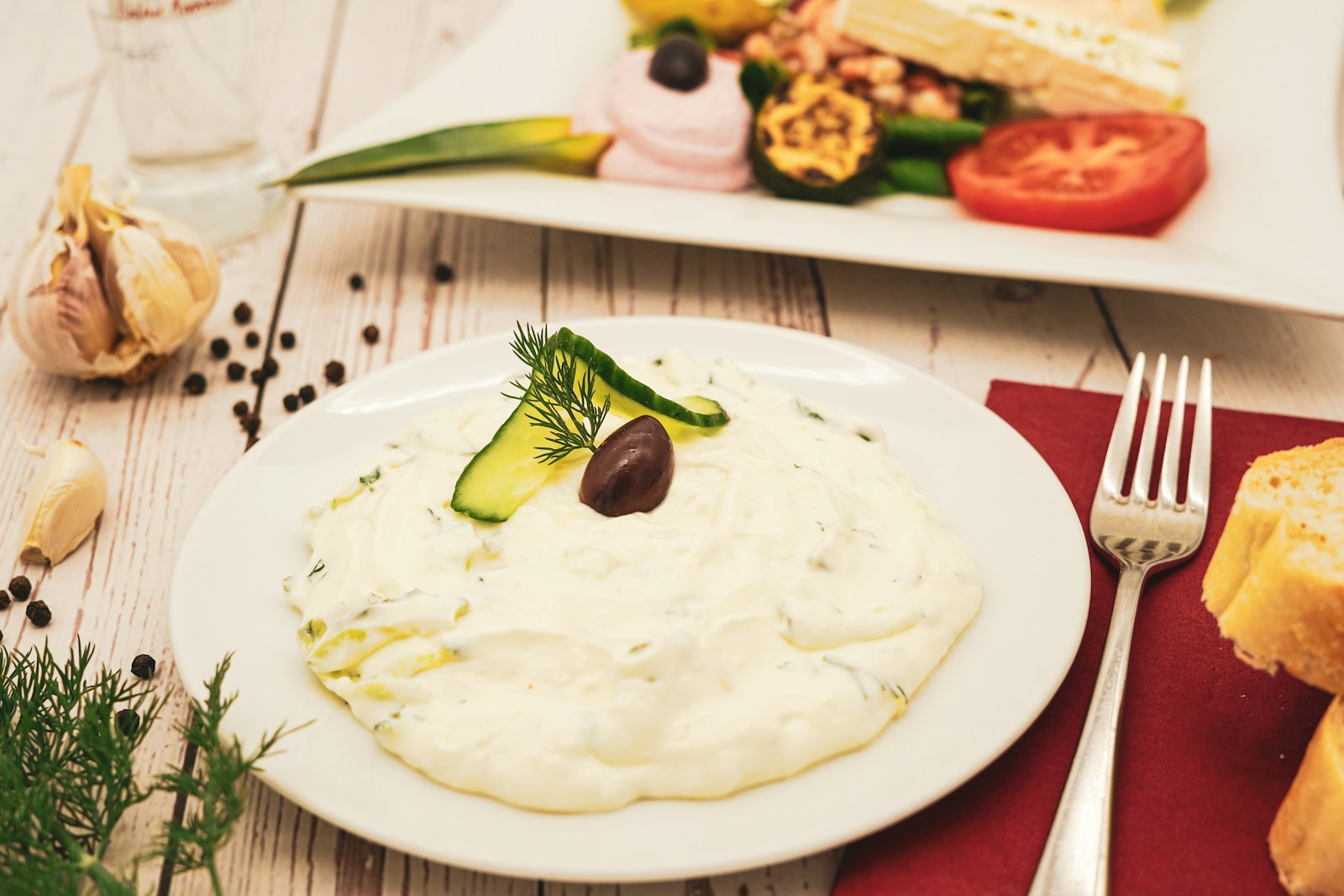
When appetite is low, small high-protein snacks may be more realistic than full plates. Your dietitian can help you find the sources and amounts that work for you.
“When appetite drops during chemo, I never start with a big meal plan. I start with one easy thing, like adding a scoop of Greek yogurt or a spoonful of nut butter to what you already eat. Then we set a gentle two-hour timer for small snacks, because eating by the clock tends to work better than waiting to feel hungry.” — Bridget Isaacs, MS, RD
Plant foods for color, fiber, and phytonutrients
When you can manage them, colorful plant foods add fiber, vitamins, and plant compounds that support overall health. Variety is the idea, but it doesn’t need to be perfect. A handful of berries in a smoothie or some soft cooked vegetables both count.
That said, raw produce and high-fiber foods are not always comfortable during treatment. If your gut is sensitive or your immune counts are low, cooked or blended versions may sit better. This is very individual, so it is worth sorting out with your care team.
Healthy fats and energy-dense options when appetite is low
When you can only eat small amounts, making each bite count helps. Energy-dense foods pack more calories into less volume, so you get more nourishment from less food.
Add olive oil, avocado, or nut butter to foods you already eat.
Choose full-fat dairy or fortified plant milks in smoothies and soups.
Stir cream, cheese, or a nutrition shake into soups, oatmeal, and mashed potatoes.
Small, frequent meals often work better than three large ones. Many people do well with five or six mini-meals a day, a strategy the National Cancer Institute suggests. Eating a little something every couple of hours can be easier than waiting for hunger that may not come.
Hydration and easy fluids
Staying hydrated helps with fatigue, constipation, and dry mouth, and it matters even when eating is hard. General guidance often lands around eight or more cups of fluid a day, though the right amount varies from person to person and symptom to symptom. Memorial Sloan Kettering suggests roughly eight to ten cups a day, plus an extra cup after each loose stool when diarrhea is a problem.
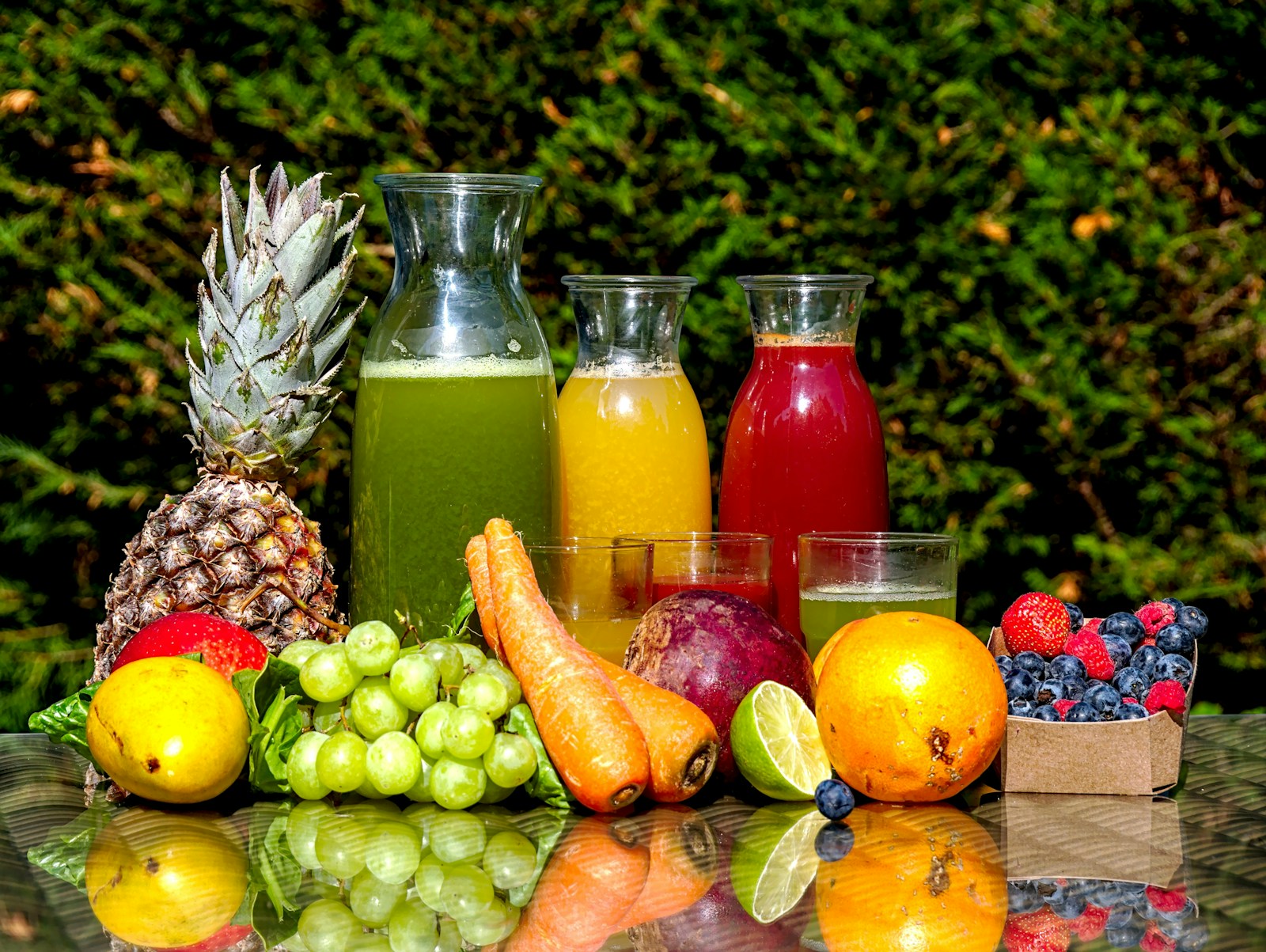
If plain water is unappealing, you have options.
Broths, herbal teas, and diluted juices.
Smoothies, milk, and nutrition shakes, which hydrate and add calories.
Popsicles, gelatin, and ice chips, which can be soothing.
If fullness is a problem, you may want to sip most of your fluids between meals rather than with them. Your dietitian can help you find a hydration routine that fits your symptoms.
How do you eat when treatment side effects get in the way?
This is where a symptom-by-symptom approach really helps. Instead of one rigid diet, you adjust based on what your body is doing today. Here are practical starting points for the most common challenges. Treat them as options to try, not rules to follow.
When you have no appetite
Low appetite is one of the most common and frustrating parts of treatment. When hunger disappears, waiting to feel like eating usually backfires.
Eat by the clock, aiming for something small every one to two hours.
Keep easy, ready-to-eat foods within reach so you do not have to cook.
Make small portions count with high-protein, energy-dense choices.
Drink some of your calories through smoothies or shakes if chewing feels like too much.
On the hardest days, eating something is better than eating nothing. A few crackers or a few sips of a shake still count.
“When a client tells me they can only stomach crackers, toast, and ginger ale, I tell them that is a win, not a failure. During treatment, the goal is getting calories and comfort in, not eating a perfect rainbow of vegetables. We can always add foods back as symptoms ease, so I would much rather you eat your few safe foods than nothing at all.” — Bridget Isaacs, MS, RD
When you feel nauseated
Nausea can make food smells and full meals unbearable. A few adjustments often help you keep eating through it.
Choose cold or room-temperature foods, which smell less strong than hot ones.
Try dry, starchy foods like crackers or toast, especially before getting out of bed.
Go easy on greasy, fried, and heavily spiced foods for now.
Meal timing around treatment is personal, as the American Cancer Society notes. Some people feel better with a light snack beforehand, while others prefer to hold off, so it can be worth experimenting to see what settles your stomach.
When food tastes different or metallic
A metallic or “off” taste is common, and it can make old favorites unappealing. Small swaps can make food taste more normal again.
Use plastic, glass, or bamboo utensils instead of metal ones.
Marinate meats, or swap them for poultry, fish, eggs, beans, or tofu if red meat tastes metallic.
Add tart or seasoned flavors, like herbs and citrus, if your mouth is not sore.
These tips are echoed across Memorial Sloan Kettering’s eating-well guidance. Taste changes usually ease over time, and your dietitian can help you find foods that taste good to you right now.
When you have mouth sores or trouble swallowing
Sore spots in the mouth or throat can make eating painful. Soft, soothing textures are your friend here.
Choose soft, moist foods like yogurt, oatmeal, scrambled eggs, and foods with gravy or broth.
Try cool or cold foods and ice chips, which can numb soreness.
Blend or puree meals so they are easier to swallow.
Ease up on acidic, spicy, salty, and crunchy foods until sores heal.
A gentle baking-soda-and-salt rinse may also help keep your mouth comfortable, as the National Cancer Institute describes. If swallowing feels unsafe or painful, tell your care team promptly.
What about foods to limit and food safety?
This section is not about “bad” foods. It is about comfort and safety during specific windows of treatment. Some foods may be worth limiting temporarily because of a symptom, and some extra precautions matter when your immune system is low. None of this is permanent, and none of it is about restriction for its own sake.
Food safety when your immune system is low
Some treatments lower your white blood cell counts, which can make it harder to fight off germs from food. During those periods, a few extra precautions lower your risk of foodborne illness.
Skip raw or undercooked items like sushi, raw fish, shellfish, and runny eggs.
Avoid unpasteurized dairy and juice, soft or blue cheeses, raw sprouts, and raw honey.
Cook meats to a safe temperature and refrigerate leftovers within about two hours.
Wash your hands for about 20 seconds before eating and cooking.
The American Cancer Society details these steps for times when your immune system is weakened. These precautions apply during low-count windows, so confirm with your oncology team when they apply to you. Outside those windows, your food choices may open back up.
Where supplements fit (and why to check first)
It is natural to wonder whether vitamins or supplements could help. The most important step is to tell your care team about anything you take or want to take, before and during treatment.
Some supplements can interact with treatment. High-dose antioxidants like vitamins C and E may reduce the effectiveness of some chemotherapy, the American Cancer Society notes, and some products can affect radiation or interact in ways that are not fully known. This does not mean all supplements are harmful. It means the decision belongs with your care team, who can weigh what is safe for your specific treatment. A dietitian can help you sort out what is worth taking and what is not.
How a registered dietitian personalizes your plan
Everything in this guide becomes far easier when someone helps you apply it to your real life. A registered dietitian does exactly that. Instead of a generic handout, you get a plan built around your treatment, your symptoms, your preferences, and your goals.
Working alongside your oncology team
A registered dietitian works alongside your oncologist and nurses, not instead of them. Your medical team manages your treatment. Your dietitian focuses on keeping you nourished and strong through it. Together, they help you get through treatment with fewer nutrition-related setbacks.
An oncology-focused dietitian can calculate your individual protein and calorie needs, adjust your plan as symptoms change, and troubleshoot problems as they come up. You can ask your oncology team for a referral, as the National Cancer Institute recommends. You can also explore Berry Street’s oncology nutrition care to learn how this support works.
What 1-on-1 care looks like, and how it’s often covered by insurance
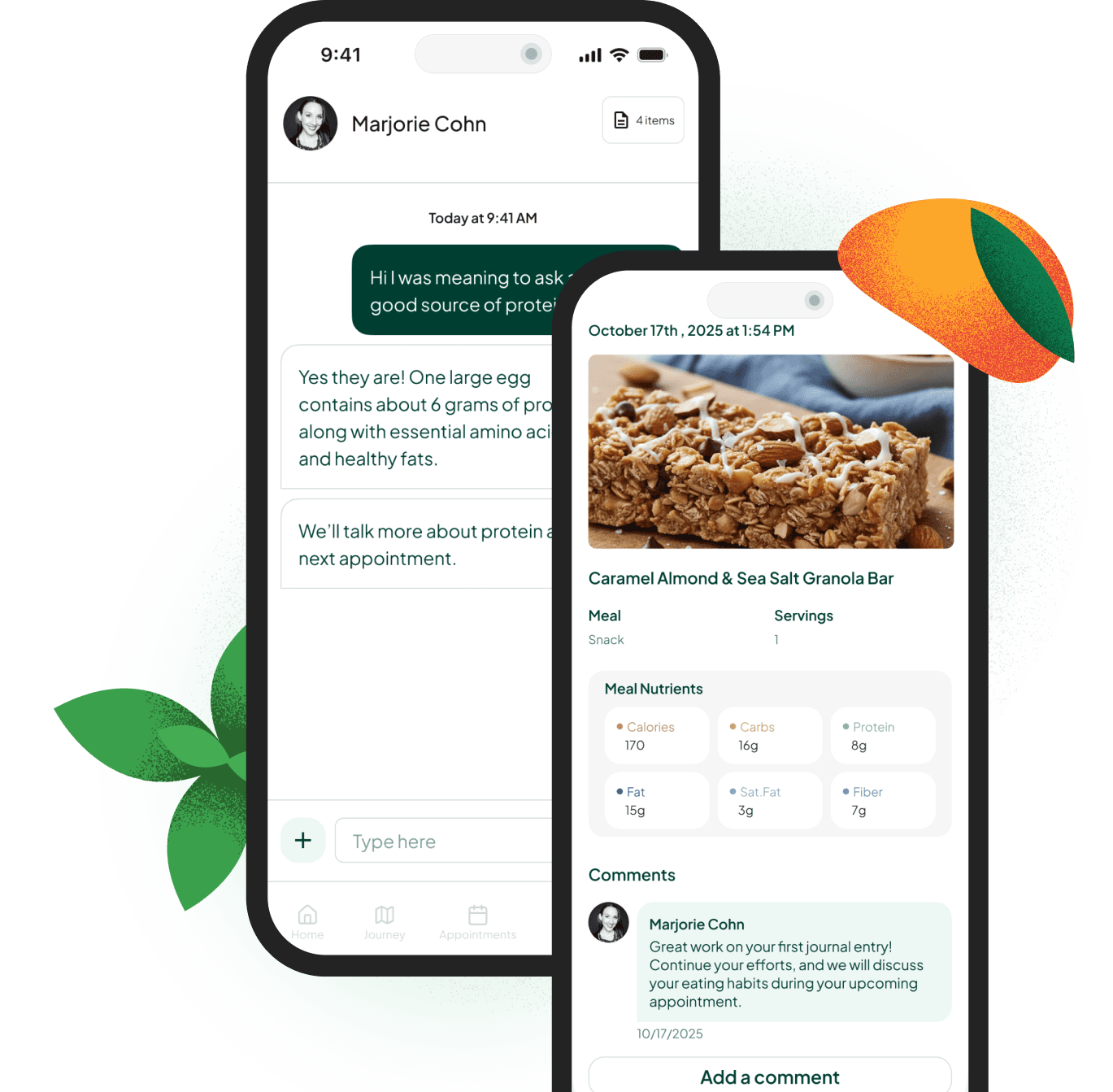
With Berry Street, care is fully virtual, so there is no commute and no waiting room. You meet your dietitian by video on your schedule, and you can message them between visits when a new symptom comes up. Your plan changes as your treatment changes.
This care is often more affordable than people expect. Berry Street is in-network with 1,250+ insurance plans, and 95% of members pay $0 with coverage. You can check your coverage through the booking flow in about a minute, with no commitment. You can also find an oncology dietitian in your state to see who is available.
Getting the right support during treatment
You do not have to figure out eating during treatment on your own. When food feels like a daily puzzle, an oncology-specialized dietitian can take that weight off your shoulders. They meet you where you are, adjust as you go, and remind you that eating something is always better than eating nothing.
If and when you feel ready, you can meet with a Berry Street oncology registered dietitian and see whether your insurance covers it. There is no rush and no pressure. You can also learn more about Berry Street’s oncology nutrition care or find an oncology dietitian in your state whenever the time is right.

Last Reviewed by Bridget Isaacs, MS, RD — August 2026.
Frequently Asked Questions
What should cancer patients eat when they have no appetite?
Focus on small, frequent, energy-dense foods rather than waiting to feel hungry. Try eating something every one to two hours, and lean on high-protein snacks or shakes when full meals feel like too much. On hard days, eating a little of a tolerated food is always better than eating nothing.
What foods help with nausea during chemotherapy?
Cold or room-temperature foods tend to help because they smell less strong than hot dishes. Dry, starchy foods like crackers or toast, eaten before getting out of bed, can also settle the stomach. Many people feel better going easy on greasy, fried, and heavily spiced foods for now.
What foods should you avoid during cancer treatment?
No food is universally off-limits during treatment. You may want to limit certain foods temporarily for comfort, such as acidic or spicy foods when you have mouth sores. During periods of low immune counts, your team may also advise avoiding raw or undercooked items, so confirm what applies to you.
How much protein does a cancer patient need during treatment?
People with cancer often need more protein than usual to help protect muscle and support healing. There is no single number that fits everyone, since needs depend on your body and treatment. A registered dietitian can calculate your individual target and help you reach it.
What can you eat when cancer treatment changes how food tastes?
If food tastes metallic, try plastic, glass, or bamboo utensils instead of metal ones. Swapping red meat for poultry, fish, eggs, beans, or tofu can help, and marinating or seasoning foods may make them taste better. Taste changes usually ease over time, and a dietitian can help you find appealing options.
Are vitamins or supplements safe to take during chemotherapy?
Always tell your care team about any supplements before and during treatment. Some, like high-dose vitamins C and E, may reduce the effectiveness of certain chemotherapy, and others can interact in unknown ways. This does not mean all supplements are harmful, but the decision should be made with your team.
What foods are safe if cancer treatment weakens your immune system?
During periods of low white blood cell counts, extra food-safety steps lower your risk of infection. That often means cooking meats fully, avoiding raw fish and undercooked eggs, and skipping unpasteurized dairy and soft cheeses. Confirm with your oncology team when these precautions apply, since they are tied to your counts.
How do you stay hydrated during chemotherapy?
Aim for regular fluids throughout the day, since guidance often lands around eight or more cups, though your needs vary. If plain water is unappealing, broths, diluted juices, smoothies, popsicles, and ice chips all count. If diarrhea is a problem, you may need extra fluid to replace what you lose.
Is there a recommended meal plan for someone in cancer treatment?
There is no single meal plan that works for everyone in treatment. The best plan adapts to your symptoms, preferences, and treatment schedule, and it changes as those change. A registered dietitian can build a personalized plan and adjust it with you over time.
When should a cancer patient see a registered dietitian?
Ideally, as early as possible, even before symptoms start, so you have support in place. It is also worth reaching out any time eating becomes difficult or your weight or strength changes. You can ask your oncology team for a referral or connect with an oncology-specialized dietitian directly.