Key Takeaways
IBD nutrition is about nourishment and symptom relief, not weight or restriction. No single “IBD diet” fits everyone.
Crohn’s and ulcerative colitis affect the gut differently, so eating needs vary by person and by disease stage.
During a flare, gentler, lower-fiber foods often feel better. In remission, you can rebuild fiber and variety.
Trigger foods are personal. The goal is finding yours, not cutting whole food groups for life.
A registered dietitian personalizes your plan and can help if fear of food has narrowed your diet.
If you live with Crohn’s disease or ulcerative colitis, figuring out what to eat with IBD can feel overwhelming. One source says avoid dairy. The next says load up on fiber.
Here is the honest truth. There is no single IBD diet that works for everyone, and that is not a personal failing. This guide walks through foods that tend to help, foods that may trigger symptoms, and how to eat through both flares and remission.
In 30 seconds: There is no one universal IBD diet. What helps depends on your condition, your symptoms, and whether you are in a flare or in remission. A registered dietitian can help you add foods back with confidence instead of cutting them out.
Why nutrition matters with IBD (and why there’s no single “IBD diet”)
Inflammatory bowel disease affects how your gut absorbs nutrients. Over time, that can lead to gaps in iron, vitamin D, B12, and other essentials, which a 2022 review in Nutrients documents in people with ulcerative colitis. Good nutrition helps you stay nourished, manage symptoms, and feel more like yourself.
Food does not cause IBD, and no meal plan cures it. What food can do is support your energy, protect against nutrient shortfalls, and reduce day-to-day discomfort. The Crohn’s & Colitis Foundation notes that needs shift depending on your symptoms and disease activity.
So when you see a rigid “IBD diet” online, be a little skeptical. Your gut, your history, and your triggers are yours alone. That is why personalization matters more than any universal food list.

Crohn’s vs. ulcerative colitis — how eating needs differ
Both conditions fall under IBD, but they behave differently. Crohn’s can affect any part of the digestive tract, from mouth to anus, and often reaches deeper into the intestinal wall. Ulcerative colitis stays in the colon and rectum.
Because Crohn’s can involve the small intestine, it more often affects how you absorb nutrients. That can raise the risk of deficiencies and, for some people, unintended weight changes. Ulcerative colitis tends to bring urgency, cramping, and blood loss that may affect iron levels.
These differences shape your plan. What soothes one person’s colitis may not fit another person’s Crohn’s, depending on your individual needs.
Triggers vs. inflammation: two different things food can do
It helps to separate two ideas that often get blended together. Inflammation is the underlying disease process, driven by your immune system. Triggers are foods that worsen your symptoms in the moment without necessarily driving the disease itself.
A food might make you feel bloated or crampy during a flare, yet cause no problem in remission. That does not make it a “bad” food. It means the food may trigger symptoms for you at certain times.
Understanding this split keeps you from over-restricting. You can respond to symptoms without labeling foods as permanently off-limits.


What to eat with IBD
There is no magic menu, but some patterns tend to support people with IBD. The goal here is adding nourishing foods, not shrinking your plate. Think variety, adequacy, and foods that agree with you right now.
Below are food groups worth building around. As always, adjust based on your symptoms and work with a dietitian to personalize the details.
Anti-inflammatory foods to add (omega-3s, well-cooked produce, soluble fiber)
Certain foods may help support a calmer gut environment. A 2022 review in Nutrients points to anti-inflammatory dietary patterns as a promising support for people with ulcerative colitis. Adding these foods is a gentle place to start.
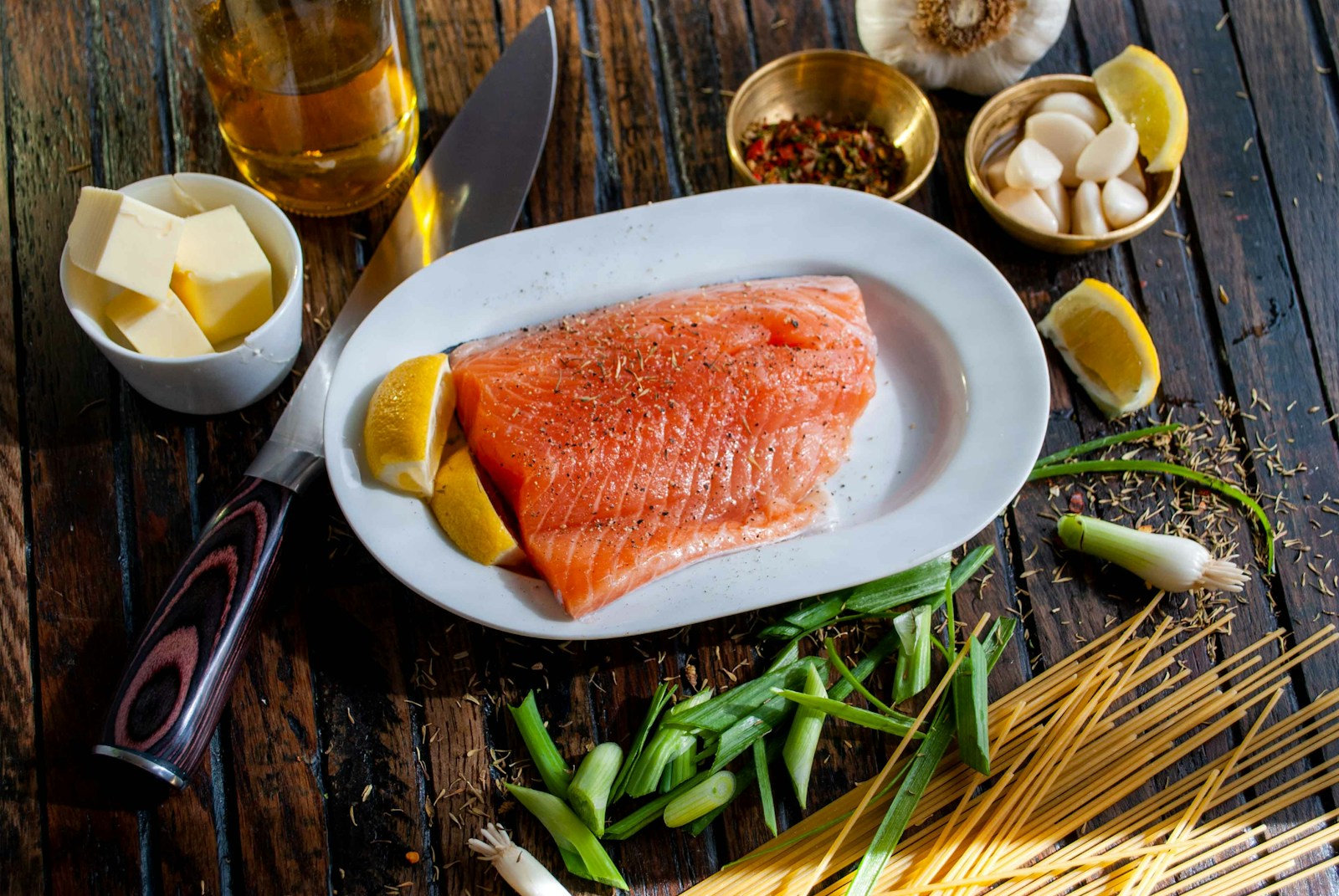
Omega-3 sources: salmon, sardines, walnuts, and ground flaxseed. Evidence for omega-3s in IBD is mixed, so treat them as a nourishing addition rather than a proven treatment.
Well-cooked produce: peeled, steamed, or roasted vegetables that are easier to digest than raw ones.
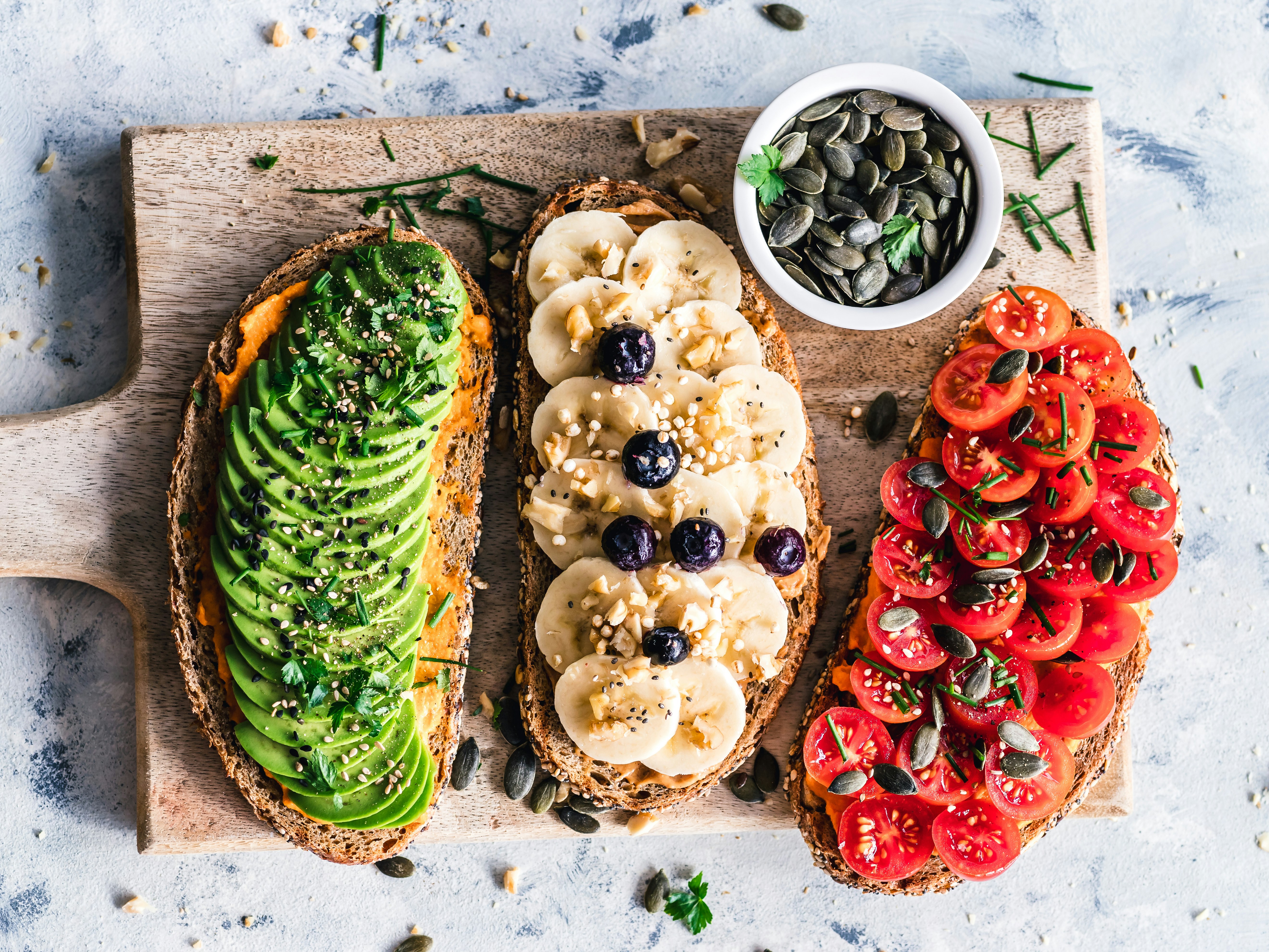
Soluble-fiber foods: oats, bananas, and cooked carrots, which tend to be gentler than rough, insoluble fiber.
Lean proteins: eggs, poultry, tofu, and fish to help you meet protein needs and recover.
You do not need every food on this list. Start with a few that appeal to you and see how you feel.
Understanding fiber — type, texture, and portion
Fiber is not one single thing, and that matters with IBD. Soluble fiber dissolves in water and forms a soft gel, which many people tolerate well. Insoluble fiber adds roughage and can feel harsh during active flare.
Texture and portion count too. A large raw salad and a small serving of well-cooked squash both contain fiber, but they feel very different in an inflamed gut. Cooking, peeling, and blending can make fiber easier to handle.
International guidance from the IOIBD, echoed in a more recent 2022 review in Nutrients, suggests adjusting fiber during active symptoms while limiting ultra-processed foods more broadly. In plain terms, you may limit rough fiber during a flare, then rebuild it later.
Is the Mediterranean diet good for IBD?
The Mediterranean pattern comes up often, and for good reason. It emphasizes vegetables, fruit, whole grains, olive oil, fish, and legumes. That mix lines up well with the anti-inflammatory foods described above.
Research summarized in the Nutrients review suggests this pattern may support people with IBD. Still, it is a framework, not a prescription. Some components, like raw salads or beans, may trigger symptoms for some people during flares.
The takeaway is being flexible is important. You can borrow the spirit of the Mediterranean diet and adapt textures and portions to what your gut tolerates today.
Foods that may trigger symptoms — and why “avoid” isn’t a universal list
You have probably seen long lists of foods to “avoid with IBD.” The problem is that these lists treat every gut the same. In reality, triggers are personal and often shift over time.
Some foods more commonly cause trouble during flares, and it is fair to be mindful of them. The Crohn’s & Colitis Foundation lists patterns many people find harder to digest when symptoms are active. Notice the word “many,” not “all.”
Common personal triggers (and how to find yours)
Some foods are reported more often than others, which makes them worth watching. This is a starting point for observation, not a permanent ban list.
High-insoluble-fiber foods: raw vegetables, skins, seeds, and popcorn during active symptoms.
Lactose-containing dairy: milk and soft cheeses, which bother some people and not others.
Fried or very fatty foods: which can feel heavy on an inflamed gut.
Sugar alcohols and carbonation: sorbitol, sweetened drinks, and fizzy beverages that may add gas.
The most reliable way to find your triggers is a simple food and symptom journal. Note what you ate, how you felt, and any patterns over a couple of weeks. A dietitian can help you read those patterns without cutting more than you need to.
A note on restriction, fear, and your relationship with food
Living with IBD can make eating feel scary. When one meal seems to spark a flare, it is natural to want to avoid anything risky. Over time, though, that instinct can shrink your diet to just a handful of “safe” foods.
This matters because people with IBD face a higher risk of disordered eating, including avoidant and restrictive patterns. Severe restriction can lead to weight loss, nutrient gaps, and real anxiety around meals. If your food list keeps getting shorter, that is a sign to reach out for support, not to try harder alone.
“When someone has narrowed down to five or six safe foods, I never start by pushing new foods. We start by making sure they are eating enough, because under-eating makes everything feel worse. Then we add one gentle food at a time, in a form we expect to go down easily, so their nervous system learns that eating can feel safe again.” — Bridget Isaacs, MS, RD
A registered dietitian can help you widen your options at a pace that feels manageable. You can learn more about working with an IBD dietitian and what that kind of support looks like.
How to eat during a flare vs. in remission
Your plan is not fixed. What helps during a flare often differs from what helps in remission, and that is exactly how it should work. Eating with IBD means adjusting as your body changes.
Eating during a flare (bland, low-fiber, small frequent meals)
During an active flare, the aim is comfort and adequate intake. Gentler, lower-fiber foods tend to be easier on an irritated gut. The Crohn’s & Colitis Foundation suggests softer, well-cooked options during this window.
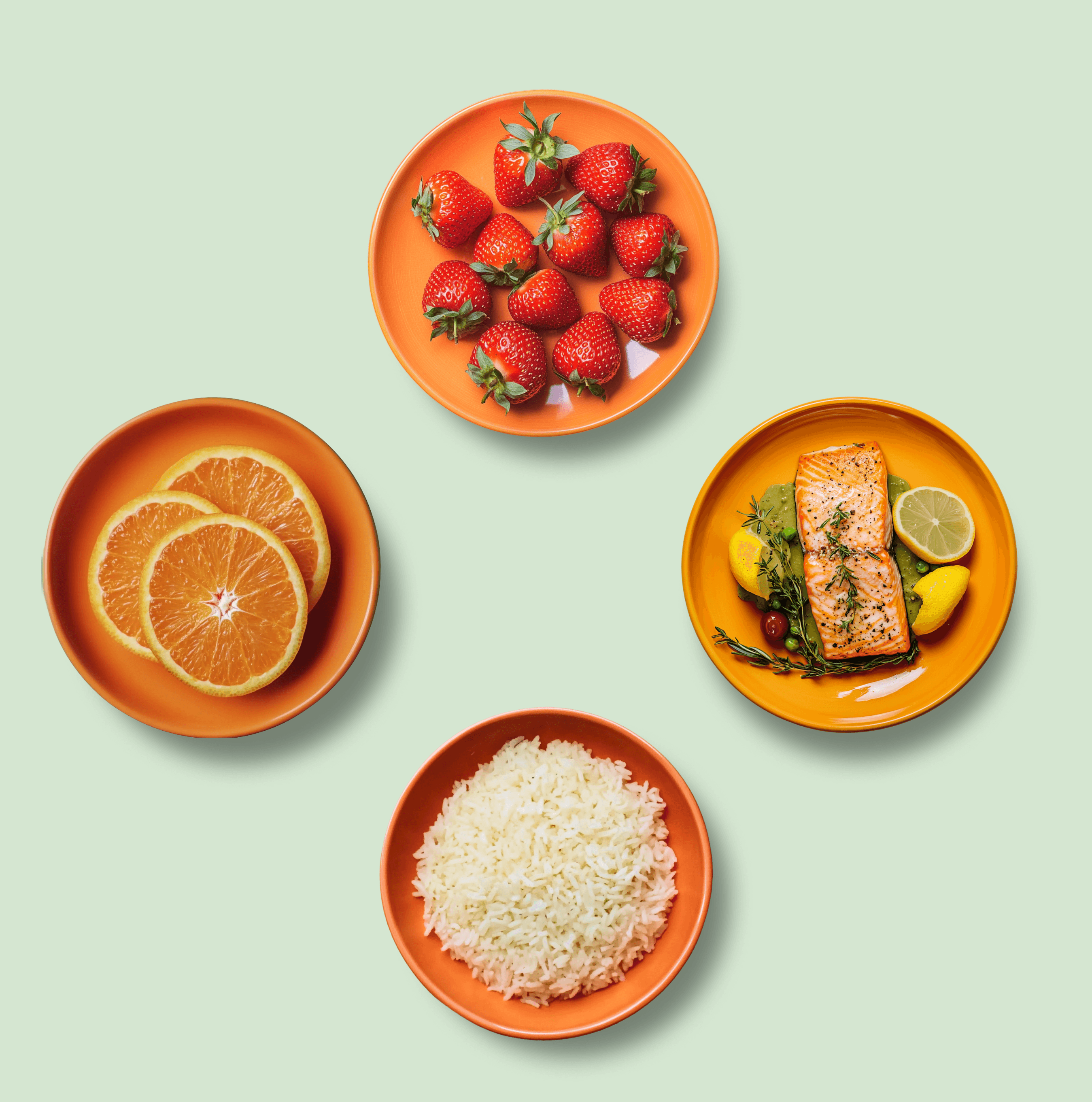
Lower-fiber staples: white rice, refined pasta, and white toast.
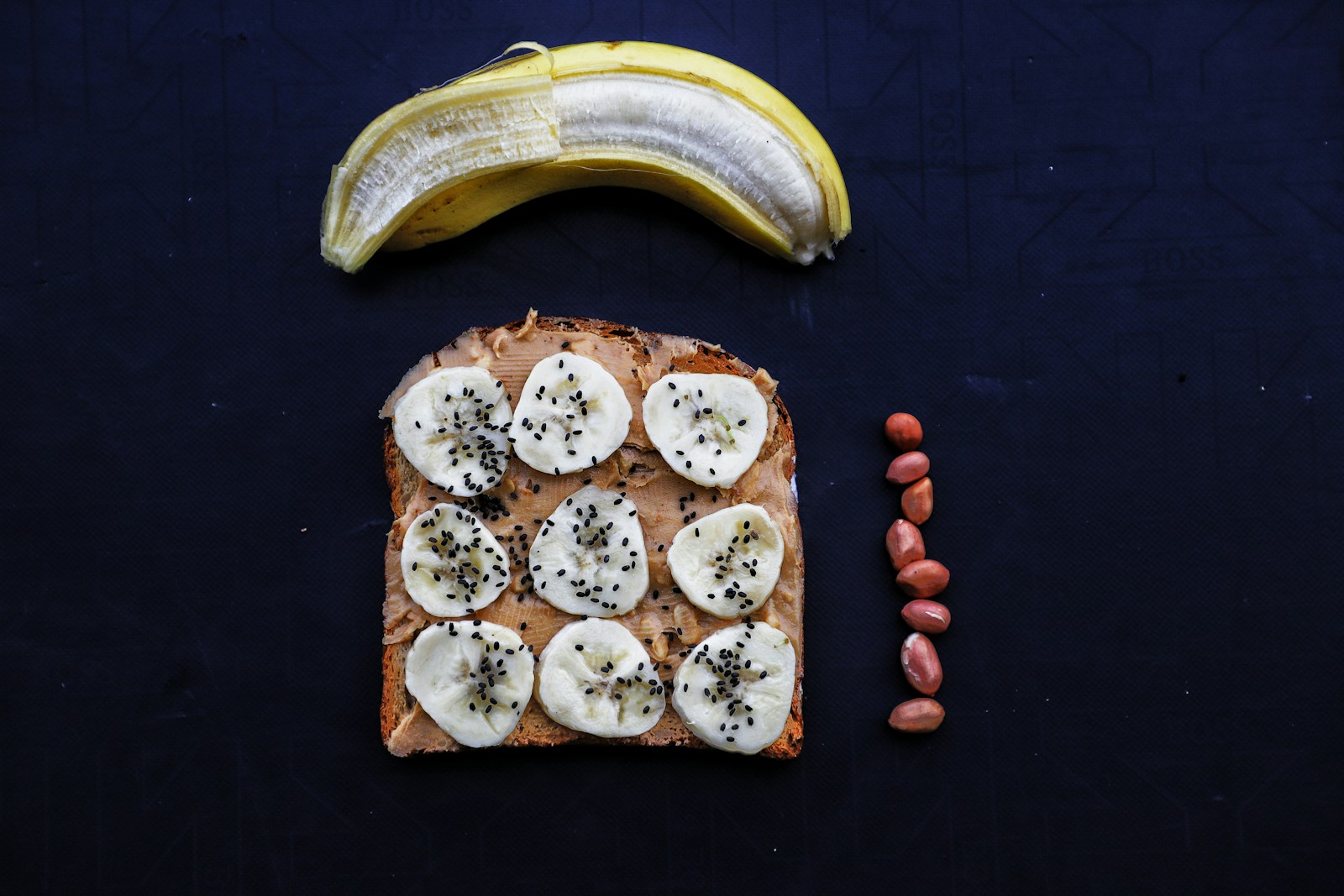
Well-cooked, peeled produce: applesauce, ripe bananas, and soft squash.
Gentle proteins: eggs, smooth nut butters, and tender fish or poultry.
Small, frequent meals: which are often easier to tolerate than large ones.
These changes are temporary. You are meeting your body where it is, not eating this way forever. Staying hydrated matters too, since flares can cost you a lot of fluid.
Rebuilding variety in remission
When symptoms settle, you can slowly widen your plate again. Remission is the time to reintroduce fiber, color, and the foods you missed. This is where nourishment and variety come back into focus.
“Coming out of a flare, I tell clients to think ‘one new thing at a time, and give it a few days.’ We usually start with soluble fiber like oats or cooked carrots before rougher raw foods, and we adjust texture first, blended or well-cooked, before jumping to portion size. If something does not sit well, that is information, not a failure.” — Bridget Isaacs, MS, RD
For a practical starting structure, this sample colitis meal plan shows one way to lay out a week. Use it as inspiration, then adapt it to your own tolerance and preferences.
When clinical nutrition (EEN/PEN) comes in — and who guides it
Sometimes food alone is not enough, especially with severe Crohn’s. In these cases, clinicians may use exclusive enteral nutrition (EEN), a liquid formula that provides complete nutrition. Partial enteral nutrition (PEN) combines formula with some regular food.
These approaches are medical therapies, not DIY plans. They are prescribed and monitored by your care team, often including a registered dietitian and your gastroenterologist. If your doctor raises EEN or PEN, a dietitian helps you carry it out and protect your nutrition.
How a registered dietitian personalizes your IBD nutrition plan
A generic food list cannot know your triggers, your labs, or your life. A registered dietitian can. Working with an RD means your plan reflects your condition, your symptoms, and your goals rather than a one-size-fits-all template.
Dietitians are licensed medical professionals trained to manage conditions like IBD. They work alongside your doctor, not instead of them. Together, they help you eat enough, fill nutrient gaps, and respond to flares with a plan you trust.
What working with a Berry Street RD looks like
At Berry Street, you meet with a registered dietitian over video, on your schedule. Your dietitian gets to know your history, then builds a plan around your real triggers and preferences. Some of our providers live with IBD themselves and bring that lived experience to care.
Cost is often less of a barrier than people expect. In fact, 95% of Berry Street members pay $0 with insurance. When you get started, you can check your coverage and get matched with a dietitian in about 60 seconds, with no commitment.
If and when you feel ready, you can Start Today and get matched with a dietitian who fits your needs. There is no rush. Support is here whenever the timing feels right for you.
Frequently Asked Questions
What foods should you avoid with ulcerative colitis or Crohn’s?
There is no universal avoid list, because triggers are personal and often change over time. During flares, many people find raw vegetables, high-fat fried foods, and lactose harder to tolerate, though your experience may differ. A dietitian can help you identify your own triggers without cutting more than you need to.
What should I eat during a Crohn’s or colitis flare?
During a flare, gentler, lower-fiber foods are often more comfortable. Think white rice, refined pasta, ripe bananas, applesauce, eggs, and well-cooked, peeled produce, eaten in small, frequent meals. These changes are temporary and meant to keep you nourished while your gut is irritated.
What foods help calm inflammation in IBD?
Anti-inflammatory foods worth adding include omega-3 sources like salmon and walnuts, well-cooked vegetables, and soluble fiber from oats and cooked carrots. Research in Nutrients suggests these patterns may support people with IBD. No single food is a cure, so focus on overall balance and variety.
Is the Mediterranean diet good for ulcerative colitis?
The Mediterranean pattern emphasizes vegetables, whole grains, olive oil, fish, and legumes, which aligns well with anti-inflammatory eating. Research suggests it may support people with ulcerative colitis. Treat it as a flexible framework, and adjust textures and portions to what your gut tolerates during flares.
How is eating with Crohn’s different from eating with ulcerative colitis?
Crohn’s can affect any part of the digestive tract and often involves the small intestine, so nutrient absorption and deficiencies are a bigger focus. Ulcerative colitis stays in the colon and rectum, where urgency and blood loss can affect iron levels. Because the conditions behave differently, your plan should be tailored to your individual needs.
Can you eat fruits and vegetables with IBD?
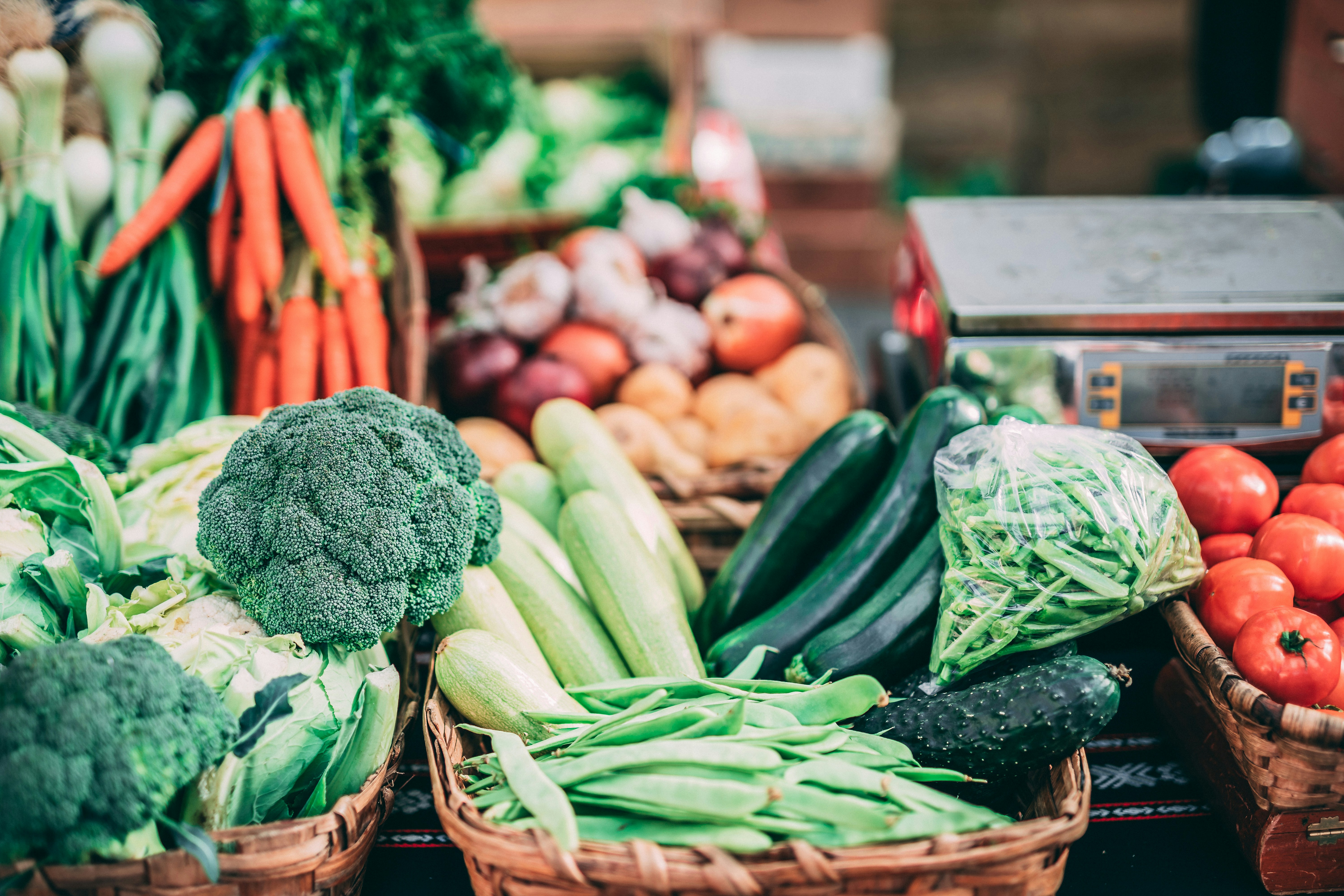
Yes, and for most people, produce stays an important part of eating well with IBD. The difference is often in the preparation, so peeled, well-cooked, canned, or blended fruits and vegetables tend to be gentler than raw ones during active symptoms. In remission, many people can rebuild toward more variety and texture at their own pace.
Is dairy off-limits with Crohn’s or ulcerative colitis?
No food is off-limits by default, and dairy is not universally a problem. Some people are sensitive to lactose, especially during a flare, while others tolerate it just fine. If dairy seems to bother you, lactose-free options or naturally lower-lactose foods like hard cheese and yogurt may still let you keep calcium and protein in your diet.
What should I drink during an IBD flare?
Staying hydrated is a priority during a flare, since diarrhea can cost you a lot of fluid and electrolytes. Water, broth, and oral rehydration drinks are usually well tolerated, while very sugary, carbonated, or caffeinated drinks bother some people. If you are struggling to keep fluids down, that is worth flagging to your care team.
Should I follow a low-fiber or high-fiber diet with IBD?
It depends on where you are with your symptoms rather than one fixed rule. Lower-fiber, well-cooked foods often feel better during a flare, while remission is usually the time to rebuild fiber gradually. A dietitian can help you match the type, texture, and amount of fiber to how your gut is doing right now.
Can a dietitian help if fear of food has narrowed what I eat?
Yes, and this is one of the most common reasons people with IBD reach out. A registered dietitian can help you make sure you are eating enough first, then reintroduce foods one at a time at a pace that feels safe. You do not have to figure this out alone, and reaching for support is a strength, not a setback.
Last Reviewed by Bridget Isaacs, MS, RD — August 2026.