Key Takeaways
Depression is one of the most common health conditions in the world, affecting about 322 million people, or roughly 5.2% of adults, according to the World Health Organization.
What you eat can influence how you feel, but food is one input among many. Nutrition supports your mental health alongside therapy, medication, and your care team. It does not replace them.
The gut and brain communicate in both directions. Distinct gut microbe patterns are associated with depression and anxiety, though whether they cause these conditions is still unresolved.
Whole-food eating patterns have more consistent support than any single food or supplement, and the goal is steadier, more nourishing habits, not restriction or dieting.
A registered dietitian who specializes in mental health translates this research into personalized, non-restrictive changes that fit your real life, and most Berry Street members pay $0 with insurance.
Feeling low, anxious, or foggy can make even simple meals feel like too much. Many people sense that food and mood are connected but do not know what to actually do about it, especially without falling into another round of rules and restriction.
The short answer is that nutrition and mental health are genuinely linked, in real but nuanced ways. What you eat can help steady your energy, support your brain, and give you a foundation to feel more like yourself.
This guide walks through what the research shows, where the science is still uncertain, and how a registered dietitian helps you use nutrition to support your mental health without dieting or counting anything. Everything here is general education. Your needs are personal, so it helps to work with a dietitian to tailor any changes to your life and history.
In 30 seconds: What you eat can influence how you feel, and diet quality is consistently associated with mood. The strongest evidence supports whole-food eating patterns rather than any single food or supplement. A registered dietitian helps you turn that science into doable habits that work alongside, never instead of, your mental health care.
What’s the connection between nutrition and mental health?
The link between nutrition and mental health runs deeper than “eat well, feel better.” Your brain is an energy-hungry organ that depends on a steady supply of nutrients to make neurotransmitters, manage inflammation, and regulate stress hormones. When eating is inconsistent or nutrient-poor, those systems can feel the strain.
That does not mean food causes or cures mental illness. It means diet is one input among many, alongside sleep, movement, genetics, relationships, and clinical care. For some people, steadier eating noticeably supports mood. For others, the effect is smaller. Both experiences are valid.
A 2022 review in Frontiers in Nutrition summarizes a growing body of work connecting diet quality with mental health, while emphasizing that individual responses vary. The encouraging part is that even if diet is only one piece, it is a piece you can work on with support, at your own pace.
The gut–brain axis, explained simply
You may have heard the gut called your “second brain.” The gut and brain do communicate constantly through what scientists call the gut-brain axis, a two-way signaling network that runs through nerves, hormones, immune messengers, and the trillions of microbes living in your digestive tract.
According to a 2025 review in Nature Mental Health, distinct gut microbial patterns are associated with depression, anxiety, and other conditions. Here is the honest boundary. That same review states that whether this relationship is causal, correlative, or a mix “remains unresolved.”
In plain terms, scientists are still studying whether gut changes contribute to symptoms, reflect them, or both. It is an exciting area, and it is not settled science. A related fact often gets oversimplified. Around 95% of your body’s serotonin is produced in the gut, and gut microbes help regulate how your body processes tryptophan, the building block of serotonin.
That sounds like a direct line from food to mood, but there is a catch. Serotonin made in the gut does not cross the blood-brain barrier, so eating tryptophan-rich foods does not directly raise the serotonin in your brain. Any effect on mood appears to be indirect, through gut-brain signaling that researchers are still mapping.
Nutrients your brain relies on (omega-3s, B vitamins, vitamin D, iron, magnesium, zinc)
Several nutrients play supporting roles in how your brain functions. It helps to understand them with realistic expectations, because no single nutrient is a treatment for depression or anxiety.
Omega-3 fatty acids support brain cell structure and help regulate inflammation. The evidence for supplements is genuinely mixed. Fatty fish like salmon and sardines are a food-first source many people can build in.
B vitamins, especially folate and B12, are involved in making neurotransmitters. They are found in leafy greens, legumes, eggs, and, for B12, animal foods or fortified options.
Vitamin D has receptors throughout the brain and is linked with mood in observational studies. Levels vary a lot by season, skin tone, and where you live.
Iron carries oxygen and supports energy. Low iron can look and feel like low mood or fatigue, which is one reason a dietitian may suggest checking labs.
Magnesium is involved in stress-hormone regulation and the serotonin system. Leafy greens, nuts, seeds, and legumes are practical sources.
Zinc supports immune and brain function and is found in shellfish, meat, legumes, and seeds.
The theme here is variety, not perfection. Getting these nutrients from a colorful, balanced plate is a low-risk starting point for most people. If a supplement makes sense for your labs or intake, that is a decision to make with a professional rather than off a wellness headline.

Blood sugar, energy, and mood stability
One of the most practical connections between food and mood has nothing to do with a specific nutrient. It is about timing and balance. When you go long stretches without eating, your blood sugar can dip, leaving you shaky, irritable, foggy, or anxious.
Building meals that combine protein, fiber-rich carbohydrates, and healthy fats helps your energy stay steadier through the day. For many people, simply eating regularly, rather than skipping meals and then overeating later, smooths out the peaks and crashes that can amplify stress and low mood.
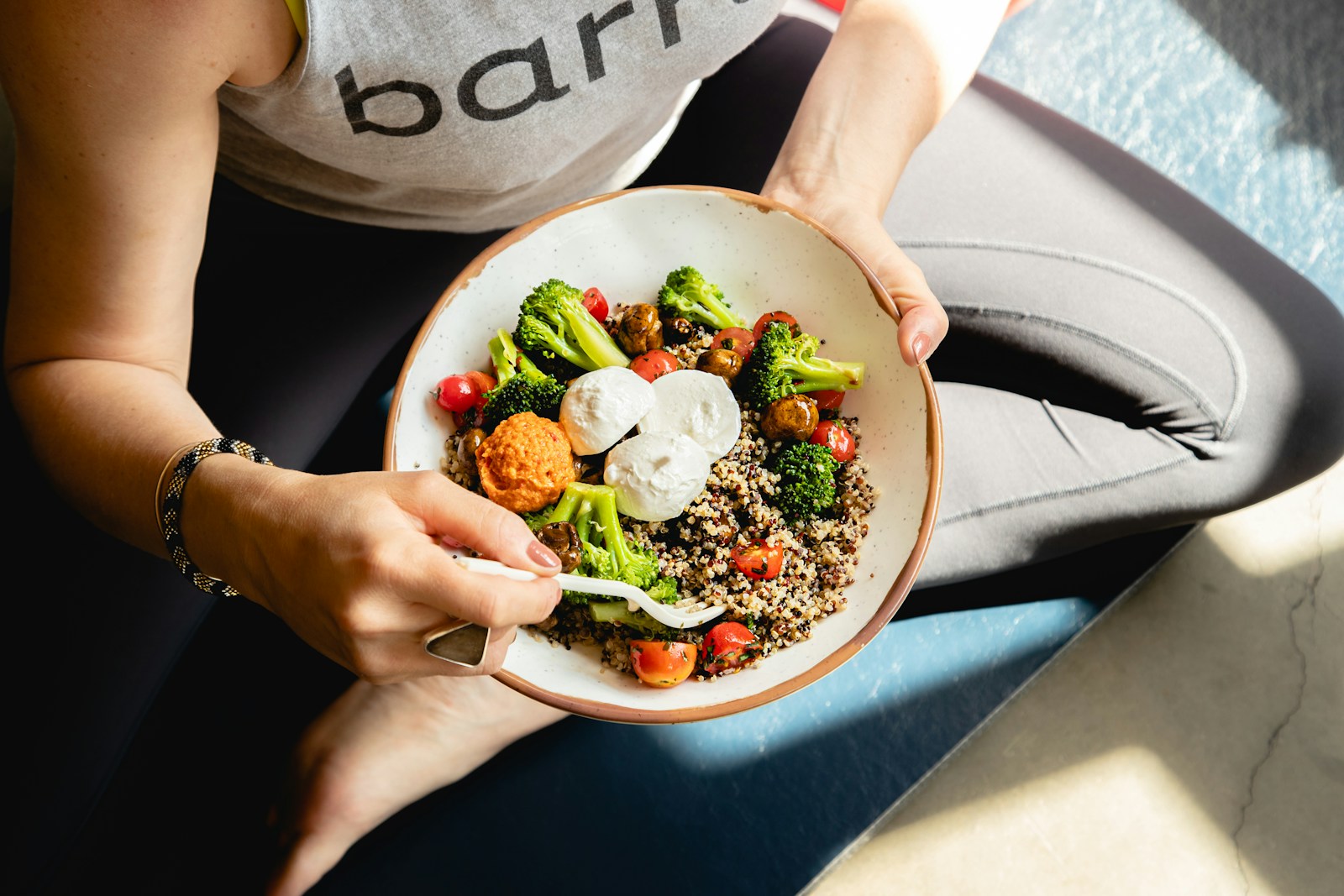
This is not about rigid meal timing or rules. It is about noticing whether long gaps leave you running on empty, and building in gentle, consistent fuel that works for your schedule.

Can food really affect depression and anxiety?
This is the question most people want answered honestly, without hype in either direction. The research is promising and still developing, so it deserves a measured answer.
What the research does — and doesn’t — say
The most cited study here is the SMILES trial, a 2017 randomized controlled trial in which adults with major depression who received support to improve their diet saw greater reductions in depressive symptoms than a comparison group. It was a landmark result because it was one of the first randomized trials to test diet as a treatment.
It is also important to keep it in perspective. The trial was small, and later reviews describe the overall evidence as promising but modest, with effects that vary from person to person. A broader review in Frontiers in Nutrition reaches a similar conclusion, that diet quality is consistently associated with mental health, while cautioning against overstating the size of the effect.
Researchers also look at overall patterns. Higher intake of ultra-processed foods has been associated with a higher risk of anxiety and depression in large observational studies. This is an association, not proof of cause, and it is not about labeling any food “bad.” It is about noticing your overall pattern and, where it helps, building more meals you enjoy around whole foods most of the time.
“When a client comes in feeling low or anxious and asks what they should eat, I never hand them a brand-new diet. We pick one meal to start with, usually breakfast, and add a protein and a piece of fruit. Small, repeatable wins build the kind of consistency that actually supports mood, without turning food into one more thing to feel overwhelmed by.” — Bridget Isaacs, MS, RD
Why nutrition supports, not replaces, mental-health treatment
Here is the most important framing in this whole article. Nutrition is a supportive tool. It works best alongside therapy, psychiatry, and medication, and it is never a substitute for them.
No food, supplement, or eating pattern cures depression or anxiety. Anyone promising that is overselling. What good nutrition can do is give your brain and body a steadier foundation, which can make the rest of your care easier to engage with.
If you are already working with a therapist or psychiatrist, adding a dietitian complements that team. If you are not, a dietitian can still help, and they will encourage you to loop in the right clinical support when it is needed. You can learn more about how Berry Street approaches mental health nutrition care and where it fits in a broader plan.
What does a mental health dietitian actually do?
People often picture a dietitian handing over a strict meal plan. A mental health dietitian works very differently. Their job is to meet you where you are and help you build a sustainable, personalized relationship with food that supports how you feel.
A personalized assessment (not a meal plan handed to you)
The first visit is a conversation, not a lecture. A registered dietitian asks about your history with food, your mood and energy patterns, your schedule, your budget, any medical conditions, and what has and has not worked for you before.

From there, they help you set realistic, individual goals. There is no one-size-fits-all plan, because what steadies one person’s mood may not fit another person’s life at all. The assessment is the foundation for changes that are actually doable for you.
Building consistent, doable eating patterns
Once you have a picture of where you are, the work is gentle and incremental. Instead of an overhaul, a dietitian helps you add small, repeatable habits, like a protein-rich breakfast, a fiber-rich lunch, or a plan for the days when cooking feels impossible.
Consistency matters more than perfection. A dietitian helps you find the version of “eating regularly” that fits your energy and routine, so the habits stick long after the first few motivated weeks.
Working alongside your therapist, psychiatrist, or care team
Mental health care works best as a team effort. Research on the role of dietitians in mental health services, including a 2023 study in the Journal of Human Nutrition and Dietetics, highlights both the value dietitians add and the importance of integrating them with other providers.
In practice, that means your dietitian coordinates with your broader care rather than working in a silo. They can flag nutrition-related factors that affect mood, support side-effect management for some medications, and reinforce the goals you are working on elsewhere, always in support of your existing clinicians.
Addressing emotional eating and your relationship with food
Food is not only fuel. It is also comfort, culture, and a way many of us cope with stress. A mental health dietitian helps you understand emotional eating without shame, and build a steadier, more flexible relationship with eating.
That might mean moving away from guilt-and-restriction cycles and toward a more trusting, intuitive approach to food. The goal is not willpower. It is a set of tools and a relationship with eating that supports you, especially on hard days.
“When someone tells me they eat to cope with stress, I don’t try to take that away from them. We get curious about what the food is doing for them in that moment, and we add other supports around it. Building a steadier relationship with eating happens alongside their therapy and their care team, not in place of it.” — Bridget Isaacs, MS, RD
Everyday nutrition habits that support mental well-being
You do not need a rigid plan to support your mental health through food. These are flexible starting points. Adjust them to your energy, budget, and preferences, and remember that what helps most varies from person to person.
Eat regularly to steady energy and mood
Long gaps between meals can leave you shaky, irritable, and foggy. Aim for regular meals and snacks that work for your day. For many people, eating something within a couple of hours of waking helps set a steadier tone.
Build a gut-friendly, fiber-rich plate
Fiber from vegetables, fruit, whole grains, legumes, nuts, and seeds feeds the microbes involved in the gut-brain axis. Variety matters more than any single “superfood,” so aim for a range of plant foods across the week rather than chasing one perfect ingredient.

Prioritize protein and omega-3s
Protein at meals helps steady energy and supports the building blocks your brain uses. Including omega-3 sources like fatty fish a couple of times a week, or plant sources like walnuts, chia, and flax, is a food-first way to cover this base without relying on supplements.
Small, sustainable swaps over restriction
The most durable changes are additive, not subtractive. Instead of cutting foods out, add more of what helps. Notice patterns rather than aiming for perfection, because what you eat most days matters far more than any single meal. Consistency beats extremes every single time.
Registered dietitian vs. nutritionist for mental health support
When you are looking for nutrition help, the titles can be confusing. The distinction genuinely matters, especially for something as important as your mental health.
Why credentials matter (RDN training and scope)
A Registered Dietitian Nutritionist, or RDN, is a licensed medical professional with years of clinical training, supervised practice, and national credentialing. They are qualified to provide medical nutrition therapy and to work as part of a clinical care team.
The term “nutritionist,” by contrast, is not protected in every state, so it can be used by people with very different levels of training. That is not a knock on everyone who uses the title, but it does mean credentials are worth checking. A Certified Nutrition Specialist (CNS) is a provider with an advanced credential that is protected in some states. Every Berry Street provider is a registered dietitian or CNS, which is a deliberate standard for delivering evidence-based care.
When to see a dietitian vs. another provider
A registered dietitian is the right fit when your questions center on food, eating patterns, nutrition-related symptoms, or your relationship with food. They work alongside, not instead of, other providers.
If you are dealing with depression, anxiety, or trauma, a therapist or psychiatrist addresses the psychological and medical side, while a dietitian supports the nutrition side. For many people, the most effective plan includes both, each provider doing what they are trained to do.
Getting started with a mental health dietitian
Taking the first step is often the hardest part, so it helps to know what to expect and how straightforward it can be.
How Berry Street matches you with a specialist
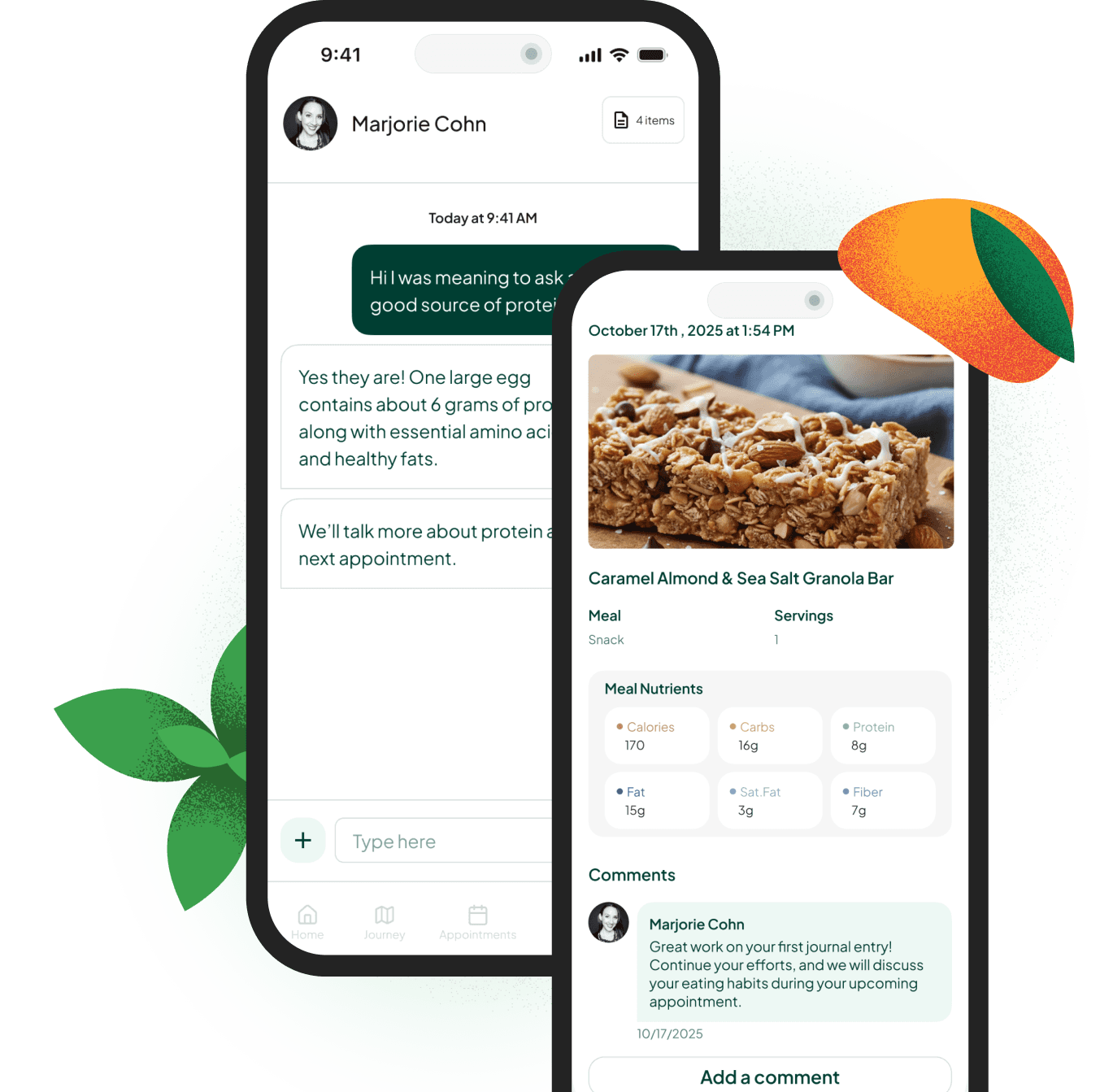
At Berry Street, care is fully virtual, so there is no commute and no waiting room. We match you with a registered dietitian who specializes in your goals and health history, and you can book video visits on your schedule.

Cost is usually the first worry, so we make it clear up front. Berry Street is in-network with 1,250+ insurance plans, and 95% of members pay $0. You can check your coverage and connect with a dietitian in about 60 seconds, with no commitment. Nutrition works best as part of your broader mental health care, so keep your existing providers in the loop as you get started.
If you are in crisis or thinking about harming yourself, please contact the 988 Suicide and Crisis Lifeline by calling or texting 988 in the US.
Frequently Asked Questions
Can a dietitian help with mental health?
Yes, as part of your care team. A registered dietitian helps you build steadier, more supportive eating habits and addresses nutrition-related factors that can affect mood and energy. They work alongside your therapist or physician, never as a replacement for mental health treatment.
How does nutrition affect mental health?
Your brain relies on a steady supply of nutrients and energy to make neurotransmitters, manage inflammation, and regulate stress. Diet quality is consistently associated with mood, though the effect varies from person to person. It is one meaningful input among many, including sleep, movement, and clinical care.
What foods help with depression and anxiety?
There is no single “best” food. Research most strongly supports whole-food patterns rich in vegetables, fruit, legumes, whole grains, olive oil, and fish, rather than any one ingredient. Focus on overall balance and consistency, and personalize it to your needs with a dietitian.

What does a mental health dietitian do?
They start with a personalized assessment of your history, goals, and eating patterns, then help you build doable, sustainable habits. They also coordinate with your broader care team and support your relationship with food. The work is collaborative, not a strict meal plan handed to you.
Can changing your diet improve depression symptoms?
It may help. In the SMILES randomized trial, adults with major depression who improved their diet saw greater symptom reductions than a comparison group, though the trial was small and later evidence is best described as promising and modest. Diet is a supportive tool that works best alongside your mental health care.
How are gut health and mental health connected?
The gut and brain communicate in both directions through the gut-brain axis, and certain gut microbe patterns are associated with depression and anxiety. However, a 2025 review in Nature Mental Health notes that whether the gut microbiome causes these conditions remains unresolved. It is a promising research area, not settled science.
Which nutrients are most linked to mood?
Omega-3s, B vitamins like folate and B12, vitamin D, iron, magnesium, and zinc all play supporting roles in brain function. No single nutrient treats depression or anxiety, and needs vary by individual. Getting them from a varied, balanced diet is a low-risk starting point for most people.
Does sugar affect anxiety and mood?
Large swings in blood sugar, which can come from going long stretches without eating and then overdoing quick carbohydrates, can leave some people feeling shaky, irritable, or anxious. This is about balance and timing, not labeling sugar as “bad.” Pairing carbohydrates with protein, fiber, and fat helps steady your energy.
Should I see a dietitian or a therapist for emotional eating?
Often both, working together. A therapist addresses the emotional and psychological side, while a dietitian helps you understand emotional eating without shame and build a steadier relationship with food. For many people, that combined approach is the most effective.
Is nutrition counseling for mental health covered by insurance?
It depends on your plan. With Berry Street, 95% of members pay $0 because we are in-network with 1,250+ plans, and you can check your specific coverage in about 60 seconds with no commitment. Because coverage varies, it is worth confirming your own benefits before you start.
What is nutritional psychiatry?
Nutritional psychiatry is an emerging field that studies how diet and nutrition influence mental health, as covered by the American Psychological Association. It looks at how eating patterns may support mood and cognition. The research is developing, so it is best seen as a complement to established mental health care, not a replacement.
How long does it take for diet changes to improve mood?
This varies a lot from person to person, and the evidence on exact timing is limited. Some people notice steadier energy within a couple of weeks of eating more regularly, while broader changes take longer. Rather than chasing a fixed timeline, focus on consistent habits and track how you feel with your dietitian.
Last Reviewed by Bridget Isaacs, MS, RD — October 2026.