Key Takeaways
A strict, lifelong gluten-free diet is the only proven treatment for celiac disease, according to the National Institute of Diabetes and Digestive and Kidney Diseases (NIDDK).
Gluten hides in wheat, barley, rye, and triticale, plus relatives like spelt, farro, and semolina, so the label matters more than the food group.
The daily gluten most people with celiac can tolerate is tiny — roughly 10 to 50 mg, a fraction of a single slice of bread — so regularly going over that can harm the small intestine.
A gluten-free diet can quietly lower fiber, iron, folate, and B vitamins, so what you add back matters as much as what you remove.
Gluten-free is medically necessary for celiac disease. It is not a wellness trend, a cleanse, or a weight-loss plan.
If you or someone you love was recently diagnosed, a celiac disease diet can feel like one long list of “no.” The instruction you keep hearing is simple: go gluten-free. That part is true. A strict gluten-free diet is the only proven treatment for celiac disease. But “just avoid wheat” is where many people get stuck, because it misses hidden gluten in everyday products, cross-contact in your own kitchen, and the quiet nutrient gaps a gluten-free diet can create over time.
This guide is registered-dietitian-led and built around what is safe, satisfying, and sustainable, not around fear. You will leave with a clear “avoid” list, a longer “yes” list, and a plan to protect your nutrition along the way.
In 30 seconds: With celiac disease, your immune system reacts to gluten and damages the small intestine, so the fix is a strict, lifelong gluten-free diet. That means avoiding wheat, barley, rye, and triticale, plus the hidden gluten and cross-contact most people overlook. You still have a full plate of naturally gluten-free foods to enjoy, and a dietitian can help you keep it balanced.
Why is gluten off the table with celiac disease (and how little it takes)?
Gluten is a protein found in certain grains. For most people it passes through without any trouble. With celiac disease, it does not, and that difference is why a gluten-free diet is treatment rather than a preference.
What does gluten do to the small intestine in celiac disease?
Celiac disease is an autoimmune condition. When you eat gluten, your immune system responds by attacking the lining of your small intestine, specifically the tiny, finger-like villi that absorb nutrients from your food.
Over time, that damage flattens the villi and makes it harder to absorb what you eat. This is why untreated celiac disease can lead to symptoms like fatigue, diarrhea, and nutrient deficiencies. Removing gluten lets the intestinal lining heal, which is the core reason a gluten-free diet is the standard treatment, according to a 2021 review in the journal Nutrients.
How much gluten is too much?
Less than you might expect. According to research summarized by Harvard Health, the daily amount most people with celiac disease can tolerate is very small, on the order of 10 to 50 mg. Staying under that helps protect the small intestine, and regularly going over it can cause damage.
To put that in perspective, a single slice of regular wheat bread contains roughly 2,000 mg of gluten. So the tolerable daily amount is a small fraction of one bite. That is why “mostly gluten-free” does not work for celiac disease, and why crumbs and trace amounts get so much attention. This is not about a food being dangerous or toxic. It is simply that your body cannot process this specific protein without harm.

Celiac disease vs. gluten sensitivity vs. wheat allergy — why the “avoid” list differs
These three conditions get grouped together, but they are not the same, and the reason you avoid gluten shapes how strict you need to be.
Celiac disease is an autoimmune reaction. Even trace gluten can damage the small intestine, so the diet is strict and lifelong.
Non-celiac gluten sensitivity can cause real symptoms without the autoimmune damage. Tolerance varies from person to person.
Wheat allergy is an immune reaction to wheat proteins specifically, not to barley or rye, and it can involve allergy symptoms like hives.
If you are still sorting out which one you have, our guide to making sense of food sensitivities walks through the differences in more detail. A clear diagnosis matters, because it determines how much you actually need to avoid.
What are the obvious foods to avoid with celiac disease?
Start with the sources you can see coming. These are the grains that always contain gluten and the everyday foods made from them.
Which grains always contain gluten?
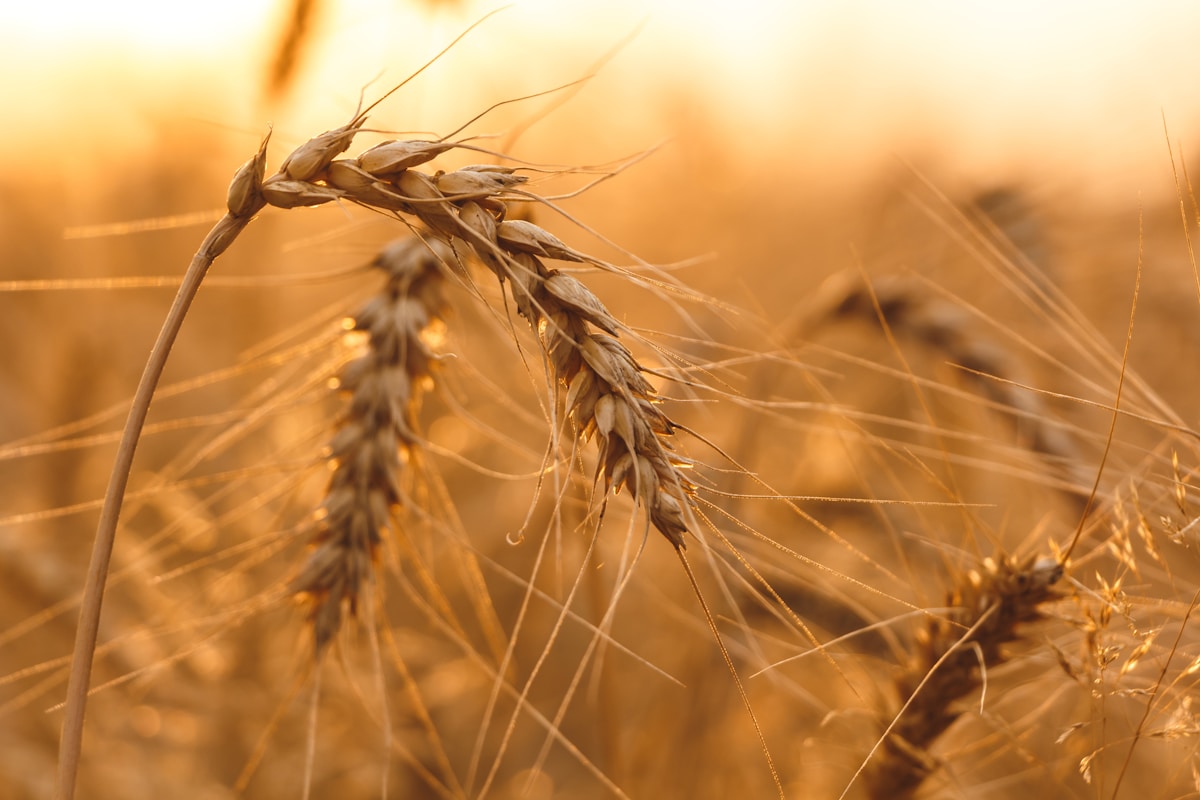
Four grains contain gluten by definition: wheat, barley, rye, and triticale (a wheat-rye hybrid). The NIDDK includes these as the grains to avoid on a gluten-free diet.
The tricky part is that wheat wears many names. All of the following are forms of wheat and contain gluten:
Spelt
Farro
Kamut
Semolina
Durum
Emmer
Seeing “organic,” “ancient grain,” or “multigrain” on a package does not make a product gluten-free. If any of these words appear in the ingredients, the food contains gluten.
Everyday products made from them
Once you know the grains, the product list follows. The most common gluten-containing foods include:
Breads, rolls, tortillas, and most baked goods like cookies, cakes, and pastries
Pasta, couscous, and many noodles
Most breakfast cereals, crackers, and pretzels
Most beer, since it is typically brewed from barley
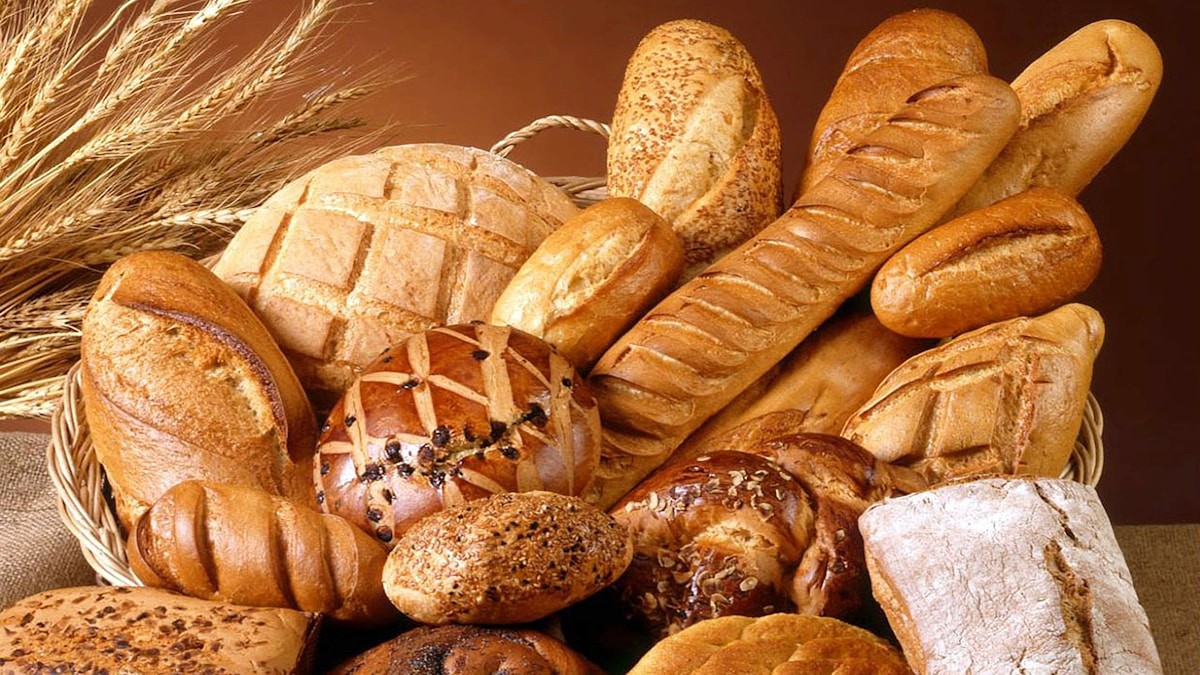
None of these are off-limits forever in the sense of “gone.” Gluten-free versions of nearly all of them exist, from pasta to bread to beer. The goal is to swap, not to simply subtract.
What are the hidden sources of gluten most people miss?
This is where a celiac disease diet gets genuinely tricky. Gluten shows up as an ingredient, a thickener, or a coating in foods that do not look like bread at all. Reading labels is your best tool here.
Sauces, gravies, soy sauce, dressings, and soup bases
Wheat flour is a common thickener, so it hides in places you would not think to check. Watch for:
Gravies and cream sauces thickened with flour
Standard soy sauce, which is usually brewed with wheat
Many salad dressings, marinades, and condiments
Canned soups, bouillon cubes, and soup bases
Easy swaps keep these on your plate. Tamari labeled gluten-free replaces soy sauce, and cornstarch or a certified gluten-free flour thickens a sauce just as well.
Processed and deli meats, seasonings, and flavored snacks
Gluten can be used as a binder or filler, so it turns up in savory processed foods too. Check labels on:
Deli meats, sausages, hot dogs, and imitation seafood
Seasoning blends, spice mixes, and marinades
Flavored chips, flavored nuts, and seasoned snack mixes
Plain versions are often naturally gluten-free. Whole cuts of meat, unseasoned nuts, and simple corn tortilla chips are usually safe choices, though the label still has the final say.
Oats and the cross-contamination question
Oats are naturally gluten-free, but they are frequently grown, harvested, and processed alongside wheat, which means standard oats can pick up gluten along the way. For this reason, only certified gluten-free oats are recommended for celiac disease.
The good news is that most people with celiac disease tolerate moderate amounts of certified gluten-free oats without a problem. A small number of people react to oats themselves, so it is worth introducing them carefully and checking in with your dietitian about how they sit with you.
Medications, supplements, and other surprises
Gluten can appear as a binder in pills and capsules, and in places most people never scan. A few worth a second look:
Prescription and over-the-counter medications
Vitamins and supplements
Lip balm and lipstick, which can be ingested in small amounts
Play dough and craft supplies, which matter for kids and caregivers
You do not need to panic over every product. Ask your pharmacist about your specific medications, and choose supplements labeled gluten-free when you can.
What is cross-contact, and why does it matter?
Cross-contact happens when a gluten-free food touches gluten, even without any gluten ingredient in the recipe. Because so little gluten can cause harm, this step protects all the careful shopping you just did. The NIDDK recommends keeping gluten-free food separate from gluten-containing food during prep and cooking.
At home (shared toasters, cutting boards, utensils, fryers)
Your own kitchen is the easiest place to fix. Common sources of cross-contact include:
A shared toaster, where crumbs transfer to gluten-free bread
Cutting boards, colanders, and wooden utensils that hold onto residue
A shared jar of butter, peanut butter, or jam with a used knife
A deep fryer that also fries breaded foods
Simple habits handle most of it. A dedicated toaster or toaster bags, separate condiment jars, and washing shared tools before use go a long way in a mixed household.
Eating out and traveling
Restaurants add variables you cannot see, so a little planning helps. Call ahead, look for a dedicated gluten-free menu, and tell your server it is a medical need rather than a preference.
Ask how food is prepared, especially whether fried items share oil with breaded foods. When you travel, packing a few safe snacks means you are never stuck without an option. Eating out with celiac disease is absolutely doable, and it gets easier with practice.
What can you actually eat — building a naturally gluten-free plate?
Here is the part that often gets lost in the “avoid” lists. A huge share of everyday food is naturally gluten-free, no special label required.
Whole foods that are naturally gluten-free
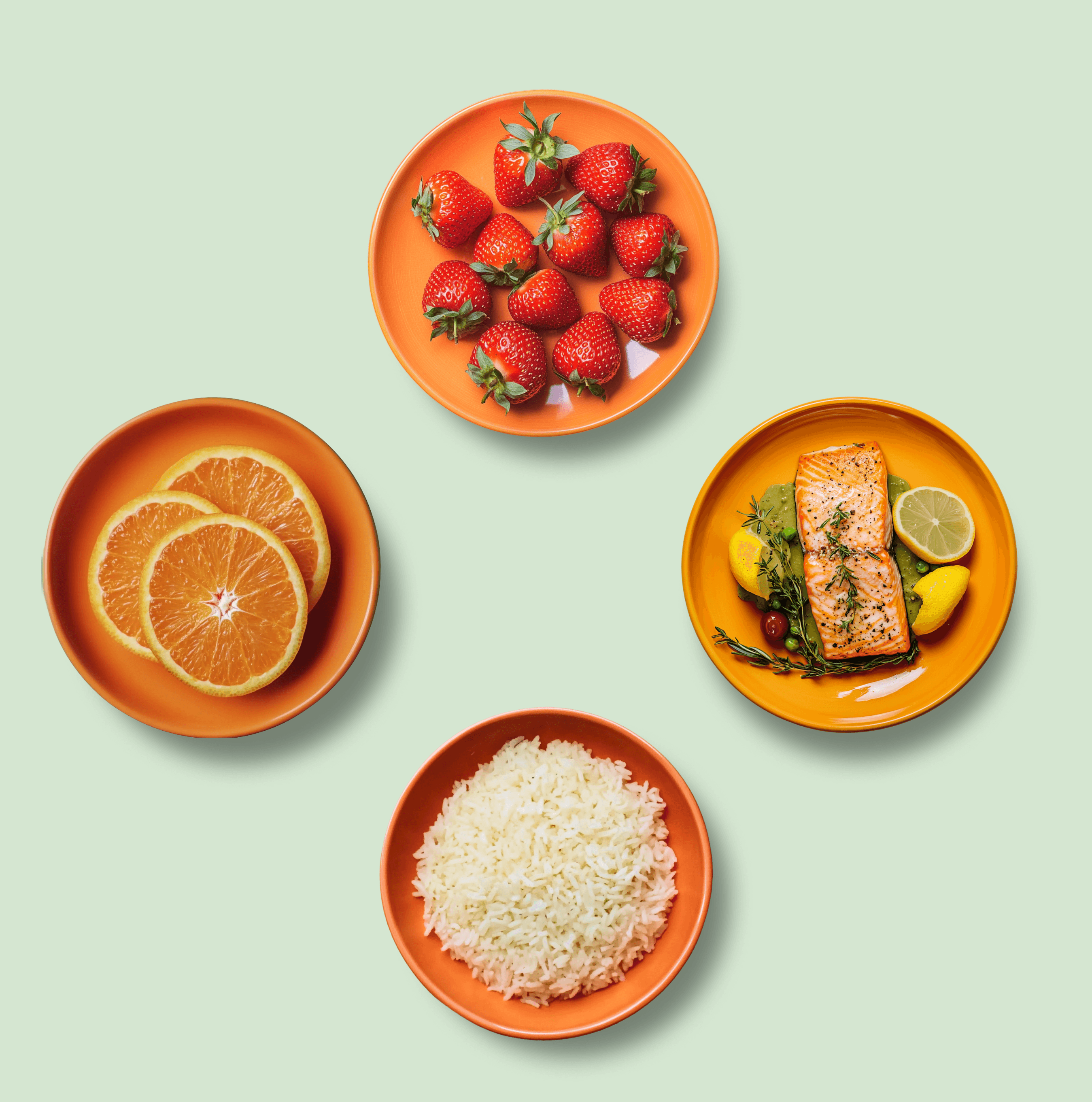
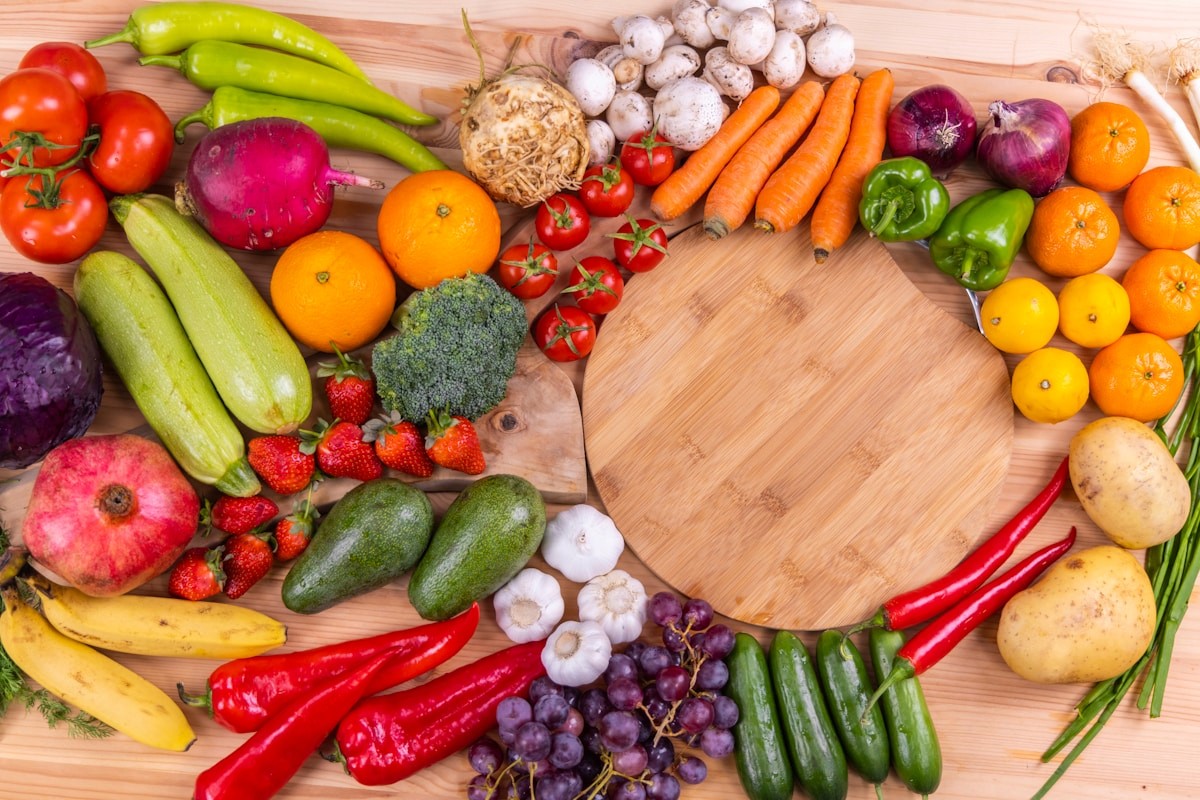
Most single-ingredient whole foods contain no gluten at all. The NIDDK points to naturally gluten-free staples like meat, fish, fruits, vegetables, and rice, and the same holds for other whole foods:
Meat, poultry, and fish that are fresh and unbreaded
Eggs
Beans, lentils, nuts, and seeds
Fruits and vegetables
Most plain dairy, like milk, plain yogurt, and cheese
Build your plate around these first, and the diet starts to feel like abundance rather than restriction.
Safe grains and starches
You do not have to give up grains, either. Plenty are naturally gluten-free and make satisfying bases for meals:
Rice
Quinoa
Corn and cornmeal
Buckwheat (which, despite the name, contains no wheat)
Millet
Certified gluten-free oats
These cover breakfast bowls, grain salads, stir-fries, and sides without a second thought.
Reading labels and the “gluten-free” (under 20 ppm) standard
In the United States, the FDA gluten-free labeling rule means a product labeled “gluten-free” contains less than 20 parts per million (ppm) of gluten, the threshold considered safe for most people with celiac disease. When a packaged food carries that label, it has met this standard.
For anything without the label, scan the ingredients for wheat, barley, rye, and their relatives. Packaged foods that contain wheat must say so, which makes label-reading faster once it becomes a habit. If you want a done-for-you starting point, our gluten-free diet plan is a practical next step for turning these lists into actual meals.
What nutrition gaps can a gluten-free diet create — and how do you avoid them?
Removing gluten solves the celiac problem, but it can create a new one if you are not deliberate. Many gluten-containing products are fortified with vitamins and minerals, and their gluten-free replacements often are not.
Fiber, iron, folate, and B vitamins to watch
A gluten-free diet can run low in several nutrients. A 2021 study in the journal Nutrients found that adults on a gluten-free diet often fall short on fiber, iron, folate, and B vitamins, partly because refined gluten-free products replace fortified wheat ones.
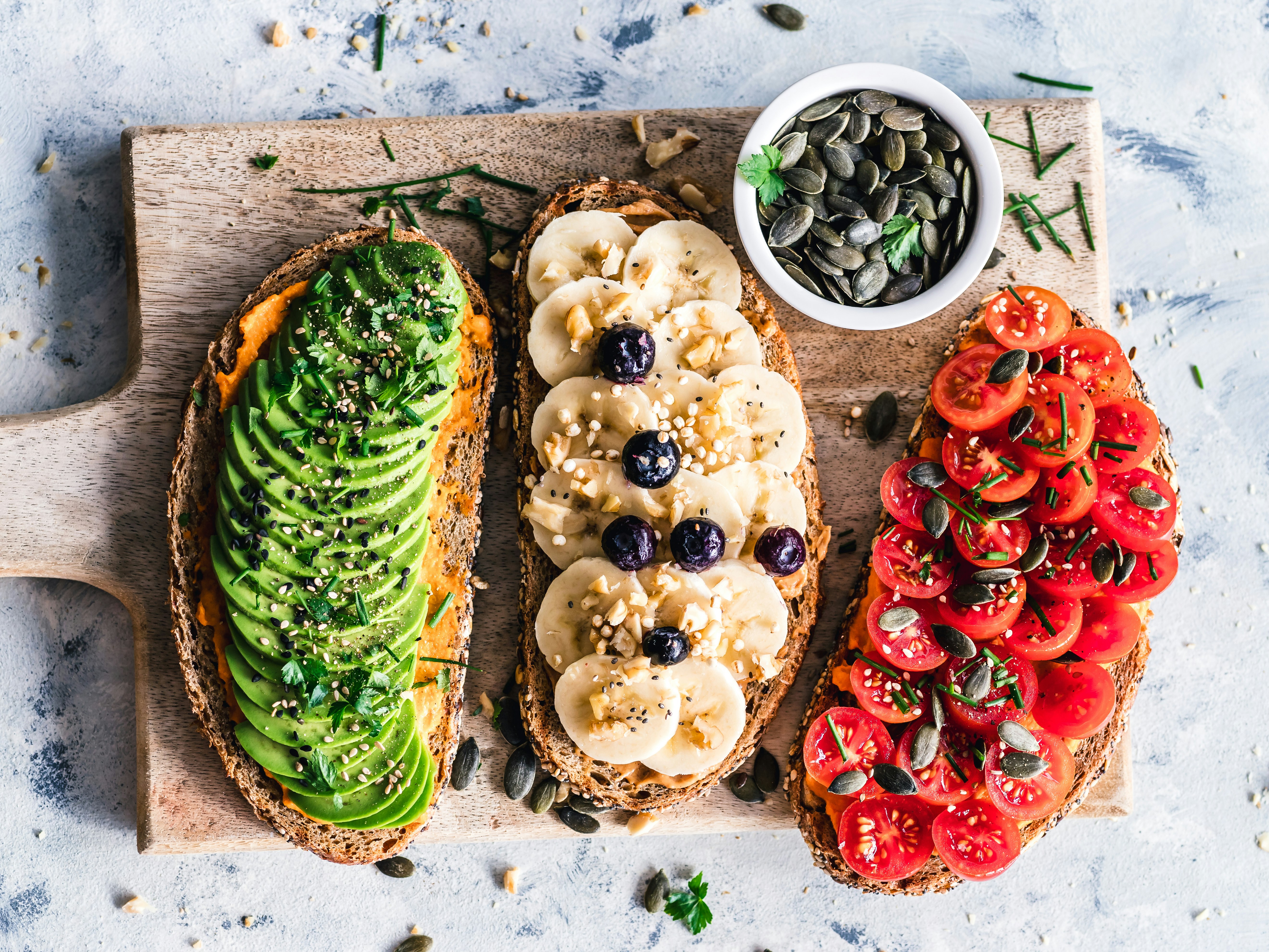
You can close most of these gaps with food. Reach for naturally nutrient-dense, gluten-free choices like beans, lentils, quinoa, brown rice, nuts, seeds, leafy greens, and fortified gluten-free cereals when you can find them.
“Once we take out wheat, barley, and rye, the first things I watch are fiber, iron, folate, and the B vitamins, because so many gluten-free swaps are made from refined starches that skip the fortification. My go-to fixes are food first: beans and lentils for fiber and iron, quinoa or buckwheat in place of white rice, leafy greens and citrus for folate, and a fortified gluten-free cereal when someone likes cereal. If your labs still show a gap after a few months, that is when we talk about a targeted supplement rather than guessing.” — Bridget Isaacs, MS, RD
Why “gluten-free” doesn’t mean “healthier” (and the cost factor)
This is worth saying plainly. Gluten-free is medically necessary for celiac disease, but it is not automatically healthier for people without the condition. A gluten-free cookie is still a cookie.
There is a practical cost, too. That 2021 Nutrients review notes that gluten-free products are often more expensive and can be lower in fiber and micronutrients than their conventional counterparts. If you do not have celiac disease or a diagnosed reason to avoid gluten, there is no evidence that cutting it out improves your health, and it may cost you more for less nutrition.
How does a registered dietitian personalize this?
A dietitian turns a general “avoid gluten” instruction into a plan that fits your body, your budget, and your routine. Berry Street offers specialized celiac disease nutrition support for exactly this reason. The NIDDK specifically recommends working with a dietitian to build a healthy, complete gluten-free diet, and this is where personalization matters most.
“When someone is newly diagnosed and feeling buried by everything they suddenly can’t eat, I flip the conversation. We start with what is already safe and already loved: the eggs at breakfast, the rice bowl at lunch, the fruit they snack on, and we build meals out from there instead of staring at a list of restrictions. I would rather someone have five gluten-free dinners they genuinely look forward to than a perfect plan they dread, because the diet that works is the one that actually fits your life.” — Bridget Isaacs, MS, RD
Every person’s tolerance, symptoms, and nutrient needs are a little different, so this is something to personalize rather than copy from a template. You can connect with a registered dietitian who specializes in celiac disease and food allergies, and browse options like our dietitians in Austin and beyond.
Living well with celiac disease, without living in fear of food
A celiac diagnosis asks you to change how you shop, cook, and order, and that learning curve is real. But the goal is not a smaller, more anxious life around food. It is a full plate you can trust.
The strict part of the diet is about protecting your intestine, not about willpower or “good” and “bad” foods. Once the healing is underway and the safe swaps become second nature, most people find the fear fades, and the food comes back into focus.

If you want support building a gluten-free way of eating that is balanced, affordable, and genuinely enjoyable, a registered dietitian can help you get there. Berry Street is in-network with 1,250+ insurance plans, and 95% of members pay $0 with coverage. When you are ready, you can check your coverage and get matched with a dietitian who understands celiac disease.
Frequently Asked Questions
What foods make celiac disease worse?
Any food containing gluten can worsen celiac disease, because gluten drives the immune reaction that damages your small intestine. That includes wheat, barley, rye, and triticale, along with hidden sources like standard soy sauce, many sauces, and some processed meats. Cross-contact with these foods can have the same effect, even in small amounts.
What are some foods people with celiac disease can eat?
There are so many foods people with celiac disease can safely eat. Fresh meat, fish, eggs, beans, nuts, fruits, vegetables, and most plain dairy are naturally gluten-free. Naturally gluten-free grains like rice, quinoa, corn, buckwheat, and millet round out meals, and certified gluten-free versions of bread and pasta fill in the rest.
Are eggs OK for celiac disease?
Yes. Plain eggs contain no gluten and are a naturally gluten-free source of protein. Just watch preparation, since cross-contact from a shared pan, or added ingredients like flour in some restaurant omelets, can introduce gluten.
Are oats safe if you have celiac disease?
Only certified gluten-free oats are recommended, because standard oats are often processed alongside wheat and can pick up gluten. Most people with celiac disease tolerate moderate amounts of certified gluten-free oats well. A small number react to oats themselves, so introduce them gradually and check in with your dietitian.
What should I eat during a celiac flare-up?
If you have been exposed to gluten, focus on gentle, naturally gluten-free foods that are easy to tolerate, like rice, bananas, broth-based soups made with gluten-free ingredients, and well-cooked vegetables. Stay hydrated and rest. Symptoms and triggers vary, so work with your dietitian or doctor to find what settles your system best.
Can you eat out at restaurants with celiac disease?
Yes, with some planning. Call ahead, look for a dedicated gluten-free menu, and tell your server it is a medical need. Ask how dishes are prepared, especially whether fried foods share oil with breaded items, since that is a common source of cross-contact.
Is a small amount of gluten really a problem with celiac disease?
For celiac disease, yes. The daily amount most people can tolerate is very small, on the order of 10 to 50 mg, while a single slice of wheat bread has around 2,000 mg, so regularly going over that tiny threshold can damage the intestine. That is why trace amounts and cross-contact matter, even when you feel fine afterward.
Does gluten-free automatically mean healthier?
No. Gluten-free is medically necessary for celiac disease, but it is not inherently healthier for people without the condition. Many gluten-free packaged foods are lower in fiber and fortified nutrients and cost more, so “gluten-free” on a label does not by itself mean a food is more nutritious.
What can someone with celiac disease eat for dinner?
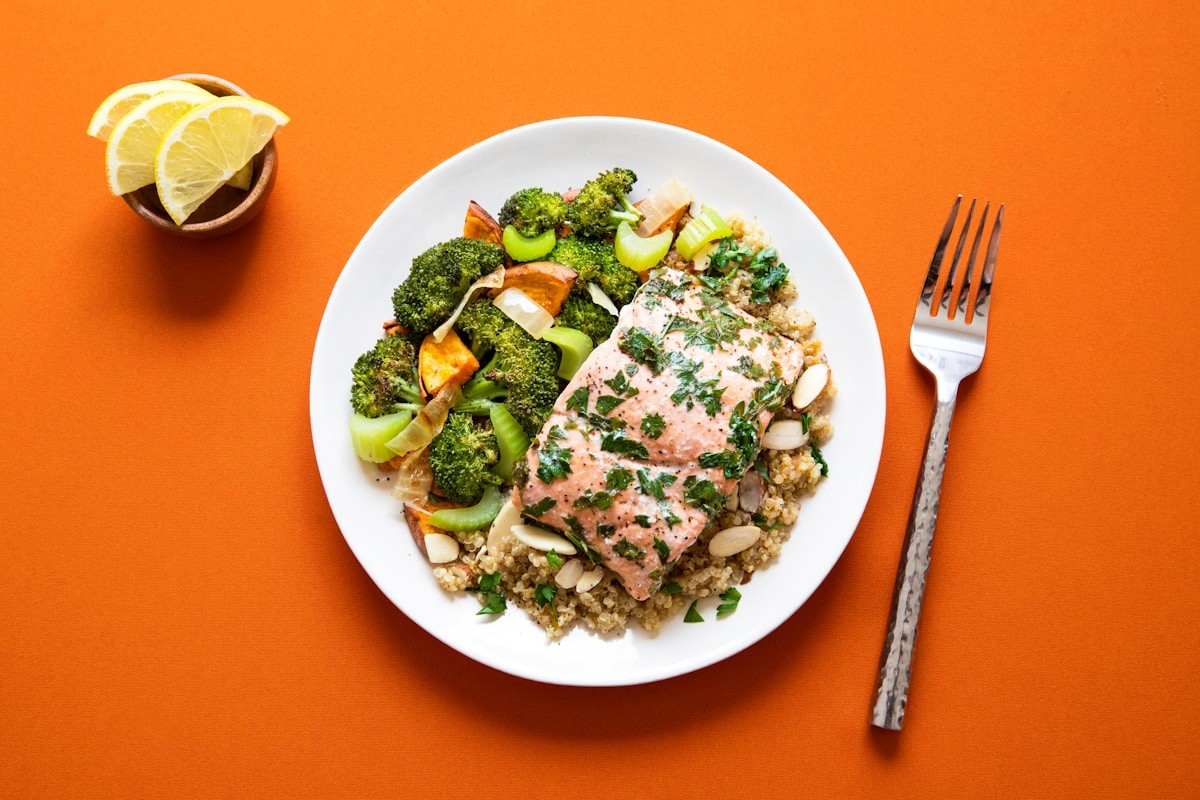
A lot. Think grilled salmon with roasted vegetables and rice, a quinoa bowl with beans and greens, corn tortilla tacos with plain seasoned meat, or gluten-free pasta with a flour-free sauce. Building dinner around naturally gluten-free whole foods keeps it simple and satisfying.
Can eating gluten with celiac disease be dangerous long term?
Over time, ongoing gluten exposure keeps damaging the small intestine and can lead to nutrient deficiencies and other complications, which is why the gluten-free diet is lifelong. This is a medical reason to be strict, not a reason to fear food. Working with a dietitian helps you stay both safe and well-nourished.
Last Reviewed by Bridget Isaacs, MS, RD — August 2026.