Key Takeaways
Hashimoto’s is an autoimmune condition where your immune system gradually affects the thyroid gland, and nutrition works alongside your care, not instead of it.
Thyroid medication is the first-line treatment. Food supports your energy and daily wellbeing, but it does not replace or reverse prescribed medication.
A few nutrients that matter for thyroid health, including selenium, zinc, iron, iodine, vitamin D, and magnesium. Most people can get them from an anti-inflammatory, nutrient-dense plate.
You likely do not need to cut gluten, soy, or vegetables like broccoli for everyone. These choices depend on your individual needs.
Working with a registered dietitian helps you personalize your approach instead of guessing with a restrictive elimination diet on your own.
Living with Hashimoto’s can feel like your body changed the rules without telling you. You are tired in a way sleep does not fix. Your energy dips at odd hours, and everyone online seems to have a “must-follow” food list. It makes sense that you want to know how eating fits in. This guide walks through what the research shows about Hashimoto’s disease and nutrition. You will see which nutrients matter most and how to build a plate that supports your thyroid without turning food into stress. Think of it as a starting point you can bring to your own care team.
In 30 seconds: Nutrition can support your energy, gut health, and overall wellbeing when you have Hashimoto’s, but it works alongside your thyroid medication, not in place of it. Focus on an anti-inflammatory, nutrient-dense pattern rich in selenium, zinc, iron, and vitamin D rather than cutting out food groups. For a plan built around your labs and your life, work with a registered dietitian.
On this page
What is Hashimoto’s disease, and how does it affect your body?
Can food really help with Hashimoto’s?
The nutrients that matter most for your thyroid
How to build a thyroid-supportive plate
What about gluten, soy, and goitrogens?
Working with a registered dietitian to personalize your approach
The bottom line on eating for Hashimoto’s
Frequently asked questions
What is Hashimoto’s disease, and how does it affect your body?
Hashimoto’s thyroiditis is the most common cause of an underactive thyroid (hypothyroidism) in the United States. It is an autoimmune condition, which means your immune system slowly affects the thyroid gland in your neck. Over time, the thyroid may make less of the hormones your body relies on to run smoothly.
That slowdown is why the symptoms can feel so wide-ranging. Fatigue, feeling cold, dry skin, brain fog, constipation, and low mood are all common. These symptoms build gradually, so many people live with them for a while before getting answers.

How the thyroid and your metabolism are connected
Your thyroid is a small, butterfly-shaped gland, but it has a big job. It produces hormones that help set the pace of your metabolism, which is the way your body turns food into energy. When thyroid hormone levels drop, that pace tends to slow down.
You feel that slowdown as low energy, sluggish digestion, and difficulty regulating temperature. For some people, a slower metabolism also brings changes in weight. If weight is your main concern, that is valid. We cover it in our guide to managing weight with Hashimoto’s safely and sustainably. This article stays focused on eating to support your thyroid and how you feel day to day.
Why medication comes first — and where nutrition fits in
Here is the part that gets lost in a lot of online advice. For most people with Hashimoto’s, thyroid hormone replacement medication is the first-line treatment, and it is prescribed and monitored by your doctor. Major medical sources, including Mayo Clinic, are clear that medication is the standard of care and that diet does not reverse the condition.
So where does food come in? Nutrition can support your energy, gut health, nutrient status, and overall wellbeing. It works alongside your medical team, not instead of your medication. No food or eating pattern will cure Hashimoto’s or replace your prescription, and it is important to understand that from the start.


Can food really help with Hashimoto’s?
Yes, food can play a supportive role. Research suggests that certain nutrients and an anti-inflammatory eating pattern may help support thyroid function and reduce markers of inflammation for some people. A 2022 review in the International Journal of Molecular Sciences describes how nutritional management can complement standard treatment in Hashimoto’s.
The keyword is “support.” Food is one lever among several, alongside medication, sleep, stress, and movement. Thinking of nutrition this way takes the pressure off any single meal being make-or-break.
What the research does (and doesn’t) show
The honest answer is that the evidence is promising but still developing. A 2023 systematic review in Nutrients looked at nutritional interventions for Hashimoto’s. It found that some approaches show potential, while noting that many studies are small and more research is needed.
Here is what that means for you:
What it does suggest: Adequate levels of certain nutrients, like selenium and vitamin D, may support thyroid health for people who are low in them.
What it does not show: That a single “Hashimoto’s diet” works for everyone, or that food can replace medication.
What it points to: Personalization matters, because your labs, symptoms, and other conditions shape what will actually help you.
That uncertainty is not a reason to ignore nutrition. It is a reason to be thoughtful and to personalize rather than chase strict rules.
The nutrients that matter most for your thyroid
Your thyroid depends on several nutrients to make and activate its hormones. When you are low in one of them, it can add to how you feel. The nutrients below come up most often in the research on thyroid health, including the International Journal of Molecular Sciences review. Food comes first, and any supplements are a decision to make with your care team.
Selenium
Selenium helps your body convert thyroid hormone into its active form and supports the antioxidant defenses around the thyroid. Some studies suggest selenium may help lower thyroid antibody levels for certain people, though results are mixed.
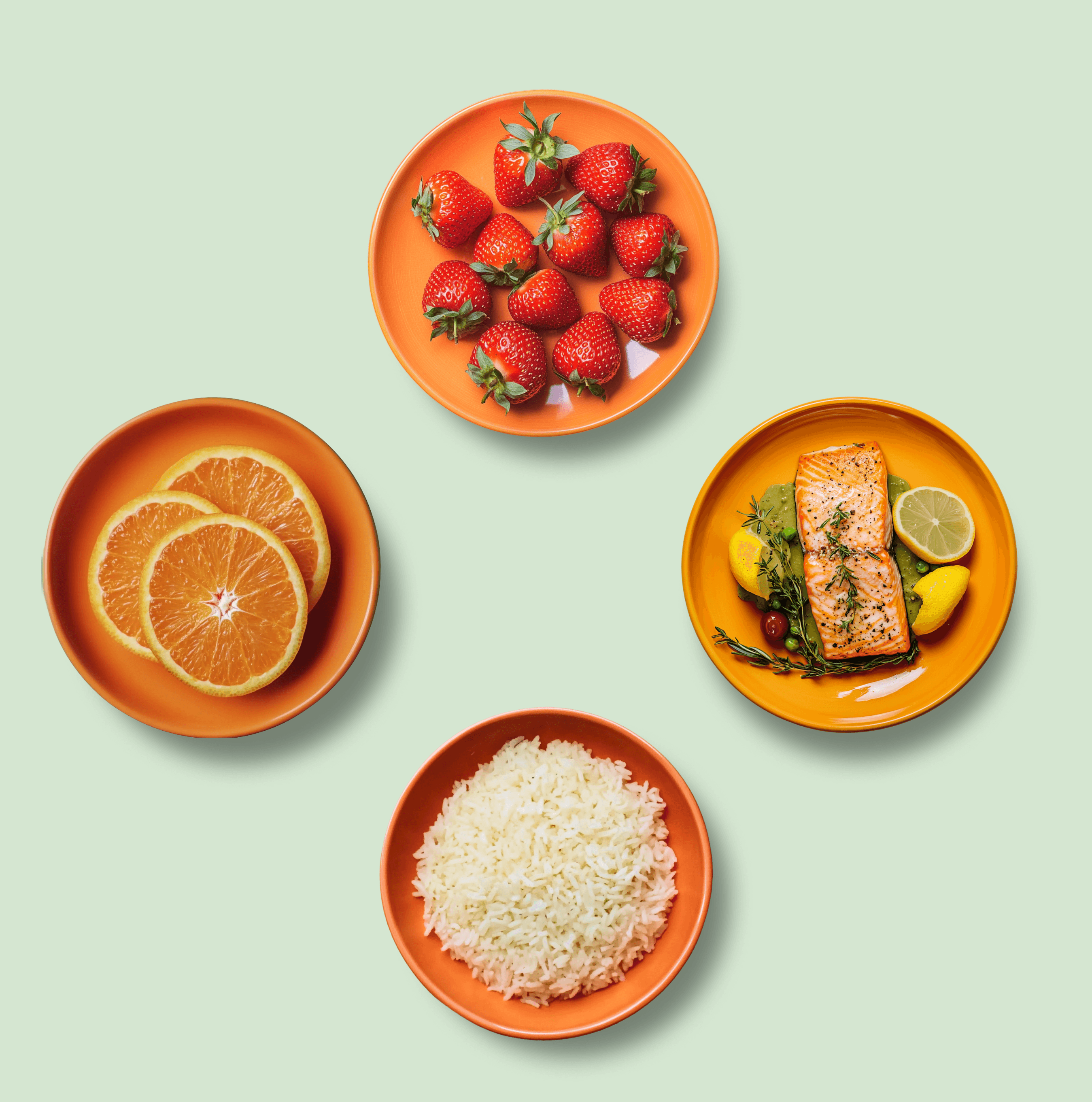
You can get selenium from food quite easily. Brazil nuts are famously rich in it, and just one or two a day can meet your needs. Other sources include seafood, eggs, and sunflower seeds. More is not better here, so there is no need to megadose.

Zinc and iron
Zinc and iron both play a role in thyroid hormone production, and low levels are common when energy is already low. Iron deficiency in particular can worsen fatigue, which may feel like a thyroid symptom even when it is something separate.
Zinc sources: oysters, beef, pumpkin seeds, chickpeas, and cashews.
Iron sources: lean red meat, poultry, lentils, tofu, and spinach paired with a vitamin-C food to help absorption.
If you suspect you are low, ask your doctor or dietitian about testing first. Too much of either mineral can cause its own problems.
Iodine — why more isn’t better
Iodine is essential for making thyroid hormone, but with Hashimoto’s it is a “just right” nutrient rather than a “more is better” one. Very high iodine intake, often from supplements or kelp products, may actually aggravate thyroid autoimmunity for some people.
In the United States, iodized salt and dairy mean most people already get enough. The National Institutes of Health Office of Dietary Supplements puts the recommended intake for adults at 150 micrograms per day, with higher needs during pregnancy. The takeaway is simple: aim for adequate, not extra, and skip high-dose iodine supplements unless your provider specifically recommends them.
Vitamin D and magnesium
Low vitamin D is common in people with autoimmune conditions, including Hashimoto’s, and it plays a role in immune regulation. It is hard to get enough from food alone. This is one nutrient worth testing, so you and your provider can decide whether a supplement makes sense.
Magnesium supports hundreds of processes in the body and may help with sleep, mood, and muscle comfort. You can find it in leafy greens, beans, nuts, seeds, and whole grains. For many people, building these foods into meals covers the basics without a pill.
How to build a thyroid-supportive plate
You do not need a rigid plan to eat well for your thyroid. The goal is a steady, anti-inflammatory pattern that delivers those key nutrients while fitting your real life. Small, repeatable habits tend to beat dramatic overhauls.
Anti-inflammatory, nutrient-dense foods to lean on
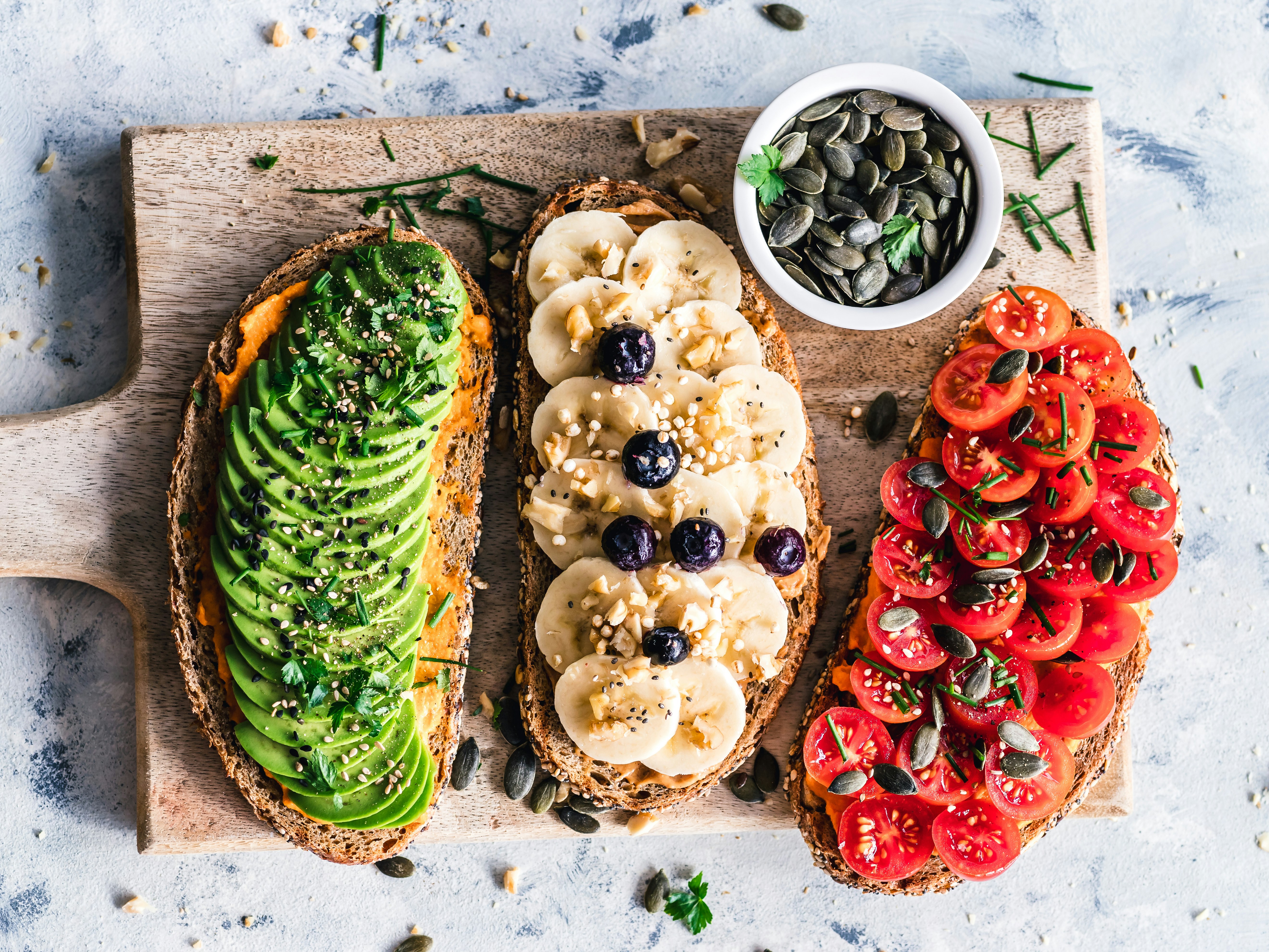
An anti-inflammatory plate is colorful, varied, and built mostly around whole foods. This is the pattern the International Journal of Molecular Sciences review connects to supporting thyroid health. Foods to lean on include:
Colorful produce: berries, leafy greens, peppers, and squash for antioxidants and fiber.
Quality proteins: fish, eggs, poultry, beans, and lentils to support energy and steady blood sugar.
Healthy fats: olive oil, avocado, nuts, and seeds, which also carry selenium and zinc.
Whole grains: oats, brown rice, and quinoa for magnesium and lasting fullness.
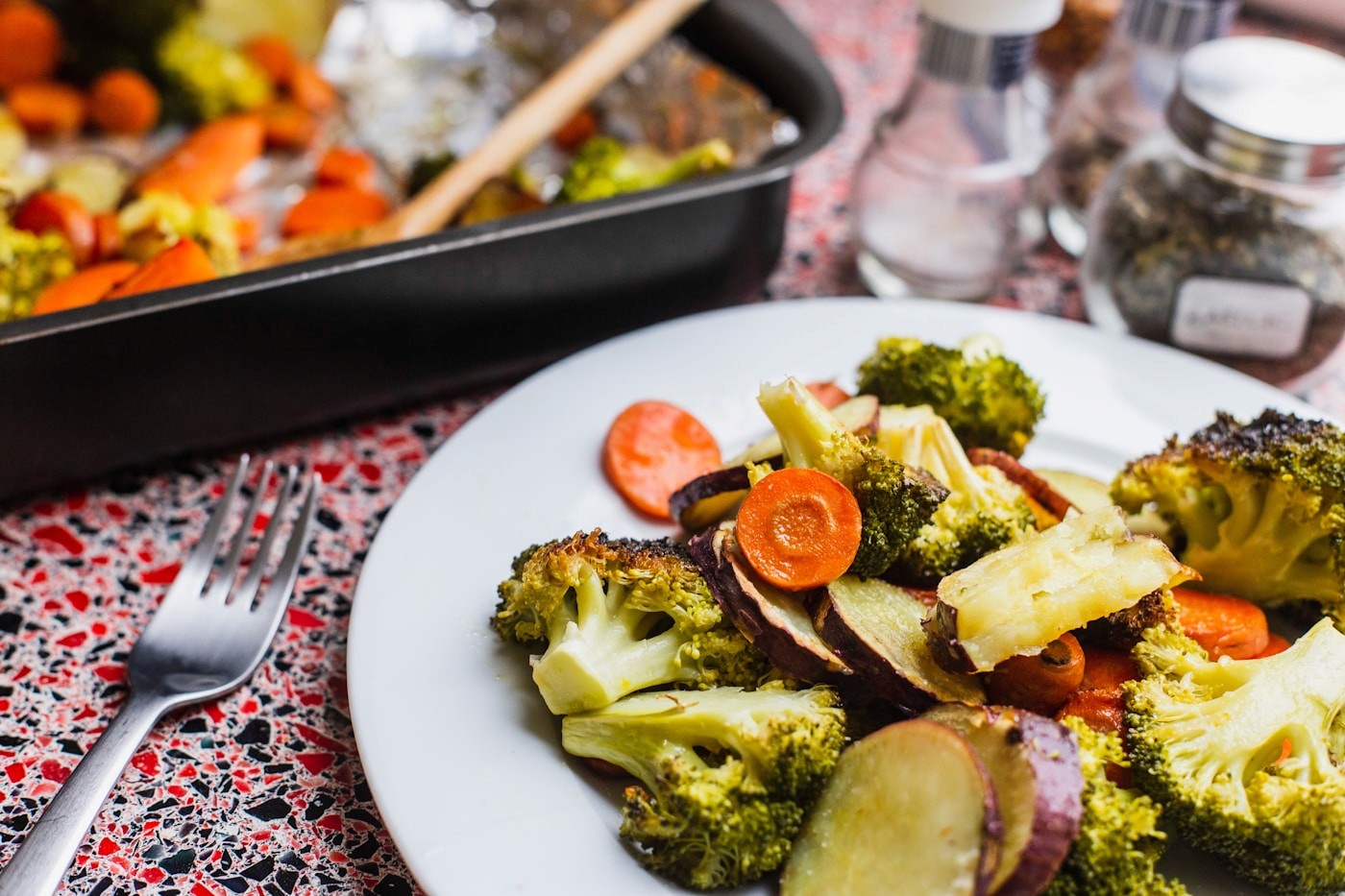
None of this is about perfection. Adding one more vegetable or swapping in a whole grain counts, and consistency matters more than any single meal.
“When a client tells me fatigue makes cooking feel impossible, I never start with elaborate recipes. We build a few no-cook, high-nutrient defaults instead, like Greek yogurt with pumpkin seeds and berries, canned salmon on whole-grain toast, or a couple of Brazil nuts with fruit. Getting selenium, zinc, and iron in through easy, repeatable meals beats a perfect plan you are too tired to make.” — Bridget Isaacs, MS, RD
A balanced day of eating (sample, not a rigid plan)
Here is one example of how those foods might come together in a day. Treat it as inspiration, not a prescription, and adjust portions and choices to your own preferences, budget, and needs.
Breakfast: Greek yogurt with berries, a spoonful of pumpkin seeds, and a drizzle of honey.
Lunch: Lentil and spinach soup with a slice of whole-grain bread and olive oil.
Snack: An apple with a small handful of cashews, plus one or two Brazil nuts.
Dinner: Baked salmon, roasted vegetables, and quinoa, finished with olive oil and lemon.
Notice there is nothing extreme here, and no food is off-limits. It is simply a rhythm of nutrient-dense meals that many people find sustainable.
What about gluten, soy, and goitrogens?
This is where the internet gets loudest, so let’s slow down. These foods often get labeled as things to avoid with Hashimoto’s, but the reality is more nuanced and more individual.
The gluten question
There is a real connection between Hashimoto’s and celiac disease, so screening for celiac is worth discussing with your doctor. If you have celiac disease or a diagnosed gluten sensitivity, a gluten-free diet is medically necessary.
For everyone else, the evidence is still limited. A 2019 pilot study in Experimental and Clinical Endocrinology & Diabetes is one example. In a small group of women with Hashimoto’s, a gluten-free diet was associated with modestly lower thyroid antibody levels. It is an interesting finding, not proof that everyone should cut gluten. For many people, going gluten-free is not necessary, and it can make eating harder without a clear payoff.
Goitrogens (broccoli, cauliflower, soy) — do you need to avoid them?
Goitrogens are compounds in foods like broccoli, cauliflower, cabbage, and soy that can, in very large amounts, interfere with thyroid function. In the portions most people actually eat, they are not a problem, and these vegetables bring fiber, antioxidants, and other benefits.
A few practical points:
Cooking helps: Lightly cooking cruciferous vegetables reduces their goitrogen activity.
Soy in normal amounts is generally fine for most people. If you take thyroid medication, separate soy foods from your dose by a few hours.
Variety matters more than avoiding any single vegetable.
There is no need to fear broccoli. For the vast majority of people with Hashimoto’s, these foods belong on the plate.
Why elimination diets aren’t a first step for everyone
The Autoimmune Protocol (AIP) and other strict elimination diets get a lot of attention, and some people do feel better on them. But they are also demanding, socially isolating, and easy to get wrong on your own. Cutting out whole food groups can leave you short on the very nutrients your thyroid needs.
Elimination is a tool, not a starting line. If it is worth trying for you, it works best as a structured, temporary process guided by a dietitian. That plan includes a clear way to reintroduce foods. That is very different from cutting things indefinitely based on a social media post.
“When someone comes in convinced they have to cut gluten, dairy, and soy all at once, I ask them to pause. Removing three food groups at the same time tells you nothing about which one, if any, actually matters for you, and it usually adds stress and nutrient gaps. We change one thing at a time, track how you actually feel, and keep the foods that are working for you.” — Bridget Isaacs, MS, RD
Working with a registered dietitian to personalize your approach
By now you can probably see the theme: what helps depends on you. Your labs, symptoms, other health conditions, culture, budget, and schedule all shape what a supportive plan looks like. That is exactly the kind of nuance a registered dietitian is trained to handle.
A Registered Dietitian Nutritionist (RDN) is a licensed medical professional with years of clinical training, qualified to help manage conditions like thyroid disorders. A dietitian works alongside your doctor, not instead of them, and can help you translate research into meals that fit your week. You can learn more on our thyroid disorders care page or our holistic dietitian page.
At Berry Street, care is fully virtual and often covered by insurance. We are in-network with 1,250+ insurance plans nationwide, and 95% of our members pay $0 out of pocket. If you would like support built around your body and your life, you can match with a registered dietitian whenever you are ready.
The bottom line on eating for Hashimoto’s
Nutrition is a genuine ally when you have Hashimoto’s, as long as you keep its role in perspective. It supports your energy and wellbeing, works alongside your medication, and does not need to mean cutting out food groups or following rigid rules. An anti-inflammatory, nutrient-dense plate that covers the key nutrients is a strong, sustainable foundation for most people.
Key Takeaways
Thyroid medication comes first. Food supports how you feel and works alongside your care team.
Focus on selenium, zinc, iron, iodine, vitamin D, and magnesium, mostly from an anti-inflammatory, whole-food plate.
Gluten, soy, and goitrogen-containing vegetables are not off-limits for most people. These choices depend on your individual needs.
Elimination diets are a guided tool, not a first step you take alone.
A registered dietitian can personalize all of this to your labs, symptoms, and life.
Frequently asked questions
What foods should you avoid with Hashimoto’s disease?
For most people, there is no universal list of foods to avoid. Some individuals feel better limiting gluten or very high-iodine products like kelp, but this depends on your individual needs. Rather than cutting foods on your own, it helps to work with a dietitian to find what actually affects you.
Does going gluten-free help with Hashimoto’s?
If you have celiac disease or a diagnosed gluten sensitivity, going gluten-free is necessary. For others, the evidence is limited. A small pilot study found modestly lower thyroid antibodies on a gluten-free diet. It is not clear that everyone benefits, so discuss it with your care team before committing.
Can diet alone treat or reverse Hashimoto’s?
No. Thyroid medication is the first-line treatment, and no food or diet can reverse the condition. Nutrition supports your energy, gut health, and overall wellbeing alongside your medication and medical care, which is a meaningful role but a supportive one.
Which nutrients matter most for thyroid health?
Selenium, zinc, iron, iodine, vitamin D, and magnesium are the nutrients most often linked to thyroid health. Most people can get enough from a varied, nutrient-dense diet. Because too much of some, like iodine, can backfire, it is best to test before supplementing and to personalize with a provider.
Are goitrogens like broccoli, cauliflower, and soy bad for Hashimoto’s?
Not for most people eating normal amounts. Goitrogens only interfere with thyroid function in very large quantities, and cooking reduces their effect. These foods offer real nutritional benefits, so variety and balance matter more than avoiding them.
Can supplements help with Hashimoto’s, or is food enough?
Food comes first, and many people meet their needs for nutrients like selenium and magnesium through a varied, nutrient-dense plate. Supplements may help when a test shows you are low in something specific, such as vitamin D or iron. The safest approach is to test before supplementing and work with a registered dietitian, because more is not always better and some nutrients, like iodine, can backfire in high doses.
Is the autoimmune protocol (AIP) diet recommended for Hashimoto’s?
AIP is not a routine recommendation for everyone with Hashimoto’s. Some people report feeling better on it, but it is demanding and can leave you short on the nutrients your thyroid relies on. If you want to explore it, it works best as a structured, temporary process with a dietitian who guides reintroduction, rather than open-ended restriction on your own.
Does dairy need to be avoided with Hashimoto’s?
Not for most people. Dairy is a source of iodine, protein, and other nutrients, and there is no strong evidence that everyone with Hashimoto’s should cut it. Some individuals with lactose intolerance or a diagnosed sensitivity may feel better limiting it, depending on their individual needs. If you suspect dairy affects you, a dietitian can help you test that in a structured way instead of guessing.
How does gut health connect to Hashimoto’s?
The gut plays a role in immune regulation and in absorbing the nutrients your thyroid needs, so gut health and Hashimoto’s are linked for some people. An anti-inflammatory, fiber-rich eating pattern may support digestion and nutrient status alongside your medication. Because gut symptoms have many possible causes, it helps to work with your care team rather than self-diagnosing from a food list online.
How long does it take to notice a difference after changing your diet?
This varies from person to person, so it is hard to promise a set timeline. Some people notice steadier energy or digestion within a few weeks of building more consistent, nutrient-dense meals, while lab markers like thyroid antibodies tend to shift slowly, if at all. Nutrition works alongside your prescribed medication, not instead of it, so give changes time and track how you actually feel with support from a dietitian.
Last Reviewed by Bridget Isaacs, MS, RD — August 2026.