Key Takeaways
Ozempic and other GLP-1 medications are prescribed and monitored by a medical team to support metabolic health, not simply to change the number on a scale.
When you stop, appetite hormones and metabolism recalibrate. Any weight regain is a physiological rebound, not a lack of willpower.
Research shows appetite returns and much of the lost weight tends to come back within a year, which is expected biology and worth planning for in advance.
Protein and fiber are your steadiest tools after stopping. They support satiety, protect muscle, and help keep blood sugar stable.
The transition is easier with support. A registered dietitian helps you personalize meals, meal timing, and movement to your body and life.
Nutrition counseling is often covered by insurance, so working with a dietitian may cost you nothing out of pocket.
Coming off a GLP-1 medication raises a fair question, and it is one dietitians hear often. So what happens to your nutrition after stopping Ozempic, and how do you keep feeling steady once the medication is out of your system? GLP-1 medications like Ozempic are prescribed and monitored by a medical team, and the changes you notice after stopping are expected and manageable. This guide walks through what shifts, why it happens, and how to build a nutrition plan for life after Ozempic that fits your real life. No shame, no rigid rules, just grounded guidance from a dietitian’s perspective.
In 30 seconds: After stopping Ozempic, appetite and cravings return as GLP-1 levels fall and your metabolism recalibrates. That is biology, not a personal failure. Leaning on protein, fiber, steady meal timing, and support from a registered dietitian helps you feel full, protect muscle, and keep blood sugar stable through the transition.
What Ozempic Does to Appetite, Digestion, and Blood Sugar (and What Changes When You Stop)
To understand life after the medication, it helps to know what it was doing while you took it.
How GLP-1 medications affect hunger hormones and gastric emptying
GLP-1 stands for glucagon-like peptide-1, a hormone your body makes naturally after you eat. Medications like Ozempic mimic that hormone. They act on appetite signals in the brain and slow how quickly your stomach empties.
The result is that you feel full sooner and stay full longer. Hunger quiets down. Blood sugar tends to stay steadier after meals because food moves through more gradually.
When you stop, that added signal fades. Your stomach empties at its usual pace again, and your natural hunger cues return. This is your body going back to its own baseline, not a sign anything has gone wrong. If you want structured help through this shift, GLP-1 nutrition therapy is designed for exactly this transition.
What the research says about appetite and weight after stopping
The pattern here is well documented, and knowing it ahead of time takes away a lot of the surprise.
In the STEP 1 trial extension, participants regained about two-thirds of their lost weight in the year after stopping semaglutide, and appetite-related measures drifted back toward where they started. A 2025 systematic review and meta-analysis of 18 randomized trials with 3,771 participants found an average regain of about 5.63 kg and a rise of roughly 0.25% in HbA1c after people discontinued GLP-1 medications.
Read that as biology, not a verdict on you. When the medication’s appetite signal goes away, hunger hormones and metabolism recalibrate. The rebound is physiological. It is not a willpower problem, and it is not a personal failure.

The Most Common Nutrition Changes After Stopping Ozempic
Most people notice a handful of shifts in the first weeks. Here is what tends to come up, and what each one actually means.
Appetite and hunger cues return
This is usually the first and biggest change. Hunger that felt switched off comes back, sometimes strongly, and meals feel less filling than they did on the medication.
That returning appetite after stopping Ozempic can feel alarming. It is simply your natural hunger signal doing its job again. The goal is not to fight it but to meet it with food that satisfies you.
“When a client’s hunger comes roaring back in those first few weeks, the first thing I tell them is that this is expected and it is not you failing. We do not cut back to try to override it. Instead we make meals bigger and more satisfying with protein and fiber, add a real snack between meals, and slow down enough to notice fullness. Expecting an increased appetite is going to help a client plan meals and stick to them.” — Bridget Isaacs, MS, RD

Cravings and blood sugar fluctuations
As gastric emptying speeds back up, blood sugar can swing more after meals, especially meals built mostly around refined carbohydrates. Those swings can show up as cravings an hour or two later.
Cravings are information, not a moral test. They often signal that a meal needed more protein, fiber, or fat to stay steady. This can feel especially noticeable if you live with insulin resistance or PCOS, where blood sugar stability matters even more.
Faster digestion and earlier hunger
On the medication, food lingered in your stomach. Off it, digestion returns to your normal speed, so you may feel hungry again sooner after eating than you did for a while.
That earlier hunger is not a flaw in your plan. It usually means your meals and snacks need a little more staying power, which is a straightforward thing to adjust.
The emotional side of eating again
Hunger returning can stir up worry, especially if food has felt like a struggle in the past. You might feel anxious about regaining or frustrated that eating takes more attention again.
Those feelings are valid and common. Naming them is part of the work, and it is one reason support from a dietitian can matter so much during this stretch.
A Dietitian’s Nutrition Framework for Life After Ozempic
You do not need a rigid plan. You need a few reliable habits that keep you full and steady. Here is a dietitian’s framework for nutrition after a GLP-1 medication, meant to be personalized to you.
Prioritize protein to protect satiety and muscle
Protein is your most useful lever after stopping. It helps you feel full, and it helps protect the lean muscle you want to keep as your appetite and weight recalibrate.
Research on protein, satiety, and lean mass supports spreading protein across the day rather than loading it all at dinner. A practical starting point for many people is a solid source of protein at each meal, though your needs may differ.
“The very first change I make with clients coming off Ozempic is anchoring every meal with protein and pairing it with fiber. That combination keeps you full and keeps blood sugar steady as your appetite returns. I also spread protein across the day to protect muscle, because that is what supports your metabolism long term. We personalize the amounts to your body, never a rigid target.” — Bridget Isaacs, MS, RD

Build in fiber for blood-sugar stability
Fiber slows digestion in a gentle, natural way, which is exactly what helps as gastric emptying returns to normal. It supports steadier blood sugar and adds to that full, satisfied feeling.
Vegetables, fruit, beans, lentils, and whole grains all count. Pairing protein and fiber after a GLP-1 medication is one of the simplest ways to keep meals satisfying without thinking about restriction at all.
Space meals and snacks to retrain hunger cues
Steady meal timing helps your hunger and fullness signals find a rhythm again. For many people, eating every three to four hours prevents the overly hungry swings that make meals feel out of control.
A simple structure many clients find helpful:
Eat within a couple of hours of waking, including protein.
Build balanced meals with protein and fiber at regular intervals.
Add a real snack between meals if you get hungry, rather than pushing through.
Check in with your fullness partway through eating and slow down.
Pair nutrition with resistance training and hydration
Resistance training helps you hold onto muscle while your body adjusts, which supports your metabolism through the transition. It does not need to be intense to count, and consistency matters more than intensity.
Hydration matters too. Aim for water throughout the day, and remember that fullness and thirst can feel similar, so a glass of water is a reasonable first response to a low-level craving.

Track gently, not obsessively
Some people find it helpful to notice patterns, like which meals keep them full and which leave them hungry an hour later. That kind of gentle attention is useful.
The aim is awareness, not surveillance. This is not about counting calories or scoring your food as good or bad. It is about learning what helps your body feel steady, and adjusting from there.
When to Work With a Registered Dietitian
You can navigate a lot of this on your own, and there are moments when personalized support makes the difference. Consider reaching out if:
Your appetite feels overwhelming and meals are not helping you feel full.
You are worried about regain and want a plan grounded in your health history.
You live with a condition like diabetes, PCOS, or insulin resistance that affects blood sugar.
The emotional side of eating again feels heavy and hard to manage alone.
A registered dietitian is a licensed medical professional with years of clinical training, qualified to help you manage nutrition through this transition. Dietitians work alongside your prescribing medical team, not instead of them.
How insurance-covered nutrition therapy supports the transition
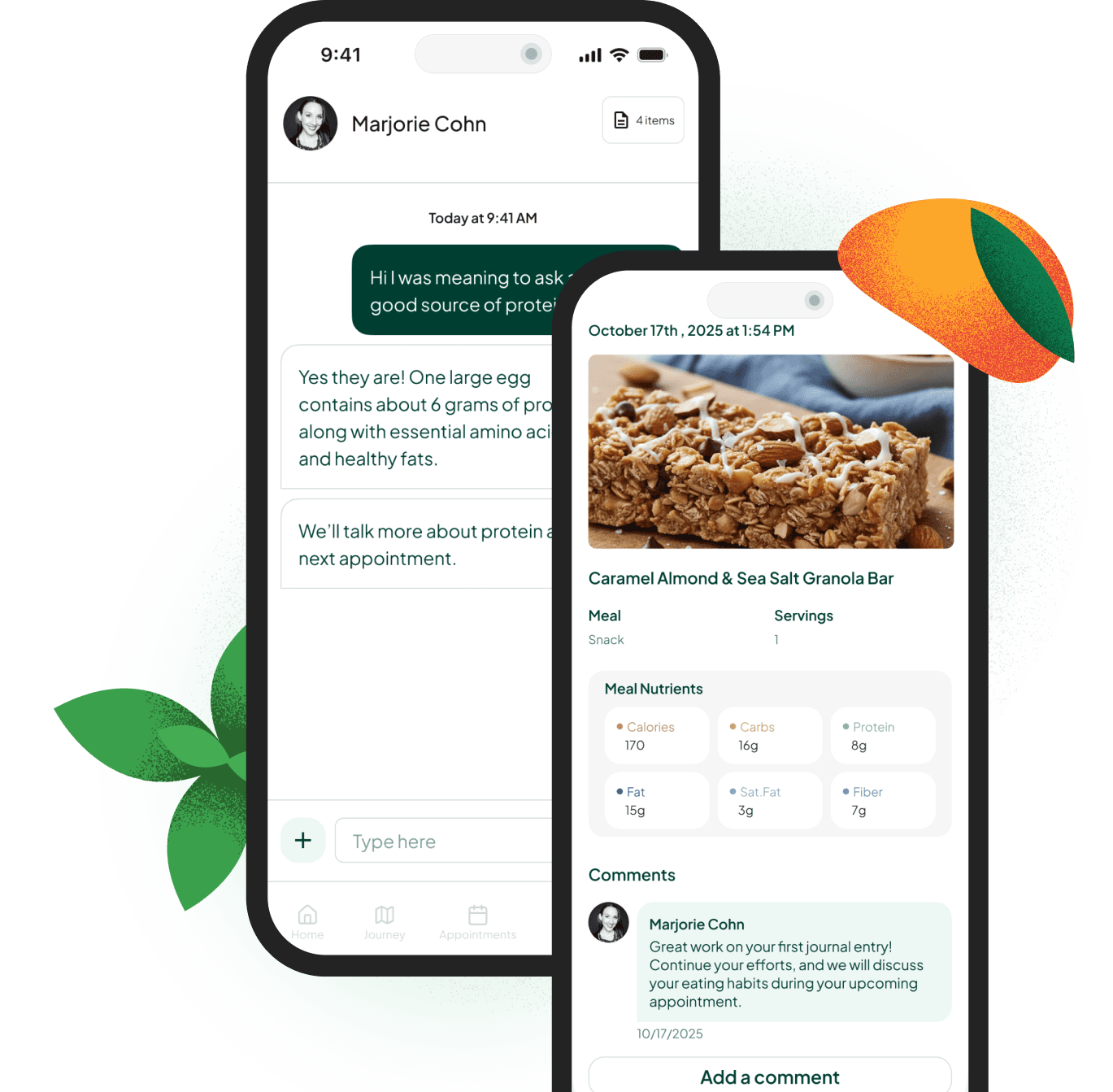
Working with a dietitian is often more accessible than people expect. Berry Street is in-network with 1,250+ insurance plans, and 95% of members pay $0 with coverage. You can check your coverage in about 60 seconds, with no commitment.
A Berry Street registered dietitian helps you personalize everything in this guide to your body, your goals, and your health history. There is no one-size-fits-all plan, which is exactly why individualized nutrition support for life after a GLP-1 medication tends to work better than generic advice.
The Bottom Line: Your Body Is Adjusting, Not Failing
Here is the reassuring truth about what happens to your nutrition after stopping Ozempic. Your appetite returns, digestion speeds back up, and your metabolism recalibrates. That is your body doing what it is designed to do, and any regain that follows is a physiological rebound, not a personal failure.
You have real tools. Protein and fiber, steady meal timing, resistance training, and gentle awareness all help you feel full and stay steady, without restriction or calorie counting. And you do not have to figure out how to maintain your progress after Ozempic on your own.

If you would like personalized support, you can check your coverage and book a Berry Street registered dietitian whenever you are ready. Most members pay $0, and there is no rush. This is your timeline.
Frequently Asked Questions
How long does it take for your body to go back to normal after stopping Ozempic?
With a half-life of about one week, Ozempic clears your system in roughly five weeks, and appetite often returns sooner than that. Research shows hunger and weight tend to drift back over the following year as your hormones and metabolism recalibrate. The exact timeline varies from person to person.
What should you eat after stopping Ozempic?
Focus on meals that keep you full and steady rather than on eating less. Anchor each meal with protein and pair it with fiber from vegetables, fruit, beans, or whole grains. This combination supports satiety and blood-sugar stability, and a dietitian can help you personalize it to your needs.
How do you avoid regaining weight after stopping Ozempic?
Some rebound is physiological and expected, so the goal is steadying your habits rather than blaming yourself. Prioritizing protein and fiber, keeping consistent meal timing, and adding resistance training all help you feel full and protect muscle. Working with a registered dietitian lets you build a plan around your body and health history.
Do you have to take Ozempic forever to keep the weight off?
Not necessarily, and that is a decision to make with your prescribing medical team. Because appetite and metabolism recalibrate after stopping, many people do see some regain, which is biology rather than failure. Steady nutrition habits and dietitian support can help you maintain your progress after Ozempic without staying on the medication indefinitely.
Has anyone gone off Ozempic and kept the weight off?
Yes, though outcomes vary widely from person to person. Research shows many people regain a portion of the weight, while others maintain much of their progress with consistent nutrition and lifestyle habits. Ongoing support from a registered dietitian is one of the strongest tools for making changes that last.
Last Reviewed by Bridget Isaacs, MS, RD — August 2026.