Key Takeaways
What you eat in the months before conception matters more as a pattern than as any single “fertility food.” Overall diet quality is what the research keeps pointing to.
Eggs take roughly 3 months to mature, so the 3–6 month window before trying to conceive is a practical time to build supportive habits.
Folate, omega-3 fats, antioxidants, quality protein, and fiber-rich whole grains each play a supporting role for you and, in many cases, a male partner.
There is no one “fertility diet.” Your cycle, labs, conditions like PCOS or thyroid disorders, and daily life all shape what works for you.
A registered dietitian can turn a generic food list into a weight-neutral plan built around adding nourishment, not cutting foods or counting calories.
If you have searched “what to eat when trying to conceive,” you have probably found a hundred conflicting lists. One says avocado, another says quinoa, a third warns you off your morning coffee. Preconception nutrition can feel like a test you did not study for. It does not have to. This guide covers what the evidence actually supports and how a registered dietitian helps you build an eating pattern that fits your life.
In 30 seconds: What to eat when trying to conceive comes down to overall diet quality, not a single miracle food. A pattern rich in folate, omega-3 fats, colorful produce, quality protein, and whole grains supports fertility for many people. A registered dietitian can personalize it to your labs, cycle, and needs, no restriction required.
Does What You Eat Really Affect Fertility?
Yes, though maybe not in the way diet culture has taught you to expect. Food is not a switch that turns fertility on or off. It is one input among many, including age, genetics, sleep, stress, and underlying health conditions.
What you eat can influence hormone balance, blood-sugar regulation, and the quality of eggs and sperm over time. That is meaningful. It is also only part of a much bigger picture, and it is worth holding both truths at once.
What the Research Actually Says (Dietary Patterns vs. Single “Miracle” Foods)
Here is the through-line in the research: whole patterns of eating matter more than any one food. A large population-based study in Frontiers in Nutrition (2025) found that a generally healthy diet supports female fertility. No single prescriptive dietary pattern was required to see that benefit.
Reviews of whole-diet approaches point the same direction. A systematic review and meta-analysis in Nutrients (2023) reported preliminary evidence that certain dietary patterns are associated with improved pregnancy and live-birth rates. A systematic scoping review in Human Reproduction Update (2023) found that some preconception dietary patterns show potential benefit for female fertility, while noting the evidence isn’t yet strong enough to recommend any single approach.
The takeaway from the research is freeing. You do not need a perfect superfood, just a reasonably consistent, nourishing pattern most of the time.
Why “One Fertility Diet” Doesn’t Fit Everyone
A fertility diet that ignores the person eating it is just another rigid plan. Your needs depend on your cycle, your labs, your conditions, your budget, and your relationship with food.
Someone managing PCOS may focus on blood-sugar steadiness. Someone with a thyroid condition may have different priorities. Someone recovering from years of restriction may need to focus first on eating enough. This is why personalization beats any downloadable list.
“When a client comes in overwhelmed by conflicting fertility-diet advice online, I ask them to pick one small thing, usually adding a folate-rich food or a serving of fatty fish each week. Starting small works because it actually sticks, and a small habit you keep is always better than a perfect plan that you can’t stick to.” — Bridget Isaacs, MS, RD

When Should You Start Eating for Fertility?
Sooner is helpful, but it is rarely too late to start. If you are planning ahead, the few months before you begin trying are a practical window to settle into supportive habits without pressure.
The goal is not a last-minute overhaul. It is gradual, sustainable change you can carry into pregnancy and beyond.
The 3–6 Month Preconception Window (Egg Development Timeline)
Eggs do not mature overnight. The final maturation of a follicle takes roughly three months, about 85 days, before ovulation. That timeline is why many dietitians suggest starting preconception nutrition 3 to 6 months before trying to conceive.
This window gives your daily habits time to become routine. It also overlaps with the period when experts recommend starting a prenatal vitamin with folate. For some people the timeline is longer, and that is fine. Working with a dietitian to personalize this pacing takes the guesswork out.
The Best Foods to Eat When Trying to Conceive
There is no official “foods that increase fertility in females” checklist that guarantees results. What we do have is a group of nutrient-dense foods that support the systems involved in conception. Think of the list below as ingredients to add, not rules to obey.
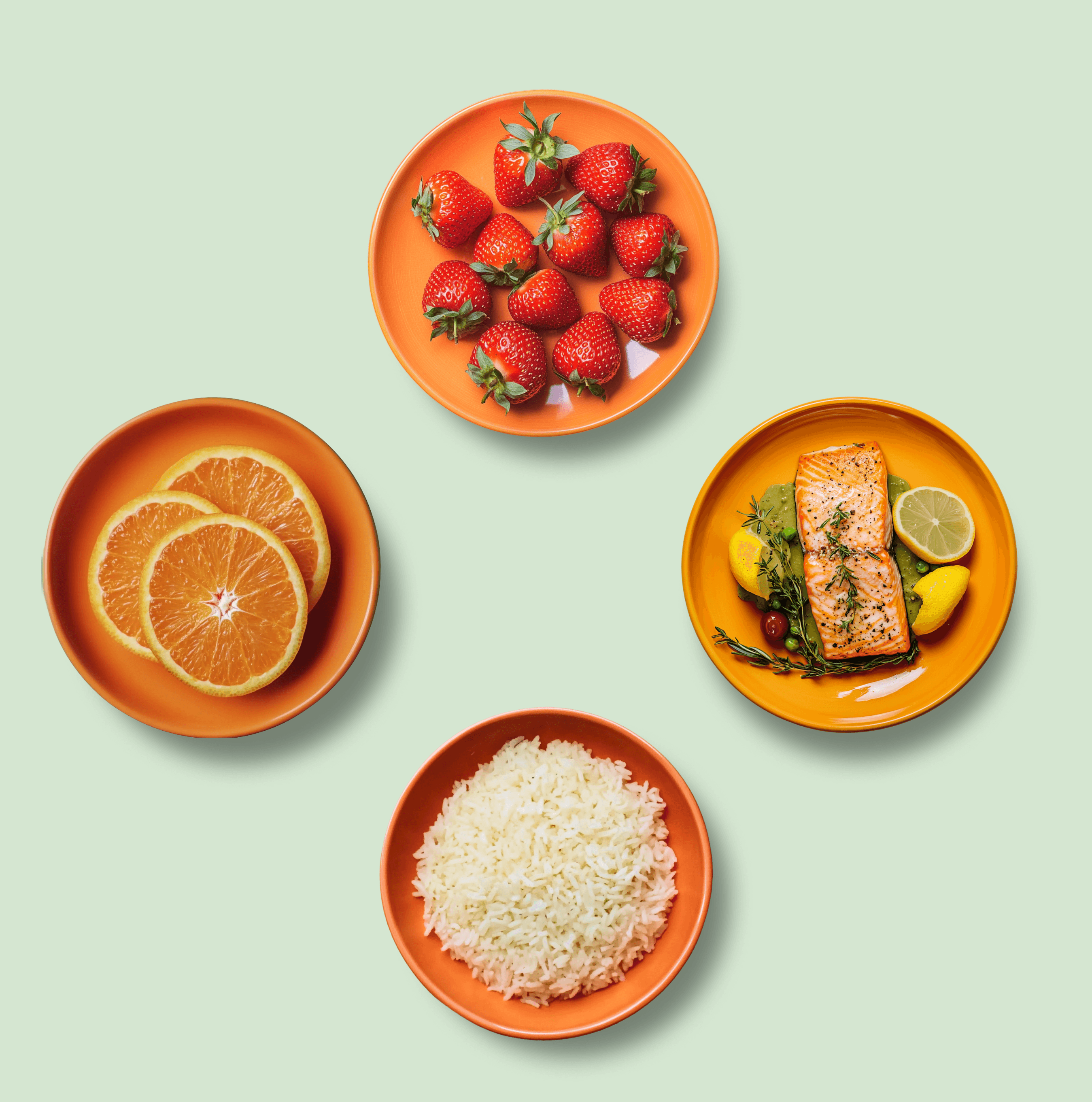
Folate-Rich Foods (Leafy Greens, Legumes, Citrus, Fortified Grains)
Folate supports healthy cell division and early neural development, which is why it is a cornerstone of preconception nutrition. Food sources you can lean on include:
Leafy greens like spinach, kale, and romaine
Legumes such as lentils, chickpeas, and black beans
Citrus fruits, including oranges and grapefruit
Fortified grains and cereals

Most guidelines suggest 400 to 800 micrograms of folic acid daily from a supplement before and during early pregnancy, alongside folate from food. Your exact target may differ, so confirm it with your provider.
Omega-3 Fats (Salmon, Sardines, Walnuts, Flax)
Omega-3 fatty acids support hormone production and healthy inflammation levels. Good sources include salmon, sardines, walnuts, chia, and ground flaxseed.
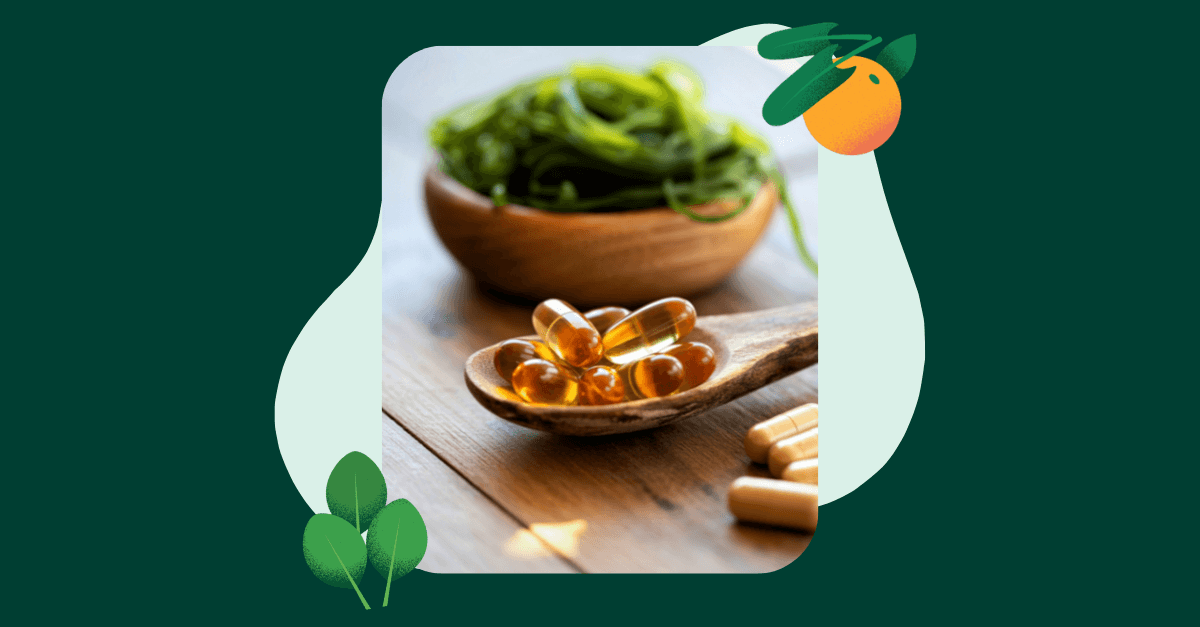
Aiming for two servings of lower-mercury fatty fish per week is a reasonable starting point for many people. If you follow a plant-based pattern, walnuts, flax, and an algae-based supplement can help fill the gap.
Antioxidant-Rich Fruits and Vegetables (Egg and Sperm Quality)
Antioxidants help protect eggs and sperm from oxidative stress, which is one reason a colorful plate matters for both partners. Vitamin C, vitamin E, and plant compounds all play a part here.
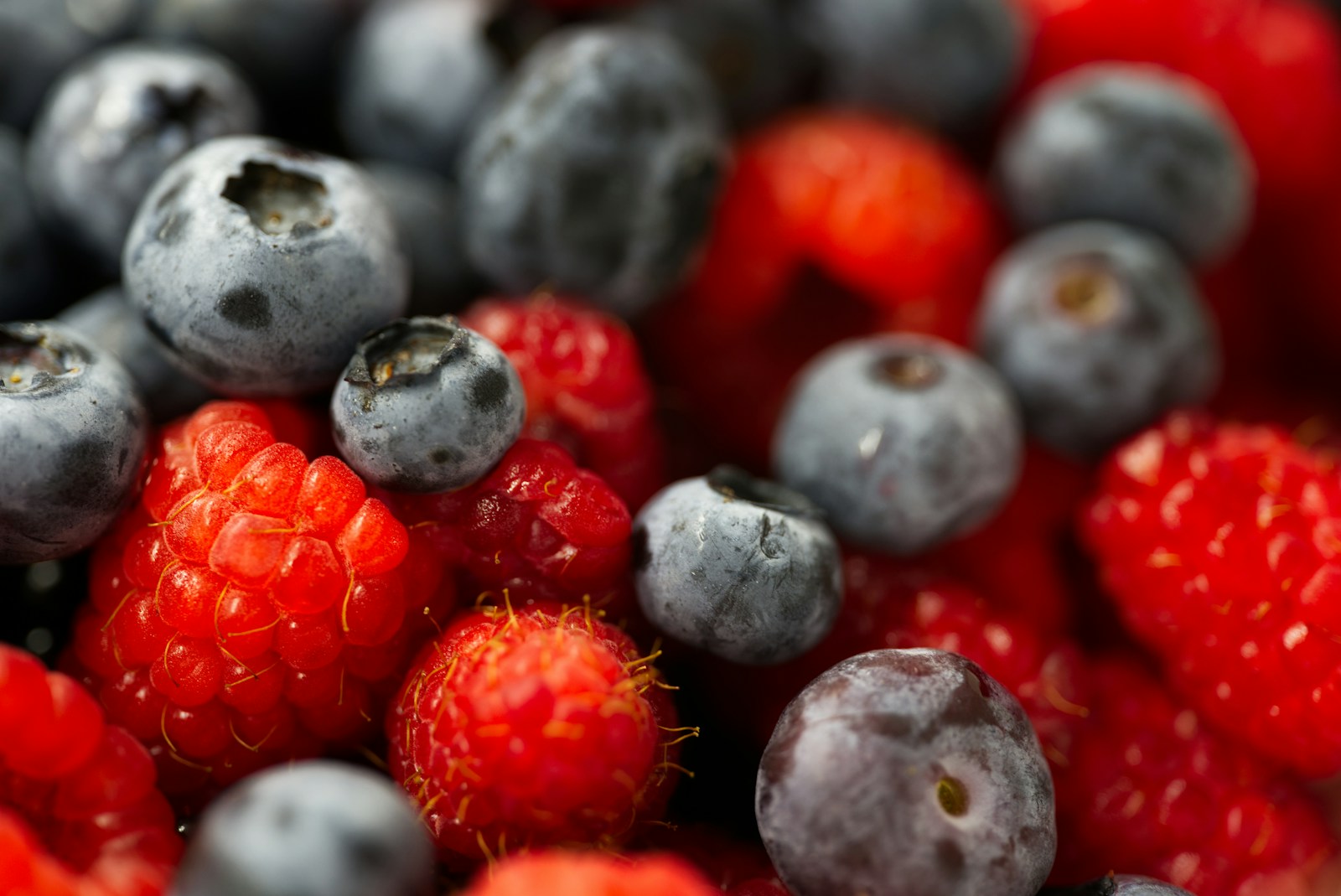
Reach for berries, bell peppers, tomatoes, dark leafy greens, and orange produce like carrots and sweet potatoes. Variety does more than any single “super” fruit, so mix colors across the week.
Quality Protein and Full-Fat Dairy
Protein supplies the building blocks for hormones and tissue. Rotate your sources across fish, poultry, eggs, beans, lentils, tofu, and nuts so you are not relying on one food.
For some people, a serving of full-fat dairy like whole-milk yogurt or cheese can also have a place, depending on individual needs and preferences. This is an option to consider with your dietitian, not a mandate.
Whole Grains and Fiber for Blood-Sugar and Hormone Balance
Steady blood sugar supports steady hormones, and fiber-rich whole grains help with both. Foods like oats, quinoa, brown rice, barley, and whole-grain bread digest more slowly than refined grains.
Pairing carbohydrates with protein or healthy fat softens blood-sugar swings even more. For people with PCOS, this steadiness can be especially supportive. Our guide to nutrition for PCOS goes deeper on that connection.
Is the Mediterranean Diet the Best Diet for Fertility?
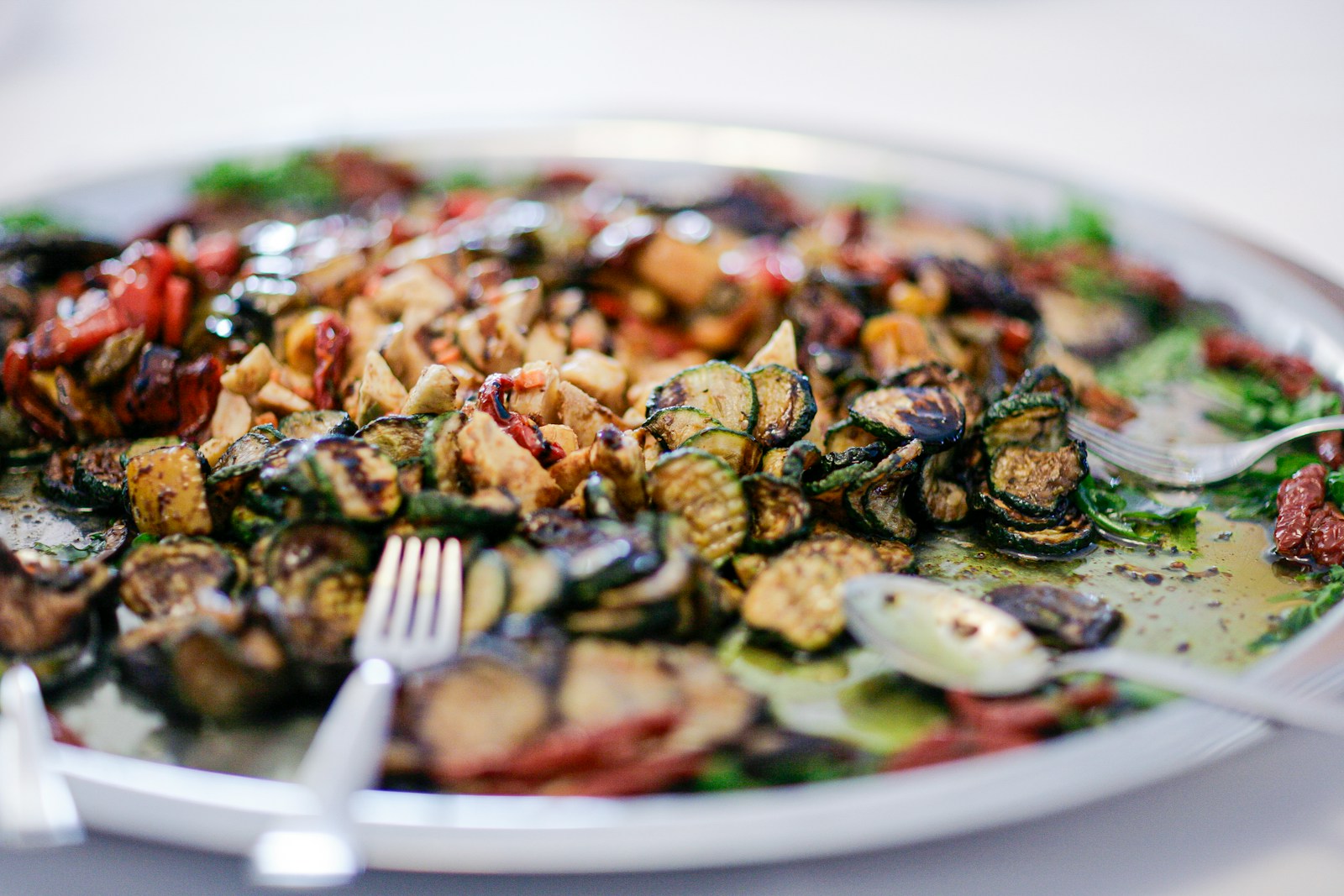
The Mediterranean diet comes up often in conversations about diet and fertility, and for good reason. It is not really a “diet” in the restrictive sense. It is a pattern built around vegetables, fruit, legumes, whole grains, olive oil, fish, and moderate dairy.
That pattern gathers most of the fertility-supportive foods above in one place. That is part of why it shows up in the research on dietary patterns and pregnancy outcomes. A Mediterranean-style approach works as a framework because it is flexible and food-positive rather than rule-bound.
Still, it is not the only valid path, and it is not automatically right for you. Cultural foods, preferences, and conditions all matter. The best fertility-friendly diet is the nourishing one you can actually sustain.
Foods to Limit (Not Eliminate) While Trying to Conceive
Let’s reframe this section before we start. Nothing here is “bad” or “off-limits.” These are foods and drinks where moderation may serve you well during this window.
Alcohol, Caffeine, High-Mercury Fish, and Ultra-Processed Foods (Framed as “Moderate,” Never “Off-Limits”)
A few gentle guidelines that many people find workable:
Alcohol: Many providers suggest limiting or pausing alcohol while trying to conceive. Your personal approach is worth discussing with your care team.
Caffeine: Common guidance is to keep caffeine to about 200 milligrams a day, roughly one 12-ounce coffee. You do not have to quit cold turkey.
High-mercury fish: Limiting fish like shark, swordfish, king mackerel, and tilefish is wise, while lower-mercury options like salmon and sardines stay on the table.
Ultra-processed foods: No need to banish them. The aim is simply to crowd the plate with more whole foods more often.
Notice the pattern. Every item is about moderating and adding around, not eliminating and white-knuckling.
“Rather than focusing on foods to fear, I like to help clients focus on the foods they should be adding in. This might include more color, more fiber, an extra serving of fish, and the less-supportive stuff naturally takes up less room. Focusing on nourishment instead of restriction helps clients have a healthy relationship with food while trying to conceive.” — Bridget Isaacs, MS, RD

Beyond Food: Nutrients, Supplements, and Lifestyle
Food is the foundation, and it works best alongside a few other pieces that support your body as a whole.
Prenatal Vitamins, Vitamin D, and When Supplements Help
A prenatal vitamin is one of the few supplements broadly recommended before conception, mainly for folate and iron. Many providers suggest starting it during that 3–6 month window.
Vitamin D is another common one to check, since many people run low and it plays a role in reproductive health. Whether you need additional vitamin D, omega-3s, or other supplements depends on your labs and diet. A registered dietitian can help you decide what actually helps.
Sleep, Stress, and Movement as Part of the Picture
Sleep, stress, and movement all interact with the hormones involved in conception. Short-changing sleep or running on chronic stress can nudge those systems off balance for some people.
You do not need a perfect routine. Gentle movement you enjoy, a workable sleep rhythm, and realistic stress support tend to matter more than any extreme. Small and consistent beats intense and short-lived.
How a Registered Dietitian Personalizes Your Fertility Nutrition
Here is where a generic list becomes a real plan. A registered dietitian is a licensed medical professional with years of clinical training, qualified to treat and manage medical conditions. That is a meaningful difference from a general “health coach” or a “nutritionist” without credentials.
Rather than handing you rules, a dietitian looks at your full picture and builds something you can live with. The approach is weight-neutral and anti-diet by design, focused on adding nourishment rather than counting or cutting.
Labs, Conditions (PCOS, Thyroid), and the Male Partner’s Role
Your labs tell a story. Iron, vitamin D, thyroid markers, and blood-sugar measures all shape what your body needs, and a dietitian reads them in context.
Conditions matter too. PCOS, thyroid disorders, and other diagnoses each call for a tailored approach, which you can explore through Berry Street’s prenatal nutrition care. And fertility is rarely a solo project. Sperm quality responds to nutrition as well, so a male partner’s eating pattern, including antioxidants and omega-3s, is part of the plan.
Building a Fertility-Friendly Plate That Fits Your Life
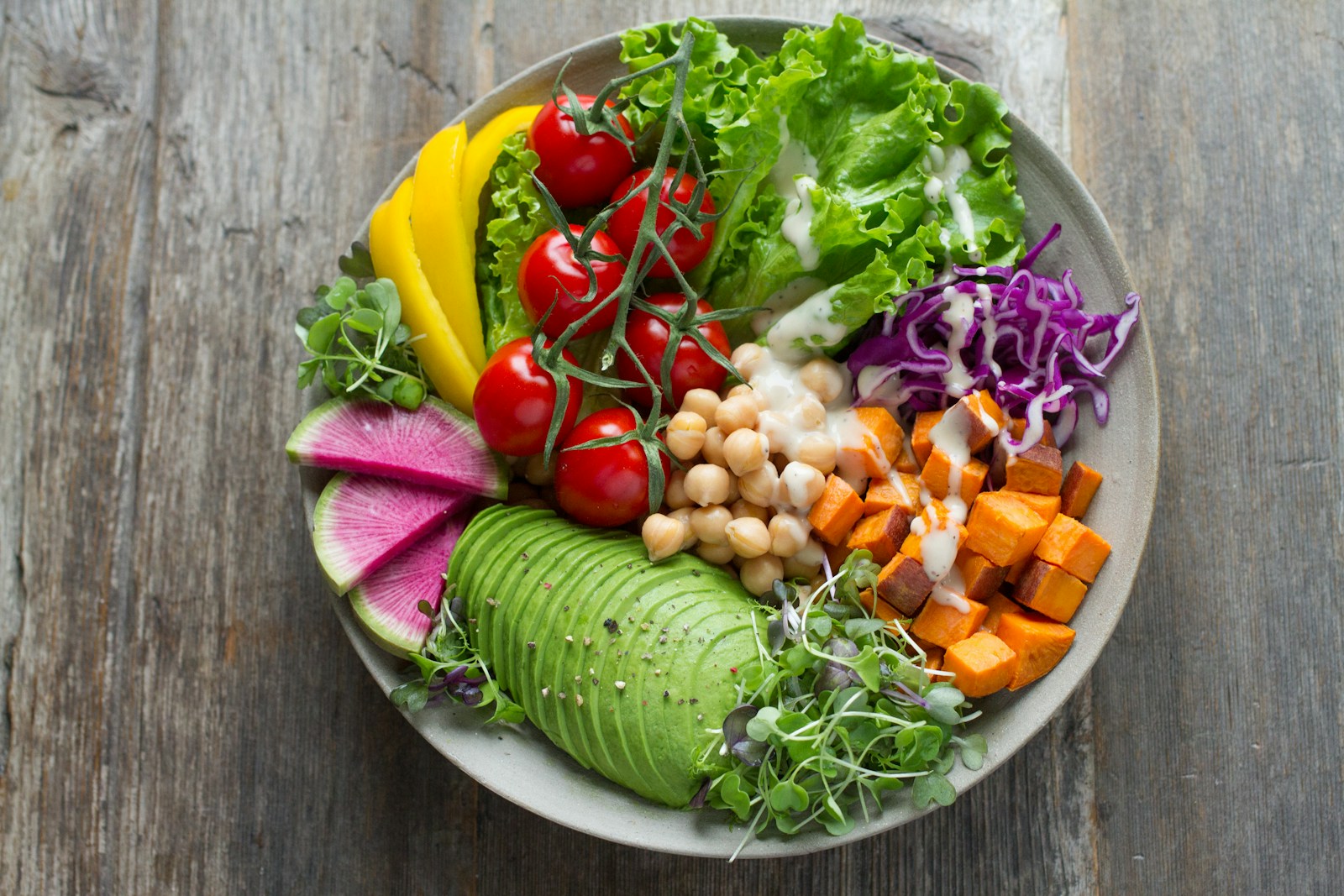
You do not need to earn a nutrition degree to eat well while trying to conceive. A simple, repeatable plate does most of the work. Aim for half colorful produce, a quarter quality protein, a quarter whole grains, plus a source of healthy fat.
From there, personalization is what makes it stick. Berry Street connects you 1-on-1 with a registered dietitian through virtual visits, built around your labs, your cycle, and your real life. Nutrition counseling is often covered by insurance. Berry Street is in-network with 1,250+ insurance plans, and 95% of members pay $0. If and when you feel ready, you can start today and check your coverage in about 60 seconds, with no pressure.
Frequently Asked Questions
What Are the Best Foods to Improve Egg Quality?
There is no single food that guarantees better egg quality, but antioxidant-rich produce, omega-3 fats, and folate-rich foods all support the systems involved. Berries, leafy greens, salmon, and walnuts are practical staples. Consistency over months matters more than any one meal.
What Foods Should I Avoid While Trying to Conceive?
Rather than “avoid,” think “moderate.” Many people limit alcohol, keep caffeine around 200 milligrams a day, and go easy on high-mercury fish like swordfish and king mackerel. Nothing is strictly off-limits, and your dietitian can help you personalize this.
How Long Before Trying to Conceive Should I Start Focusing on Nutrition?
A window of 3 to 6 months is a practical target. Eggs take roughly 90 days to mature, and a prenatal vitamin is often recommended in that timeframe. That said, starting whenever you can still helps.
Does What You Eat Still Matter for Fertility After 35?
Yes. Age is one factor in fertility, but diet quality still supports hormone balance, egg and sperm health, and overall wellbeing at any age. Nutrition does not reverse age, and it remains a worthwhile part of the picture.
What Should I Eat During Ovulation to Support Conception?
There is no special ovulation menu, and you do not need to change your plate day to day. Keeping your everyday pattern steady, colorful produce, quality protein, whole grains, and healthy fats, supports your cycle as a whole. Eating enough throughout the month matters more than timing any single food.
Does My Partner’s Diet Affect Fertility Too?
Yes. Sperm take roughly two to three months to develop, about 74 days, so a male partner’s eating pattern matters just as much during the preconception window. Antioxidant-rich produce, omega-3 fats, and quality protein support sperm quality for many people, and a registered dietitian can help both partners build supportive habits together.
Can Nutrition Help With PCOS When Trying to Conceive?
For many people with PCOS, steadier blood sugar can support more regular ovulation, so meals that pair fiber-rich carbohydrates with protein and healthy fat may help. PCOS is a medical condition worth managing with a licensed professional, not a generic health coach. A registered dietitian can personalize an approach around your labs and cycle rather than handing you a restrictive plan.
Do I Need Supplements, or Is Food Enough?
Food comes first for most nutrients, but a prenatal vitamin with folic acid (most absorbable in the form of folate) is one supplement broadly recommended before conception. Whether you also benefit from vitamin D, omega-3s, or iron depends on your labs and your eating pattern, so this is worth checking rather than guessing. A registered dietitian can review your bloodwork and tell you what actually adds value.
How Does Blood Sugar Affect Fertility?
Blood sugar and reproductive hormones are closely linked, so steadier blood sugar may support more balanced hormones for some people. Pairing carbohydrates with protein, fat, or fiber helps soften the swings without cutting out any food group. A registered dietitian can help you build steady meals around your routine, no counting required.
Should I Follow the Mediterranean Diet to Get Pregnant?
The Mediterranean pattern shows up often in fertility research because it naturally gathers folate, omega-3 fats, fiber, and colorful produce in one place. It works as a flexible framework rather than a strict set of rules, though it is not the only valid path. Your culture, preferences, and health conditions all matter, and a registered dietitian can adapt the idea to foods you actually enjoy.
Last Reviewed by Bridget Isaacs, MS, RD — August 2026.