Key Takeaways
Nutrition tips for kids with ADHD work best as support for your child’s care team, never as a replacement for prescribed treatment.
Stimulant medications often reduce appetite during the day, so the goal is adding fuel, not cutting foods.
Protein-paired meals, omega-3-rich foods, and steady eating may help some kids maintain energy through the day.
Sugar does not cause ADHD, and no food needs to be labeled off-limits.
Picky eating is common with ADHD, and adding new foods with zero pressure works better than forcing them.
If your child has ADHD, mealtimes can feel like their own kind of puzzle. Maybe breakfast disappears in two bites. Maybe lunch comes home untouched. Maybe dinner turns into a standoff over the one food they trust today.
You are not doing anything wrong. These patterns are common, and there are practical, non-judgmental ways to support your child. This guide walks through nutrition tips for kids with ADHD that focus on adding steady fuel, not policing plates.

In 30 seconds: A supportive ADHD diet for kids centers on steady energy from protein, fiber, and regular meals, plus enough overall fuel for growth. Nutrition can support attention, mood, and appetite challenges, but it works alongside your child’s medical team, never instead of prescribed treatment.
Why nutrition matters for kids with ADHD
Kids with ADHD have the same core needs as any growing child: enough energy, enough variety, and enough support to eat without pressure. Good nutrition helps every child feel steadier through the day.
Here is the honest part. Food is one piece of a bigger picture. Nutrition can support focus, mood, and energy, but it does not treat ADHD on its own.
Think of it this way. Your child’s prescribing physician and care team lead the treatment plan. A registered dietitian works alongside them, helping with appetite, growth, and daily eating habits. Nutrition supports that plan. It never replaces it.

Why feeding a child with ADHD can feel hard
If meals feel harder in your house than in others, there are real reasons for that. Two challenges come up again and again.
Appetite loss from stimulant medications
Many ADHD medications are stimulants, and reduced appetite is one of their most common effects. Research reviews confirm that stimulant medications frequently cause decreased appetite during the day, which can make daytime eating a struggle.
This is not your child being difficult. Their body genuinely feels less hungry while the medication is active. Appetite often returns in the evening as it wears off, and that shift is expected.
“When a child barely eats during the day because their medication turns off hunger, I tell parents to start working with it and planning around the change in appetite. We plan to front-load a nutritious breakfast before the meds kick in, keep easy, calorie-dense foods within reach for the evening rebound, and let go of the idea that every meal has to happen at a ‘normal’ time. Consistency over the whole day matters more than any single plate.” — Bridget Isaacs, MS, RD
Picky eating and sensory sensitivities, and the ADHD to ARFID link
Selective eating is common with ADHD. Sensory sensitivities to texture, smell, or color can make certain foods feel genuinely hard to eat, not just unwanted.
For some kids, avoidance goes further. Research links ADHD with Avoidant/Restrictive Food Intake Disorder (ARFID). One Swedish study found ADHD present in about 17% of children with ARFID, with roughly 9.4 times higher odds compared with children without ARFID.
If your child’s eating feels very limited or is affecting growth, that is worth raising with their care team. A dietitian can help you tell everyday picky eating apart from something that needs more support.
6 dietitian-backed nutrition tips for kids with ADHD
These are gentle, add-first ideas. Try what fits your child, and skip what does not. There is no perfect plan here, only what works for your family.
Pair protein with carbs at breakfast
Protein foods supply amino acids like tyrosine and tryptophan, which the body uses to build dopamine and serotonin. Pairing protein with a carbohydrate gives a more gradual, lasting source of energy than carbs alone.
A few easy combinations:
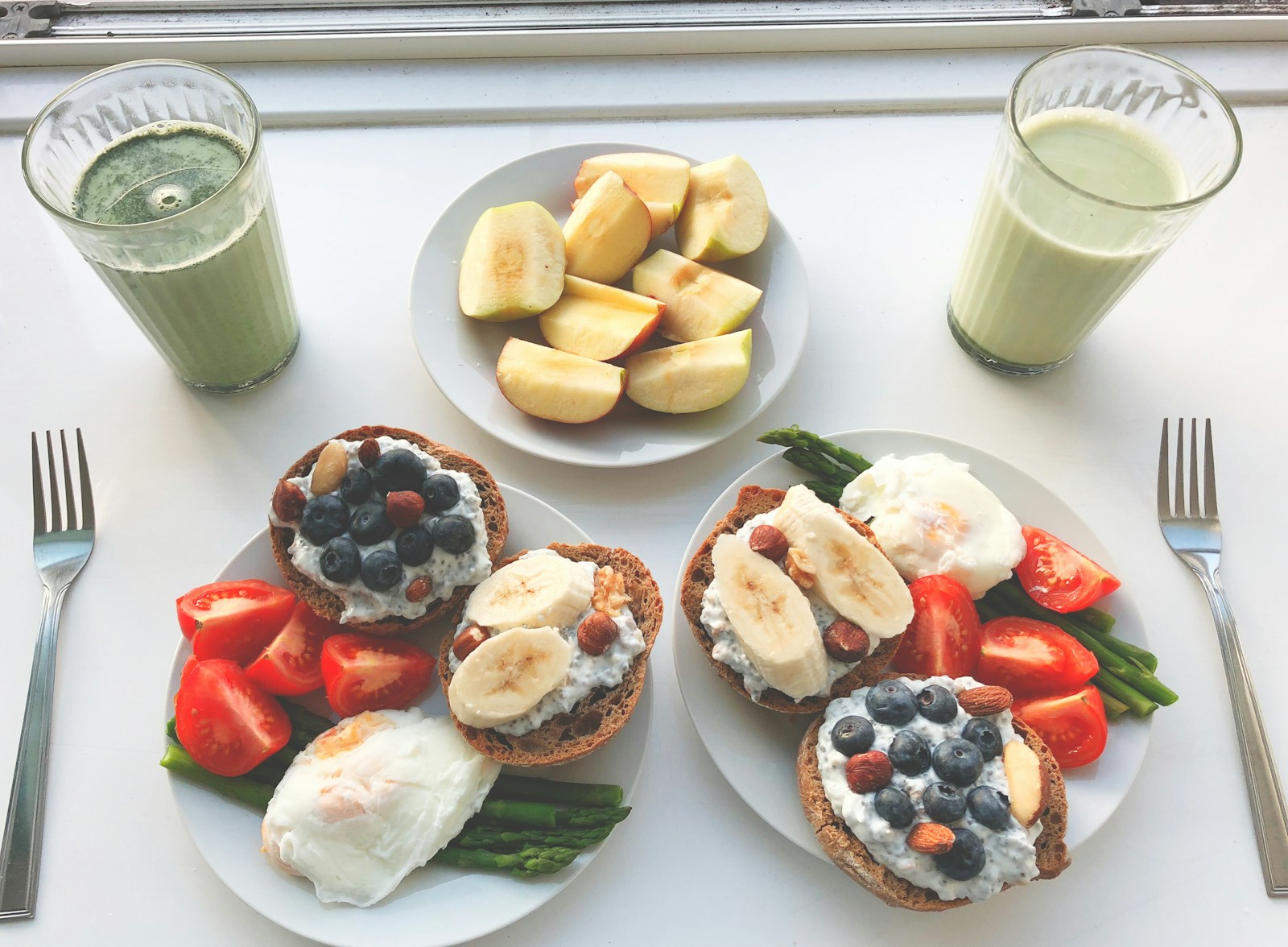
Eggs with whole-grain toast
Greek yogurt with berries and oats
Nut or seed butter on a banana
A smoothie with milk, fruit, and a scoop of protein
Getting a solid breakfast in early also helps, since it lands before stimulant medications reduce daytime appetite.
Think of snacks as mini-meals, not treats
For kids who eat little at main meals, snacks carry real nutritional weight. Treat them as small meals rather than afterthoughts.
A balanced mini-meal pairs a protein or fat with a carbohydrate:
Cheese and whole-grain crackers
Apple slices with peanut butter
Hummus with pita and veggies
Trail mix with nuts and dried fruit
This keeps fuel coming across the day, which matters most when the appetite window is short.
Include omega-3-rich foods
You may have heard omega-3s help with ADHD. The honest answer is that the evidence is mixed. A meta-analysis of 31 trials found no effect on core ADHD symptoms, though some individual studies suggest possible benefit, especially in children with a documented deficiency.
Current evidence does not support omega-3s as an ADHD treatment. Still, omega-3-rich foods are a healthy part of balanced eating for any child:
Salmon, tuna, or sardines
Walnuts and chia seeds
Ground flaxseed
Omega-3-fortified eggs

Talk to your child’s care team before starting any supplement.
Keep energy steady with fiber and whole foods
Big swings in energy can make a hard day harder. Meals built around fiber and whole foods release energy more gradually than refined carbs on their own.
This is general good nutrition, not an ADHD-specific fix. Pairing fiber-rich carbs with protein may help steady energy for some kids and avoid mid-afternoon dips. Think whole grains, beans, fruits, and vegetables added alongside foods your child already enjoys.
Stay hydrated throughout the day
Hydration is easy to overlook, and mild dehydration can leave any child feeling tired or foggy. Kids busy with school and play often forget to drink.
A few simple habits help:
Send a labeled water bottle to school
Offer water with every meal and snack
Add fruit slices for a little natural flavor
Build in drink breaks during screen or play time
Work with, not against, your child’s appetite window
If medication flattens daytime hunger, the evening is often when real appetite returns. Instead of forcing lunch, lean into the hours when your child feels ready to eat.
That might mean a hearty breakfast before medication, lighter grazing midday, and a fuller dinner and evening snack. Depending on your child’s needs, this rhythm can help them get enough fuel without a daily battle. Your dietitian can help you shape a pattern that fits.
What about sugar, food dyes, and elimination diets?
This is where a lot of fear and conflicting advice shows up. Let us walk through it.
Does sugar cause ADHD or make it worse?
No. Sugar does not cause ADHD, and the research on sugar and ADHD symptoms is conflicting. In fact, higher sugar intake may be a consequence of ADHD-related eating patterns rather than a cause of symptoms.
Food dyes are a related question. A California state review found synthetic food dyes associated with hyperactivity in some children, though responses vary from child to child. If you notice a pattern with a particular food, mention it to your care team.
None of this means sugar or brightly colored foods are off-limits. Balance, not fear, is the goal.
When an elimination diet may, and may not, make sense
Elimination diets get a lot of attention online. In practice, they are supervised clinical protocols, not casual DIY experiments.
The evidence here is scarce, and cutting foods without guidance carries real nutritional risk for a growing child, so caution is advised. Children with ADHD already tend to show less adherence to varied, healthy eating patterns, which makes protecting variety even more important.
If an elimination approach ever makes sense for your child, it should happen with a dietitian and physician guiding it. That way you protect nutrition while you learn what helps.
“Adding variety for a picky eater with ADHD is slow but important, and it never happens by labeling foods good or bad. I ask families to put a new food on the table next to a safe favorite, with zero pressure to eat it. Some kids need to see a food ten or fifteen times before they try it, and that is completely normal. We celebrate a lick or a sniff as progress, and we keep meals calm so the table never becomes stressful.” — Bridget Isaacs, MS, RD
How a registered dietitian supports your family
A registered dietitian nutritionist is a licensed medical professional with years of clinical training. For a child with ADHD, an RD can help with appetite changes, growth, variety, and building steady habits, all alongside your child’s prescribing physician.
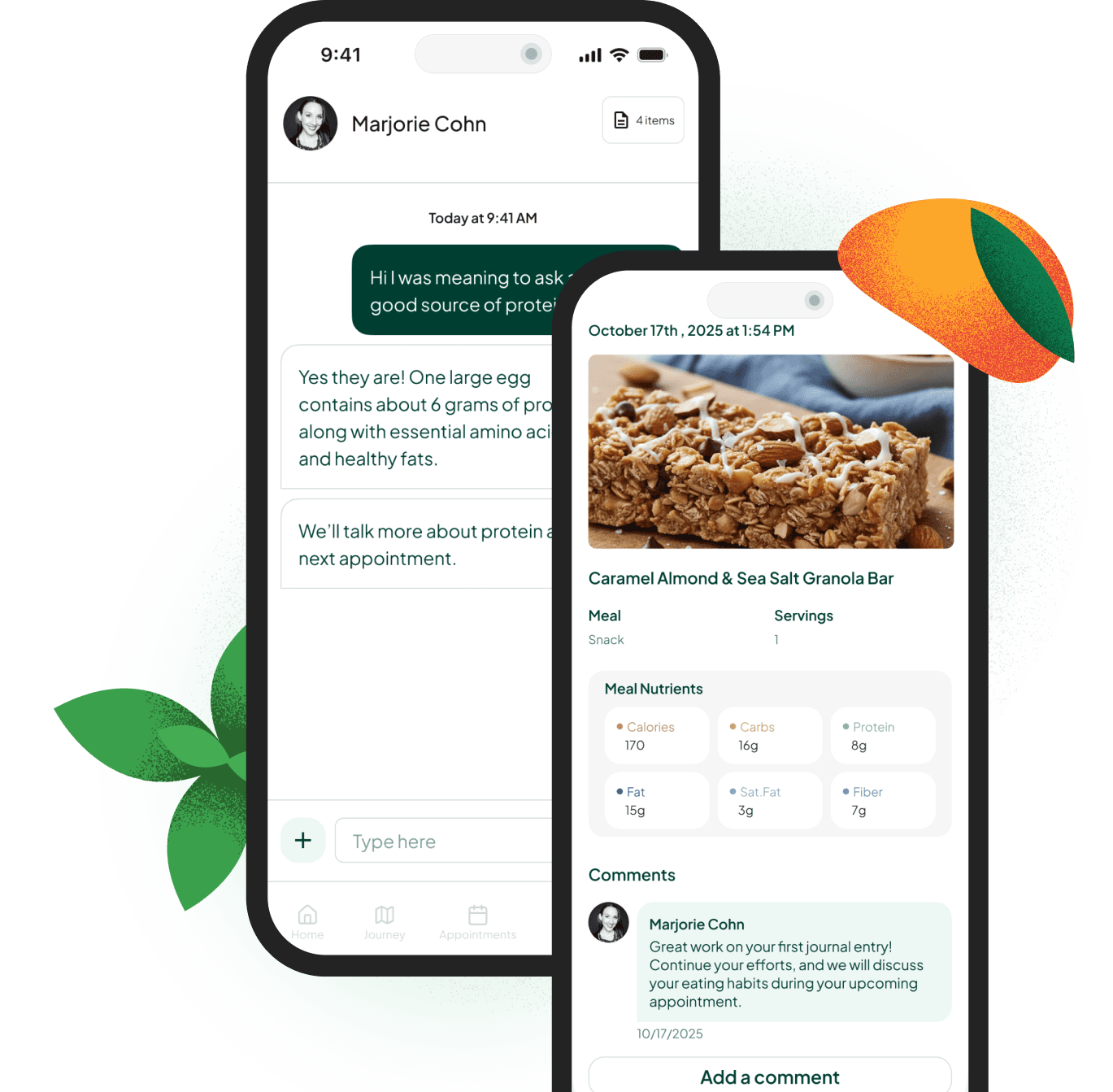
At Berry Street, care is fully virtual and centered on your child, with no rigid plans and no calorie counting. Our dietitians offer pediatric nutrition therapy and mental health nutrition support tailored to your family’s real life.
Cost is often less of a barrier than parents expect. Berry Street is in-network with 1,250+ insurance plans, and 95% of members pay $0. You can check your coverage and connect with a dietitian whenever you feel ready.
Building steady habits without the mealtime battles
Feeding a child with ADHD is not about a perfect plate. It is about steady fuel, gentle structure, and a table that feels calm instead of tense.
Start with one small change. Add a protein at breakfast, or keep easy snacks ready for the evening rebound. Small, consistent steps add up, and you do not have to figure it out alone.

If you would like personalized support, a Berry Street dietitian can work with your family alongside your child’s care team, at a pace that fits your life.
Frequently Asked Questions
Does sugar make ADHD worse in children?
Research on sugar and ADHD symptoms is conflicting, and sugar does not cause ADHD. Higher sugar intake may reflect ADHD-related eating patterns rather than drive symptoms. Focus on overall balance rather than cutting sugar out entirely.
What foods should kids with ADHD avoid?
No food needs to be forbidden. It helps to think in terms of foods that steady energy, like protein, fiber, and whole foods, alongside foods to enjoy in balance. Variety and adequate fuel matter far more than any single food to avoid.
Can diet replace ADHD medication?
No. Nutrition can support focus, mood, appetite, and energy, but it does not replace ADHD medication or treatment. A dietitian works alongside your child’s prescribing physician, never instead of them.
Why does my child on ADHD medication have no appetite?
Many ADHD medications are stimulants, and reduced daytime appetite is a common, expected effect. Hunger often returns in the evening as the medication wears off. Working with that appetite window, rather than against it, usually helps more than forcing meals.
Do omega-3 supplements help ADHD in kids?
The evidence is mixed. A large review found no effect on core ADHD symptoms, though some kids with a documented deficiency may benefit. Talk to your child’s care team before starting any supplement.
Last Reviewed by Bridget Isaacs, MS, RD — August 2026.