Key Takeaways
Zepbound (tirzepatide) is a GLP-1/GIP medication prescribed and monitored by a medical team to support metabolic health. It changes how hungry and how full you feel, so what you eat matters more than how much you restrict.
There is no official “Zepbound diet.” The goal is a flexible, nourishing way of eating you can actually keep up, not a rigid calorie-deficit plan.
Protein and fiber are your two anchors. Protein helps protect muscle as you lose weight, and fiber supports fullness and digestive comfort.
Most Zepbound side effects, including nausea, low appetite, and constipation, can be eased with small, frequent meals, steady hydration, and simple food swaps.
A registered dietitian can personalize your protein targets, meal timing, and side-effect strategies to your body and your life, and most Berry Street members pay $0 with insurance.
Starting Zepbound often brings a wave of questions, and “what am I actually supposed to eat now?” is usually near the top. The honest answer is that food becomes more important on this medication, not less. When your appetite drops, every bite has a bigger job to do. This guide walks through how a registered dietitian approaches eating on Zepbound, from the foods that work well with the medication to what helps on a queasy shot day.
In 30 seconds: On Zepbound, focus on protein and fiber first, eat small and often, and stay well hydrated. There is no single required “Zepbound diet.” The aim is a sustainable, nourishing pattern that protects your muscle, eases side effects, and fits your real life, ideally built with a registered dietitian.
How Zepbound changes the way you eat
Zepbound is the brand name for tirzepatide, a medication that acts on two gut hormone pathways, GLP-1 and GIP. It is FDA-approved for weight management and works with a medical team behind it, not on its own. Understanding what it does to your appetite makes it much easier to plan your meals.
Why appetite, fullness, and digestion shift on tirzepatide
Tirzepatide slows how quickly your stomach empties and quiets the hunger and “food noise” signals in your brain. That is why many people feel full faster, stay full longer, and simply think about food less. This same slowing of digestion is also why some foods sit heavily or trigger nausea, especially early on or after a dose increase. GLP-1s delay gastric emptying, leading to bloating, fullness, and nausea. For most people these effects ease as the body adjusts to a steady dose.
The practical takeaway is that you may not feel like eating much, but your body still needs nutrients, and arguably needs them more efficiently packed than before. That is the shift a dietitian helps you navigate.

Is there an official “Zepbound diet”? (Short answer: no, and why that’s good news)
There is no mandatory Zepbound meal plan or approved food list you have to follow. That is genuinely good news. A one-size-fits-all diet is exactly the kind of rigid approach that tends to work “until it doesn’t.” Instead, the evidence points toward a flexible, nutrient-dense pattern personalized to you. In fact, a major 2025 advisory from leading nutrition and obesity organizations emphasizes that pairing these medications with individualized nutrition care helps protect muscle, prevent nutrient gaps, and support results over time.

The 3 nutrition priorities on Zepbound
When appetite is limited, priorities matter. These three come first for most people, and you can personalize the details with your dietitian.
Protein — to protect muscle as you lose weight
When you lose weight quickly, some of that loss can come from muscle, not just fat. Protein, paired with strength-building activity, is your main tool to protect lean mass and keep feeling strong.
To see why this matters, look at the STEP 1 trial of semaglutide, a medication in the same GLP-1 class as Zepbound. Of the average 13.6-kg weight reduction, 8.3 kg (62%) was fat mass and 5.3 kg (38%) was lean body mass, the tissue that includes muscle. That works out to roughly 20% of total weight lost coming from muscle. It is a class-wide pattern worth planning around, not a reason to worry.
Prioritizing protein is one of the most protective habits you can build. Research on higher-protein eating supports its role on two fronts: it helps with appetite and satiety control, and it helps preserve lean mass while you lose weight.
A common baseline many clinicians reference is roughly 80 to 120 grams of protein a day, but think of that as a flexible starting point, not a rule. Your right number depends on your body, your activity, and your individual needs, which is exactly what a dietitian helps you personalize.
Fiber — for fullness and digestive comfort
Fiber does double duty on Zepbound. It supports steady fullness and it helps keep digestion moving, which matters because constipation is common on this medication. Think fruits, vegetables, whole grains, beans, nuts, and seeds. Increase fiber gradually and pair it with fluids so your system adjusts comfortably.
Healthy fats and hydration
A little healthy fat from foods like olive oil, avocado, nuts, and fish adds staying power and helps you absorb key vitamins. Because very greasy meals can worsen nausea, the emphasis is on modest amounts of quality fats rather than heavy, fried foods. Hydration deserves equal attention, since reduced eating and drinking can leave you short on fluids. Steady water intake through the day supports digestion, energy, and comfort.
What to eat on Zepbound (foods that work with the medication)
No food is off-limits here. The idea is to lean into foods that deliver a lot of nutrition in a manageable volume, since you may be eating less overall.
Lean and plant proteins
Aim to include a protein source at each meal and snack. Options that tend to feel easy on the stomach include:
Greek yogurt, cottage cheese, and milk
Eggs
Fish and seafood
Chicken and turkey
Beans, lentils, tofu, and edamame
Protein smoothies or shakes when solid food feels like too much
Lower-volume, nutrient-dense proteins are especially useful when appetite is low. A helpful habit is to eat your protein first at a meal, so you get it in before fullness sets in.

Fiber-rich fruits, vegetables, and whole grains
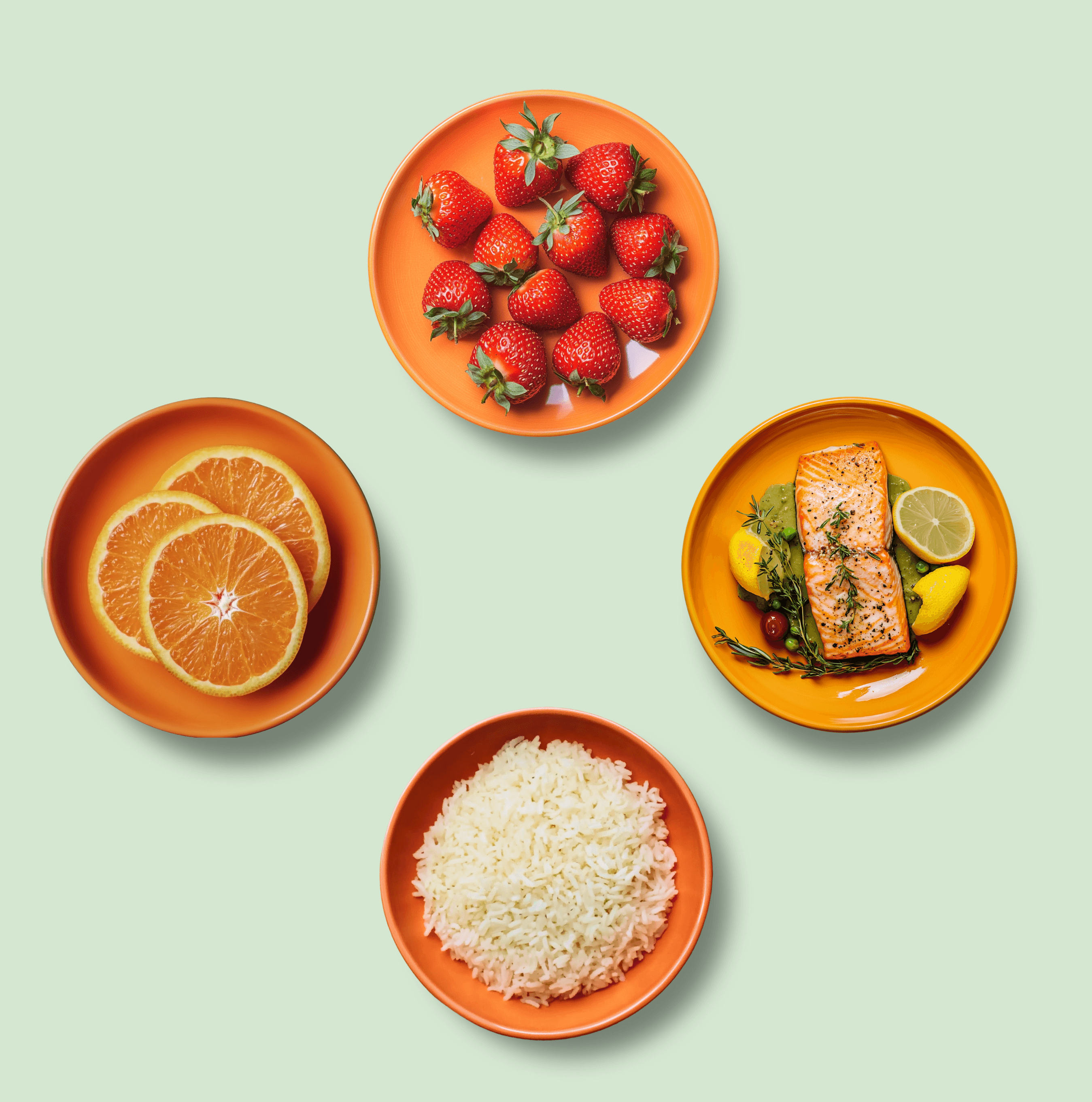
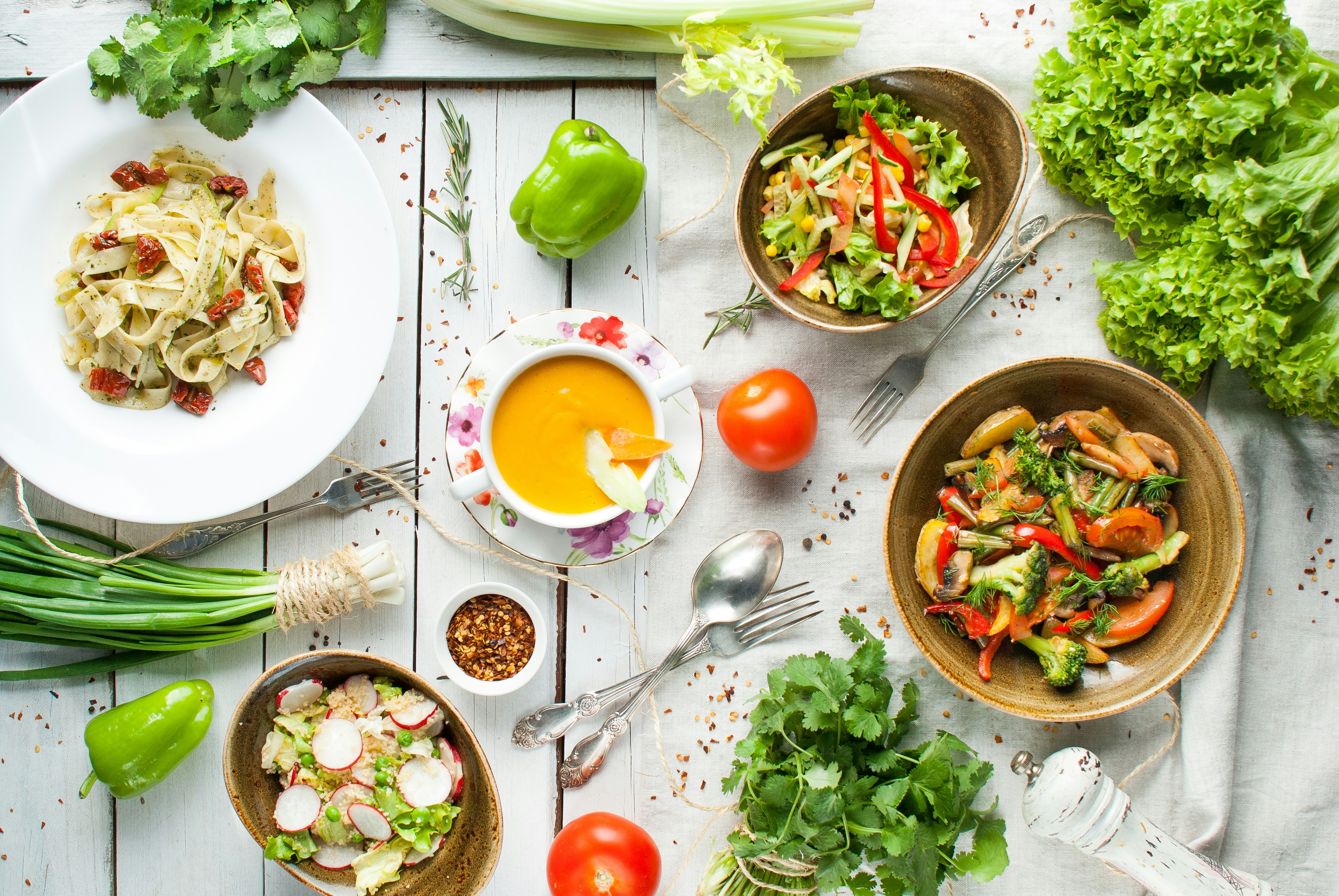
Colorful produce, whole grains like oats, quinoa, and brown rice, and legumes give you fiber, vitamins, and minerals in every bite. Berries, apples, leafy greens, carrots, squash, and peas are all easy additions. If large salads feel like too much volume, cooked vegetables and blended soups can be gentler while still delivering fiber. Spreading fiber-rich foods across your meals and snacks, and building them up gradually, helps you get enough without overwhelming your stomach.

Healthy fats
Include modest portions of olive oil, avocado, nuts, seeds, and fatty fish like salmon. These support nutrient absorption and add flavor and satisfaction without the heaviness that fried foods can bring.
Fluids and hydration
Water is the foundation, but unsweetened teas, broths, and milk count too. Ginger or peppermint tea can be soothing if you feel queasy. Sipping steadily rather than gulping large amounts at once tends to feel best when digestion is slowed.
Foods to limit (and why — no food is off-limits)
Nothing on this list is “bad” or forbidden. The point is comfort and how certain foods interact with a medication that slows digestion. Many people find they naturally want less of these foods on Zepbound anyway.
Fried and very greasy foods
High-fat, fried foods take longer to digest and are among the most common triggers for nausea and that overly full feeling. You do not have to avoid them forever, but easing back, especially around a dose increase, often helps you feel better.
Added sugars and sugary drinks
Sugary drinks and very sweet foods can spike and crash your energy and add little nutrition when you have limited room for it. They can also worsen digestive discomfort for some people. Choosing them mindfully leaves more space for the protein and fiber your body needs.
Ultra-processed foods and alcohol
Ultra-processed snacks tend to be low in the fiber and protein that serve you well right now. Alcohol is worth minimizing too, both because it can intensify nausea and reflux and because it can hit harder when you are eating less. As always, balance and personalization matter more than strict rules.
Eating through Zepbound side effects
Side effects are common, usually temporary, and often very manageable with food strategies. They tend to show up most in the first weeks and after dose increases, then settle down.
What to eat when nausea hits
When you feel queasy, reach for bland, lower-fat, easy-to-digest foods, and keep meals small. Crackers, toast, rice, bananas, broths, and smoothies are gentle choices. Eating small amounts regularly, rather than waiting until you are famished, often prevents the nausea from worsening. Ginger or peppermint tea can help settle your stomach too.
“When a client tells me they’re too nauseated or too full to eat and they’re panicking about protein, I tell them the goal for that day isn’t a perfect number, it’s getting something in. We start with the easiest wins, like a glass of milk, a few bites of Greek yogurt, or a protein shake sipped slowly over an hour. Liquids and soft foods almost always go down easier than a chicken breast, and a little protein consistently beats a lot of protein you can’t tolerate.” — Bridget Isaacs, MS, RD
What to eat when you’re not hungry (getting enough in on low appetite)
Low appetite is one of the trickiest parts of Zepbound, because you still need nourishment even when hunger signals are quiet. This is where nutrient-dense, lower-volume foods shine, and where a gentle eating schedule helps. Smoothies with yogurt and fruit, cottage cheese, soups, and protein drinks are often more appealing than heavy meals. Setting a simple reminder to eat every few hours can keep you from unintentionally going all day without food.
Eating on shot day
Many people feel a little more queasy on the day of their injection or the day after. If that is you, plan a lighter, gentler day of eating around it. Lean on the bland, easy foods and steady fluids you would use for nausea, keep portions small, and do not force a big meal. A predictable shot-day routine takes a lot of the guesswork out.
Preventing constipation
Slowed digestion plus eating less can lead to constipation. Fiber, fluids, and movement are your first line of defense. Gradually add foods with soluble and insoluble fiber, such as prunes and other fruits, vegetables, and whole grains, and keep your water intake up. If food strategies are not enough, your care team can talk with you about options like magnesium or a fiber supplement.
A sample day of eating on Zepbound
This is an example, not a prescription. Portions may look smaller than you are used to, and that is okay. Adjust to your appetite and personalize with your dietitian.
Sample breakfast, lunch, dinner, and snacks
Breakfast: Greek yogurt with berries and a sprinkle of chia seeds, or a protein smoothie if mornings feel queasy.
Lunch: A small bowl of lentil soup with a piece of whole-grain toast, or eggs with sautéed spinach.
Dinner: A few ounces of salmon or tofu with roasted vegetables and a small scoop of quinoa.
Snacks: Cottage cheese, a handful of nuts, a hard-boiled egg, or hummus with soft-cooked veggies.
Meal timing and small, frequent meals
Rather than three large meals, many people do better with smaller meals and snacks spread across the day. This keeps nutrition steady, eases the load on your digestion, and helps you hit your protein and fiber goals without feeling overwhelmed at any one sitting. Eating at regular times, even when hunger is low, is one of the most helpful rhythms to build.
How a dietitian personalizes your Zepbound nutrition
Everything above is a starting framework. The real value comes from tailoring it to you, because your protein needs, your side effects, your schedule, and your food preferences are unique. Individual responses to these medications vary widely, which is exactly why personalized support matters so much.
The Berry Street GLP-1 Nutrition Pathway
At Berry Street, our registered dietitians meet you wherever you are. Early on, we help you explore how the medication is affecting your appetite and digestion and build easy, doable habits. As you settle in, we help you optimize protein, fiber, and meal timing so you feel strong and well. Over time, we focus on helping you sustain a way of eating that supports your goals without restriction or calorie math. You can learn more about how our dietitians support GLP-1 care on our GLP-1 nutrition support page.
“The clients who feel best on Zepbound long term aren’t the ones counting every calorie, they’re the ones who’ve built a handful of reliable, protein and fiber-forward meals they actually enjoy and can repeat on autopilot. My job is to help you find your versions of those, protect your muscle with enough protein and some strength work, and adjust as your appetite changes, so eating well feels sustainable instead of like one more thing to white-knuckle.” — Bridget Isaacs, MS, RD
Working with a Berry Street registered dietitian
You do not have to figure this out alone. Berry Street connects you with a registered dietitian who understands GLP-1 nutrition and builds a plan around your body, your goals, and your life. Care is fully virtual, and most members pay $0 with insurance. Berry Street clinicians can also prescribe FDA-approved GLP-1 medications, including Zepbound, with a dietitian included at no extra cost to help you protect muscle, manage side effects, and sustain your results.
If you want support eating well on Zepbound, you can connect with a Berry Street registered dietitian and get started. It also helps to understand the bigger picture before or during treatment. These related reads are a good place to start: what to know before you start weight loss medication and how weight loss injections work.

Frequently Asked Questions
Is there a specific diet you have to follow on Zepbound?
No. There is no official or required Zepbound diet. The most effective approach is a flexible, nutrient-dense pattern focused on protein and fiber, personalized to your needs and preferences. Working with a dietitian helps you build something sustainable rather than restrictive.
What foods should you avoid on Zepbound?
No food is truly off-limits, but many people feel better limiting fried and very greasy foods, sugary drinks, ultra-processed snacks, and alcohol. These can worsen nausea or digestive discomfort and tend to crowd out the protein and fiber your body needs when you are eating less.
What should you eat on Zepbound to avoid nausea?
Choose bland, lower-fat, easy-to-digest foods like crackers, toast, rice, bananas, broths, and smoothies, and keep meals small and frequent. Eating regularly instead of waiting until you are very hungry helps, and ginger or peppermint tea can be soothing.
What can you eat on Zepbound when you’re not hungry?
Focus on nutrient-dense, lower-volume foods that are easy to get down, such as protein smoothies, Greek yogurt, cottage cheese, soups, and protein drinks. Setting a reminder to eat small amounts every few hours helps you get enough in even when hunger signals are quiet.
How much protein should you eat on Zepbound?
Many clinicians use a flexible baseline of about 80 to 120 grams of protein per day, but your ideal amount depends on your body, activity level, and needs. Think of it as a starting point to personalize with your dietitian, not a strict rule.
What should you eat on Zepbound shot day (the day of your injection)?
If you feel more queasy on shot day, plan a lighter, gentler day of eating. Lean on bland, easy-to-digest foods, keep portions small, sip fluids steadily, and do not force a large meal. A predictable routine makes shot days easier.
What’s a good breakfast on Zepbound?
A protein-forward breakfast that is easy on the stomach works well, such as Greek yogurt with berries and chia seeds, eggs with vegetables, or a protein smoothie on queasier mornings. Getting protein in early helps you meet your goals before appetite fades.
How many calories should you eat on Zepbound?
There is no single calorie number, and calorie counting is not the goal here. Because appetite drops, the priority is making the food you do eat count, with enough protein, fiber, and nutrients to protect your muscle and energy. A dietitian can help you make sure you are eating enough.
Can you drink alcohol on Zepbound?
It is best to minimize alcohol on Zepbound. It can worsen nausea and reflux, and it may affect you more strongly when you are eating less. If you do drink, keep it modest and see how your body responds, and talk with your care team about what is right for you.
What should you eat to prevent constipation on Zepbound?
Prioritize fiber from fruits, vegetables, whole grains, and beans, increase it gradually, and drink plenty of fluids. Prunes and other fruits can be especially helpful, and regular movement supports digestion. If that is not enough, your care team can suggest additional options.
How do you get enough fiber and stay hydrated on Zepbound?
Add fiber slowly across meals and snacks so your system adjusts, and pair it with steady fluids throughout the day. Soups, smoothies, and cooked vegetables deliver both fiber and water in gentle forms, and sipping regularly is easier than large amounts at once.
What does a sample day of eating on Zepbound look like?
A typical day might include Greek yogurt with berries at breakfast, lentil soup with whole-grain toast at lunch, salmon or tofu with vegetables and quinoa at dinner, and small protein-rich snacks in between. Portions are often smaller than before, spread into small, frequent meals.