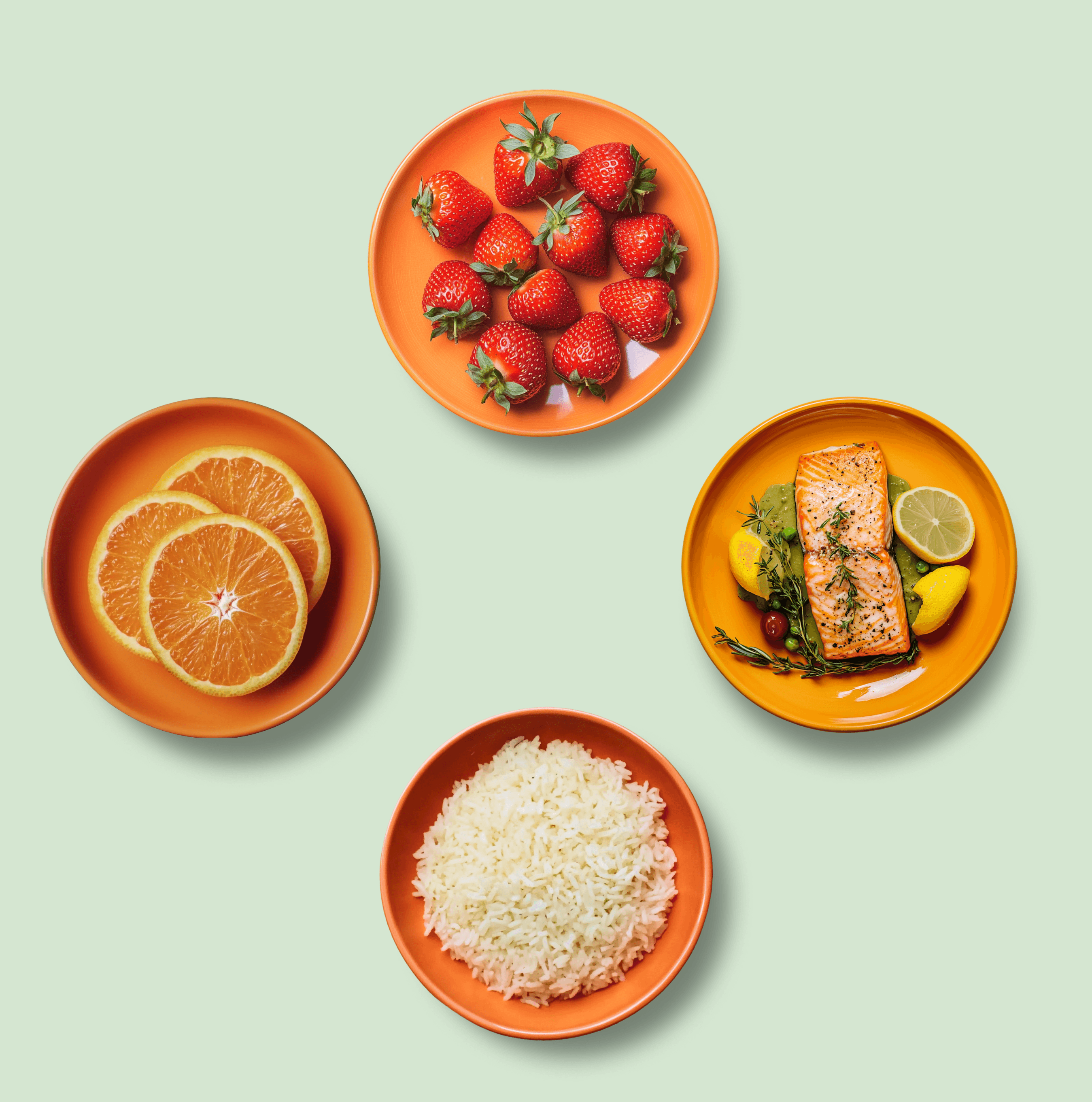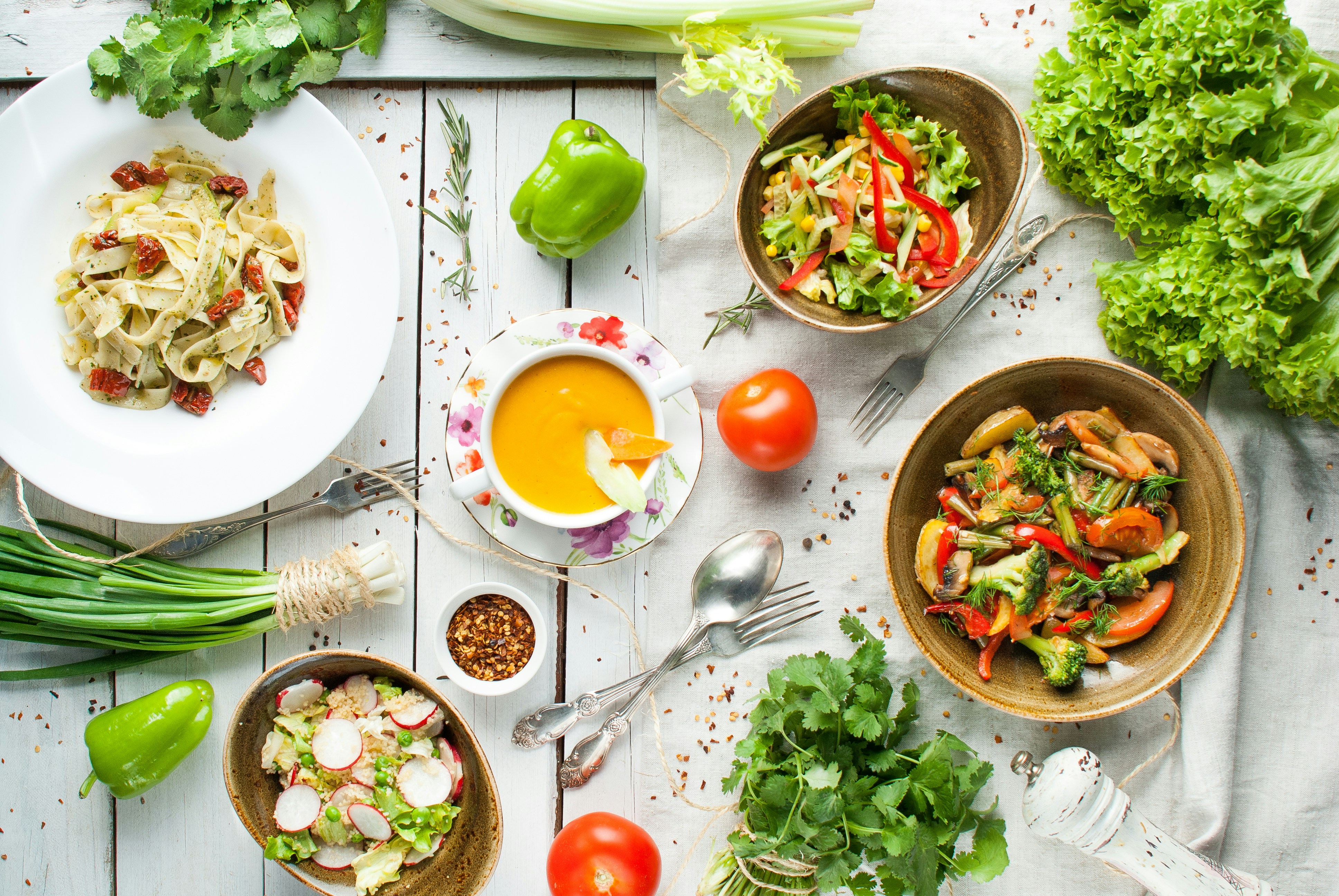
Eating well doesn't have to mean spending more. In fact, some of the most nutrient-dense, satisfying meals can be made from low-cost staples and smart planning. Healthy eating on a budget is really about being intentional, not restrictive. Whether you’re managing a tight food budget, looking to cut back on food waste, or just want to get the most nutrition for your dollar, this guide is for you.
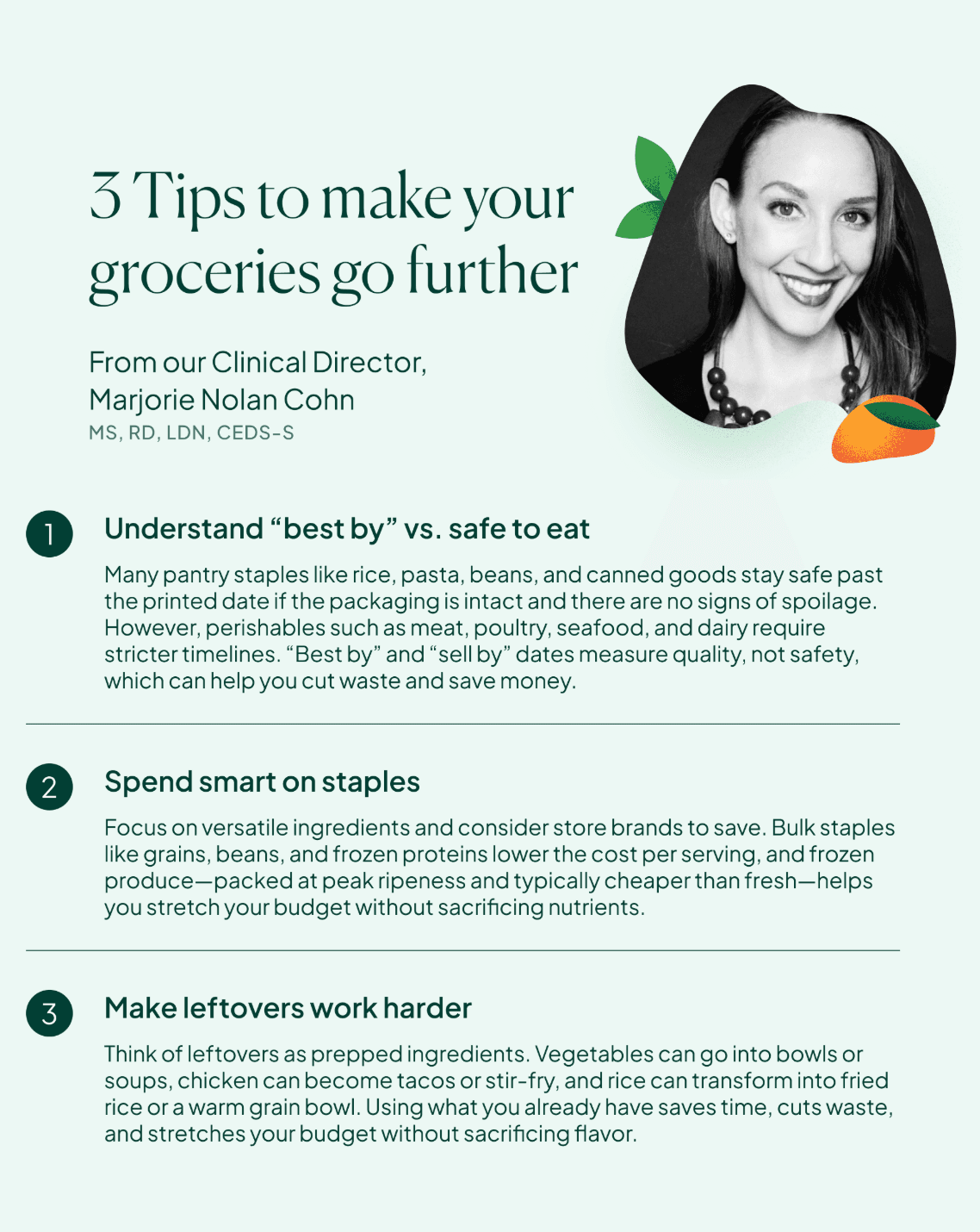
"Healthy eating is absolutely possible on a budget," says Marjorie Nolan Cohn, MS, RD, LDN, CEDS-S, and Clinical Director at Berry Street. "It just takes a bit of strategy, flexibility, and creativity."
“I often tell my clients, it's not about eating perfectly—it's about eating consistently,” says Bridget Isaacs, MS, RD. “That consistency is what creates balance and sustainability, even on a tight budget.”
That’s the mindset we’re promoting here…progress over perfection, and simple choices that add up to positive benefits over time. Let’s take a look at how you can stretch your grocery dollars while still prioritizing real, satisfying, and nourishing meals.

1. Start with a Flexible Meal Plan (Not a Rigid One)
Planning your meals doesn’t mean locking yourself into strict menus or eating the same thing every day. Think of meal planning as a loose framework rather than a specific set of rules. Start by considering what’s already in your kitchen, what’s on sale, and what you actually enjoy eating.
Flexible meal planning helps cut down on last-minute decisions, which often lead to expensive takeout, and it gives you a clear shopping list to follow so that you’re buying with purpose instead of buying on impulse.
Pro Tip: Leave one to two meals open each week to use up odds and ends. These can easily turn into stir-fries, soups, pasta dishes, or grain bowls.
“One of the biggest mistakes I see is overbuying because there wasn’t a plan,” adds Jessica Kelly, MS, RDN, LDN. “Even a simple list can reduce waste and save money week after week.”
2. Learn the Difference Between "Best By" and "Safe to Eat"
A lot of food is wasted because their expiration dates are misunderstood. Most dates on food packaging are about quality, not safety. Labels like “best by” and “sell by” usually indicate when a product is at peak freshness, not when it suddenly becomes unsafe.
Shelf-stable foods like canned goods, dried beans, rice, oats, and pasta often last months or even years beyond their printed dates. Your senses are usually your best guide here. If something smells off, looks moldy, or has a strange texture, it’s time to toss it. Otherwise, it’s often perfectly fine.
Learning to trust your senses can save money and reduce unnecessary food waste.
3. Shop from Your Pantry First, Before Heading to the Store
Before you even think about writing your grocery list, take a quick look at what you already have at home. It might surprise you how many meals you can make with just a few staples from your pantry or freezer. Take these delicious meals for example:
A can of black beans + frozen corn + leftover rice = burrito bowls
A jar of peanut butter + oats + banana = budget-friendly breakfast
Pasta + canned tuna + olive oil + lemon = quick protein-packed dinner
Planning around what you already own cuts your grocery list (and bill) in half.
4. Build Meals Around Budget-Friendly Staples
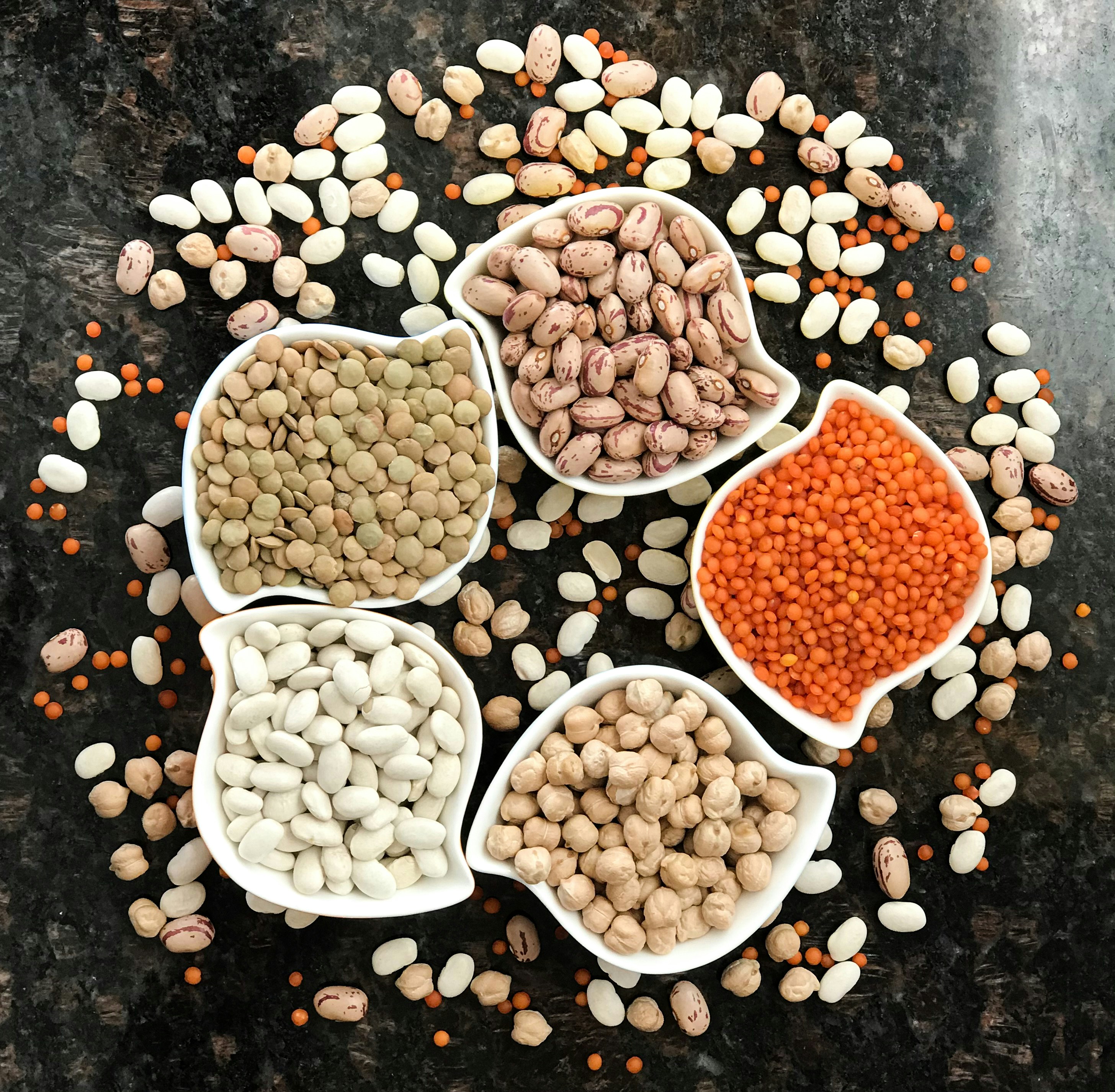
Some of the most affordable foods also pack a serious nutritional punch. Everyday staples like beans, lentils, eggs, frozen produce, whole grains, and canned fish are versatile, filling, and easy to build meals around. These include things like:
Dried or canned beans and lentils
Brown rice, oats, quinoa, and whole wheat pasta
Eggs, canned fish (tuna, salmon, sardines)
Frozen fruits and vegetables
Foods like potatoes, carrots, cabbage, and onions last a very long time and work in a wide range of dishes. Nut butters and seeds are also shelf-stable protein sources that are nutritious and can be used in a variety of different ways.
“Don’t underestimate frozen produce,” says Bridget Isaacs. “It’s affordable, convenient, and often more nutritious than what’s been sitting on shelves for a week.”
5. Be Smart When Buying Produce
Fresh produce can be expensive, especially if you don’t use it before it goes bad. Buying produce strategically helps you get the benefits without the waste.Here’s how you can stretch your dollar:
Buy in-season when possible
Choose whole fruits/vegetables over pre-cut or packaged options
Use frozen produce. It’s often picked at peak ripeness, lasts longer, and is usually cheaper
6. Embrace Your Leftovers
Leftovers are one of the easiest ways to save both time and money. Instead of thinking of leftovers as repeats, think of them as ingredients for your next meal.
Roast chicken can become tacos or soup. Stir-fry can turn into fried rice. Roasted vegetables work beautifully in grain bowls, omelets, or frittatas. Batch cooking one or two main components, like a protein or a pot of grains, gives you a whole lot more flexibility throughout the week.
“The key is building base ingredients that can flex across multiple meals,” explains Jessica Kelly. “You don’t have to reinvent the wheel every night.”
7. Shop With a Plan - But Stay Flexible
A grocery list is one of the best tools for staying on budget, but flexibility helps you take advantage of sales. Organizing your list by categories like proteins, grains, produce, and extras can also make shopping faster and a whole lot more intentional.
If something on your list is unexpectedly expensive, look for a substitute. Apples too pricey? Grab oranges instead. Small swaps like this keep your budget on track without sacrificing on nutrition.
8. Avoid the "Health Food" Trap
Many foods that are marketed as “healthy” come with a higher price tag but very little added benefits. Protein bars, specialty snacks, and drinks can add up very quickly without keeping you full for long.
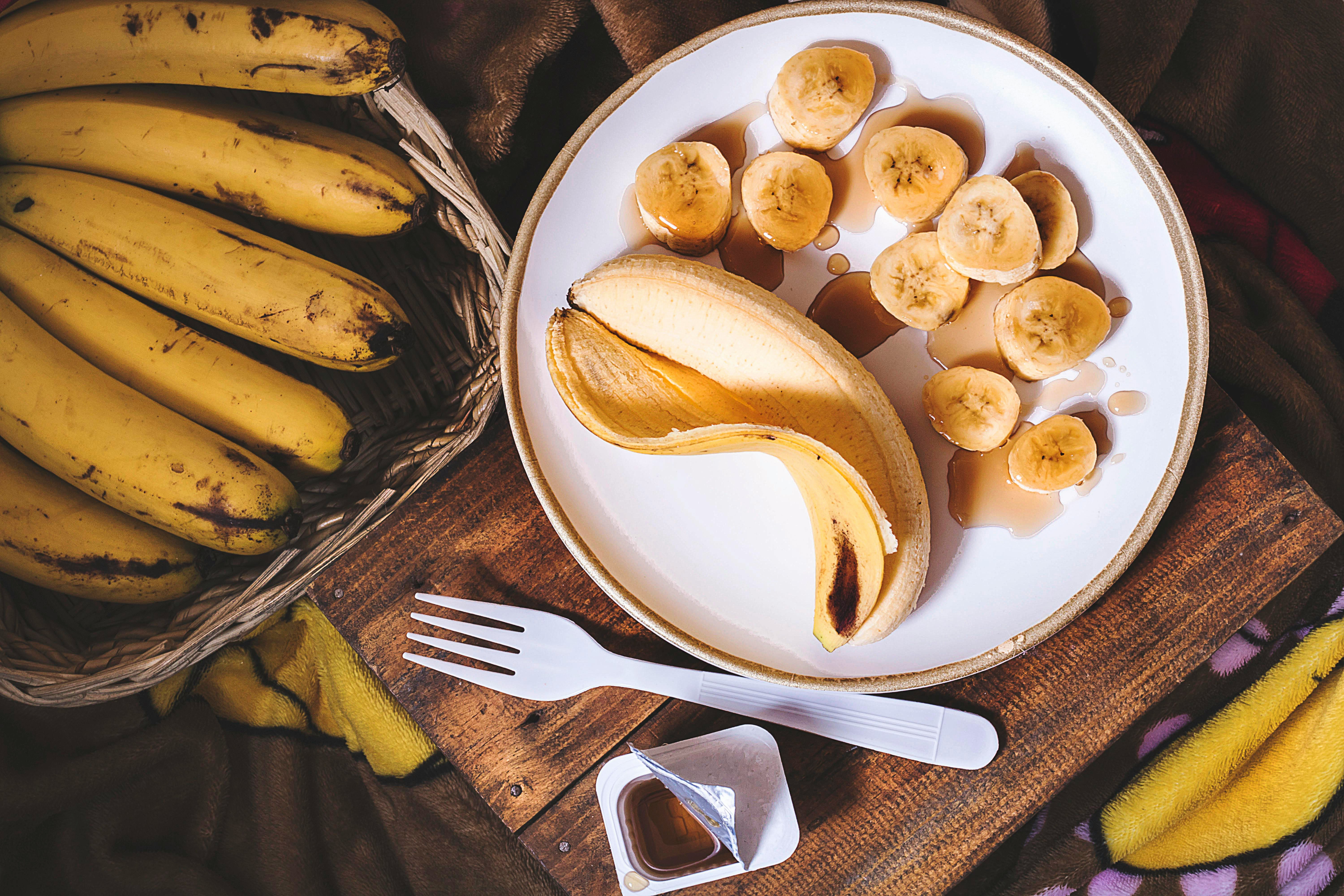
Whole foods are often cheaper and more satisfying. A banana and a boiled egg can do more for your energy than an expensive bar, and homemade snacks like DIY trail mix are easy to customize and budget-friendly.
9. Make the Freezer Your Best Friend
Your freezer can seriously extend the life of your food. Freezing leftovers, ripe fruit, herbs, and even cheese helps prevent things from going bad and makes your future meals a lot easier.
Soups, stews, and chilis freeze very well in individual portions. Overripe bananas are perfect for smoothies or baking. Chopped onions and peppers save prep time later on. Buying in bulk and freezing all of the extras can help you stretch your budget during tighter weeks.
10. Prep Once, Eat All Week
Setting aside a little time each week to prep a few basics can make healthy eating feel a lot easier. Even prepping one or two items, like a pot of grains or a protein, can reduce your stress and the temptation to order takeout.
Having ready-to-go ingredients makes it easier to throw meals together when you're short on time or if your energy is low after a busy day.
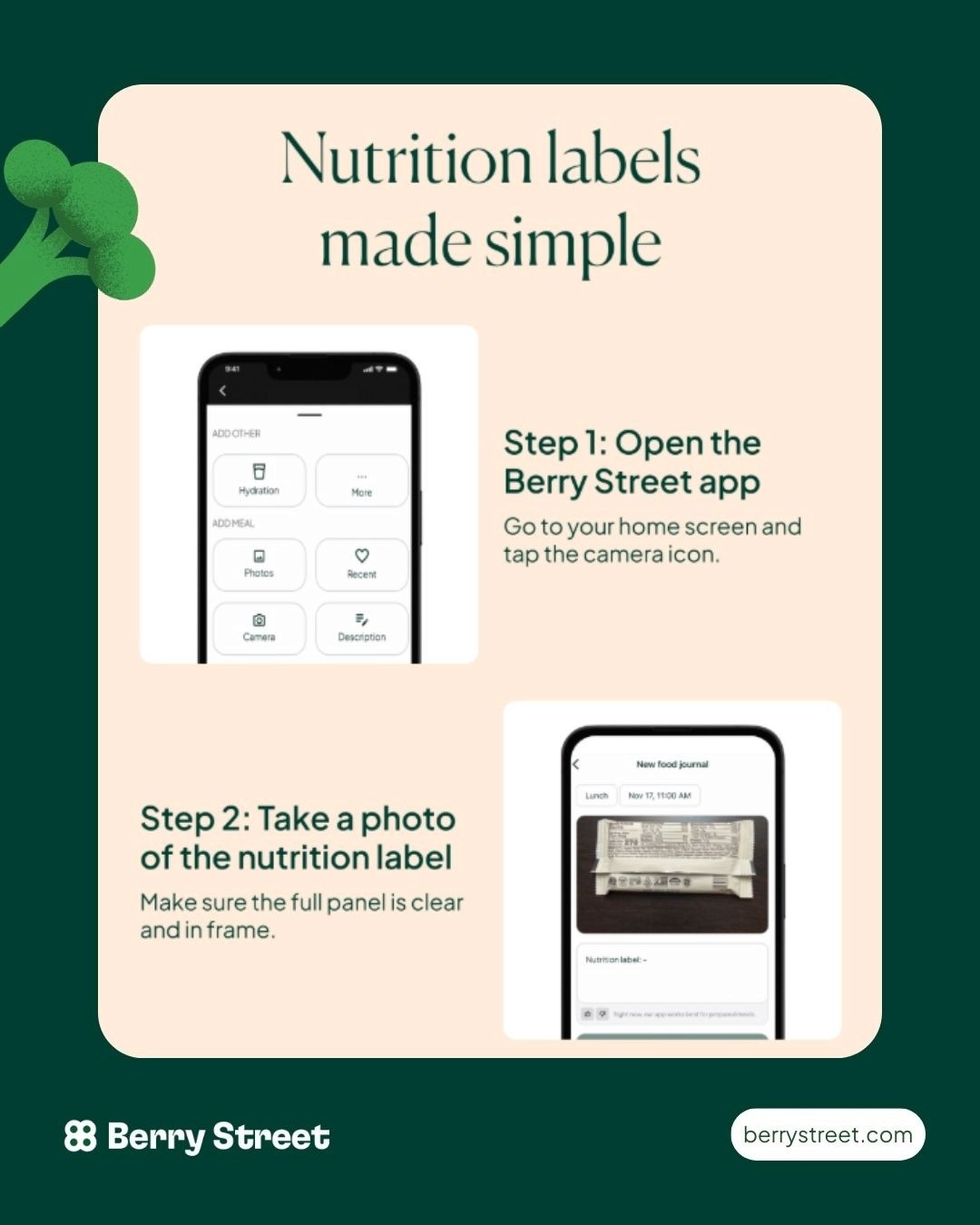
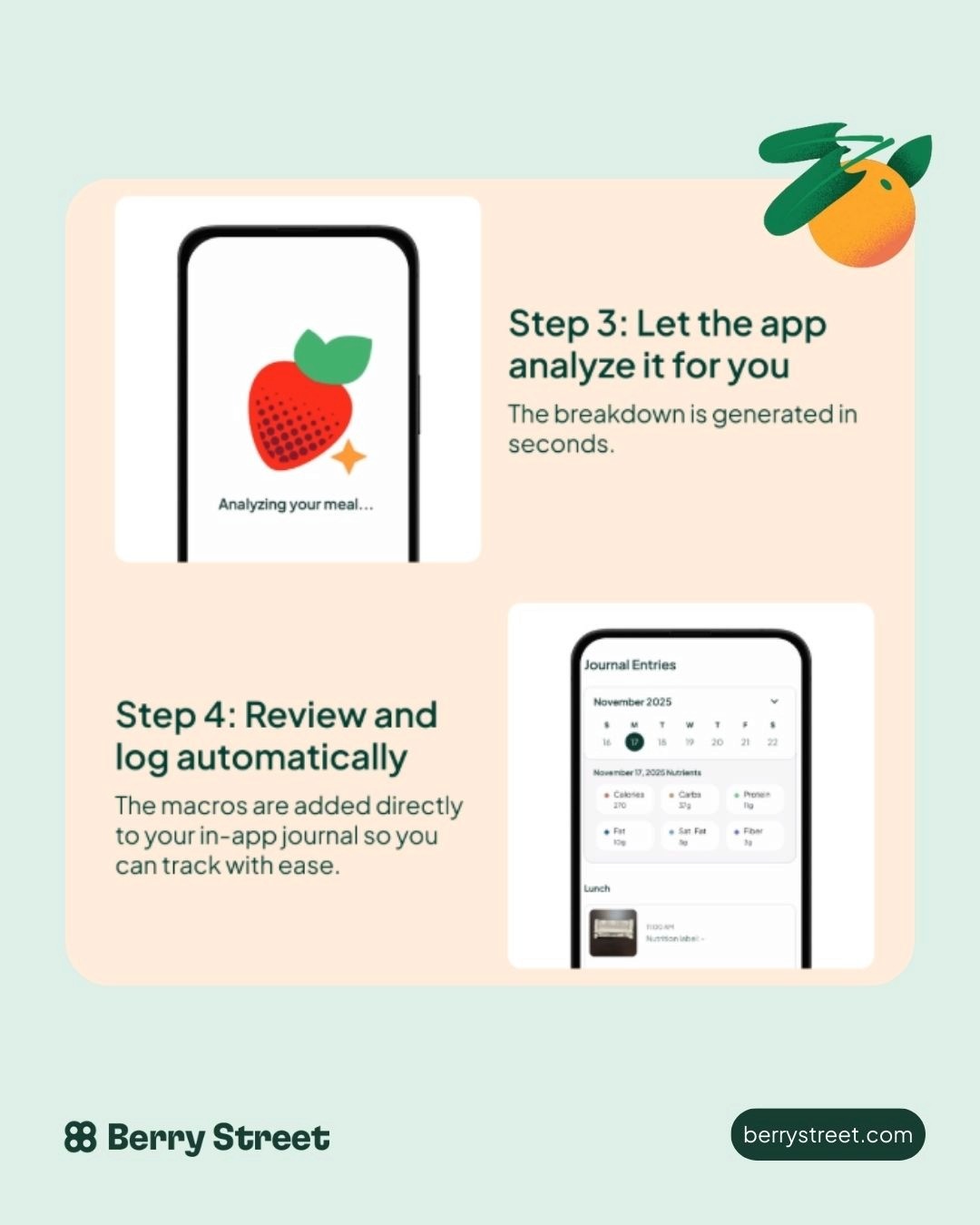
An easy way to keep track of your meals and plan better:
11. Try More Meatless Meals
Plant-based meals are often more affordable and are still incredibly satisfying. Meals that are created around things like beans, lentils, eggs, and vegetables can be filling, flavorful, and easy on your wallet.
Even swapping in one or two vegetarian meals each week can make a noticeable difference in your grocery spending.
12. Watch Out for those "Budget Busters"
Sometimes it’s the small habits that really add up. Keep an eye on things like:
Excessive snack purchases
Daily coffee shop runs
Buying drinks instead of water
Letting produce go to waste
Track your habits for a week to spot any sneaky costs that could be redirected to more satisfying and nourishing meals.
13. Use Tools That Make Healthy Choices Easier
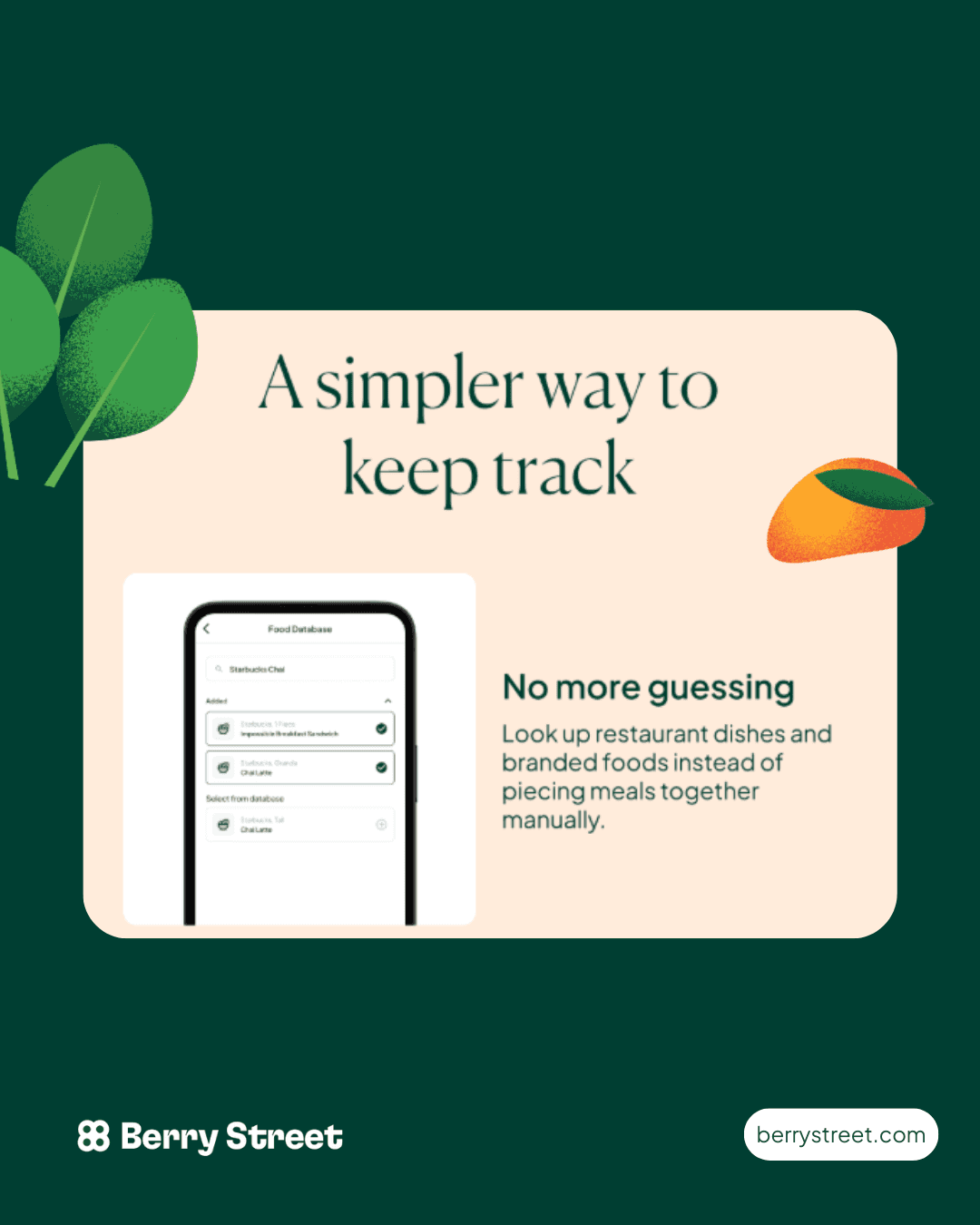
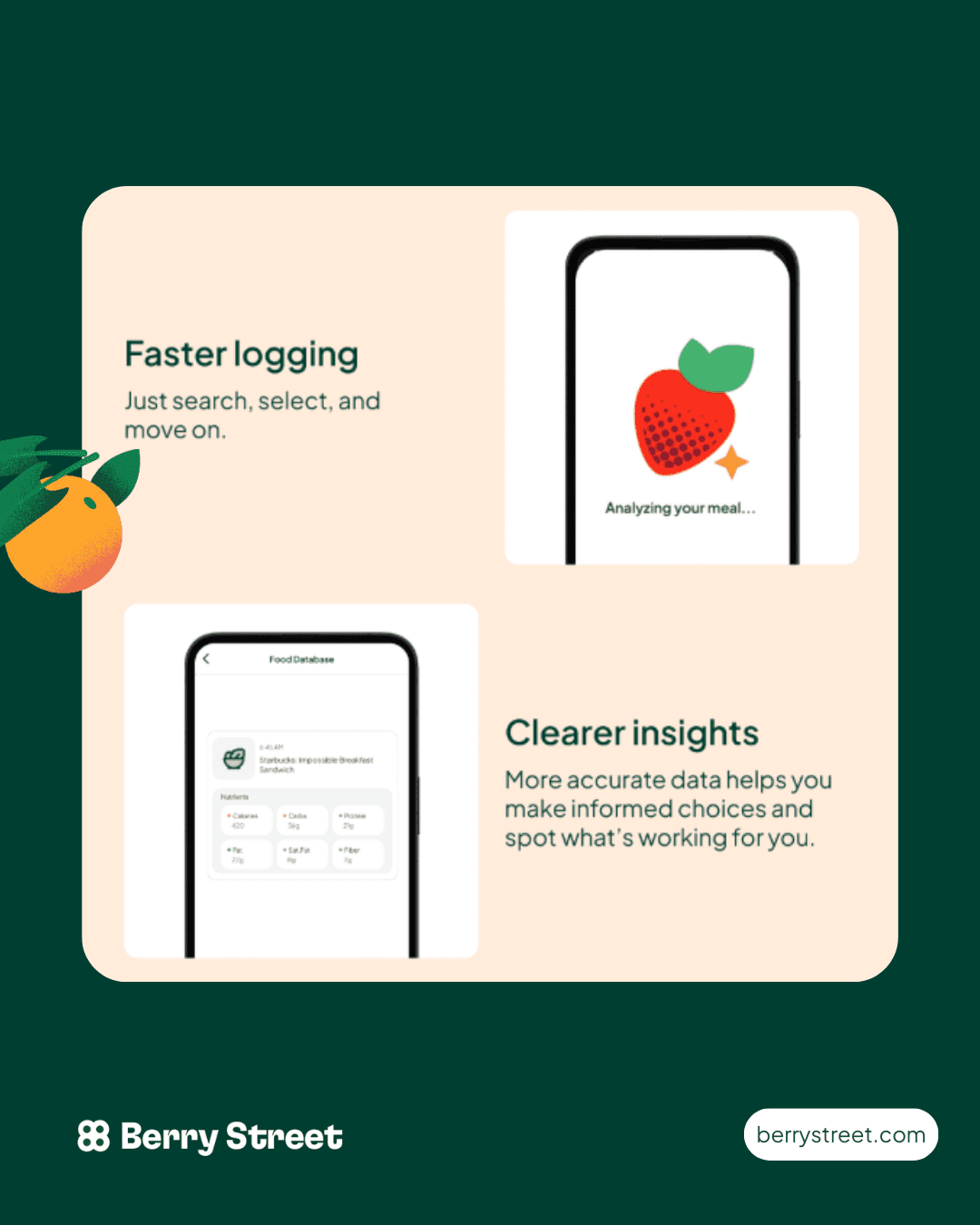
The Berry Street app now includes features to help with meal tracking and budgeting:
Restaurant & branded food search helps you log meals on the go
Nutrition label scanning pulls in exact macros to help you spot balance gaps
Macro tracking shows how well you’re meeting protein, fiber, and fat needs
14. Make Your Grocery List Work Harder for You
A strong grocery list really helps to set you up for success. Shopping less frequently can reduce impulse buys, and having a backup meal on hand helps you avoid any expensive, last-minute spending.
Theme nights, like taco night or pasta night, can also make planning easier and it can make your meals feel more fun and predictable.
15. Don’t Be Afraid to Ask for Support
If budgeting or food access is affecting your health, reach out. Berry Street dietitians work with clients from all financial backgrounds to:
Build budget-conscious grocery lists
Navigate benefits or community food programs
Create realistic, nourishing plans that feel good physically and financially
"We want our clients to feel supported—not shamed—when it comes to budgeting," adds Bridget Isaacs. "There are always ways to eat well without breaking the bank."
Remember
Sample Budget-Friendly Day of Eating
Breakfast: Oatmeal with frozen berries and peanut butter
Snack: Apple slices and sunflower seeds
Lunch: Lentil soup with a slice of whole-grain toast
Snack: Boiled egg and carrot sticks
Dinner: Stir-fried brown rice with frozen vegetables, tofu, and scrambled egg
Dessert (optional): Banana with cinnamon and a spoon of yogurt
Cost: Under $10/day and full of fiber, protein, vitamins, and flavor.
Frequently Asked Questions
Can I eat healthy if I’m using food assistance?
Absolutely. Many of the most budget-friendly foods (beans, rice, oats, frozen vegetables) are also EBT eligible and nutrient-dense. Berry Street dietitians can help you create meal plans within SNAP or WIC benefits.
What’s the cheapest source of protein?
Eggs, canned tuna, lentils, and peanut butter are excellent, affordable protein options. Buying dried beans in bulk is also cost-effective.
Is frozen produce as healthy as fresh?
Yes. In fact, frozen produce is often picked and flash-frozen at peak ripeness, preserving nutrients even better than fresh items that sit in transit or storage.
How do I stop wasting food?
Plan meals around what you already own, batch cook, use leftovers creatively, and freeze extras before they spoil. Portion planning and checking your fridge before shopping helps too.
Is eating out always more expensive?
Often, yes. But using Berry Street’s restaurant logging tools helps you track nutritional impact so you can make better choices when dining out or grabbing food on the go.
How do I get my family on board with budget meals?
Involve them in meal planning and prep. Try new budget recipes together and make meals feel fun, not restrictive. Customizing meals (like taco bars or stir-fry nights) gives flexibility within your budget.
Final Thoughts
Eating healthy on a budget is not only possible - it’s empowering. With smart shopping, a bit of planning, and a willingness to repurpose ingredients, you can fuel your body without stressing your wallet.
Start small. Maybe you prep one extra dinner this week, or swap one takeout meal for a homemade favorite. Each step builds momentum.
Do you want personalized help with grocery lists, meal planning, or pantry budgeting?
Book a session with a Berry Street dietitian. We’ll meet you where you are and help you make it work.
Because healthy eating should feel doable...even on a budget.