Your hormones influence a whole lot more than your menstrual cycle. They play a role in your energy levels, mood, sleep quality, digestion, and metabolism every single day. Small, realistic nutrition and some simple lifestyle changes can ease away hormone-related symptoms at any stage of life, whether you’re cycling regularly, moving through perimenopause, or are postmenopausal. Working with a Berry Street dietitian gives you personalized support to understand what your hormones are telling you and how to feel more balanced and in control.

Your Hormones Are Speaking - Are You Listening?
If you’ve ever wondered why your energy dips for no clear reason, your mood feels unpredictable, or your cravings seem a heck of a lot louder than usual, your hormones may be trying to tell you something.
Hormones like estrogen, progesterone, cortisol, and insulin influence how you feel on a daily basis. They affect your sleep, appetite, focus, digestion, and stress response…not just your period. And these shifts can happen whether you’re menstruating, perimenopausal, or postmenopausal.
“Hormones don’t just control your cycle,” explains Bridget Isaacs, MS, RD. “They give us important insight into what’s happening in the body, and even small nutrition changes can make a noticeable difference in how someone feels.”

Many women are taught to brush off symptoms like bloating, mood swings, fatigue, acne, painful periods, or anxiety as “normal.” In reality, these signs often provide valuable clues about hormonal balance. When you learn how to listen to those signals, and respond with the right kind of support, things can start to feel a lot more manageable.
This guide will help you understand what your hormones are communicating and how to support them in a way that feels realistic, empowering, and sustainable for the long-term.
Signs Your Female Hormones May Be Out of Balance
Hormonal fluctuations can be a normal part of life, but ongoing symptoms may be your body trying to tell you that it needs a bit of extra support.
Watch for:
PMS, painful periods, or irregular cycles
Fatigue or 3 p.m. energy slumps
Cravings for sugar, caffeine, or salt
Waking up in the middle of the night (especially at 2–3 a.m.)
Mood swings, anxiety, or brain fog
Breakouts, hair thinning, or dry skin
Bloating, constipation, or digestive changes
Vaginal dryness or low libido
Trouble losing weight despite consistent effort
These symptoms may relate to estrogen dominance, low progesterone, adrenal fatigue, insulin resistance, or thyroid imbalances, all of which can be supported through nutrition.

Why Nutrition Is Central to Hormone Balance?
Food does more than fuel your day. It provides the building blocks your body uses to make hormones, break them down, and send messages between different systems. That’s why both what you eat and when you eat can have a meaningful impact on how your hormones behave.
"Balanced blood sugar and nutrient-dense meals are two of the most effective ways to reduce hormone-related symptoms," says Jessica Kelly, MS, RDN, LDN.
Every meal plays a role in your body’s hormonal feedback loops. Skipping meals, relying heavily on ultra-processed foods, or consistently falling short on protein can signal stress to the body. Over time, that stress can show up as higher cortisol levels, disrupted estrogen balance, and more intense PMS or menopause symptoms.
The good news is that giving your body the support it needs doesn’t require perfection. Regular meals, adequate protein, fiber-rich carbohydrates, and healthy fats help your body feel safe and supported. When your body has what it needs, hormone signals tend to feel steadier, symptoms often ease, and day-to-day energy becomes more predictable.
Learn more about smart supplement choices in What’s in Your Protein Powder?
Top Nutrition Strategies for Female Hormone Support
1. Balance Your Blood Sugar
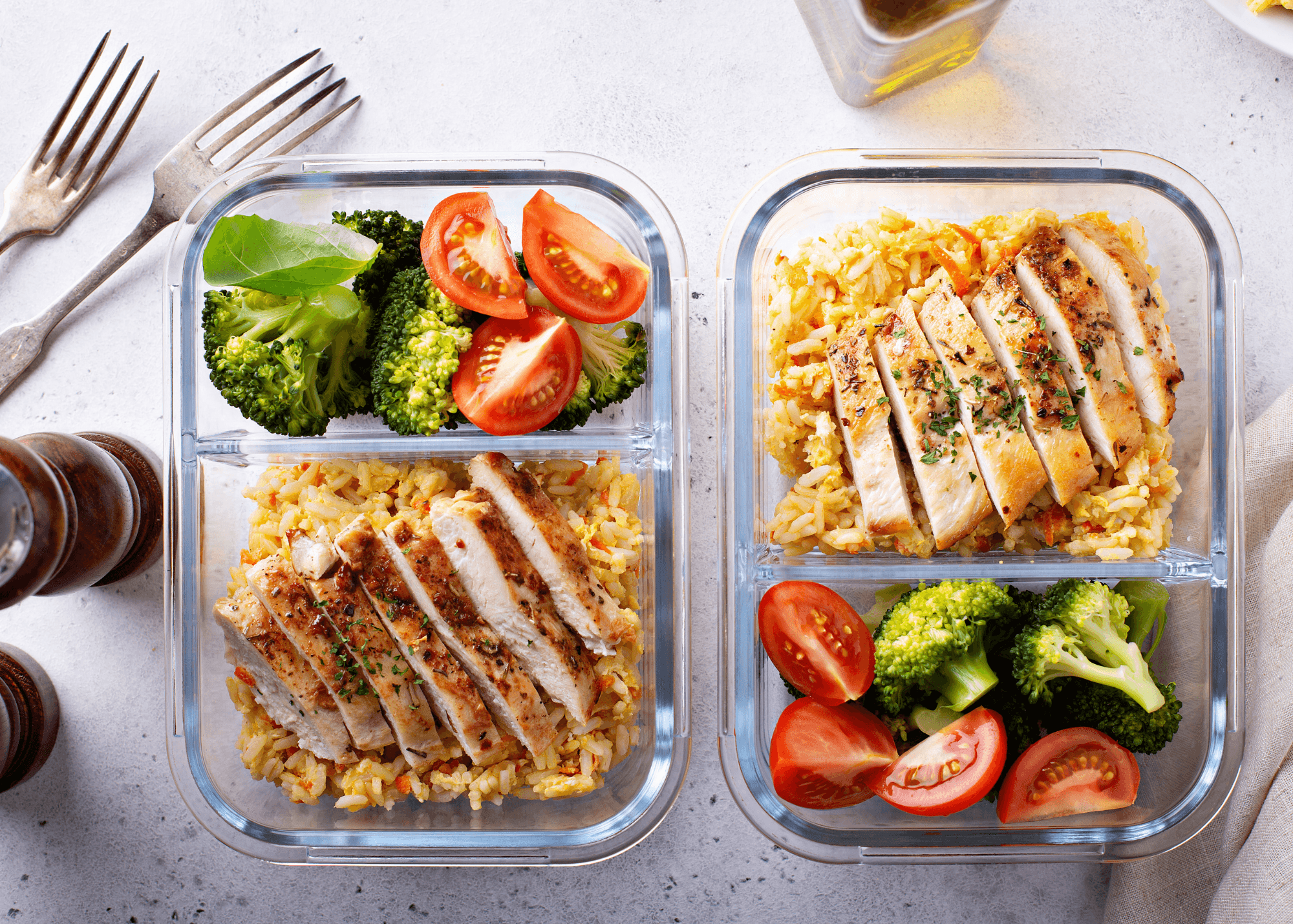
Eat every 3–4 hours
Include protein and healthy fats at every meal
Avoid skipping breakfast (especially during the luteal phase of your cycle)
Blood sugar crashes trigger cortisol and worsen PMS, cravings, and your sleep quality. Many women feel immediate improvement in energy and mood when stabilizing their glucose levels.
Explore Why Low-Calorie Meal Plans Backfire
2. Eat for Your Menstrual Cycle
Your nutrition needs can change throughout your menstrual cycle, and adjusting how you eat during each phase can boost your energy, mood, and comfort levels.
During the follicular phase, which begins after your period, many people feel lighter and more energized. This is a good time to focus on meals that have fiber-rich carbohydrates, leafy greens, fruits, and whole grains that support digestion and your rising estrogen levels.
Around ovulation, hydration and balance matter the most. Including lean protein, colorful fruits and vegetables, and antioxidant-rich foods into your day can help lead to steady energy and focus, while drinking enough fluids may reduce bloating.
In the luteal phase, it’s common to feel hungrier or crave more carbohydrates. Adding complex carbs alongside magnesium-rich foods like nuts, seeds, beans, and dark chocolate can help stabilize blood sugar and give your mood a boost.
During menstruation, your body benefits from extra nourishment, especially iron. Foods like lentils, spinach, beans, and grass-fed beef, if you include it, can help replenish iron and support energy.
See our guide to Eating for Your Cycle
3. Support Estrogen Detox
Estrogen needs more than just proper production. Your body also needs to use it properly and clear out what it no longer needs. When that process slows down, symptoms like breast tenderness, heavier periods, bloating, or mood swings can become more noticeable.
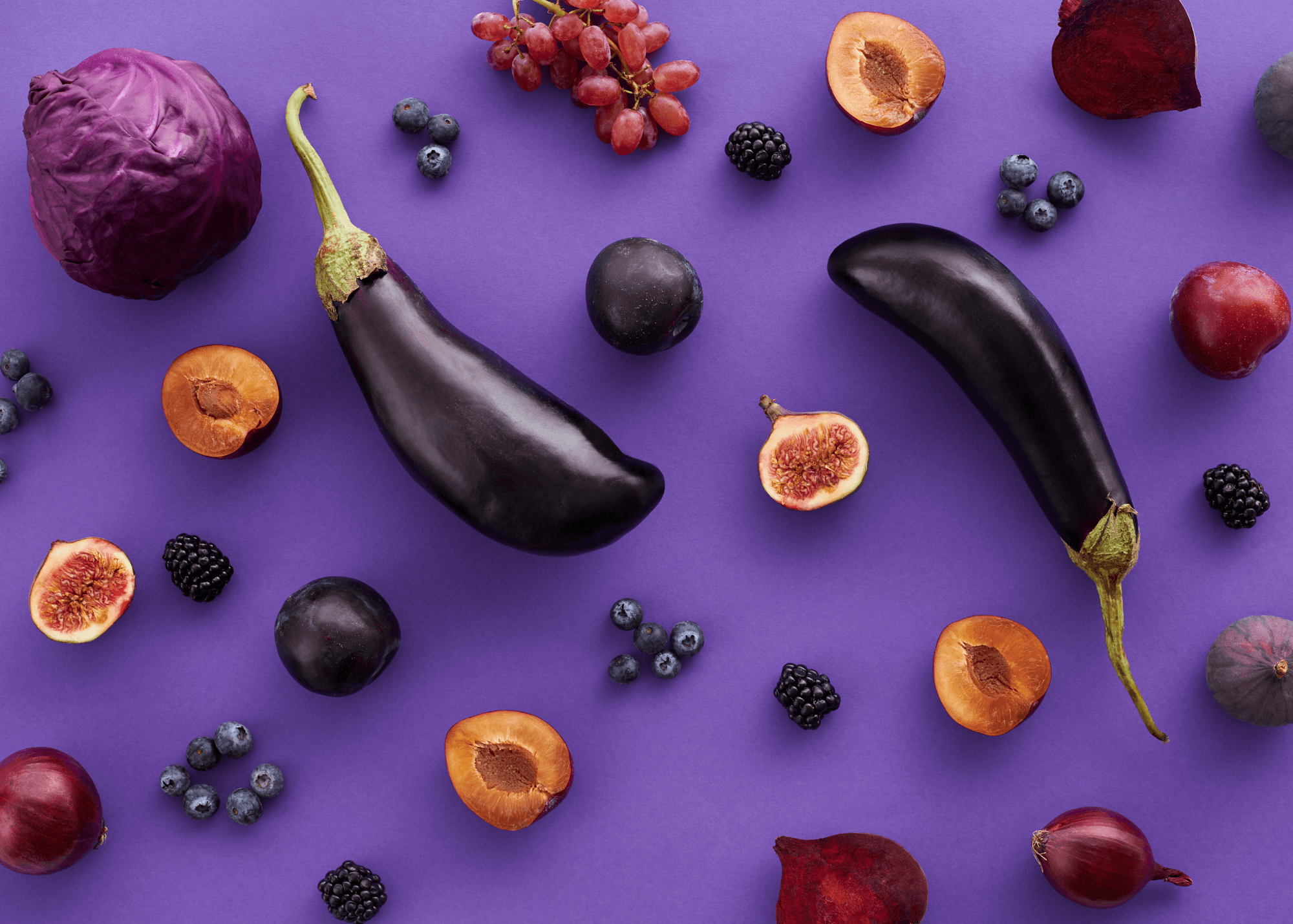
One of the easiest ways to support estrogen processing is through the food that you eat. Including cruciferous vegetables such as broccoli, cauliflower, and arugula help your liver break down estrogen more efficiently. Fiber also plays an important role by helping carry excess estrogen out of the body through digestion. Most people benefit from aiming for around 25 to 35 grams of fiber per day from foods like vegetables, beans, whole grains, nuts, and seeds.
Hydration matters too. Drinking enough water supports digestion and elimination, while limiting alcohol can reduce the burden on your liver. These small, consistent habits can make a meaningful difference in how balanced your hormones are over time.
Read more in Know Exactly the Right Foods for Your Health Condition
4. Replenish Nutrients
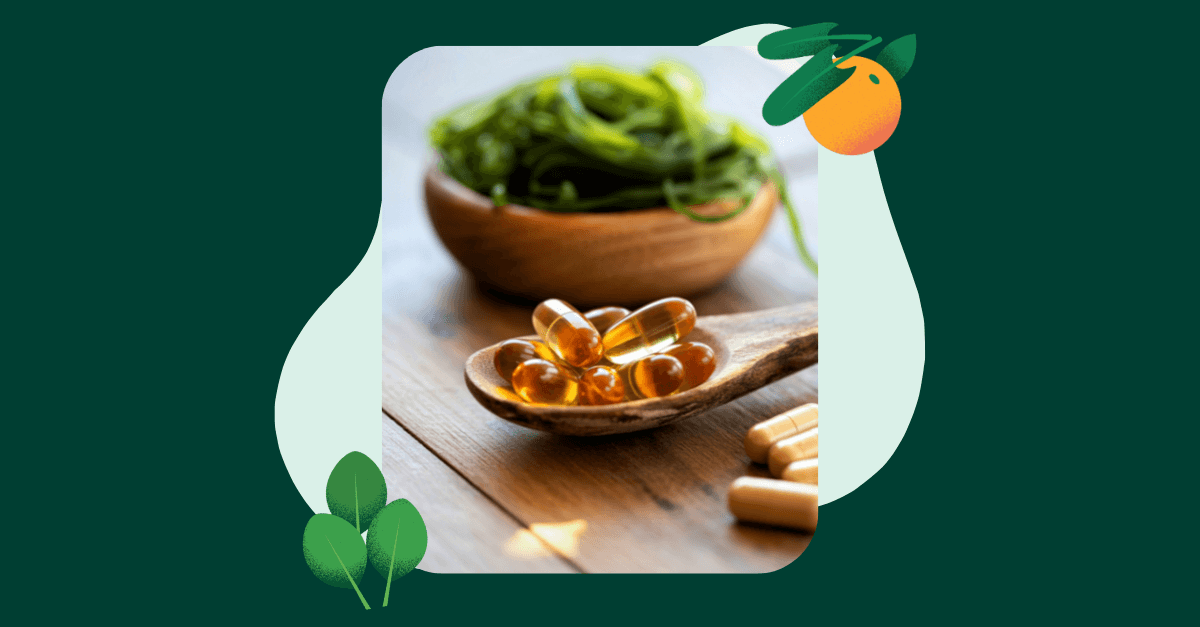
Many women run low on certain nutrients that play an important role in the balance of their hormones, their energy levels, and their overall well-being. Magnesium supports the nervous system and can help ease muscle tension, cramps, and any sleep disruptions. Zinc plays a role in skin health, immune function, and reproductive health, while also boosting the body’s ability to respond to stress.
Vitamin D is another vitamin that many women often lack and it is closely linked to mood, bone strength, and immune support. Because it is harder to get enough through food alone, many people fall below optimal levels without realizing it. Omega-3 fats also deserve a bit of attention. They help reduce inflammation and boost things like brain function, hormone signaling, and heart health.
Including a variety of nutrient-dense foods such as leafy greens, nuts and seeds, fatty fish, eggs, and fortified foods can help replenish these nutrients. When needed, a dietitian can help determine whether getting these through food, supplements, or both make the most sense for you.
Explore An Expert’s Guide to Vitamin D
Lifestyle Tips That Make a Big Difference
Hormone health is shaped by a lot more than just what you eat. Daily habits like how you manage your stress, how well you sleep, and how you move your body send some very powerful signals to your hormones. Small, consistent lifestyle shifts can help calm down your stress hormones, encourage better balance, and ease away some common symptoms over time. These changes don’t need to be extreme to be effective, they just need to work for your real life.
Stress Management
Stress is not just emotional...it’s hormonal. High cortisol impacts progesterone, thyroid hormones, and blood sugar.
Practice mindfulness or journaling
Schedule “white space” in your calendar
Take regular movement breaks throughout the day
Sleep Hygiene
Sleep is when your body repairs and restores hormonal pathways.
Dim the lights after sunset, avoid screens 1 hour before bed
Sip chamomile or spearmint tea, read or journal
Gentle Movement
Walking, yoga, and strength training support estrogen metabolism, improve insulin sensitivity, and help with period pain and PMS
Too much intense cardio can actually worsen the hormone balance in already depleted women.
Sample Hormone-Friendly Day for Women
Are you wondering what you could eat in a day to help support your hormones? Here is a sample meal plan created by one of Berry Street’s dietitians.
Breakfast: Scrambled eggs with sautéed spinach and sweet potato
Mid-morning Snack: Chia pudding with almond butter and berries
Lunch: Grilled chicken salad with lentils, arugula, avocado, and olive oil
Afternoon Snack: Apple with tahini
Dinner: Roasted salmon, broccoli, and quinoa
Evening: Spearmint tea + magnesium bath
Looking for more ideas? Try The Truth About Chocolate
Frequently Asked Questions
What’s the best way to start balancing hormones through food?
Begin by stabilizing blood sugar. This means prioritizing protein, fiber, and fat in every meal, while reducing sugar, caffeine on an empty stomach, and long gaps between meals.
How do hormones change during perimenopause?
In perimenopause, estrogen and progesterone begin to fluctuate. You might notice heavier or irregular periods, night sweats, mood changes, and more fatigue. These are not just "getting older,"they’re biological shifts you can support with targeted nutrition.
What about postmenopausal women?
Hormones continue to matter after menopause. Estrogen’s decline impacts metabolism, bone density, and brain function. Supporting your body with protein, omega-3s, and vitamin D remains essential.
Can birth control affect my nutritional needs?
Yes. Hormonal birth control can deplete B6, magnesium, zinc, and folate. Replenishing through diet or supplements may improve energy and mood.
I have PCOS—can food help?
Absolutely. A food-first approach focusing on insulin sensitivity, inflammation, and nutrient density can dramatically improve symptoms. Learn more in A Guide to Nutrition for PCOS That Actually Works for Your Body and Hormones.
Is hormone testing necessary?
Testing can offer insight, but food and habit changes alone often yield results. We recommend starting with nutrition and discussing testing if symptoms persist.
Are “hormone detox” teas or cleanses helpful?
Most are not evidence-based and may stress your system more. True hormone detox happens through fiber, liver support, hydration, and regular bowel movements.
What are quick foods that support hormones?
Chia seed pudding
Hard-boiled eggs with olives
Pumpkin seeds + pear slices
Smoothies with flaxseed + berries
Quinoa salad with chickpeas and greens
See The Power of Pumpkin for a seasonal hormone-friendly superfood.
Let’s Support Your Hormones, Together
You don’t need a cleanse, extreme food rules, or a cabinet full of supplements to support your hormones. What makes the biggest difference is a food-first approach that is grounded in real biology, paired with small, doable habits that fit into your actual life.
At Berry Street, our registered dietitians take the time to understand your symptoms, your schedule, and your goals. We help you connect the dots between what your body is experiencing and what it needs to feel more balanced, steady, and supported.
If you are ready to feel more rested, more stable, and more in tune with your body, you don’t have to figure it out alone.
Book a session with a Berry Street dietitian today and get personalized, compassionate hormone support that’s designed just for you.
Feeling better should feel achievable, and we are here to help you get there.