Your immune system never takes a day off. It’s always working behind the scenes 24/7, defending your body against viruses and bacteria, calming down inflammation, repairing damaged tissue, and keeping your entire body in balance. When it’s running smoothly, you have more energy, a better level of recovery, and fewer sick days. But when it’s under stress from things like poor sleep, gaps in your nutrition, or because of chronic inflammation, even small challenges can start to feel like major hurdles.
And here’s the thing…building a strong immune system doesn’t mean you can “boost” it overnight with a supplement or a trendy drink mix. You have to give your body the consistent nourishment, rest, and care that it needs to perform at its very best, every single day.
“Think of your immune system as an orchestra,” says Jessica Kelly, MS, RDN, LDN. “Every section—nutrition, sleep, stress, and movement—has to play in tune for everything to function smoothly.”

This guide was created by the expert dietitians at Berry Street, and today we are going to look into all of the science behind your immune system and share some simple, evidence-based ways to strengthen your body’s natural defenses without the fads.
Step 1: Focus on Whole-Food Nutrition
Creating a strong immune system starts long before cold season starts. It’s built every day with what’s on your plate. Your body depends on a steady supply of nutrients in order to produce antibodies, deal with inflammation, and protect your cells from oxidative stress. When your diet is heavy in processed foods, refined sugars, or alcohol, those defenses start to weaken. But when it’s full of colorful, nutrient-dense foods, your immune system thrives.
“Immunity starts with your plate,” says Marjorie Nolan Cohn, MS, RD, LDN. “The more colorful and varied your diet, the stronger your internal defense system.”
Whole foods naturally contain the vitamins, minerals, and antioxidants your body uses to stay strong:
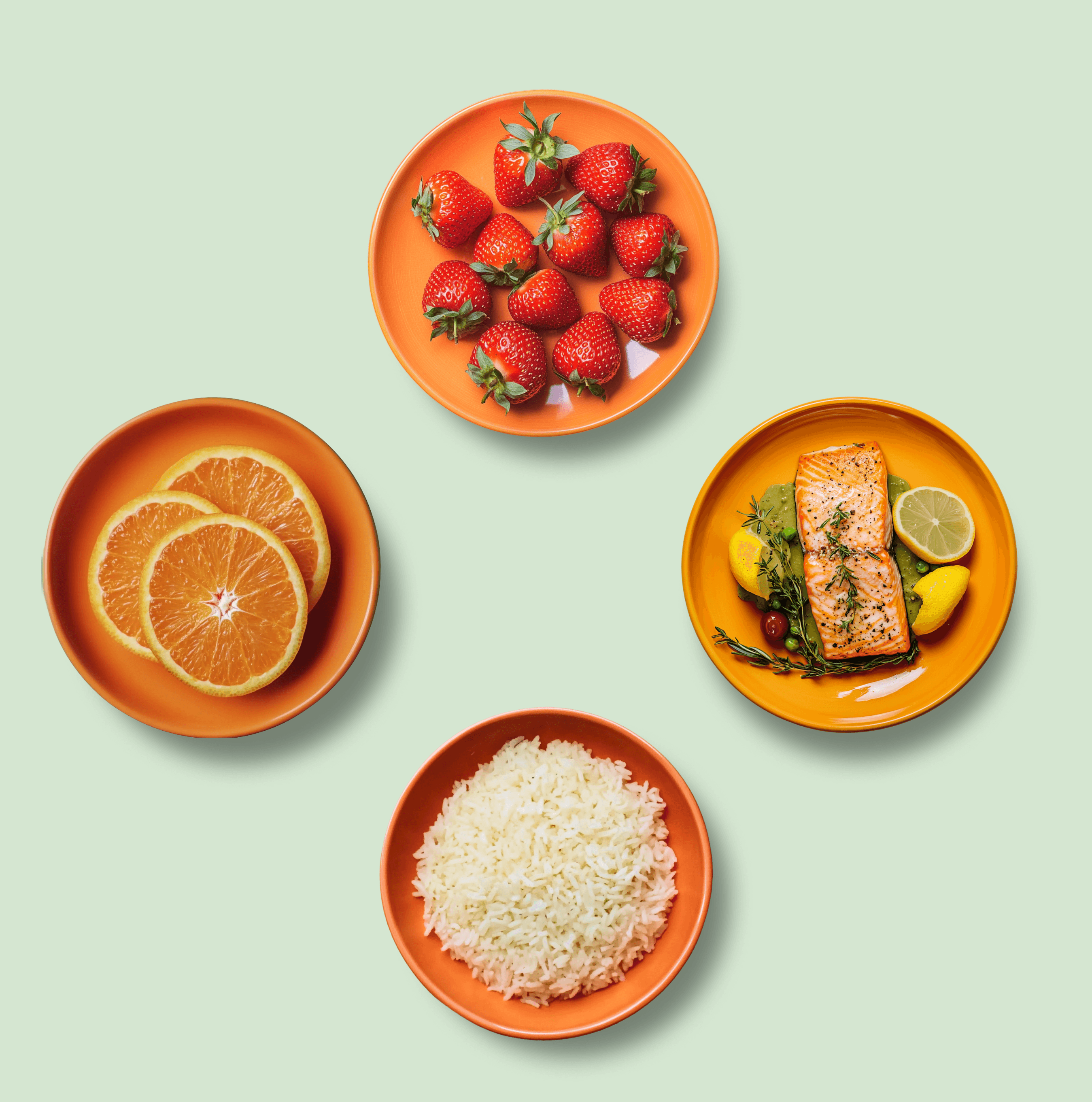
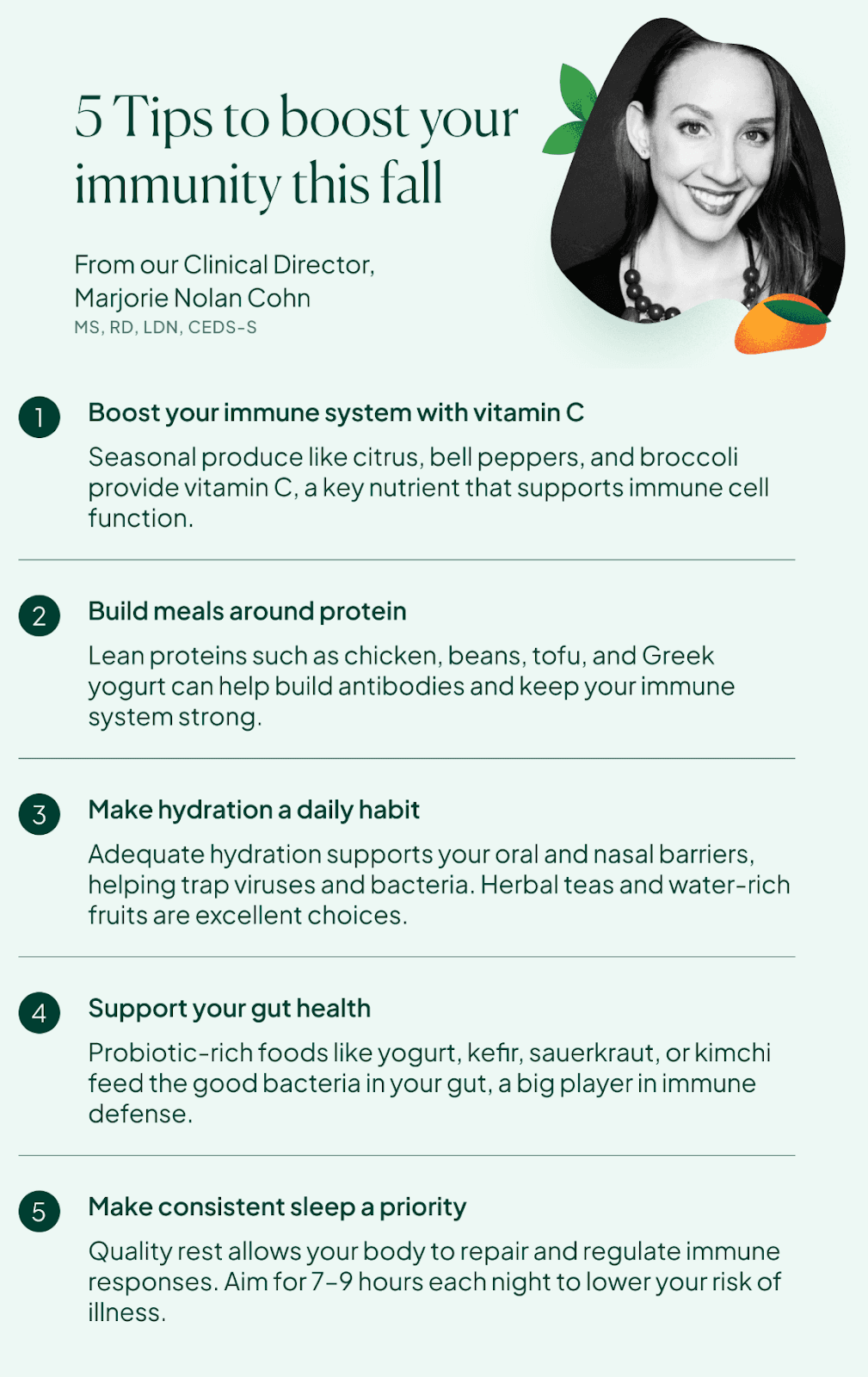
Vitamin C from citrus, bell peppers, and broccoli helps with white blood cell activity and shortens your recovery time when you get sick.
Vitamin D, which can be found in fatty fish, eggs, and fortified dairy, helps regulate things like immune signaling and inflammation.
Zinc plays a role in functions like wound healing and cell repair, and it can be found in sources like beef, pumpkin seeds, and lentils.
Selenium, which is found in Brazil nuts, tuna, and eggs, is a powerful antioxidant that helps protect your cells from stress.
Protein provides the amino acids that your body needs to build antibodies and repair tissues after illness or injury.
Together, these nutrients help keep your energy, metabolism, and recovery steady all year-round.

Step 2: Support Your Gut
A healthy gut is one of the most powerful ways you can strengthen your immune system. About 70 percent of your immune cells actually live in your gut, working closely with trillions of microbes that help your body recognize harmful invaders and calm down unnecessary inflammation. When your gut is balanced and diverse, your immune system becomes more efficient, much stronger, and even more responsive.
“Your gut is like a garden,” says Jessica Kelly, MS, RDN, LDN. “Feed it regularly with diverse, fiber-rich foods to keep your immune system resilient.”
The gut microbiome is more than just a digestive partner—it’s a communication hub between your brain, immune cells, and metabolism. It helps train immune cells to react appropriately, prevents harmful bacteria from growing out of control, and even influences your mood and energy levels.
Nutrition Tips for a Healthier Gut:
Eat fiber every day.
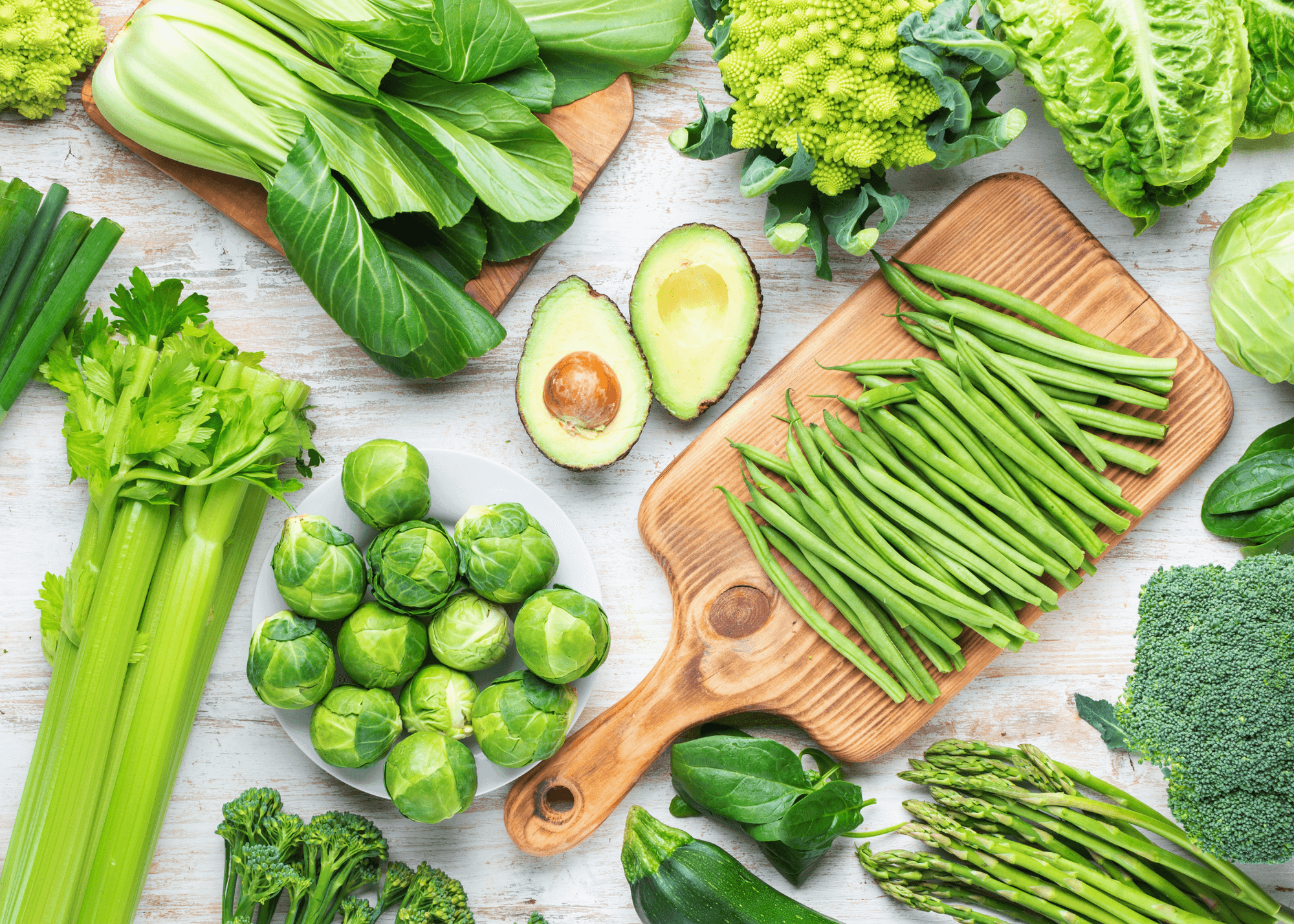
Fiber is the favorite fuel of your gut bacteria. Oats, beans, fruits, and vegetables provide the prebiotic fibers that feed the beneficial microbes and help them flourish.
Add fermented foods.
Yogurt, kefir, sauerkraut, kimchi, and miso naturally contain probiotics, which are the live bacteria that can support a balanced gut ecosystem. Variety is the trick here, so rotate different fermented foods rather than relying on a single probiotic supplement. Keep in mind that the best probiotics aren’t one-size-fits-all!
Choose minimally processed meals.
Highly processed foods, like those that are high in refined sugars, saturated fats, and additives, can reduce your microbial diversity. Instead, make it a priority to eat whole, fresh ingredients that give your gut the nutrients it needs to thrive.
Stay hydrated.
Water helps with healthy digestion and also helps fiber do its job, keeping your gut environment balanced and your immune system running like a well-oiled machine.
When your gut is well-fed, it pays you back with stronger immunity, better digestion, and even improves your mood. The choices you make at each meal (like eating more fiber, more color, and fewer processed foods) can build a healthier base for your immune system every single day.
Step 3: Balance Blood Sugar for Better Immune Function
Your immune system and blood sugar are more connected than you might think. When your blood sugar swings from high to low, it can create stress and inflammation in your body, making it harder for your immune system to properly respond. On the other hand, having steady blood sugar levels helps your immune cells communicate clearly, fight infections efficiently, and keeps inflammation under control.
“Think of your blood sugar like your body’s energy thermostat,” says Marjorie Nolan Cohn, MS, RD, LDN. “When it’s steady, everything—from your focus to your immune response—works more smoothly.”
Chronic spikes in blood sugar, which are often caused by skipping meals or relying on refined carbs and sugary snacks, can wear down your immune defenses over time. Stable glucose levels help your body keep up consistent energy, reduce feelings of fatigue, and help with the repair and recovery processes that keep you feeling your very best.
How to Keep Your Blood Sugar Steady:
Pair carbohydrates with protein or healthy fats.
This slows down the digestion process and helps prevent energy crashes. Try pairing fruit with nut butter, or add avocado and eggs to your morning toast.
Choose whole grains over refined starches.
Foods like oats, quinoa, brown rice, and whole-grain bread release energy at a more gradual pace, keeping your blood sugar steady and your immune system supported.
Add fiber to every meal.
Fiber-rich foods (like beans, lentils, veggies, and seeds) help moderate blood sugar responses while also keeping your gut microbiome well-nourished.
Eat consistently throughout the day.
Skipping meals can cause dramatic glucose dips that leave you tired and irritable. Aim for balanced meals or snacks every 3–4 hours to keep your energy and immunity in sync.
When your blood sugar stays stable throughout the day, your energy lasts longer, your mood feels steadier, and your immune system functions better. It’s one of the easiest (and most overlooked) ways to keep your body strong all year-round.
You can read more about how to balance blood sugar naturally for better energy and fewer cravings here.
Step 4: Don’t Underestimate the Power of Hydration
Water plays a much bigger role in your immune health than most people realize. It helps move nutrients through your body, carries away waste, and keeps your tissues hydrated so your immune cells can do their job a bit easier. Even mild dehydration can make you feel sluggish and put extra stress on your system.
“Hydration is one of the simplest but most overlooked parts of immune care,” says Marjorie Nolan Cohn, MS, RD, LDN. “Every organ—from your brain to your gut—depends on it.”
When you drink enough water, you’re helping your body stay balanced from the inside out. Your skin stays moisturized, your digestion works better, and your natural defenses stay ready in case of an attack. Think of water as your body’s delivery system. It keeps everything flowing where it needs to go.

Smart Hydration Tips
Start your day with water before coffee.
After sleeping for hours, your body needs fluids. Having a glass of water first thing helps you wake up and start the day on the right note.
Add a pinch of salt and a squeeze of lemon.
This simple mix gives your body a little extra help absorbing fluids and makes plain water taste more refreshing.
Drink throughout the day.
Keep a reusable bottle nearby and take small sips regularly instead of chugging large amounts all at once.
Switch it up for variety.
Herbal teas, sparkling water, or warm broth can all count toward your daily fluid intake.
How Much Water Do You Really Need? A Dietitian Explains
Step 5: Prioritize Sleep and Stress Management
Your immune system does some of its most important work while you are fast sleep. During deep rest, your body releases proteins called cytokines that help you recover, repair tissues, and prepare for the next day’s challenges. When your sleep is cut short, your body has less time to restore and recharge, leaving you more tired and more likely to catch any of those bugs that are going around.
Stress plays a part, too. When you’re under pressure for long stretches of time, your body produces more cortisol, which is a hormone that can make it harder for your immune cells to stay balanced. Over time, this can affect how quickly you bounce back from feeling run down.
“Sleep and stress are two sides of the same coin,” says Jessica Kelly, MS, RDN, LDN. “When you sleep well, you handle stress better. And when you manage stress, you sleep better. Both are key for keeping your immune system steady.”

Tips for Better Rest:
Set a bedtime routine.
Try winding down with calming activities like reading, stretching, or listening to soft music. Consistency helps your body know when it’s time to settle down and rest.
Keep screens out of the bedroom.
Blue light from phones and tablets can make it harder for your brain to relax. Try to unplug at least 30 minutes before bed.
Try mindful breathing or meditation.
Just a few minutes of slow, deep breathing can help calm your mind and reduce any built-up tension in your body.
Stay active during the day.
Light movement (like walking, yoga, or gentle exercise) can improve your sleep quality and help your body naturally release stress.
“Sleep is one of the most powerful anti-inflammatory tools we have,” says Jessica Kelly, MS, RDN, LDN. “It’s not a luxury—it’s essential.”
Step 6: Move Regularly - but Don’t Overdo It
Movement is one of the best ways to keep your body and immune system in sync. Regular exercise helps your blood flow more smoothly, allowing immune cells to travel where they’re needed and make it easier to do their work. It also helps you manage stress, improve sleep, and boost your overall sense of well-being.
But there’s a balance you need to strike here. While moderate activity strengthens your immune health, pushing too hard without enough rest can leave your body feeling drained. Recovery is all part of the process. It’s what allows your body to rebuild and come back stronger.

Best Practices for Immune-Friendly Movement
Aim for 30 minutes most days.
Walking, biking, swimming, or strength training are all great options. The goal is to move regularly, not to hit a personal record every time.
Include flexibility and rest days.
Gentle stretching, yoga, or a relaxed walk can give your muscles and mind time to recover while still keeping your body active.
Prioritize consistency over intensity.
A few minutes of daily movement can really add up over time. The trick is to make it part of your routine instead of something you only do when you feel like it.
Listen to your body.
If you’re feeling extra tired or run down, swap a high-intensity workout for something lighter. Recovery days help keep your immune system balanced.
“Exercise helps immune cells patrol the body more efficiently,” explains Jessica Kelly, MS, RDN, LDN. “Just make sure recovery matches effort.”
Regular movement keeps your body strong, your mood lifted, and your immune system ready to handle all of life’s ups and downs. The best kind of exercise is the kind you enjoy and can keep coming back to…day after day.

Step 7: Supplement Wisely (But Only If Needed)
Supplements can fill some of the small gaps in your diet, but they’re never a substitute for real food. Your immune system needs a steady stream of vitamins and minerals from everyday meals, especially nutrients like vitamin D, zinc, and iron. When those levels dip too low, your body may have a harder time staying balanced and feeling its best.
The trick is to take a thoughtful approach. Everyone’s needs are different, and what works for one person might not be right for another. That’s why it’s important to check your nutrient levels before reaching for a new bottle.
“If you’re unsure what you need, talk with a Registered Dietitian,” says Jessica Kelly, MS, RDN, LDN. “They can help you identify what’s missing and choose supplements that make sense for your body and your goals.”
Keep in mind how to choose the best supplements (without wasting time or money here).
Step 8: Keep Your Meals Consistent and Balanced
Your body loves rhythm. Eating around the same time each day helps keep your metabolism, hormones, and immune system steady. When you skip meals, eat at random times, or snack late into the night, your body has to work harder to stay balanced, which can leave you feeling tired, hungry, or out of sync.
Regular, balanced meals that are the right portion size give your body the steady stream of nutrients it needs to stay energized and strong. They also help manage appetite, mood, and digestion, which all play a role in keeping your immune health strong.
“Think of consistency as a signal to your body,” says Marjorie Nolan Cohn, MS, RD, LDN. “When meals are predictable and balanced, your body knows what to expect, and that helps everything run more smoothly.”
Step 9: Remember…Balance Beats Perfection
Supporting your immune system isn’t about perfection…it’s about consistency. Occasional indulgences or missed workouts aren’t going to undo your progress. What matters most is that you maintain your foundations of nourishing food, sleep, hydration, stress management, and movement.
“Health isn’t built in a week—it’s the result of what you repeat most often,” says Jessica Kelly, MS, RDN, LDN. “A balanced lifestyle will always do more for your immune system than a short-term boost.”

Nutrition for Immunity Checklist
Daily Habit | Why It Matters | Examples or Tips |
Eat colorful fruits and veggies | Provides antioxidants and immune nutrients | Include citrus, berries, leafy greens daily |
Prioritize protein | Builds antibodies and immune cells | Add eggs, fish, poultry, tofu, or beans at each meal |
Stay hydrated | Keeps immune cells moving efficiently | Drink water, herbal tea, or infused water |
Get 7–9 hours of sleep | Supports hormone balance and recovery | Keep consistent bedtime and limit screens |
Manage stress | Lowers inflammation and improves resilience | Try meditation, deep breathing, or walks |
Move regularly | Boosts circulation and immune defense | 30 minutes of moderate activity most days |
Support gut health | 70% of immunity resides in the gut | Eat fiber, fermented foods, and prebiotics |
Consistency is the key!
Building a resilient immune system doesn’t happen overnight. It’s the result of consistent, balanced habits. When you nourish your body, manage your stress levels, and rest each night deeply, your immune system becomes more adaptable, works more efficiently, and is always ready to protect you.
“The best defense is a nourished, rested, and resilient body,” says Marjorie Nolan Cohn, MS, RD, LDN. “Focus on small, consistent actions—and your immune system will take care of the rest.”
If you’re ready to build a stronger immune system through personalized nutrition, our Registered Dietitians can help you create a sustainable plan that is tailored to your lifestyle.
👉 Book your personalized nutrition consultation today
Recap
Frequently Asked Questions: Nutrition and Immunity
Can certain foods prevent me from getting sick?
No single food can prevent illness, but nutrient-rich diets support your immune system’s ability to respond and recover. Focus on consistency, like balanced meals with protein, fruits, vegetables, and whole grains.
Should I take vitamin C or zinc when I feel a cold coming on?
Studies show that vitamin C and zinc may slightly shorten the duration of colds if taken at the first sign of symptoms, but they work best when part of a long-term balanced diet. Always check supplement doses with a healthcare provider.
Can I boost my immune system quickly?
There’s no way to “boost” immunity overnight. What matters is building steady habits (like sleep, hydration, and balanced nutrition)that strengthen your immune defense over time.
How much sleep do I need to support my immune system?
Most adults need 7–9 hours per night. Even one night of poor sleep can reduce your body’s infection-fighting response.
Is exercise safe when I’m feeling run-down?
Gentle movement like walking or stretching, is fine if you have mild fatigue, but rest is best if you have a fever or feel very unwell. Listen to your body.
What’s more important for immunity—food or supplements?
Food provides a complex mix of nutrients, fiber, and antioxidants that supplements can’t fully replicate. Supplements should complement—not replace—a balanced diet.
Can stress really weaken my immune system?
Yes. Chronic stress elevates cortisol, which suppresses immune activity. Stress management techniques (like deep breathing, mindfulness, and social connection) help regulate this response.