Key Takeaways
A SIBO diet is an eating pattern used to calm digestive symptoms, not a weight-loss plan or a permanent list of rules.
The low-FODMAP approach is the most studied option, with a short elimination phase followed by a structured, guided reintroduction.
No single SIBO diet works for everyone, and the same food can affect two people very differently.
Trigger foods are not “bad” foods. They are foods that may worsen symptoms for some people during a specific phase.
Diet is one tool alongside medical treatment, and a registered dietitian helps you keep your nutrition adequate the whole way through.
Small intestinal bacterial overgrowth, or SIBO, can turn everyday eating into a guessing game. Bloating, gas, and discomfort often push people to cut food after food on their own. This guide covers the SIBO diet, what to eat and avoid, and how to do it without sliding into fear-based restriction.
First, a quick clarification. When we say “diet” here, we mean an eating pattern used to manage a medical condition. We do not mean a weight-loss diet. The goal is symptom relief and steady nutrition, not eating as little as possible.
In 30 seconds: A SIBO diet temporarily reduces the fermentable carbohydrates that feed bacteria in your small intestine, which can ease bloating, gas, and pain. The most common approach is low-FODMAP, done in phases and guided by a clinician. It works best alongside medical treatment, not as a stand-alone cure.
What Is SIBO and Why Does Diet Matter?
SIBO happens when too many bacteria grow in your small intestine, where relatively few normally live. Those bacteria ferment certain carbohydrates from your food. That fermentation produces gas, which can lead to bloating, abdominal pain, diarrhea, or constipation.
Several things can set the stage for SIBO. Slowed gut motility, prior abdominal surgery, and certain chronic conditions are common contributors. That is why treatment looks at the root cause, not only the symptoms.
This is where food comes in. Some carbohydrates are more fermentable than others, so they tend to feed that overgrowth more. Adjusting which carbs you eat, and when, can lower the gas and calm symptoms while you and your care team address the underlying cause.

SIBO also overlaps heavily with irritable bowel syndrome. Research published in Gut and Liver by Ghoshal and colleagues found that a meaningful share of people diagnosed with IBS also test positive for SIBO. The two conditions share many symptoms, which is one reason self-diagnosis is so tricky.
Diagnosis usually involves a breath test that measures hydrogen and methane after you drink a sugar solution. The North American Consensus published in the American Journal of Gastroenterology by Rezaie and colleagues offers standardized guidance for this testing. That is a conversation to have with your doctor.
One thing to hold onto: diet is a powerful tool for symptoms, but it is not a stand-alone cure. It works best paired with medical treatment and broader gut health support.

What Diets Are Used to Manage SIBO?
There is no single official SIBO diet. Instead, dietitians draw from a few evidence-informed approaches and tailor them to you. Here are the ones you are most likely to hear about.
The Low-FODMAP Approach
FODMAPs are fermentable carbohydrates found in many everyday foods. The letters stand for fermentable oligosaccharides, disaccharides, monosaccharides, and polyols. These are exactly the carbs that gut bacteria love to ferment.
The low-FODMAP approach is not meant to be permanent. It runs in phases. First comes a short elimination phase, usually 3 to 4 weeks, where high-FODMAP foods come out. Then comes a structured reintroduction, where you add foods back one group at a time to learn your personal thresholds.
That second phase matters just as much as the first. The goal is the widest variety of foods you can comfortably tolerate, not the smallest list. You can read more in our nutrition expert’s guide to IBS and the low-FODMAP diet.
One caution worth naming early: low-FODMAP is not meant to be a long-term way of eating. Staying in the elimination phase too long can reduce your fiber variety and affect the beneficial bacteria in your gut. The phases exist precisely so restriction stays temporary.
The Elemental Diet
The elemental diet is a very different tool. It replaces food with a liquid formula of pre-digested nutrients, which are absorbed high in the digestive tract before bacteria can ferment them. It is typically reserved for more severe or stubborn cases.
Research by Pimentel and colleagues in Digestive Diseases and Sciences found that a two-week elemental diet normalized breath tests in most study participants. Still, this is a clinical intervention. It should only be done under supervision, for a brief window, and never as a do-it-yourself project.
Other Approaches Your Dietitian May Consider
A few other eating patterns come up in SIBO care. Your dietitian may draw from these depending on your symptoms and history.
Specific Carbohydrate Diet (SCD): Limits certain complex carbohydrates and focuses on simpler ones that are easier to absorb.
SIBO Bi-Phasic Diet: Combines low-FODMAP and SCD principles across two structured phases, often used alongside treatment.
The honest takeaway is that no single SIBO diet works for everyone. What helps one person may do little for another, which is why personalization matters so much. Two people with the same breath-test result can land on very different food lists once they finish reintroduction.
Your dietitian may also blend elements from more than one approach. The framework matters less than whether the plan fits your symptoms, your routine, and the foods you actually enjoy.
Foods That May Help Manage SIBO Symptoms
During the elimination phase, the focus shifts toward SIBO-friendly foods that are lower in fermentable carbs. These tend to be gentler on symptoms for many people. Remember that tolerance is individual, so treat this as a starting point rather than a fixed rulebook.
Here are common low-FODMAP options people often tolerate well:
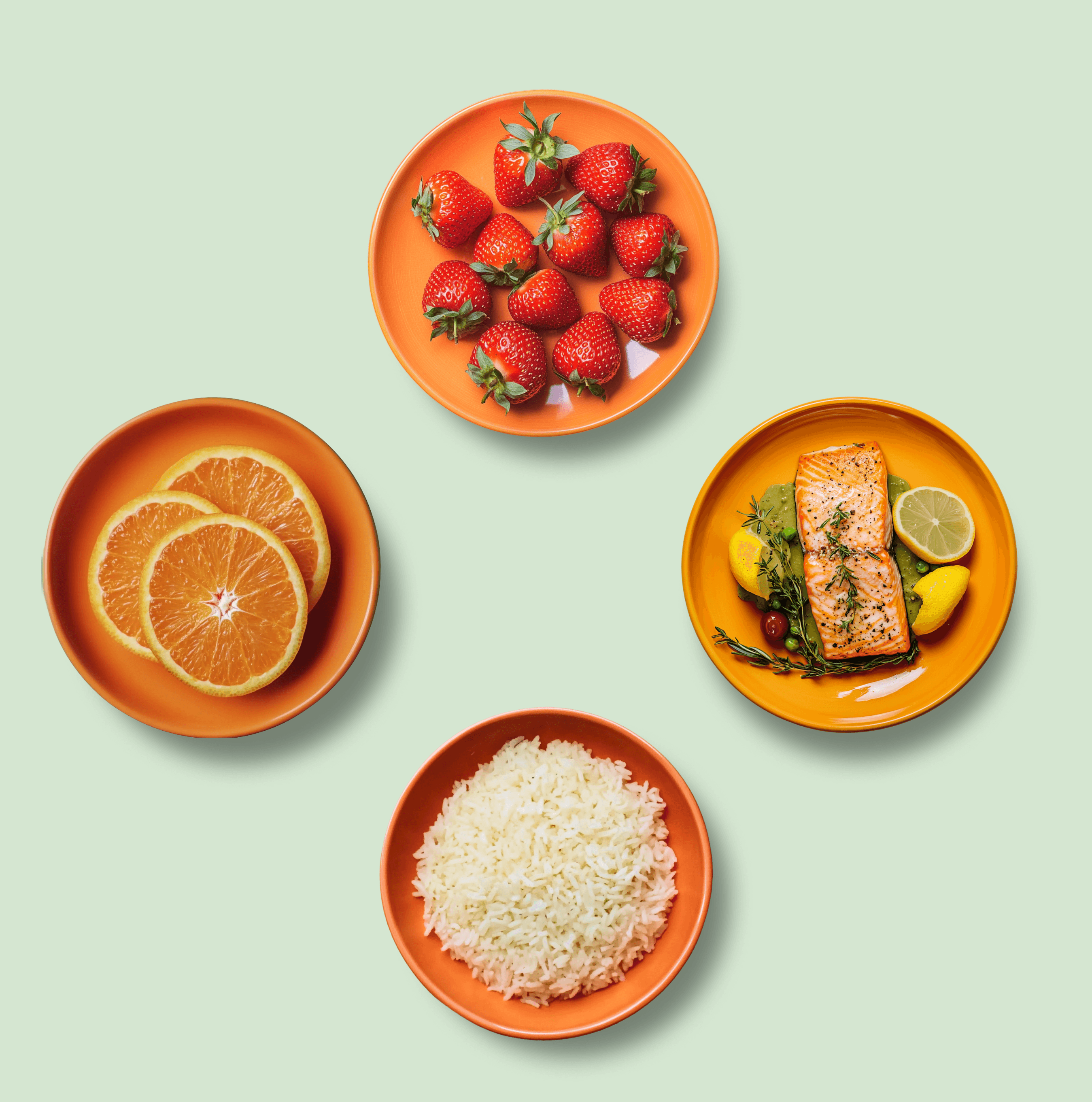
Proteins: Eggs, chicken, fish, and firm tofu are naturally low in FODMAPs.
Vegetables: Carrots, cucumbers, zucchini, bell peppers, spinach, and tomatoes.
Fruits: Grapes, oranges, strawberries, and blueberries in typical serving sizes.
Grains: Rice, oats, and quinoa work well for many people.
Dairy alternatives: Almond milk and lactose-free dairy products.
Nuts and seeds: Walnuts and pumpkin seeds in moderate amounts.
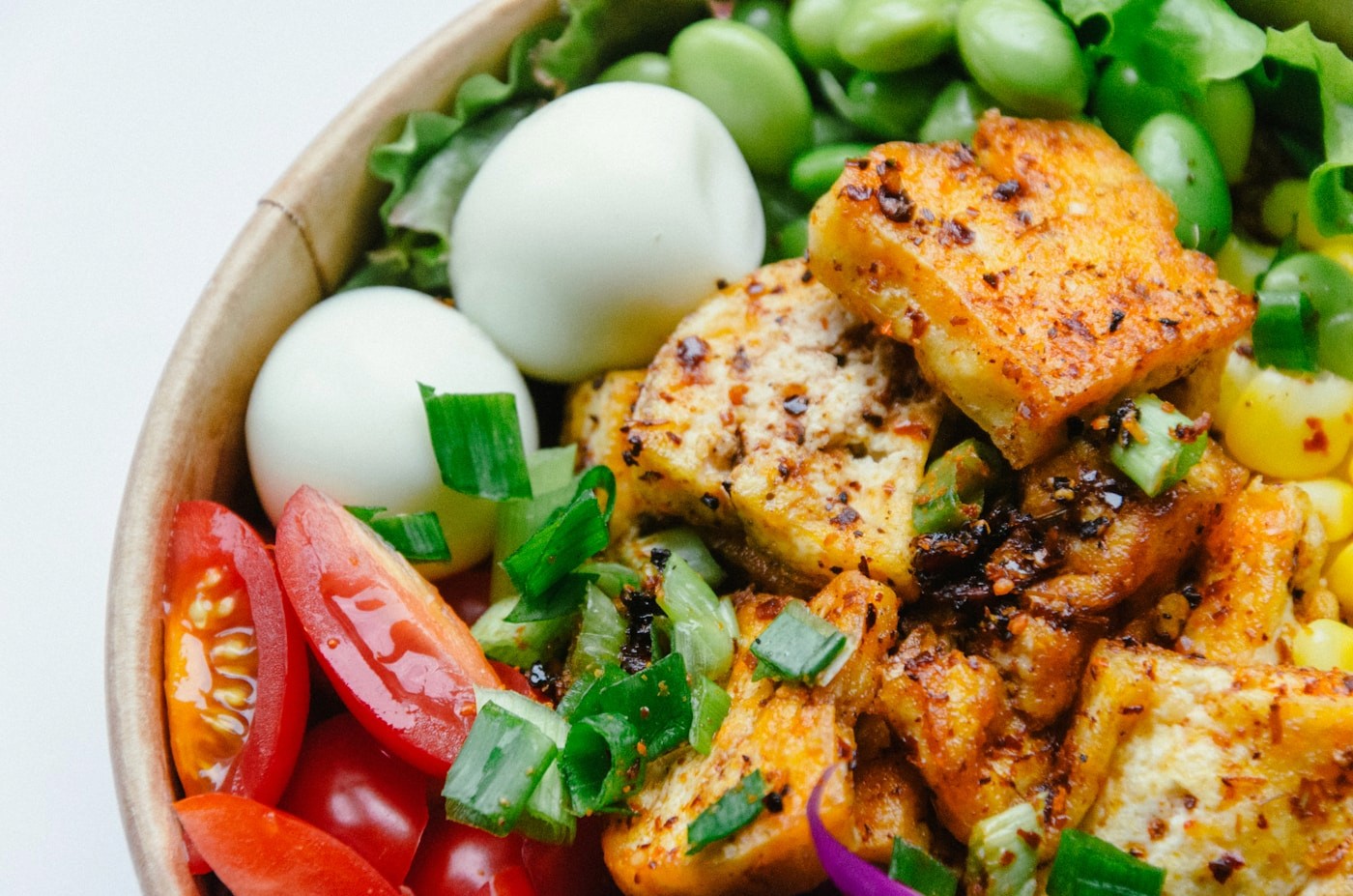
Portion size still matters, because even low-FODMAP foods can add up if you eat large amounts at once. Spreading these foods across the day tends to be easier on your gut. Your dietitian can help you find the serving sizes that feel right for you.
“When someone comes to me only eating five or six ‘safe’ foods, my number one job is to slow things down. I tell them we’re not going to cut anything else today. Restricting further usually adds anxiety without adding relief, and it can really limit your nutrition. We start by protecting what you can already eat comfortably, then build from there.” — Bridget Isaacs, MS, RD
Foods That May Worsen SIBO Symptoms
Some foods are higher in fermentable carbs, so they may worsen symptoms for some people during the elimination phase. This does not make them bad foods. Many are nutritious, and most people reintroduce a good number of them later once symptoms settle.
Here are foods that are higher in FODMAPs and often limited early on:
High-FODMAP fruits: Apples, pears, cherries, and watermelon.
Certain vegetables: Onions, garlic, cauliflower, mushrooms, and asparagus.
Lactose-containing dairy: Milk, soft cheeses, and ice cream.
Legumes: Beans, lentils, and chickpeas.
Some sweeteners: Honey, agave, sorbitol, and xylitol.
Wheat and rye: Found in many breads, pastas, and baked goods.

Notice that this is a “may worsen symptoms” list, not a forbidden list. The point of a SIBO diet plan is to identify your personal triggers, not to shrink your diet indefinitely. Many of these foods return during reintroduction, sometimes in smaller portions that you tolerate just fine.
It also helps to think in terms of swaps rather than losses. If garlic is a trigger for you, garlic-infused oil can offer similar flavor with fewer fermentable carbs. Small substitutions like this keep meals satisfying while symptoms settle.
If reading a list of SIBO foods to avoid feels overwhelming, that is a completely normal reaction. Restriction can carry a real emotional weight. You do not have to navigate it alone or figure out your limits by trial and error.
How a Registered Dietitian Helps You Manage SIBO
A registered dietitian nutritionist is a licensed medical professional with years of clinical training. When it comes to SIBO, an RD does far more than hand you a food list. Here is what that support actually looks like.
A personalized elimination plan: Built around your symptoms, preferences, and current diet, not a generic template.
Guided reintroduction: A step-by-step process to add foods back and map your true tolerances.
Nutritional adequacy monitoring: Making sure you still get enough fiber, protein, and micronutrients throughout.
Coordination with your care team: Working alongside your GI doctor or primary care provider, never instead of them.
Emotional support: Helping you manage the anxiety that food restriction can stir up.
That last point deserves attention. Cutting foods can quietly narrow your world and raise stress at the table. A good dietitian keeps the plan as livable as possible and treats your relationship with food as part of the picture.
Working with an RD can also spare you months of guesswork. Instead of eliminating foods one by one on your own, you follow a plan with a clear beginning, middle, and end. You can learn more about our GI health specialization and how dietitians like our SIBO-experienced RDs approach this work.
“After treatment, I don’t hand people a long list and wish them luck. We reintroduce one FODMAP group at a time, usually testing a single food across a few days while we watch how you feel. If a food doesn’t sit well, that’s information, not failure. Most weeks we add something back, and seeing that list grow is often what eases the fear of eating again.” — Bridget Isaacs, MS, RD
When to Work with a SIBO-Specialized Dietitian
If you suspect SIBO, or you have a diagnosis and feel unsure what to eat, that is a good moment to bring in a professional. It is especially worth it if you have already been cutting foods on your own for a while.
Berry Street registered dietitians specialize in digestive conditions, including SIBO, and understand how the gut microbiome shapes daily symptoms. Care is fully virtual, so you can meet from home on your own schedule. Your dietitian can also stay in step with your doctor, so your food plan and your medical treatment support each other rather than pulling in different directions.

Nutrition counseling is often covered by insurance, and 95% of Berry Street members pay $0 with coverage. You can check your insurance coverage in about a minute, with no commitment. When you feel ready, you can Start Today.
Frequently Asked Questions About SIBO Diet
What is the best diet for SIBO — low FODMAP or elemental?
For most people, the low-FODMAP approach is the practical first choice because it uses everyday foods and teaches you your triggers. The elemental diet is usually reserved for more severe or persistent cases under close supervision. Your dietitian can help you decide what fits your situation.
How long should you follow a SIBO elimination diet?
The elimination phase is typically short, often around 3 to 4 weeks. It is not meant to be permanent. After that, you move into a structured reintroduction so you can eat the widest variety of foods you tolerate.
Can you eat eggs if you have SIBO?
Yes, eggs are naturally low in FODMAPs, so many people tolerate them well during a SIBO diet. They are a convenient, versatile protein for meals and snacks. As always, individual tolerance can vary, so notice how your body responds.

What is the difference between SIBO and IBS?
SIBO is an overgrowth of bacteria in the small intestine, while IBS is a functional disorder defined by a pattern of gut symptoms. They share many symptoms and can occur together. A breath test helps distinguish SIBO, so testing with your doctor is worthwhile.
Can a registered dietitian help with SIBO management?
Absolutely. A registered dietitian builds a personalized elimination and reintroduction plan, monitors your nutrition, and coordinates with your medical team. They also support the emotional side of restrictive eating, so you feel guided rather than alone.
Last Reviewed by Bridget Isaacs, MS, RD — July 2026.