Key Takeaways
The low FODMAP diet is a short-term, three-phase diagnostic tool meant to identify your triggers, not a permanent way of eating.
A dietitian for IBS looks well beyond food lists, addressing the gut-brain connection, fiber type, stress, and how you reintroduce foods.
Soluble fiber like psyllium has been shown to improve overall IBS symptoms across IBS-C, IBS-D, and IBS-M, though the right amount is personal.
Restrictive elimination diets can carry real risks for anyone with a history of disordered eating, which is why a dietitian personalizes every plan.
Registered dietitians are licensed medical professionals who work alongside your doctor, and at Berry Street 95% of members pay $0 through insurance.
You tried the low FODMAP diet. Maybe it helped at first, and then the bloating crept back. Maybe you cut out so many foods that eating felt like a math problem, and you still felt off. So you are asking a fair question: can a dietitian help with IBS once the low FODMAP diet has run its course? The short answer is yes, and often that is exactly where the real work begins. If low FODMAP alone did not fix everything, that is not a you problem. That is a one-size-fits-all problem.
In 30 seconds: The low FODMAP diet is only the first step, not the finish line. A dietitian for IBS uses it to find your triggers, then builds a wider, personalized plan that adds foods back and folds in fiber strategy, the gut-brain connection, and other proven approaches. You keep the relief without living on a permanently short list of foods.
Irritable bowel syndrome is a common condition, and as the Academy of Nutrition and Dietetics notes, managing it usually means finding the combination of changes that works for you rather than one single fix. A 2024 review in Gastroenterology & Hepatology (N Y) reinforces this, describing more than one dietary option worth considering rather than a single approach for everyone. Below, we walk through why low FODMAP is a beginning, what IBS nutrition therapy looks like beyond it, and how working with a registered dietitian for IBS turns a rigid food list into a plan that fits your life.
Why the Low FODMAP Diet Is a Starting Point, Not the Whole Plan
The low FODMAP diet gets a lot of attention, and for good reason. It has solid evidence behind it. But it was never designed to be your permanent diet, and treating it that way is where many people get stuck.
What low FODMAP actually does (short-term diagnostic tool, three phases)
FODMAPs are certain carbohydrates that can be poorly absorbed and ferment in the gut. For some people with IBS, that fermentation drives gas, bloating, and pain. The low FODMAP diet is a structured way to test whether these carbs are part of your picture.

It works in three distinct phases, and each one matters:
Elimination: You reduce high-FODMAP foods for a short window, usually two to six weeks, to see if symptoms calm down.
Reintroduction: You add FODMAP groups back one at a time to learn which ones actually bother you and how much you can handle.
Personalization: You build a long-term way of eating that keeps only the specific limits you need and returns everything else.
Done properly, this is a diagnostic tool, not a lifestyle. According to StatPearls, around 76% of people who respond to the elimination phase are able to liberalize their diet through structured reintroduction. In other words, the goal is to eat more foods again, not fewer. That is why we treat low FODMAP as a starting line. For a deeper walkthrough, see our companion guide to IBS and the low FODMAP diet.
Why it isn’t meant to be forever — and who it isn’t right for
Staying in the elimination phase long-term can backfire. It narrows your food variety, which may affect nutrient intake and the diversity of your gut microbes. It can also make eating stressful, and stress itself influences IBS.
There is another reason we personalize carefully. Restrictive elimination diets can be genuinely risky for people with a history of disordered eating or a complicated relationship with food. A rigid list of “allowed” and “not allowed” foods can reinforce food fear. A dietitian screens for this history first and adapts the approach, sometimes skipping strict elimination entirely in favor of gentler, individualized changes. No food is treated as forbidden by default. The plan bends to you, not the other way around.
This is also why the “beyond FODMAP” idea is really about expansion, not more rules. The point is not to keep adding foods to a no list. It is to understand your body well enough that most of your favorite foods can stay on the table, in the amounts that work for you. You can read more about why gut health is never one-size-fits-all.

How a Registered Dietitian Treats IBS Beyond Low FODMAP
Food lists are only one lever. A registered dietitian for IBS has several more, and the art is knowing which ones to pull for you. A 2024 review in Gastroenterology & Hepatology (N Y) points out that low FODMAP is far from the only dietary option worth considering for IBS. Here is what managing IBS beyond low FODMAP can involve.
The gut-brain connection — stress, the vagus nerve, and why nutrition alone isn’t the whole picture
IBS is now understood as a disorder of gut-brain interaction, the framework used in the Rome IV criteria. Your gut and brain talk constantly, and the vagus nerve is one of the main channels that carries those signals in both directions. When stress ramps up, that communication can shift how your gut moves and how it senses pain.
This does not mean IBS is “in your head,” and the vagus nerve does not cause IBS. It means the gut-brain connection is a real, physical part of the condition. That is why nutrition alone is rarely the whole answer.
A practical example helps. Many people notice their symptoms spike during a stressful week, even when their food stays the same. That is the gut-brain axis at work, not a lack of discipline. When a dietitian factors this in, the plan starts to fit real life instead of an ideal one.

Psychological therapies address this directly. Among them, gut-directed hypnotherapy and cognitive behavioral therapy have the strongest evidence for reducing IBS symptoms, according to a 2024 mini-review in Frontiers in Psychology. These approaches aim for symptom reduction, not a cure. A dietitian weaves stress and sleep habits into your plan and coordinates with the right specialists when therapy would help.
“When someone comes to me frustrated that low FODMAP didn’t fully fix things, my first move isn’t another food to cut. I look at the whole picture: how they’re eating meals, not just what, plus sleep, stress, fiber type, and where the gut-brain piece fits. Usually the missing component isn’t a stricter list, it’s the part of the plan that food alone was never going to solve.” — Bridget Isaacs, MS, RD
Fiber, done right — soluble vs. insoluble and personalizing intake for IBS-C vs. IBS-D
Fiber confuses a lot of people with IBS, partly because the type matters as much as the amount. There are two broad kinds, and they behave differently in the gut.
Soluble fiber dissolves in water and forms a gel that can regulate stool. Psyllium is a well-studied source, and it usually comes as a supplement rather than from food alone.
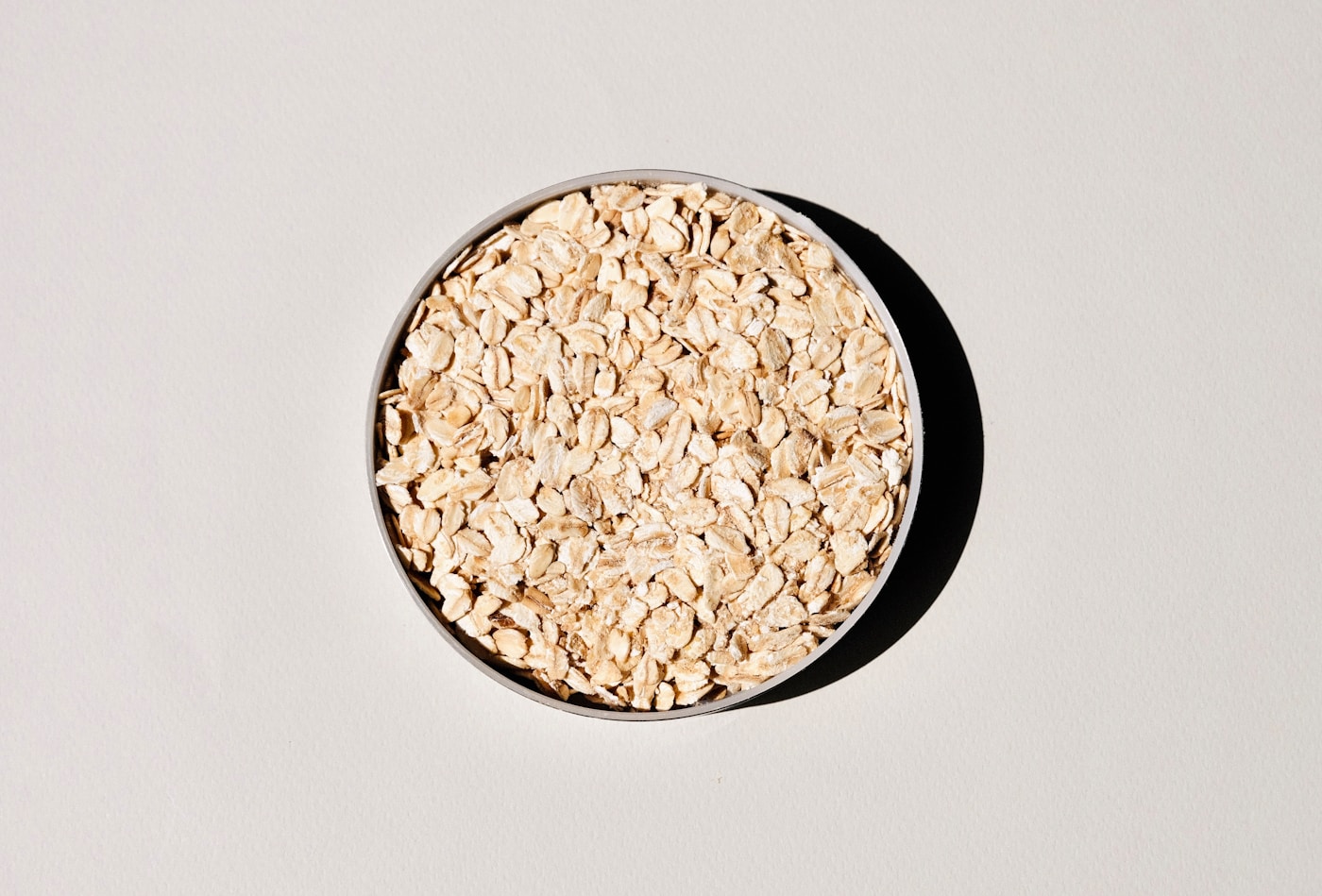
Insoluble fiber adds bulk and does not dissolve. Wheat bran is a common example.
Here is what the evidence shows. A 2017 review in the International Journal of Molecular Medicine found that soluble fiber such as psyllium can improve overall IBS symptoms across subtypes, including IBS-C, IBS-D, and IBS-M. So psyllium is not just a constipation tool. Insoluble fiber like wheat bran, by contrast, has not been shown to improve IBS symptoms and may be less tolerated for some people.
That does not make wheat bran a bad food. It simply means it is not the go-to for symptom relief, and your tolerance is personal. A dietitian helps you choose the right type, the right dose, and the right pace, adjusting for whether your IBS leans toward constipation or diarrhea. Our expert guide to fiber goes deeper on this.
Reintroduction and personalization — adding foods back, not just cutting them
The most important phase of the low FODMAP process is also the one people skip most often: adding foods back. Reintroduction is where you learn your actual thresholds, and thresholds are usually more generous than people expect.
You might tolerate a small serving of a trigger food but not a large one. You might handle it on a calm day but not a stressful one. A dietitian runs this like an experiment, tracking responses so the two of you can see patterns instead of guessing. This is also where a professional makes a real difference. Reintroducing foods without guidance can feel intimidating, and it is easy to blame a food that was not the real culprit. The aim of IBS nutrition therapy is a wide, flexible plate, not a shrinking one. Expanding and personalizing your diet is the whole point of going beyond FODMAP.
Other eating patterns a dietitian may explore (Mediterranean-style, adjusting caffeine/alcohol/carbonation) — always individualized
Low FODMAP is one path, and it is not the only evidence-informed option. A 2018 narrative review in the Journal of Neurogastroenterology and Motility reported that, with the evidence available at that time, dietary management helped roughly 50% to 70% of people with IBS reach adequate symptom relief. That figure reflects what was known then, not a current guarantee, and it points to how much diet strategy can matter.
A Mediterranean-style pattern is one option gaining attention. A 2025 randomized clinical trial in the Annals of Internal Medicine found a 62% clinical response with a Mediterranean diet versus 42% for traditional dietary advice. This was a single UK trial rather than an established standard of care, so a dietitian treats it as a promising option to consider, not a prescription.
Some people also find that adjusting caffeine, alcohol, or carbonated drinks helps. These are individual triggers, not universal ones. A 2026 review in Nutrients underscores that IBS nutrition management works best when it is tailored to the person. Your dietitian tests what matters for you instead of applying blanket rules.
When it’s more than IBS — SIBO, food intolerances, and coordinating with your medical team
Sometimes symptoms that look like IBS have another layer. Small intestinal bacterial overgrowth, or SIBO, shares a lot of overlap with IBS. A 2026 review in Medicina (Kaunas) notes a pooled prevalence of roughly 49% among breath-tested IBS patients.
The relationship between SIBO and IBS is still debated and unresolved. SIBO does not cause IBS, and IBS is not simply SIBO in disguise. Confirming SIBO requires physician-ordered breath testing, which sits outside a dietitian’s scope. What a dietitian does is flag the possibility, connect the dots with your symptoms, and coordinate with your medical team so testing happens through the right channel. This is a good moment to remember what registered dietitians are: licensed medical professionals with clinical training who work alongside your doctor, not instead of them. If you want the bigger picture on digestion, our expert guide to gut health is a helpful next read.
What Working With a Berry Street Dietitian for IBS Looks Like
Knowing the tools is one thing. Having someone help you use them, in the right order, for your body, is what actually moves symptoms. Here is what care looks like at Berry Street.
Your first appointment — assessment, history, and symptom tracking
Your first visit is a conversation, not a lecture. Your dietitian asks about your symptoms, your medical history, your typical meals, your stress and sleep, and your relationship with food. This history matters, because it shapes whether a structured elimination is even appropriate for you.
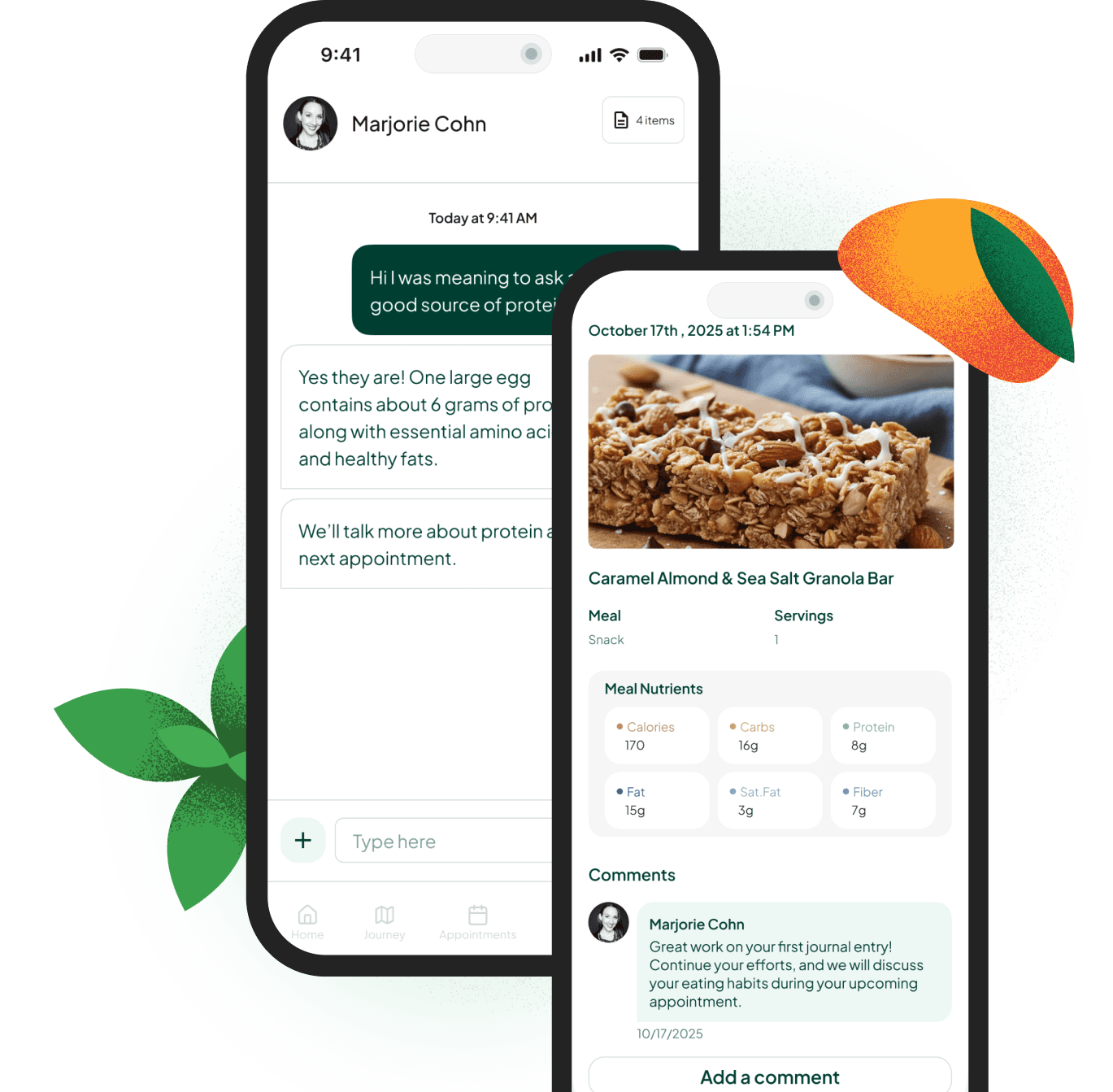
From there, you often start simple symptom tracking. Logging what you eat and how you feel gives both of you real data to work from. It replaces guesswork with patterns, and patterns are what personalized care is built on.
Between visits, you can message your dietitian with questions as they come up. You do not have to sit on a flare-up for weeks or wonder whether a new food set you back. That steady contact is part of what makes IBS nutrition therapy feel less like a diet and more like ongoing support.
A personalized, non-restrictive plan
Once your dietitian understands your picture, you build a plan together. It is designed around adding structure and, wherever possible, adding foods back, rather than piling on restrictions. The plan flexes as you learn what your body tolerates.
Cost usually is not the barrier people expect. Berry Street is in-network with 1,250+ insurance plans, and 95% of members pay $0. If you want to see where you stand, you can check your coverage in about a minute, with no commitment. That way the focus stays on your symptoms, not surprise bills.
“With clients who have IBS and a history of restrictive eating, I don’t hand over a list of foods to avoid. That can feed the same fear we’re trying to unwind. Instead, we work on adding foods and structure, keep the language neutral, and track how you feel rather than policing what you ate. The goal is a calmer gut and, along with it, a calmer relationship with food.” — Bridget Isaacs, MS, RD
Finding Relief on Your Terms
IBS is personal, and so is the path out of the worst of it. The low FODMAP diet can open the door, but the lasting relief usually comes from everything that follows: the right fiber, attention to the gut-brain connection, careful reintroduction, and a plan shaped around your life.
You do not have to figure out the order on your own. A registered dietitian can help you build a personalized IBS diet that adds foods back and steadies your symptoms, all while working alongside your doctor. When you feel ready, you can see if you’re covered and connect with a dietitian. There is no rush and no pressure. Relief on your terms is the whole idea.

Frequently Asked Questions
Can a dietitian help with IBS if the low FODMAP diet didn’t work for me?
Yes. If low FODMAP fell short, a dietitian looks beyond food lists at fiber type, the gut-brain connection, stress, sleep, and how foods were reintroduced. Often the missing piece is a lever that a food list alone could never address.
What IBS treatments do dietitians use besides the low FODMAP diet?
Dietitians use fiber strategy, especially soluble fiber, structured reintroduction, and individualized adjustments to triggers like caffeine or alcohol. They may explore a Mediterranean-style pattern and coordinate stress-focused therapies with your care team when appropriate.
How does the gut-brain connection affect IBS, and can nutrition help?
IBS is a disorder of gut-brain interaction, and the vagus nerve carries signals between the two. Stress can shift gut movement and pain sensitivity. Nutrition helps, and pairing it with therapies like gut-directed hypnotherapy can further reduce symptoms for many people.
Is the low FODMAP diet safe to follow long-term?
The strict elimination phase is not meant to be permanent. Staying on it long-term can narrow food variety and affect gut microbes. The goal is to reintroduce foods and personalize your diet, keeping only the limits you actually need.
Can a dietitian help me reintroduce foods after an elimination diet?
Yes, and this is one of the most valuable things they do. A dietitian guides structured reintroduction, adding foods back one at a time to find your true thresholds. Most people can liberalize their diet far more than they expect.
What role does fiber play in managing IBS?
Fiber type matters. Soluble fiber such as psyllium, usually taken as a supplement, has been shown to improve overall IBS symptoms across subtypes. Insoluble fiber like wheat bran has not shown the same benefit and may be less tolerated for some.
Can a dietitian help with IBS if I have a history of disordered eating?
Yes, and this is exactly when personalized care matters most. Restrictive elimination diets can be risky for anyone with a history of disordered eating. A dietitian screens for this first and adapts the approach, often skipping strict elimination for gentler, food-inclusive changes.
What’s the difference between IBS and SIBO, and can a dietitian help with both?
IBS and SIBO share overlapping symptoms, and their relationship is still debated. SIBO does not cause IBS. Confirming SIBO needs physician-ordered testing, so a dietitian flags the possibility, supports your nutrition, and coordinates with your medical team.
What should I expect at my first appointment with an IBS dietitian?
Expect a thorough conversation about your symptoms, medical history, meals, stress, sleep, and relationship with food. Your dietitian often starts with simple symptom tracking so you both work from real data. From there, you build a personalized plan together.
Does insurance cover seeing a dietitian for IBS?
Often, yes. Nutrition counseling is frequently covered. Berry Street is in-network with 1,250+ insurance plans, and 95% of members pay $0. You can check your coverage in about a minute with no commitment before booking anything.
What calms IBS symptoms quickly?
Short-term relief varies by person, so there is no universal fix. Some people find that soluble fiber, gentle movement, stress-lowering practices, and avoiding their known individual triggers help. A dietitian helps you identify what steadies your symptoms fastest.
Can managing stress alongside diet actually improve IBS?
Yes. Because IBS is a disorder of gut-brain interaction, stress can worsen symptoms. Combining nutrition changes with stress management, including evidence-backed options like gut-directed hypnotherapy and cognitive behavioral therapy, tends to work better than diet alone for many people.
Last Reviewed by Bridget Isaacs, MS, RD — August 2026.