Key Takeaways
GLP-1 is a hormone your own gut makes after you eat. The medications work with a system your body already uses to manage hunger and blood sugar.
Slower stomach emptying is why many people feel full faster and notice more nausea, reflux, or constipation early on.
Eating less makes fiber, fluid, and protein harder to hit by accident. On a smaller appetite, what you eat matters more, not less.
Early research suggests these medications may shift the gut microbiome, and your microbiome may in turn shape how you respond. The relationship runs both ways.
Food comes first. A probiotic or fiber supplement is an individual decision to make with your dietitian and prescribing physician, not a default.
Starting a GLP-1 medication changes how your gut feels day to day, and gut health is one of the first things people ask a dietitian about. You might feel full after a few bites, notice nausea, or feel your digestion slow down. None of that means something is wrong with you. It means a medication that acts on your gut is doing what it was designed to do. This guide covers what is happening inside your digestive system, why it matters, and how a dietitian helps you eat to keep your gut supported.
In 30 seconds: GLP-1 medications slow digestion and lower appetite, which can bring on nausea, early fullness, and constipation while shifting your gut over time. The fix is not eating less of everything. It is eating with more intention around fiber, fluids, and protein, ideally with a dietitian who tailors the plan to you.

What GLP-1 Medications Actually Do in Your Gut
GLP-1 is a gut hormone first
GLP-1 stands for glucagon-like peptide-1. Before it was ever a medication, it was a hormone your small intestine releases after you eat. It tells your pancreas to release insulin, signals your brain that you are satisfied, and slows how quickly your stomach empties.
GLP-1 medications are prescribed, medically monitored treatments that mimic this natural hormone. They support blood sugar control and broader metabolic health. For some people, changes in body weight can follow as a side effect, but that is a downstream result, not the target of good nutrition care.
Because these medications act directly on your digestive tract, gut symptoms are common and usually expected. Understanding the mechanism makes them far less alarming.
Slower digestion, appetite changes, and what shifts
The most noticeable effect is slower gastric emptying. Food sits in your stomach longer, so you feel full sooner and stay full for hours.
That single change explains a lot of what you may feel:
Smaller appetite: You want less food, and hunger cues get quieter.
Early fullness: A few bites can feel like a full meal, especially at dinner.
Digestive shifts: Slower movement through the gut can mean nausea, reflux, or constipation for some people.
These effects vary from person to person. Depending on your individual needs, they may be mild and short-lived or something you actively manage for a while. If you want the clinical background on how these medications are used, Berry Street’s GLP-1 nutrition support overview covers it in plain language.

Why Gut Health Deserves Attention on a GLP-1
Here is the part that surprises people. When your appetite drops, the quality of every bite starts to matter more.
Eating less by accident is easy on these medications. Eating well on purpose takes a little planning. If you were relying on volume to hit your fiber, fluid, and protein needs, a smaller appetite can quietly leave gaps. Those gaps are what lead to constipation, low energy, and a less resilient gut.
Your gut is also home to trillions of microbes that help digest food and support your immune system. Feeding that ecosystem well is part of feeling good on treatment, as Berry Street’s gut health resource page explains.
None of this is about restriction. It is about making sure the food you do eat works as hard as it can for you.
How GLP-1 Medications Change the Gut Microbiome
What the research shows so far
Research into GLP-1 medications and the microbiome is still young, so it is worth being honest about what we know and what we do not.
Early studies suggest these medications may shift the balance of bacteria in the gut, sometimes toward populations linked with steadier blood sugar and lower inflammation. One 2024 review in Cureus describes how GLP-1 receptor agonists appear to modulate the gut microbiome as part of their effect on metabolic health.
This does not mean a pill replaces good food. The microbiome responds strongly to what you eat, so your daily choices remain the biggest lever you control.
The two-way street between your microbiome and your response to the medication
The relationship appears to run in both directions, which is the genuinely interesting part.
Your microbiome may influence how well you respond to a GLP-1 medication, while the medication may in turn reshape your microbiome. A 2024 study in iScience found correlations between the makeup of intestinal flora and individual responses to GLP-1 receptor agonists.
For you, the practical takeaway is simple. Supporting a diverse, well-fed microbiome is not a side project. It may be part of how the medication works for you, which is one more reason a personalized food plan matters here.
Common Digestive Side Effects — and How a Dietitian Helps You Manage Them
Nausea and early fullness
Nausea is the most common early complaint, and it usually eases as your body adjusts. Slower stomach emptying is the driver, so the goal is to avoid overwhelming a stomach that is already working slowly.
A few adjustments help many people:
Eat smaller amounts more often instead of three large meals.
Slow down and stop at the first sign of fullness.
Go easy on very rich or greasy meals when nausea is high.
Constipation
When food moves more slowly and you are eating and drinking less, stools can get harder and less frequent. It is a common issue a dietitian troubleshoots on a GLP-1.
The usual levers are fiber, fluid, and movement, adjusted gradually so you do not trade constipation for bloating. Depending on your individual needs, gentle daily walking and a consistent morning routine can matter as much as any single food.
Keeping fiber and fluids up when you’re eating less
This is where planning replaces willpower. A joint nutritional advisory published in The American Journal of Clinical Nutrition in 2025 highlights fiber, adequate fluids, and sufficient protein as nutritional priorities during GLP-1 therapy.
Fitting those priorities into a smaller appetite without forcing food is a solvable problem, and one dietitians handle every day.
“When a client tells me they feel full after just a few bites, I never push them to force food down. We make each bite count instead—a little protein at the start of the meal, a fiber source they actually enjoy, and water sipped through the day rather than all at once. Small and consistent protects your gut far better than a big meal you dread.” — Jessica Cannon, MS, RDN, LDN
Eating to Support Your Gut on a GLP-1
Fiber, prebiotics, and fermented foods
Fiber feeds the beneficial bacteria in your gut and keeps things moving. Prebiotic fibers, found in foods like oats, onions, garlic, and legumes, are a favorite food source for those microbes.
Fermented foods such as yogurt, kefir, kimchi, and sauerkraut add live cultures and variety for some people. Depending on your individual needs, you may tolerate these easily or want to introduce them slowly to avoid gas and bloating. If you enjoy going deeper on the science, Berry Street’s guide to postbiotics and next-generation gut health is a useful next read.

None of these foods are magic, and none are mandatory. Variety and enjoyment matter more than any single “gut food.”
Protein and nutrient density on a smaller appetite
When you can only eat a little, every meal should carry its weight nutritionally. Protein is a priority because it supports muscle, satiety, and steady energy.
Practical ways to protect your protein intake include:
Lead each meal with a protein source so you get it in before fullness hits.
Keep easy options ready, such as eggs, Greek yogurt, tofu, fish, or beans.
Add a protein-rich smoothie on days when chewing a full meal feels like too much.
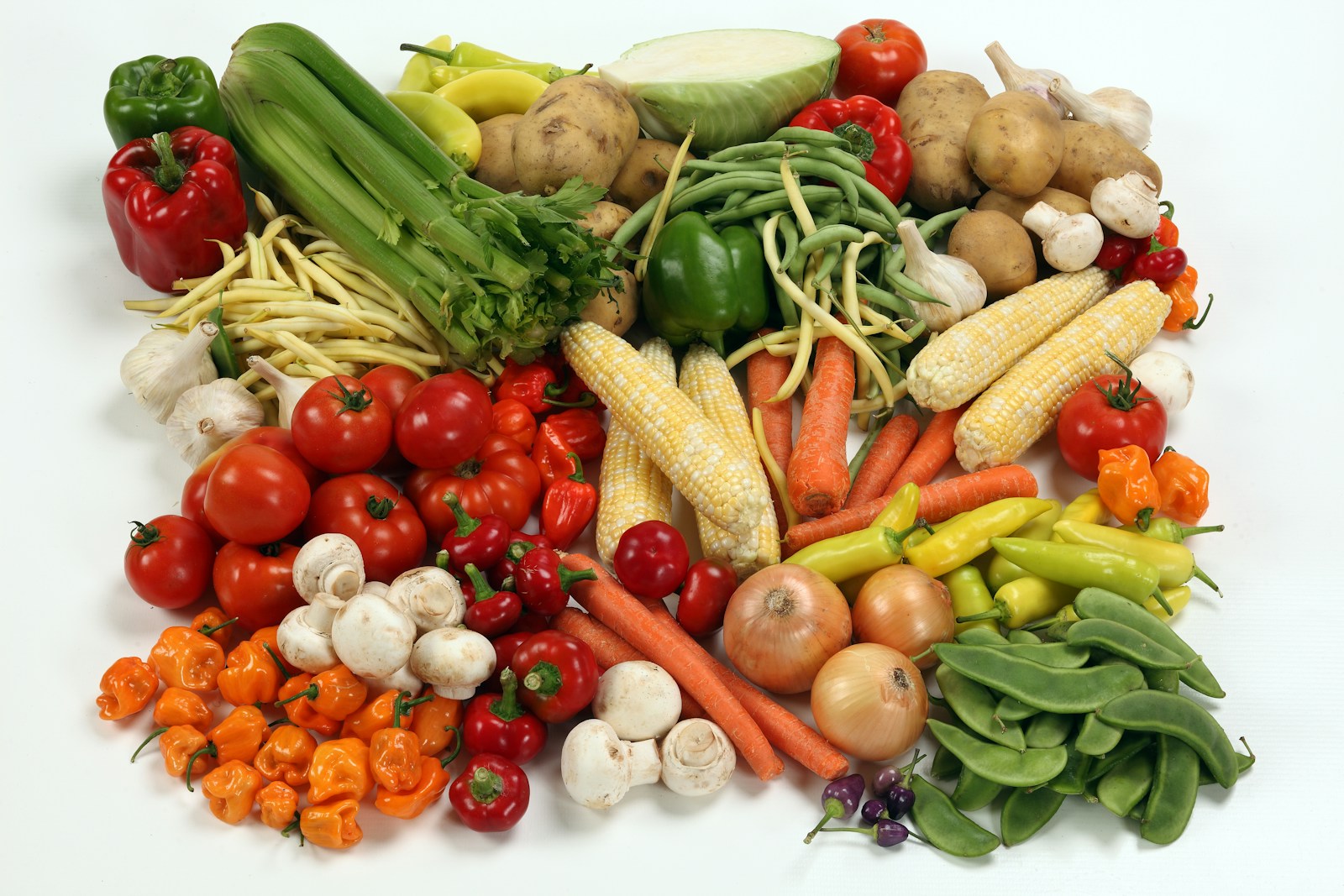
The same idea applies to nutrient density overall. Colorful vegetables, whole grains, nuts, and seeds pack more into a smaller volume.
Do you need a probiotic or fiber supplement?
This is where food comes first. Many people meet their needs through everyday meals, and a supplement is not automatically the answer.
A probiotic or fiber supplement can be a reasonable tool for some people, but it is an individual decision. It belongs in a conversation with your dietitian and your prescribing physician, who can look at your symptoms, your diet, and your medication together.
“Before I suggest any supplement, I ask what a client is already getting from food, because for a lot of people that covers most of the gap. If we do add a probiotic or fiber supplement, it’s a specific choice we make together—and I always loop in your prescribing physician so it fits the whole picture, not a product someone saw online.” — Jessica Cannon, MS, RDN, LDN
Working With a Dietitian on Your GLP-1 Journey
A GLP-1 medication is prescribed and monitored by your physician. A registered dietitian is the person who helps you eat well alongside it.
The credential matters here. A Registered Dietitian Nutritionist (RDN) is a licensed medical professional with years of clinical training, qualified to help manage medical conditions. That is different from a general “nutritionist,” a term anyone can use in some states. Your dietitian works alongside your doctor, not instead of them.
At Berry Street, care is fully virtual and built around you rather than a template. Most nutrition counseling is covered by insurance. Berry Street is in-network with 1,250+ insurance plans, and 95% of members pay $0. When you are ready, you can check your coverage and get matched with a dietitian at your own pace, with no pressure to decide.
Frequently Asked Questions
How do you support your gut health while on a GLP-1 medication?
GLP-1 medications (you may know brand names like Ozempic, Wegovy, or Saxenda) slow digestion, so the priorities are steady fiber, plenty of fluids, and enough protein even as your appetite drops. Smaller, more frequent meals and gentle daily movement help many people. A dietitian can personalize this to your symptoms and your schedule.
Should you take a probiotic while on a GLP-1?
Maybe, but not by default. Many people get what they need from fermented foods and a varied, fiber-rich diet. Whether a probiotic adds value is an individual decision to make with your dietitian and prescribing physician.
Why do GLP-1 medications cause constipation and nausea?
Both come mainly from slower stomach emptying, which is a core effect of the medication. Food sits longer, which can trigger nausea and early fullness, while slower movement plus eating and drinking less can lead to constipation. These effects often ease over time and respond well to small dietary adjustments.
How do GLP-1 medications change the gut microbiome?
Early research suggests these medications may shift the balance of gut bacteria, sometimes in ways linked to better metabolic health. The relationship appears to run both ways, since your existing microbiome may also influence how you respond. This science is still developing, so food quality remains your most reliable lever.
What should you eat to protect your gut on a GLP-1?
Focus on nutrient-dense foods that fit a smaller appetite: lean proteins, high-fiber plants, and fermented foods you enjoy and tolerate. Lead with protein, sip fluids throughout the day, and add fiber gradually. Depending on your individual needs, a dietitian can fine-tune the balance so you feel your best.
Last Reviewed by Jessica Cannon, MS, RDN, LDN — July 2026.