Key Takeaways
Your gut microbiome is the community of trillions of microbes in your digestive tract. Its balance can shift with diet, stress, sleep, antibiotics, and illness.
Signs of an unhealthy gut are not only digestive. Skin, mood, sleep, and illness frequency may also reflect your gut health.
A high-fiber, plant-varied way of eating is generally associated with greater microbial diversity, which research links to better health.
Fermented foods may support your microbiome, and probiotics show promising but preliminary results that depend on the strain and the person.
Persistent or severe symptoms deserve personalized care, not a self-serve test kit. A registered dietitian can build a plan that fits you.
Most of us do not think about our gut until something feels off. Then the questions start. Is this bloating normal? Why am I so tired? Learning the signs your gut microbiome needs attention can help you tell the difference between a passing rough patch and a pattern worth addressing. This guide walks through what your gut microbiome does and the digestive and whole-body signs of a gut microbiome imbalance. It also covers what actually helps, all through a non-restrictive, dietitian-led lens.
In 30 seconds: Signs of an unhealthy gut often show up as ongoing bloating, irregular bowel habits, or food reactions. They can also appear as poor sleep, low energy, skin flare-ups, or frequent illness. These signals are common and often manageable. Adding fiber, plant variety, and fermented foods tends to help, and a registered dietitian can personalize the approach if symptoms persist.
What your gut microbiome actually does (and why balance matters)
Your gut microbiome is the vast community of bacteria and other microbes living in your digestive tract. These microbes help you break down food, produce certain vitamins, and support your immune system. Research describes the gut microbiota as playing a broad role in human health, from digestion to metabolism, according to a 2018 review in the BMJ.
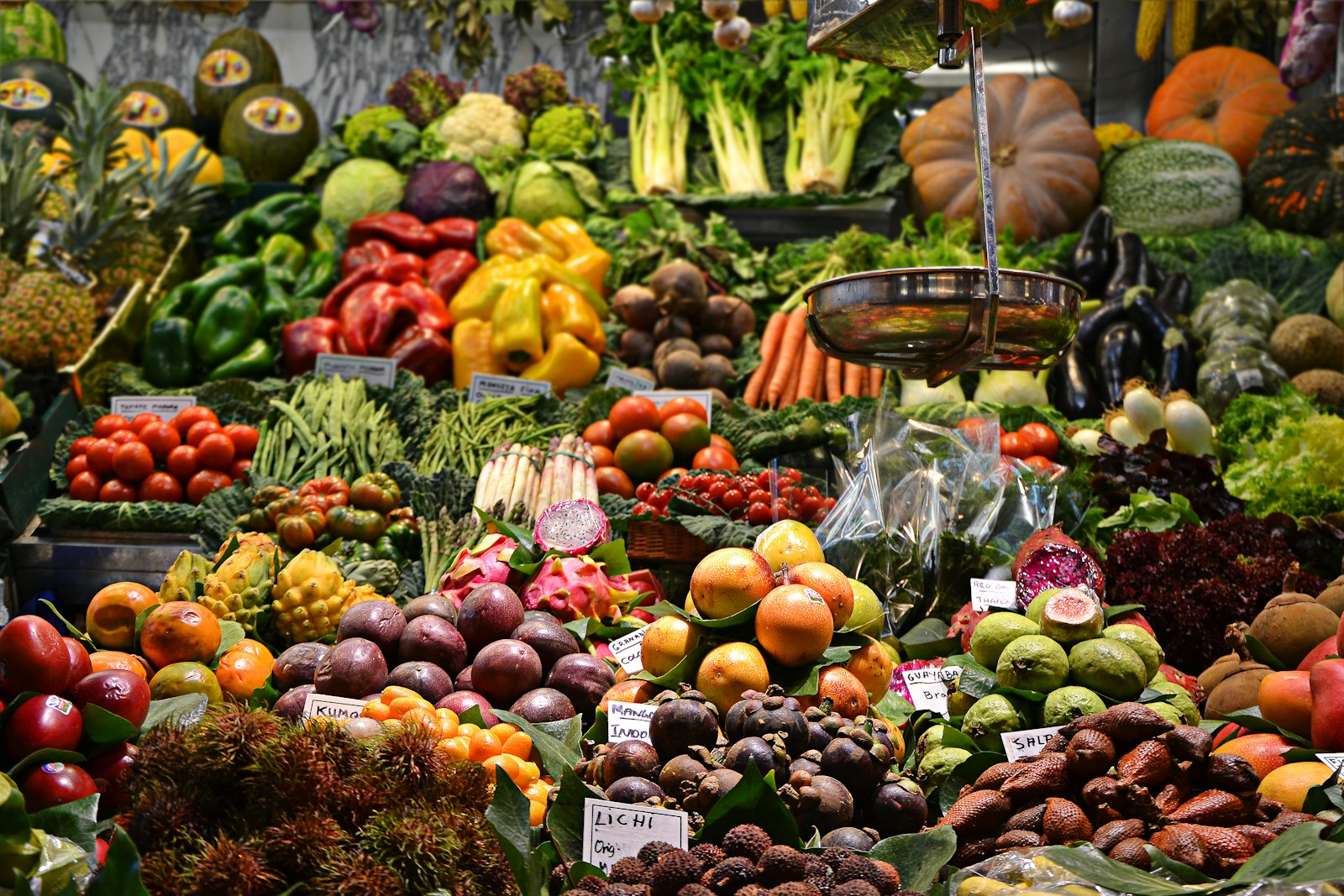
When this community is working well, most people barely notice it. When it shifts, you may start to feel it in ways that are easy to miss.
What a “balanced” microbiome looks like
There is no single template for a perfect gut. Still, experts point to a few markers of a healthy gut microbiome. A balanced microbiome tends to be diverse, meaning it contains many different types of microbes rather than a few dominant ones.
According to the International Scientific Association for Probiotics and Prebiotics (ISAPP), a well-functioning gut usually comes with comfortable digestion. Experts also point to everyday habits like adequate sleep, regular movement, and moderate stress. Researchers are still learning here, so treat these as factors experts point to rather than fixed rules.
Why does diversity matter? A 2022 review in Chemical Reviews reports that low microbial diversity is significantly associated with several diseases. Association is not the same as cause, but it is one reason diversity gets so much attention.
What throws it off — diet, stress, sleep, antibiotics, illness
A gut flora imbalance, sometimes called dysbiosis, happens when the makeup of your gut microbes shifts away from that balanced state. According to Cleveland Clinic, common contributors include changes in diet, stress, a course of antibiotics, and illness.
None of these means you did something wrong. Antibiotics can be necessary and life-saving. Stress and disrupted routines are part of being human. The point is simply that your gut responds to your life, so several everyday factors can nudge it out of balance for a while.


Digestive signs your gut may need attention
The most familiar signs of a gut microbiome imbalance show up in digestion. These symptoms are common, and on their own they rarely signal something serious. What matters is the pattern, especially when it lingers or keeps returning.
Bloating, gas, and irregular bowel habits
Occasional bloating and gas are normal parts of digestion. When they become frequent or uncomfortable, they may be worth a closer look. Cleveland Clinic lists digestive symptoms like bloating, gas, and changes in bowel habits among the signs associated with dysbiosis.
Irregular bowel habits can mean different things for different people. For some, that looks like constipation. For others, it is loose stools or an unpredictable rhythm. Depending on your individual needs, tracking when these happen can help you and a dietitian spot patterns.

“When a client comes in convinced their gut is ‘broken’ because of daily bloating, the first first thing I do is help the client take a step back. We look at what and how they’re eating, their stress, and their sleep before we change anything. Majority of the time, the first step isn’t cutting foods out. It’s gently adding more fiber and water and spacing meals more evenly. That alone can help a lot.” — Bridget Isaacs, MS, RD
Heartburn, reflux, and food reactions that come and go
Heartburn, reflux, and food reactions that appear and fade can also point to a gut that needs attention. When certain foods seem to bother you one week and not the next, that inconsistency is itself a clue worth noting.
No food is off-limits here. The goal is not to eliminate whole food groups. It is to understand your own patterns so you can eat with more comfort and confidence. If reactions are frequent or severe, that is a good moment to loop in a professional rather than guessing on your own. You can learn more on our gut health condition page.
Whole-body signs people don’t connect to the gut
Some of the most overlooked signs of an unhealthy gut have nothing to do with your stomach. Your gut interacts with many systems in your body, so a gut microbiome imbalance may surface in unexpected places.
Sleep quality and energy dips
Poor sleep and low energy can travel alongside gut issues. ISAPP notes that adequate sleep is one everyday factor linked with a well-functioning gut. This is emerging evidence rather than a settled effect size.
For some people, addressing digestion and building steadier routines helps energy feel more stable. It will not be true for everyone, which is exactly why a personalized approach matters.
Skin flare-ups and the gut-skin connection
Skin changes are another signal people rarely trace back to the gut. The connection between the gut and skin is an active area of research, and for some people, skin flare-ups seem to track with digestive symptoms.
This does not mean your gut controls your skin. It means the two may be linked, and that a broader view of your health can be more useful than treating each symptom in isolation.
Mood, stress, and the gut-brain axis
Your gut and brain are in constant communication through what scientists call the gut-brain axis. A 2021 review in Advances in Nutrition describes how diet and the microbiota interact with this axis, and links the gut microbiome to mood.
Being linked is not the same as being in control. The microbiome does not treat depression or anxiety, and it is not a substitute for mental health care. Still, knowing that stress and mood can move with gut health is a reason to treat both with care.
Frequent illness and a run-down immune system
Your gut houses a specialized immune network called gut-associated lymphoid tissue, which is indispensable for your health and helps generate the antibody-producing cells that defend your body. So feeling run-down or getting sick often can sometimes tie back to gut health. This is one more reason the signs of a gut microbiome imbalance reach beyond digestion.
If you are catching every bug that goes around, it is worth looking at the full picture, including sleep, stress, and how you are eating.
What actually helps rebalance your gut microbiome
Here is the reassuring part. Learning how to improve your gut microbiome naturally usually comes down to adding, not subtracting. The most supported strategies are about variety and consistency, not restriction.
Feed it fiber and a wide variety of plants
Fiber is food for your gut microbes. A high-fiber diet is generally associated with greater bacterial diversity, according to the 2021 review in Advances in Nutrition. Rather than chasing a specific number of plants each week, aim for variety over time.
Try to mix it up across the week:
Vegetables and fruits of different colors and textures
Whole grains like oats, barley, and brown rice
Beans, lentils, and other legumes
Nuts and seeds in the amounts that suit you
If sugar cravings tend to run your afternoons, that is a signal worth listening to rather than a food to fear. For some people, adding fiber and more filling, varied meals earlier in the day makes cravings feel quieter. You can explore this further in our gut health diet plan guide.
Add fermented foods (and where probiotics do — and don’t — help)
Fermented foods like yogurt, kefir, kimchi, and sauerkraut may support your microbiome. The Advances in Nutrition review notes that fermented foods have the potential to modulate the microbiome. Think of them as a helpful, low-risk addition rather than a treatment.

Probiotics are a common next question. The same review describes the evidence as promising but preliminary. Effects depend on the specific strain, the person, and the outcome you are after. There is no single probiotic that universally supports gut health or mood. If you are curious, our guide on why the best probiotics aren’t one-size-fits-all is a good starting point.
“So many clients want to fix their gut by buying a probiotic or ordering an at-home microbiome test. It can sound appealing, but I usually redirect. The evidence on probiotics is strain- and person-specific, and test kits rarely change what I’d actually recommend. Your money goes further when you spend it on more plants, more fiber, and a few fermented foods you’ll genuinely eat. That change is almost always more impactful.” — Bridget Isaacs MS, RD
Sleep, movement, and stress as microbiome inputs
Food is not the whole story. ISAPP points to sleep, regular movement, and moderate stress as everyday factors linked with a healthy gut. This is emerging evidence, not a precise prescription, but these habits support your overall health regardless.
You do not need to overhaul everything at once. Small, steady changes tend to stick better than dramatic ones, and they give your gut time to respond.
When to work with a registered dietitian instead of guessing
Self-education is a great start. There is a point, though, where guessing on your own stops being useful and can even delay the care you need.
Red-flag symptoms that need professional care
Some symptoms deserve prompt attention from a healthcare professional rather than a wait-and-see approach. Reach out if you notice:
Blood in your stool or black, tarry stools
Unexplained weight changes you did not intend
Severe or persistent abdominal pain
Symptoms that steadily worsen or disrupt daily life
A registered dietitian works alongside your doctor, not instead of them, and can help make sure nothing important gets missed.
Why personalized RD care beats a one-size-fits-all test kit
At-home microbiome tests can feel like a shortcut, but the science connecting a single test result to specific actions is still developing. A registered dietitian nutritionist is a licensed professional who can interpret your full picture, including symptoms, history, and lifestyle. From there, they translate it into a plan built for you.
That is the core difference. Your gut is personal, and so is the care that supports it. Depending on your individual needs, what helps you may look different from what helps someone else.
Supporting your gut with care that fits your life
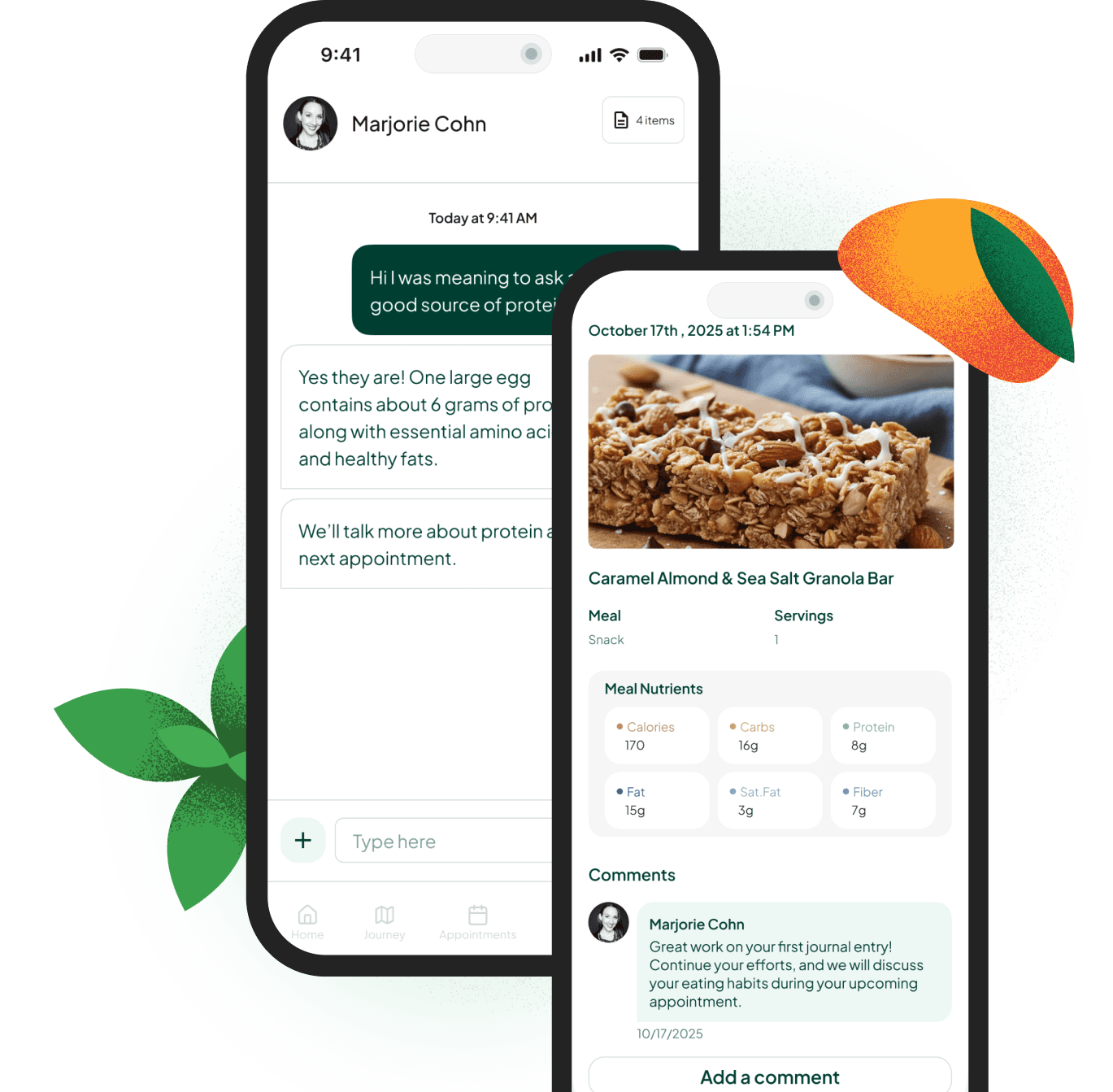
Maybe your symptoms are lingering, or you simply want a plan built around your body and your routine. Working with a registered dietitian can take the guesswork out of it. Berry Street connects you with dietitians for 1-on-1 virtual nutrition therapy, with no rigid diets and no calorie counting.
Cost is often less of a barrier than people expect. Berry Street is in-network with 1,250+ insurance plans, and 95% of members pay $0 with coverage. When you are ready, you can get matched with a registered dietitian and check your coverage with no commitment required.
Frequently Asked Questions
How can you tell if your gut microbiome is out of balance?
There is no single at-home sign that confirms it, but persistent digestive symptoms like bloating, gas, or irregular bowel habits are common clues. Signs may also appear in sleep, energy, skin, or mood. If a pattern lingers, a registered dietitian can help you assess it.
Can gut problems cause symptoms outside digestion, like skin, mood, or sleep issues?
They can be linked. Research connects the gut microbiome to the immune system and, through the gut-brain axis, to mood. For some people, skin, sleep, and energy seem to track with gut health. These connections are still being studied and vary from person to person.
How do you improve or rebalance your gut microbiome naturally?
The most supported approach is to add rather than restrict. A high-fiber diet with a wide variety of plants is generally associated with greater microbial diversity. Fermented foods may help too. Steady sleep, movement, and stress management support your overall health alongside these changes.
What naturally supports the good bacteria in your gut?
Fiber is the main fuel for your gut microbes, so a variety of vegetables, fruits, whole grains, legumes, nuts, and seeds is a strong foundation. Fermented foods may support your microbiome as well. No single food does all the work, and variety over time matters more than any one item.

How do dietitians test for or assess a gut bacteria imbalance?
At-home microbiome kits have limited actionable value. Instead, dietitians usually start with a detailed look at your symptoms, history, diet, and lifestyle. They may coordinate with your physician on medical testing when it is warranted. From there, care is personalized to you.
Last Reviewed by Bridget Isaacs, MS, RD — August 2026.