Key Takeaways
Eating after diverticulitis moves through phases: rest your gut during a flare, eat gently as you recover, then rebuild fiber for the long run.
The clear-liquid and low-fiber phases are temporary, medically guided healing steps, not a permanent diet or a willpower test. Fiber comes back.
Under-eating is a real risk while your usual foods are off the table, so protecting protein with gentle, easy-to-tolerate options matters as much as limiting fiber.
When symptoms settle, add fiber back gradually, soluble fiber first, in small increments and with plenty of water, working toward roughly 28 grams a day at 2,000 calories.
The old rule to avoid nuts, seeds, and popcorn is outdated, and a registered dietitian can help you personalize the timing so a short healing plan never turns into long-term food fear.
If you have just had a diverticulitis flare, the food rules can feel confusing and a little scary. One day you are told to stick to broth, the next you hear fiber is the answer. Both can be true, because what to eat after diverticulitis changes by phase, and the plan is temporary.
In 30 seconds: Eating after diverticulitis moves through phases. During a flare you rest your colon with clear liquids, then move to a temporary low-fiber recovery phase as you feel better, then you gradually add fiber back toward a higher-fiber, mostly-plant pattern for prevention. A registered dietitian can help you personalize the timing and protect your nutrition along the way.
On this page
What diverticulitis is, and why your diet changes by phase
What to eat during a flare-up (the clear liquid phase)
The low-fiber recovery phase
When can I add fiber back?
Eating to prevent future flare-ups
How a registered dietitian personalizes your plan
Frequently asked questions
What diverticulitis is — and why your diet changes by phase
Diverticulosis vs. diverticulitis (the pouches vs. the flare)
Two related terms often get mixed up, so it helps to separate them.
Diverticulosis is when small pouches, called diverticula, form in the wall of your colon. It becomes more common with age and often causes no symptoms at all. Most people who have these pouches never know it.
Diverticulitis is when one or more of those pouches becomes inflamed or infected. The National Institute of Diabetes and Digestive and Kidney Diseases (NIDDK) describes it as inflammation of one or a few pouches in the colon wall. A 2026 clinical review notes that the most common sign is pain in the lower-left abdomen, often with fever, and many people also notice nausea or changes in their bowel habits.
Here is the reassuring part: having the pouches is not the problem. A flare is. And how you eat looks different depending on which stage you are in.
The three phases of eating: flare, recovery, prevention
Eating after diverticulitis is not one fixed menu. It moves through three phases, and the foods that calm an inflamed colon are almost the opposite of the foods that help prevent the next flare.
Flare. During an acute flare, the goal is to rest your colon, often starting with clear liquids.
Recovery. As you feel better, you move to gentle, low-fiber foods while you heal.
Prevention. Once you have recovered, you rebuild toward a higher-fiber, mostly-plant pattern that may lower your risk of another flare.
The American Gastroenterological Association’s clinical practice update on managing colonic diverticulitis and current clinical guidance support letting the gut rest during a flare, then gradually returning to a fiber-rich diet for the long term. Your care team will tell you how fast to progress based on your symptoms.

What to eat during a flare-up (the clear liquid phase)
If your doctor recommends managing a mild, uncomplicated flare at home, the first step is usually to give your colon a rest.
Clear liquids that are easy to tolerate
At the start of a flare, Mayo Clinic notes that doctors often recommend a clear liquid diet for a short time. Clear liquids give your digestive system a break while keeping you hydrated. Options that tend to be easy to tolerate include:
Water and clear broths
Pulp-free fruit juices, such as apple, cranberry, or grape
Plain gelatin and ice pops without fruit or pulp
Tea or coffee without cream
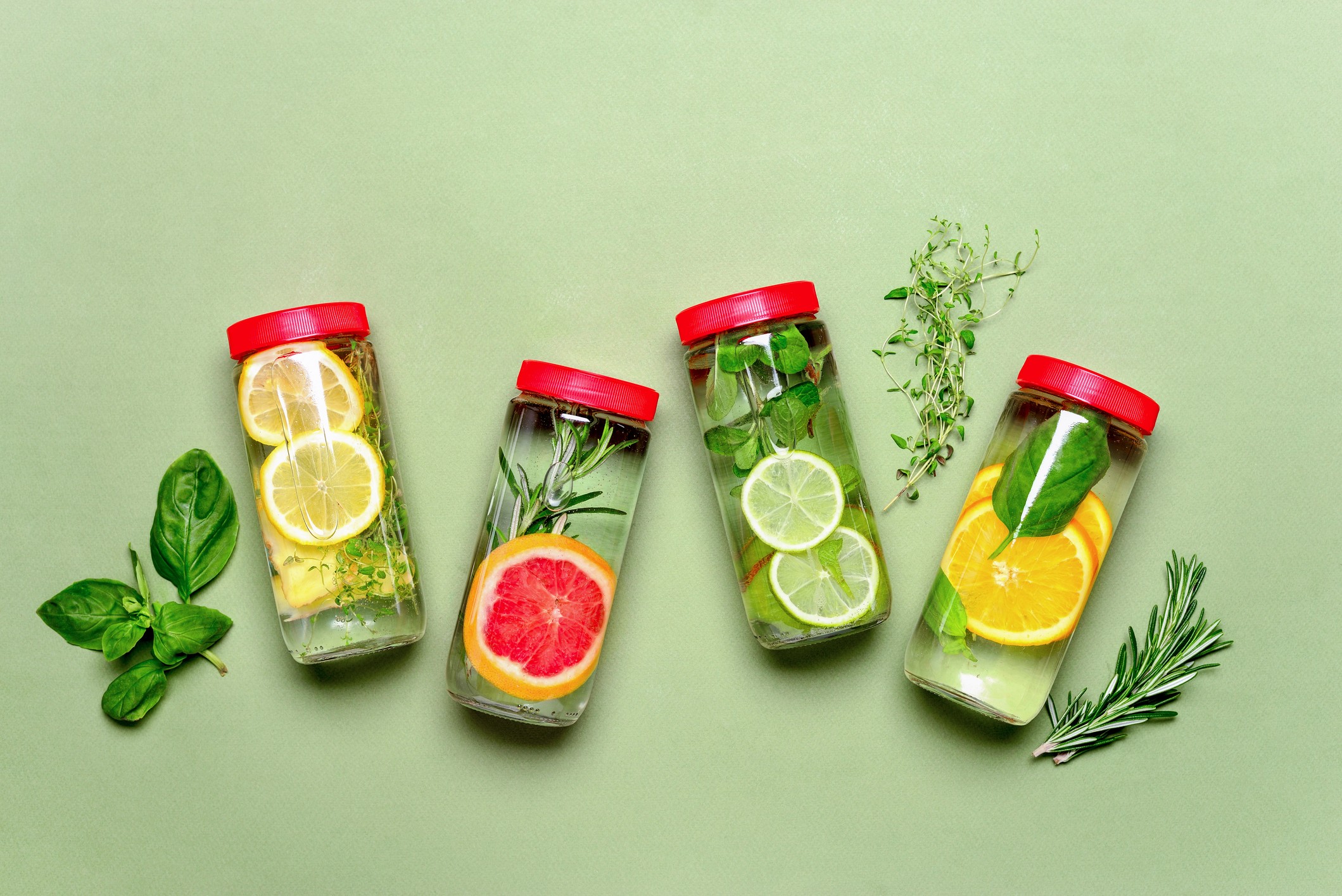
This is a short reset, not a way of eating you stay on. Think of it as pressing pause while your gut settles.
How long the clear liquid phase should last — and when to call your care team
Most people stay on clear liquids only for a day or two, or as long as their care team advises. A clear liquid diet limits foods and drinks, so it is not meant to meet your full nutrition needs for long.
Reach out to your care team, rather than waiting it out, if your pain gets worse, you develop a fever, or you cannot keep clear liquids down. Severe or worsening symptoms need prompt medical care, not a diet change. When in doubt, check in early.
The low-fiber recovery phase: what to eat as you start feeling better
As your pain eases, the next step is usually low-fiber foods that are gentle to digest. This can feel counterintuitive if you know fiber is normally good for your gut. During recovery, though, less fiber means less work for a healing colon. This phase is temporary, and fiber comes back.
Low-fiber foods that are gentle on a healing gut
Gentle, easy-to-tolerate choices for right now include:
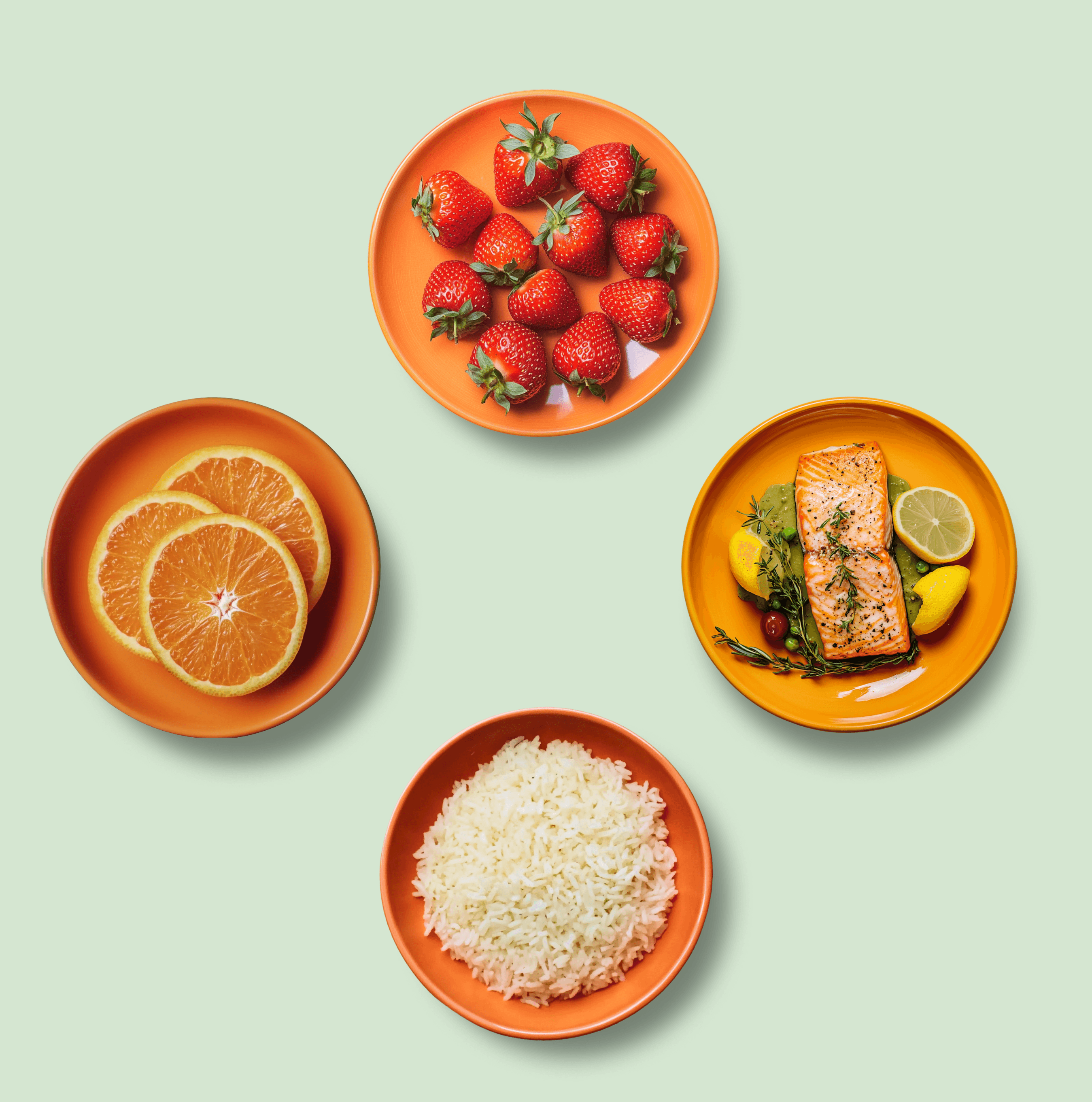
White bread, white rice, and plain pasta
Well-cooked eggs, skinless poultry, and tender fish
Canned or cooked fruit without skins or seeds
Well-cooked vegetables without skins, and smooth nut butters
Dairy you tolerate, such as yogurt or milk
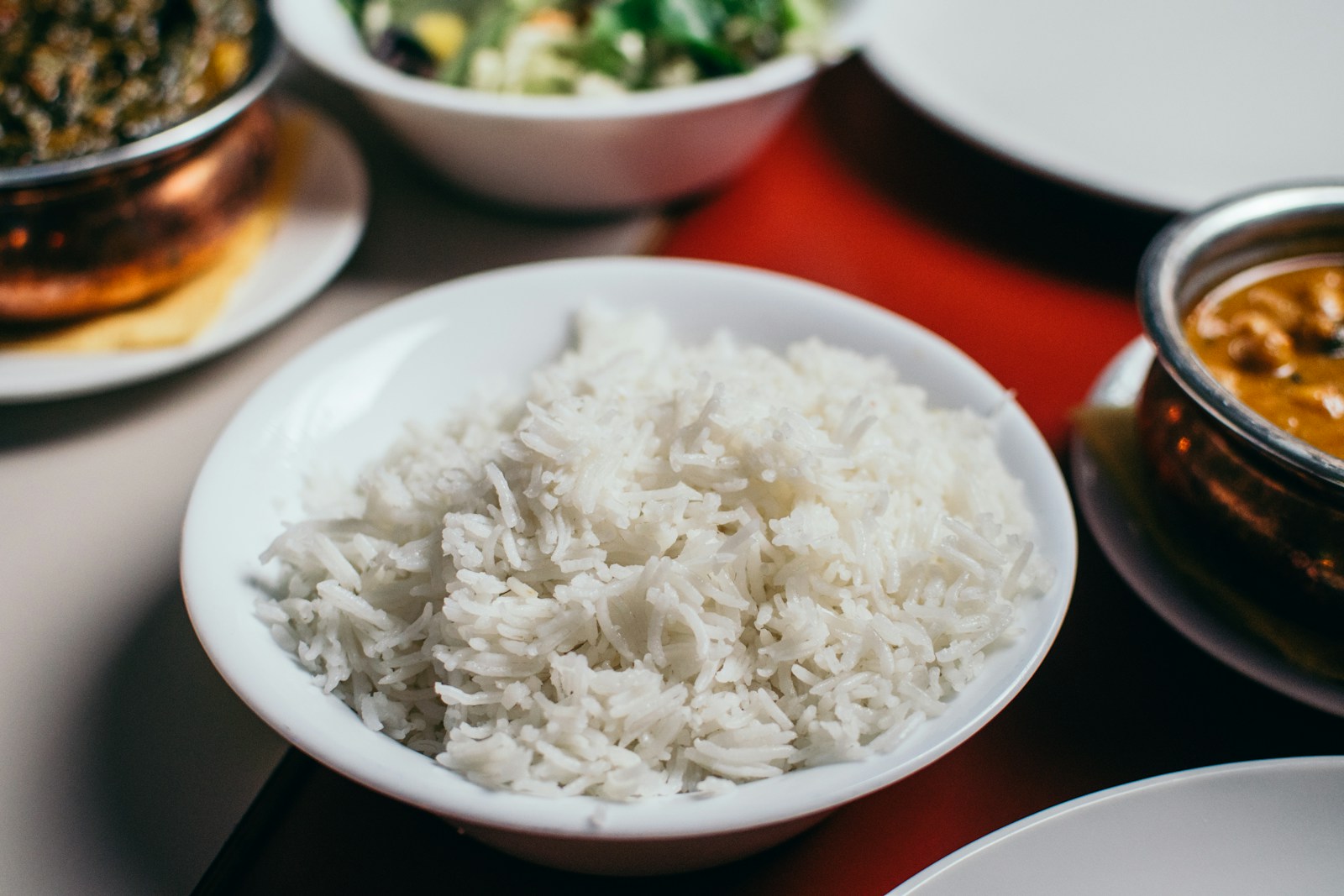
None of these foods are “bad.” They are simply gentle while you heal, and most of what you usually eat will return.
Protecting protein and preventing under-eating during the low-fiber phase
Here is the piece a static food list often misses. When so many of your usual foods are temporarily off the table, the real risk is not fiber, it is eating too little overall, especially protein. Protein supports healing, so this is the phase to be intentional about getting enough.
Lean on gentle protein sources that still go down easily, such as scrambled eggs, smooth Greek yogurt, blended soups with well-cooked chicken or tofu, and smooth nut butters. Small, frequent meals are often easier to manage than three large ones.
“During the low-fiber recovery phase, so many of my clients’ usual go-to foods are off the table for a bit, and the risk I watch for most is under-eating. I lean on gentle proteins that still go down easily, like scrambled eggs, Greek yogurt, smooth soups with well-cooked lean protein, and a little smooth nut butter, and I tell people to anchor protein to whatever meal they tolerate best, even if that is a small snack mid-morning. Eating enough right now is what helps you heal.” — Bridget Isaacs, MS, RD
Is this the same as a low-fiber diet after colon surgery?
If you have searched for a low-fiber diet after colon surgery, you have probably noticed a lot of overlap. Both approaches temporarily limit fiber to reduce the work an irritated or healing gut has to do, and both rely on many of the same gentle foods, like white grains, tender proteins, and well-cooked, skinless produce.
The differences are in the why and the how long. A diverticulitis recovery phase is usually short and tied to a flare, while a post-surgical plan follows your surgeon’s specific timeline and may come with extra instructions about textures, portions, or foods to reintroduce. In both cases, the low-fiber phase is a healing step, not a forever diet, and your care team or a dietitian should guide when and how you move off it. For a related look at how fiber needs shift between an active flare and feeling well, our dietitian’s guide to eating with Crohn’s or ulcerative colitis walks through the same flare-versus-recovery thinking.
When can I add fiber back? (the reintroduction phase)
Adding fiber back is a milestone, not a race. The aim is to rebuild your usual eating in a way your gut can keep up with.
Signs you’re ready to start increasing fiber again
There is no single date on the calendar, but a few signs suggest you are ready to start increasing fiber again:
Your flare pain has settled and your bowel habits are returning to normal.
You are tolerating low-fiber foods comfortably.
Your care team has cleared you to move beyond the recovery phase.
If you are unsure, it is worth confirming with your clinician or dietitian rather than guessing. Everyone’s timeline is a little different.
How to add fiber back gradually — the go-slow, hydrate approach
The word to remember is gradually. NIDDK notes that health care professionals may recommend increasing the fiber you eat a little at a time so your body gets used to the change. Current clinical guidance likewise advises increasing fiber gradually over several weeks before resuming a high-fiber diet, according to a 2026 review. Adding too much too fast can leave you bloated and uncomfortable.
A simple, gut-friendly approach:
Start with soluble fiber, which tends to be gentler. Think oats, bananas, and well-cooked carrots. Soluble fiber is also a mainstay for managing constipation.
Add one new higher-fiber food every few days, not all at once.
Increase your water as your fiber goes up. Fiber without enough fluid can actually make you feel worse, so they move together.
Treat anything that does not sit well as information. Swap it out and try again later, rather than scrapping the whole plan.
Fiber targets to work toward
Once you are back to your usual eating, a higher-fiber pattern is the goal to build toward, not a rule to hit overnight. A widely used guide is about 14 grams of fiber for every 1,000 calories you eat, which comes to roughly 28 grams a day on a 2,000-calorie diet, the same reference NIDDK uses.
Your ideal number may be higher or lower depending on your body, your history, and how much fiber you eat now. This is a baseline to grow toward at your own pace, not a strict target. For meal-by-meal inspiration once you are ready, our high-fiber diet plan lays out a full week of fiber-rich meals.
Eating to prevent future flare-ups
Between flares, the goal flips. During a flare you rest your colon. Between flares, you feed it, and fiber does its most useful work.
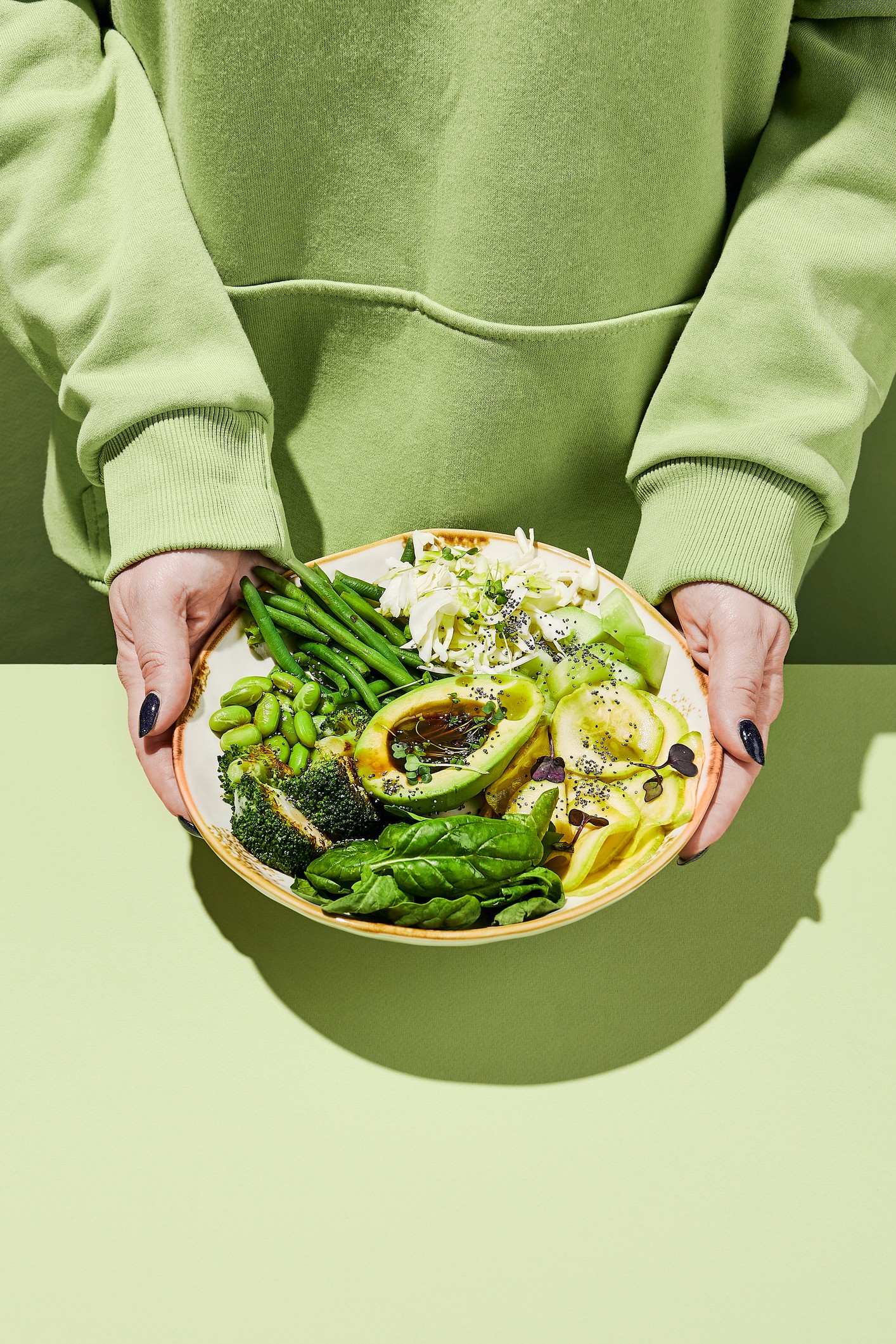
A higher-fiber, mostly-plant pattern
A diet low in fiber and high in red meat may raise your risk, while eating more high-fiber foods and less red meat may lower it, according to NIDDK, and a 2026 clinical review likewise notes that evidence supports a high-fiber diet and reduced red meat intake for colonic health. Mayo Clinic similarly notes that eating plenty of fiber may help lower the risk of diverticulitis.
You do not need special products to get there. Everyday whole foods do the job well:
Beans, lentils, and chickpeas
Whole grains like oats, brown rice, and whole wheat bread
Fruits such as apples, pears, raspberries, and bananas
Vegetables such as broccoli, carrots, sweet potato, and squash
Nuts and seeds
A varied, mostly-plant pattern also feeds the bacteria in your gut. Our gut health diet plan is one way to see what that looks like across a week.
The nuts, seeds and popcorn myth — what the research actually says
For years, people with diverticular disease were told to avoid nuts, seeds, and popcorn, on the theory that small particles could lodge in the pouches. That advice has not held up.
A large prospective study of nearly 47,000 men found that nut, corn, and popcorn consumption was not associated with an increased risk of diverticulitis or diverticular bleeding, with nuts and popcorn even showing a protective association. NIDDK now states that most people with diverticular disease do not need to avoid these foods. A 2026 clinical review agrees that nuts, seeds, and popcorn have not been shown to increase the risk of diverticular disease, helping to dispel these outdated restrictions. Once you have recovered from a flare, nuts, seeds, and popcorn can be part of a healthy, high-fiber pattern again.
“When we add fiber back, I ask clients to treat symptoms as information, not failure. We go slow, one new food every few days, with extra water, and if something does not sit well we swap it out instead of scrapping the whole plan. I also retire the old ‘no nuts, seeds, or popcorn’ rule, because the research simply does not support it, and those foods can come back for most people once you have healed.” — Bridget Isaacs, MS, RD
Hydration, movement, and consistency over perfection
Diet is a big lever, but it is not the only one. A few everyday habits support a calmer gut:
Fluids. Water helps fiber do its job. Aim for a steady intake through the day, and more if you are active.
Movement. Regular activity helps keep things moving and supports overall bowel regularity.
Consistency. Steady, repeatable habits tend to beat extremes for gut health.
You do not have to overhaul everything at once. Small, repeatable changes add up, and they are easier to keep.
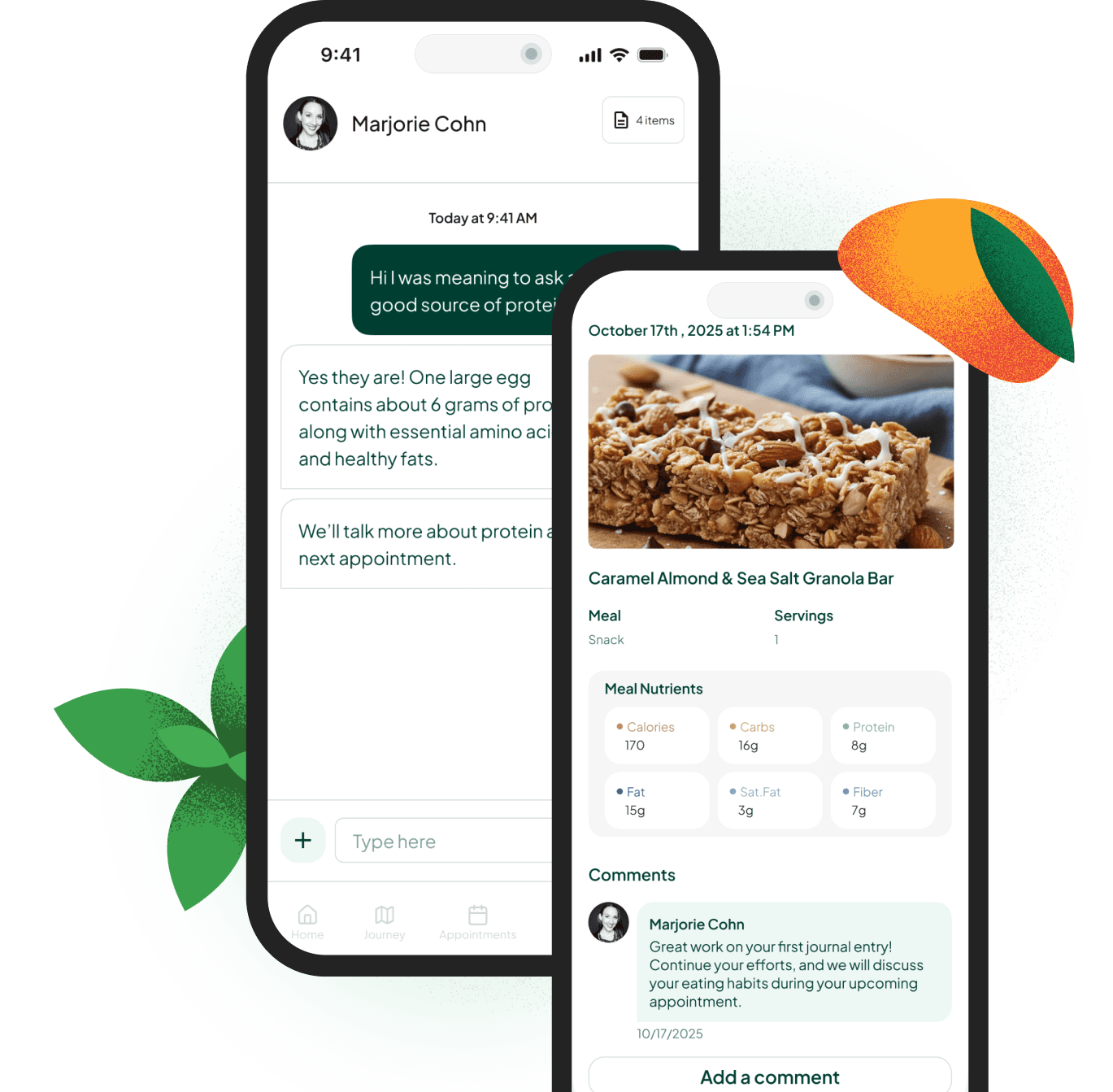
How a registered dietitian personalizes your diverticulitis plan
Why a static food list isn’t enough — and what 1:1 support looks like
A printed food list cannot know your history, your other conditions, or how your gut actually responds. What “enough fiber” looks like, how fast to add it back, and which foods you tolerate will differ from the next person’s. That is exactly the kind of thing 1:1 support is built for.
A registered dietitian can help you eat enough during recovery, protect your protein, and add fiber back at a pace that keeps a short healing plan from turning into long-term food fear or restriction. They work alongside your doctor, not instead of them, and can adjust your plan as you heal or if flares return.
At Berry Street, you meet with a registered dietitian over video, on your schedule, and build a plan around your real symptoms and preferences. Berry Street is in-network with 1,250+ insurance plans, and 95% of members pay $0. If that would help, you can connect with a Berry Street dietitian and check your coverage first. There is no rush, and support is here whenever the timing feels right.

Frequently Asked Questions
What should I eat right after a diverticulitis flare-up?
Right after a flare, many people start with clear liquids like broth, pulp-free juice, water, gelatin, and tea or coffee without cream to give the colon a rest. As symptoms improve, you move to gentle low-fiber foods such as white rice, well-cooked eggs, and canned fruit without skins, then gradually back to your usual diet. Ask your clinician or dietitian when to advance each step, since the timing depends on your symptoms.
When can I start adding fiber back after diverticulitis?
You can usually start adding fiber back once your flare pain has settled, your bowel habits are returning to normal, and your care team has cleared you to move past the recovery phase. Go slowly, starting with soluble fiber like oats and cooked carrots, adding one new food every few days with plenty of water. There is no fixed date, so it is worth confirming your timeline with a clinician or dietitian.
What are the foods to avoid with diverticulitis?
There is no universal “avoid” list, and no food is permanently off-limits. During a flare, your care team may ask you to temporarily limit high-fiber foods because they are harder for an inflamed colon to process. Once you have recovered, most foods can return, though a long-term pattern low in fiber and high in red meat may raise your risk over time.
What soups can I eat with diverticulitis?
During the clear liquid phase, strained broths without solids are usually the go-to. As you move into recovery, gentle low-fiber soups work well, such as strained or blended vegetable soups made with well-cooked, skinless vegetables, or broth-based soups with tender chicken or soft noodles. Blended soups are also an easy way to get protein and fluids when your appetite is low.
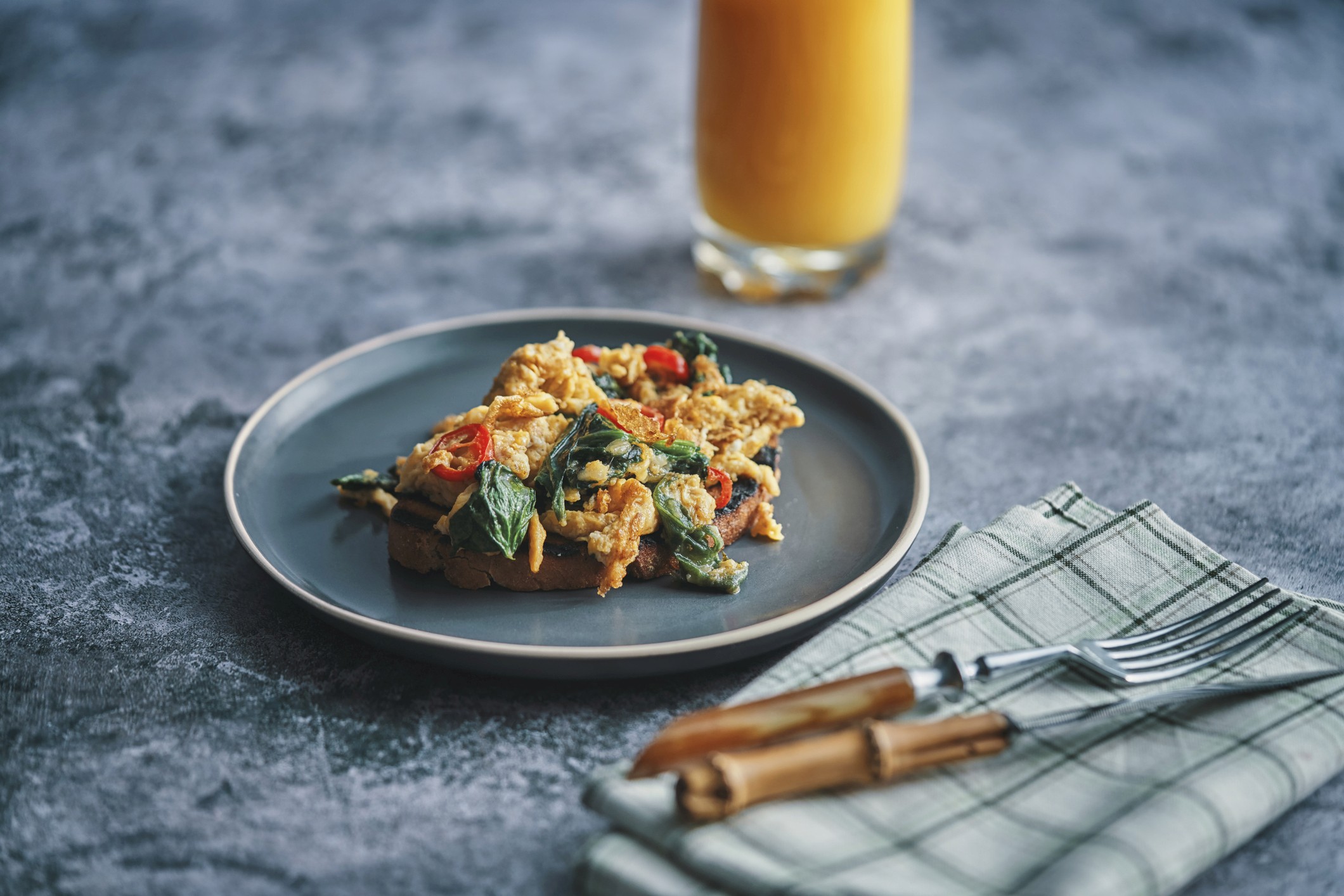
Can I eat scrambled eggs with toast during a diverticulitis flare?
Once you have moved past clear liquids into the low-fiber recovery phase, scrambled eggs with white toast are usually a good fit. Eggs are a gentle, easy-to-tolerate protein, and white toast is low in fiber while your gut heals. Follow your care team’s guidance on when to move from clear liquids to solid foods like this.
Can I eat a grilled cheese or a sandwich with diverticulitis?
In the low-fiber recovery phase, a sandwich on white bread with a tender, tolerated filling, or a grilled cheese, can work for many people. Choose white bread over whole grain for now, and fillings that are easy to digest, like eggs, smooth cheese, or tender poultry. You can return to whole-grain bread and higher-fiber fillings as you rebuild fiber.
Can I eat peanut butter with diverticulitis?
Smooth peanut butter is often well tolerated, even during the low-fiber recovery phase, and it is a convenient source of protein. Chunky peanut butter and other foods with more texture are usually better saved for once you have healed and are adding fiber back. As always, go with what your own body tolerates.
Are nuts, seeds, and popcorn really off-limits with diverticulitis?
No. The old advice to avoid nuts, seeds, and popcorn has not held up in research. A large study found no link between eating these foods and diverticulitis or diverticular bleeding, and NIDDK notes most people with diverticular disease do not need to avoid them. A 2026 clinical review agrees these foods have not been shown to raise diverticulitis risk. Once you have recovered from a flare, they can be part of a healthy, high-fiber pattern.
What’s the difference between a diverticulitis diet and a low-fiber diet after colon surgery?
They overlap a lot, since both temporarily limit fiber to ease the work a healing or irritated gut has to do, using similar gentle foods. The main differences are the reason and the timeline: a diverticulitis recovery phase is usually short and tied to a flare, while a post-surgical low-fiber plan follows your surgeon’s specific instructions. In both cases it is a temporary healing step, and your care team should guide when to reintroduce fiber.
How long should I stay on a clear liquid diet for diverticulitis?
A clear liquid diet is short-term, typically a day or two, or as long as your care team advises. It limits foods and drinks, so it is not meant to meet your full nutrition needs for long, and clinical guidance describes it as a short bowel-rest step until symptoms improve. If you are not improving within a few days, or your symptoms get worse, contact your healthcare professional rather than staying on clear liquids longer on your own.
What should I eat with diverticulosis to prevent future flares?
To help prevent flares, most people build toward a higher-fiber, mostly-plant pattern with whole grains, beans, fruits, vegetables, nuts, and seeds, paired with plenty of fluids. A common goal is roughly 28 grams of fiber a day at 2,000 calories, added gradually so your gut adjusts. Because needs vary, a dietitian can help you find the right target and pace for you.
Can a dietitian help me figure out my own trigger foods?
Yes. A registered dietitian can help you notice patterns, reintroduce foods one at a time, and separate true triggers from foods you simply have not tried since your flare, all without cutting more than you need to. Diverticular disease is personal, so what bothers one person may be fine for you. You can connect with a Berry Street dietitian to build a plan around your symptoms and history, and most members pay $0.
Last Reviewed by Bridget Isaacs, MS, RD — September 2026.