Key Takeaways
Nutrition for constipation works best as a combination of fiber, fluid, and daily movement, not one single food.
Prunes, kiwi, pears, and other high-fiber fruits are some of the most reliable foods that relieve constipation for many people.
Adding fiber too quickly can increase bloating, so most people do better raising it gradually alongside more fluids.
Soluble fiber softens stool and insoluble fiber adds bulk, and you likely need a mix of both.
If constipation is frequent, painful, or persistent, a registered dietitian can personalize a plan that fits your body and routine.
Figuring out what to eat for constipation relief can feel confusing when every list online says something slightly different. The short answer is that nutrition for constipation is less about one magic food and more about how fiber, fluid, and daily habits work together. Some foods genuinely help things move, and a few are worth eating in better balance when you feel backed up.
This guide walks through the best foods for constipation relief, the ones that tend to work fastest, and how to add fiber without more bloating. It is written from a registered dietitian’s point of view, because generic advice like “just eat more fiber” leaves out the details that actually matter. Your body, your routine, and your health history all shape what will work for you.
In 30 seconds: For most people, the best foods for constipation relief are high-fiber fruits like prunes and kiwi, vegetables, whole grains, legumes, and plenty of fluid. Add fiber gradually and drink more water as you do, so you soften stool instead of adding to the backup. If constipation keeps returning, a registered dietitian can help you find the specific cause and plan.
On This Page
Why what you eat matters when you’re constipated
The best foods for constipation relief
Foods and drinks that get things moving faster
Foods that may be worth limiting when you’re constipated
How to add fiber the right way (without more bloating)
When constipation is about more than food
How a Berry Street dietitian personalizes your constipation plan
Frequently Asked Questions
Why What You Eat Matters When You’re Constipated
Constipation usually means stool is moving through the colon too slowly, or it has become hard and difficult to pass. What you eat and drink has a direct effect on both of those things. Food is not the only factor, but it is often the one you can adjust first.
The right foods add bulk, hold onto water, and help the muscles of your gut keep a steady rhythm. That is why nutrition for constipation is a reasonable place to start before reaching for anything stronger. It is also why the details of how you eat matter as much as what you eat.
How Fiber, Fluid, and Gut Motility Work Together
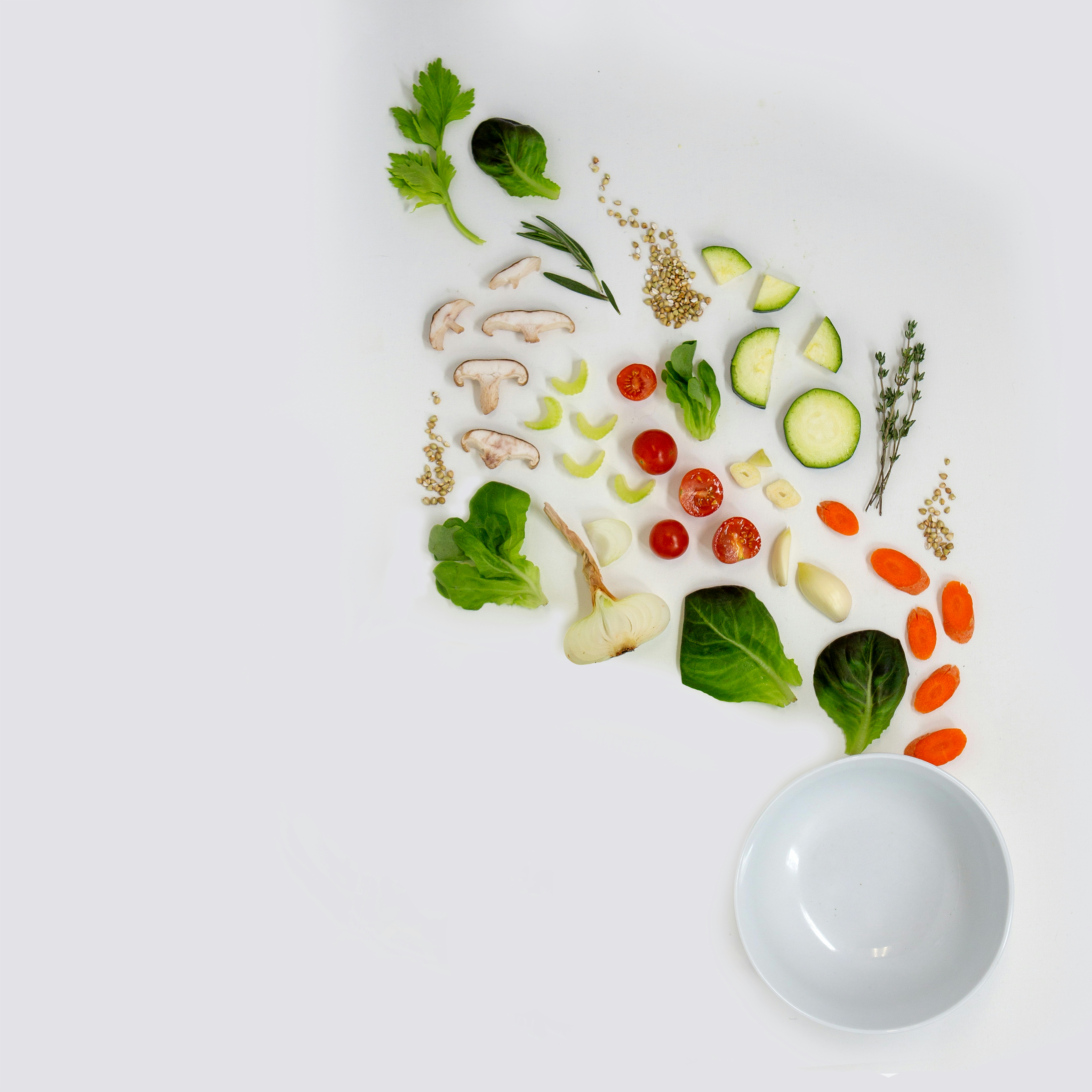
Think of three things moving in sync: fiber, fluid, and motility. Fiber gives stool substance and helps it hold water. Fluid keeps that stool soft enough to pass comfortably.
Motility is the wave-like muscle action that moves everything along. Your large intestine draws water out of stool as it forms, according to Johns Hopkins Medicine. So if you are low on fluids, stool can become hard and slow. Fiber and fluid support each other, which is why adding one without the other often falls flat.

Why “Just Eat More Fiber” Doesn’t Work for Everyone
“Eat more fiber” is common advice, and it is not wrong. It is just incomplete. Piling on fiber quickly, especially without extra fluid, can leave some people more bloated and uncomfortable than before.
There is also more than one type of fiber, and people respond differently depending on their gut, their usual diet, and conditions like IBS. For some people, a sudden jump in raw vegetables or bran feels worse, not better. This is where individual variation really matters, and where a personalized approach beats a one-size-fits-all rule.
“When a client tells me their bloating got worse after they started eating more fiber, my first move is almost always to slow things down. We add fiber in small steps over a few weeks instead of all at once, lean on gentler soluble fiber like oats and chia, and bump up water at the same time so the fiber actually has something to work with.” — Bridget Isaacs, MS, RD

The Best Foods for Constipation Relief
There is no single best food that works for everyone, but several stand out as dependable, high-fiber choices. The foods below give you a mix of soluble and insoluble fiber, plus water and helpful natural compounds. Think of this as a menu to pull from, not a checklist you must complete.
High-Fiber Fruits (Prunes, Kiwi, Pears, Berries, Apples With Skin)
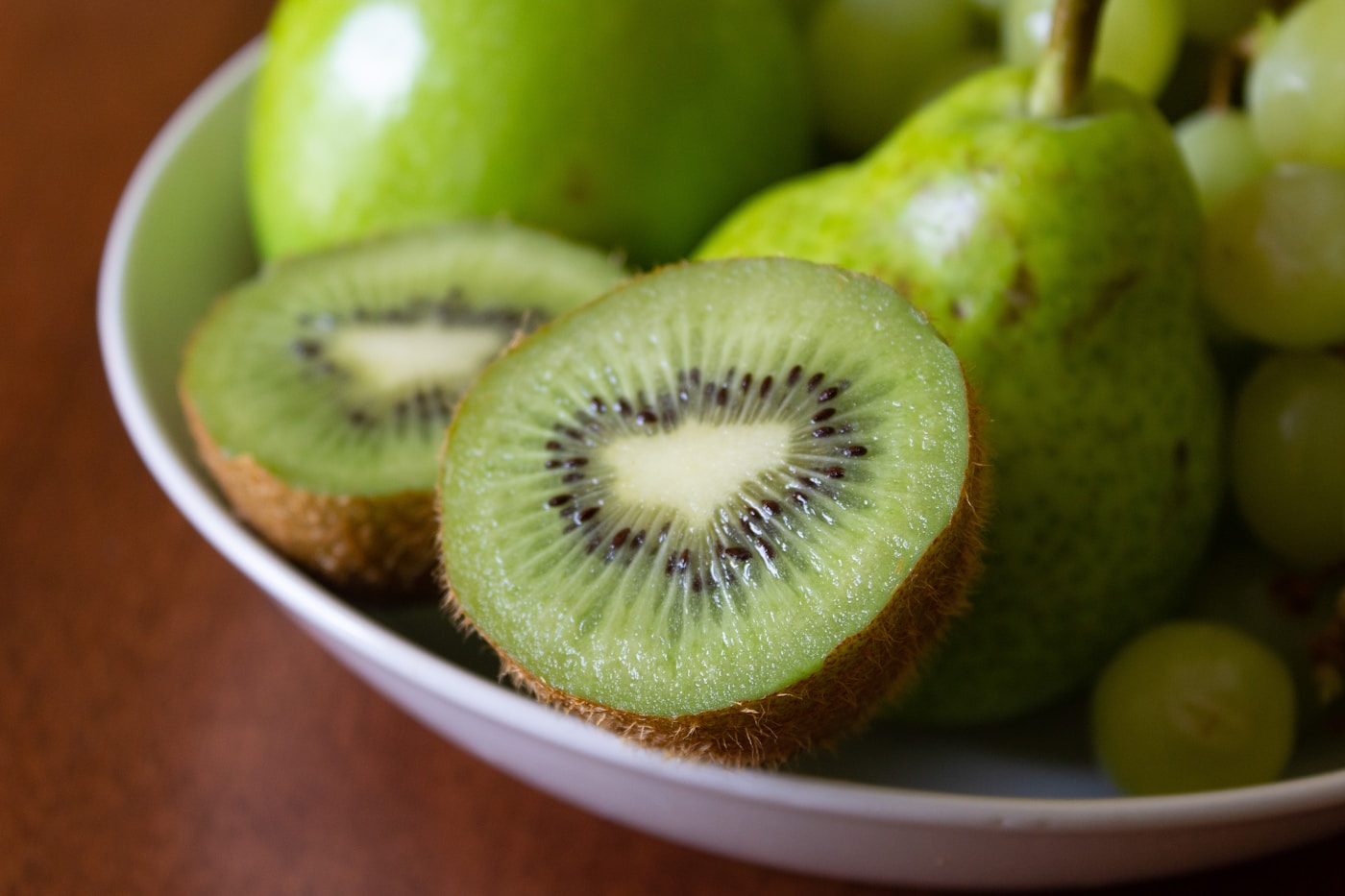
Fruit is one of the easiest ways to get fiber, fluid, and natural sugars that draw water into the gut. Prunes are the classic choice, and kiwi has strong support too. A 2023 systematic review in Alimentary Pharmacology & Therapeutics found that fruits, particularly kiwifruit, and rye bread may improve certain constipation-related outcomes. A more recent 2024 meta-analysis in Biomedical and Pharmacology Journal found that kiwifruit can improve bowel movement frequency in functional constipation, so it may be worth a try for some people.
Reliable high-fiber fruits to reach for include:
Prunes, or a small glass of prune juice, for a well-known gentle effect.
Kiwi, eaten with the skin on if you tolerate it, for fiber plus water.
Pears and apples with the skin left on, since much of the fiber is there.
Berries such as raspberries and blackberries, which are high in fiber per serving.
Vegetables and Leafy Greens
Vegetables add fiber, water, and volume with very few calories to think about. Leafy greens like spinach, kale, and Swiss chard help mainly through their fiber and water content, and they are also a source of magnesium, a mineral the body uses for normal muscle and nerve function. Variety helps here, both for your gut and for your interest at mealtimes.
Easy options include cooked or raw greens, broccoli, carrots, peas, and Brussels sprouts. If raw vegetables feel harsh on your stomach, lightly cooking them can make them easier to tolerate. For some people, cooked vegetables are gentler while still delivering the fiber you want.
Whole Grains (Oats, Oat Bran, Rye, Whole Wheat)
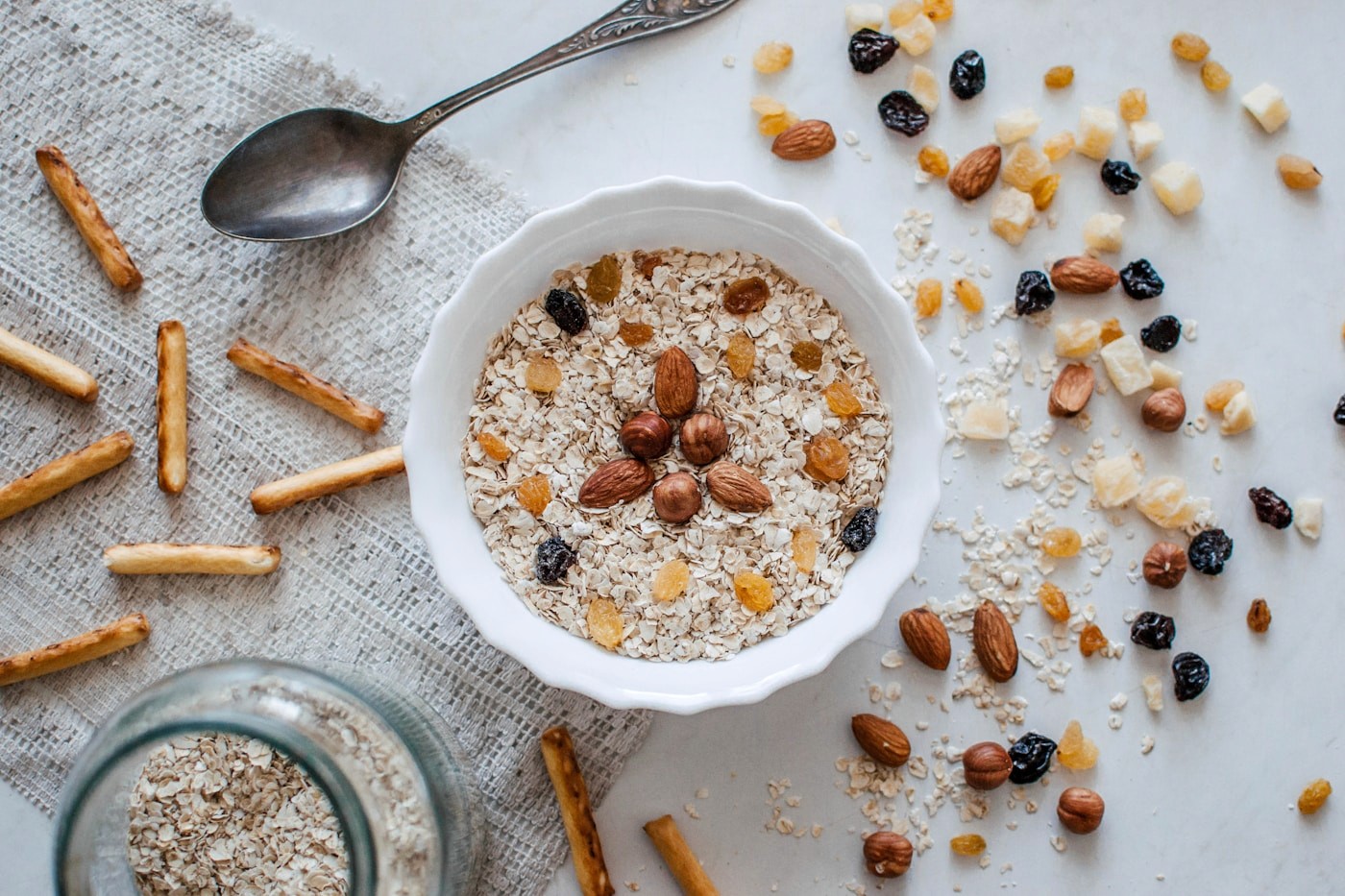
Whole grains keep the fiber-rich bran and germ that refined grains lose. Oats and oat bran are especially rich in soluble fiber, which forms a soft gel that helps stool hold water. Rye and whole wheat add more fiber still, and rye bread is one food with early research behind it.
Simple swaps make this practical. Try oatmeal in place of a low-fiber cereal, or whole-grain and rye bread instead of white. Brown rice and whole-grain pasta work well too. You do not have to overhaul everything at once. Trading one or two refined grains for whole-grain versions is a solid start.
Legumes, Nuts, and Seeds (Chia, Flaxseed, Lentils, Beans)
Legumes, nuts, and seeds are some of the most fiber-dense foods you can eat. Chia and ground flaxseed are particularly useful, because they are high in soluble fiber and absorb water to form a soft gel. Stirring a tablespoon of chia or ground flax into yogurt or oatmeal is an easy daily habit.
Beans and lentils bring both fiber and protein, which makes them filling and versatile. If beans tend to leave you gassy, start with smaller portions and build up slowly. Rinsing canned beans and increasing them gradually can make them much easier to tolerate.
Fermented and Probiotic Foods (Kefir, Yogurt)
Fermented foods add beneficial bacteria that support a healthy gut environment. Kefir, plain yogurt with live cultures, and other fermented foods may help some people with regularity, though responses vary from person to person. They pair naturally with the fiber-rich foods above.
A simple approach is a bowl of yogurt or a glass of kefir topped with berries, chia, and a little oat bran. That single combination brings together probiotics, soluble fiber, and fluid. Whether it helps you specifically is worth paying attention to over a couple of weeks.
Foods and Drinks That Get Things Moving Faster
Some foods and drinks tend to work more quickly than others. None of them is a guaranteed switch, and timing depends a lot on your own body. Still, a few reliably help many people when they want faster relief.
Prunes and Sorbitol — Why They Work
Prunes have earned their reputation for a reason. They work partly through sorbitol, a sugar alcohol that reaches the colon and pulls water in, which softens stool, according to Johns Hopkins Medicine. They also supply fiber, so you get two mechanisms in one food.
A common starting point is a few prunes with a glass of water. If that feels like a lot at once, begin with one or two and see how your body responds. Because sorbitol draws water in, pairing prunes with fluid tends to work better than eating them dry.
Water, Warm Beverages, and Coffee
Fluids keep stool soft, which is why hydration matters so much when you add fiber. There is no single magic number of glasses that fits everyone. Your fluid needs depend on your size, activity, climate, and health, so aim for steady intake across the day rather than a fixed target.
Warm beverages help many people, and coffee is a notable one. Coffee can stimulate colonic muscle activity within minutes of drinking it. This effect appears even with decaffeinated coffee, so it is not caffeine alone at work. That same 2024 review in Nutrients notes coffee drinking is inversely associated with constipation, though that link is observational rather than proof of cause.
“For someone who wants faster relief, I usually start with two prunes or a kiwi in the morning, a big glass of water, and a short walk after breakfast. I frame it as adding helpful habits rather than cutting anything out, because the changes people actually keep are the ones that fit into their day.” — Bridget Isaacs, MS, RD
Foods That May Be Worth Limiting When You’re Constipated
This section is not about labeling any food as bad or off-limits. Every food can fit in an eating pattern. It is simply that low-fiber foods can crowd the plate. When they do, there is less room for the fiber and fluid that keep things moving.
So the goal is rebalancing, not cutting out. If you notice you are backed up, it can help to look at where fiber-rich foods could take a slightly larger share. For some people, these shifts make a real difference, and for others they matter less.
Areas some people find worth rebalancing include:
Refined, low-fiber staples like white bread, replaced part of the time with whole-grain versions.
Very large portions of low-fiber snack foods that tend to crowd out fruit, vegetables, and legumes.
Alcohol in larger amounts, which can be dehydrating for some people and leave less fluid for softening stool.
Dairy is worth a personal note. Some people find large amounts of certain dairy foods slow them down, while others have no issue at all. Rather than dropping a whole food group, it is more useful to notice your own patterns, ideally with a dietitian’s help.
How to Add Fiber the Right Way (Without More Bloating)
Getting more fiber is the goal, but how you get there decides whether you feel better or worse. Done gradually and paired with fluid, fiber tends to help. Done all at once, it can backfire with gas and bloating.
Increase Gradually and Pair With Fluids
Adding a lot of fiber at once can worsen gas, cramping, and bloating, so a slow build is kinder to your gut. NIDDK similarly advises increasing fiber a little at a time and drinking enough liquids to help the fiber do its job. In practice, that means adding one fiber-rich food every few days and raising your fluids alongside it.
If bloating shows up, it is usually a sign to slow down, not to give up. Ease back to the last amount that felt comfortable, hold there for a few days, then build again. Steady progress beats a sudden overhaul every time.
Soluble vs. Insoluble Fiber and How Much You Need
Understanding soluble vs insoluble fiber helps you fine-tune your choices. Soluble fiber dissolves in water and forms a gel that softens stool. Insoluble fiber adds bulk and passes through largely intact, per Johns Hopkins Medicine. Most whole foods contain some of both, and many people do best with a mix.
For general daily targets, NIDDK suggests most adults aim for about 22 to 34 grams of fiber a day. That is a helpful baseline rather than a strict rule, and your ideal amount depends on your body and your usual diet. A registered dietitian can help you land on a target and a pace that feel right for you.
When Constipation Is About More Than Food
Food is powerful, but it is only part of the picture. Movement, routine, stress, medications, and life stage all shape how your gut behaves. If you have dialed in your diet and still struggle, these factors are worth a closer look.
Movement, Routine, Stress, and the Gut-Brain Connection
Physical activity helps stimulate the muscles of the gut, so regular movement supports regularity. A daily walk counts, and you do not need an intense routine to see a benefit. Consistency tends to matter more than intensity here.
Routine helps too, since your bowels respond to predictable patterns. Giving yourself unhurried time, often after a meal, can make a difference. Stress plays a role through the gut-brain connection, which is why sleep, stress management, and steady meals all feed into how your digestion works.
Special Situations — IBS-C, Pregnancy, GLP-1 Medications, and Older Adults
Some situations call for a more tailored plan. In irritable bowel syndrome with constipation (IBS-C), certain high-fiber foods can trigger symptoms, so the usual advice may need adjusting. During pregnancy, hormonal changes can relax the muscles of the intestines and slow how quickly things move through, and prenatal iron supplements can add to constipation for some people.
GLP-1 medications slow how quickly the stomach empties, and constipation is one of the more commonly reported digestive side effects that can affect some people who take them. Gentle, gradual increases in fiber, fluid, and movement often help, ideally coordinated with your prescribing clinician. Older adults may also face slower motility, less thirst, and more medications, so their plans often need extra attention to fluids and fiber.
When to See a Dietitian or Doctor
Occasional constipation is common and often responds to the steps above. It is worth checking in with a professional when constipation is frequent, lasts more than a few weeks, or comes with pain. You can explore nutrition support for constipation to see how a personalized approach works.
See a doctor promptly if you notice red flags like blood in your stool, unexplained changes in your body, severe pain, or vomiting. A registered dietitian works alongside your doctor, not instead of them. Together they can rule out underlying issues and build a plan around your needs.
How a Berry Street Dietitian Personalizes Your Constipation Plan
Generic tips can only take you so far, because your gut, routine, and history are your own. A Berry Street registered dietitian starts with what is already working for you, then makes targeted, evidence-informed adjustments. That is different from a generic app or an uncredentialed health coach, since RDs and RDNs are licensed professionals trained to manage medical conditions.
Working together, you might map out a realistic fiber target, a comfortable pace for getting there, and food swaps that fit your actual meals. Your dietitian can also account for IBS, pregnancy, medications, or other conditions, and adjust as your body responds. The focus stays on sustainable habits and how you feel, never on restriction or a number on a scale.
Nutrition counseling is often covered by insurance. Berry Street is in-network with 1,250+ plans nationwide, and 95% of members pay $0. If you would like tailored support, you can connect with a registered dietitian or learn more about our GI health care whenever you feel ready.
Frequently Asked Questions
What Can I Eat to Immediately Relieve Constipation?
No food is truly instant, but prunes, kiwi, and a large glass of water are reasonable first choices for many people. Warm beverages, including coffee, can also help get things moving. Give your body some time, and pair fiber with fluid for the best chance of relief.
What Foods Loosen the Stool?
Foods high in soluble fiber and natural water-drawing compounds tend to soften stool. Prunes, kiwi, pears, oats, chia, and ground flaxseed are common examples. Plenty of fluid alongside them helps keep the stool soft enough to pass comfortably.
What Foods Help With Constipation the Fastest?
Prunes are the best-known fast-acting food, thanks to their sorbitol and fiber. Kiwi, coffee, and warm liquids work quickly for some people too. Timing varies from person to person, so notice which ones your own body responds to.
What Foods Should I Avoid When I’m Constipated?
Rather than avoiding foods, it usually helps to rebalance toward more fiber and fluid. When very low-fiber, processed foods crowd out fruit, vegetables, and whole grains, regularity can suffer. Large amounts of alcohol may also be dehydrating for some people.
Can Eating Too Much Fiber Make Constipation Worse?
Yes, adding a lot of fiber too quickly can cause gas and bloating, and can worsen constipation without enough fluid. The fix is to build fiber gradually and drink more water as you go. If bloating appears, ease back and increase more slowly.
Does Drinking Water Actually Help Relieve Constipation?
Fluid helps keep stool soft, and your large intestine draws water from stool as it forms. Being low on fluids can leave stool hard and harder to pass. There is no single required amount, so aim for steady intake that fits your body and activity.
Are Prunes Really the Best Food for Constipation?
Prunes are one of the most reliable foods, because they combine fiber with sorbitol that pulls water into the colon. That said, “best” depends on the person, and kiwi or pears may suit you just as well. It is worth trying a few and seeing what your body prefers.
What Should I Eat When I’m Constipated and Bloated?
When you are bloated, lean toward gentler soluble fiber like oats, chia, and cooked vegetables rather than a sudden pile of raw bran. Add fiber slowly and keep fluids up. If bloating is a regular problem, a dietitian can help you find foods that agree with you.
How Much Fiber Do I Need Each Day to Stay Regular?
NIDDK suggests most adults aim for about 22 to 34 grams of fiber a day as a general guide. Your ideal amount depends on your body, your usual diet, and any conditions you have. Building up gradually to that range tends to work better than jumping there overnight.
Does Coffee Help You Poop?
For many people, yes. Coffee can stimulate muscle activity in the colon within minutes, and the effect shows up even with decaffeinated coffee, so it is not caffeine alone. Responses vary, and coffee is only one part of an overall routine.
Which Fruits Are Best (and Worst) for Constipation?
High-fiber fruits like prunes, kiwi, pears, berries, and apples with the skin tend to help most. There is no truly “worst” fruit, though very low-fiber or heavily processed fruit products offer less benefit. Whole, fiber-rich fruit is the more helpful choice for regularity.
When Should I See a Dietitian or Doctor About Constipation?
Check in when constipation is frequent, lasts more than a few weeks, or comes with pain or bloating. See a doctor promptly for red flags like blood in your stool, severe pain, or unexplained changes in your body. A registered dietitian can then personalize a plan alongside your medical care.
Last Reviewed by Bridget Isaacs, MS, RD — August 2026.