Key Takeaways
A true food allergy is an immune response that can turn serious fast, so severe reactions are a medical emergency. Carry prescribed epinephrine and follow your allergist’s plan.
Cutting out a major allergen removes specific nutrients, not just a food. Milk affects calcium and vitamin D, wheat affects B vitamins, iron, and fiber, and multiple allergies can affect protein.
Reading the ingredient list and the “Contains” statement every single time is the core habit of eating safely with food allergies, because recipes and manufacturing change without warning.
“May contain” and “made in a facility with” labels are voluntary precautionary warnings, not legal allergen declarations, so how you handle them is a personal risk decision to make with your care team.
A registered dietitian helps you replace lost nutrients with food first, ease food anxiety, and personalize your plan. Dietitians work alongside your allergist and doctor, not instead of them.
Managing a food allergy often gets described as one simple task: avoid the food. That is true, and it matters. But avoidance is only half the job. The other half is protecting your nutrition and your relationship with food while you do it. When you take a major allergen off your plate, you also take away the nutrients it carried, the meals it anchored, and sometimes the ease of eating out with people you love. This guide covers both halves. We will look at how to eat safely with a food allergy, and how to still eat well.
In 30 seconds: Nutrition for food allergies is a both/and — you avoid your allergen for safety and rebuild what it provided nutritionally. Read every label, prevent cross-contact, and swap in foods that restore the specific nutrients you lose, ideally with a registered dietitian guiding the personalized plan alongside your allergist.
Food Allergy vs. Food Intolerance — Why the Difference Changes How You Eat
People use “allergy” and “intolerance” as if they mean the same thing. They do not, and the difference shapes how carefully you have to eat. An allergy involves your immune system and can be dangerous even in tiny amounts. An intolerance involves digestion and is usually about comfort and dose. Getting this distinction right protects your safety and keeps you from cutting out foods you may not actually need to avoid.
What a food allergy actually is
A food allergy is an immune system response. In an IgE-mediated allergy, your body mistakes a specific food protein for a threat and releases chemicals like histamine to fight it. That reaction can show up as hives, swelling, vomiting, trouble breathing, or a drop in blood pressure. According to the Academy of Nutrition and Dietetics, a food allergy is an immune response, which is what separates it from an intolerance.
In the United States, the FDA recognizes nine major food allergens that must be declared on packaged food labels:
Milk
Egg
Peanuts
Tree nuts
Fish
Crustacean shellfish
Soy
Wheat
Sesame (added as the ninth major allergen under the FASTER Act)

Here is the part that changes everything. A severe allergic reaction, called anaphylaxis, can be life-threatening and can escalate within minutes. If you have been prescribed epinephrine, carry it at all times and use it exactly as your allergist directs. An allergy is not a preference to manage on your own. It is a medical condition you manage with a medical team.
How an intolerance is different (and why it’s not “all or nothing”)
An intolerance does not involve your immune system. It usually happens when your body has trouble digesting something, like lactose in dairy. The result tends to be gas, bloating, or cramping rather than hives or breathing problems. It can feel miserable, but it is generally not dangerous.
The bigger practical difference is dose. Many people with an intolerance can handle a small amount without symptoms, so it is often not all or nothing. Someone with lactose intolerance may tolerate a splash of milk in coffee but not a large glass. An allergy does not work that way, because even trace amounts can trigger a reaction. If you are unsure which one you are dealing with, that uncertainty is worth sorting out. Our guide to making sense of food sensitivities walks through how these categories differ, and testing with a professional can confirm it.


The Hidden Cost of Cutting Foods Out: Nutrient Gaps
When you remove a food, you remove more than an ingredient. You remove a package of nutrients your body was using. This is the quieter side of living with an allergy, and it is where food allergy nutrient deficiencies can develop over time if no one is watching. The goal is not to worry. The goal is to know exactly what left your plate so you can put those nutrients back.
Nutrients most at risk
Different allergens leave different gaps. Research published in Frontiers in Allergy notes that eliminating major foods without a nutritional plan can lead to inadequate intake of key nutrients, especially in growing children. Here is where the common allergens tend to hit:
Milk allergy: puts calcium and vitamin D at risk, which matter for bone health, plus some protein.
Wheat allergy: can reduce B vitamins, iron, and fiber, since wheat foods are often fortified and fiber-rich.
Multiple allergies: raise the risk of low protein and overall low variety when several staple foods are gone at once.
None of this means the missing food was the only source of those nutrients. It simply means you now need to be intentional about where they come from instead.
Why over-restriction is its own risk
There is a natural instinct with allergies to cut more than you strictly need to, just to feel safe. That instinct makes sense, but over-restriction carries its own cost. When the list of “okay” foods gets very short, variety drops, meals get repetitive, and getting enough total energy across the day can become harder.
Over-restriction also feeds food anxiety. Eating starts to feel like a test you might fail rather than something that nourishes you. It is important to remember that no food is “bad” or “clean,” and eating as little as possible is not what is best for you. You avoid your allergen for safety, and you keep everything else on the table. That balance is the heart of allergen-free eating that actually works long term.
How to Eat Safely: Labels, Cross-Contact, and Dining Out
Eating safely with food allergies comes down to a few repeatable habits. Once these become routine, they take less mental energy and give you more freedom, not less. Let’s break them into the three places risk shows up: on labels, in your kitchen, and at restaurants.
Reading a food label every time
Read the label every single time you buy a product, even one you have bought before. Manufacturers change recipes and production lines without notice, so last month’s safe snack is not guaranteed to be safe today. Build the habit into your routine so it becomes automatic.
Focus on two required parts of a U.S. label. First, scan the ingredient list for your allergen. Second, check the “Contains” statement, which by law must plainly list any of the nine major allergens present, for example, “Contains: milk, wheat.” FARE recommends reading both the ingredient list and the “Contains” statement every time, because an allergen can appear in one spot and be summarized in the other.
Then there is the trickier category: “may contain,” “processed in a facility with,” or “made on shared equipment.” These precautionary labels are voluntary and are not required or standardized by law. A missing “may contain” warning does not guarantee a product is free of cross-contact. How strictly you treat these statements is a personal risk decision, and it is exactly the kind of thing to map out with your allergist and dietitian rather than guess at alone.

Preventing cross-contact at home
Cross-contact happens when a safe food picks up traces of an allergen from a surface, utensil, or another food. It is different from cross-contamination with germs, and even invisible amounts can matter for an allergy. Your own kitchen is one place you can control it well. A few habits go a long way:
Wash hands, cutting boards, and utensils with soap and water between foods.
Use separate utensils and, where possible, separate containers for allergen-free items.
Store allergen-free foods on higher shelves so nothing drips or spills onto them.
Avoid shared items like a butter dish or a jam jar that a knife goes back into.
Cook allergen-free food first, or on clean, separate equipment.
Ordering out with confidence
Restaurants are where many people feel the most exposed, and that stress is valid. You can still eat out. It just takes a clear conversation. When you order, tell your server you have a food allergy, not just a preference, so the kitchen treats it seriously. Remember that you are allowed to advocate for yourself.
A few questions make a real difference:
Does this dish contain my allergen, and can the chef confirm the ingredients?
Is there a risk of cross-contact on shared grills, fryers, or prep surfaces?
Can this be prepared with clean equipment and utensils?
Many people with allergies also carry a chef card, a small written card that lists your allergens and asks the kitchen to avoid cross-contact. It removes ambiguity and takes pressure off a busy verbal exchange. And keep your prescribed epinephrine with you when you eat out, every time.
How to Eat Well: Safe Swaps That Keep Nutrition Intact
Now the other half of the job. Avoiding your allergen is the safety piece. Replacing what it provided is the nutrition piece. Safe food substitutions for allergens let you rebuild flavor, structure in recipes, and — most importantly — the specific nutrients you lost. This is where food allergy meal planning turns from restriction into something that feels normal again.
Smart substitutions for milk, egg, wheat, and soy
Good swaps do two things at once: they work in the recipe and they help restore nutrition. Here are common starting points, though the right choice depends on your other allergies and needs:
Milk: fortified soy, pea, or oat beverages can stand in for cooking and drinking. Choose versions fortified with calcium and vitamin D to replace what dairy provided.
Egg: for binding in baking, try ground flax or chia mixed with water, mashed banana, or commercial egg replacers, depending on the recipe.
Wheat: naturally wheat-free grains like rice, oats, quinoa, buckwheat, and corn work well. Look for products fortified with iron and B vitamins, and add beans and vegetables for fiber.
Soy: many people tolerate other legumes, seeds, and fortified non-soy beverages in place of soy-based products.
Notice that each swap has a nutrition job, not just a culinary one. If you have more than one allergy, mixing and matching gets more complex, which is a good moment to bring in a professional. Our gluten and dairy-free meal plan shows how these substitutions come together across a full week of meals.
Building a balanced plate around your allergens
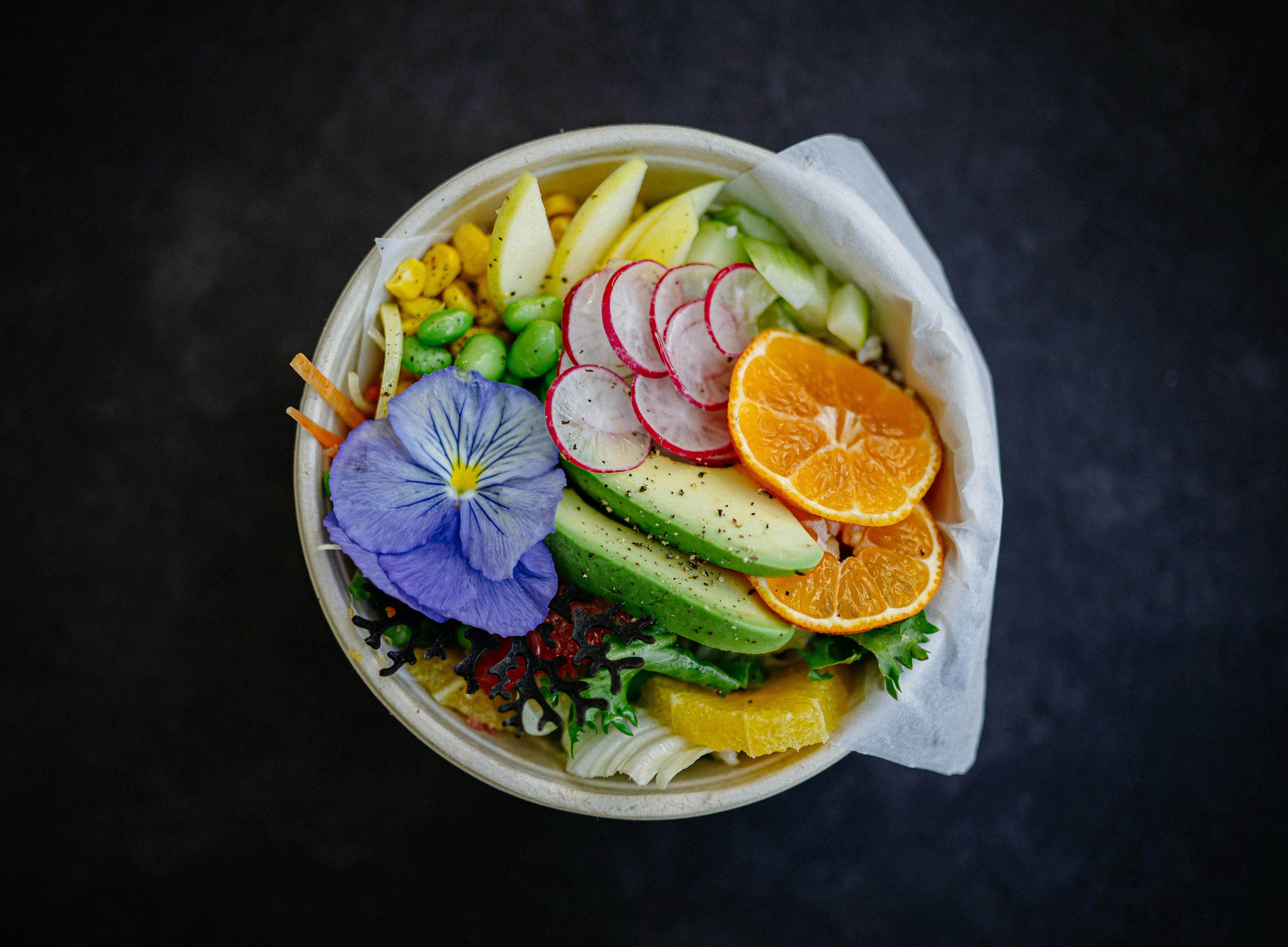
A balanced plate does not require your allergen. Build around what you can eat rather than around what you cannot. Aim for a protein source, a mix of colorful produce, a source of quality carbohydrate and fiber, and a source of healthy fat at most meals.
Then patch the specific gaps your allergy created. If dairy is out, make sure calcium and vitamin D show up somewhere else on the plate through fortified alternatives, canned fish with soft bones, or leafy greens. If wheat is out, lean on fortified grains, beans, and produce to cover iron, B vitamins, and fiber. Research in Frontiers in Pediatrics emphasizes that nutritional management should be personalized and targeted, matching the replacement to the exact food removed rather than applying a generic plan.
“When a client cuts out something major like milk or wheat, the first thing I map is what that food was actually doing nutritionally, not just what it tasted like. With milk, I watch calcium and vitamin D closely, and with wheat I watch iron, B vitamins, and fiber. My first move is always food, so we build in fortified alternatives, beans, leafy greens, and grains the person genuinely enjoys, and we only look at supplements once we see what the food-first plan can cover. It is targeted, and it is personal to that individual’s body and preferences.” — Jessica Cannon, MS, RDN, LDN
When to Work With a Registered Dietitian
You can manage a lot on your own. But there are moments when a professional makes eating both safer and easier, and food allergies is one of the conditions we support at Berry Street. A registered dietitian nutritionist is a licensed medical professional with clinical training, and for allergies they work alongside your allergist and doctor, never in place of them. You can learn more on our food allergies page.
What an RD does that a label can’t
A label tells you what is in one product. It cannot look at your whole diet, your history, and your life. A registered dietitian can:
Assess your personalized nutrient intake and spot gaps before they become deficiencies.
Support safe reintroduction only when your allergist directs it, since tolerated forms like baked milk or baked egg vary by person and are never something to test at home.
Help ease over-restriction, so your list of safe foods grows rather than shrinks.
That reintroduction point matters. Thresholds and tolerated forms differ from one person to the next, and testing them safely belongs in a clinical setting with your medical team. If you are weighing whether it is time, our guide on when to see a registered dietitian nutritionist can help.
How Berry Street works
Berry Street provides 1-on-1 care with registered dietitians through virtual visits, so there is no commute and no waiting room. Care is personalized to your goals, your health history, and your other allergies rather than a one-size-fits-all plan. Because nutrition counseling is often covered by insurance, most members pay little or nothing. Berry Street is in-network with 1,250+ plans, and 95% of members pay $0 with coverage.
If it feels like the right time, you can connect with a registered dietitian and check your coverage first, with no pressure to commit.
“So many clients come to me feeling like their allergy has shrunk their whole world, and that they can either be safe or be social, but not both. I hear you, and you are not alone in that. What I tell them is that safety and enjoyment are not opposites — once we lock in a few reliable habits and a set of go-to foods and swaps you trust, the anxiety usually loosens and the plate gets bigger, not smaller. We build a diet that is varied and genuinely enjoyable, and we do it at a pace that feels safe to you.” — Jessica Cannon, MS, RDN, LDN
Eating Safely and Well Is a Both/And, Not an Either/Or
Living with a food allergy asks a lot of you. There is the constant label-reading, the questions at restaurants, the mental load of staying alert, and sometimes the quiet strain of feeling left out at a shared meal. All of that is real, and you are not overreacting by taking it seriously. You are also not alone in it.
Here is the reframe worth holding onto. Safety and nourishment are not competing goals. You avoid your allergen because it protects you, and you keep everything else varied, fortified, and enjoyable because that protects you too. That is the both/and at the center of nutrition for food allergies. When you want a partner for the nutrition half, working alongside your medical team, you can connect with a Berry Street dietitian whenever you are ready.

Frequently Asked Questions
How do I avoid nutrient deficiencies if I have a food allergy?
Start by identifying the specific nutrients your removed food provided, then replace them intentionally with other foods. A milk allergy calls for other calcium and vitamin D sources, while a wheat allergy calls for other iron, B vitamin, and fiber sources. A registered dietitian can assess your full diet and personalize the plan for your needs.
What are safe substitutes for milk, egg, and wheat?
For milk, fortified soy, pea, or oat beverages can replace it for drinking and cooking. For egg, ground flax or chia with water, mashed banana, or commercial egg replacers work for binding. For wheat, naturally wheat-free grains like rice, oats, quinoa, and buckwheat are good options, ideally fortified ones.
How do I read a food label for allergens, and what do “may contain” labels mean?
Check the ingredient list and the “Contains” statement every time, since both are required to declare major allergens. “May contain,” “shared equipment,” and “made in a facility with” statements are different. They are voluntary precautionary warnings about possible cross-contact, not legal allergen declarations, so how you treat them is a personal risk decision to make with your care team.
What’s the difference between a food allergy and a food intolerance?
A food allergy is an immune system response that can be serious even in tiny amounts. A food intolerance is a digestive issue, like trouble with lactose, that usually causes discomfort rather than danger and often depends on how much you eat. The Academy of Nutrition and Dietetics notes that the immune response is what defines an allergy.
How can I eat out safely with a food allergy?
Tell your server you have a food allergy, not a preference, so the kitchen takes it seriously. Ask whether your allergen is in the dish, whether cross-contact is possible on shared surfaces, and whether it can be made with clean equipment. Many people carry a chef card and their prescribed epinephrine to every meal out.
What is cross-contact and how do I prevent it at home?
Cross-contact is when a safe food picks up traces of an allergen from surfaces, utensils, or other foods, and even invisible amounts can matter. At home, wash hands and equipment between foods, use separate utensils, store allergen-free foods up high, and prepare them first or on clean equipment.
Which nutrients am I most likely to miss with a milk or wheat allergy?
With a milk allergy, calcium, vitamin D, and some protein are most at risk, since dairy is a major source of the first two. With a wheat allergy, B vitamins, iron, and fiber are the usual concerns, because wheat foods are often fortified and fiber-rich. Both gaps are manageable with intentional swaps.
How do I get enough calcium and vitamin D without dairy?
Reach for calcium- and vitamin-D-fortified plant beverages, canned fish with soft edible bones like salmon or sardines, tofu set with calcium, and leafy greens. Reading labels helps you confirm a product is actually fortified. If you are still coming up short, a dietitian can tell you whether food alone covers it or a supplement may help.

Can adults suddenly develop food allergies?
Yes. Adults can develop food allergies to foods they previously ate without any problem, and the American College of Allergy, Asthma & Immunology lists shellfish, tree nuts, peanuts, and fish among the most common food allergies in adults. That said, many adults living with food allergies have actually had them since childhood. If you notice new reactions, see an allergist for testing before you make major changes to your diet.
Can food allergies change or be outgrown over time?
Sometimes. Some children outgrow allergies to milk, egg, wheat, or soy, though Food Allergy Research & Education notes that children today may outgrow these allergies more slowly than kids did in previous decades. Allergies to peanuts, tree nuts, and shellfish are more often lifelong. Allergies can also appear later in life. Any change should be confirmed by your allergist through proper testing, never by trying the food at home on your own.
Should I get allergy testing before cutting foods out of my diet?
Yes. Removing foods based on a guess can lead to unnecessary restriction and nutrient gaps without actually solving the problem. An allergist can confirm whether you have a true allergy, an intolerance, or neither. That clarity lets you avoid only what you need to and keep everything else, protecting both your safety and your nutrition.
Is a food allergy the same as celiac disease or gluten intolerance?
No. A wheat allergy is an immune response to wheat proteins and can cause allergic symptoms. Celiac disease is a separate autoimmune condition triggered by gluten that damages the small intestine, and non-celiac gluten intolerance is different again. They call for different tests and different diets, so an accurate diagnosis matters.
Last Reviewed by Jessica Cannon, MS, RDN, LDN — August 2026.