Key Takeaways
Fat quality matters more than fat quantity. Swapping saturated fat for unsaturated fat tends to help your heart more than simply eating “low-fat.”
Soluble fiber, not fiber in general, is the type most linked to lower LDL cholesterol. A few targeted foods can raise your intake fast.
Most of the sodium in the average diet hides in packaged and restaurant foods, not the salt shaker. Reading labels often beats cooking with less salt.
Food pairings and overall patterns like DASH and the Mediterranean diet often outperform any single “superfood.” What you eat together compounds over time.
When your numbers stall despite good habits, that usually points to a personalization gap, not a willpower failure. A registered dietitian can find the specific levers that fit your life.
You already know the fundamentals of heart-healthy eating — so why haven’t your numbers moved? You eat your vegetables. You cut back on fried food. You picked whole grains. Yet your last lab report looked a lot like the one before it. This guide picks up where the standard advice stops. If you want the foundation first, our heart-healthy diet plan walks through the basics in detail. Here, we go past them — into the details that quietly move cholesterol, blood pressure, and how you actually feel.

In 30 seconds: Once you have the basics down, the next gains come from precision, not more restriction. Focus on fat quality, soluble fiber, hidden sodium, and the patterns you build meals around. Small, repeatable swaps tailored to your body usually shift your numbers more than another round of cutting things out.
Why “Eating Healthy” Isn’t Always Moving the Needle
You did what you were told. The results didn’t follow. That gap is common, and it rarely means you’re doing something wrong. It usually means the generic version of “eat healthy” was never specific enough for your body.
The basics are a starting line, not a finish line
General advice is built for the average person. You are not average, and neither is your physiology. Advice like “eat more produce” or “watch the salt” gets most people moving in the right direction. It is a solid starting line.
The trouble comes when you treat that starting line as the whole race. Broad guidance can’t account for your genetics, your medications, your stress load, or how your body handles fat, fiber, and sodium. A heart-healthy diet works best when it moves from general rules to specific choices. Research on dietary patterns backs this up. A 2023 review in Vascular Health and Risk Management found the strongest heart benefits came from whole dietary patterns, not isolated tweaks.
When it’s not a willpower problem (it’s a personalization problem)
If you’ve tried plan after plan that worked “until it didn’t,” read this carefully. That is not a character flaw. That is a one-size-fits-all approach meeting a one-of-a-kind person.
Willpower is not the missing ingredient for most people. Precision is. Two people can eat nearly identical diets and see different cholesterol responses, because their bodies, histories, and habits differ. When your effort is high, but your results are flat, the fix is usually a smarter target, not more grit. That is where matching the strategy to the individual changes everything.

Fat Quality Over “Low-Fat”: What Actually Matters
For years, “low-fat” was the headline. The science has moved on. The type of fat you eat now matters more for your heart than the total amount on your plate.
Swapping saturated fat for unsaturated fat (not just cutting fat)
Here is the shift that matters. Cutting fat and replacing it with refined carbohydrates often does little for your heart. Replacing saturated fat with unsaturated fat is what tends to help.
The 2026 American Heart Association dietary guidance in Circulation makes this clear. It recommends replacing saturated fats with unsaturated fats, especially polyunsaturated ones, rather than swapping them for sugar or white flour. In practice, that looks less like fear and more like substitution. A few examples:
Cooking oil: Use avocado, olive, or canola oil in place of butter for everyday sautéing and roasting.
Snacks: Reach for a handful of nuts or seeds instead of chips when you want something crunchy.
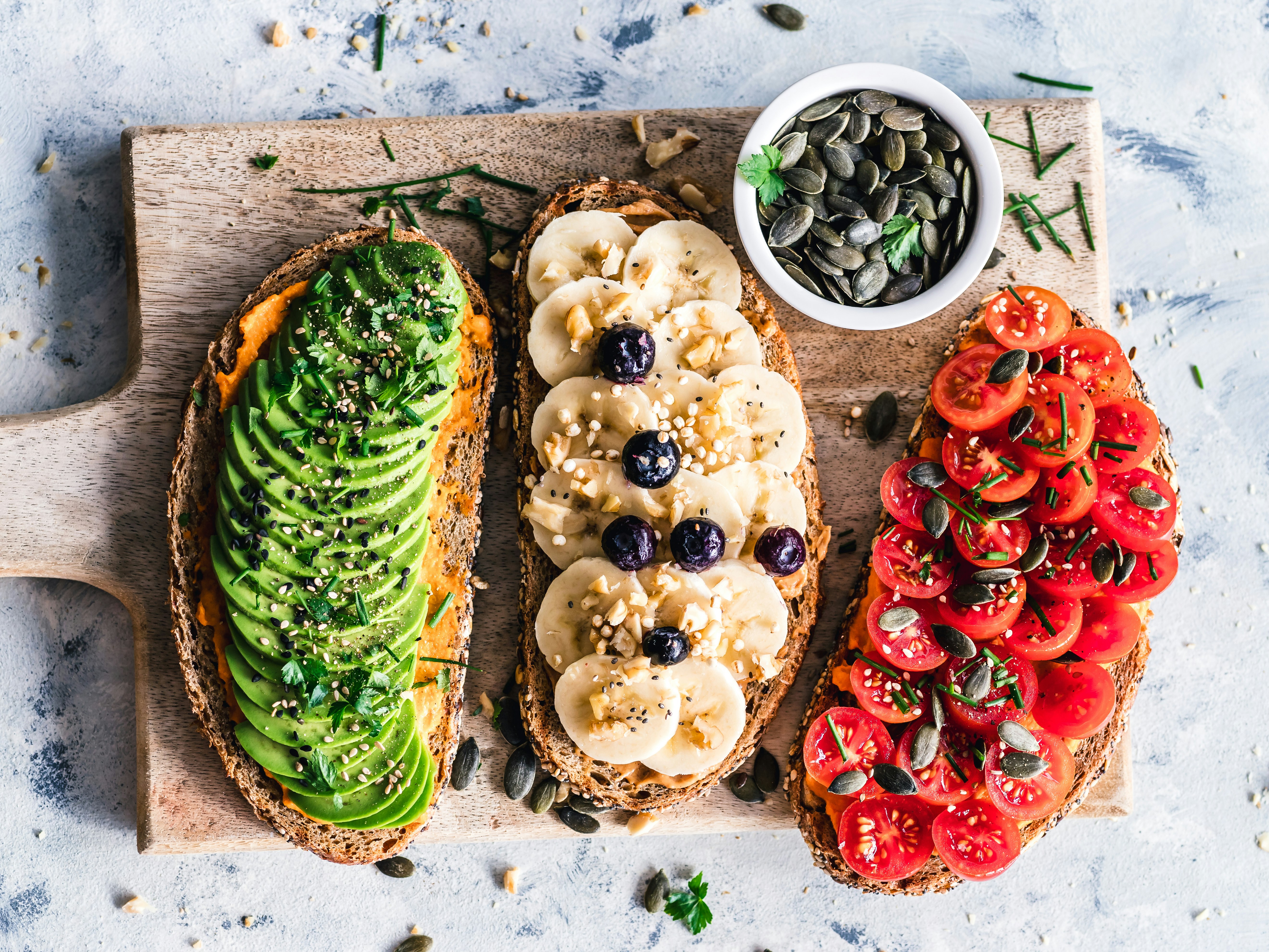
Spreads: Try mashed avocado on toast where you might have used a heavy layer of butter.
Protein: Rotate in fish, beans, or tofu on some nights in place of fatty cuts of red meat.
No food here is off-limits. This is about proportions and swaps, not a list of banned ingredients. Some people tolerate more saturated fat than others, so your ideal balance depends on your individual needs.
Omega-3s and where to find them
Omega-3 fatty acids are a specific type of polyunsaturated fat linked to heart health. Your body can’t make them well on its own, so food is the main source. They tend to be under-eaten in typical American diets.
You don’t need a supplement aisle to get them. Whole foods do the job for most people. Reliable sources include:
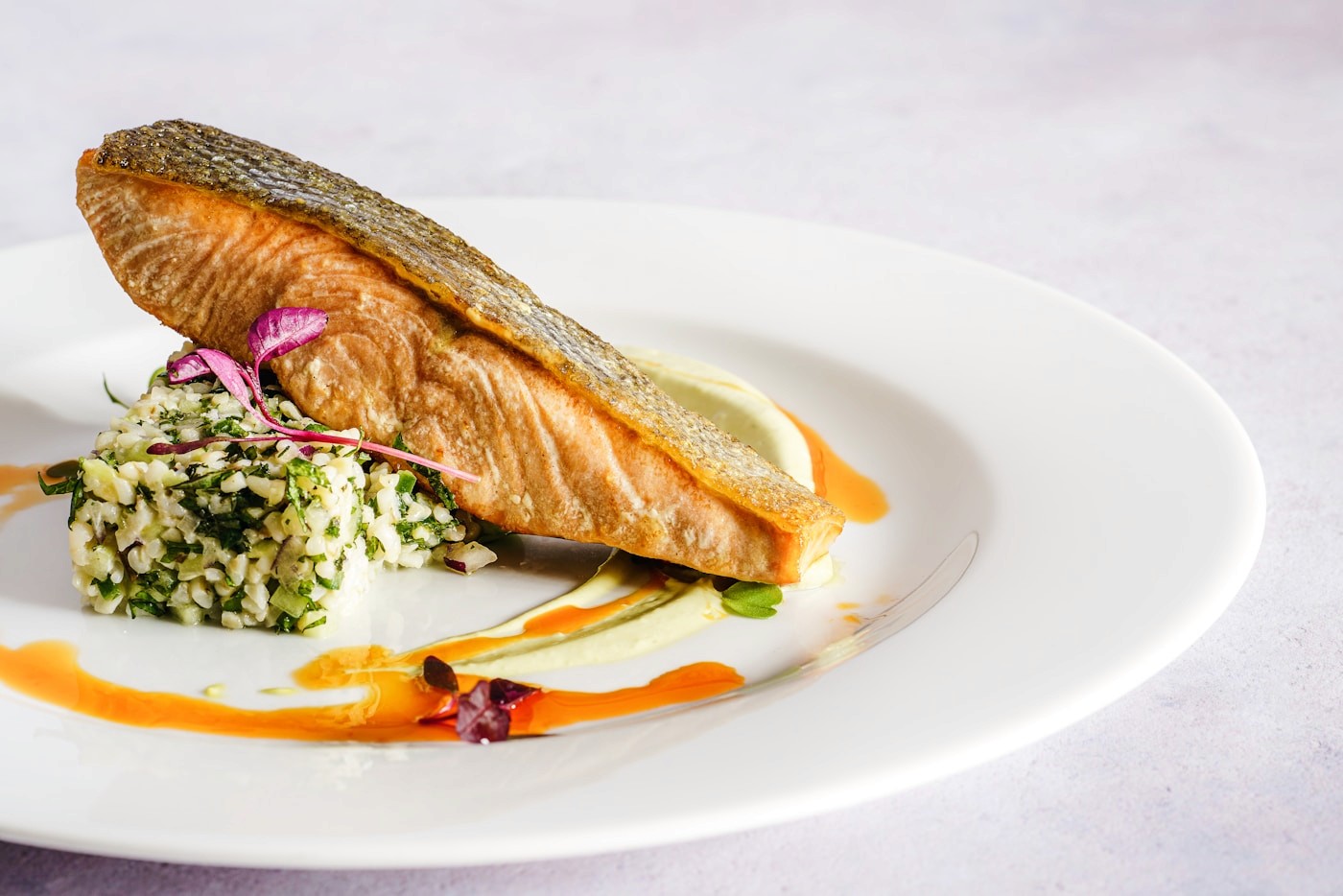
Fatty fish: Salmon, sardines, mackerel, and trout are among the richest sources.
Walnuts: A small handful adds plant-based omega-3s to a snack or salad.
Ground flaxseed and chia seeds: Stir a spoonful into oatmeal, yogurt, or a smoothie.
Edamame: A convenient plant source you can keep in the freezer.
Aim to build fish into a couple of meals a week if you eat it. If you don’t, plant sources still contribute. Whether you need more than food provides depends on your health history, so it’s worth checking with a dietitian before adding a supplement.
Not All Fiber Is Equal — Soluble Fiber and Your Cholesterol
“Eat more fiber” is good advice, but it’s incomplete. Fiber comes in two main types, and only one is closely tied to lowering cholesterol. Knowing the difference lets you aim your effort where it counts.
Soluble vs. insoluble, and why the difference matters for your heart
Insoluble fiber is the kind that supports digestion and regularity. It’s valuable, but it isn’t the star for your cholesterol. Think whole wheat, many vegetables, and the skins of fruit.
Soluble fiber is the type that dissolves into a gel in your gut. That gel can help bind cholesterol-related compounds and carry them out, which may lower LDL cholesterol over time. This is why the distinction matters for your heart, not just your gut. The soluble fiber and cholesterol connection is one of the more reliable food-based tools you have. It works gradually and steadily, which is exactly what you want.
Easy ways to add soluble fiber without an overhaul
You don’t need to rebuild your kitchen to raise soluble fiber. You need a few consistent additions. Small daily habits add up faster than an occasional big effort. Try these:
Oats: A bowl of oatmeal or overnight oats is one of the easiest daily sources.
Beans and lentils: Add half a cup to soups, salads, or tacos a few times a week.
Barley: Use it in place of rice in soups and grain bowls now and then.
Apples, citrus, and berries: Keep whole fruit within reach for snacks.
Psyllium: A stirred-in fiber supplement can help some people close the gap.
Aiming for 5 to 10 grams of soluble fiber a day helps many people, a target Mayo Clinic notes can decrease your LDL cholesterol. A bowl of oats plus a serving of beans nearly covers it. Increase gradually and drink plenty of water so the change feels comfortable. How much you need depends on your starting point, so build up at a pace that fits your body. For more ways to structure your week, our guide to healthy diet plans offers additional templates.

The Sodium You Can’t See
You put down the salt shaker. Your blood pressure barely noticed. Here’s why. For most people, the salt shaker is a small slice of total sodium. The larger share is already in the food before it reaches your table.
Where hidden sodium actually hides
The 2026 American Heart Association guidance points to packaged and prepared foods as the leading sources of dietary sodium. That means the fix often lives on the nutrition label, not at the stove. Some of the biggest hiding spots surprise people:
Bread and rolls: Not salty-tasting, but eaten often enough to add up.
Deli meats and cured proteins: Among the most concentrated everyday sources.
Soups and canned goods: Broths, canned beans, and sauces can be high unless labeled low-sodium.
Restaurant and takeout meals: Often carry a full day’s sodium in a single serving.
Cheese, condiments, and snack foods: Small amounts that stack up quickly across a day.
The move here is not to fear these foods. It’s to read labels, compare brands, and rinse canned items when you can. Choosing lower-sodium versions of foods you already buy is often the single highest-impact change.
Building flavor with potassium-rich foods, herbs, and spices
Cutting sodium doesn’t mean cutting flavor. It means shifting where flavor comes from. Potassium also plays a helpful role, since it works in balance with sodium in the body. Adding potassium-rich foods is a natural companion to a low-sodium approach.
Lean on these instead of extra salt:
Potassium-rich produce: Bananas, potatoes, leafy greens, beans, and tomatoes.
Fresh and dried herbs: Basil, cilantro, rosemary, and parsley add brightness.
Warm spices: Cumin, smoked paprika, garlic, and black pepper build depth.
Acids: A squeeze of lemon or a splash of vinegar makes food taste fuller.
If you have kidney concerns, potassium needs careful individual guidance, so check with your care team first.
“When a client already eats vegetables and uses less salt but the numbers still haven’t moved, I help them focus on what we can add in rather than restrict. First we audit the hidden sodium in the packaged foods they trust and swap in lower-sodium versions. Then we layer soluble fiber and potassium-rich produce into the meals they are already eating. Those small daily additions and swaps can impact numbers more than one more restriction could.” — Bridget Isaacs, MS, RD
Food Synergy: Why What You Pair Matters as Much as What You Eat
Nutrients don’t work alone. They work in combination, inside whole meals and whole patterns. This is why chasing one “superfood” rarely delivers, while a consistent pattern tends to add up. What you pair can matter as much as what you pick.
DASH and Mediterranean patterns as templates, not rules
Two eating patterns have strong evidence behind them for heart health. The DASH diet was designed to support healthy blood pressure, an effect first shown in the DASH trial in the New England Journal of Medicine. It emphasizes produce, whole grains, lean proteins, and lower sodium.
The Mediterranean diet centers on olive oil, vegetables, legumes, fish, and nuts. The 2018 PREDIMED trial in the New England Journal of Medicine found that a Mediterranean diet enriched with extra-virgin olive oil or nuts reduced major cardiovascular events compared with a lower-fat control diet. Treat both patterns as flexible templates, not strict rulebooks. You can borrow the shape of a Mediterranean plate without eating the exact foods from that region. The point is the pattern, adapted to what you enjoy and can sustain.
Small, repeatable swaps that compound over time
Big overhauls tend to collapse. Small swaps are more likely to stick, and stacked over months they add up. This is where synergy becomes practical. A few pairings and swaps that build on each other:
Add a plant to every plate: Beans in the chili, spinach in the eggs, berries on the oatmeal.
Trade the fat, keep the meal: Olive oil for butter, avocado for mayonnaise.
Pair fiber with protein: Oats with nuts, or lentils with fish, to build satisfying meals.
Season with herbs first: Reach for spices before salt when you cook.
Each swap is small on its own. Repeated daily, they compound into the kind of change your labs can eventually reflect. The 2023 Vascular Health and Risk Management review reinforces that consistent patterns, not one-off choices, drive the biggest heart benefits.
Making It Personal: How a Registered Dietitian Takes You Further
You’ve now seen the next-level levers. The final step is figuring out which ones matter most for you. That is genuinely hard to do alone, because the answer depends on your labs, your history, and your day-to-day life.
What a next-level plan looks like with a Berry Street RD
A Registered Dietitian Nutritionist is a licensed medical professional with years of clinical training, not a generic health coach. At Berry Street, you work one-on-one with an RD who specializes in heart health through virtual visits. They read your actual numbers, factor in your medications, and translate the science above into a plan built around your real week.
That plan is personal by design. Your dietitian might focus your soluble fiber first, then tackle hidden sodium, then fine-tune fat quality — in the order that fits you. When you’re ready, you can get matched with a dietitian who fits your needs and share your goals and health history up front. This kind of support pairs well with, and never replaces, your doctor.
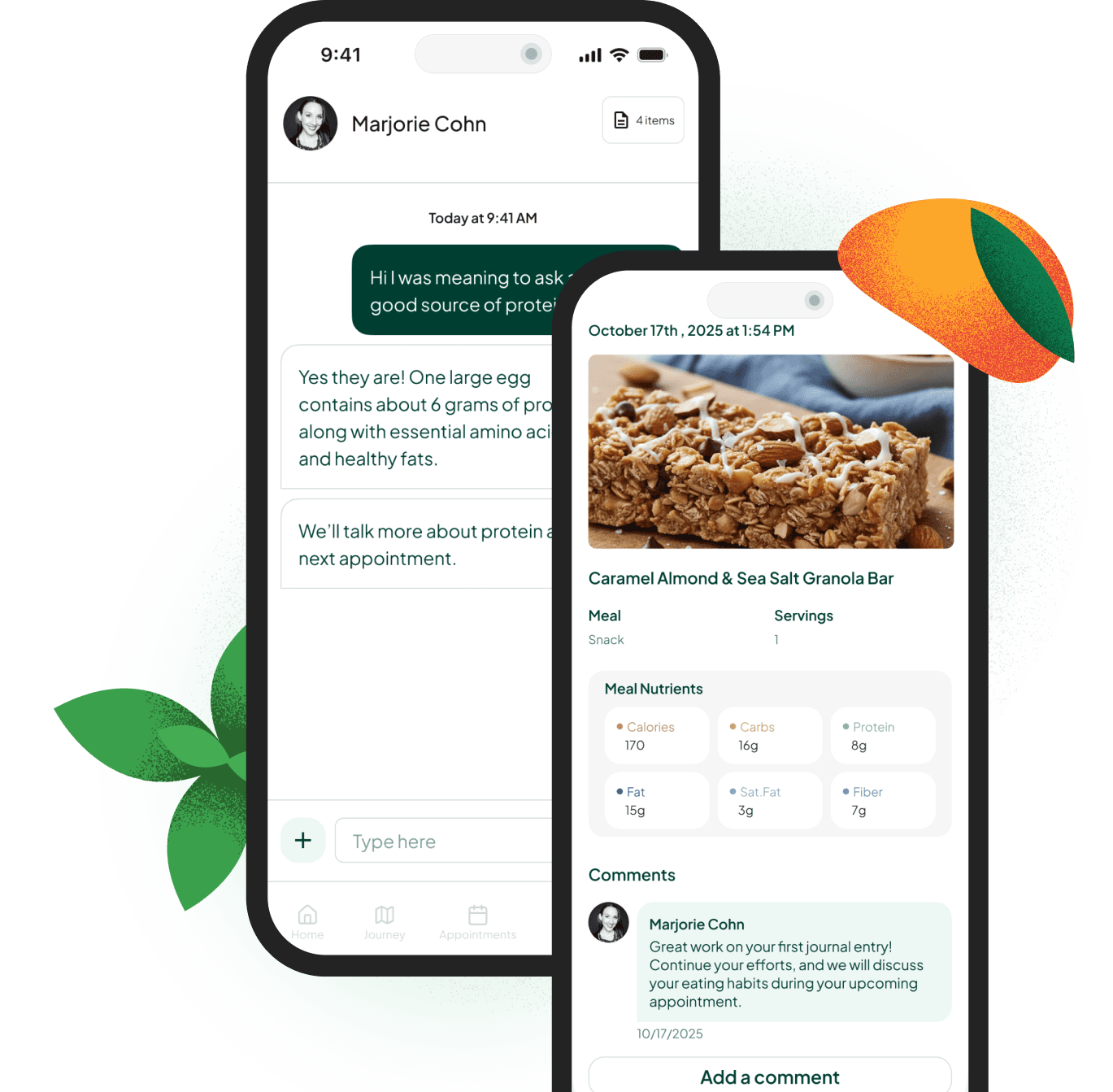
Support continues between visits, too. You can message your dietitian and track meals in the Berry Street app, so adjustments happen in real time rather than months apart.

Cost is often smaller than people expect. Because nutrition counseling is frequently covered by insurance, 95% of Berry Street members pay $0 out of pocket, and Berry Street is in-network with 1,250+ plans nationwide. You can check your coverage in about 60 seconds and see exactly what to expect. There’s no pressure and no commitment to look.
“I never hand a client a list of forbidden foods, because rules like that rarely survive a busy week. Instead we pick one or two swaps that fit the meals they already enjoy. We keep what’s working, adjust what isn’t, and let those small wins build on each other. Consistency you can actually live with beats a perfect plan you abandon by Thursday.” — Bridget Isaacs, MS, RD
Frequently Asked Questions
What’s the one snack a dietitian recommends for a healthier heart?
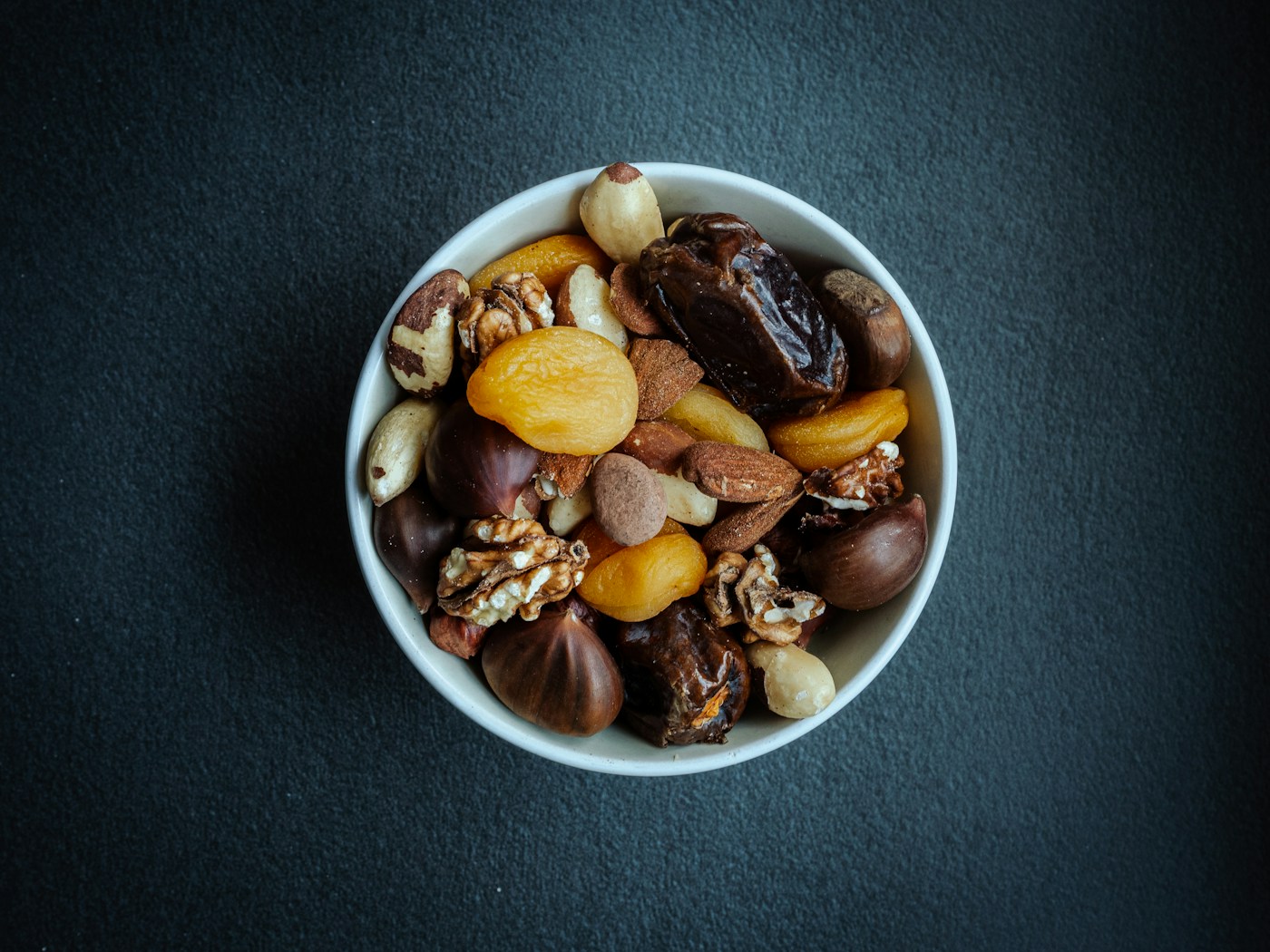
There isn’t a single magic snack, but a small handful of unsalted nuts is one of the most reliable choices. Nuts offer unsaturated fats, fiber, and protein in a convenient package. Pair them with a piece of fruit for added soluble fiber.
What foods should you limit for heart health — and what can you eat instead?
It helps to go easy on foods high in saturated fat, added sodium, and refined carbohydrates, though no food is off-limits. Instead of cutting things out, focus on swaps. Trade butter for olive oil, chips for nuts, and white bread for whole grains.
Beyond fruits and vegetables, what foods actually strengthen your heart?
Fatty fish, beans and lentils, nuts and seeds, oats, and extra-virgin olive oil all have strong support for heart health. These add unsaturated fats, soluble fiber, and omega-3s. Building them into your routine tends to help more than any single food.
Is the Mediterranean or DASH diet better for heart health?
Both are well supported, and neither is universally “better.” DASH was designed with blood pressure in mind, while the Mediterranean diet has strong evidence for reducing cardiovascular events. The best pattern for heart health is the one you can enjoy and sustain.
How much fiber do you need each day for heart health?
The USDA Dietary Guidelines for Americans 2020–2025 point toward roughly 25 to 38 grams of total fiber a day for most adults. For your heart specifically, the soluble fiber portion matters most. Your ideal target depends on your body, so build up gradually and personalize with a dietitian.
What’s the difference between soluble and insoluble fiber for your heart?
Soluble fiber dissolves into a gel and can help lower LDL cholesterol, which makes it the key type for heart health. Insoluble fiber mainly supports digestion and regularity. Most fiber-rich foods contain a mix of both, so variety helps.
Are all fats bad for your heart, or are some good for you?
No, not all fats are bad, and framing them that way is misleading. Unsaturated fats from olive oil, avocado, nuts, seeds, and fish can support heart health. The bigger goal is replacing some saturated fat with these unsaturated options.
How much sodium should you eat per day for heart health?
The 2026 American Heart Association dietary guidance suggests keeping sodium under about 2,300 milligrams a day, with a lower target of around 1,500 milligrams often recommended for blood pressure. Your ideal number depends on your health. A dietitian can set a target that fits your individual needs.
Where does hidden sodium come from if you rarely add salt?
Most dietary sodium comes from packaged and restaurant foods, not the salt shaker. Bread, deli meats, soups, sauces, and takeout are common sources. Reading nutrition labels and choosing lower-sodium versions often makes more difference than cooking without salt.
Can you improve your cholesterol with food alone, or do you need medication?
For some people, food and lifestyle changes meaningfully improve cholesterol on their own. For others, genetics or health history mean medication is also part of the picture. This is a decision to make with your doctor, and a dietitian can strengthen the nutrition side.
How long does it take for heart-healthy eating to affect your numbers?
Many people see cholesterol and blood pressure begin to shift within a few weeks to a few months of consistent changes. The timeline varies with your starting point, your body, and how steady the habits are. Steady consistency matters more than speed.
Do you have to give up your favorite foods to eat for your heart?
No, you don’t have to give up the foods you love. Heart-healthy eating is about adding and adjusting far more than restricting. Most favorites can stay in the picture with smaller portions, better pairings, or a lighter preparation.
Last Reviewed by Bridget Isaacs, MS, RD — August 2026.