Key Takeaways
The “registered dietitian” credential is legally protected, while “nutritionist” often is not. Confirm you’re working with an RD or RDN, not a generic coach.
Insurance can cover nutrition counseling. Look for a platform that checks your coverage upfront and tells you your cost with no surprises.
Match on specialty, not just availability. The right platform connects you with a dietitian trained for your condition or goal.
Verify credentials yourself in a few minutes using the national registry and your state licensing board before you book.
Nutrition counseling relies on conversation and follow-up that translate well to video, so where you live no longer limits your access to a specialist.
Online nutrition platforms have multiplied over the past few years. That’s mostly good news, because it means more access and more choice. It can also make the decision harder, because the label “nutrition support” now covers everything from a licensed clinician to an app that sells you supplements.
This guide walks you through how to find a registered dietitian online without getting lost in marketing. We’ll lead with the two things that matter most and are easiest to overlook: the credential of the person you’ll actually work with, and whether your insurance covers the care. From there, you’ll get a clear checklist for comparing platforms, verifying credentials, and understanding cost.
In 30 seconds: To find a registered dietitian online, start with credentials and coverage. Choose a platform that connects you with a licensed RD or RDN (not a generic “coach”), checks your insurance before you book, and matches you to someone who specializes in your specific condition or goal.
Why the platform you choose matters more than you think
A platform is not just a booking screen. It decides who you’re paired with, what training that person has, whether your insurance is used, and how much support you get between appointments.
Two platforms can look nearly identical on the homepage. One connects you to a licensed clinician who can help manage a medical condition. The other connects you to an unregulated wellness app. Knowing the difference protects your health and your wallet.
Registered dietitian vs. “nutritionist” — what the credential actually means
This is the single most important distinction, so it’s worth slowing down.
A Registered Dietitian (RD), also called a Registered Dietitian Nutritionist (RDN), holds a credential that is legally protected. Earning it requires a graduate-level degree, supervised practice hours, a national exam, and ongoing continuing education, according to the Academy of Nutrition and Dietetics. An RDN is a licensed medical professional qualified to help treat and manage medical conditions.
The word “nutritionist” is different. In many states, anyone can use it with no required training, no exam, and no license. Some nutritionists are highly qualified. Others have taken a weekend course. The title alone tells you very little.
That’s why the credential should be your first filter. For a closer look at how titles compare, see our breakdown of a certified nutrition specialist versus a registered dietitian.
A dietitian works alongside your doctor, not instead of them. That collaboration is part of what makes the credential meaningful.

Why “online” changed access to nutrition care
For a long time, seeing a dietitian meant finding one nearby, taking time off, and sitting in a waiting room. If you lived in a rural area or a small town, your options might have been slim.
Telehealth changed that. Video visits let you work with a specialist regardless of where you live. There’s no commute and no waiting room, which makes it easier to keep appointments over time.

Consistency matters in nutrition care. The results tend to build across multiple visits, not from a single session. Removing the friction of getting there makes it more realistic to stay with a plan long enough to feel the difference.
Online access also widens your choice of specialist. Instead of settling for whoever is nearby, you can work with a dietitian trained specifically for your condition or goal. That can matter a great deal if your need is less common. If you’re curious about the experience itself, here’s what to expect when seeing a dietitian.

What to look for in a platform to find a registered dietitian
Use the six criteria below as a checklist. A strong platform should make it easy to answer each one before you commit.
Verified credentials (RD / RDN, not “coaches”)
Start here every time. Confirm that the people providing care are Registered Dietitians or Registered Dietitian Nutritionists. Certified Nutrition Specialists (CNS) also undergo years of training and are credentialed.
Watch the language a platform uses. “Coach,” “advisor,” “guide,” and “wellness expert” are not protected titles. If a platform is vague about who you’ll actually work with, treat that as a signal to ask more questions.
“When a client asks how to spot a real nutrition platform versus a wellness app, I tell them to look for three things. First, does it clearly say ‘registered dietitian’ or ‘RD/RDN,’ not just ‘coach.’ Second, can you actually find and verify that person’s name and license. And third, does it run your insurance instead of pushing a supplement or a subscription. It is important to note that some RDNs do not accept insurance and that does not take away from their credential. If those three check out, you’re usually in good hands.” — Bridget Isaacs, MS, RD
Insurance coverage and transparent, no-surprises pricing
Nutrition counseling is often covered by insurance, which means many people pay far less than they expect. A good platform checks this for you before your first visit.
Look for a clear coverage check and an upfront cost estimate. You should know what you’ll owe before you book, not after a surprise bill arrives.
Avoid platforms that hide pricing behind a signup wall or lead with an expensive package before mentioning insurance at all.
Scope of care — does it treat your specific condition or goal?
Nutrition is not one skill. A dietitian who specializes in gut health may not be the right fit for prenatal nutrition or eating disorder recovery.
Check whether the platform supports your specific need, whether that’s diabetes, PCOS, IBS, heart health, or a goal like building steadier eating habits. Depending on your individual needs, the right specialty match can shape the entire experience.

If you’re unsure whether your situation calls for professional support, this guide on when to see a registered dietitian nutritionist can help.
How you get matched — can you choose your own dietitian?
Matching approaches vary. Some platforms assign you automatically. Others let you review options and pick the dietitian who fits your goals and health history.
Being matched by specialty is valuable. Having some say in the choice can matter too, because the relationship works best when you feel comfortable.
Ask how matching works and whether you can switch if the fit isn’t right. Flexibility here is a good sign.
Ongoing support between sessions (app, messaging, tracking)
Nutrition happens between appointments, in daily meals and real-life decisions. Support that extends past the video call helps you stay on track.
Useful features may include:
Secure messaging with your dietitian between visits
Meal logging, sometimes with a photo instead of manual entry
Integration with wearables or lab data for a fuller picture
Progress tracking you and your dietitian can review together

You don’t need every feature. Focus on the ones that fit how you actually live.
Privacy and security (HIPAA)
You’ll share health information, so security is not optional. Confirm the platform is HIPAA-compliant.
Look for a clear privacy policy and encrypted, secure video visits. Reputable telehealth platforms state this plainly. If you can’t find it, ask before sharing anything personal.
How to verify a dietitian’s credentials before you book
You don’t have to take a platform’s word for it. Verifying a dietitian’s credentials takes only a few minutes, and it’s worth doing.
Checking the RD/RDN credential and state licensure
There are two layers to confirm.
The national credential. The Commission on Dietetic Registration maintains a public registry where you can confirm someone holds an active RD or RDN credential.
State licensure. Many states also require dietitians to be licensed. Your state’s licensing board lets you verify that license is active and in good standing.
If a platform lists your dietitian’s full name and credentials, both checks are straightforward. Transparency about names and licenses is itself a mark of a trustworthy platform.
Questions to ask before your first appointment
A short conversation upfront can save you time and money. Consider asking:
Are you a Registered Dietitian (RD or RDN)?
Do you specialize in my condition or goal?
Do you accept my insurance, and what will I owe?
How often will we meet, and how do we adjust the plan over time?
How can I reach you between visits?
How is my health information kept secure?
Clear, direct answers are a good sign. Vague ones are worth noting.
How much does an online registered dietitian cost?
Cost is one of the biggest reasons people delay care, and it’s often lower than expected. The answer depends mainly on whether you use insurance.
With insurance (including Medicare coverage of MNT)
Many insurance plans cover nutrition counseling, sometimes fully. When counseling is covered, your out-of-pocket cost may be small or even $0, depending on your plan and individual needs.
Medicare has specific rules worth knowing. Medicare Part B covers Medical Nutrition Therapy (MNT) at no cost for eligible beneficiaries, according to CMS. Eligibility applies to people with diabetes, kidney disease, or a kidney transplant within the last 36 months. The care must be provided by a registered dietitian, and a physician referral is required.
These Medicare rules are specific to those conditions and don’t automatically apply to private plans. The best way to know your own cost is to have the platform run your coverage before you book.
Private plans vary widely in how they handle nutrition counseling. Some cover a set number of visits per year, some require a referral, and some cover preventive counseling with no cost sharing. Because the details differ so much, a quick coverage check beats guessing. It tells you what applies to your specific plan before you spend anything.
Without insurance / out-of-pocket options
If you don’t have coverage or your plan doesn’t include nutrition counseling, you can still pay out of pocket. Prices vary by platform and by the dietitian’s experience.
When comparing self-pay options, look for:
Clear per-session pricing, stated before you book
The option to book single sessions rather than only large packages
Flexibility to set a visit cadence that fits your budget
Transparency is the theme. You should always know what you’re paying and why.
Are online dietitian visits as effective as in person?
Nutrition counseling relies on conversation, education, and follow-up, all of which translate well to video. That means a virtual visit can work well for many people, even though research hasn’t directly compared telehealth against in-person care.
The evidence base for dietitian-led care is strong. A 2023 evidence-based practice guideline in the Journal of the Academy of Nutrition and Dietetics found that Medical Nutrition Therapy delivered by RDNs improves cardiometabolic, quality-of-life, and weight outcomes in adults with overweight or obesity. The finding carried a Grade 1B rating based on 67 randomized controlled trials, with the best results seen when people had five or more contacts over 12 months or longer.
Two things stand out there. First, this reflects care from a registered dietitian specifically. Second, results build with continuity, which is exactly what convenient telehealth access makes easier to sustain.
It’s worth being precise about what that review measured. It looked at adults with overweight or obesity, and the improved weight outcomes are described as a result of better nutrition care, not a goal you have to chase. Berry Street is not anti-weight loss, but we’re anti-diet. Any weight change may show up as one possible outcome of eating better, but not always the point of the work itself.
“When someone’s nervous that a virtual visit won’t feel as thorough, I remind them that most of my work is listening and problem-solving, and that translates completely to video. I can see your kitchen, your labs, your food log, and your real routine on screen. Honestly, a lot of clients open up more from their own couch than they would in a clinic. The care is just as personal—it just meets you where you already are.” — Bridget Isaacs, MS, RD
How Berry Street fits these criteria
Once you have the checklist, it helps to see how a real platform measures up. Berry Street is one insurance-covered, RD-led option that was built around these criteria. Here’s how it maps.
RD/RDN network. Care is provided by Registered Dietitians, not generic coaches. Berry Street has 1,800+ dietitians across all 50 states.
Insurance-first, no surprises. Berry Street is in-network with 1,250+ insurance plans, and 95% of members pay $0. You can check your coverage in 60 seconds and see your cost before booking.
Specialty matching. After you check coverage, you’re matched with a dietitian who fits your goals and health history, across needs from diabetes and PCOS to gut health, heart health, prenatal nutrition, and eating disorder recovery.
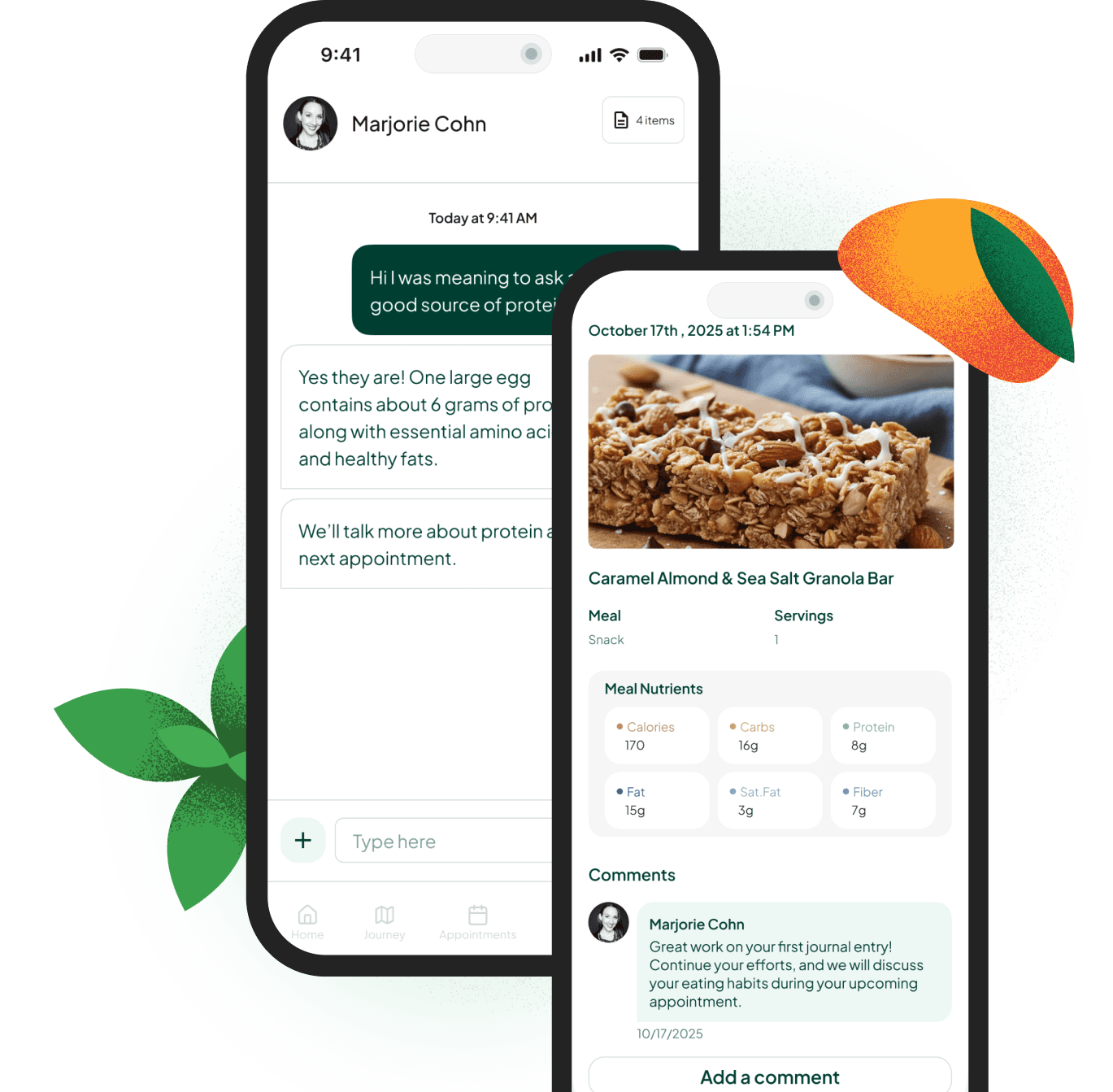
Support between visits. The Berry Street app includes messaging with your dietitian, photo-based meal logging, and integration with wearables and lab data.
A HAES, anti-diet approach. Many Berry Street providers take a HAES approach. The focus is personalized, sustainable care rather than calorie counting or restriction. There are no “good” or “bad” foods, just a plan built around your body, your life, and your relationship with food.
Private and secure. The coverage check and visits are HIPAA-compliant and secure.
If you’d like to see whether you’re covered, you can check your coverage and get matched with a registered dietitian.
Choosing the right platform for you
Choosing well comes down to a short list. Confirm the credential, use your insurance, match on specialty, and make sure the support fits your real life.
The right platform makes each of those easy to verify before you commit. If a platform is vague about who you’ll work with or what you’ll pay, keep looking.

When you’re ready, a good next step is simply to see what your plan covers. You can check your coverage in about 60 seconds, with no commitment, and go from there.
Frequently Asked Questions
How do I choose the best platform to find a registered dietitian?
Start with the credential and your insurance. Choose a platform that clearly connects you with a licensed RD or RDN, or a certified CNS, checks your coverage before you book, and matches you to someone who specializes in your specific need.
What should I look for when choosing an online dietitian platform?
Look for verified RD/RDN/CNS credentials, insurance coverage with transparent pricing, a specialty match for your condition or goal, a clear matching process, support between sessions, and HIPAA-compliant security.
Are online registered dietitian platforms covered by insurance?
Often, yes. Many insurance plans cover nutrition counseling, and coverage may bring your cost to $0 depending on your plan. A good platform checks your coverage and shows your cost before your first visit.
How much does an online dietitian cost with and without insurance?
With insurance, your cost may be low or $0, depending on your plan. Without insurance, you pay out of pocket, and prices vary by platform and the dietitian’s experience. Ask for clear pricing before booking.
What’s the difference between a registered dietitian and a nutritionist?
A registered dietitian (RD or RDN) holds a legally protected credential requiring a degree, supervised training, a national exam, and continuing education. In many states, anyone can call themselves a “nutritionist” with no required training or license. It is important to note that a Certified Nutrition Specialist (CNS) is an advanced credential that does require training.
Can I choose my own dietitian, or does the platform match me?
It depends on the platform. Some assign a dietitian automatically, while others match you by specialty and let you have a say. Ask whether you can review options and switch if the fit isn’t right.
Are online dietitian appointments as effective as in-person visits?
For many people, yes. Nutrition counseling relies on conversation and follow-up, which work well over video. Research on dietitian-led Medical Nutrition Therapy shows strong outcomes, especially with consistent visits over time.
Can an online dietitian help with a specific condition like PCOS or diabetes?
Yes. Registered dietitians provide care for many conditions, including PCOS and diabetes, and telehealth makes it easier to find a specialist. Care is personalized to your individual needs, so ask whether a platform supports your specific condition.
How do I verify a dietitian’s credentials before booking?
Check two things. Confirm the RD or RDN credential through the Commission on Dietetic Registration’s public registry, then verify any required state license through your state licensing board. Both checks take only a few minutes.
Does Medicare or Medicaid cover a registered dietitian?
Medicare Part B covers Medical Nutrition Therapy at no cost for eligible beneficiaries with diabetes, kidney disease, or a kidney transplant within 36 months, when provided by a registered dietitian with a physician referral. Medicaid coverage varies by state, so check your plan.
What questions should I ask before my first session?
Ask whether the provider is an RD or RDN, whether they specialize in your goal, whether they accept your insurance and what you’ll owe, how often you’ll meet, how to reach them between visits, and how your data is secured.
Is my health information secure on a telehealth nutrition platform?
It should be. Reputable platforms are HIPAA-compliant, use encrypted and secure video visits, and publish a clear privacy policy. If you can’t confirm this, ask before sharing any personal health information.
Last Reviewed by Bridget Isaacs, MS, RD — August 2026.