
After having a baby, it’s common to wonder what will happen to your body. For many parents, weight becomes a focal point during the postpartum period—especially while breastfeeding. You may hear that breastfeeding “melts the weight off,” or feel pressure to return to your pre-pregnancy body quickly, even while navigating sleep deprivation, physical recovery, and round-the-clock feeding.
From a dietitian’s perspective, intentionally trying to lose weight while breastfeeding is rarely recommended, particularly in the early months. Your body is doing important work: healing from pregnancy and birth while producing milk to support your baby’s growth. Both processes require consistent energy, nutrients, and rest.
Rather than focusing on weight loss as a goal, this article takes a different approach. It explains how breastfeeding affects weight, why experiences vary so widely, what actually supports health during this stage, and how to care for your body without pressure to “bounce back.” For some people, weight loss happens gradually and naturally over time. For others, it doesn’t—and that can still be completely healthy.

How Breastfeeding Affects Weight
Breastfeeding changes how your body uses and stores energy. Milk production requires additional calories, but that doesn’t mean weight loss is automatic. Appetite typically increases to match higher energy demands, and hormonal shifts can influence how efficiently the body accesses stored energy.
Prolactin, the hormone that supports milk production, often increases hunger. Cortisol, which rises with stress and sleep deprivation, can affect appetite regulation and fat storage. Oxytocin supports bonding and relaxation, but it does not cancel out hunger or energy needs.
Fluid balance also plays a role. In the early postpartum period, weight changes often reflect shifts in water retention rather than fat loss or gain. The scale may fluctuate daily or weekly without reflecting meaningful body composition changes.
Some people notice gradual weight loss once breastfeeding is well established. Others maintain or gain weight despite balanced meals and movement. Both responses are normal and biologically driven.
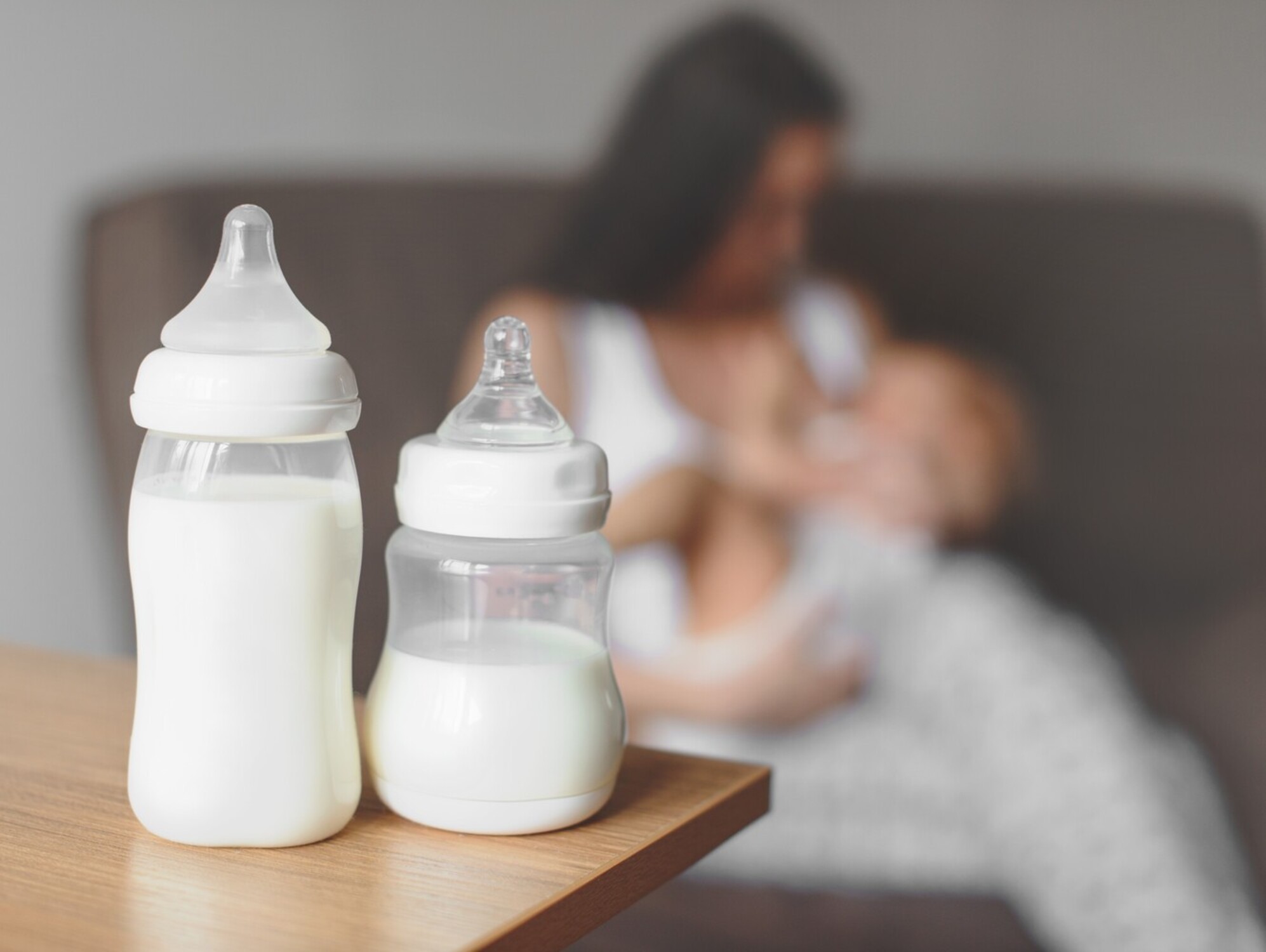
Is It Safe to Try to Lose Weight While Breastfeeding?
In most cases, intentional weight loss is not advised during breastfeeding, especially early postpartum. Your body requires adequate calories to maintain milk supply, stabilize hormones, support recovery, and protect mental health.
When weight loss does occur safely during breastfeeding, it tends to be slow, unforced, and secondary to supportive habits. Rapid weight loss or aggressive restriction increases the risk of fatigue, dizziness, nutrient deficiencies, mood changes, and milk supply disruptions for many parents.
A safer benchmark—when weight change happens naturally—is often around half a pound per week or less. Even then, weight loss is not a requirement for health.
For many people, the healthiest option is to remove weight loss as a goal entirely and instead focus on nourishment, consistency, and recovery.
If you want guidance tailored to your recovery, feeding routine, and goals, connecting with a Registered Postnatal Dietitian can provide personalized care and a plan that fits your life.
Why Breastfeeding Weight Experiences Vary So Much
Two breastfeeding parents can eat similarly and have very different weight outcomes. This variation is influenced by multiple factors:
Hormones play a major role. Some bodies are more resistant to fat loss during lactation, which may be protective during a biologically demanding time.
Genetics influence how readily stored energy is accessed.
Sleep deprivation affects hunger hormones and increases cravings for quick energy foods.
Stress can disrupt appetite cues and increase cortisol.
Recovery needs vary depending on birth experience, anemia, pelvic floor symptoms, C-section healing, or complications.
Breastfeeding patterns matter. Exclusive nursing, pumping frequency, cluster feeding, and growth spurts all change energy needs and appetite.
Weight during breastfeeding is not a reflection of discipline, effort, or doing something “wrong.”
What Supporting Your Body Actually Looks Like
Dietitians prioritize behaviors that protect health, energy, and milk supply—not weight manipulation.
Eating Enough and Eating Regularly
Under-eating is common postpartum, often unintentionally. Skipping meals, eating very small portions, or delaying food until later in the day can increase cortisol, worsen fatigue, and make appetite harder to regulate.
Most breastfeeding parents do best with:
Three meals per day
One to two planned snacks
Eating every three to four hours
Consistency helps the body trust that fuel is available, which supports both appetite regulation and milk production.
Building Balanced, Satisfying Meals
Meals that include protein, carbohydrates, fat, and fiber are more filling and stabilizing than low-calorie or “light” options.
Protein supports tissue repair and satiety.
Carbohydrates provide accessible energy for feeds and daily tasks.
Fats support hormone production and satisfaction.
Fiber supports digestion and blood sugar stability.
Balanced meals reduce grazing, cravings, and energy crashes without restriction.
Responding to Hunger and Thirst
Breastfeeding hunger can feel sudden and intense. Thirst often spikes during or after feeds. These cues are normal physiological responses, not signs of overeating.
Ignoring hunger often leads to:
Strong cravings later
Nighttime overeating
Increased irritability
Reduced energy and mood stability
Eating when hungry and drinking to thirst supports regulation and reduces the urge to overcompensate later.
When Weight Loss Happens Without Trying
Some parents experience gradual weight loss during breastfeeding without intentional restriction. This usually occurs when sleep improves slightly, meals are consistent, stress decreases, and movement feels accessible.
This type of weight change is slow and stable. It doesn’t involve chronic hunger or exhaustion, and it typically doesn’t interfere with milk supply.
Rapid or unintentional weight loss paired with fatigue, dizziness, or weakness should be evaluated by a healthcare professional.
Signs You May Be Under-Fueling
Common signs that intake may be too low include:
Constant hunger or irritability
Lightheadedness or dizziness
Feeling cold frequently
Poor workout tolerance
Frequent illness or slow healing
Worsening fatigue
Concerns about milk supply
If these signs appear, increasing nourishment—not cutting back—is the appropriate response.
Why Diets and Weight-Loss Plans Aren’t Recommended
Most popular diets are poorly suited for breastfeeding.
Very low-carb or keto diets often reduce total energy intake too much and can worsen fatigue and nutrient gaps.
Intermittent fasting can increase hunger and irritability and may affect milk supply for some parents.
Detoxes, fat burners, and supplements are not regulated for safety during breastfeeding and often contain stimulants or appetite suppressants.
Breastfeeding requires nourishment, not restriction.

Nutrients That Matter During Breastfeeding
Meeting nutrient needs supports recovery and milk quality.
Key nutrients include:
Protein for repair and satiety
Iron to prevent fatigue and dizziness
Vitamin B12 for energy and nerve health
Iodine for thyroid function and infant brain development
Choline for cognitive health
DHA for infant brain and eye development
A varied diet usually meets these needs, but individual support can be helpful.
Connecting with a Registered Postnatal Dietitian can provide personalized care and a plan that fits your life.
Movement That Supports Recovery
Movement during breastfeeding should feel restorative, not punishing.
Walking, gentle strength training, and low-impact activity can support mood and energy.
If movement leaves you exhausted or ravenous, it’s a sign to reduce intensity or volume.
When to Work With a Dietitian
Individual support is especially helpful if you:
Have a complex postpartum recovery?
Are you worried about milk supply?
Have thyroid disease, PCOS, or anemia?
Have a history of disordered eating?
Feel anxious or pressured about weight?
A Registered Dietitian can help you support health without reinforcing harmful weight-centric messaging. Connecting with a Registered Postnatal Dietitian can provide personalized care and a plan that fits your life.
Weight Changes After Breastfeeding
After weaning, prolactin levels fall, and calorie needs decrease slightly. Some people lose weight, others gain, and many see no change.
Hormonal shifts can take weeks or months to stabilize. Gradual adjustments are safer than sudden restrictions.
Protecting Milk Supply While Supporting Your Health
For many breastfeeding parents, fear about milk supply becomes a major source of anxiety—especially when conversations about weight enter the picture. It’s important to understand that milk production is influenced by multiple factors, not just food intake. However, consistent nourishment plays a meaningful role in supporting supply and maternal well-being.
How Milk Supply Is Regulated
Milk production works on a supply-and-demand system. Frequent and effective milk removal signals the body to continue producing milk. Nutrition does not usually cause sudden drops in supply on its own, but chronic under-fueling can make it harder for the body to keep up with demand over time.
Energy availability, hydration status, hormonal balance, and stress levels all interact. When intake is consistently too low, the body may prioritize essential functions over milk production, especially during periods of illness, high stress, or sleep deprivation.
Signs Your Body May Need More Support
Rather than focusing on the scale, it’s more helpful to watch for functional signs that your body is under strain. These can include:
Feeling wiped out even after rest
Increased dizziness or weakness
Difficulty concentrating
Frequent headaches
Worsening mood or irritability
Feeling “empty” or depleted throughout the day
These signs don’t necessarily mean your milk supply is compromised, but they are indicators that your body needs more nourishment or rest, not restriction.

Common Myths About Breastfeeding and Weight
Misinformation about breastfeeding and weight is widespread. These myths can increase pressure and guilt during an already vulnerable time.
Myth: Breastfeeding Automatically Causes Weight Loss
While breastfeeding uses energy, appetite often rises to match that demand. Many people do not lose weight during breastfeeding, and some gain. This variation is normal and does not reflect effort or health.
Myth: You Should “Take Advantage” of Breastfeeding to Lose Weight
This framing treats breastfeeding as a tool for body manipulation rather than a feeding relationship. It ignores recovery needs, hormonal shifts, and mental health considerations.
Myth: If You’re Not Losing Weight, You’re Eating Wrong
Weight during breastfeeding is influenced by genetics, hormones, sleep, stress, and recovery. Food choices alone do not determine outcomes.
Body Image During Breastfeeding
Body image challenges are common during the postpartum period. Breastfeeding can intensify these feelings because the body is changing while also being highly visible and commented on.
Some parents feel disconnected from their bodies. Others feel pressure to feel “grateful” for their body at all times, which can create guilt when mixed emotions arise.
Dietitians recognize that neutrality—not forced positivity—is often the most realistic goal. You don’t have to love your body to care for it well.
Helpful reframes include:
Viewing your body as functional rather than aesthetic
Focusing on what your body is doing, not how it looks
Wearing clothes that fit your current body comfortably
Limiting exposure to appearance-focused content when possible
Emotional Health, Stress, and Appetite
Emotional health has a powerful influence on appetite and eating patterns during breastfeeding.
Sleep deprivation, identity shifts, and the constant responsibility of infant care all increase stress load. Stress hormones can blunt hunger at times and intensify cravings at others.
Eating patterns during breastfeeding often reflect capacity, not discipline. On difficult days, the goal is nourishment—not optimization.
Regular meals, predictable snacks, and permission to eat convenience foods when needed help reduce decision fatigue and stabilize energy.
When Weight Loss Feels Emotionally Charged
For some people, weight loss becomes emotionally charged because it represents:
A return to normalcy
Control during a chaotic time
Relief from body discomfort
Social acceptance
Acknowledging these feelings does not mean acting on them through restriction. A dietitian’s role is to help you meet emotional needs without compromising physical health.
If weight thoughts feel intrusive, obsessive, or tied to self-worth, additional support is warranted. Mental health and nutrition care often overlap during the postpartum period.
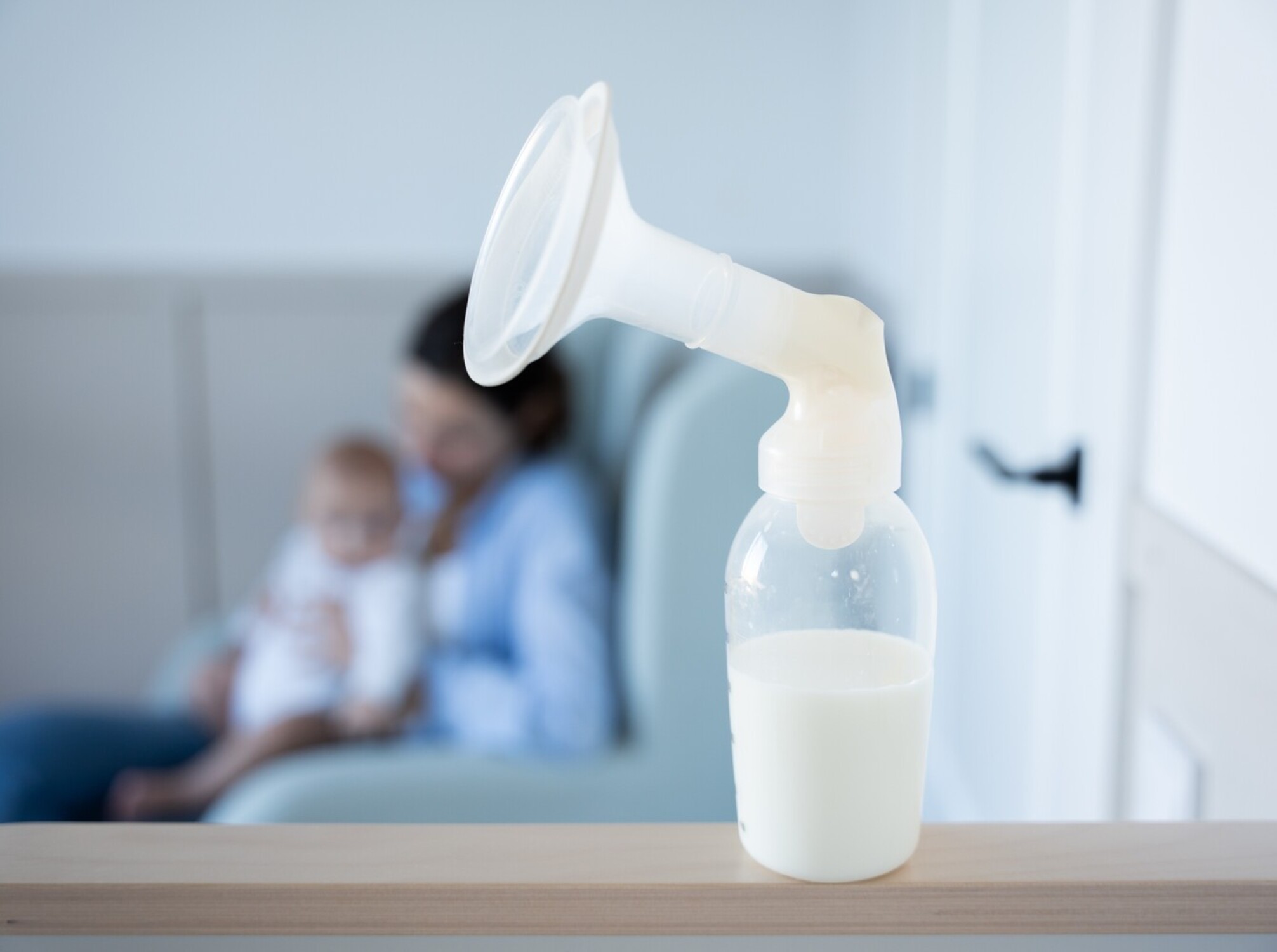
Medical Considerations That Affect Weight
Sometimes weight changes—or lack of changes—are influenced by medical factors.
Thyroid Changes
Postpartum thyroiditis can affect metabolism and energy levels. Symptoms may include:
Extreme fatigue
Feeling cold
Anxiety or palpitations
Unexpected weight changes
If symptoms persist, lab work may be appropriate.
Anemia
Iron deficiency is common postpartum, especially after significant blood loss. Low iron can cause fatigue, dizziness, and exercise intolerance, which can affect appetite and movement.
PCOS and Insulin Resistance
Hormonal conditions can influence appetite regulation and weight patterns. Restriction often worsens symptoms rather than improving them.
Medical factors should be addressed directly rather than compensated for through increased restriction.
Gentle Nutrition Principles for Breastfeeding
Rather than rules, dietitians use guiding principles during breastfeeding:
Eat regularly
Include protein consistently
Don’t fear carbohydrates
Use fats for satisfaction
Stay hydrated
Adjust based on energy, not the scale
These principles support milk production, recovery, and mental health.
Weight Changes After Breastfeeding Ends
Weaning introduces another wave of hormonal changes. Prolactin decreases, appetite may shift, and energy needs adjust.
Some people notice weight changes after weaning, while others don’t. There is no universal timeline.
During this transition, aggressive dieting often backfires. Gradual adjustments to intake and movement allow the body to recalibrate without triggering fatigue or rebound eating.
Long-Term Health Beyond the Breastfeeding Period
Health does not pause during breastfeeding—but it also doesn’t need to be optimized.
Long-term health is supported by:
Consistent nourishment
Muscle preservation
Bone health
Mental well-being
Sustainable habits
Short-term weight manipulation does not predict long-term outcomes.
When to Seek Individualized Support
Working with a Registered Dietitian can be helpful if:
You feel stuck between wanting weight loss and fearing restriction
Eating feels chaotic or stressful
You’re unsure how to fuel adequately
You have medical conditions affecting your appetite or weight
You want reassurance and clarity during this stage
Individual support helps remove guesswork and pressure. Connecting with a Registered Postnatal Dietitian can provide personalized care and a plan that fits your life.

Appetite Regulation During Breastfeeding
One of the most confusing parts of breastfeeding for many parents is appetite. Hunger can feel unpredictable, intense, or disconnected from typical meal times. This is not a lack of self-control—it is a physiological response to increased energy demands combined with sleep disruption and hormonal shifts.
Why Hunger Can Feel Sudden or Urgent
Breastfeeding increases energy use, but hunger signals do not always rise gradually. Many parents describe hunger that appears quickly, especially:
During or immediately after feeds
In the evening hours
After cluster feeding
Following poor sleep
This happens because the body prioritizes milk production and energy availability. When fuel runs low, hunger hormones increase rapidly to protect the supply and maternal function.
Trying to override these cues often leads to rebound eating later, increased irritability, and difficulty regulating portions.
The Role of Blood Sugar Stability
Blood sugar swings can intensify hunger and cravings during breastfeeding. Skipping meals, eating very small portions, or relying on refined carbohydrates alone can lead to sharp drops in blood sugar, followed by strong urges to eat.
Balanced meals that include protein, carbohydrates, and fats help slow digestion and stabilize energy. This reduces the feeling of “never being full” that many breastfeeding parents experience.
Practical Eating Patterns That Support Breastfeeding
Rather than strict plans, dietitians encourage flexible patterns that work within real life.
A Meal-and-Snack Rhythm
Many breastfeeding parents do best with:
Breakfast within one to two hours of waking
Lunch and dinner are spaced four to five hours apart
One to two snacks between meals
Snacks are not a failure or extra—they are a practical tool for meeting energy needs when meals are delayed or interrupted by feeds.
What Makes a Snack Supportive
A supportive snack usually includes:
A source of protein
A source of carbohydrates
Examples include yogurt with fruit, toast with nut butter, cheese and crackers, or hummus with vegetables and pita. These combinations provide sustained energy and reduce the likelihood of grazing later.
Eating When Time Is Limited
Some days, sitting down for a full meal feels impossible. On those days, nourishment still matters.
Quick options might include:
Smoothies with milk or yogurt
Sandwiches eaten in stages
Leftovers eaten cold
Convenience foods paired with protein
Perfection is not the goal. Consistency is.

Weight Stigma and the Postpartum Experience
Weight stigma is deeply embedded in postpartum culture. Comments about “losing the baby weight,” praise for rapid body changes, and unsolicited advice are common—even in healthcare settings.
These messages can:
Increase body dissatisfaction
Encourage restriction during recovery
Discourage help-seeking
Worsen anxiety or depression
Dietitians actively work to counter weight stigma by focusing on health behaviors rather than body size.
How Weight Stigma Shows Up in Healthcare
Some breastfeeding parents report being advised to:
Lose weight despite fatigue or anemia
Restrict calories while nursing
Delay addressing symptoms until weight changes
This approach can overlook underlying medical needs. Weight-neutral care emphasizes addressing symptoms directly rather than assuming weight is the cause.
Cultural and Social Pressure Around Postpartum Bodies
Cultural expectations strongly influence how postpartum bodies are perceived.
In many societies, there is pressure to:
Appear unchanged by pregnancy
“Bounce back” quickly
View weight retention as a personal failure
These expectations do not align with biology. Postpartum bodies are meant to change. Breastfeeding bodies often retain fat stores as part of normal physiology.
Recognizing that these pressures are cultural—not medical—can help reduce internalized guilt.
When Weight Loss Becomes a Proxy for Other Needs
Sometimes the desire for weight loss represents unmet needs rather than a true desire to be smaller.
It may reflect:
A need for control
A desire to feel like yourself again
Discomfort with physical changes
Wanting reassurance from others
Addressing these needs directly—through rest, support, clothing that fits, or emotional care—is often more effective than pursuing weight loss.
Movement and Appetite During Breastfeeding
Movement can support mood, strength, and energy, but it also increases appetite. This is not a problem—it is a signal.
When movement leads to intense hunger or fatigue, it often means:
Intake is too low
Recovery is insufficient
Intensity is too high
Adjusting food intake around movement is often more helpful than reducing movement entirely.
Strength, Not Burn
Preserving muscle mass supports long-term health and metabolism. Gentle strength work one to three times per week can be beneficial when energy allows.
The goal is not calorie burn. The goal is function, resilience, and confidence in your body’s ability.
Preparing for the Transition After Breastfeeding
Weaning is another physiological transition, not a switch that flips overnight.
During this time:
Appetite may change
Energy needs shift
Emotions may fluctuate
Weight may change—or not
Gradual adjustments to intake are safer than abrupt restriction. Many people benefit from reassessing habits rather than assuming they need to “cut back.”
What Sustainable Health Looks Like Long-Term
Long-term health is not built during the most demanding season of life—it is supported through it.
Health-promoting behaviors include:
Eating regularly
Honoring hunger
Supporting recovery
Maintaining muscle
Protecting mental health
These behaviors matter more than weight change during breastfeeding.
When to Pause and Reassess
It may be time to reassess your approach if:
Food feels stressful or rigid
You feel guilty for eating
Hunger feels out of control
Weight thoughts dominate your day
You feel disconnected from your body
These are signs that support—not stricter rules—are needed.
Clinical Red Flags That Deserve Medical Attention
While weight changes during breastfeeding are often normal and variable, certain symptoms should prompt medical evaluation regardless of body weight or goals.
Red Flags Related to Energy and Nutrition
Seek care if you experience:
Persistent dizziness or fainting
Extreme fatigue that does not improve with rest
Feeling cold all the time
Difficulty concentrating or brain fog that worsens
Hair loss that feels sudden or excessive
Frequent illness or slow wound healing
These symptoms may point to under-fueling, anemia, thyroid dysfunction, or other medical issues that require treatment—not dietary restriction.
Red Flags Related to Mood and Mental Health
Postpartum mental health deserves as much attention as physical recovery. Reach out for support if you notice:
Ongoing sadness, numbness, or anxiety
Irritability that feels unmanageable
Intrusive thoughts related to food, weight, or body shape
Guilt or shame around eating
Feeling disconnected from yourself or your baby
Nutrition, sleep, hormones, and mental health are deeply connected. Support often needs to address multiple areas at once.
Red Flags Related to Feeding and Milk Supply
Changes in milk supply are not always caused by food intake, but patterns matter. Seek guidance if you notice:
Fewer wet diapers over several days
Slower weight gain in your baby over time
Shorter or more frustrated feeds
Persistent fussiness after feeds
A noticeable drop in pumping output
These signs warrant support from a pediatrician, lactation consultant, or healthcare provider. Increasing nourishment is often part of the solution.
Weight Changes After Breastfeeding Ends
Many people assume that weight loss will automatically happen once breastfeeding stops. In reality, post-weaning weight changes are highly individual.
Hormonal Shifts After Weaning
When breastfeeding ends, prolactin levels decrease. Appetite may decrease, increase, or feel temporarily dysregulated. Energy needs also decrease slightly because milk production is no longer occurring.
These hormonal shifts can take weeks or months to stabilize. Early weight changes often reflect fluid shifts rather than fat loss or gain.
Why Weight Loss Is Not Guaranteed After Weaning
Some people lose weight after weaning because:
Appetite decreases
Sleep improves
Energy increases
Activity becomes easier
Others gain weight if intake remains at breastfeeding levels while energy needs drop. Many see little change at all.
None of these outcomes are abnormal.
How to Adjust Gently After Weaning
Dietitians recommend gradual changes rather than immediate cuts.
Helpful steps include:
Maintaining regular meals
Reducing intake slightly if hunger decreases
Adjusting snack frequency
Increasing movement slowly if energy improves
Abrupt restriction often leads to fatigue or rebound eating.

Frequently Asked Questions
Is it harder to lose weight while breastfeeding?
For some people, yes. Hormones, increased appetite, sleep deprivation, and stress can all make weight loss more difficult. Others lose weight more easily. Both experiences are normal.
Should I try to lose weight while breastfeeding?
From a dietitian’s perspective, intentional weight loss is rarely recommended during breastfeeding, especially early postpartum. Nourishment and recovery take priority.
Is it unhealthy if I don’t lose weight while breastfeeding?
No. Weight maintenance or gain during breastfeeding can still be completely healthy. Health is not defined by weight change during this stage.
Can dieting affect my milk supply?
Chronic under-eating can make it harder for some bodies to maintain supply, especially during periods of stress or illness. Adequate intake supports consistency and resilience.
Can I do intermittent fasting while breastfeeding?
Intermittent fasting may increase fatigue and hunger and can affect milk supply for some people. Most dietitians recommend regular meals instead during breastfeeding.
Are low-carb or keto diets safe while breastfeeding?
Very low-carbohydrate diets are generally not recommended during breastfeeding. Carbohydrates support energy needs, recovery, and milk production.
What about weight-loss medications or supplements?
Most weight-loss medications and supplements are not recommended during breastfeeding due to limited safety data and potential effects on appetite, hydration, and milk supply.
When should I work with a dietitian?
Working with a Registered Dietitian is especially helpful if you:
Feel conflicted about weight and feeding
Have medical conditions affecting appetite or energy
Have a history of disordered eating
Want reassurance and individualized guidance
Reframing the Question Entirely
Rather than asking, “Can I lose weight safely while breastfeeding?”
Dietitians often encourage a different question:
“How can I support my body, my baby, and my well-being during this season?”
When that question leads the way, nutrition choices become more flexible, compassionate, and sustainable.
A Final Word
Breastfeeding is a demanding biological and emotional process. It is not a time meant for restriction, optimization, or body comparison.
Health during breastfeeding is defined by:
Adequate nourishment
Stable energy
Emotional support
Respect for recovery
Care for both parent and baby
Weight may change during this time, or it may not. Neither outcome determines your health, your worth, or your success as a parent.
If you want guidance that supports your body without reinforcing pressure or guilt, working with a Registered Dietitian through Berry Street can help you navigate breastfeeding, recovery, and long-term health with clarity and confidence.