Key Takeaways
Weight regain after stopping a GLP-1 is common and driven by biology — appetite and metabolic signals return — not by a lack of willpower.
Regain is not inevitable. Real-world data shows most people keep off at least some of their loss two years after their last dose.
The habits that protect your results — protein at every meal, strength training, balanced plates — are best built before you stop, while you are still on the medication.
Protecting muscle matters, because lean mass helps keep your metabolism steady during and after a GLP-1.
A registered dietitian can personalize your maintenance plan and help you reset early, without restriction or self-judgment.
You reached your goal, or your plan changed, and now you are asking the question millions of people are asking — how do I keep this off? It is a fair question, and a common one. Coming off a GLP-1 medication like Ozempic or Wegovy does not have to mean watching the scale climb back up. What happens next depends far less on willpower and far more on the habits you build around the medication, and on having the right support. That is exactly the work Berry Street’s registered dietitians do every day through nutrition support for GLP-1 medications — helping you protect muscle, manage the return of appetite, and keep your results steady.
In 30 seconds: Some weight regain after stopping a GLP-1 is expected physiology, not failure — but it is far from inevitable. The people who maintain their results are usually the ones who built protein-first eating, strength training, and balanced plates before their last dose. Working with a dietitian to personalize and sustain those habits is what protects your progress over time.
weight they had lost within a year of stopping semaglutide. A 2026 systematic review found that people regain, on average, about 60% of the weight lost one year after stopping — but that same review found regain tends to slow and plateau below the starting point, meaning some of the benefit often persists. A 2025 meta-analysis described a similar metabolic rebound after discontinuation.
The real-world picture is more encouraging than the trial headlines. In an analysis of 188,722 patients, most people sustained at least some weight loss two years after stopping — about 56% of those who stopped semaglutide had maintained or improved their loss.
The takeaway is not that regain is guaranteed. It is that your body is responding to a real change, and that response is predictable, manageable, and something you can plan for.

What happens in your body when the medication stops
GLP-1 medications work while they are in your system. When you taper or stop, three things gradually shift:
Appetite and “food noise” return. The quieter relationship with food that many people feel on the medication tends to come back as the drug clears and hunger cues become louder.
Gastric emptying speeds back up. Food moves through your stomach faster again, so you may feel hungry sooner after meals.
A smaller body needs fewer calories. After weight loss, your body simply requires less fuel than it used to, which can make maintenance feel different than it did before.
None of this is a sign of weakness. It is biology doing what biology does.
Why muscle loss during treatment makes regain more likely
A meaningful share of the weight lost on a GLP-1 can come from lean muscle, not just fat. That matters because muscle is metabolically active — it helps set the pace of your metabolism. When you lose muscle, your body may burn slightly fewer calories at rest, which can tilt the odds toward regain once appetite returns. Protecting muscle is one of the most important things you can do, and we cover exactly how below. For a deeper look at how appetite and metabolism shift after stopping, see our dietitian’s guide to life after Ozempic.


The dietitian’s framework for maintaining your weight after a GLP-1
Keeping weight off after a GLP-1 is not about willpower. It is about the habits that stay with you when the medication changes or stops. Here is the framework a registered dietitian would build with you — flexible baselines, not rigid rules.
Prioritize protein (and how to spread it across smaller meals)
Protein does double duty. It helps you feel full, and it helps protect the muscle that keeps your metabolism steady. Higher protein intake is linked to better preservation of muscle for some people during weight loss. A common starting range is around 20 to 30 grams of protein per meal, adjusted to your body, activity, and needs. Because appetite may still be lower as you taper, spreading protein across smaller meals and snacks — rather than trying to get it all at dinner — makes the target far easier to hit.

“When a client is coming off a GLP-1, I look at protein and strength before I look at the scale. My go-to is protein and fiber-first eating — start every meal with the protein and fiber, even if that’s a small Greek yogurt with berries or a few bites of eggs at the meal you feel least nauseated. If we protect muscle while appetite comes back, we protect the results. The fiber is important to help regulate bowel movements and the color provides nutrients.” — Bridget Isaacs, MS, RD
Protect muscle with resistance and strength training
Food is only half of the muscle equation. Resistance training — bodyweight moves, resistance bands, or weights two to three times a week — signals your body to hold onto lean mass. You do not need a gym or a complicated program. Consistency beats intensity here, and even short, regular sessions help protect the metabolism you worked to build.
Build fiber and balanced plates (satiety without restriction)
No food is off-limits. Instead of cutting things out, focus on adding: vegetables, fruit, beans, whole grains, and other fiber-rich foods that keep you full and support digestion. A simple, balanced plate — protein, fiber, some healthy fat, and a carbohydrate you enjoy — tends to keep hunger steadier than any restrictive rule, and it is far easier to sustain.

Stay hydrated and protect sleep
Both hydration and sleep quietly shape appetite. Aiming for steady water intake across the day supports digestion and can help you read hunger cues more accurately. Sleep matters just as much — short or poor sleep nudges appetite hormones toward more hunger and stronger cravings, which makes maintenance harder. For many people, protecting sleep is one of the highest-value habits there is.
Track gently, not obsessively (awareness over calorie counting)
Awareness helps. Obsession does not. Rather than counting every calorie, many people do well with lighter check-ins — noticing energy, hunger, how clothes fit, or a weekly weigh-in if that feels supportive rather than stressful. The goal is early awareness so a small change stays small, not a return to strict diet rules.
Plan before you stop — the transition that protects your results
The most protective work happens before your last dose, not after. Here is how to make the transition a plan rather than a cliff.
Talk to your medical team about tapering vs. stopping
Whether you taper gradually or stop is a medical decision, and it is worth an intentional conversation with your prescriber. A slower, structured step-down may give your appetite and habits more time to adjust. Ask what makes sense for your history, your goals, and how you have responded to the medication so far.
Build the habits while you’re still on the medication
This is the single most important idea in this guide. The window while you are still on a GLP-1 — when appetite is lower and food noise is quieter — is the ideal time to lock in protein-first eating, regular strength training, and a steady meal rhythm. When those habits are already automatic, they are more likely to stay standing when appetite returns.
When to consider a maintenance dose or restarting (a medical decision)
For some people, staying on a lower maintenance dose, or restarting later, is the right call — and there is no shame in that. Obesity is a chronic condition, and ongoing medical treatment is a legitimate part of managing it. This is a decision to make with your prescriber, based on your health and how your body responds, not on willpower or guilt.
Weight regain is not a personal failure
If the scale moves up after you stop, that is not proof you failed. Your body is responding to a change in medication the way bodies are designed to. Obesity is a chronic, relapsing condition, which means it is normal to need ongoing support — the same way you would with any long-term health condition. Regain is a signal to adjust and get support, not a verdict on your character.
“When a client tells me they’re terrified of gaining everything back the day they stop, I tell them the plan is not to restrict harder — it’s to keep the habits we already built. We don’t cut foods out. We add protein, movement, and regular meals, and we agree to check in early if the scale creeps, so a small adjustment stays small instead of turning into a spiral.” — Bridget Isaacs, MS, RD
And remember, weight is not the only measure of health. Energy, strength, blood sugar, digestion, and your relationship with food all matter too. A dietitian can help you keep sight of the full picture and reset early, without self-judgment.
How Berry Street helps you keep the weight off
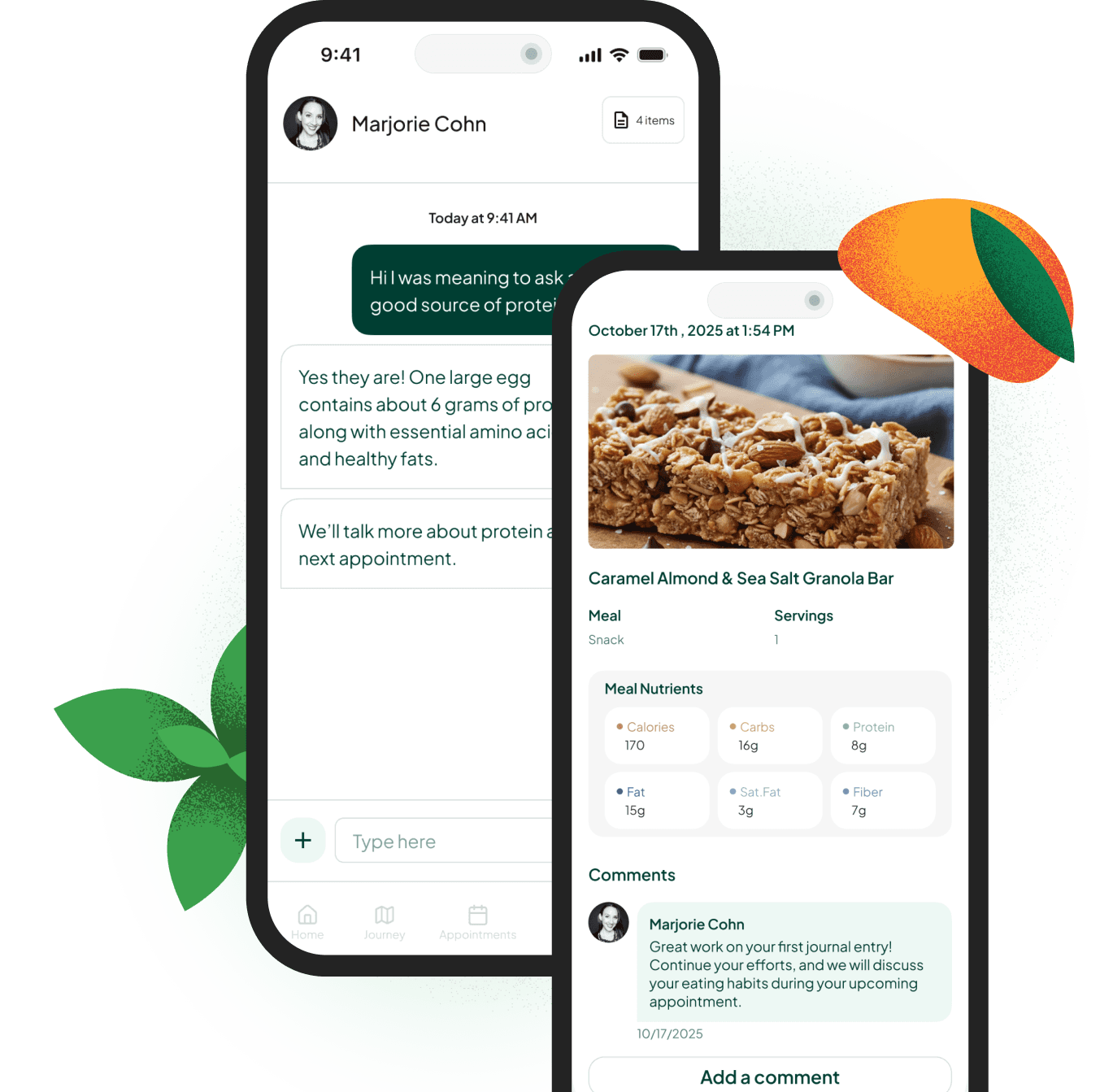
You do not have to figure this out alone. Berry Street offers 1-on-1 virtual care with registered dietitians who specialize in GLP-1 nutrition support — the “sustain” phase of your journey, whether you are staying on a medication or planning to taper off. Your dietitian helps you protect muscle, manage the return of appetite, and keep your habits steady, with a plan built around your history and your real life. If you want practical, food-first guidance while you are still on your medication, our dietitian’s guide to what to eat on a GLP-1 medication is a good place to start.

Most of this care is covered by insurance. Berry Street is in-network with 1,250+ plans, and most members pay $0. When you are ready, you can connect with a registered dietitian and check your coverage in about 60 seconds, with no commitment.
Frequently Asked Questions
Will I gain the weight back after stopping Ozempic or a GLP-1?
Some regain is common because appetite and metabolic signals return once the medication leaves your system, but it is not inevitable. How much you regain varies widely from person to person. Habits like protein-first eating, strength training, and regular meals can help you hold onto more of your results.
What percentage of weight do people regain after stopping a GLP-1?
It differs a lot. In the STEP 1 trial extension, participants regained about two-thirds of their lost weight within a year, and a 2026 review put the average at roughly 60% one year after stopping. But real-world data is more encouraging — about 56% of people who stopped semaglutide had maintained or improved their loss two years later.
How soon does weight regain start after your last dose?
For many people, appetite begins to return within a few weeks of stopping as the medication clears the body. Any regain that follows is usually gradual rather than sudden. This early window is a good time to lean on the habits you have built and to check in with a dietitian if you need support.
Is it possible to keep weight off after Ozempic without staying on it forever?
Yes, for many people it is. Long-term medication is one valid option, but it is not the only path. The people who maintain best after stopping tend to have protein intake, movement, and steady eating habits already in place, ideally built while still on the medication.
Why do I feel so much hungrier after stopping a GLP-1?
GLP-1 medications reduce appetite and slow how quickly your stomach empties. When you stop, both effects reverse, so hunger and “food noise” return and you may feel hungry sooner after meals. This is a normal biological response, not a sign of weak willpower.
Should I taper off my GLP-1 or stop cold turkey?
That is a medical decision to make with your prescriber. For some people, a gradual taper gives appetite and habits more time to adjust than stopping abruptly. Ask your medical team what makes sense for your health history and how you have responded to the medication.
How much protein should I eat to maintain my weight after a GLP-1?
A common starting point is around 20 to 30 grams of protein per meal, though your ideal target depends on your body, activity level, and health needs. Because appetite may still be lower, protein and fiber-first eating helps you meet that goal even on smaller portions. A dietitian can set a range that fits you.
Does losing muscle on a GLP-1 make weight regain more likely?
Yes, for many people it can. A share of the weight lost on a GLP-1 is often lean muscle, and muscle helps keep your metabolism steady. Protecting it with adequate protein and resistance training helps tilt the odds toward maintenance.
What should I eat after stopping Ozempic to avoid regaining weight?
Focus on balanced plates with protein, fiber-rich vegetables, fruit, whole grains, and healthy fats, rather than cutting foods out. This approach keeps you full and supports satiety without restriction. Working with a dietitian to personalize it makes the plan far easier to sustain.
Is weight regain after a GLP-1 a personal failure?
No. Regain after stopping a medication is an expected biological response, and obesity is a chronic, relapsing condition where ongoing support is normal. Health is about more than one number on the scale, and small, steady habits still count.
Can a registered dietitian help me maintain my weight after coming off a GLP-1?
Yes. A registered dietitian can build a maintenance plan around your medication, protect muscle, manage the return of appetite, and adjust as your needs change. This kind of personalized, ongoing support is what helps habits last.